India’s Aircraft Accident Investigation Bureau (AAIB) has released its preliminary report into the December 2025 crash involving a trainer aircraft operated by Redbird Flight Training Academy near Suktara Airfield in Madhya Pradesh. The early findings point to a loss of engine power as a key factor in the sequence of events that led to the forced landing and subsequent crash, even as investigators continue a deeper technical examination.
The aircraft involved was a TECNAM P-Mentor trainer, with an instructor and a trainee pilot on board. According to the report, the issue emerged during the final phase of the flight. As the aircraft approached landing, the instructor instructed the trainee to increase power. The trainee responded that engine power was already set at around 75 percent. Shortly thereafter, both pilots observed a drop in engine RPM, indicating a reduction in engine output.
Realising that the aircraft was no longer producing the required power, the instructor took over the controls and informed air traffic control about an imminent forced landing. The aircraft was manoeuvred slightly away from the intended approach path in an attempt to land safely, but the loss of power significantly limited the available options.
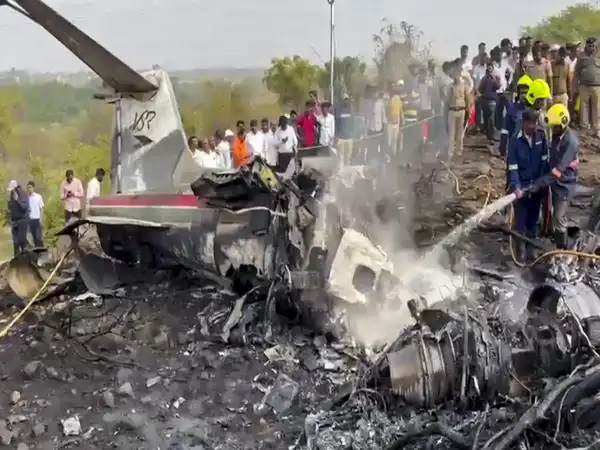
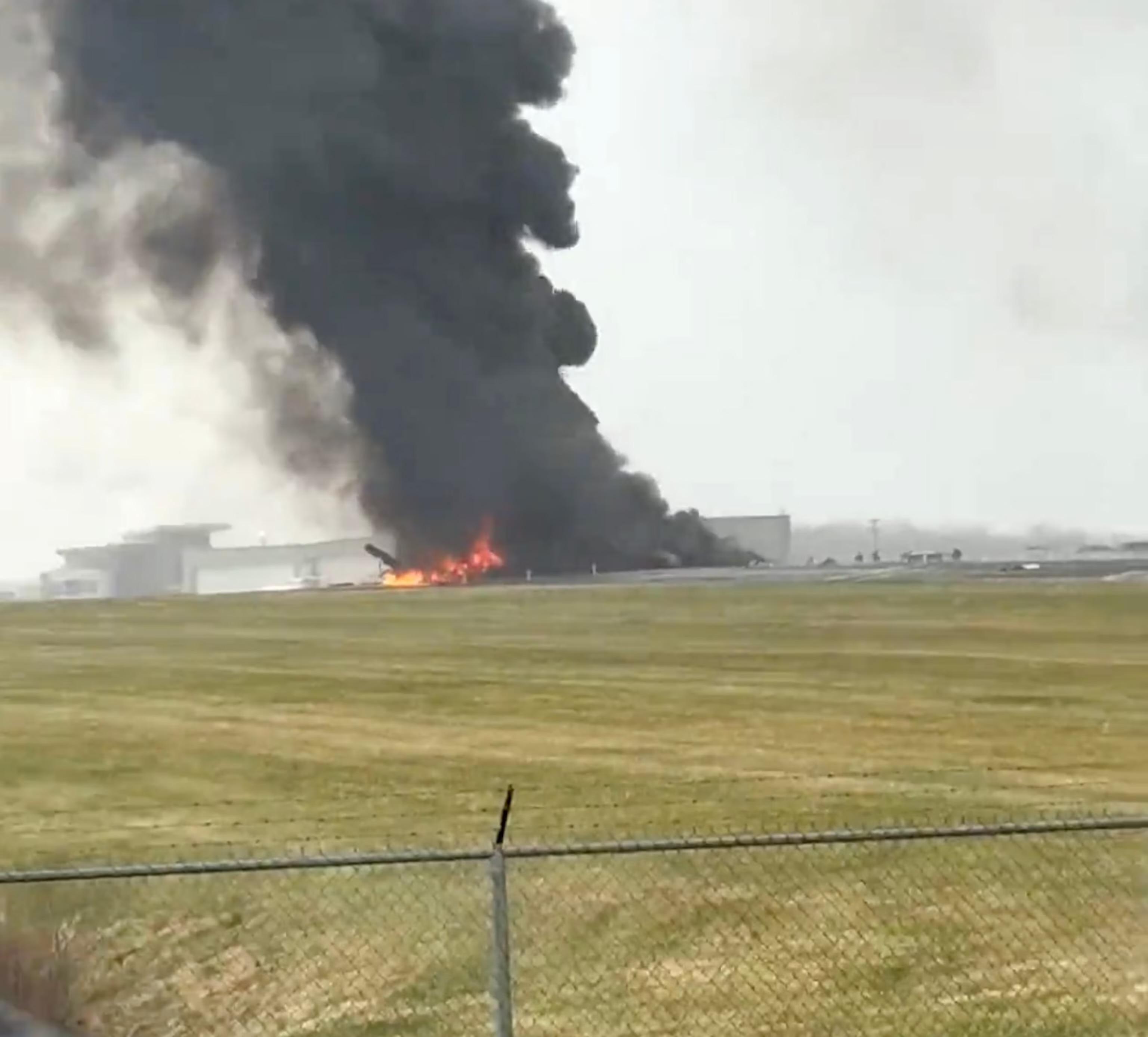
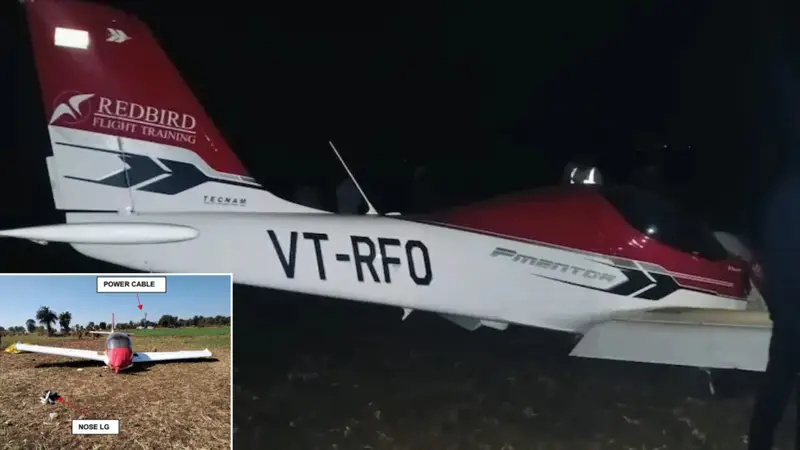
During the forced landing attempt, the aircraft struck a power cable and came down in a nearby field short of the runway. The impact caused substantial damage to the aircraft. Both the instructor and the trainee sustained injuries, with the trainee reportedly suffering more serious harm. Emergency responders reached the site soon after to provide medical assistance and secure the area.
As part of the investigation, the AAIB has secured maintenance records related to the aircraft and taken custody of the engine control unit (ECU) for detailed analysis. Fuel and oil samples have been collected for laboratory testing, and investigators have conducted interviews with the pilots and other relevant personnel to reconstruct the events leading up to the crash.
Engine RPM is a critical indicator of performance, and any unexpected drop can signal problems related to fuel supply, combustion, or engine control systems. The emphasis on RPM loss in the preliminary findings highlights the possibility of a technical malfunction, although investigators have not ruled out operational or environmental factors at this stage.
The AAIB has stressed that the findings are preliminary and do not establish final conclusions or assign responsibility. Further examination of engine data, component performance, and operational procedures will continue before a final report is issued. The outcome of the investigation is expected to carry important safety lessons for flight training operations, aircraft maintenance practices, and engine monitoring procedures across the sector.