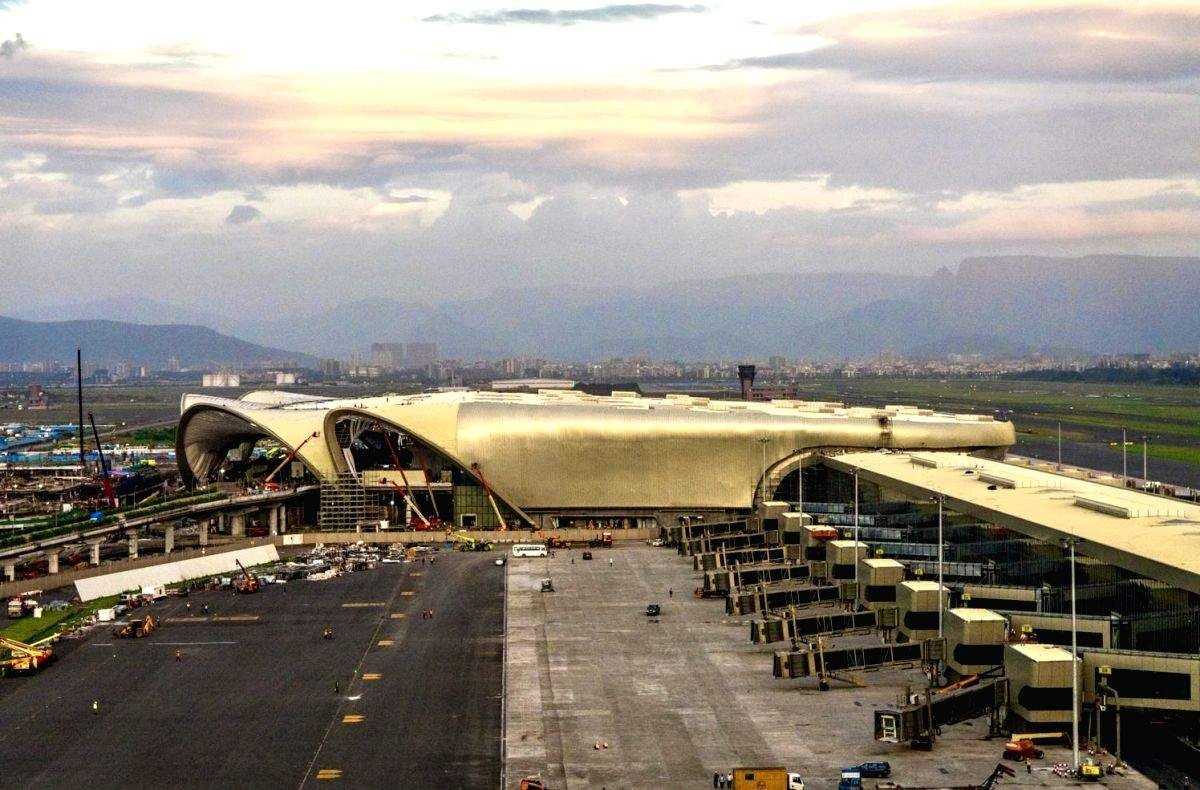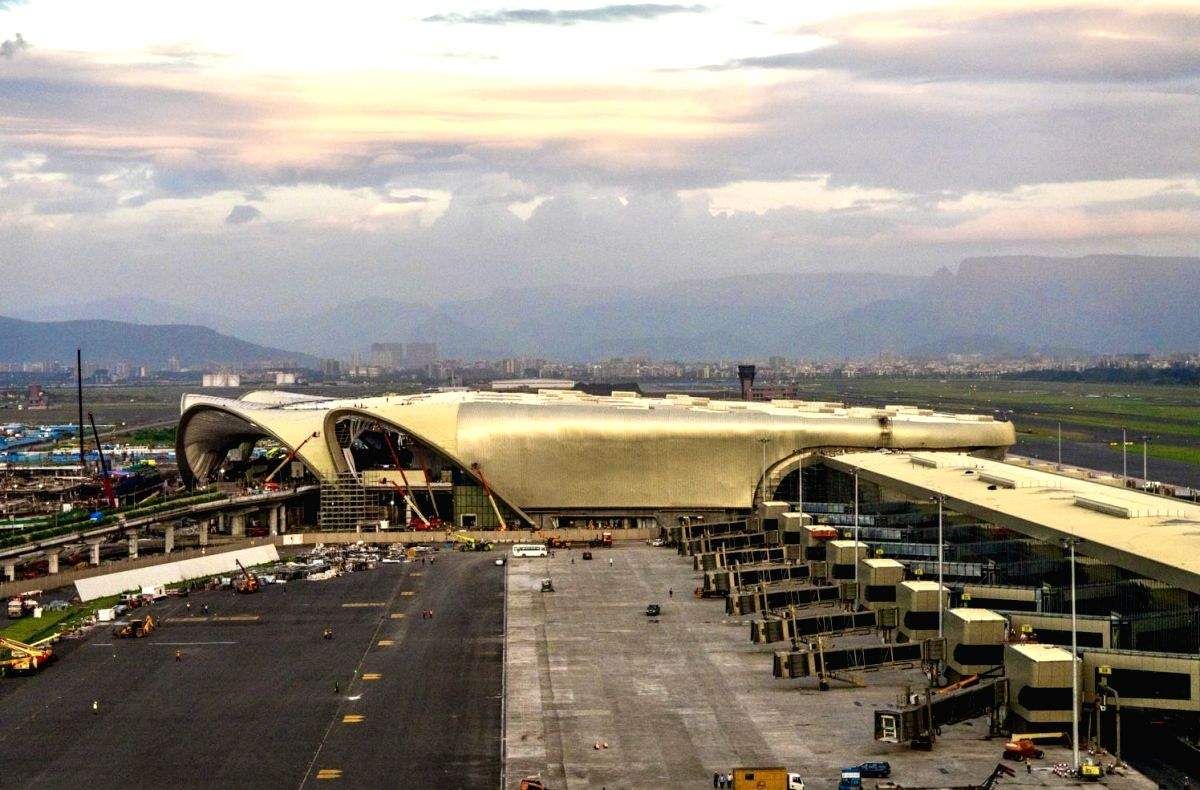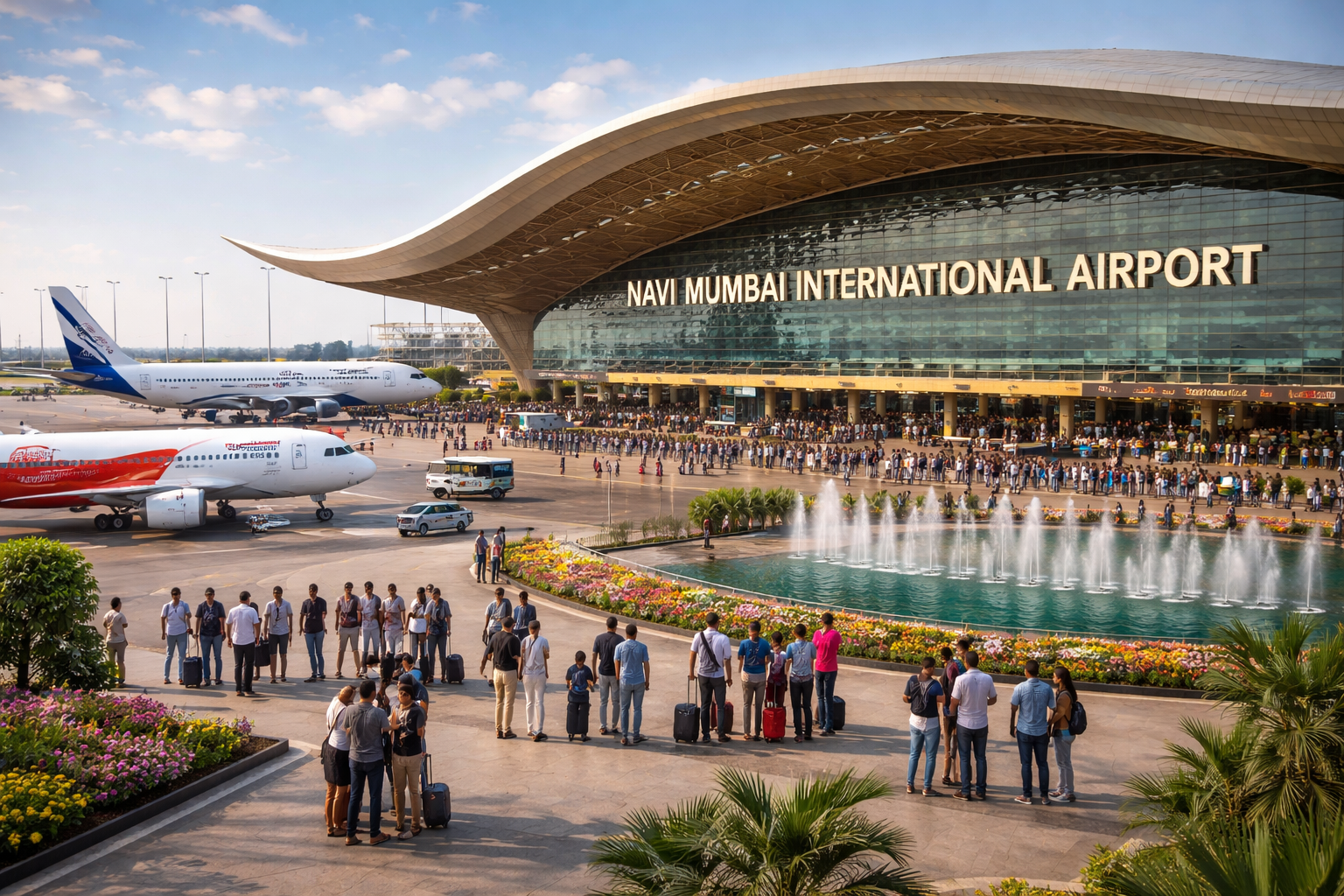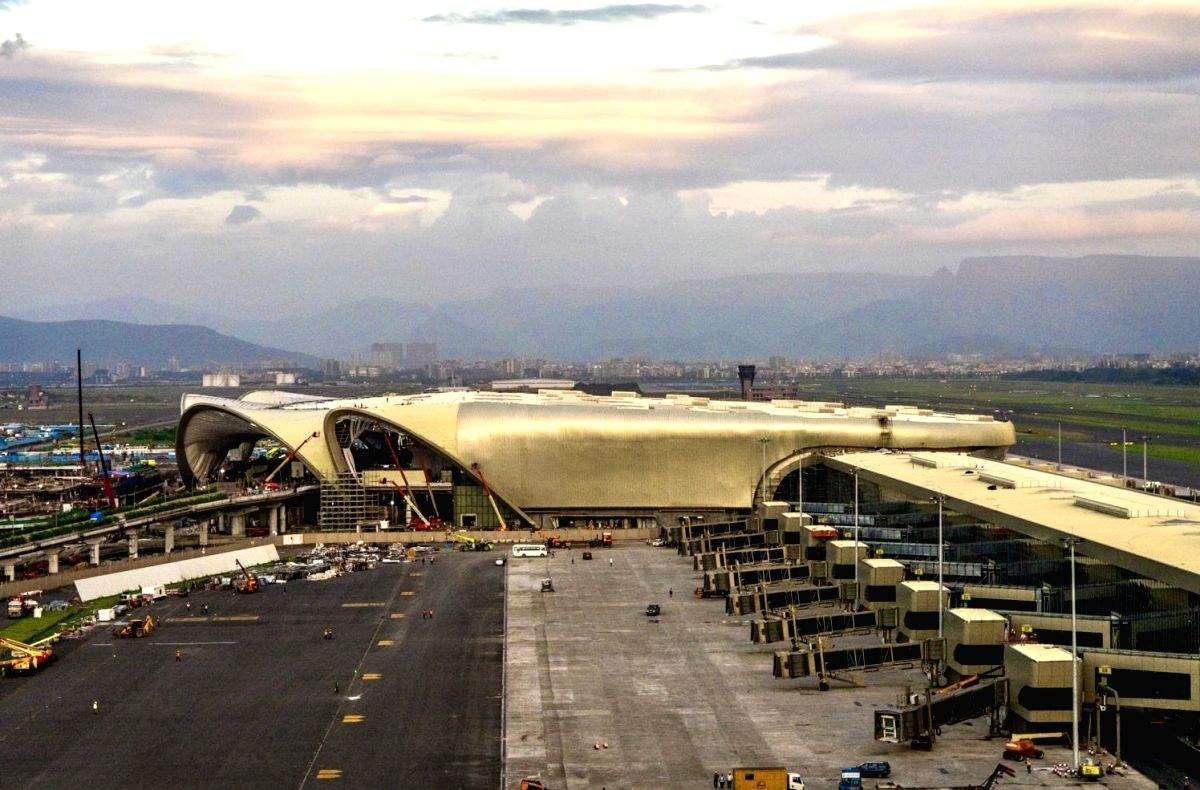
FedEx Express has announced a significant investment of ₹2,500 crore to establish a state-of-the-art automated cargo hub at Navi Mumbai International Airport, underscoring the company’s confidence in India’s trade growth and the expanding role of air freight infrastructure. The facility represents one of the largest single investments in air cargo logistics in the region and is intended to enhance capacity, efficiency and reliability for freight moving through one of India’s fastest-growing aviation gateways.
The automated cargo centre will incorporate advanced handling technologies, robotics, automated sorting systems and real-time tracking capabilities that collectively increase throughput and reduce processing times. These systems are designed to manage a wide variety of shipments, including express parcels, perishables, high-value goods and specialised freight, with improved accuracy and turnaround. By leveraging automation, the hub aims to support both domestic distribution and international export-import flows across global supply chains.
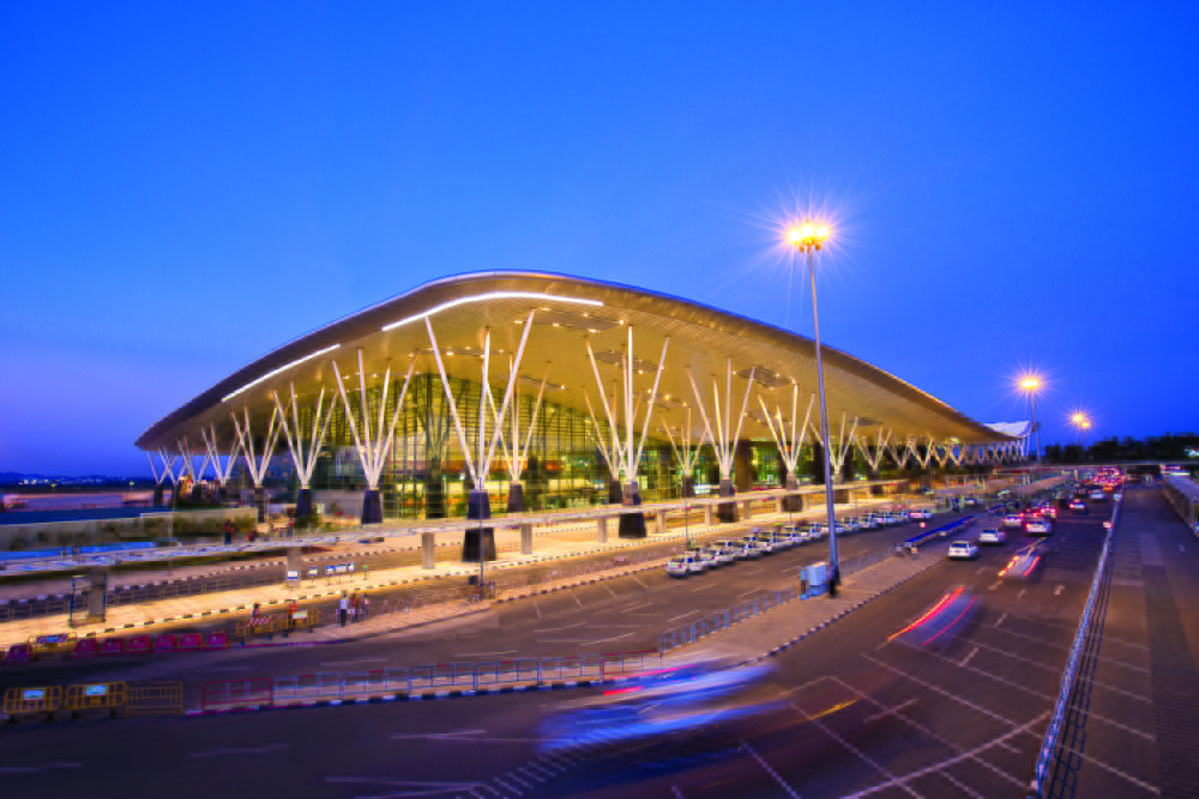
Navi Mumbai Airport’s strategic location near India’s commercial and manufacturing centres makes it an ideal choice for such an investment. The new cargo hub will be positioned to serve as a key logistics node linking India with major global markets, shortening delivery times and enhancing competitiveness for exporters and importers alike. For sectors such as pharmaceuticals, technology, e-commerce and fresh produce, improved air cargo services are expected to strengthen market access and support business growth.
The investment is also likely to create a range of employment opportunities in logistics, technology, operations and supply chain management, contributing to job creation in and around the Mumbai metropolitan region. Industry experts say that modern cargo infrastructure attracts ancillary services, warehousing partners, cold chain specialists and value-added providers, expanding the aviation ecosystem and boosting regional economic activity.
FedEx’s investment is part of a broader trend in which global logistics companies are upgrading their infrastructure to meet rising demand for fast, reliable freight services. With air cargo volumes steadily recovering and in some categories outpacing pre-pandemic levels, carriers and integrators are prioritising facilities that support high-efficiency operations and digital-first logistics solutions.
The hub’s automation technology is expected to offer enhanced safety by reducing manual handling, lowering the potential for damage or error, and enabling tighter quality control. Digital tracking and analytics will provide better visibility into cargo movements, allowing shippers and consignees to plan more precisely and manage inventory more effectively.
Experts note that dedicated cargo hubs can also relieve pressure on passenger terminals that handle mixed traffic. At many major airports, space constraints have historically challenged cargo handling efficiency. By establishing a purpose-built, automated facility at Navi Mumbai, FedEx and its partners can help streamline logistics operations while freeing up capacity at other airports for passenger and conventional freight services.
The Indian government and airport authorities welcomed the investment, saying it will support national objectives to enhance logistics infrastructure, improve ease of doing business and position India as a more attractive hub for global trade. They highlighted how reliable air freight connectivity is critical for export competitiveness and for integrating Indian producers into global value chains.
Construction of the cargo hub is expected to proceed in phases, aligned with the development of Navi Mumbai International Airport itself. Once operational, the facility will significantly increase the region’s cargo handling capacity and enable faster movement of goods to and from key destinations worldwide.
The investment also reinforces India’s growing importance in global supply chain strategies, as multinational firms expand capacity to serve rising demand from Indian businesses and consumers. With a rapidly expanding aviation market and supportive policy environment, infrastructure projects like this are seen as foundational to future economic growth.
FedEx’s commitment to the automated hub at Navi Mumbai Airport signals a long-term bet on India’s logistics potential and provides a strong vote of confidence in the country’s ability to support sophisticated, high-volume air freight operations. The development is expected to benefit shippers, carriers and consumers alike by providing a more robust, efficient and technology enabled backbone for air cargo movement.