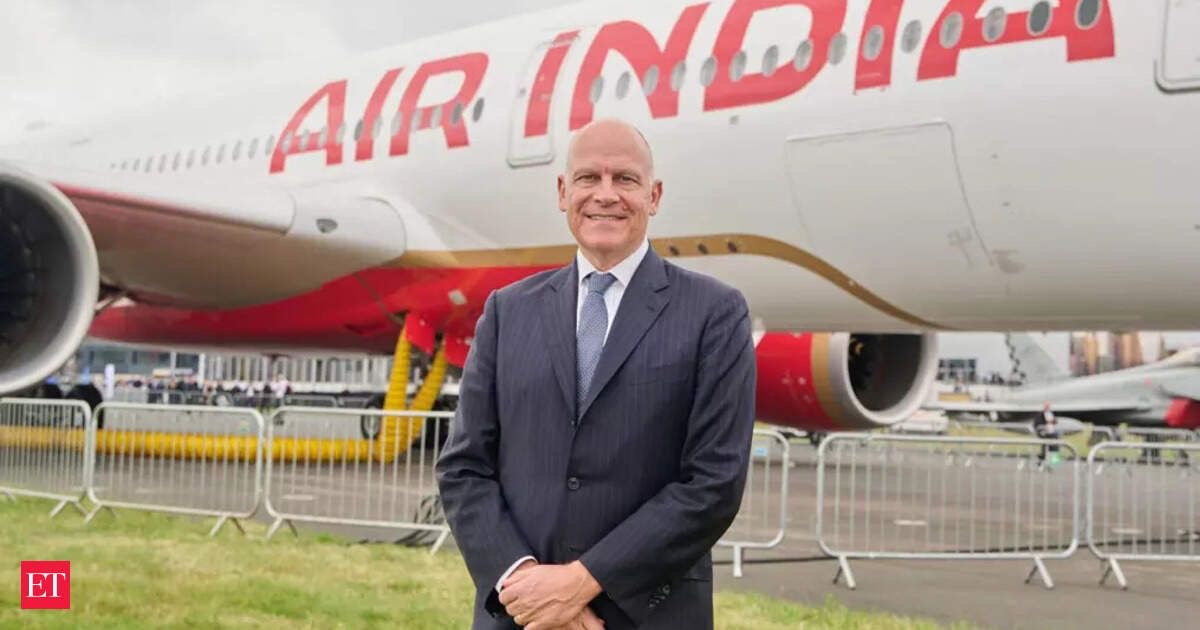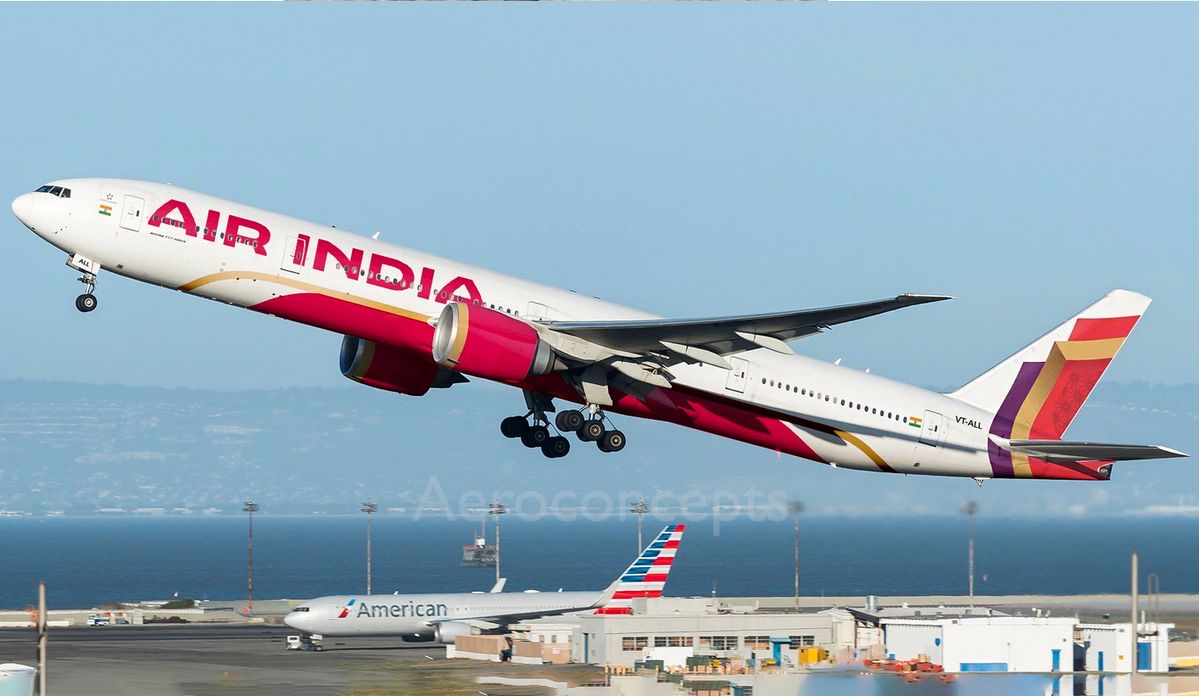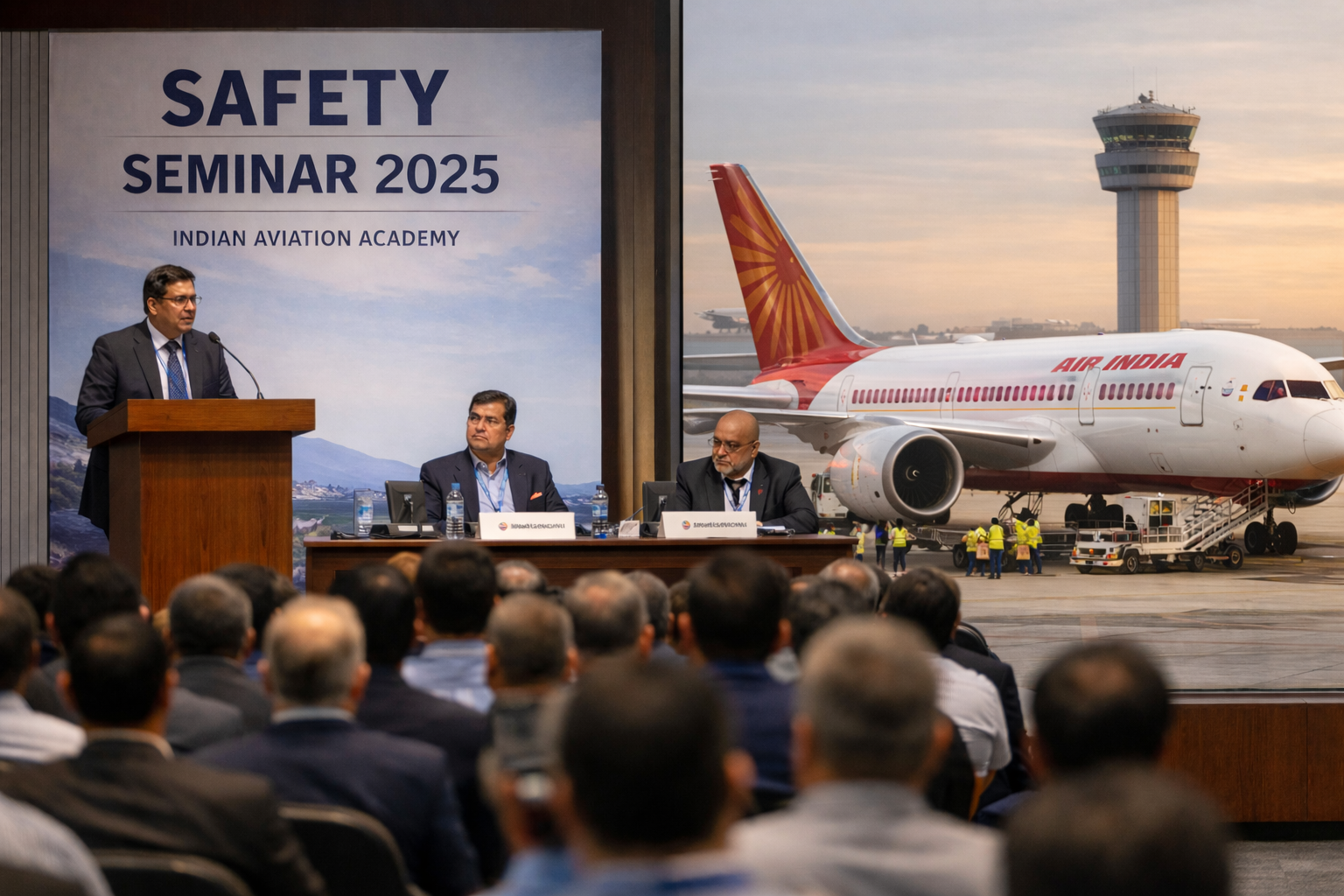
Air India chief executive officer Campbell Wilson has described the airline’s ongoing transformation as similar to the morning of the fifth day of a cricket Test match, using the comparison to highlight a stage of renewed energy, sharper execution and strategic momentum after an extended rebuilding phase. Speaking at a recent industry forum, Wilson said the analogy reflects how the airline has moved beyond early restructuring and is now concentrating on delivery, competitiveness and long term performance.
Since returning to Tata Group ownership, Air India has been undergoing wide ranging changes across fleet, network, branding and operations. Wilson explained that just like the final day of a Test match demands clarity, discipline and tactical precision, the airline is now at a point where earlier groundwork must translate into strong outcomes.
He noted that the transformation journey has included organisational restructuring, service upgrades, fleet renewal plans and closer global partnerships. With many foundational reforms already in place, the airline is entering a phase where operational reliability, customer experience and measurable performance gains are central priorities.
According to Wilson, the current focus includes improving on time performance, strengthening network connectivity, increasing aircraft utilisation and ensuring that expansion plans produce sustainable financial and service results. The cricket comparison resonates strongly in India, where the final day of a Test match often represents decisive play built on earlier endurance and preparation.
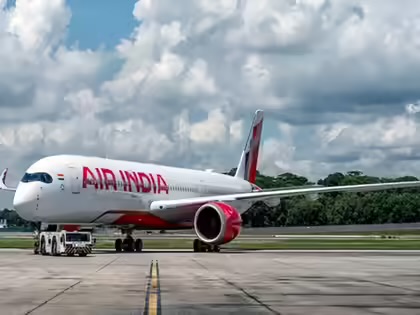
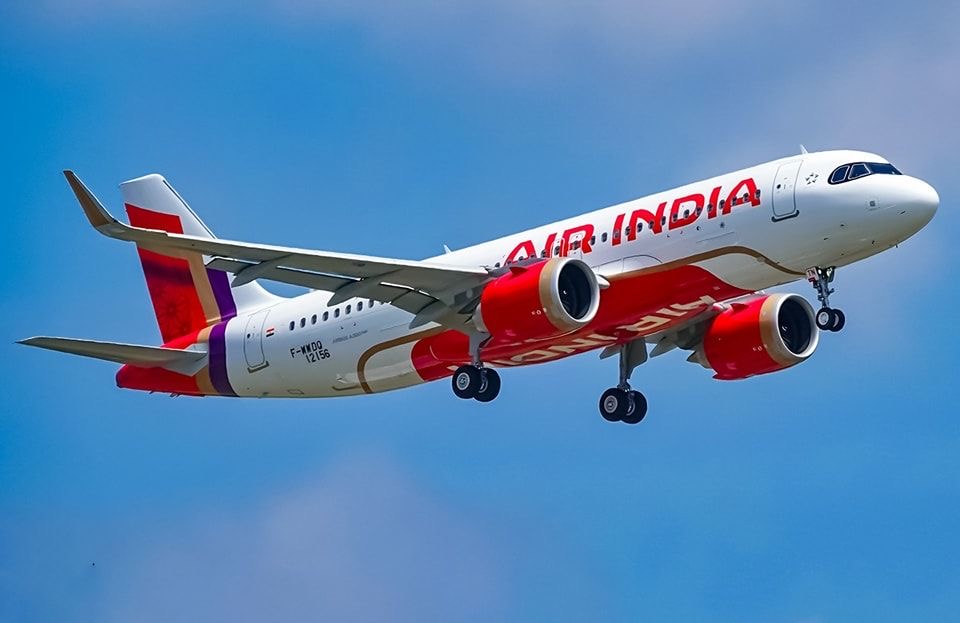
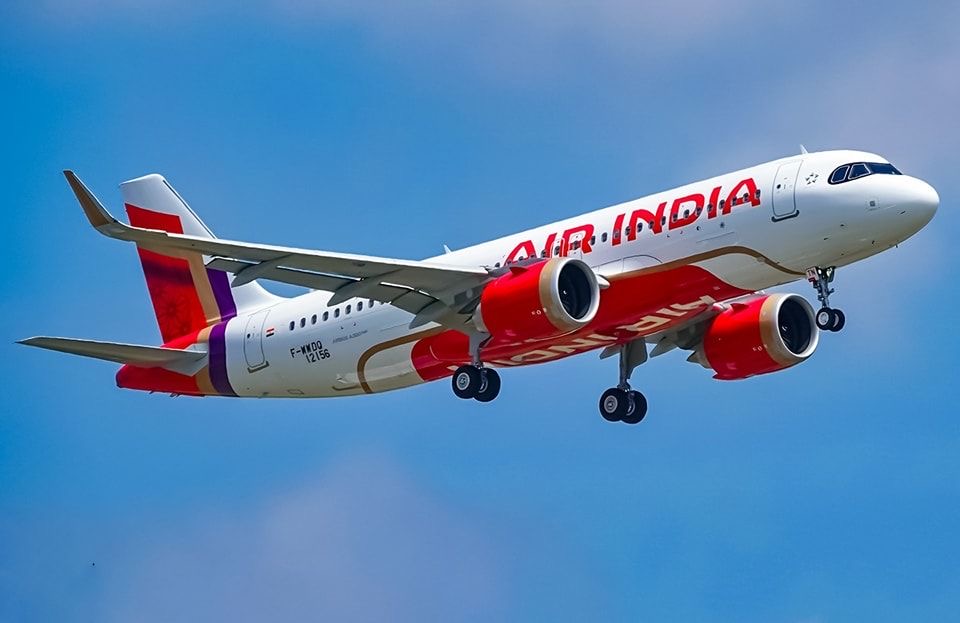
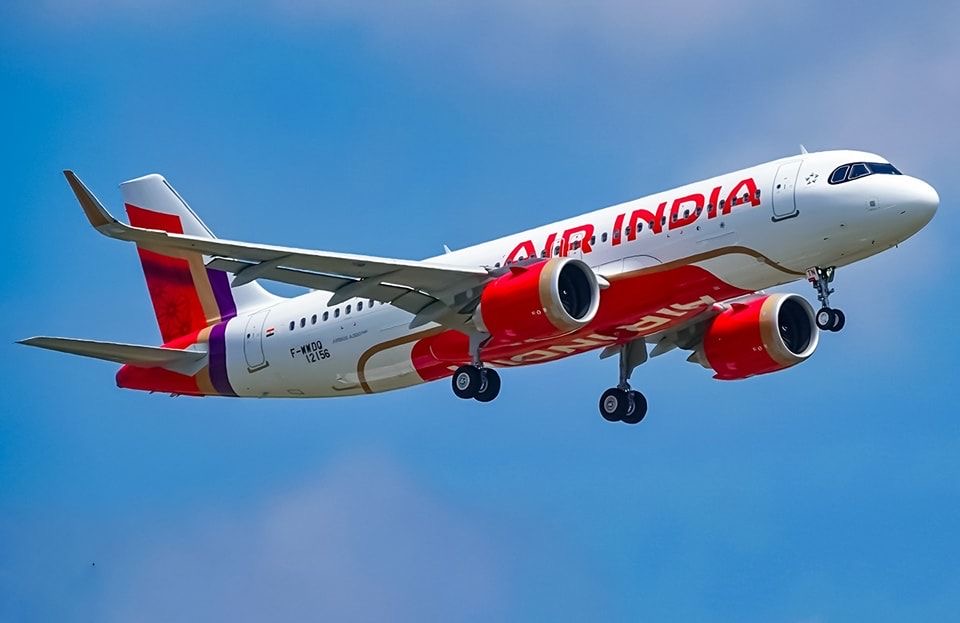
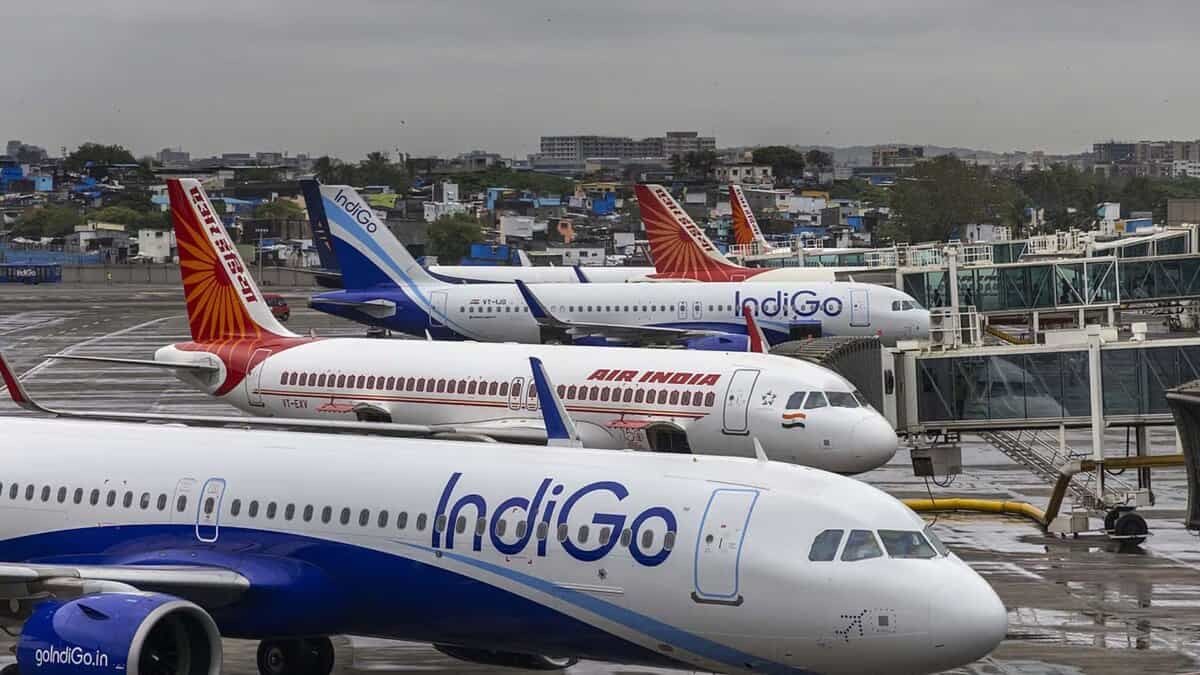
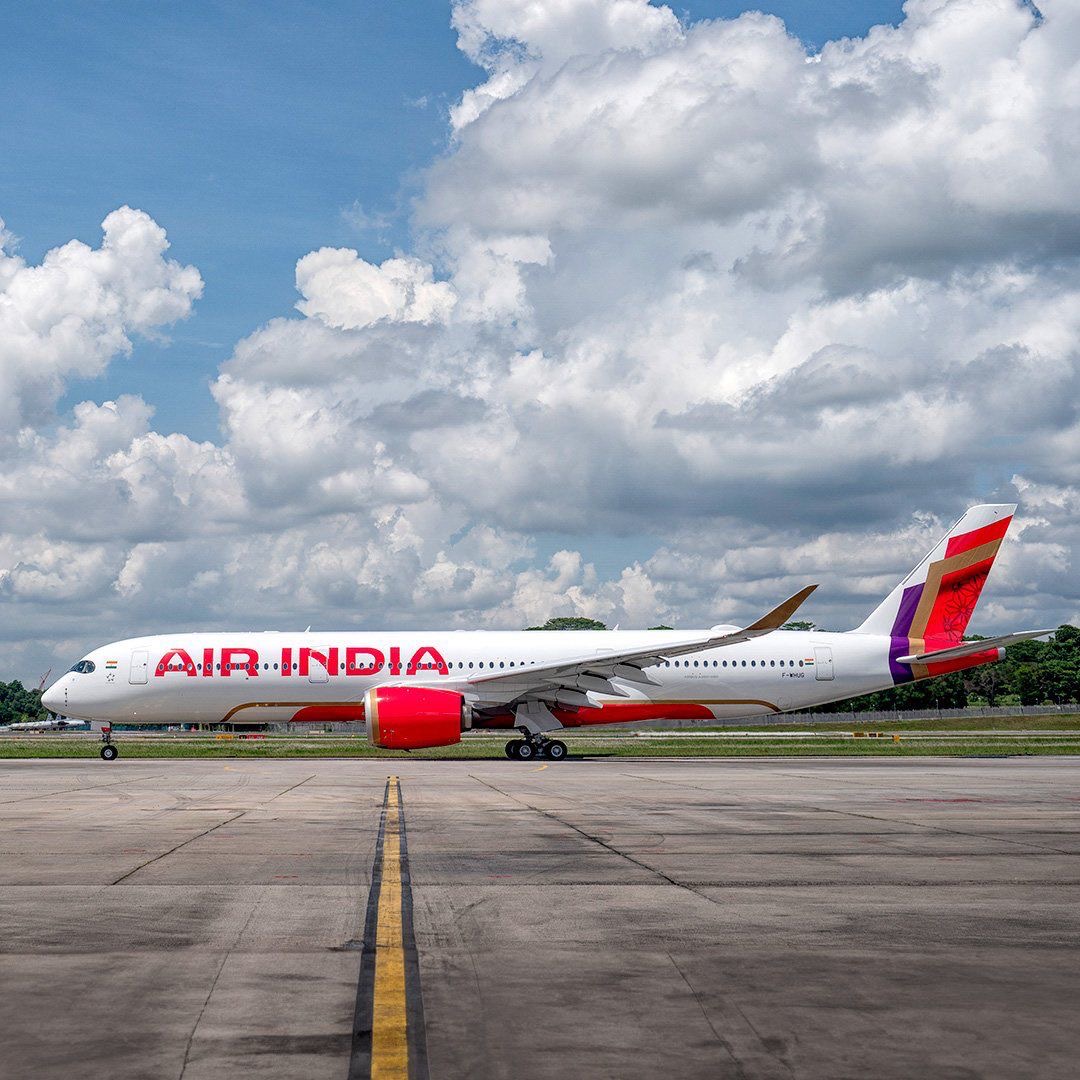
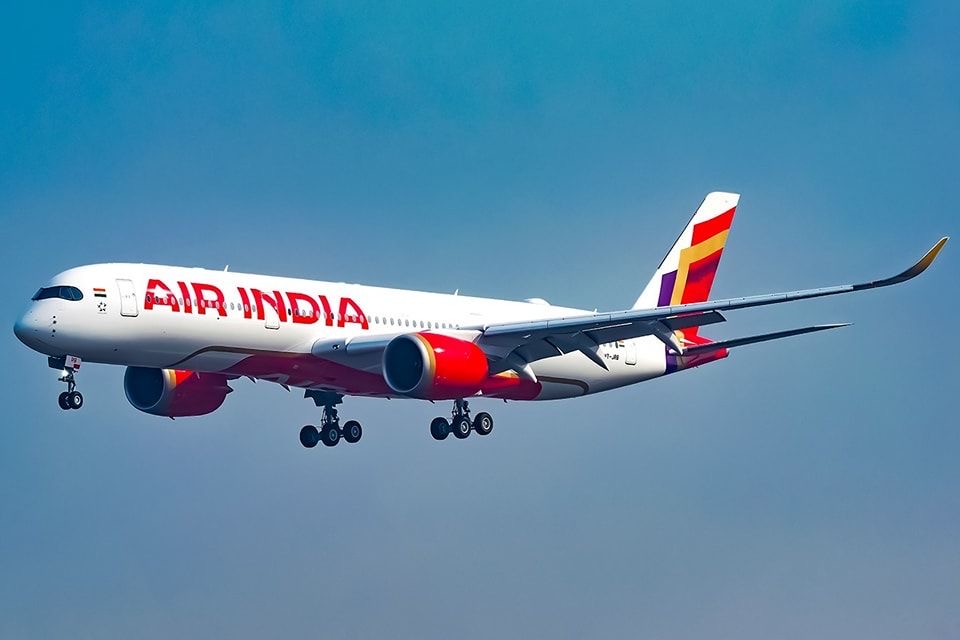
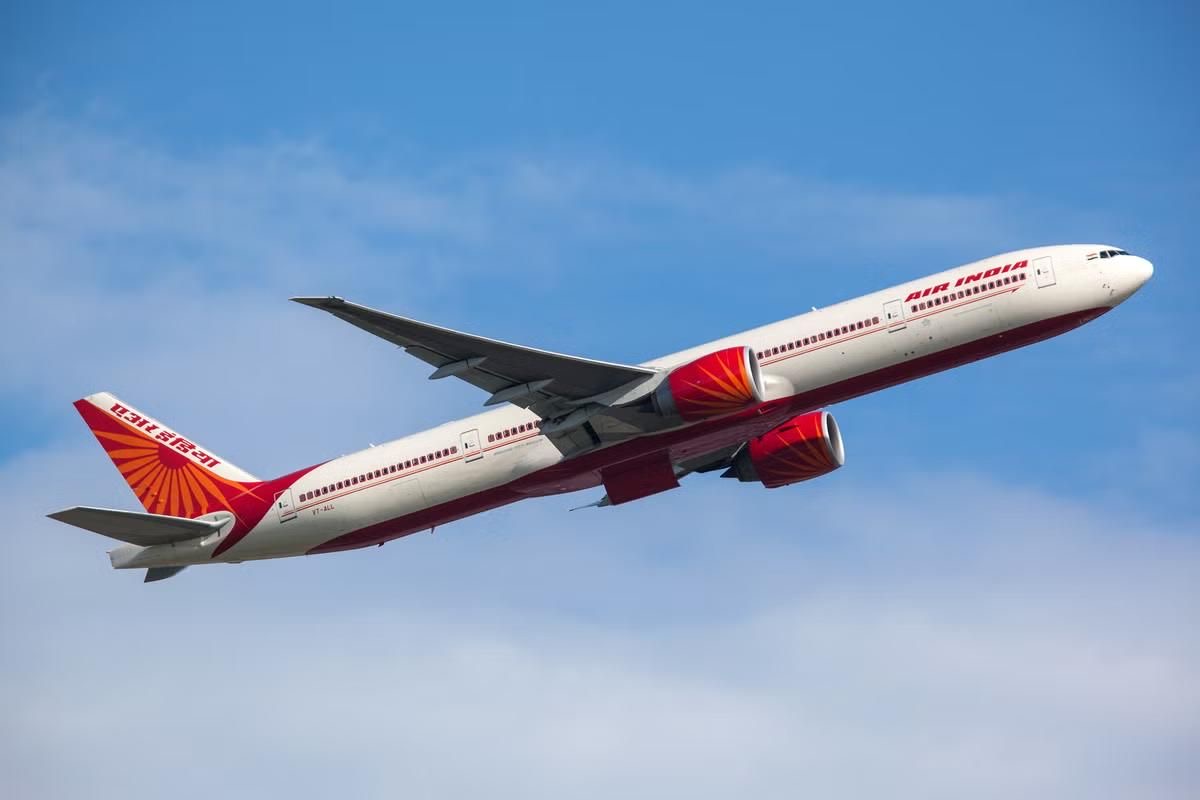
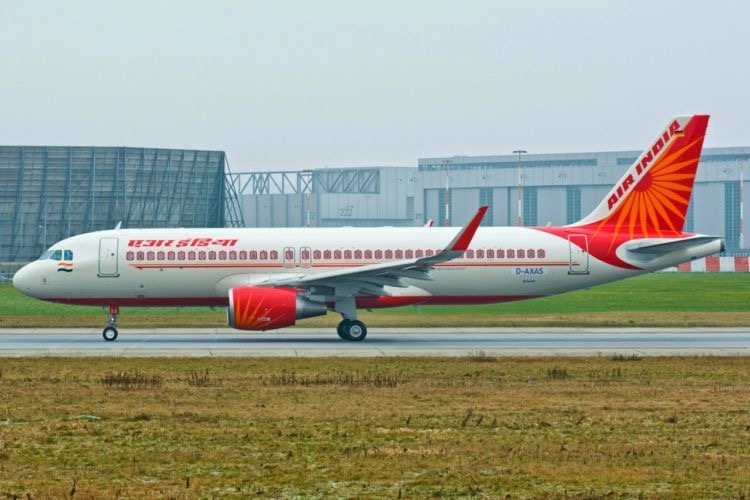
Under his leadership, Air India has accelerated fleet modernisation, expanded international routes and refreshed onboard products. The airline has also been enhancing alliances and codeshare arrangements while upgrading loyalty offerings to attract premium and frequent travellers across markets.
Wilson stressed that large airline turnarounds require time, consistency and continuous refinement rather than quick fixes. He indicated that the airline now has a stronger operational base and clearer direction, allowing management to focus on competitive positioning and growth execution.
Aviation industry observers see Air India’s progress as part of a broader global pattern in which legacy carriers modernise structures, invest in new aircraft and recalibrate customer value propositions to compete more effectively. The Test match reference captures both patience and the need for decisive action at the right stage.
Employees and passengers have already begun to see visible changes in product standards, cabin upgrades and service processes. As the airline continues to scale and align its offerings with market expectations, the emphasis will increasingly be on consistency, profitability and brand trust.
Wilson’s remarks signal confidence that Air India has moved past survival mode and entered a performance driven phase. With structural reforms underway and strategic initiatives rolling out, leadership believes the airline is positioned to convert preparation into results and strengthen its standing in global aviation.
The comparison to a crucial moment in a Test match ultimately reflects a belief that the toughest sessions have been played and that the airline is now focused on finishing strongly through disciplined execution and sustained momentum.