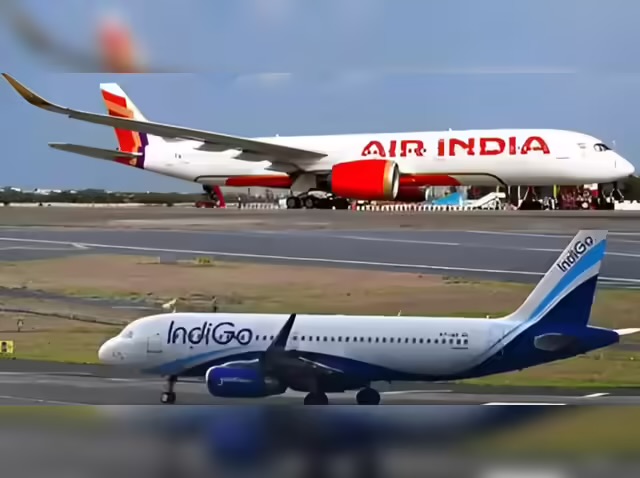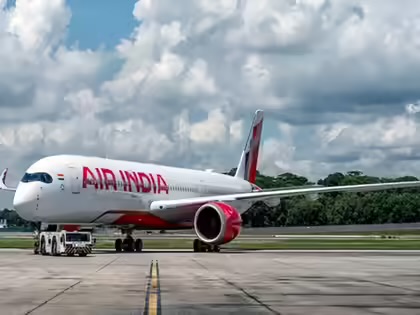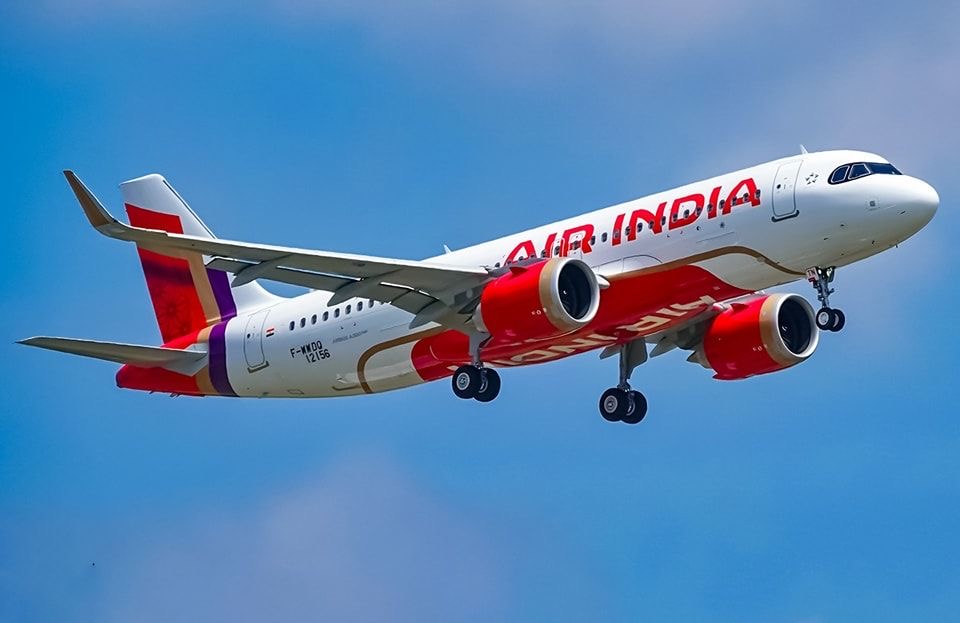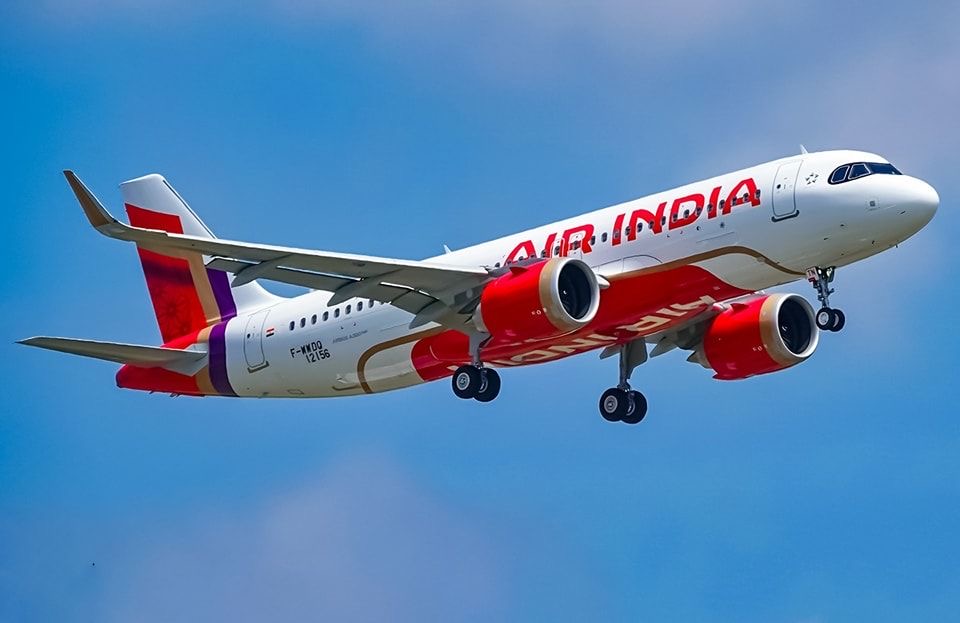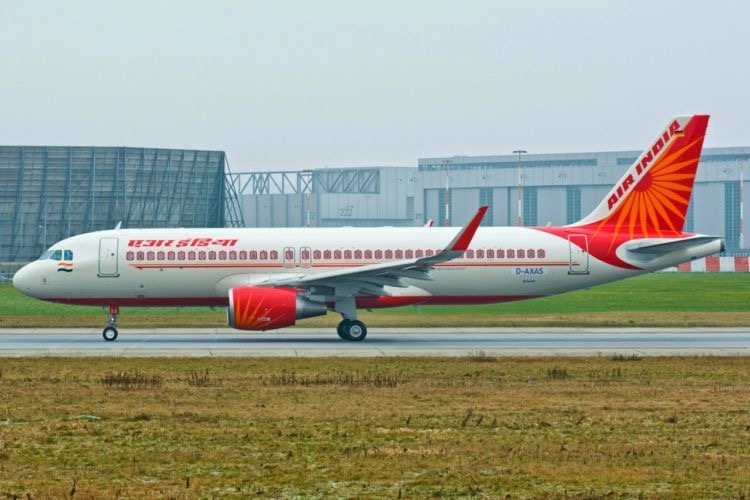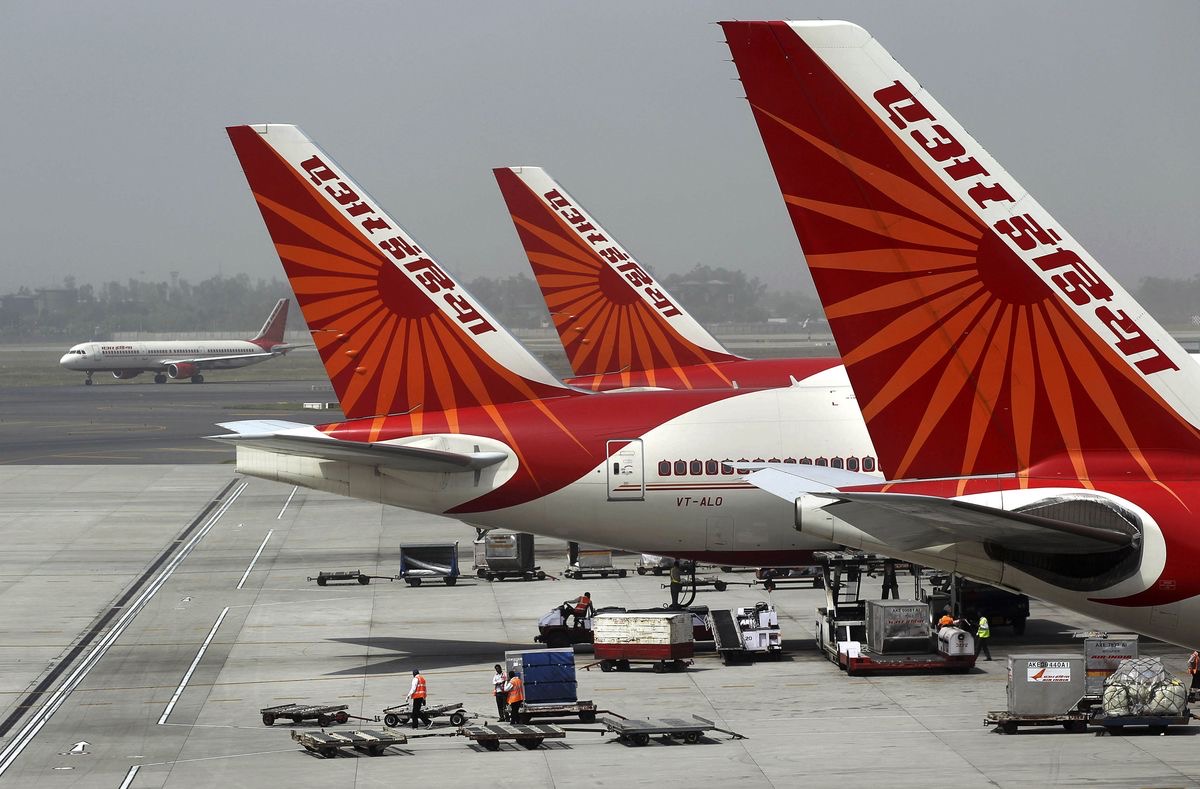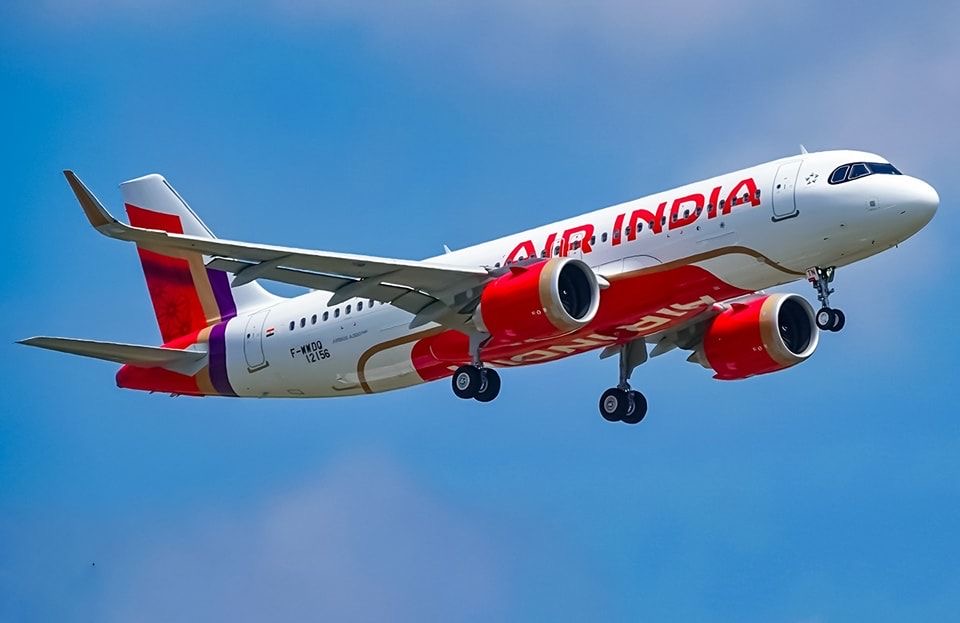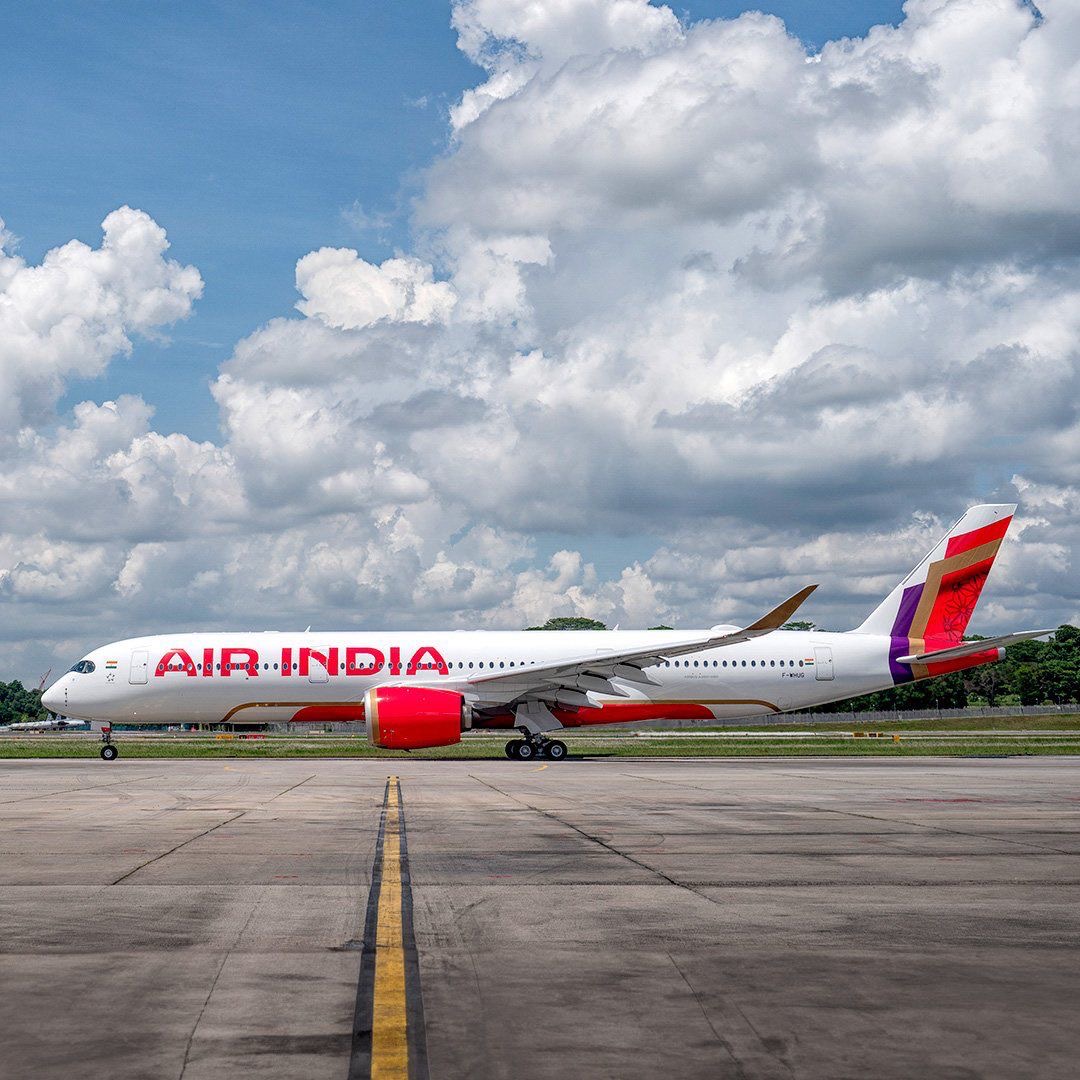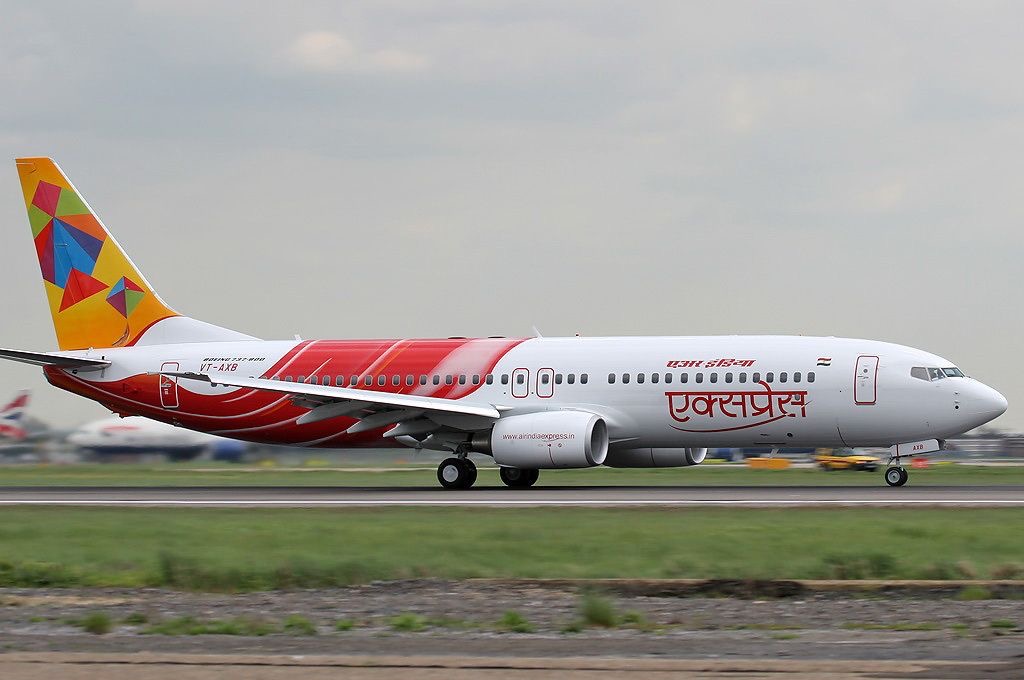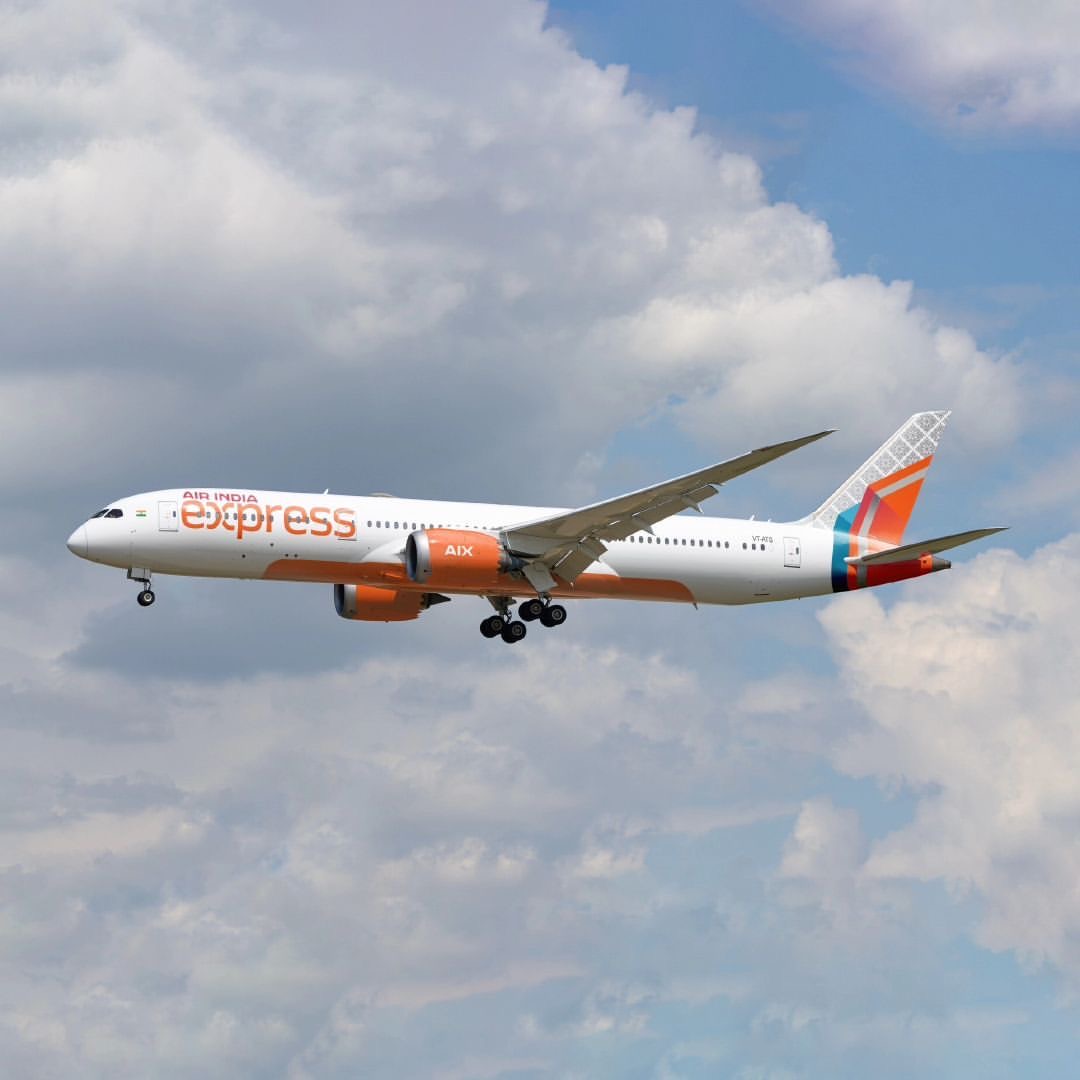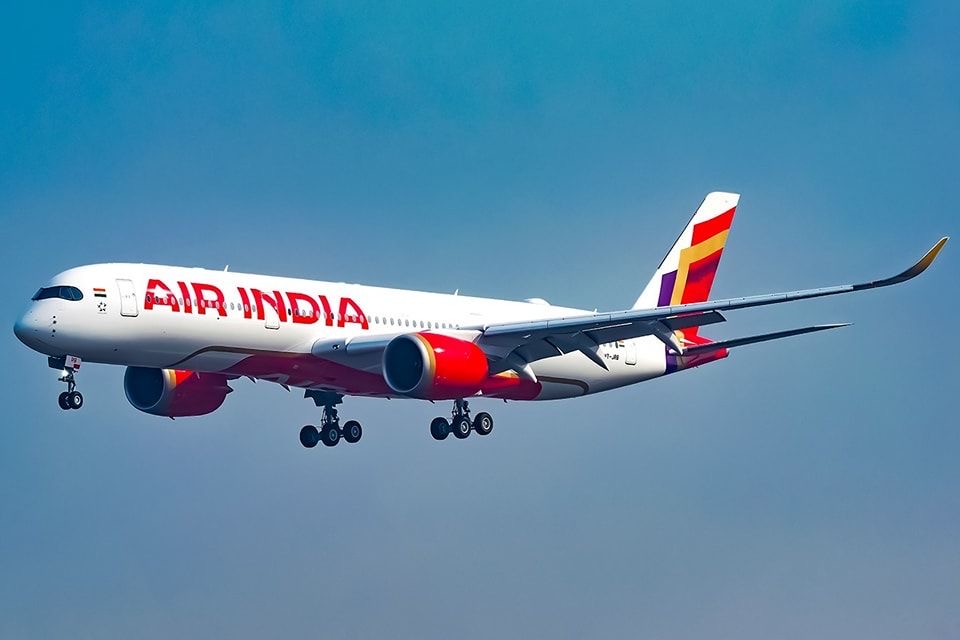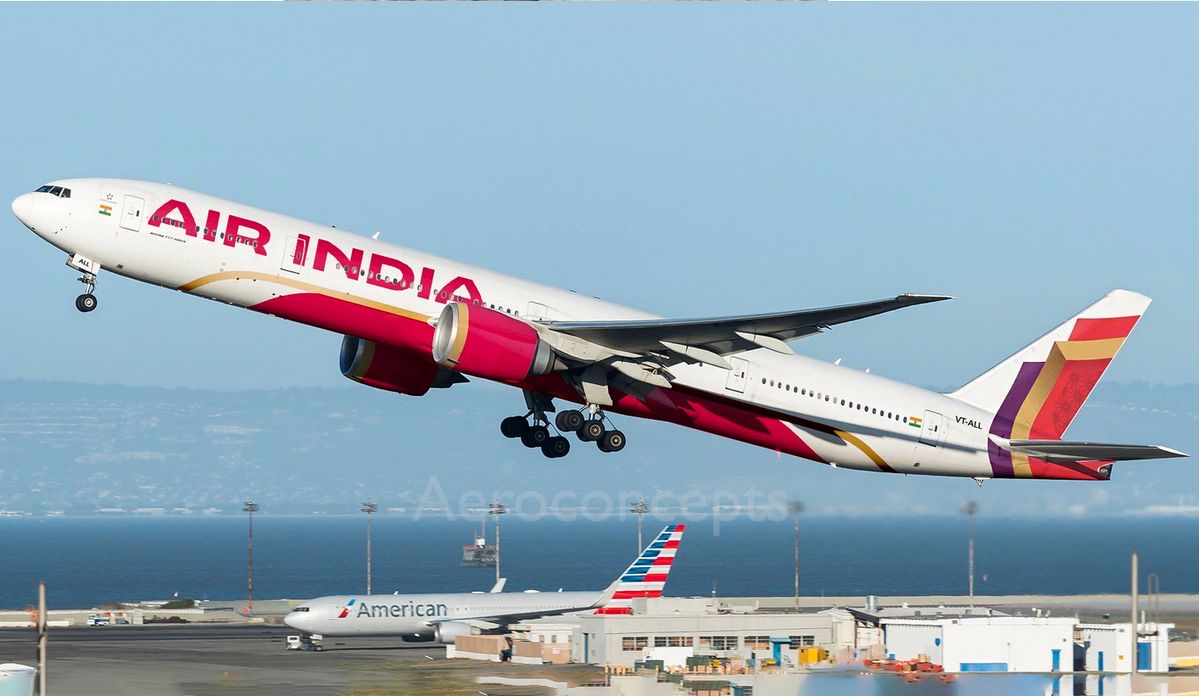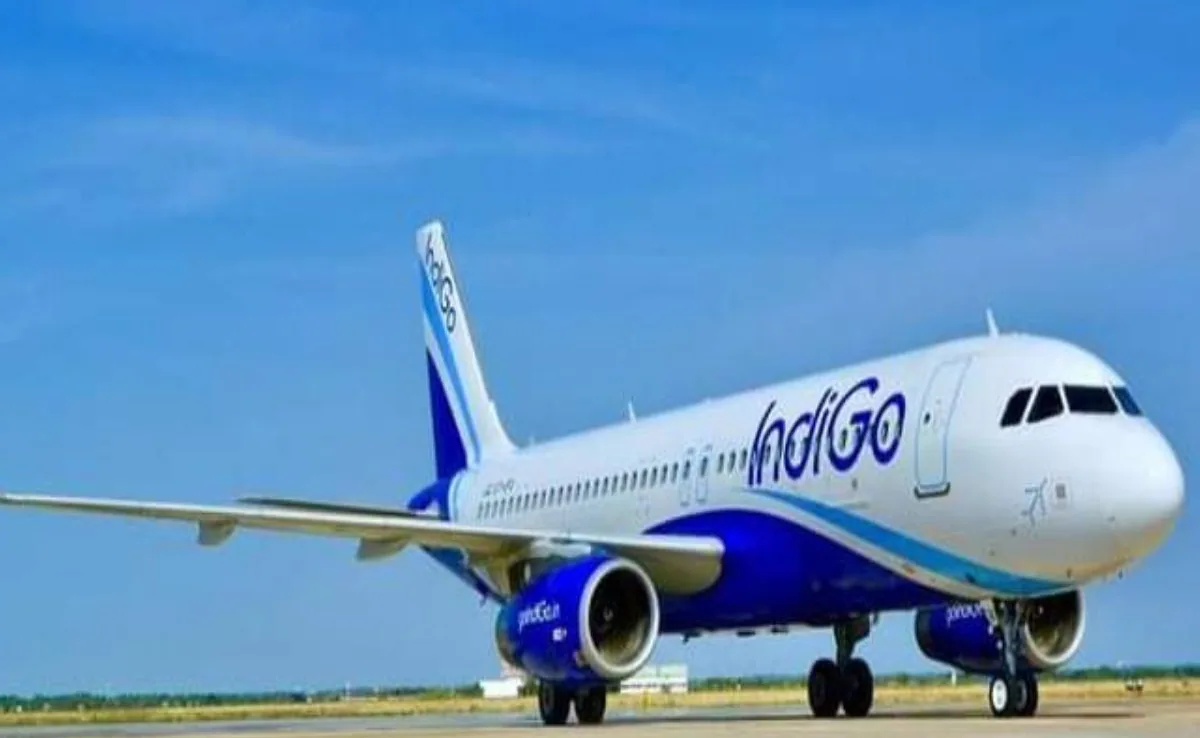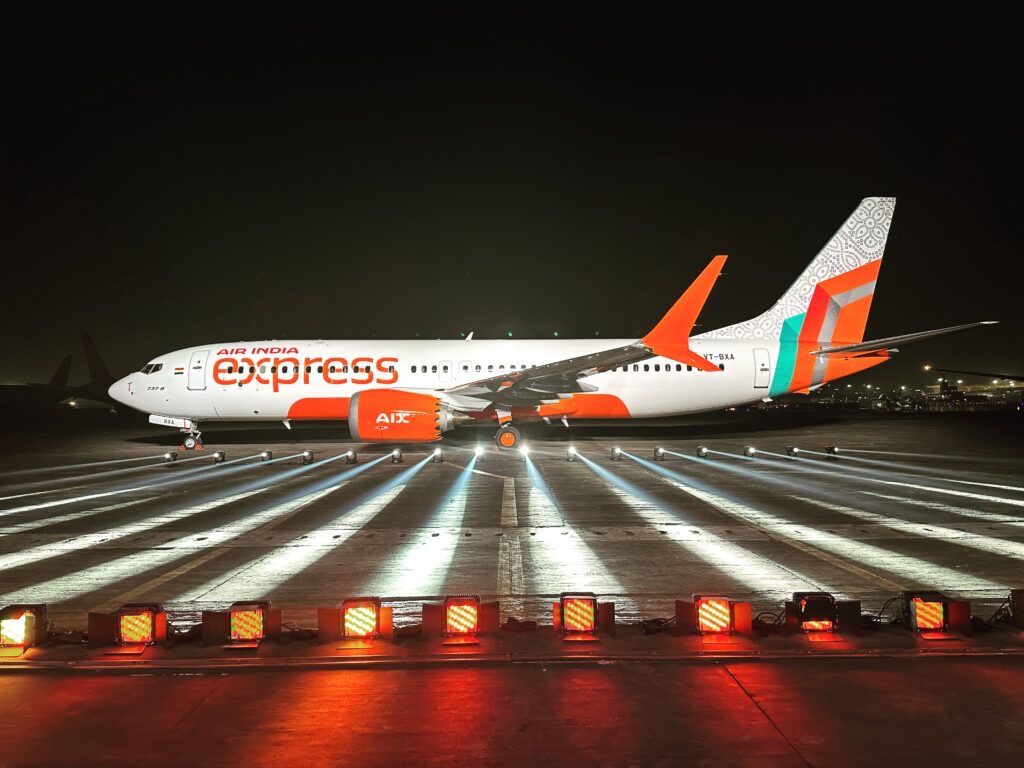
Air India Express, the low-cost arm of India’s Tata Group aviation portfolio, is targeting its first operating profit since its acquisition by Tata Sons, as the airline’s leadership points to robust passenger demand, expanding route networks and disciplined cost management that collectively position the carrier on a more sustainable financial footing. The airline, known for its no-frills point-to-point services primarily between India and the Middle East, has been navigating a competitive landscape while steadily building capacity and improving efficiency.
Since the Tata Group took ownership, Air India Express has been ramping up operations, adding frequencies on key international leisure and business corridors and enhancing its presence in markets with strong traffic flows. The airline’s management has credited the combination of stable travel demand, strategic deployment of aircraft and improved load factors with strengthening revenue streams, an essential component of its profit-seeking strategy.
Air India Express’s focus on operational discipline including efficient turnaround times, optimised crew utilisation and fuel-focused performance initiatives has helped it trim unit costs and improve yield performance. In markets where price sensitivity is high, particularly on short-haul international sectors, the ability to control costs while maintaining reliable schedules has been cited as a competitive advantage.
The airline’s route network has consistently connected Indian diaspora travel markets in the Middle East with Indian cities, leveraging strong migrant traffic, leisure travel and business demand. With passenger volumes on rebound following pandemic disruptions, these international sectors have been core contributors to revenue growth, and the airline has increasingly sought to balance frequency increases with demand visibility.
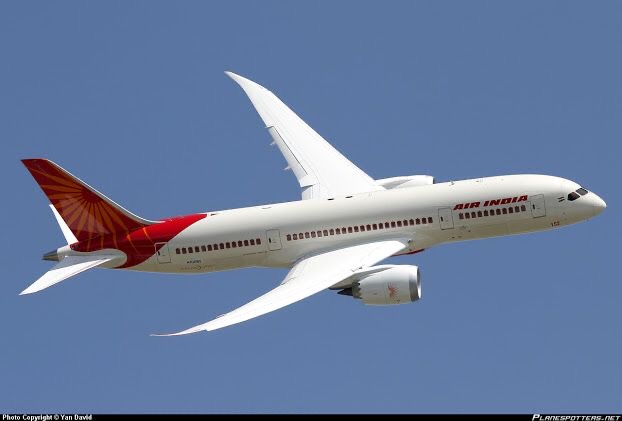
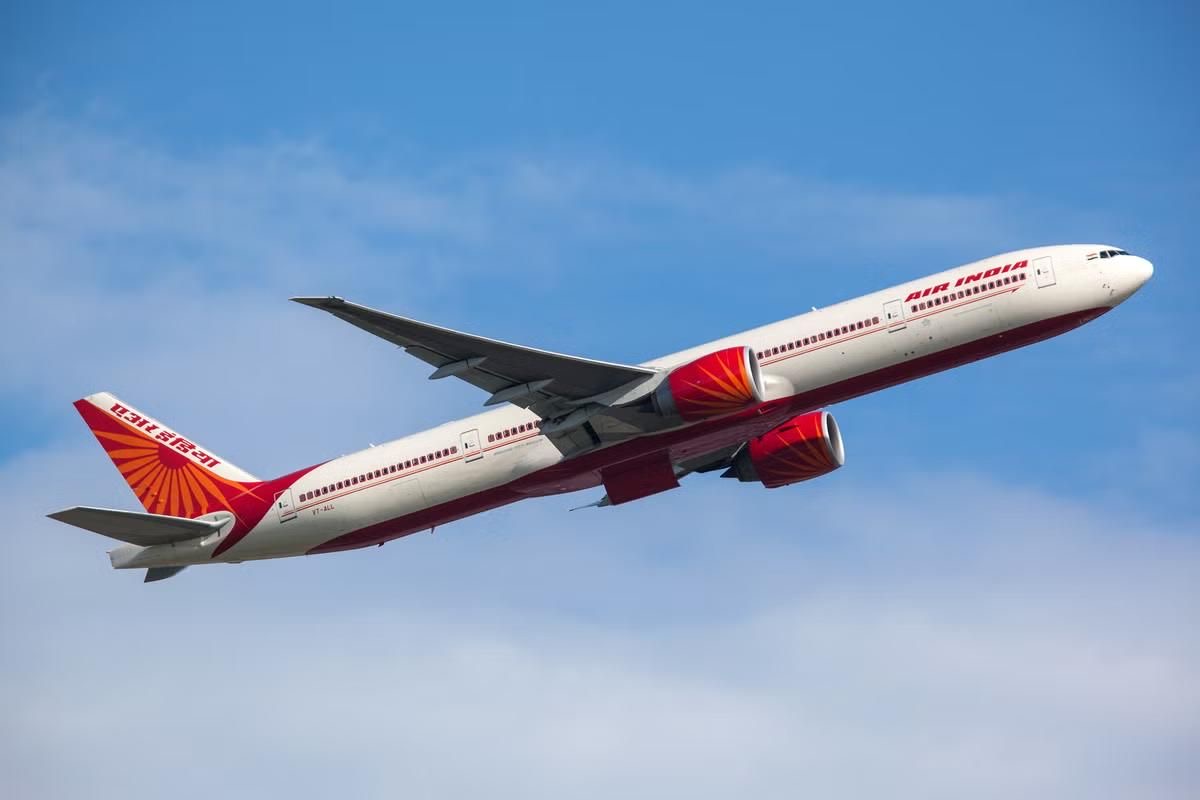
Air India Express also benefits from synergies with other Tata Group aviation businesses, including network connectivity with Air India’s broader global schedule and shared infrastructure at key airports. These connections help feed traffic into and out of its core markets, supporting load factors and enhancing network economics.
Industry analysts note that breaking into profitability for a low-cost airline in challenging economic conditions amid fluctuating fuel prices, currency shifts and global market uncertainty reflects both strategic execution and favourable demand conditions. While the airline’s long-term financial trajectory will depend on sustaining passenger growth and managing external cost pressures, the current profit outlook signals positive momentum, particularly if travel demand remains resilient.
The airline’s balance sheet has shown signs of improvement as capacity utilisation rises and ancillary revenues tied to baggage, seat selection and premium service options contribute to diversified income streams. Ancillary revenue has increasingly become a meaningful element of low-cost carrier economics, helping offset core operational costs while giving customers flexible options.
For Tata Group aviation leadership, achieving an operating profit would represent a milestone in the turnaround of Air India Express since its integration into the broader aviation group. It also complements ongoing efforts to stabilise and expand the Tata Group’s aviation ecosystem, which includes full service and low-cost operations spanning domestic, regional and long-haul markets.
Passengers can expect the airline to maintain a focus on schedule reliability, competitive pricing and service consistency as it pursues its profit objectives. Continued network rationalisation and tactical route adjustments are likely as the airline aligns capacity with demand patterns and seeks to capitalise on emerging travel trends in key markets.
While broader macroeconomic factors will continue to influence aviation performance, Air India Express’s drive toward its first operating profit reflects a combination of sound execution, strategic positioning and strong demand dynamics in its core international markets. The outlook reinforces confidence in the airline’s ability to navigate competitive pressures while delivering value to customers and stakeholders.