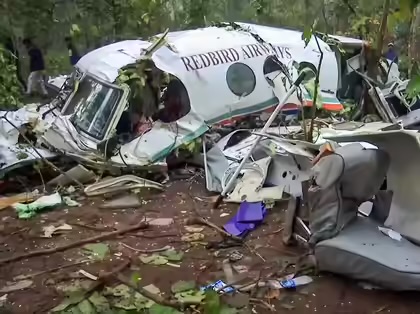
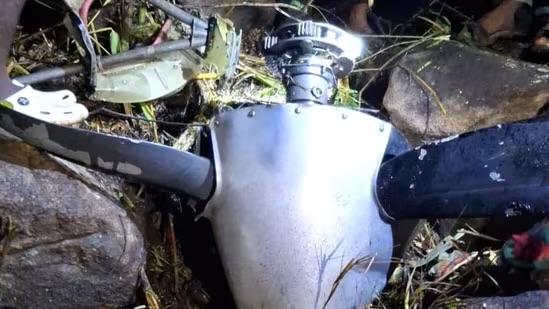
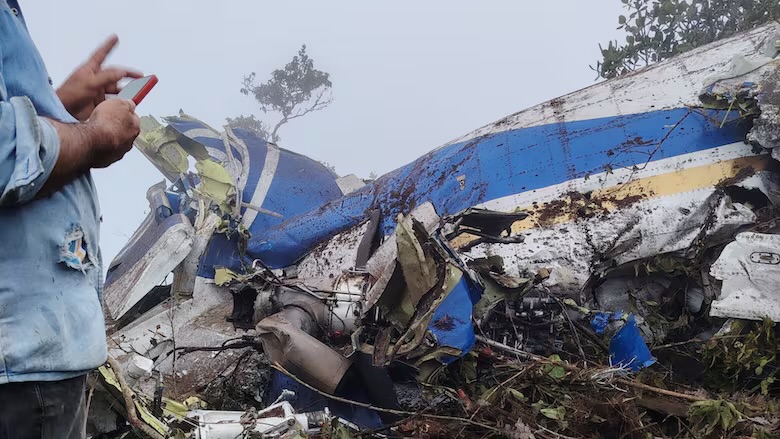
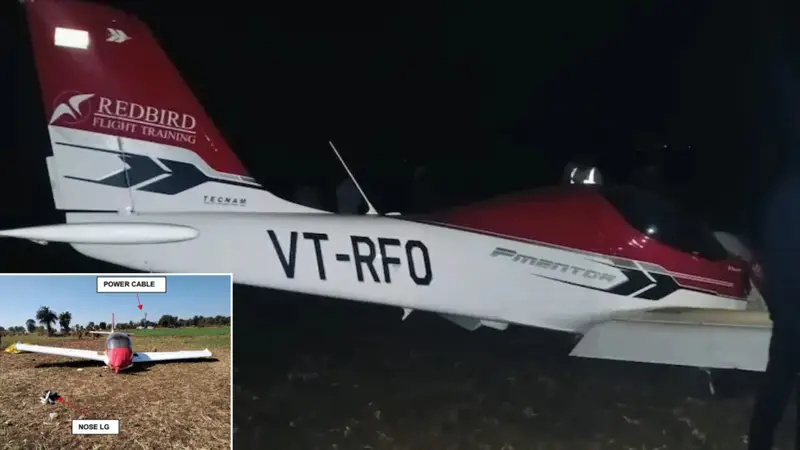
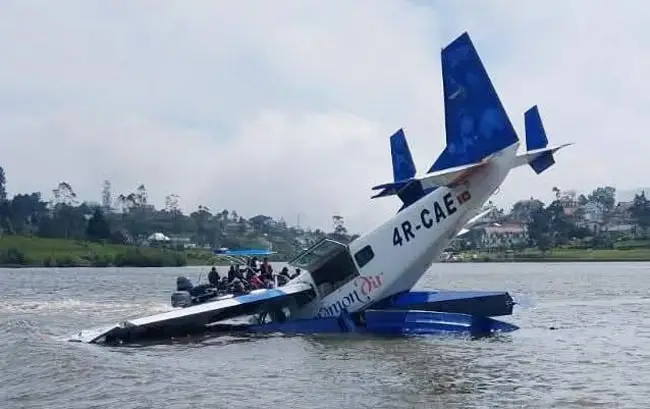
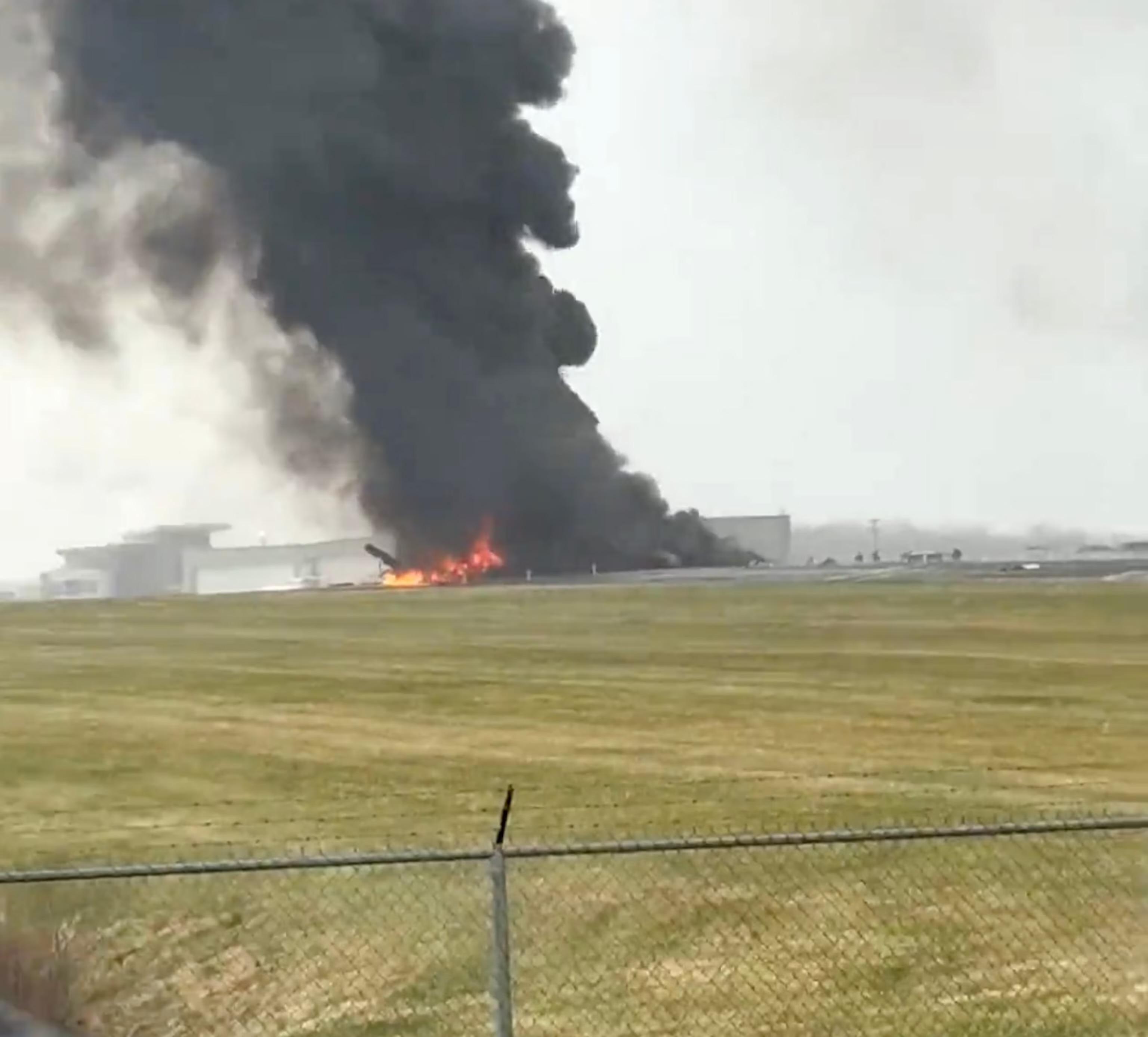
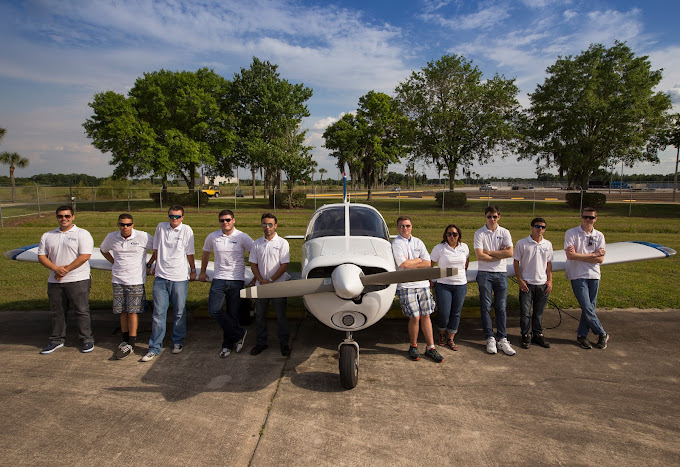
A multi-engine training aircraft experienced an incident during operations at Kalaburagi Airport that resulted in minor damage to the aircraft, but no injuries were reported among the pilot or accompanying personnel. The occurrence prompted both the flight academy responsible for the aircraft and the Directorate General of Civil Aviation to initiate separate inquiries to determine the sequence of events and underlying causes.
The aircraft was engaged in a routine training sortie when the incident occurred on the airport grounds. While specific details about the phase of flight or aircraft configuration at the time have not been disclosed, officials confirmed that the situation did not pose a threat to human life, and the pilot and any instructors or students on board emerged unscathed.
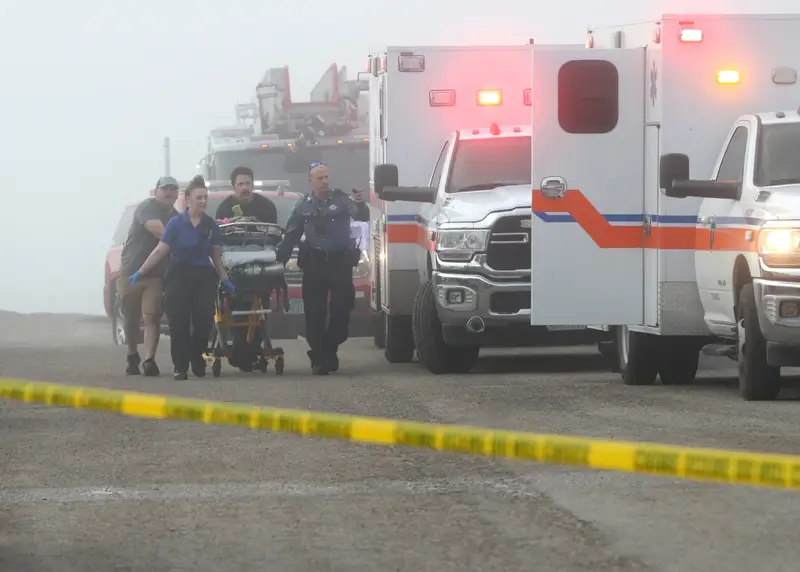
Airport operations were briefly monitored by ground crews as a precautionary response, with emergency personnel on standby to ensure that no secondary hazards developed. Once the aircraft was safely secured and basic assessments conducted, regular flight operations at Kalaburagi resumed without further disruption, emphasising that the incident had minimal impact on overall airport activity.
Representatives from the flight academy said that aircraft involved in training missions undergo structured maintenance checks and that all necessary safety protocols were in place at the time of the occurrence. They expressed relief that no injuries had been sustained and reiterated their commitment to supporting the DGCA’s ongoing investigation into the matter.
The Directorate General of Civil Aviation has confirmed that it will examine the aircraft, review available data and interview relevant personnel as part of its inquiry. Findings from such investigations are intended to clarify whether mechanical issues, environmental conditions or procedural factors played a role and to identify any enhancements that could prevent similar incidents.
Incidents involving training aircraft, especially multi-engine types, are treated seriously due to the higher workload associated with managing additional powerplants and control systems. However, aviation experts emphasise that not all such events indicate systemic safety issues; in many cases they can be traced to isolated technical irregularities or pilot response decisions that fall within established emergency procedures.
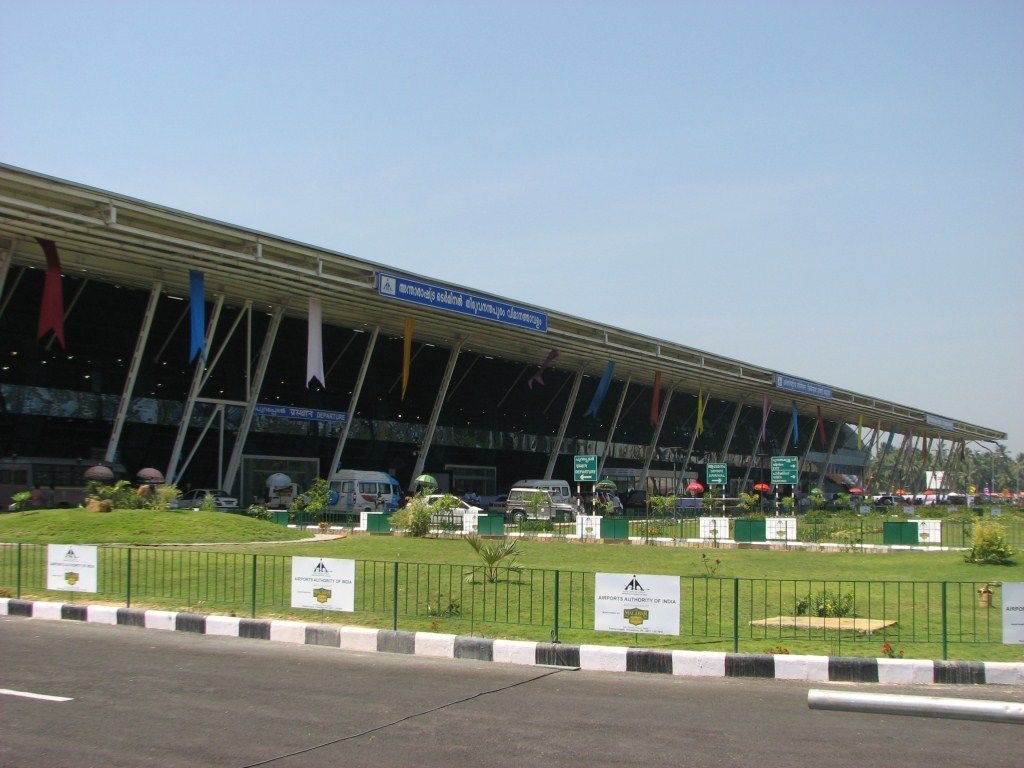
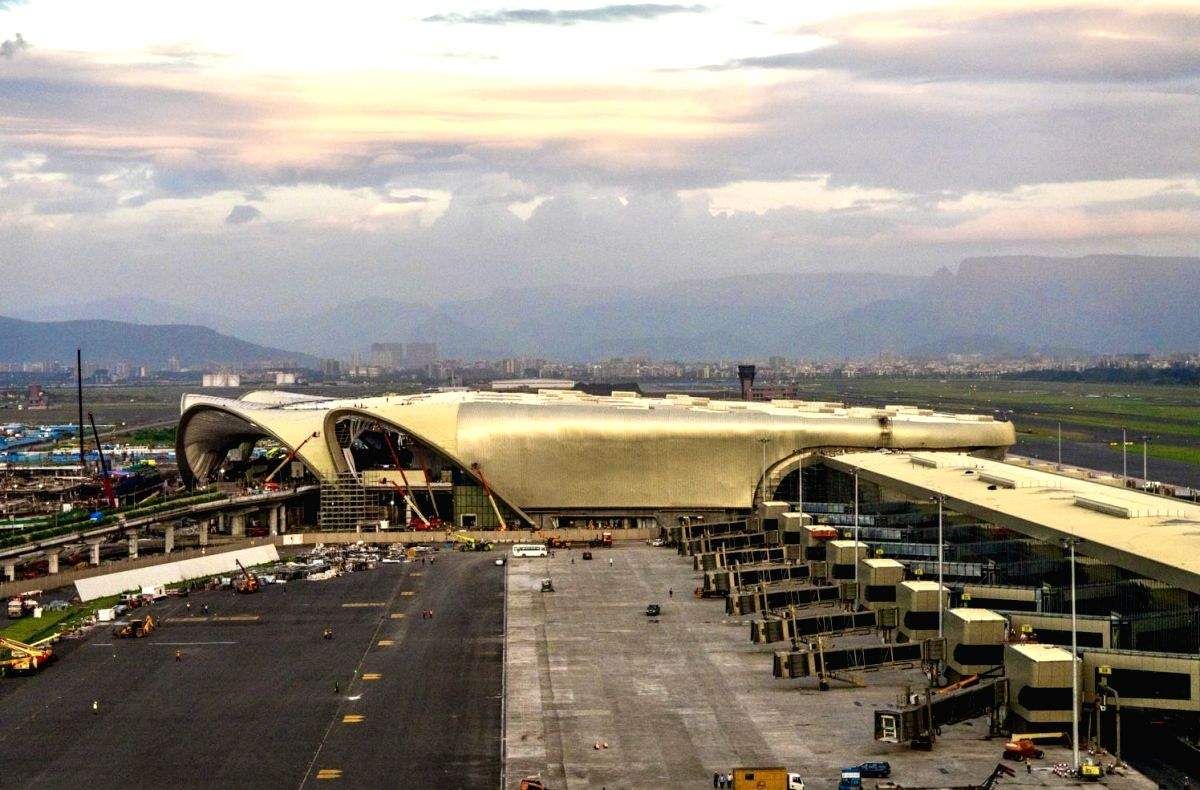
Local aviation authorities at Kalaburagi said that the airfield’s infrastructure and response readiness contributed to the safe management of the incident. Airport staff coordinated swiftly with the flight academy and DGCA representatives, helping to secure the scene and document initial observations for the investigative team.
For trainees and instructors at the academy, the focus has returned to standard training operations while awaiting the formal report. Flight training organisations maintain rigorous oversight of aircraft performance and pilot proficiency, and any lessons from the DGCA review are expected to be shared with relevant training units.
Passengers and personnel associated with the academy were kept informed throughout the incident response, with support services offered as needed. The absence of injuries combined with limited aircraft damage allowed the aviation community in the region to view the event as a managed incident, albeit one that still warrants technical scrutiny.
As the DGCA and flight academy continue their parallel examinations, aviation stakeholders will likely await recommendations that reaffirm safety practices in training environments and strengthen oversight where appropriate. The outcome of the investigation may lead to procedural updates or maintenance emphasis in multi-engine training operations, reinforcing the industry’s ongoing emphasis on safety and risk mitigation.