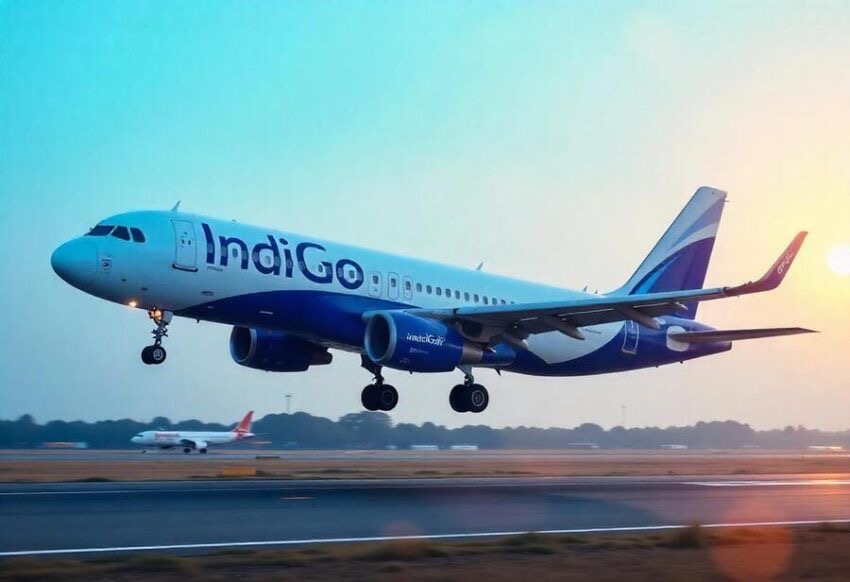
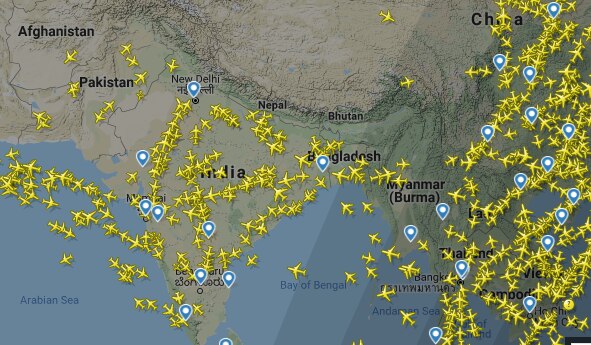
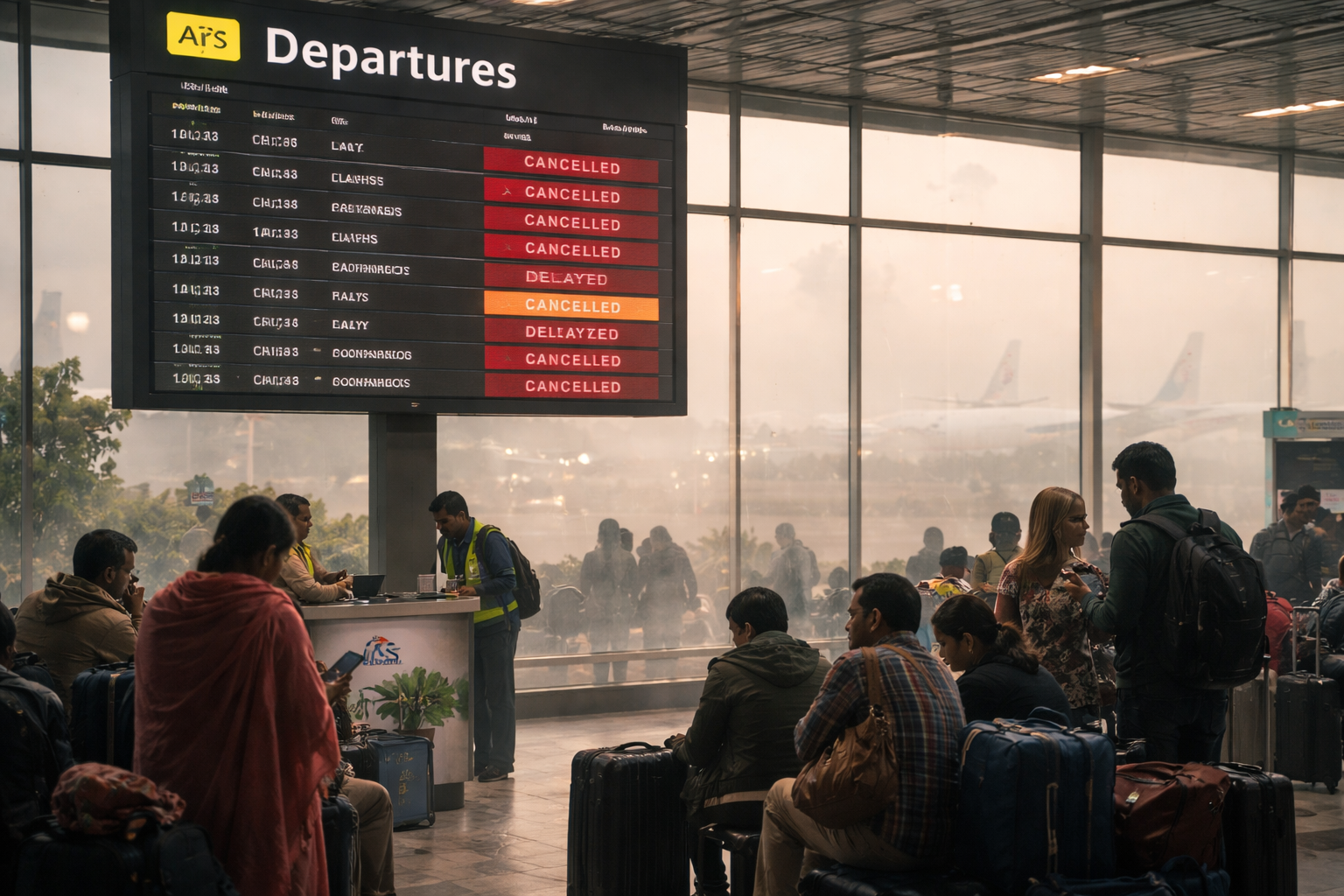
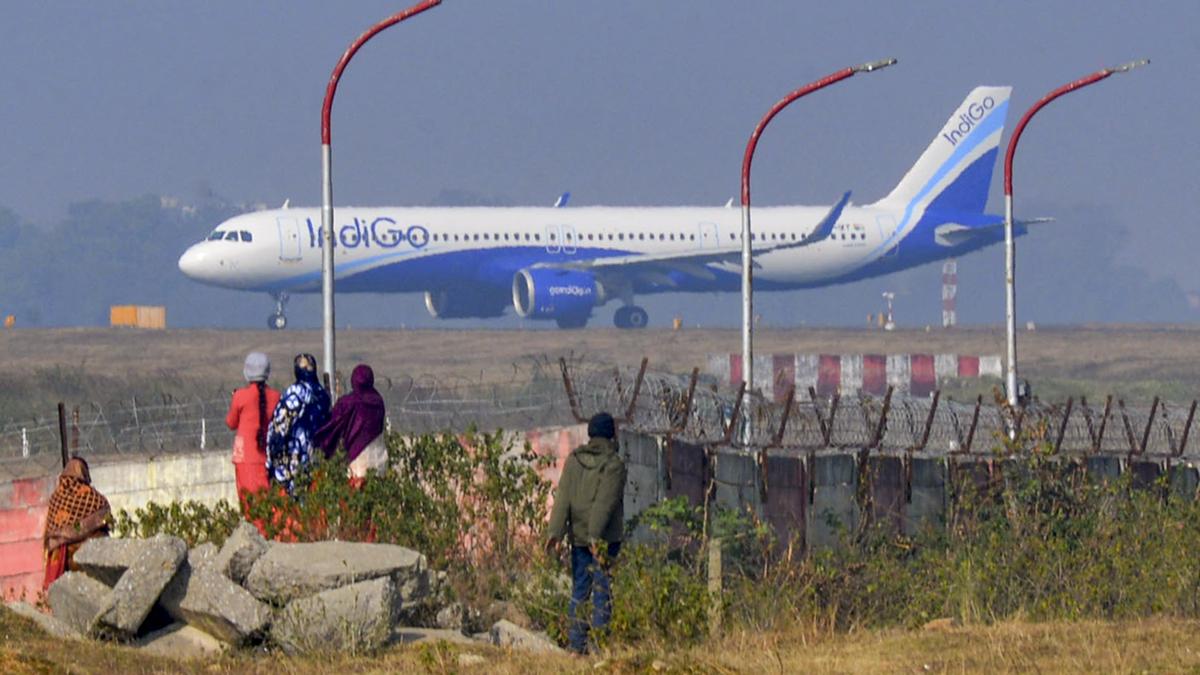
Severe dense fog across parts of northern and central India brought aviation operations to a near-standstill, forcing major carriers to cancel scores of flights and issue travel advisories to passengers. One of the most affected carriers was IndiGo, which cancelled more than ninety flights in and out of key airports as visibility plummeted and runway conditions deteriorated. The widespread disruption highlights the ongoing challenges that winter weather poses to air travel in the region.
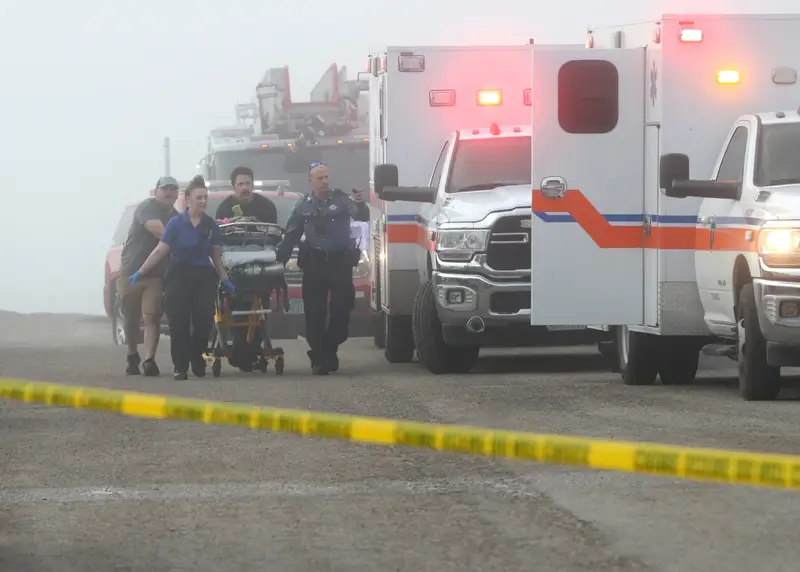
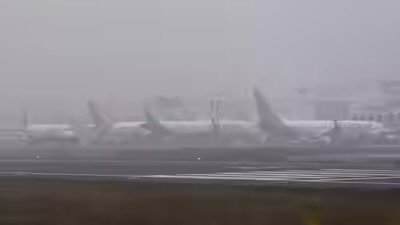
The weather front, characterised by thick early-morning fog, severely reduced visibility at several major airports. Runways and taxiways require clear sightlines for safe aircraft movement, and with visibility well below prescribed minimums at times, air traffic control and airlines were left with little choice but to halt or divert services. Passengers waking up for early flights were met with delay notices and cancellation alerts on their phones.
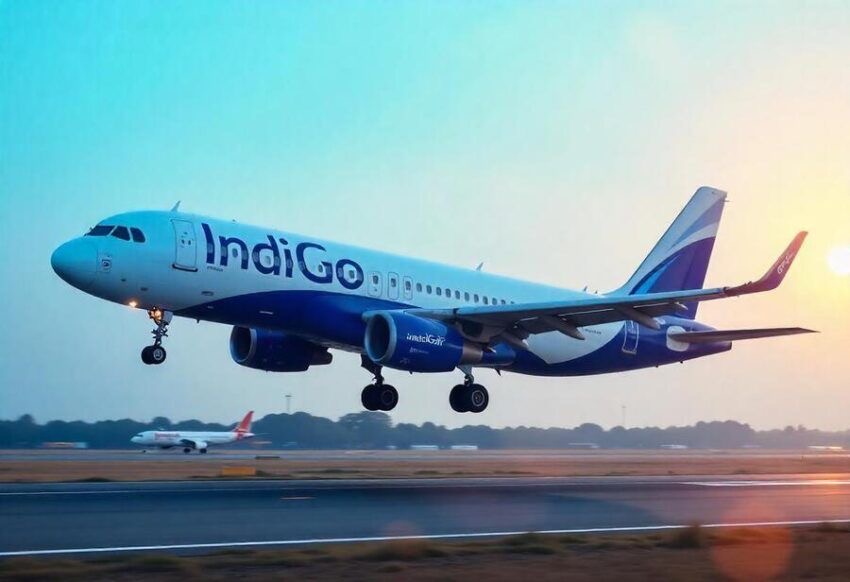
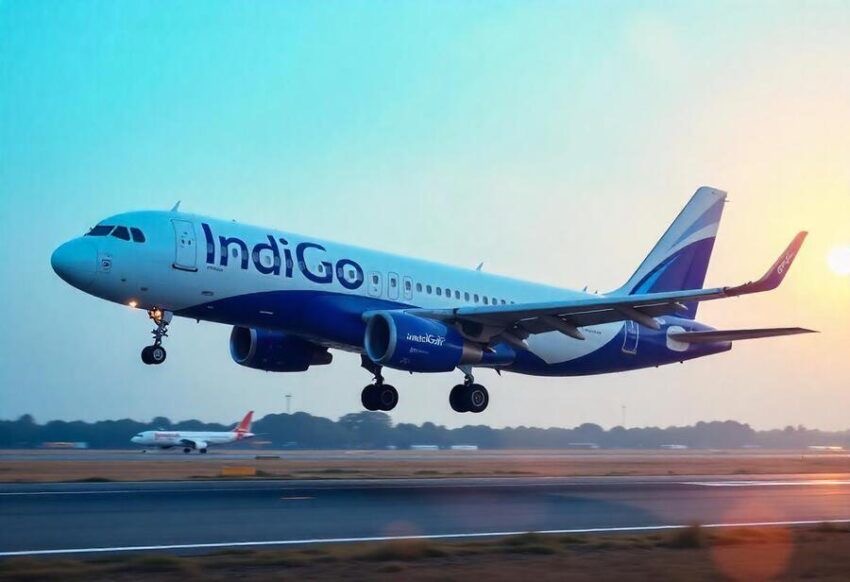
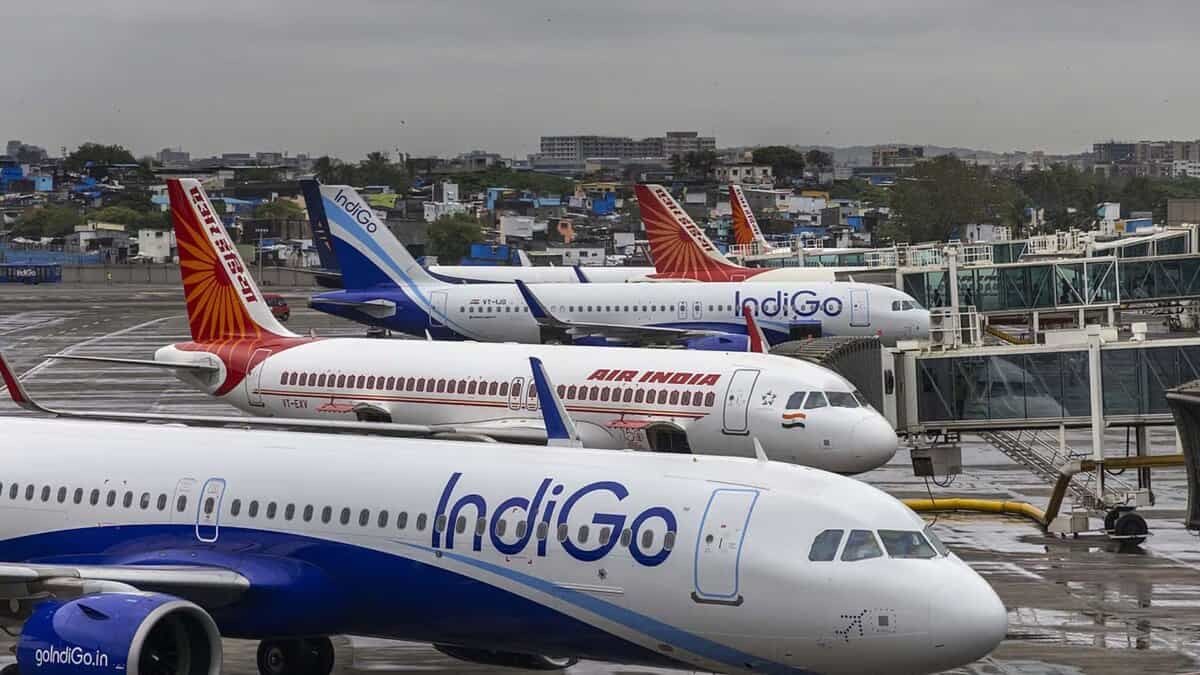
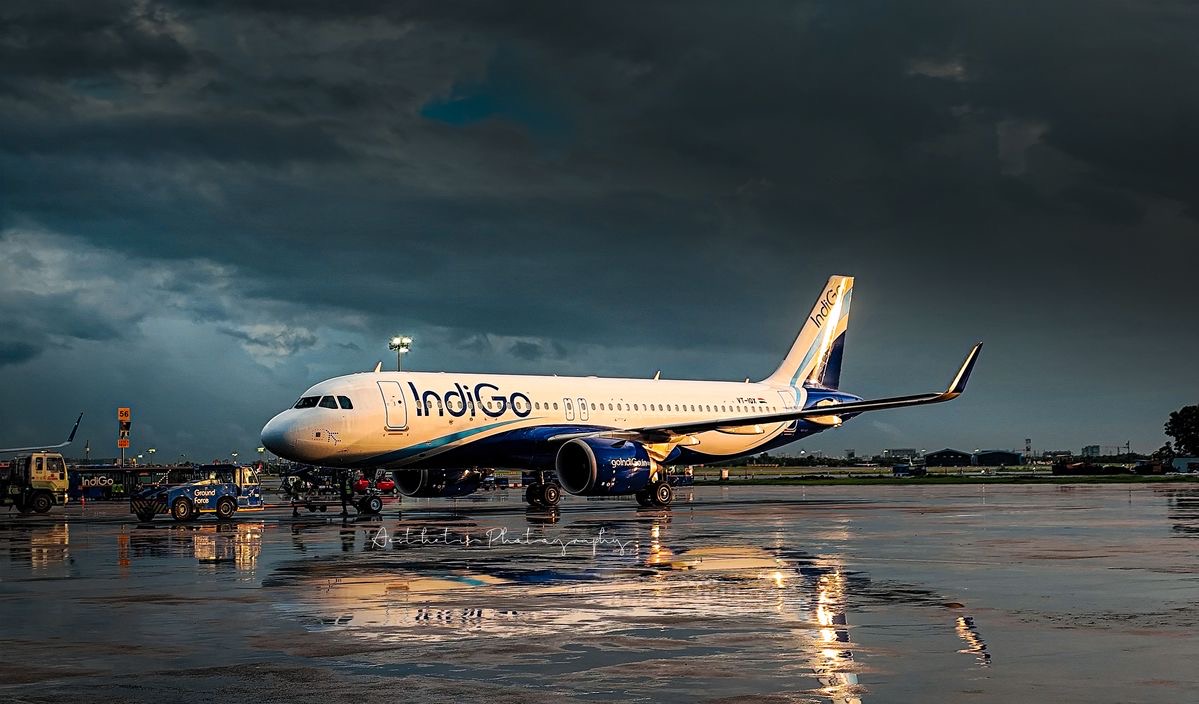
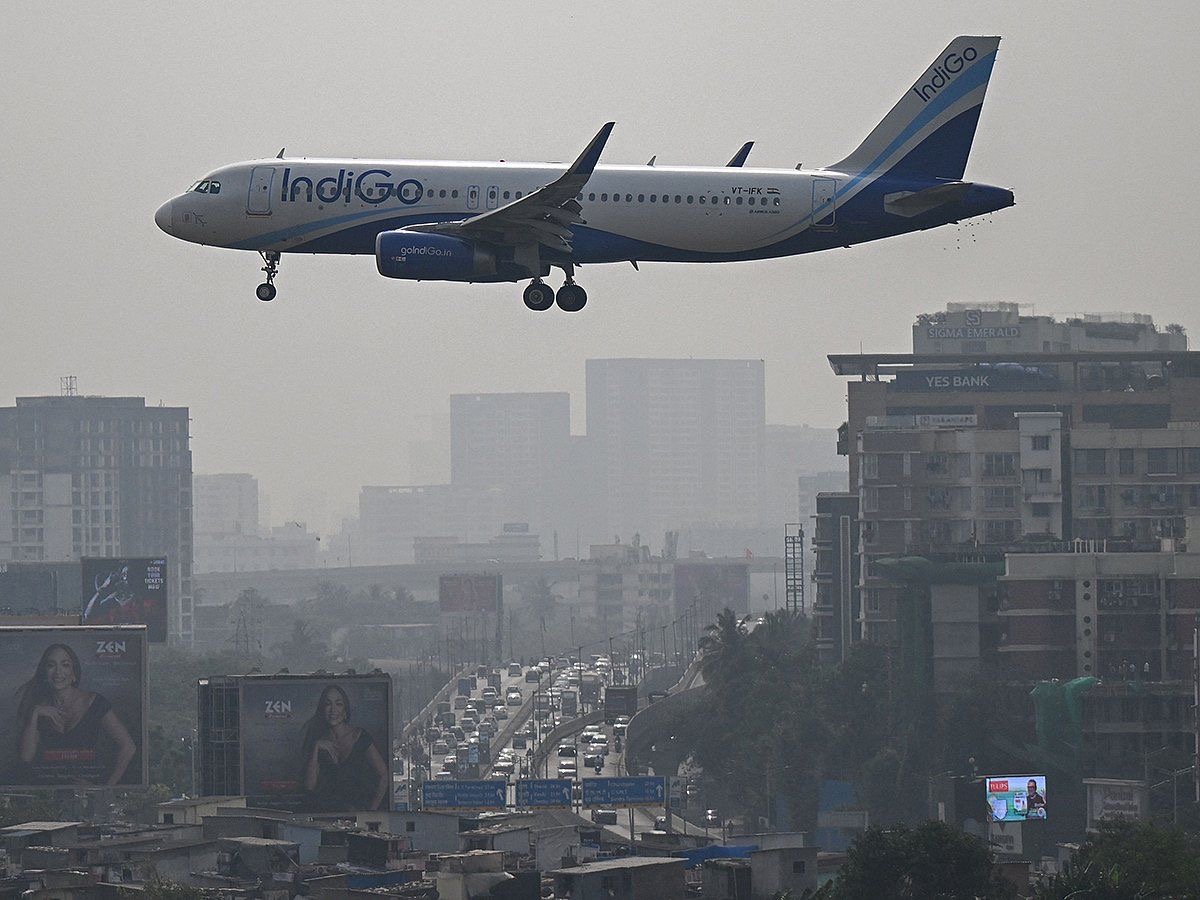
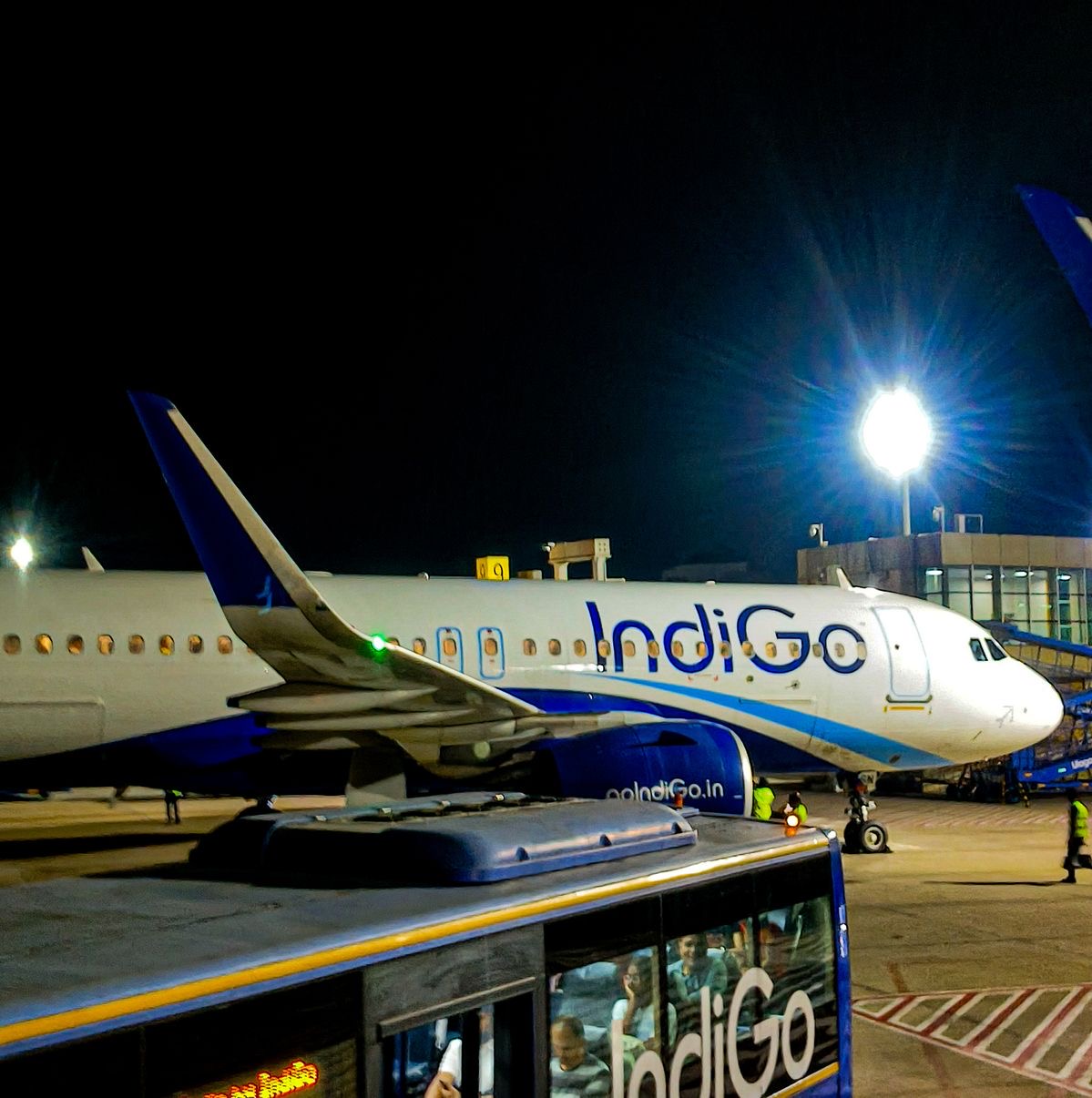
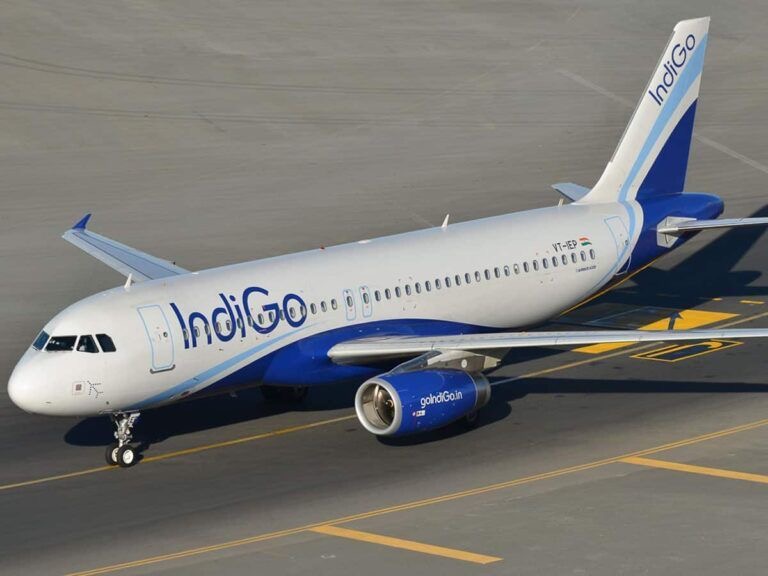
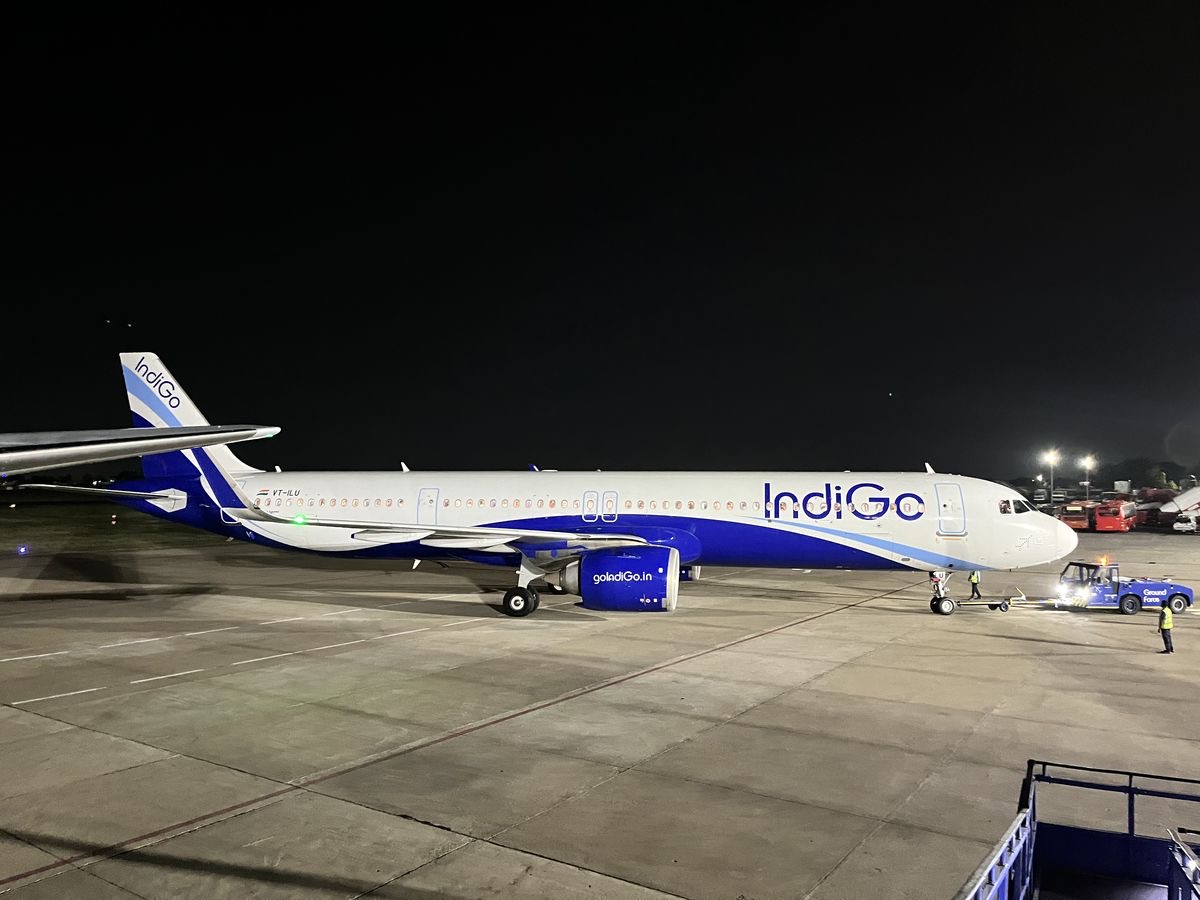
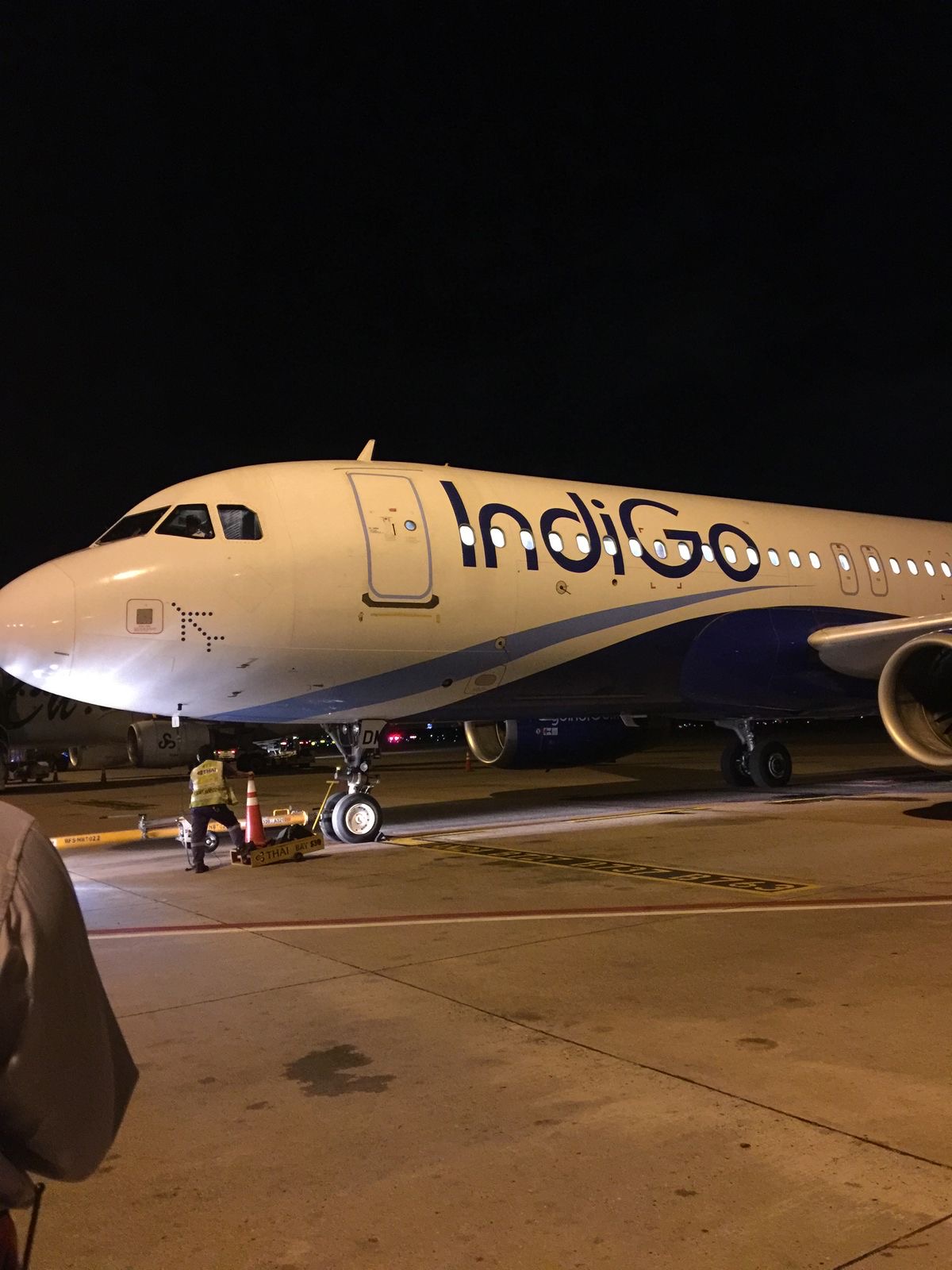
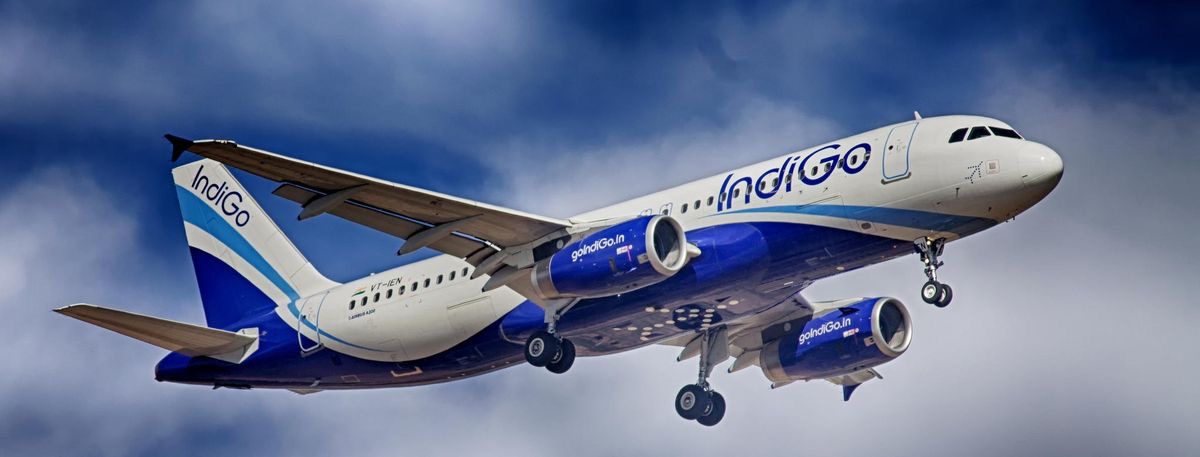
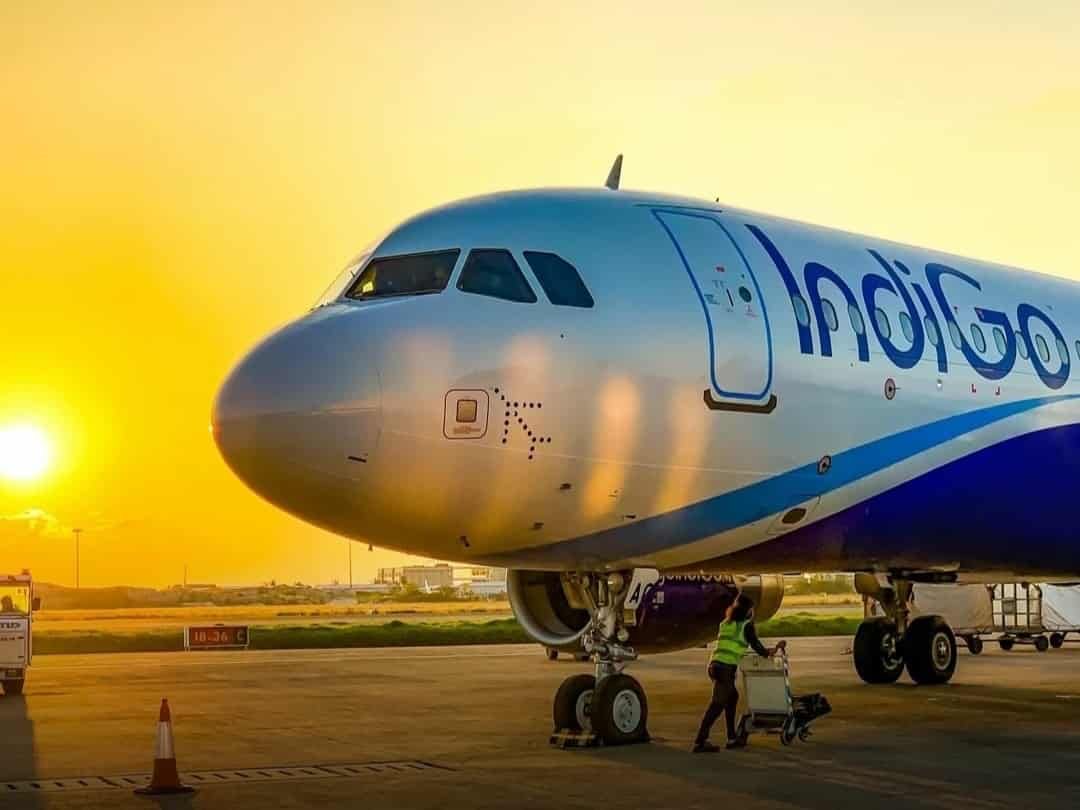
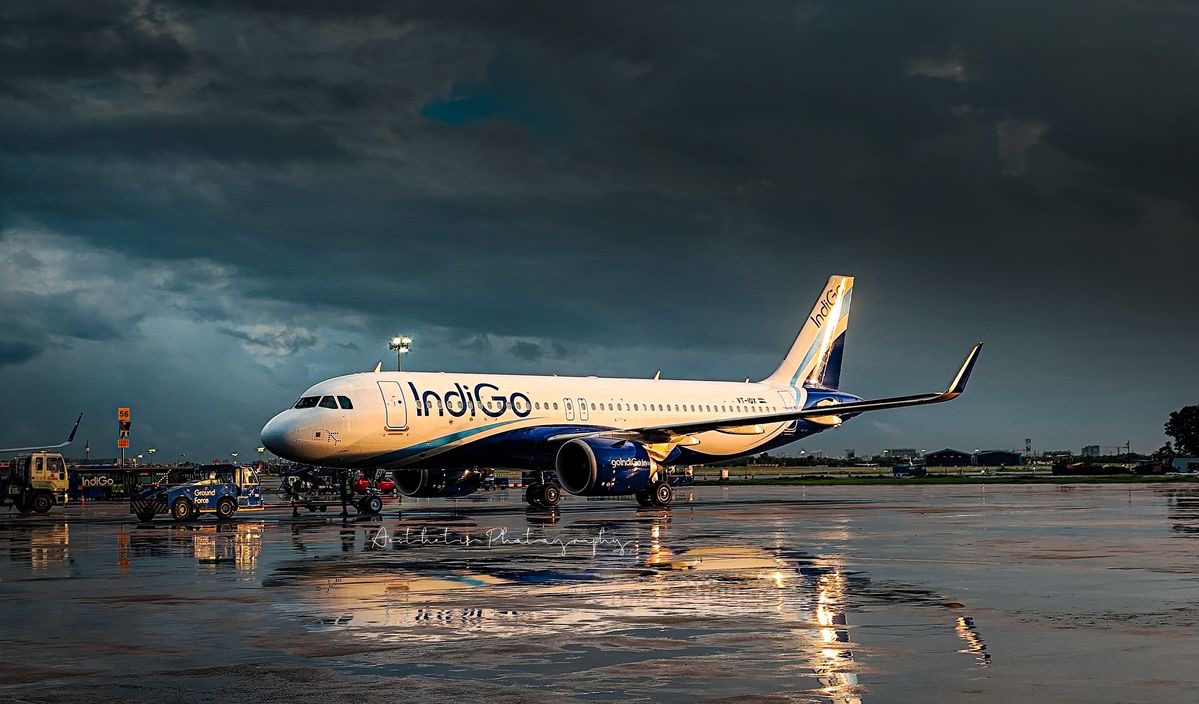
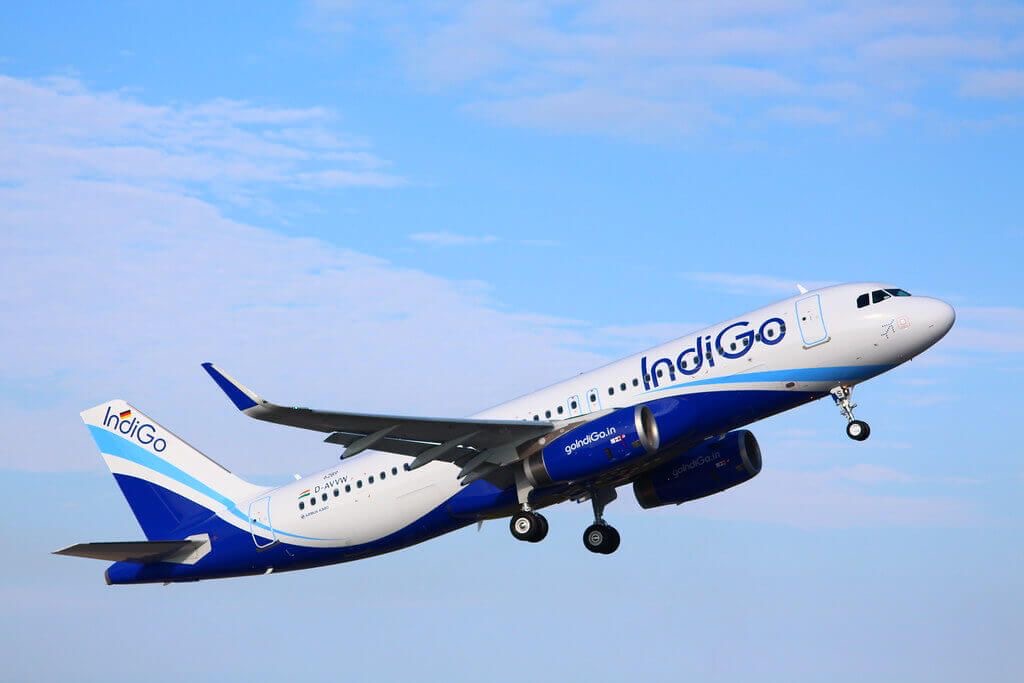
IndiGo, which operates hundreds of flights daily across the country, reported the cancellation of over ninety flights at the peak of the fog conditions. Many of the cancelled services were destined for or originating from airports in the Indo-Gangetic plains, where cold, moisture-laden air frequently settles into low-lying fog banks. The airline scrambled to inform passengers and assist them with alternative travel options, though many reported long waits at airport counters and helplines.
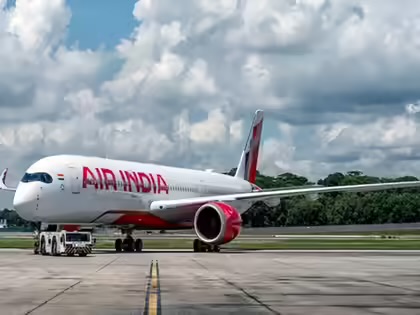
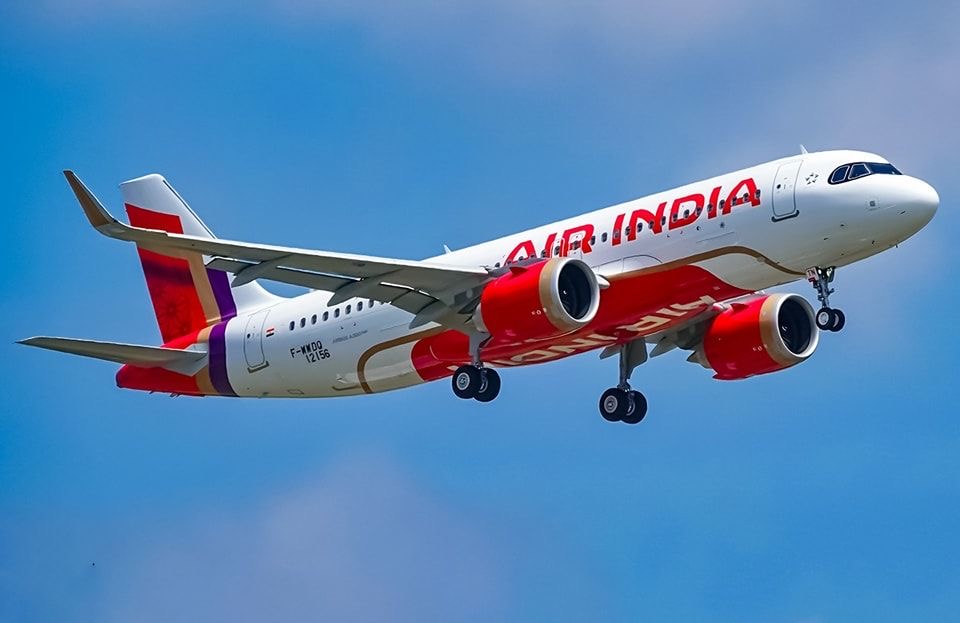
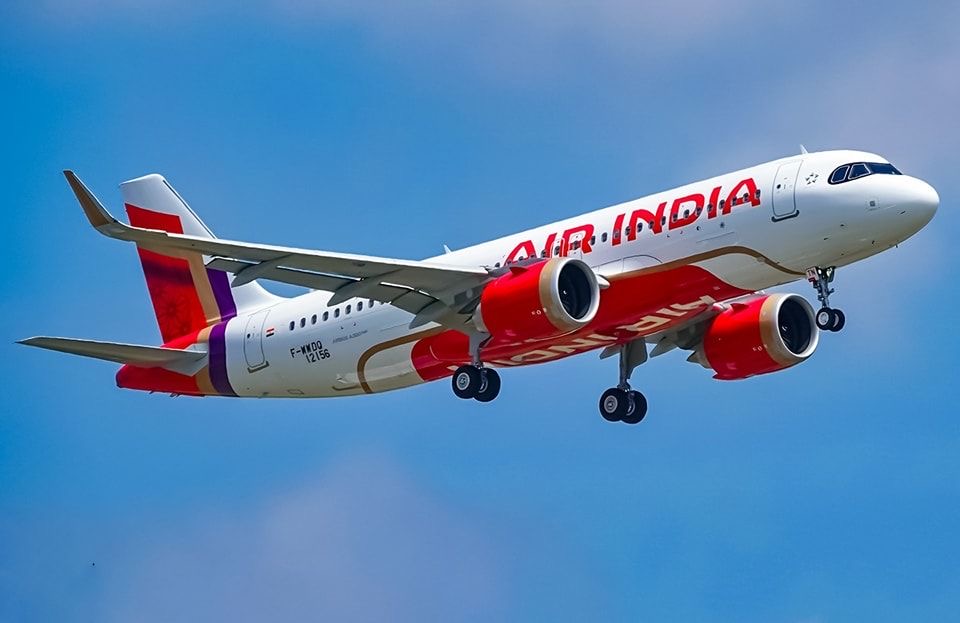
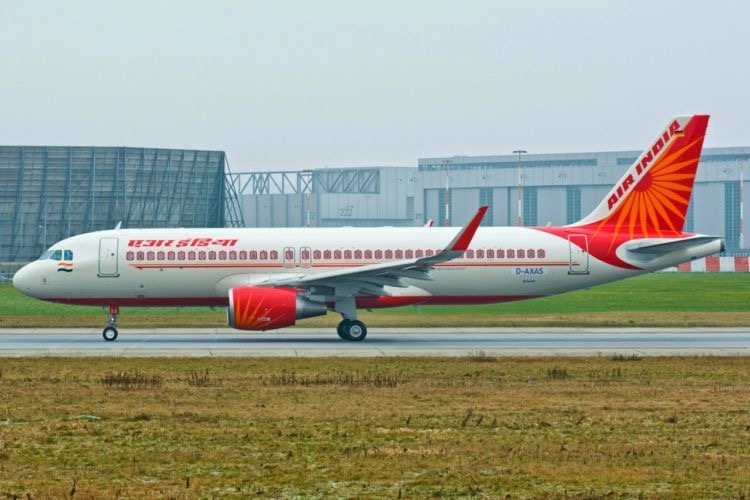
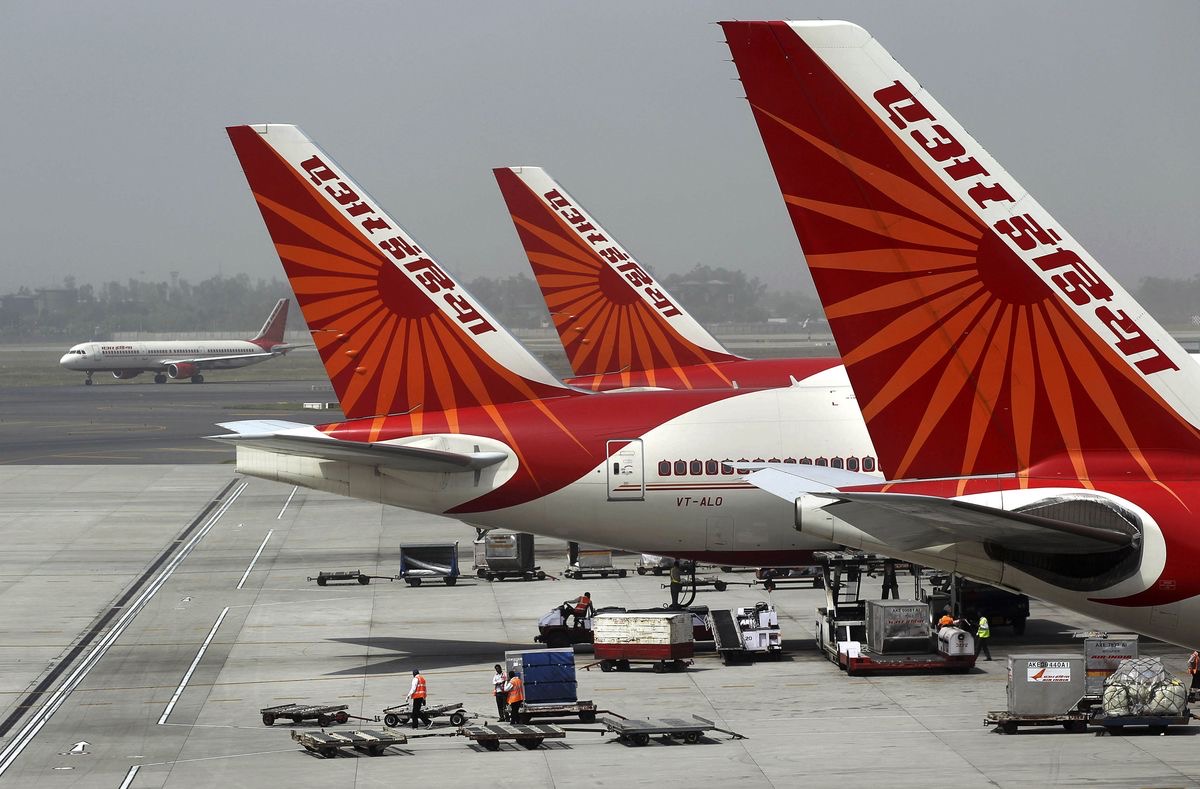
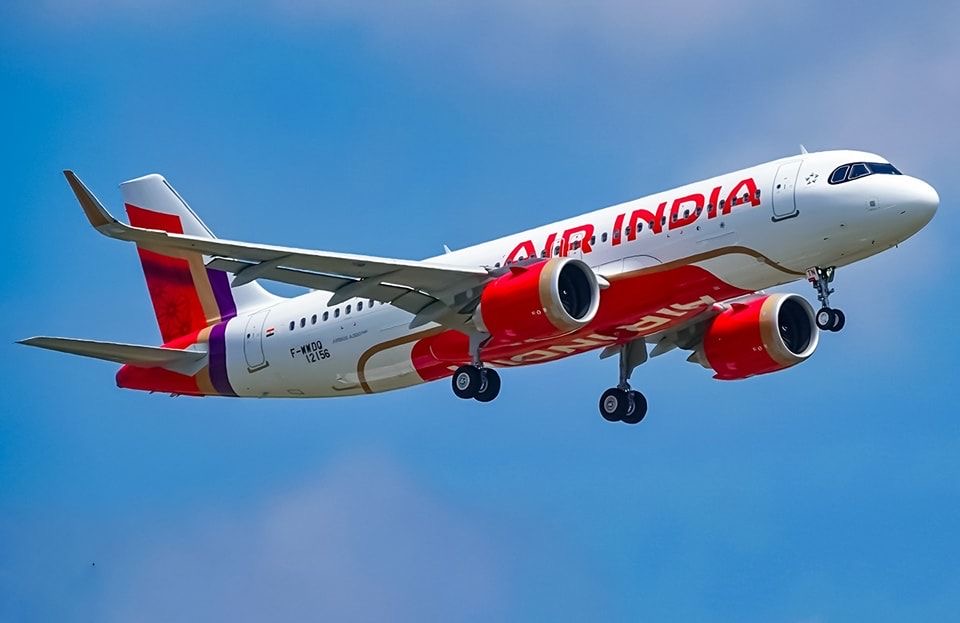
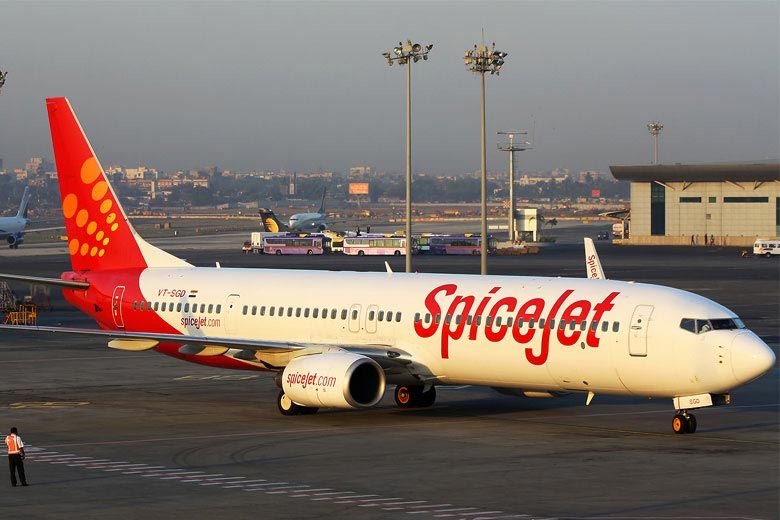
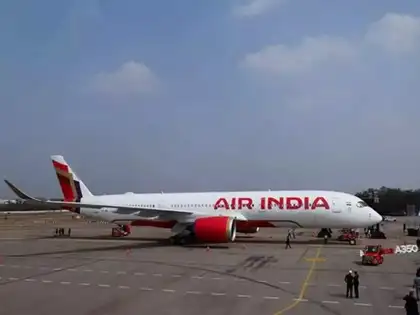
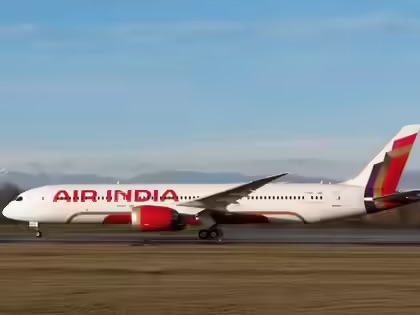
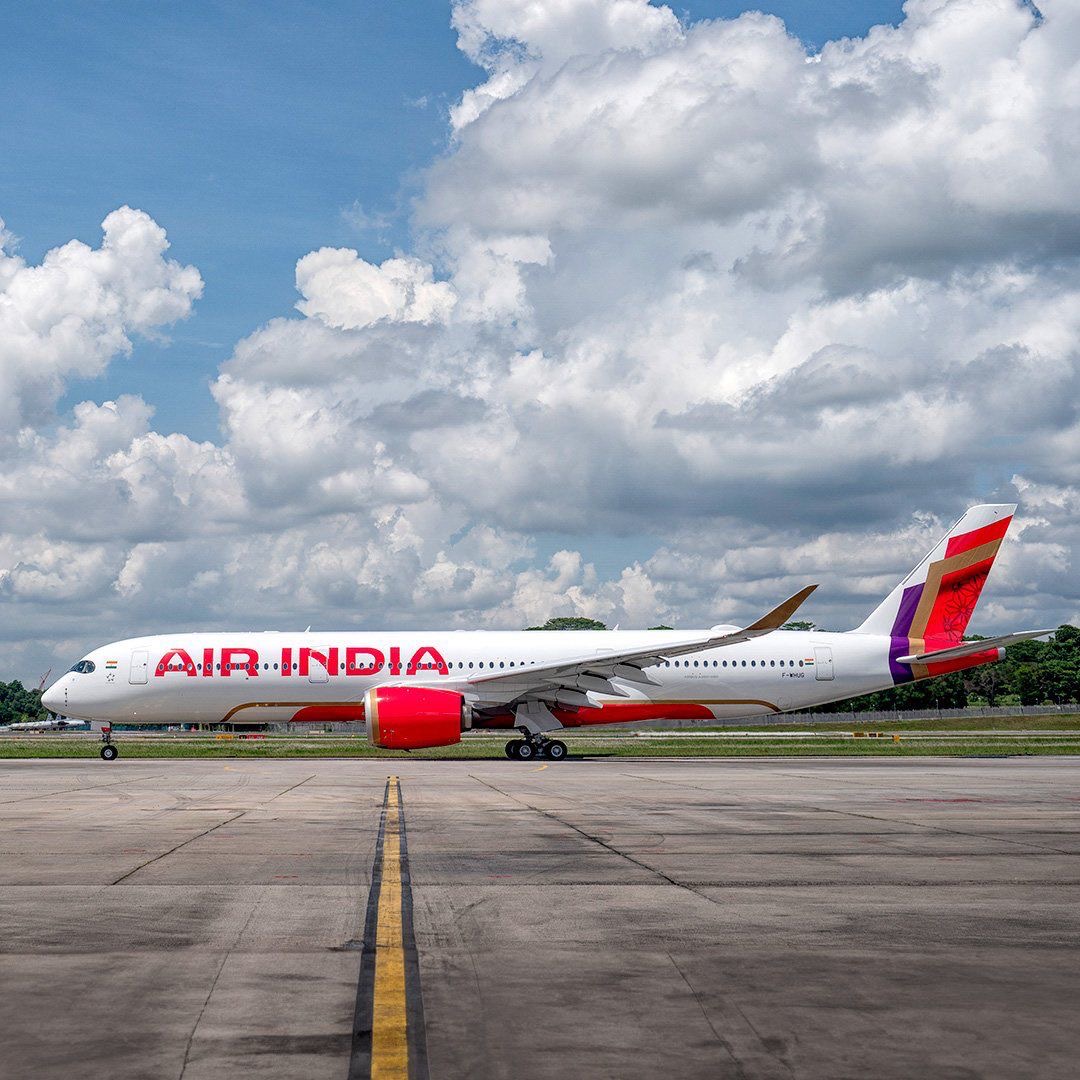
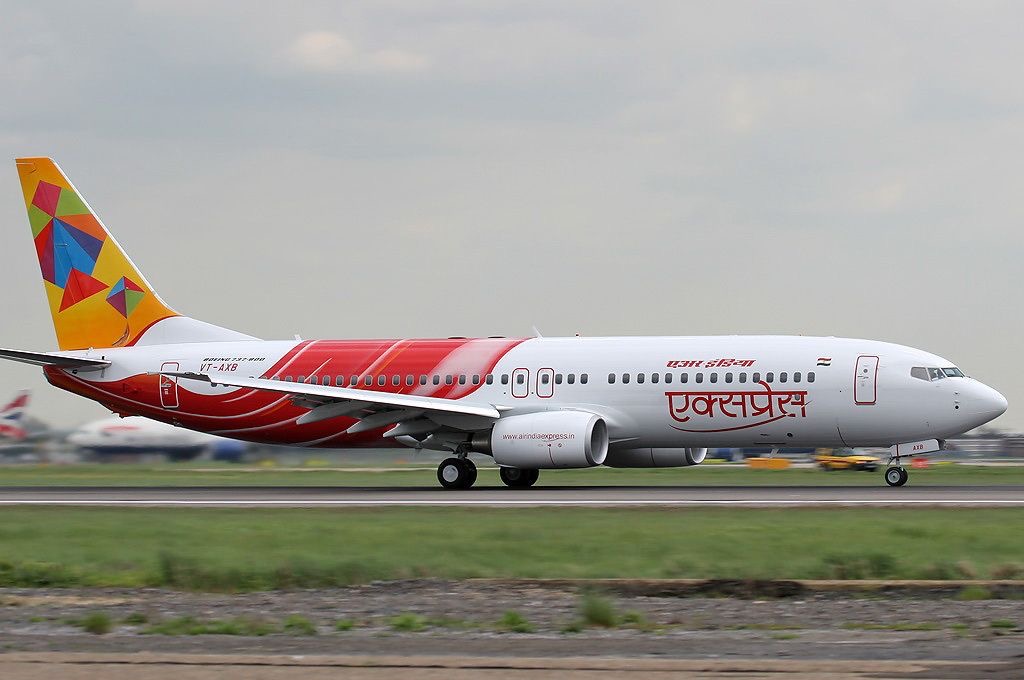
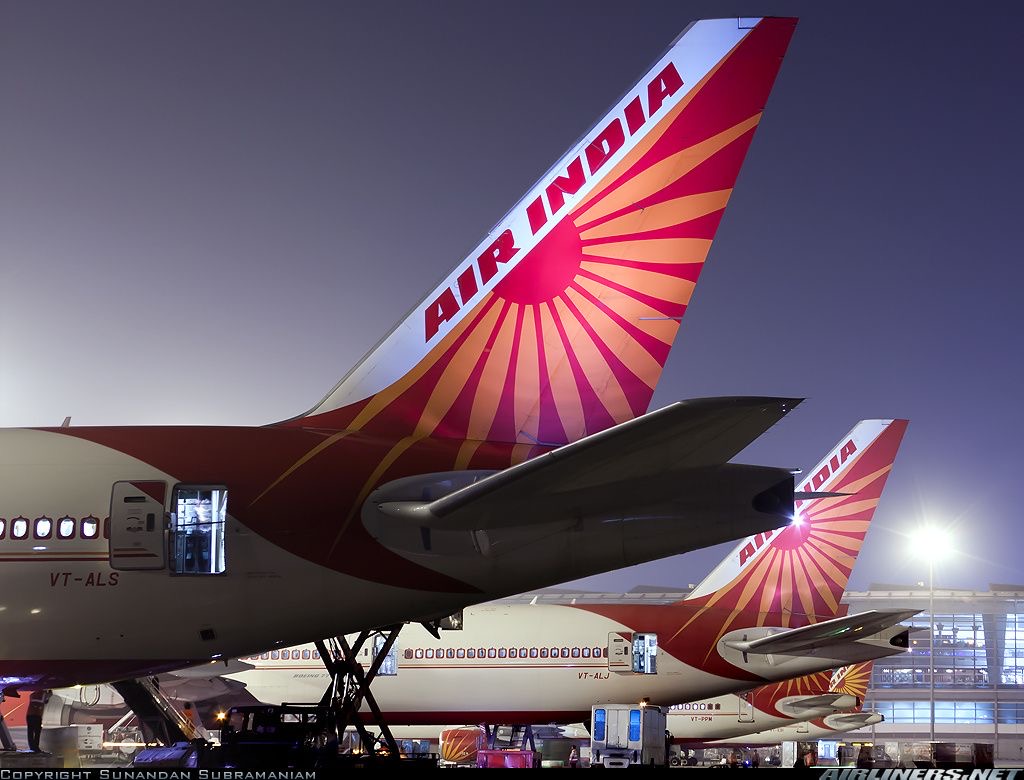
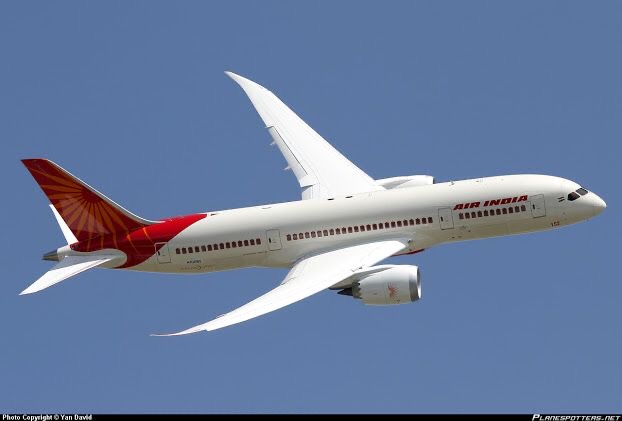
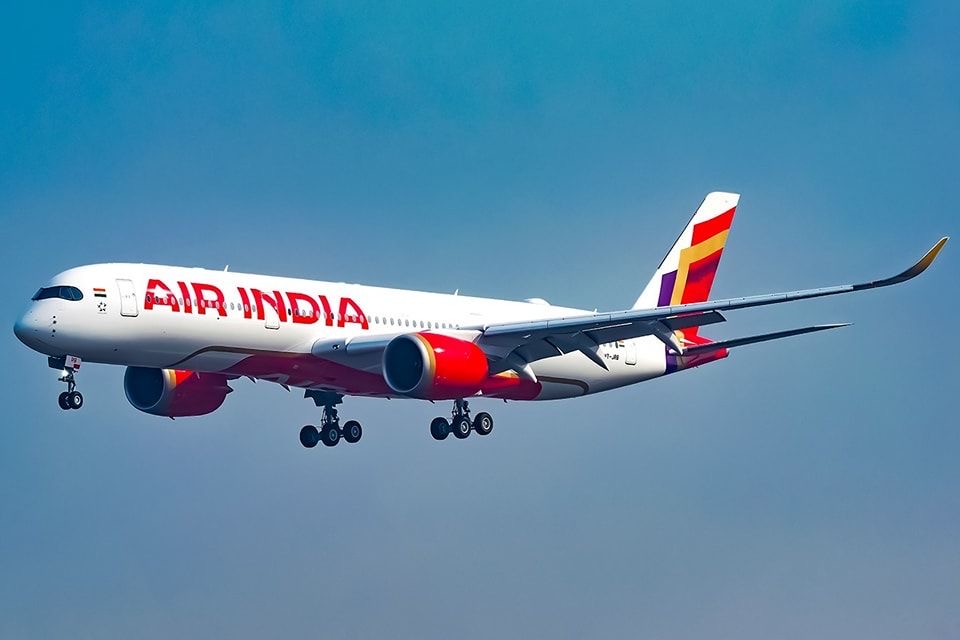
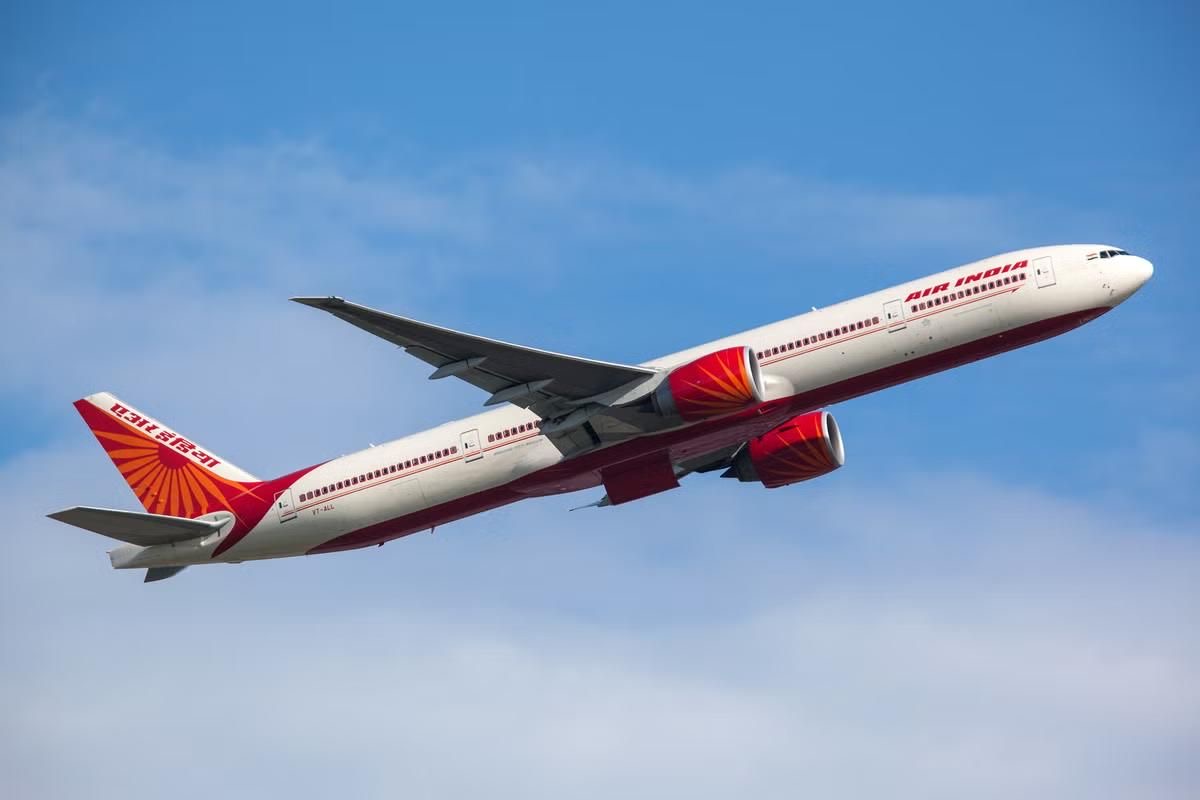
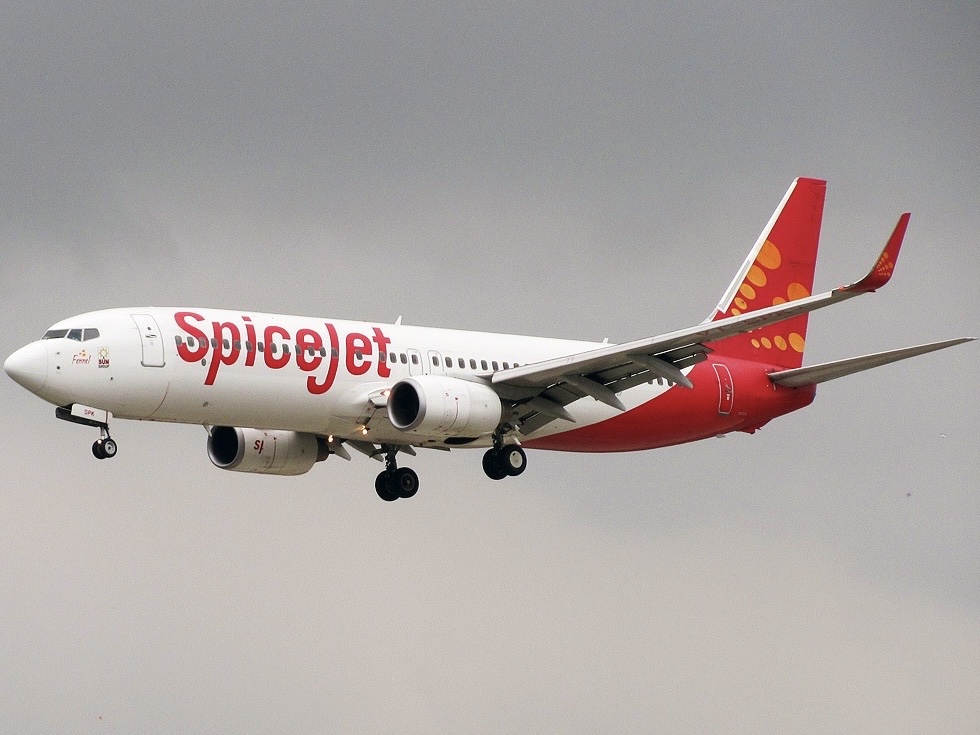
Other carriers, including Air India and SpiceJet, issued travel advisories urging passengers flying into or out of affected airports to check their flight status before leaving for the airport. The advisories highlighted the likelihood of delays and encouraged travellers to allow extra time for check-in, security, and other procedures that can stretch out when weather conditions are poor. Some flights were delayed by several hours, compounding the frustration among busy travellers.
Airport authorities also activated enhanced runway lighting systems and instrument landing aids where available, aiming to maintain as much operational continuity as possible despite the dense fog. Airports equipped with advanced category II and III instrument landing systems were able to handle certain flights under low visibility, but not all carriers or aircraft are certified to use these systems, leading to selective operations and further scheduling disruptions.
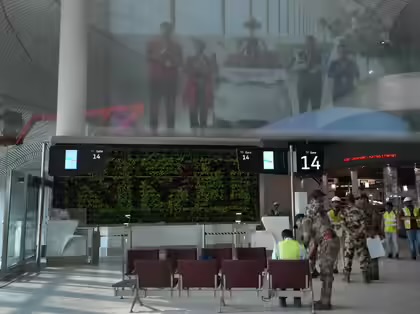
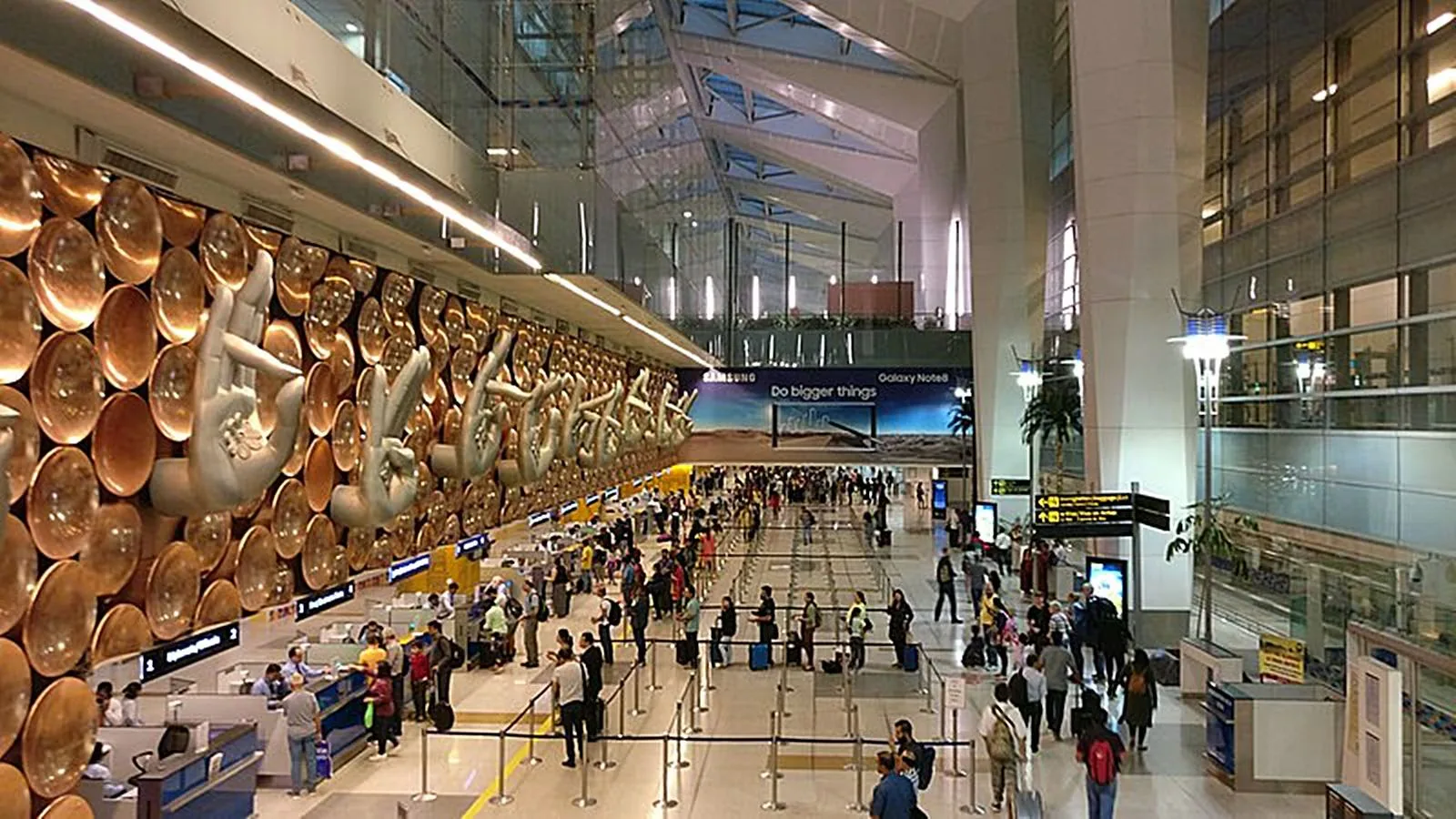
Passengers shared mixed reactions on social media and at terminals. Some expressed sympathy for airlines and airport staff, recognising that safety must come first when pilots cannot clearly see runway markers or other aircraft. Others voiced impatience, citing poor communication and long queues at information counters. Families travelling for work or personal reasons found plans significantly upended, with ripple effects on meetings, holidays, and connecting journeys.
Weather forecasters say that dense fog is a recurring challenge during the winter months in northern India, when cooler air near the ground traps moisture and creates thick mist that lingers through the early morning. While airports and airlines prepare for this season each year, the scale of the disruption this time underscores the need for continued investment in weather forecasting, runway lighting, and pilot training to mitigate delays in future seasons.
As afternoon sunlight eventually burned away the fog, flight operations began to pick up, with delayed flights resuming and some cancellations reversed if aircraft and crew could be repositioned safely. Airlines assured passengers that they were working through the backlog and urged travellers with upcoming flights to stay updated on status reports via official channels. Despite the chaos of the morning, normal flight activity gradually returned as conditions improved.