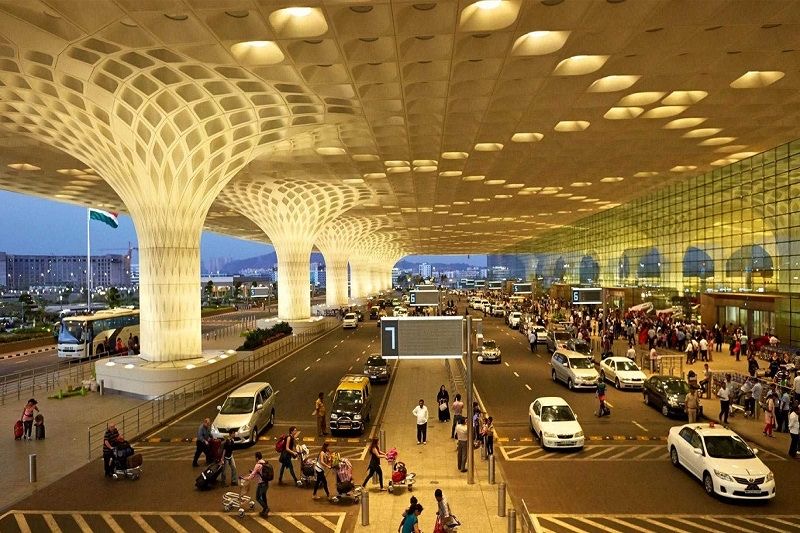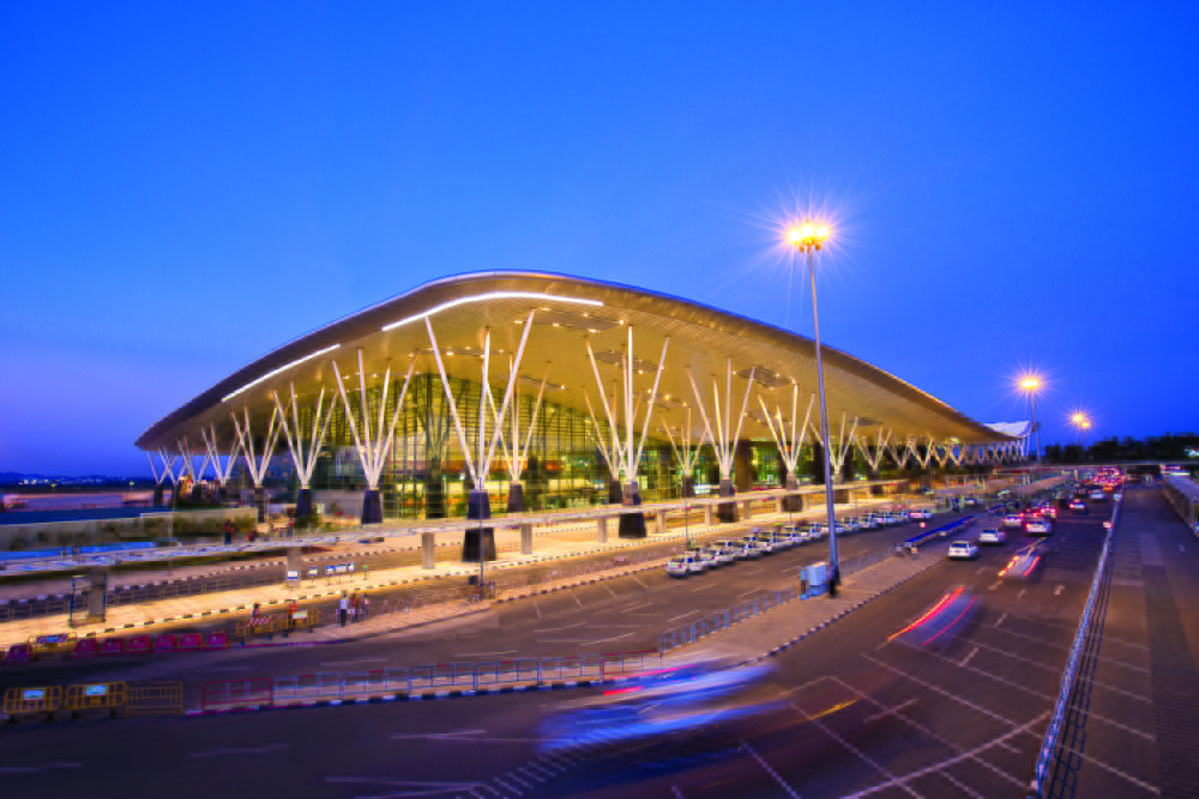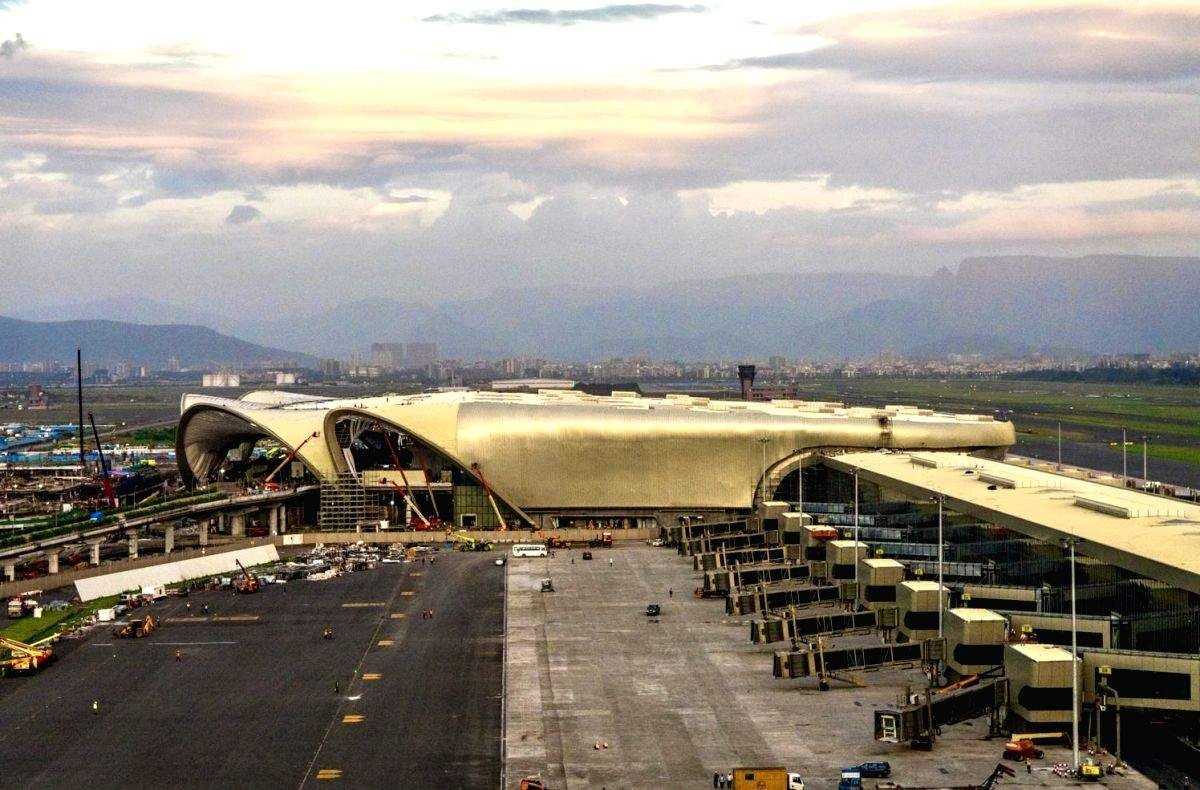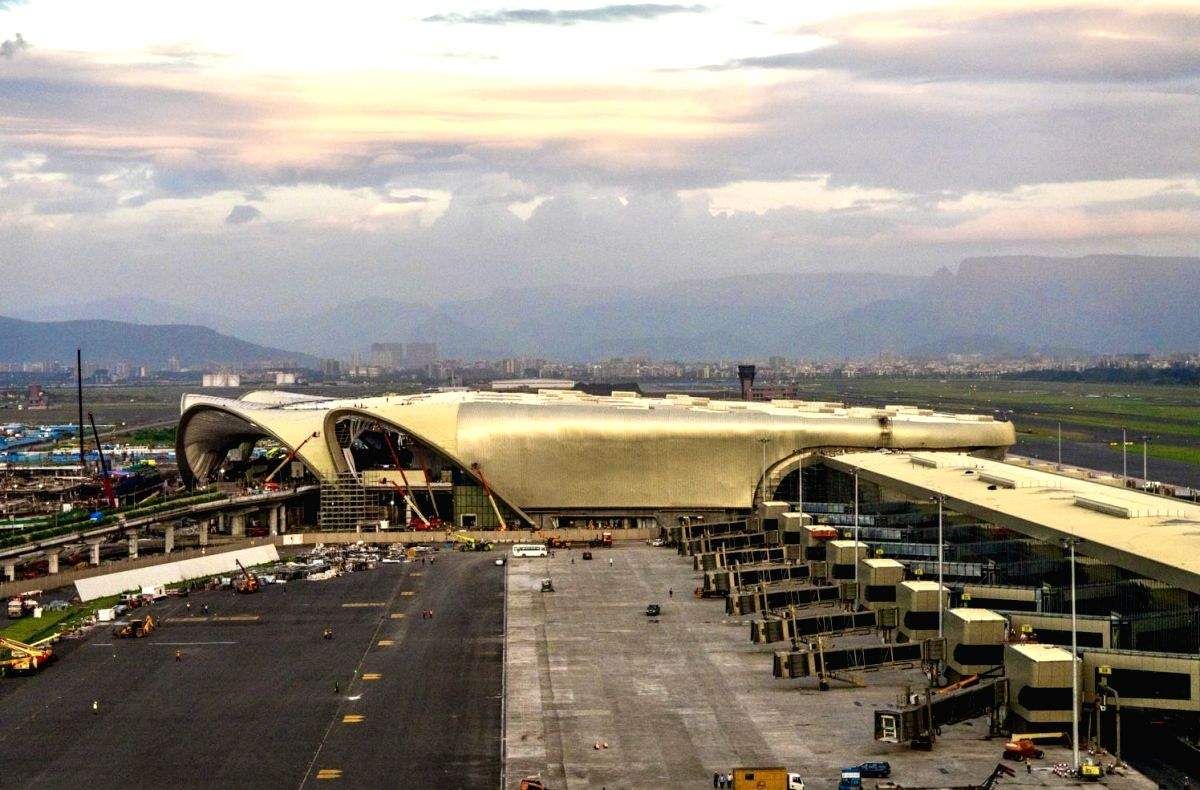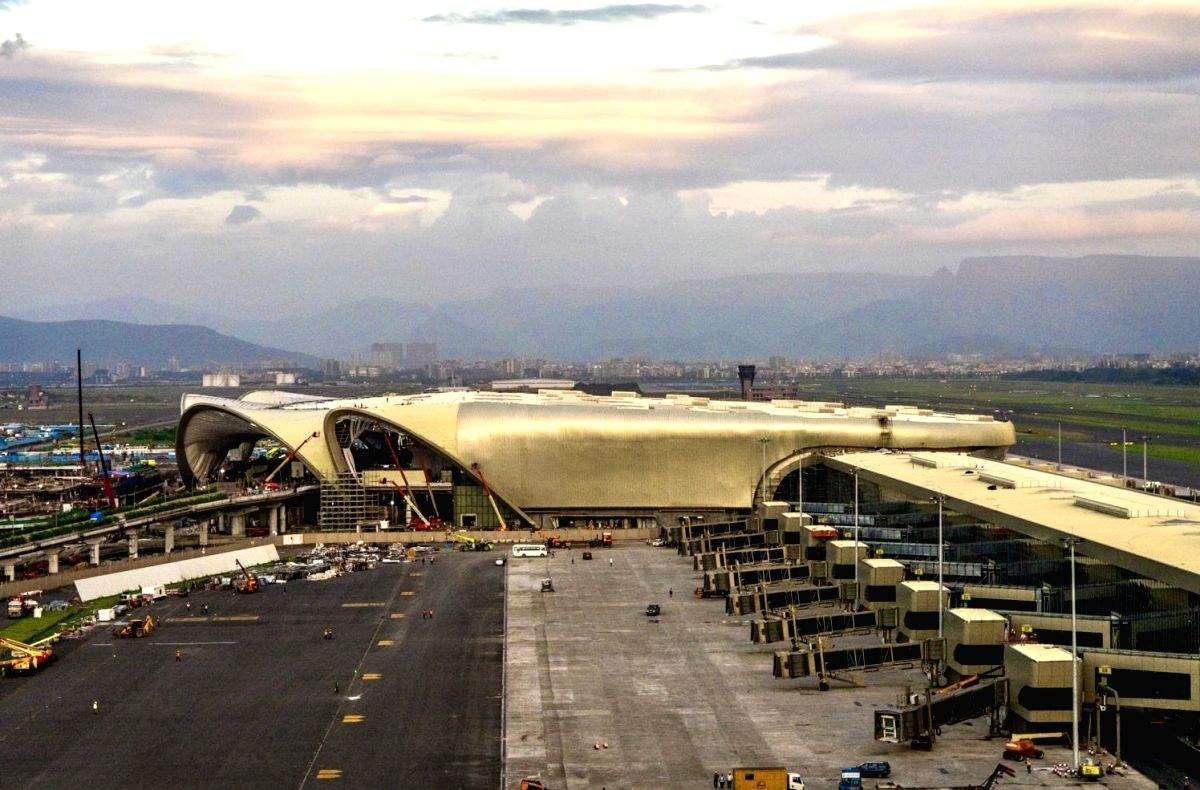
Guwahati’s Lokpriya Gopinath Bordoloi International Airport is set to debut its ₹4,000 crore new terminal building on February 22, Assam’s Chief Minister Himanta Biswa Sarma announced, marking a major milestone in the region’s civil aviation infrastructure. The new terminal is designed to handle sharply increased passenger traffic, support modern operational efficiencies and strengthen air connectivity across the Northeast and beyond.
The expanded terminal facility reflects years of planning and execution aimed at transforming Guwahati into a premier aviation hub for India’s northeastern states. With a rapidly growing market for both domestic and international flights, the airport’s existing facilities had been nearing capacity, and the new infrastructure will alleviate congestion while accommodating future growth.
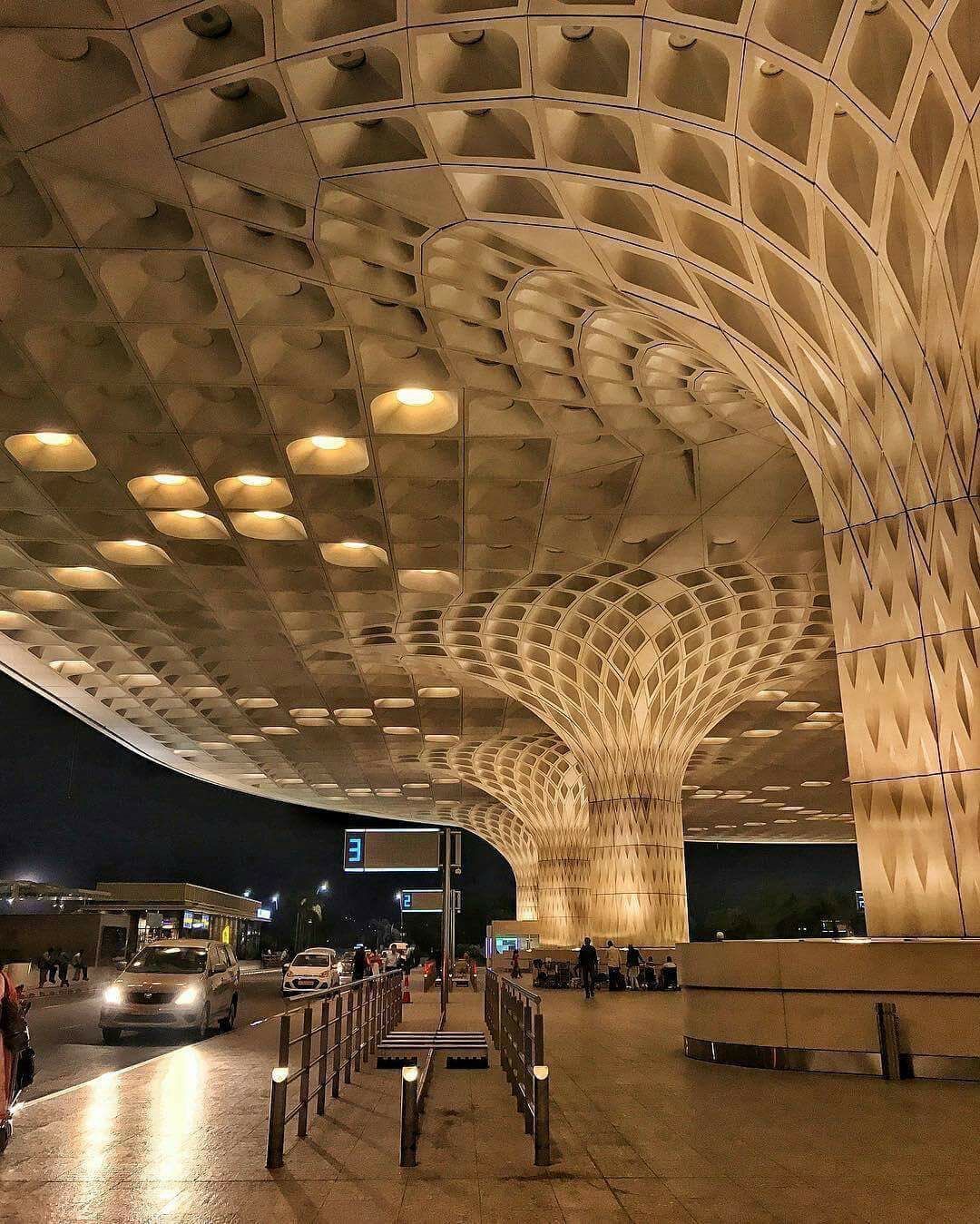
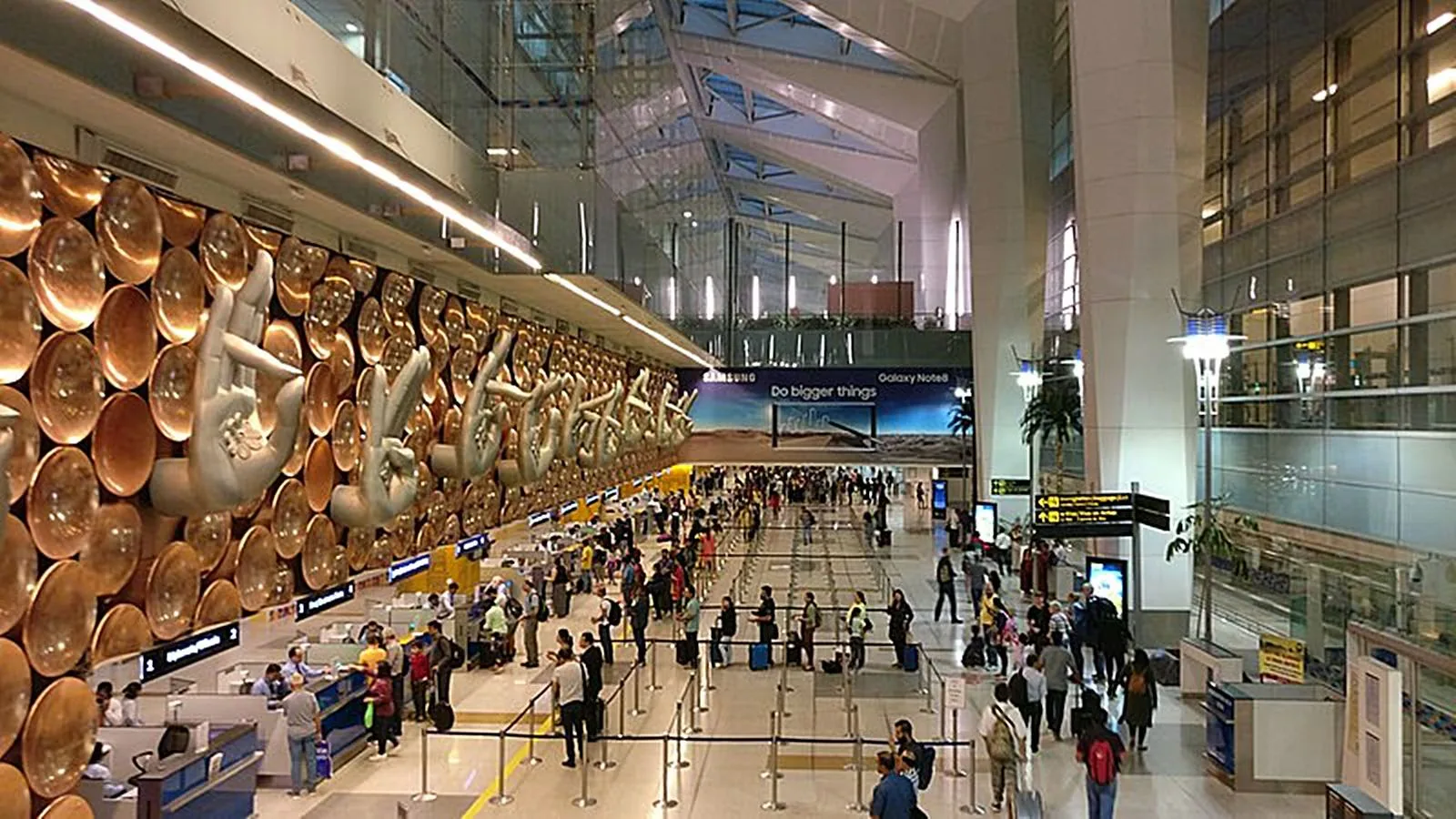
Officials said the new terminal incorporates contemporary design, advanced operational systems and enhanced passenger amenities that align with modern global airport standards. Key features include expanded check-in and security processing areas, larger departure lounges, improved baggage handling systems, duty-free outlets, food and beverage zones and dedicated spaces for families and business travellers. These upgrades are expected to make travel smoother and more comfortable for millions of flyers who pass through the airport each year.
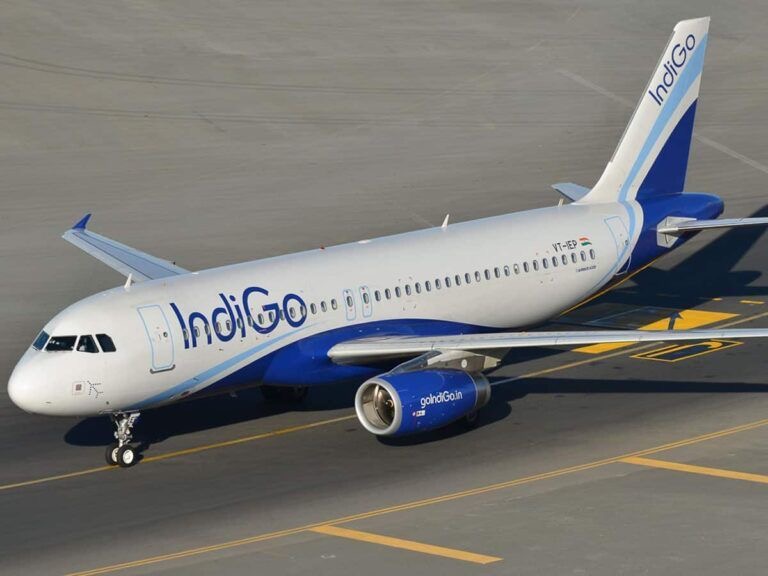
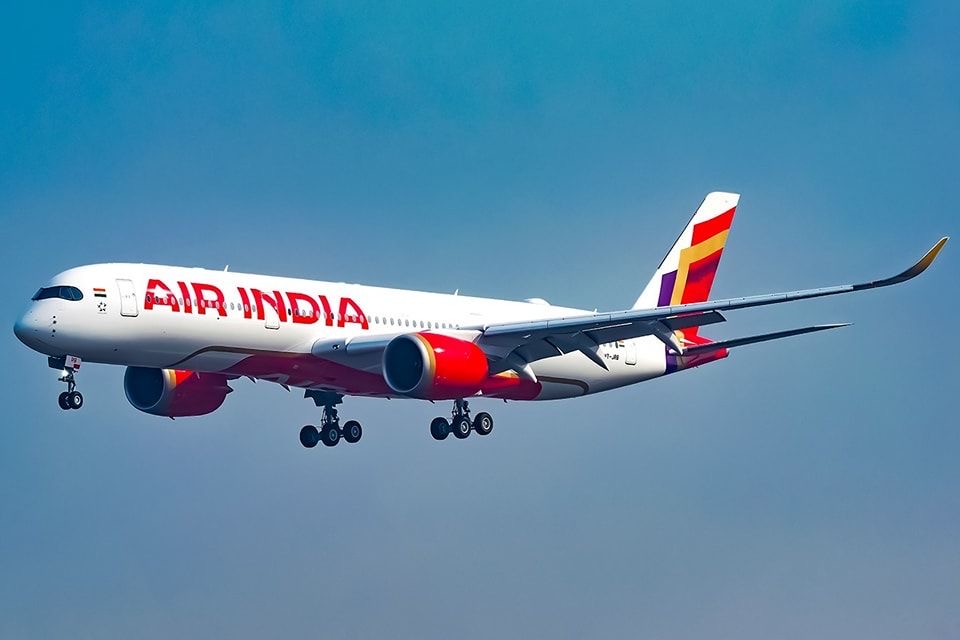
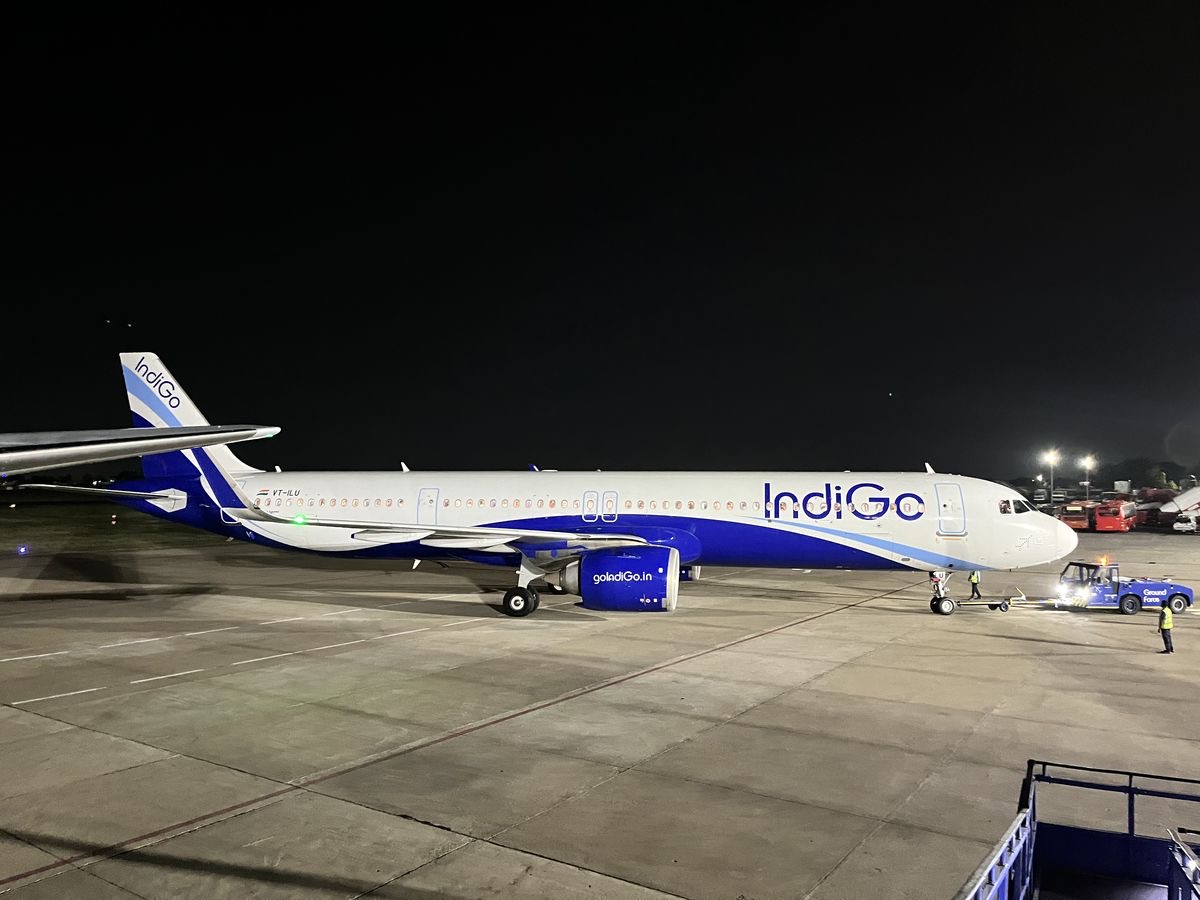
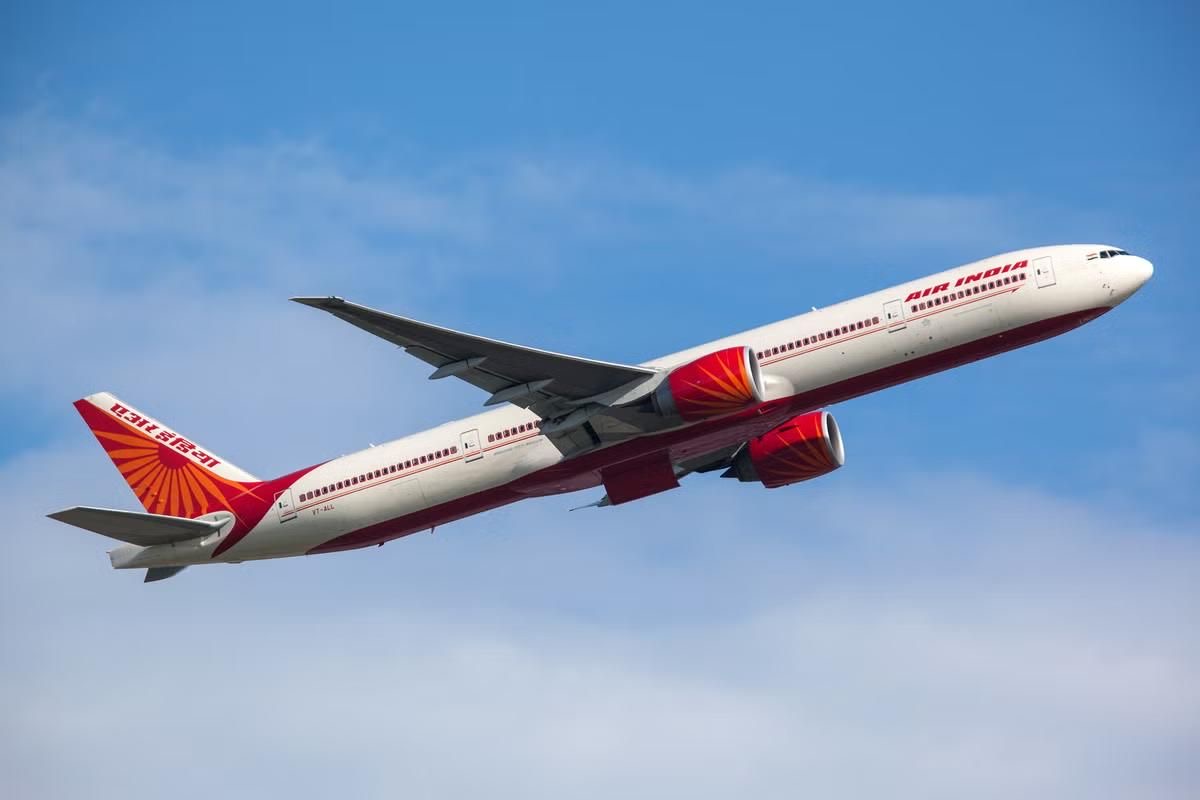
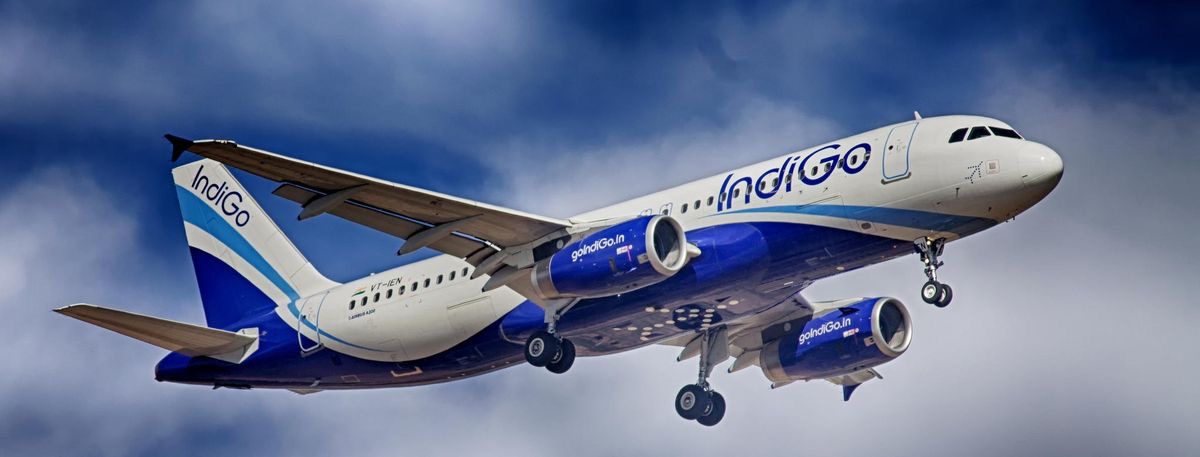
The Chief Minister reaffirmed that the terminal’s operational launch would also support expanded airline services. Carriers operating out of Guwahati will be able to deploy more flights and introduce new destinations, particularly on routes that connect the Northeast with other major Indian cities as well as select international hubs. Airlines may also use the additional capacity to increase flight frequencies and introduce larger aircraft to meet rising demand.
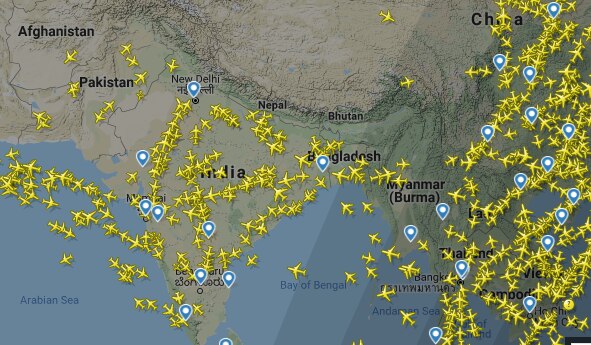
Guwahati’s geographic position makes it a strategic gateway for the northeastern region, which includes several states with limited direct air connectivity. The new terminal is expected to strengthen connectivity not only within India but also to neighbouring countries in South and Southeast Asia, enhancing tourism, business travel and cultural exchange. Improved air services can drive economic growth in sectors such as hospitality, trade, handicrafts and education, which rely on efficient transportation links.
Airport operators highlighted that the terminal’s design takes into account sustainability and passenger experience, incorporating energy efficient systems, ample natural light, intuitive wayfinding features and accessible amenities for all travellers. The layout also supports streamlined passenger flows that can reduce waiting times and improve overall service quality.
The state government and airport authority have been working closely with airlines, ground handling partners and security agencies to ensure a smooth transition as the terminal begins operations. Training for airport staff, testing of technical systems and coordination with air traffic control have all been completed ahead of the scheduled opening.
In the months leading up to the launch, industry observers have noted that passenger traffic at Guwahati Airport has been steadily rising, reflecting a combination of economic growth, rising disposable incomes and increasing demand for travel to and from the northeastern region. The new terminal will more than double the airport’s capacity compared with the old facility, giving it the ability to handle peak season loads more effectively.
The operationalisation of this large-scale terminal is expected to have socioeconomic impacts for the region. Improved connectivity can attract business investment, enhance access to healthcare and education, and support growth in tourism from the Kaziranga Tiger Reserve to cultural and heritage attractions across Assam and neighbouring states.
Infrastructure developments of this scale also create employment opportunities during both construction and ongoing airport operations, providing jobs in areas such as aviation services, retail management, hospitality and logistics. These benefits can have ripple effects throughout local communities as the region integrates more fully with national and international travel networks.
With an official launch date in sight, airlines, passengers and regional stakeholders are preparing for a new chapter in the Northeast’s aviation story. The upgraded Guwahati terminal is positioned to handle future growth, catalyse expanded air services, and serve as a cornerstone of broader connectivity initiatives that benefit the region and the nation.