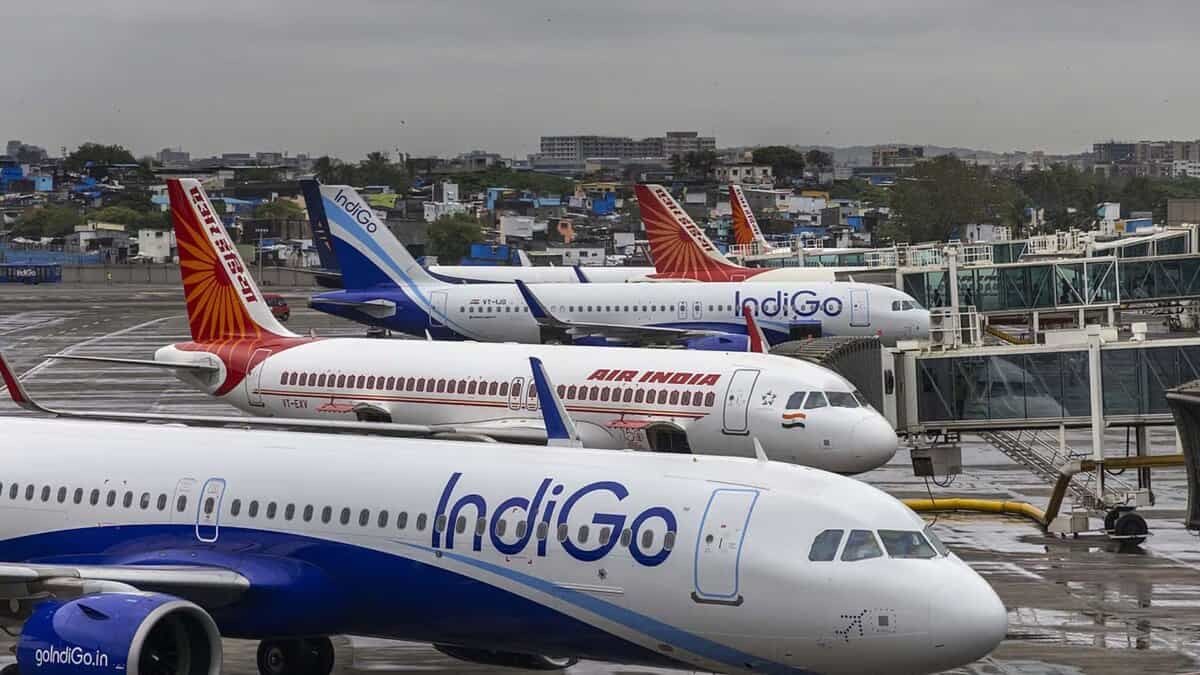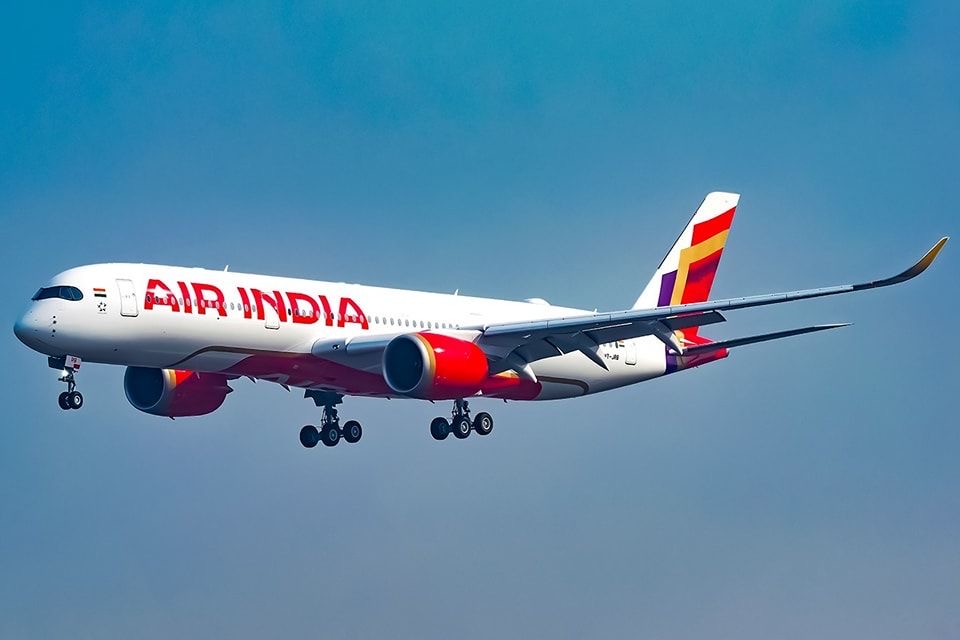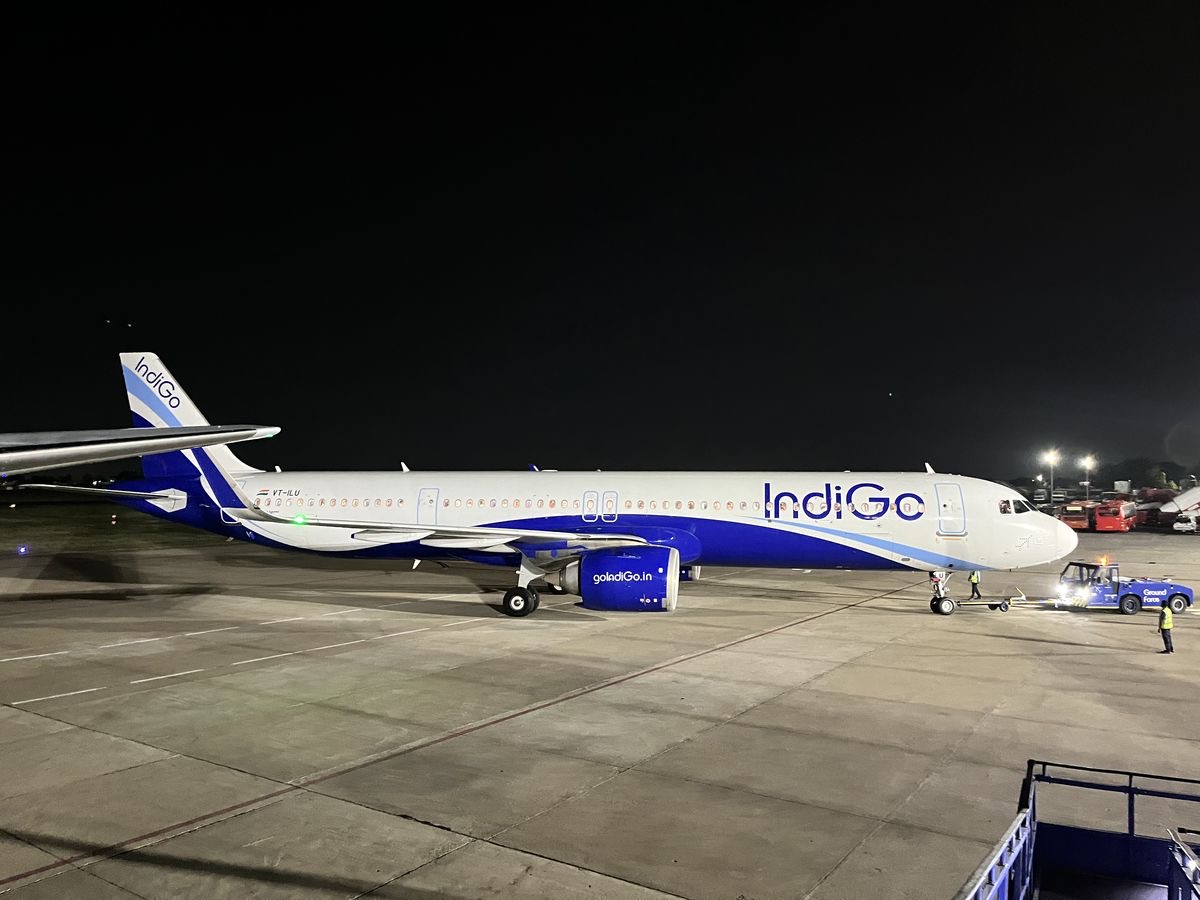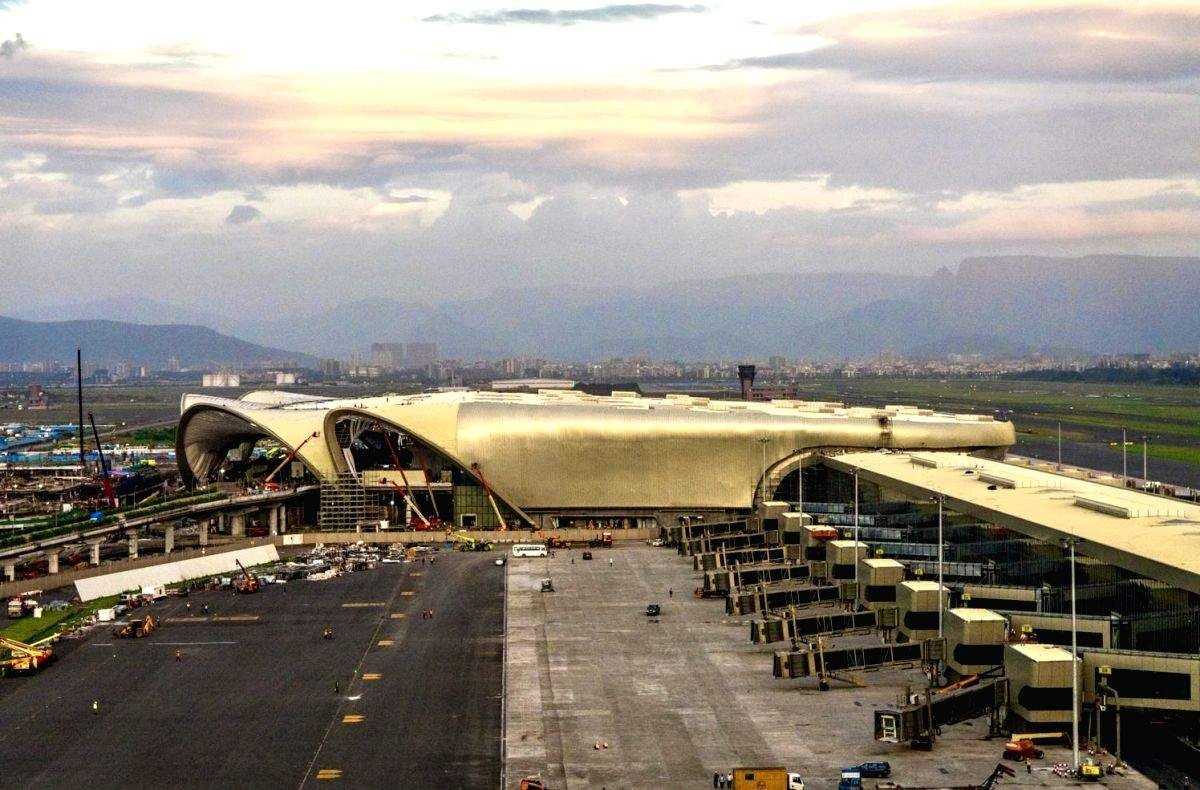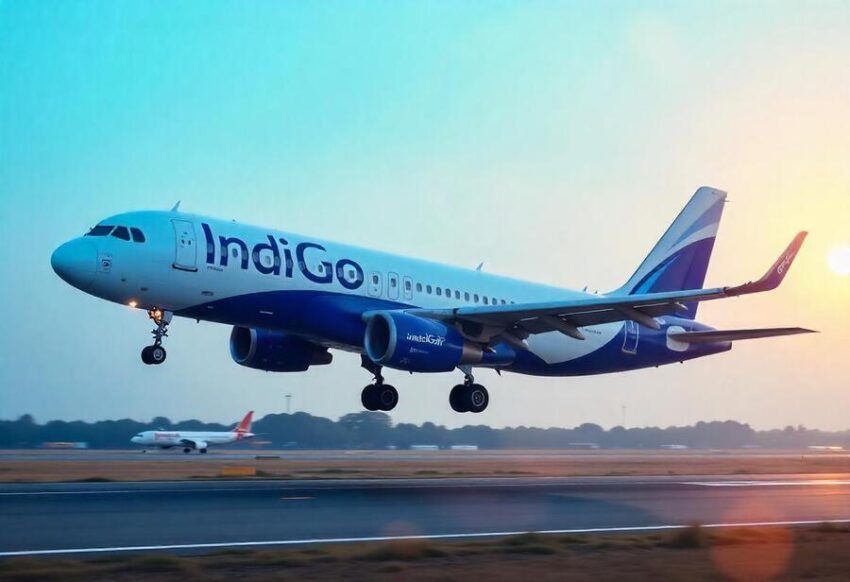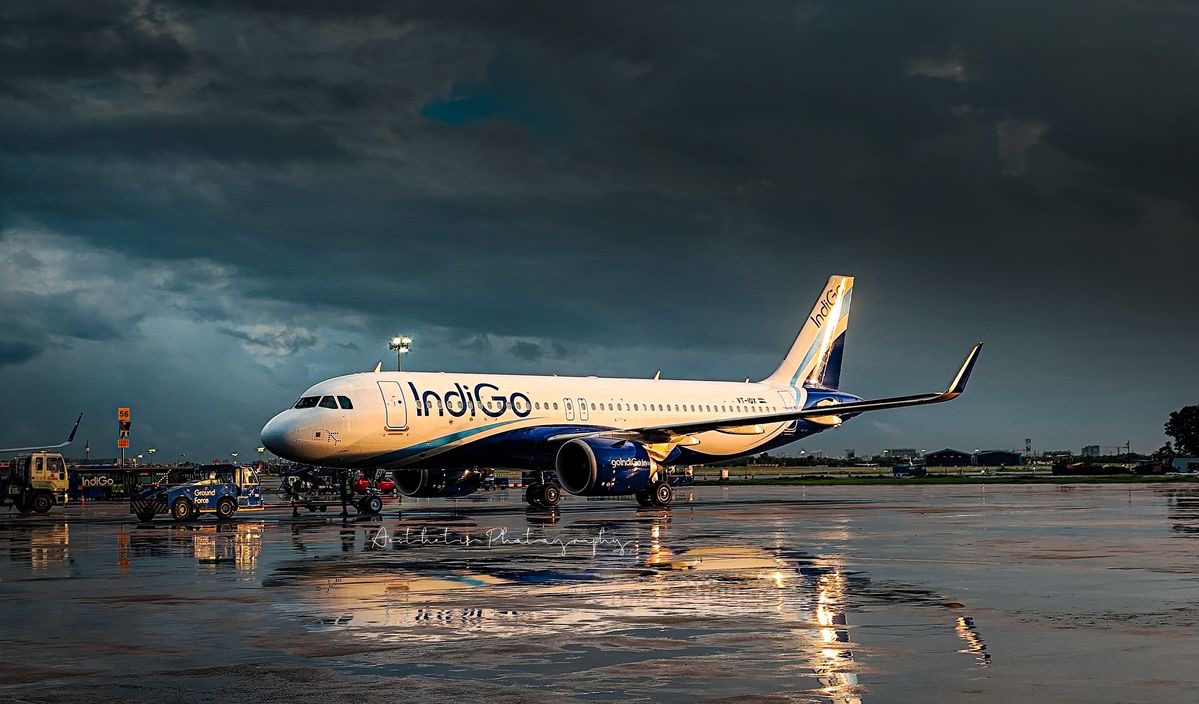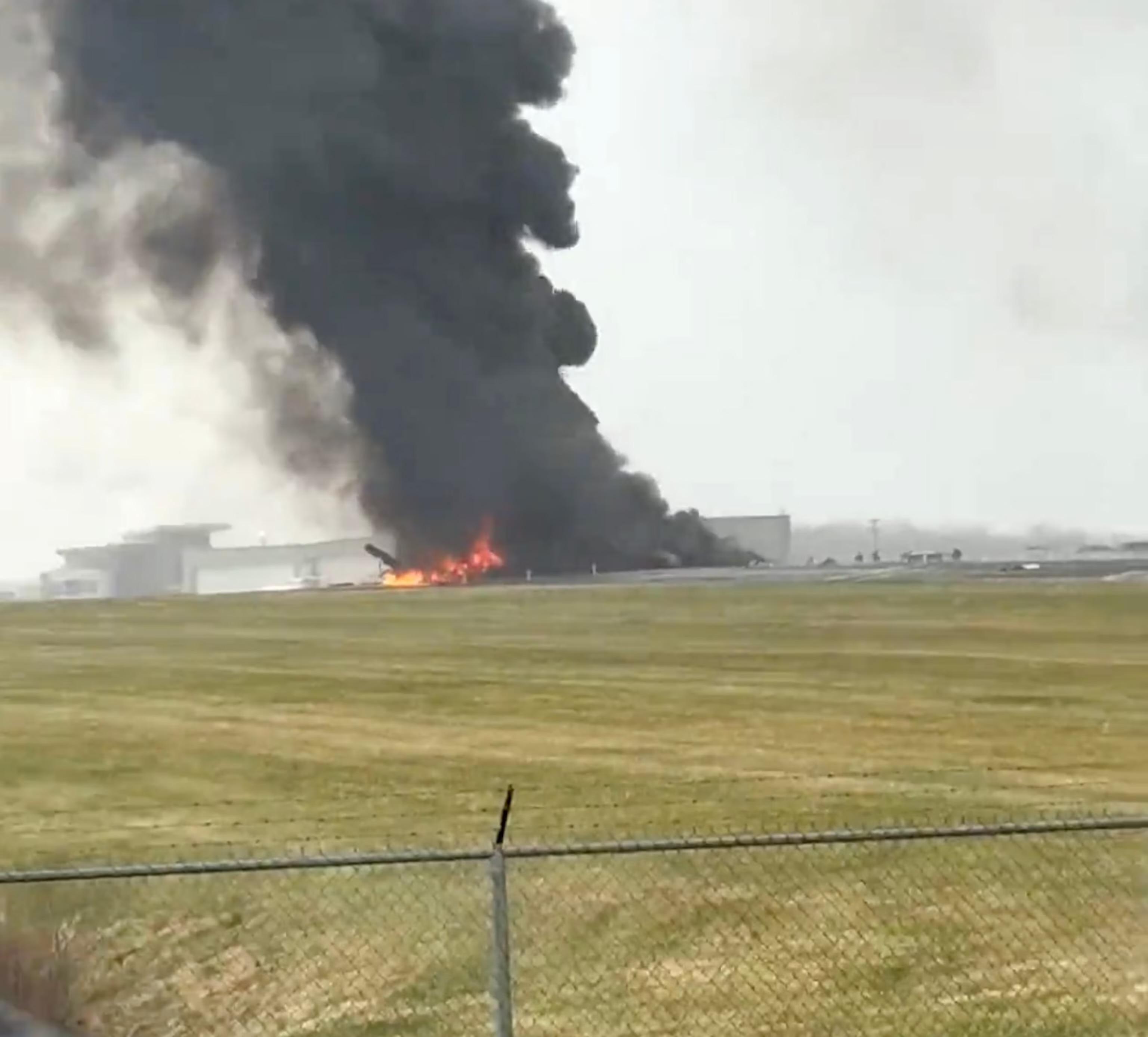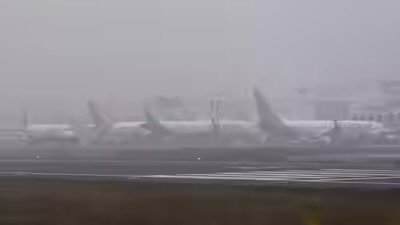
A thick mix of dense fog and toxic smog enveloped the national capital in the early hours, severely disrupting flight operations at Indira Gandhi International (IGI) Airport and throwing travel plans into chaos for thousands of passengers. As visibility dropped to critically low levels, the airport struggled to maintain smooth operations, resulting in over 200 flights being cancelled or delayed across domestic and international routes.
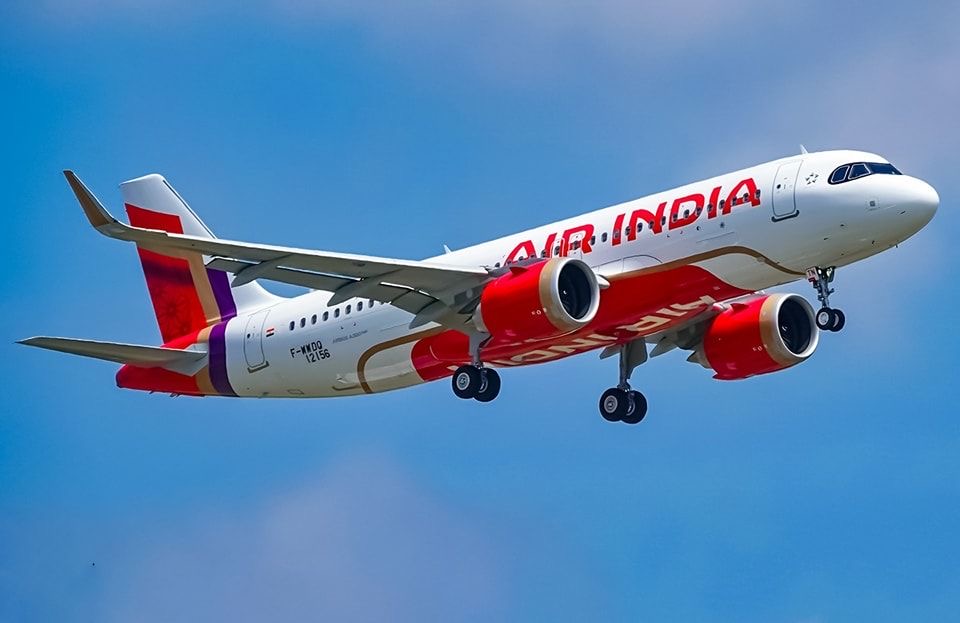
The disruption unfolded rapidly as early-morning flights bore the brunt of the weather conditions. Aircraft were unable to take off or land safely, forcing airlines to slow down movements, reschedule services, and cancel several flights altogether. What is usually a tightly coordinated flow of air traffic quickly became congested, with delays snowballing as the morning progressed.
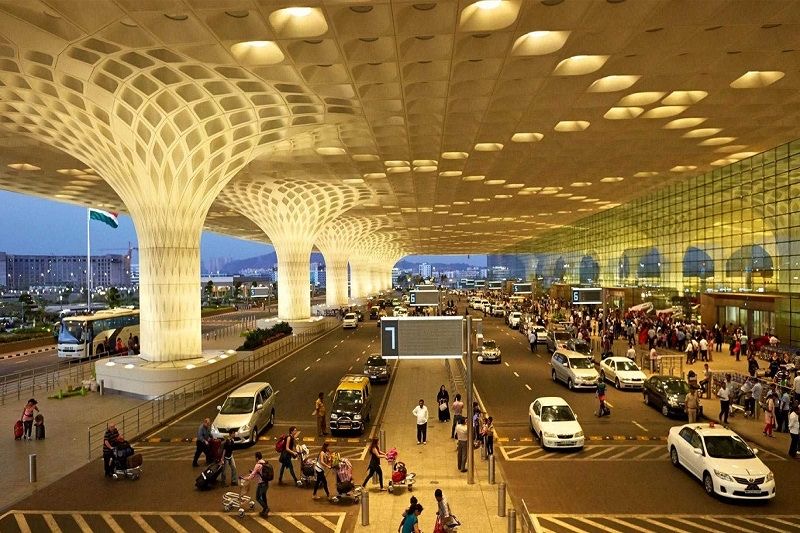
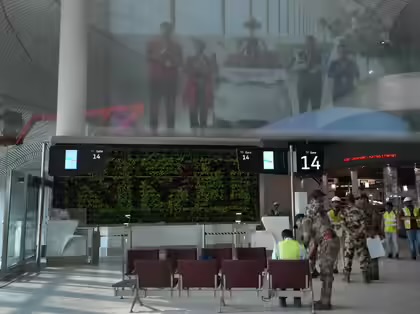
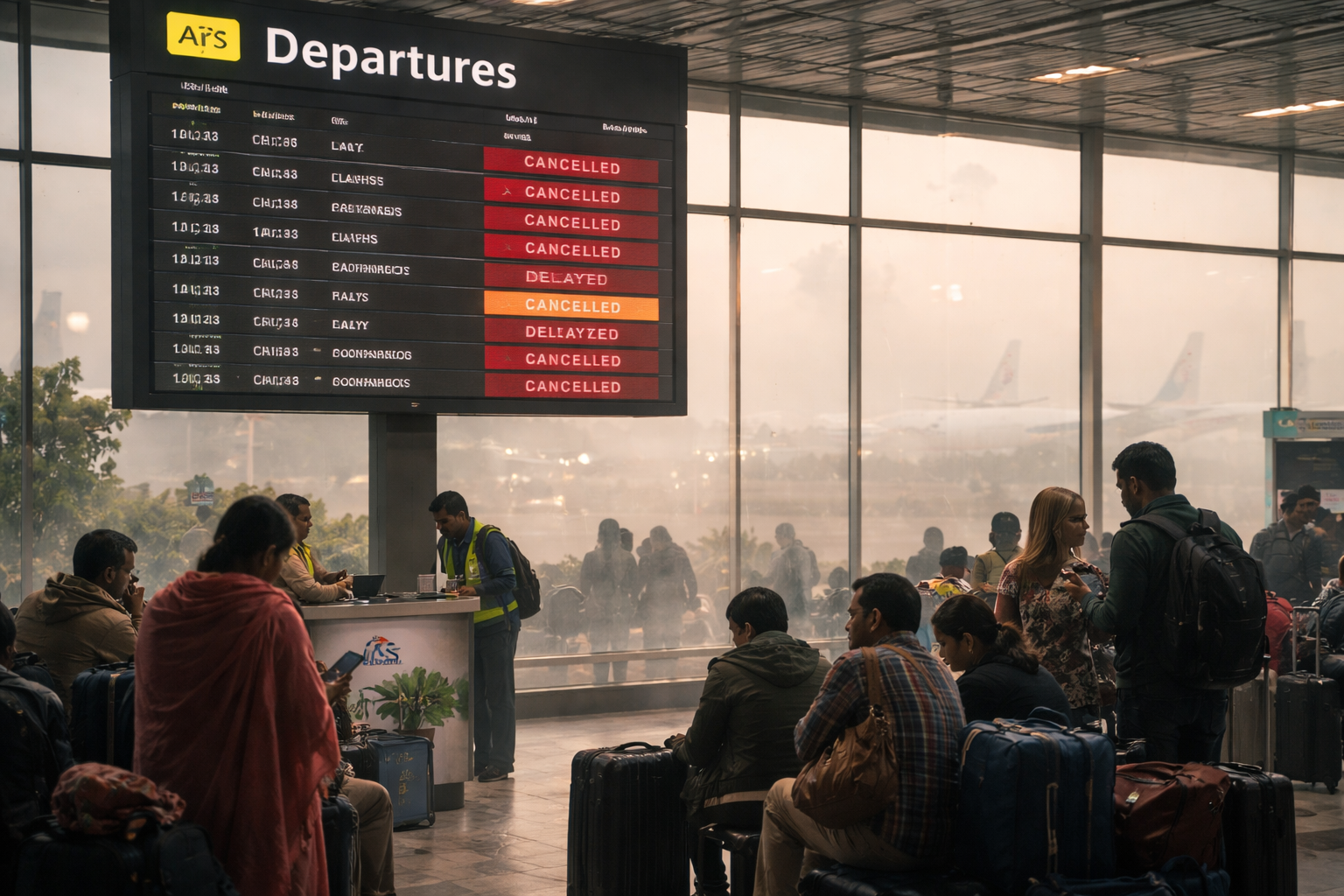
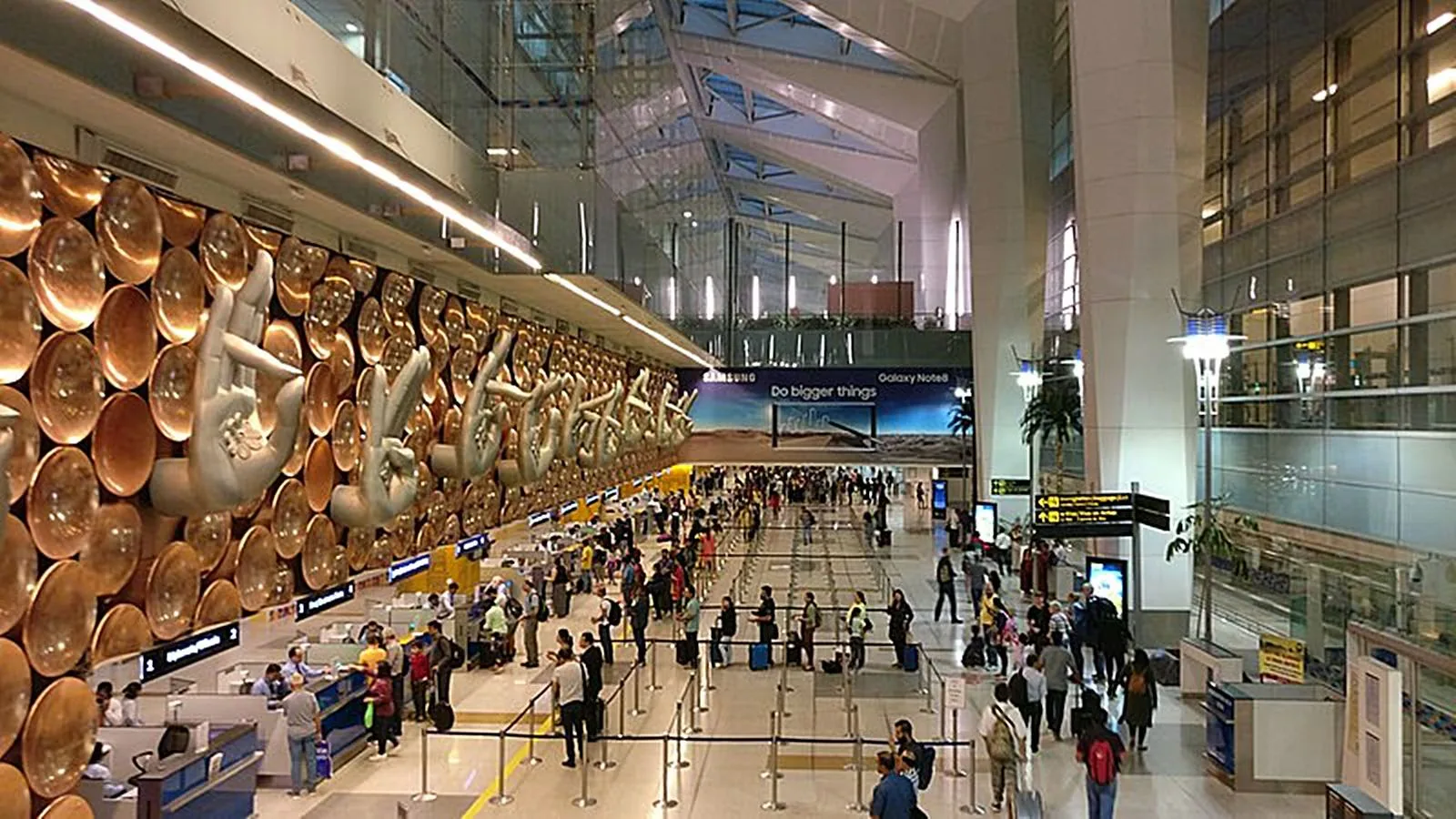
Inside the airport terminals, the impact was clearly visible. Departure boards flashed cancellation and delay alerts, queues stretched across airline counters, and passengers anxiously waited for updates. Many travellers—some heading for business meetings, others returning home or beginning long-planned journeys—found themselves stranded with limited clarity on when their flights would resume.
Airlines and airport authorities issued advisories urging passengers to check flight statuses before leaving for the airport and remain prepared for last-minute changes. With visibility falling below operational limits, runway activity was restricted, making it difficult to clear the backlog of delayed flights. Even flights scheduled later in the day were affected as aircraft rotations and crew schedules fell out of sync.
The situation once again underscored the recurring winter challenge faced by Delhi airport, where fog combined with high pollution levels regularly disrupts air traffic. Despite the use of advanced landing systems and improved coordination, prolonged low visibility continues to pose serious operational hurdles during peak winter months.
As weather conditions were monitored closely, efforts were made to gradually restore normal operations once visibility showed signs of improvement. However, the ripple effect of the morning’s disruption extended well beyond the early hours, impacting connecting flights and travel schedules throughout the day.
For passengers, the episode served as a familiar yet frustrating reminder of how winter weather can bring even one of the country’s busiest airports to a standstill—where safety remains the priority, but delays become unavoidable.