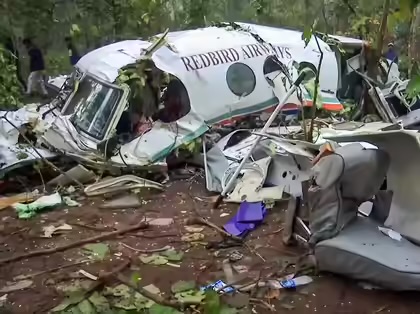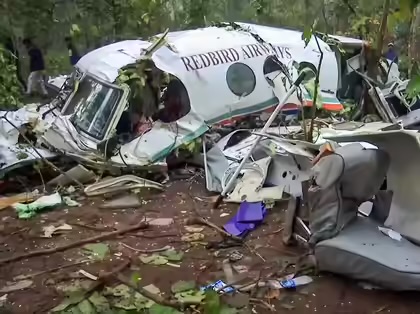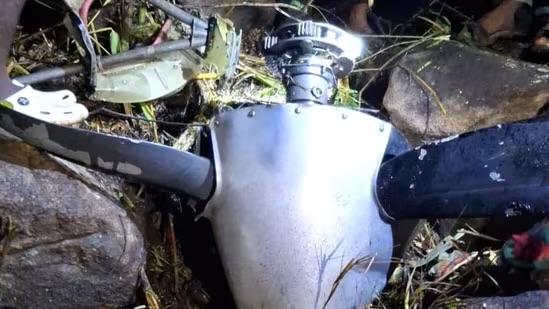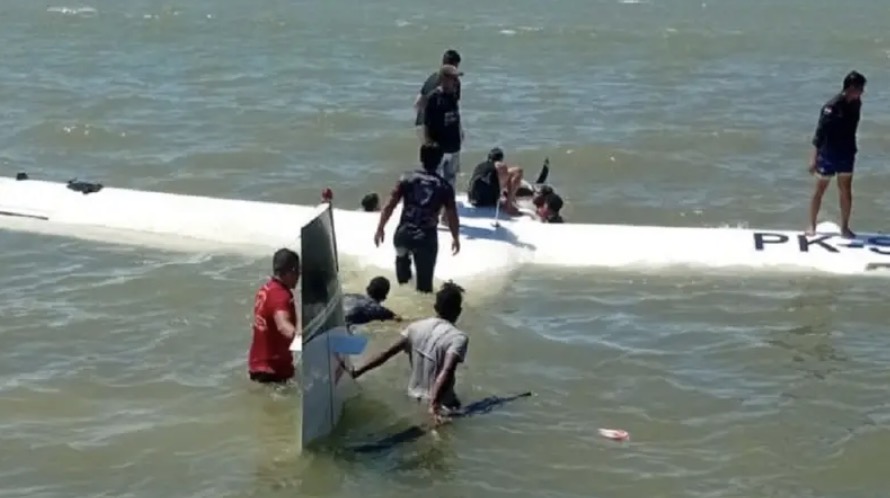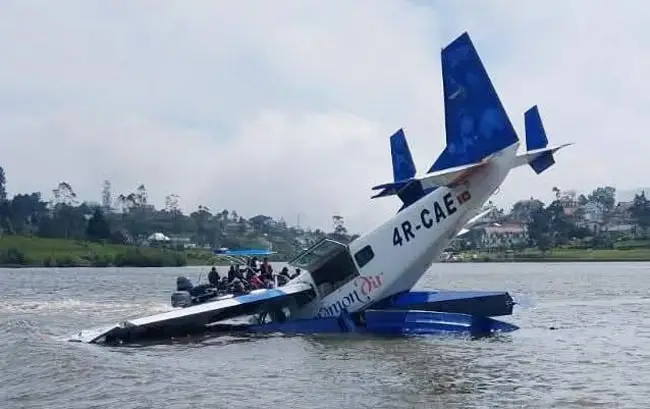
A Cinnamon Air seaplane was involved in an unusual hard water landing at Gregory Lake in Sri Lanka, prompting a safety investigation by the country’s aviation regulator. The aircraft was on a scheduled scenic flight when it encountered difficulties during descent, ultimately impacting the water with enough force to cause concern among passengers and crew. While the event was alarming, all occupants were reported safe, and emergency response teams acted swiftly to secure the scene and support those on board.
The flight was operating as part of Cinnamon Air’s popular aerial sightseeing services, which offer passengers picturesque views of Sri Lanka’s landscapes, lakes, and coastline. According to accounts from those present, the seaplane approached Gregory Lake under normal conditions, but an unexpected change in flight dynamics forced the pilot to execute a hard landing on the water surface rather than the gentler touchdown planned.
Passengers described the experience as intense but ultimately manageable, noting that the pilot remained calm and communicated clearly during the descent. Despite the abruptness of the landing, the aircraft remained intact and stable enough to prevent any serious injuries. Cabin crew assisted passengers in exiting the seaplane safely once it came to a stop on the lake’s surface.
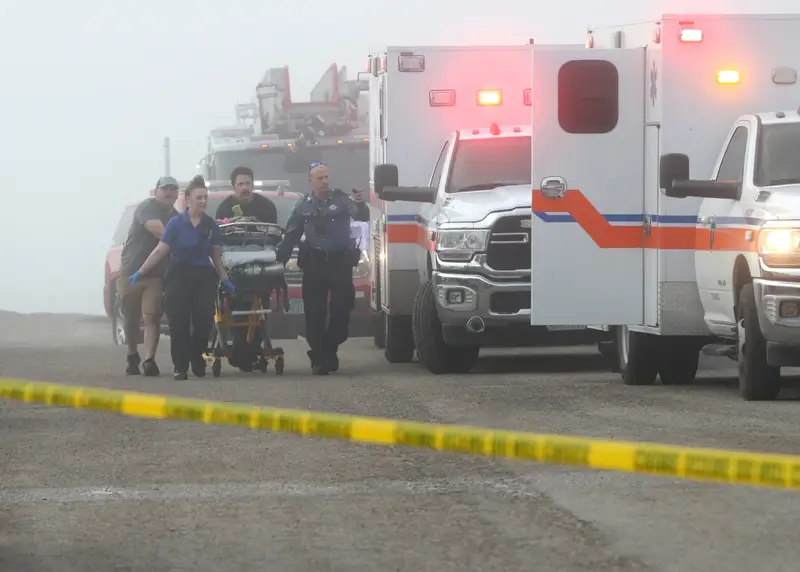
Local rescue and aviation personnel responded to the incident quickly, reaching the site by both land and water to provide support. Life vests and rescue boats were deployed to help ferry passengers to shore, where they received medical checks and reassurance. While some travellers reported feeling shaken, none required hospital treatment, and all were able to continue with their travel plans after the necessary safety protocols were observed.
Aviation officials emphasized that water landings require precise control and situational awareness, and that unplanned hard landings, while rare, can occur due to sudden changes in wind, water surface conditions, or aircraft response. Given the unique nature of seaplane operations, authorities treat such incidents with particular seriousness, focusing on identifying causes and enhancing preventive measures.
The Civil Aviation Authority of Sri Lanka (CAASL) confirmed that it has opened a formal investigation into the circumstances of the hard water landing. Investigators will examine flight data, pilot communications, weather reports, and witness accounts to determine whether mechanical issues, environmental factors, or other variables contributed to the event. The regulator’s priority is to establish a clear understanding of what occurred and whether changes to procedures, training, or equipment are needed.
Representatives from Cinnamon Air expressed relief that everyone on board was safe and reiterated the importance of safety in their operations. The airline is cooperating fully with the CAASL investigation and has stated that it will review internal practices in light of the findings. Officials also emphasized that the company’s seaplane services adhere to strict maintenance and operational standards, and that this incident will be carefully evaluated to maintain high confidence in seaplane travel.
Passengers who experienced the hard landing praised the professionalism of both the flight crew and emergency responders. Many described their gratitude that the situation was resolved without harm, noting that the pilot’s skills and steady handling likely prevented more serious outcomes. Their accounts underscore the critical role of training and preparation in aviation safety, particularly when operating in environments that involve water landings.
As the investigation continues, aviation experts will watch closely for insights that could inform safety practices not only in Sri Lanka but in seaplane operations globally. The successful evacuation and lack of injuries in this incident serve as a reminder that, while aviation carries inherent risks, robust safety systems and responses can make all the difference in mitigating consequences when unexpected events occur.