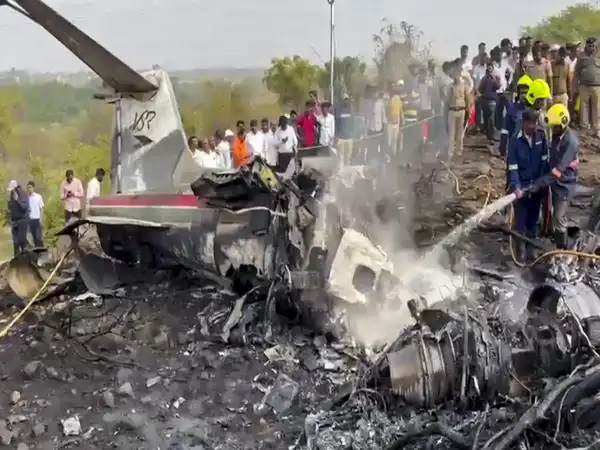
India’s civil aviation regulator, the Directorate General of Civil Aviation (DGCA), is preparing a comprehensive overhaul of charter flight safety regulations after two fatal charter aircraft accidents within a short span of time. The proposed changes come amid heightened industry concern over operational standards, safety oversight and regulatory gaps in non-scheduled flight operations, and are aimed at strengthening passenger protection across the sector.
Charter flights which include non-scheduled services such as private charters, training sorties, aerial work operations and customised air services have historically been governed by a different set of requirements than regular scheduled airline services. While operators must meet basic airworthiness and licensing conditions, the DGCA’s forthcoming review is expected to introduce more stringent criteria covering aircraft maintenance, pilot qualifications, flight planning practices, crew duty periods and safety management systems.
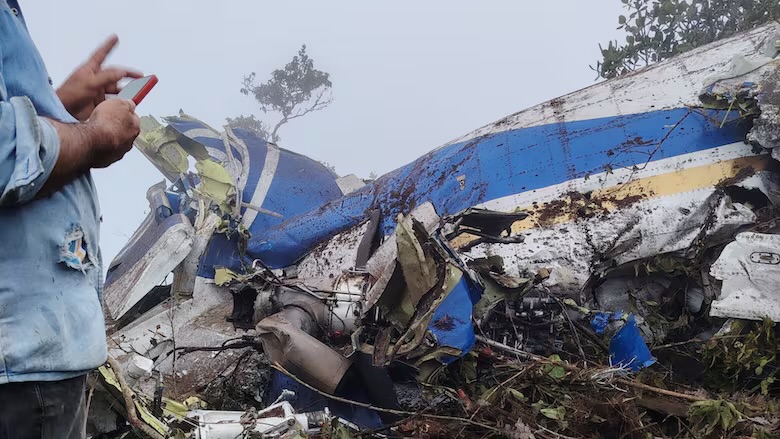
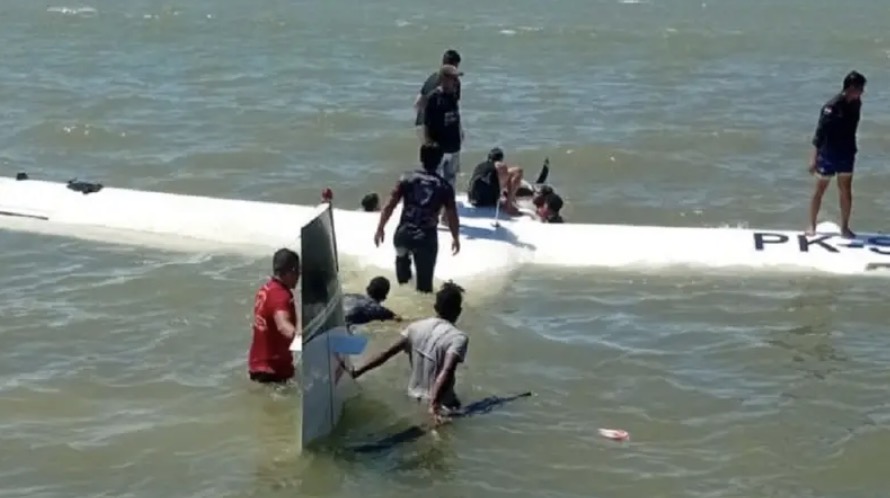
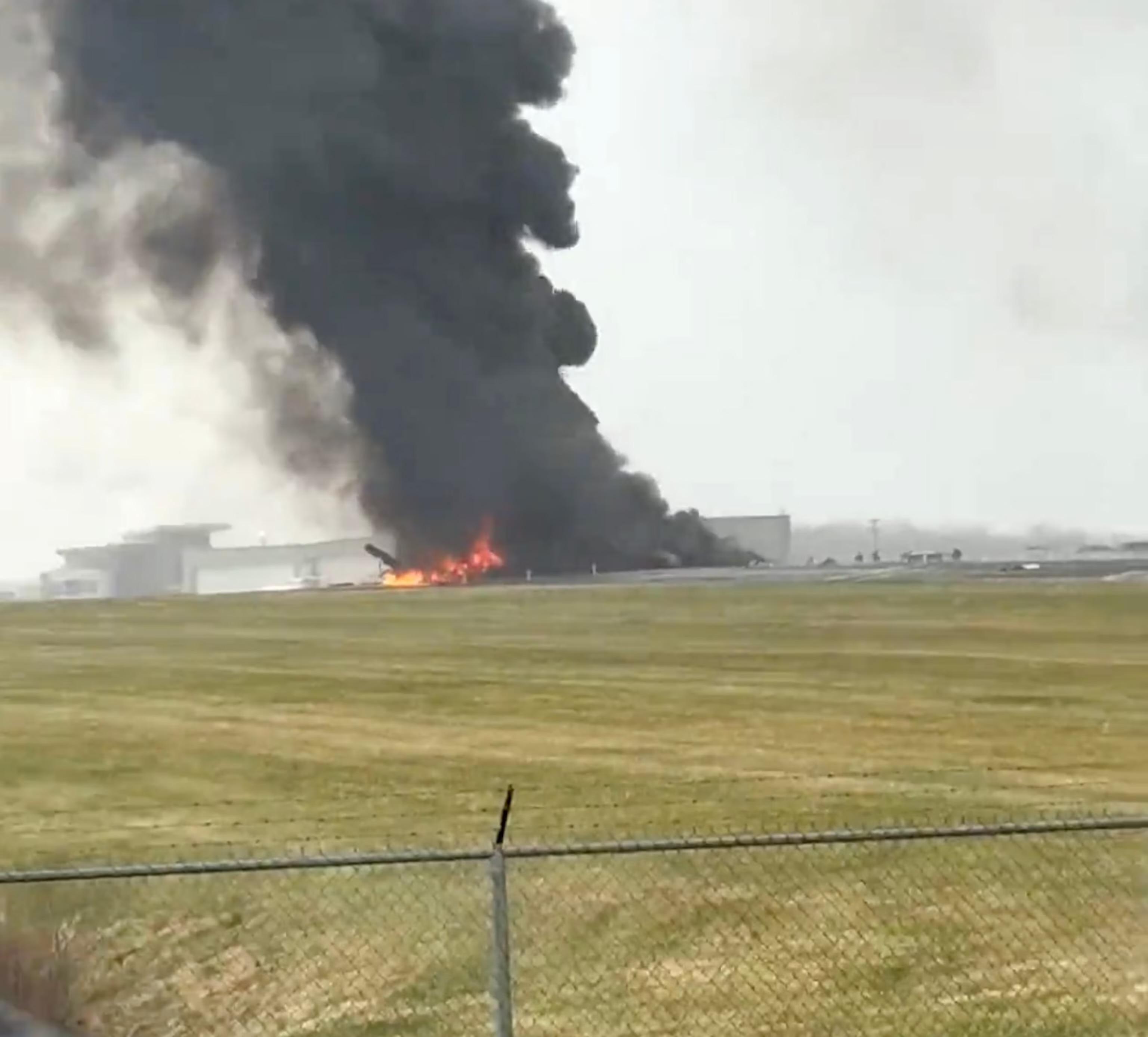
The move follows two tragic incidents involving charter aircraft that resulted in loss of life, prompting industry stakeholders and regulators to scrutinise whether existing safety safeguards are adequate for the realities of today’s aviation environment. In both crashes, preliminary information suggested that a combination of human factors, operational decision making and procedural adherence may have played a role, underscoring the need for a holistic examination of charter flight practices.
Under the planned regulatory overhaul, the DGCA is likely to require higher minimum standards for pilot experience and training for charter operations, including additional hours of flight time, specific currency requirements and tailored proficiency checks tied to the unique demands of non-scheduled flying. These steps are intended to ensure that pilots handling charter missions, especially those involving complex manoeuvres or training flights, possess a level of expertise commensurate with the risks involved.
Another key area under review is aircraft maintenance and oversight. The DGCA is examining updates to inspection intervals, component life tracking, overhaul schedules and documentation standards for aircraft used in charter roles. Unlike large scheduled carriers that often have dedicated engineering departments and structured maintenance cycles, many charter operators rely on smaller technical teams, which can vary in resources and capacity. The regulator aims to ensure that maintenance practices are harmonised with international best practices regardless of operator size.
Flight planning and operational control processes are also expected to be tightened. This may include more rigorous checks on fuel calculations, weather assessment procedures, route approval protocols and oversight of flight dispatch functions. Enhanced regulatory scrutiny in these areas is designed to help prevent avoidable errors in pre-flight preparation that can lead to emergencies or forced landings.
Duty time regulations for charter pilots and crew members are also being examined, with a focus on preventing fatigue and ensuring adequate rest. Aviation safety experts say that non-scheduled operations, which often deviate from regular shift patterns, can present unique challenges to crew rest management, making clear rules and enforcement crucial for safe operations.
Safety management systems structured frameworks that help organisations identify, assess and mitigate risks are another priority for the DGCA’s reforms. The regulator may mandate more robust safety reporting systems, risk analysis practices and internal compliance reviews for charter operators, with the goal of fostering a culture where safety considerations are integral to daily operations rather than reactive responses to incidents.
The overhaul is expected to be the result of consultations with industry associations, aircraft operators, pilot organisations, aviation safety experts and consumer representatives. The DGCA has said it will use data from past incidents, reporting trends and international regulatory models to shape reforms that are both effective and feasible within the Indian aviation context.
Officials acknowledge that while charter operations are a valuable part of the aviation ecosystem providing flexibility, specialised services and connectivity they must be underpinned by safety rules that reflect the same rigour applied to mainstream aviation operations. The regulator’s focus is on striking a balance between enabling charter services and ensuring robust protections for passengers and crew.
Implementation of the new safety framework is likely to occur in phases, with initial standards introduced through amendments to existing rules and subsequent refinements based on feedback and real-world application. The DGCA has indicated that training, awareness programmes and compliance assistance will accompany regulatory changes to help operators adapt smoothly to updated expectations.
As the aviation community monitors these developments, industry analysts say that improved safety standards for charter flights can have wider benefits for general aviation, pilot training schools, aerial work operators and the broader civil aviation support ecosystem. Clearer requirements, strong oversight and a focus on preventing repeat tragedies could help restore confidence and elevate safety outcomes across all segments of non-scheduled flying.
Officials have made clear that the overhaul is a regulatory priority and that timely action is essential to prevent further loss of life and ensure that charter flight operations in India meet international norms for safety performance, operational discipline and risk management.