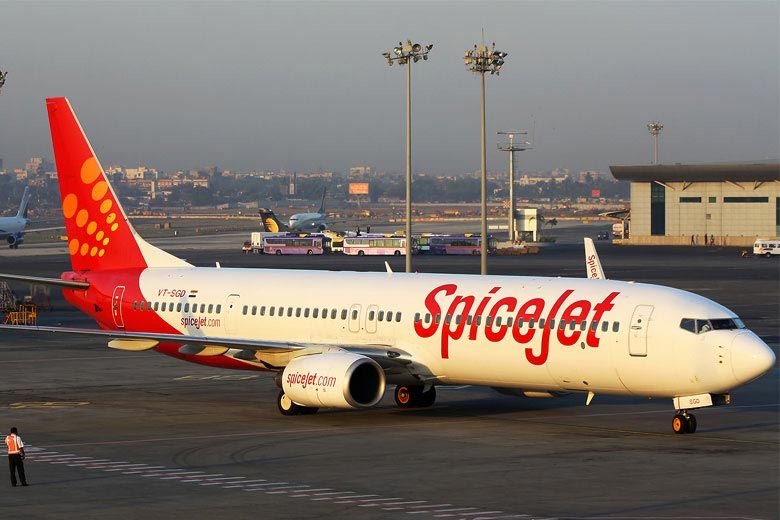
The Supreme Court of India has dismissed an appeal filed by SpiceJet and directed the airline to pay ₹1 lakh to an advocate association as part of a dispute involving legal representation standards and professional conduct. The decision came after the airline’s challenge to a lower court order was reviewed by the apex court, which upheld the earlier ruling and reiterated principles of accountability and respect for legal processes.
SpiceJet had approached the Supreme Court seeking to overturn a directive from a lower judicial forum that required it to provide compensation to the advocate association for alleged professional misconduct or failure in contractual or representational obligations related to legal services. The Supreme Court, after hearing arguments from both sides, concluded that the airline’s appeal lacked substantive grounds and that the lower court’s order should stand.
By dismissing the appeal, the Supreme Court affirmed the association’s position and emphasised that professional and contractual responsibilities must be honoured, particularly where legal practitioners or representative bodies are involved. The ₹1 lakh payment directive is intended to address the specific grievance raised by the advocate group, though it does not imply a broader finding of malice or wrongdoing by the airline beyond the scope of the case.
Legal experts say that the court’s judgement reinforces judicial oversight in disputes between private entities and professional associations, especially when questions arise about conduct, agreements and adherence to procedural norms. Airlines and other large corporate entities often engage legal representatives and consultant bodies, and clear standards help ensure that both parties understand their obligations and redressal mechanisms when disagreements occur.
SpiceJet’s leadership did not challenge the entire judicial framework but sought relief on particular legal points that the airline argued were incorrectly applied by the lower court. The Supreme Court’s rejection of these arguments means the airline must comply with the financial directive and any ancillary orders tied to the case.
The advocate association involved in the case welcomed the Supreme Court’s decision, saying it underscores the importance of professional respect and contractual accountability in engagements with large organisations. Associations representing legal professionals often seek enforceable remedies when they believe obligations have not been met or mutual expectations have broken down.
In dismissing the appeal, the Supreme Court did not award additional punitive measures against SpiceJet, choosing instead to uphold the existing remedy that balanced redress for the advocate association with judicial restraint. The court’s order serves as a reminder of the judiciary’s role in ensuring that contractual and professional norms are respected across sectors, including aviation.
SpiceJet will now make the payment as directed and is expected to adjust its legal and compliance frameworks to ensure smoother engagement with professional bodies in the future. The airline’s compliance with the order will close the matter in terms of judicial directives, even as broader attention remains on how carriers manage legal, operational and regulatory responsibilities in a complex business environment.
Passenger rights and consumer advocates have noted that while this case does not directly involve travel services or passenger issues, it reflects broader expectations that large carriers maintain robust legal and professional standards in all areas of their operations.
Overall, the Supreme Court’s decision brings finality to the dispute, requiring SpiceJet to abide by the lower court ruling and compensate the advocate association accordingly. The judgement reinforces the principle that contractual and professional obligations are enforceable and must be honoured, even when undertaken by large corporate entities.