India’s aviation sector is facing growing uncertainty as escalating tensions in West Asia begin to impact airline operations, costs, and flight planning. In response to the rapidly evolving situation, Civil Aviation Minister Ram Mohan Naidu Kinjarapu recently held a high level meeting with major airline executives to assess the potential impact of the regional conflict and discuss strategies to maintain stable aviation operations.
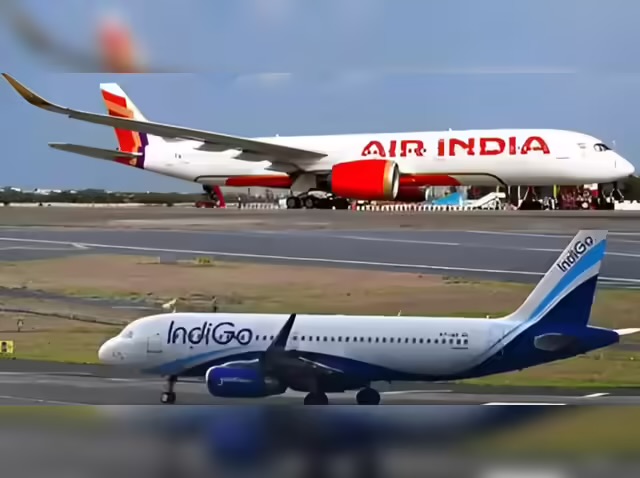
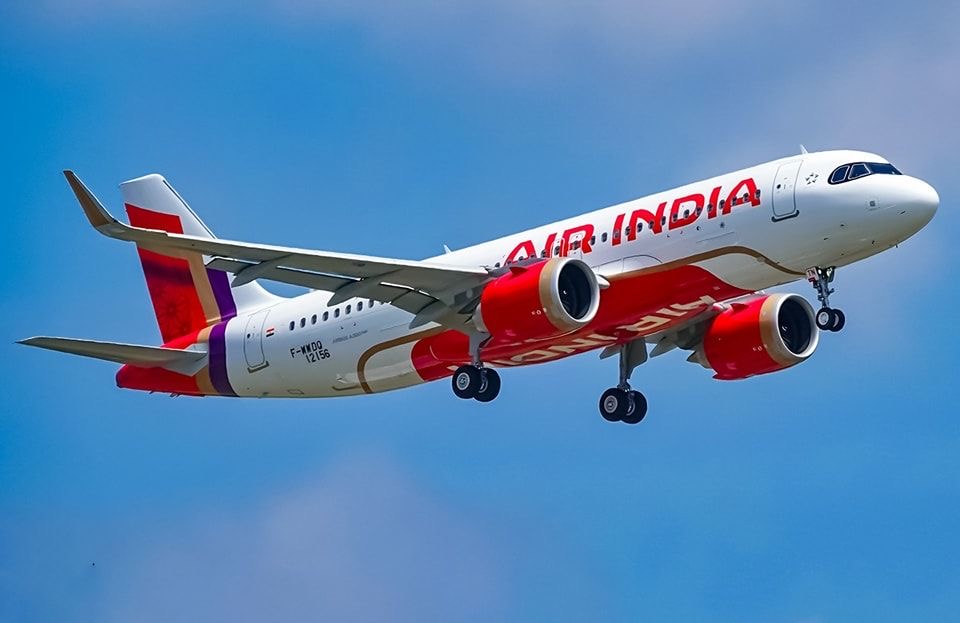
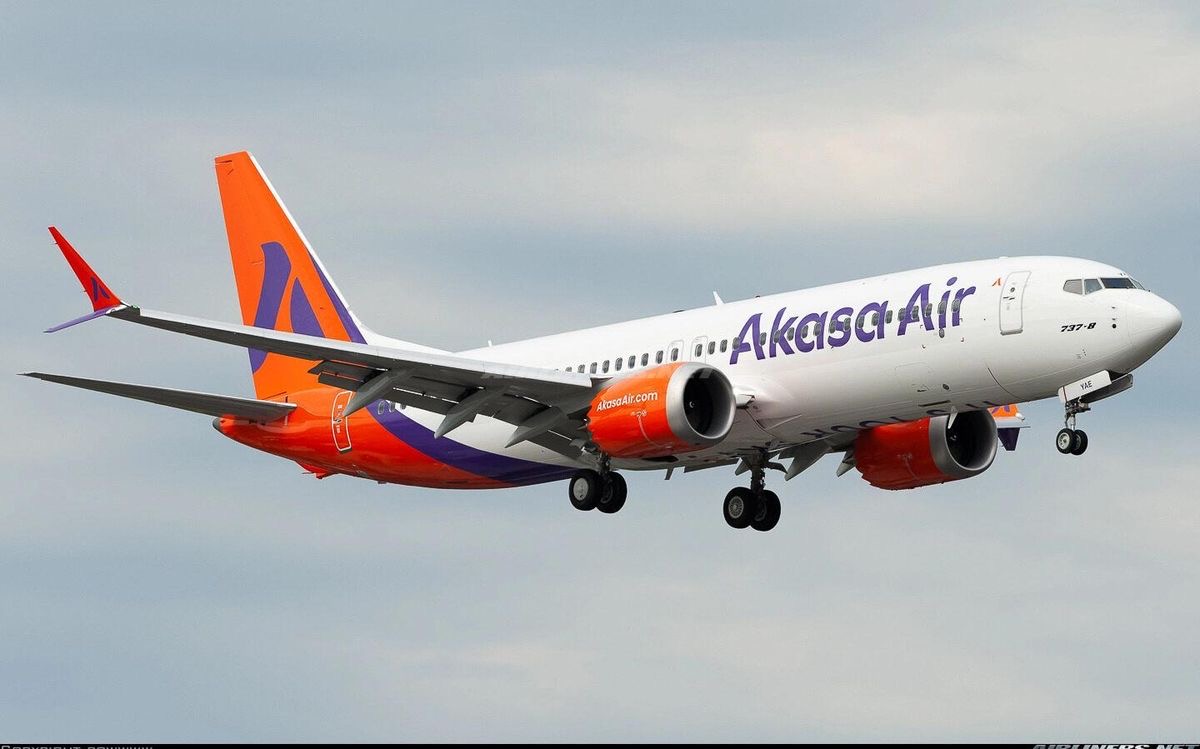
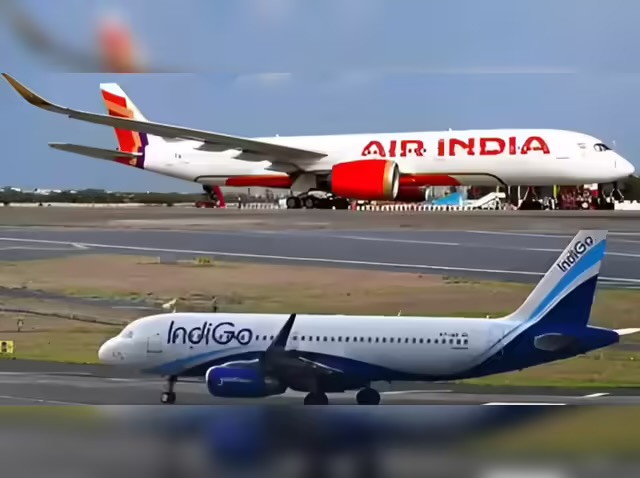
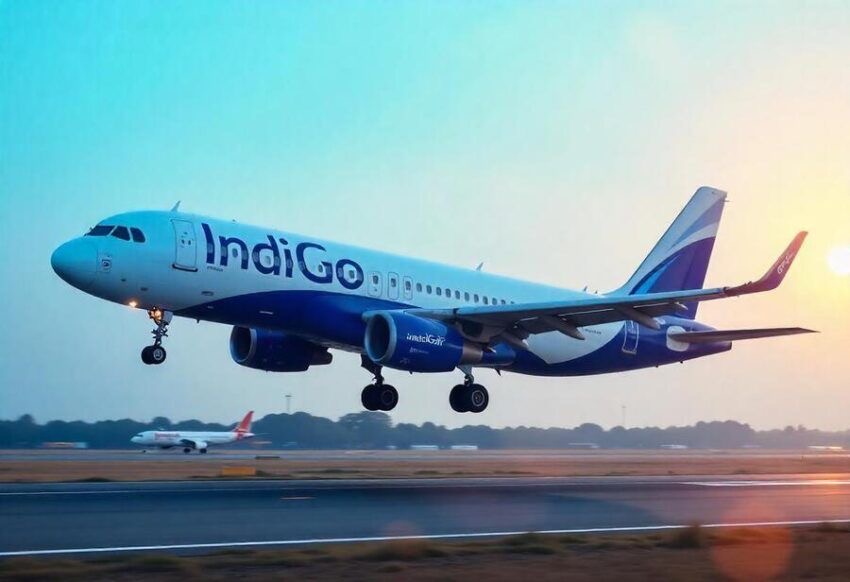
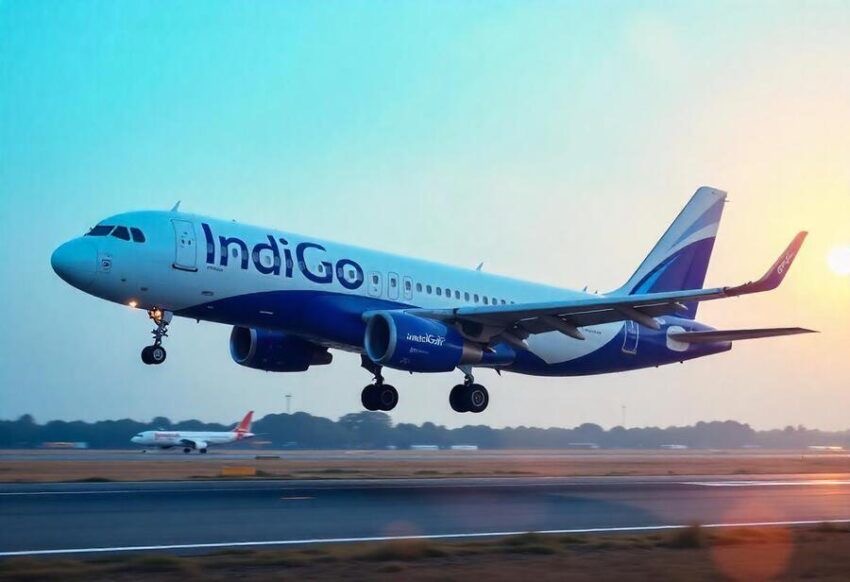
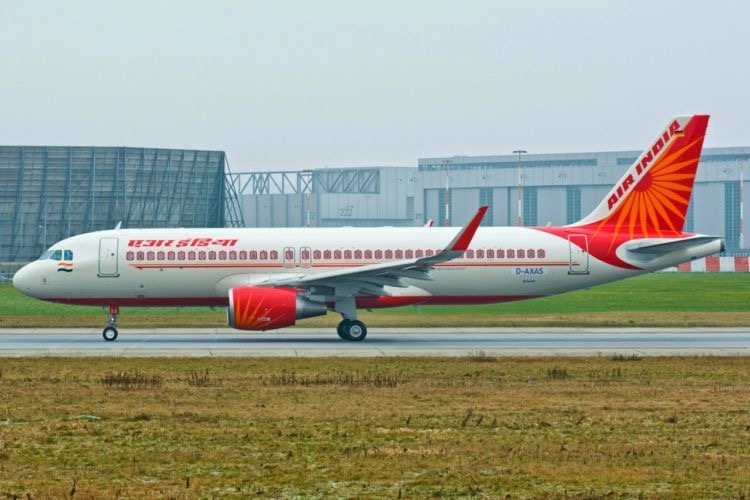
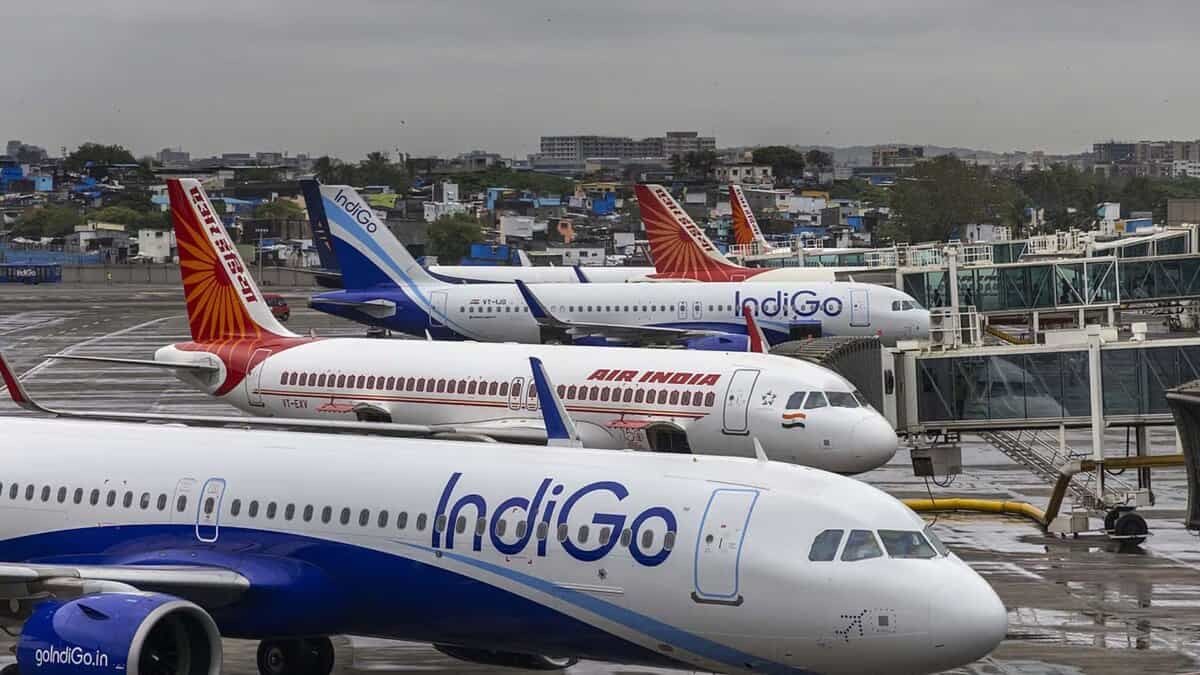
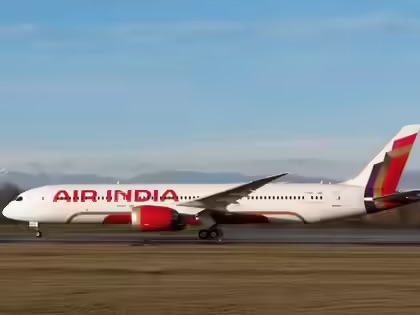
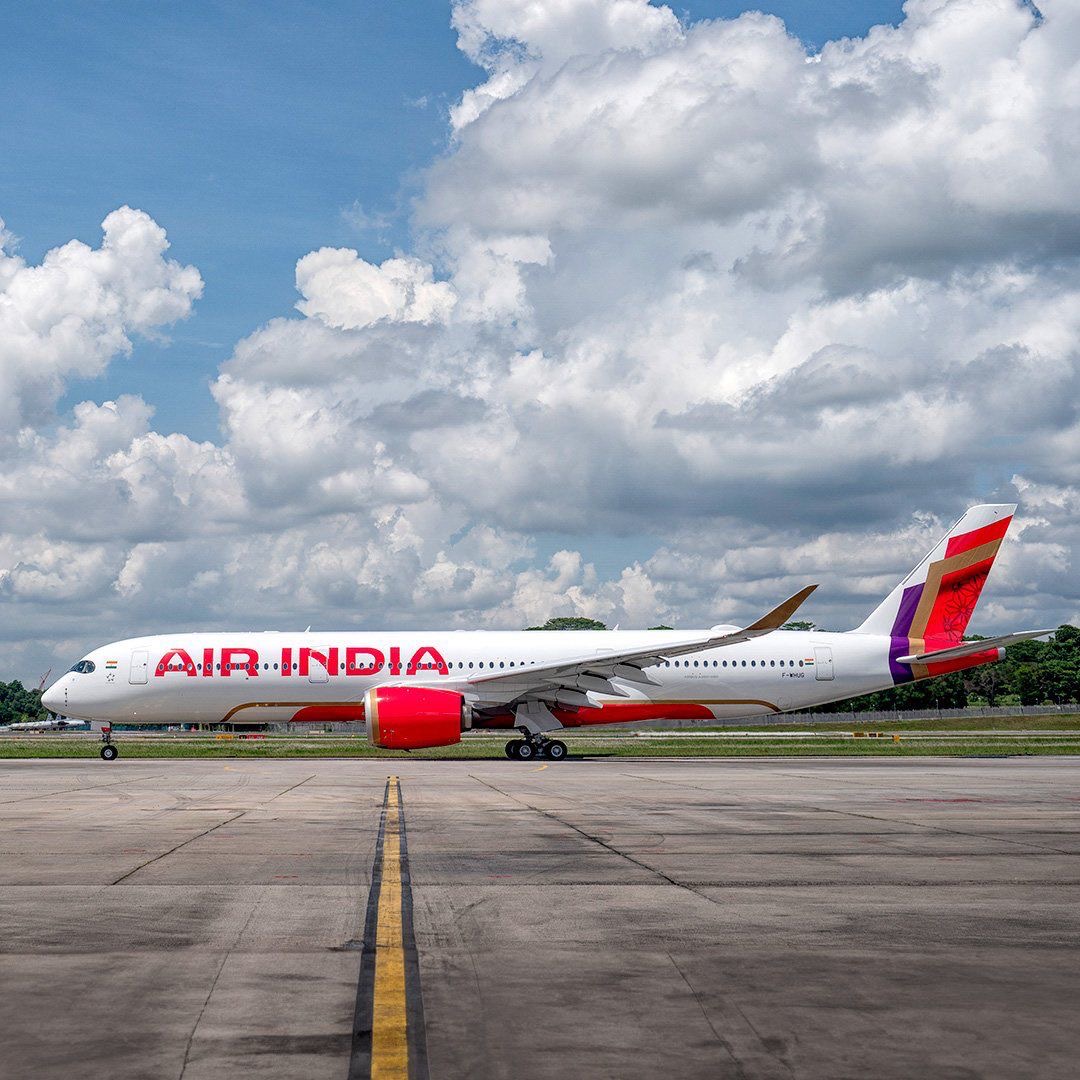
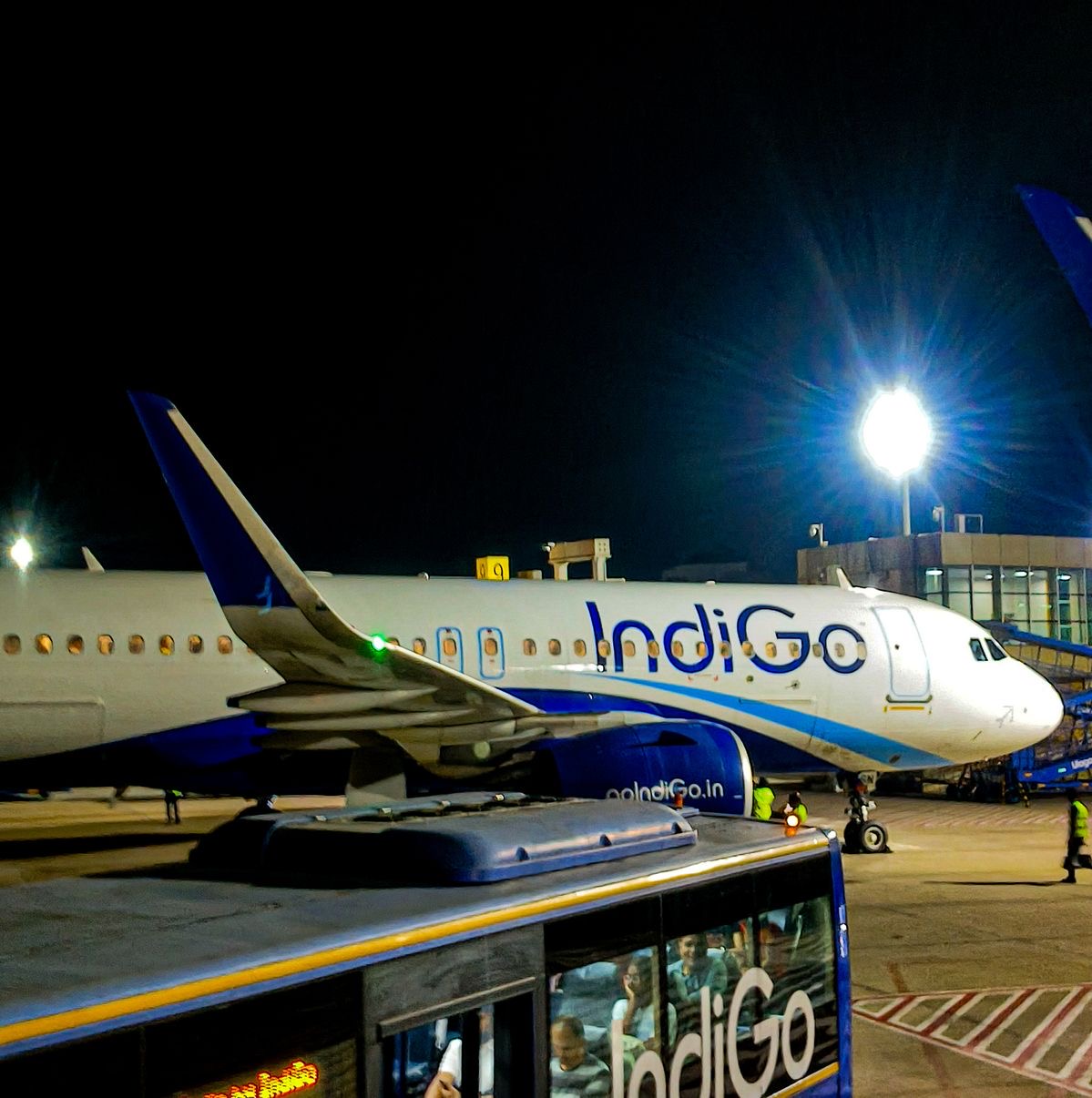
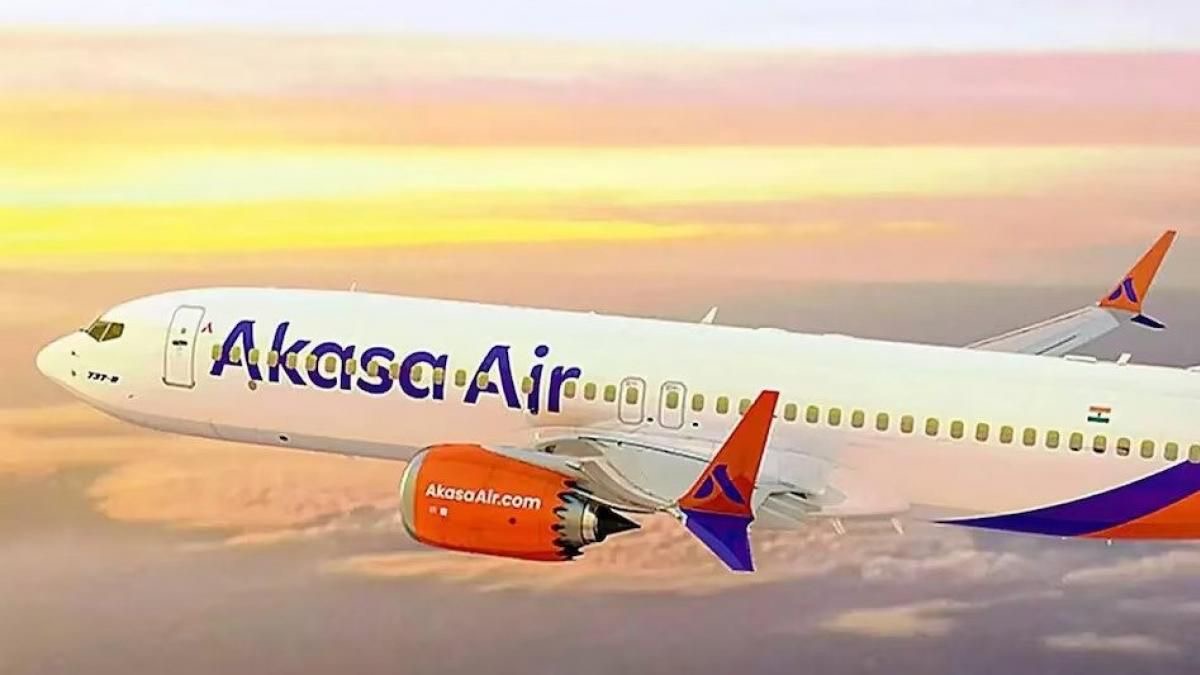
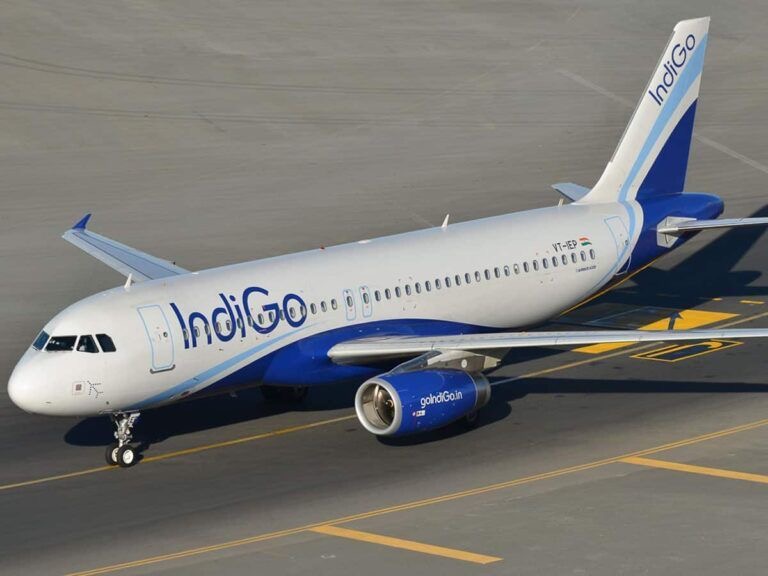
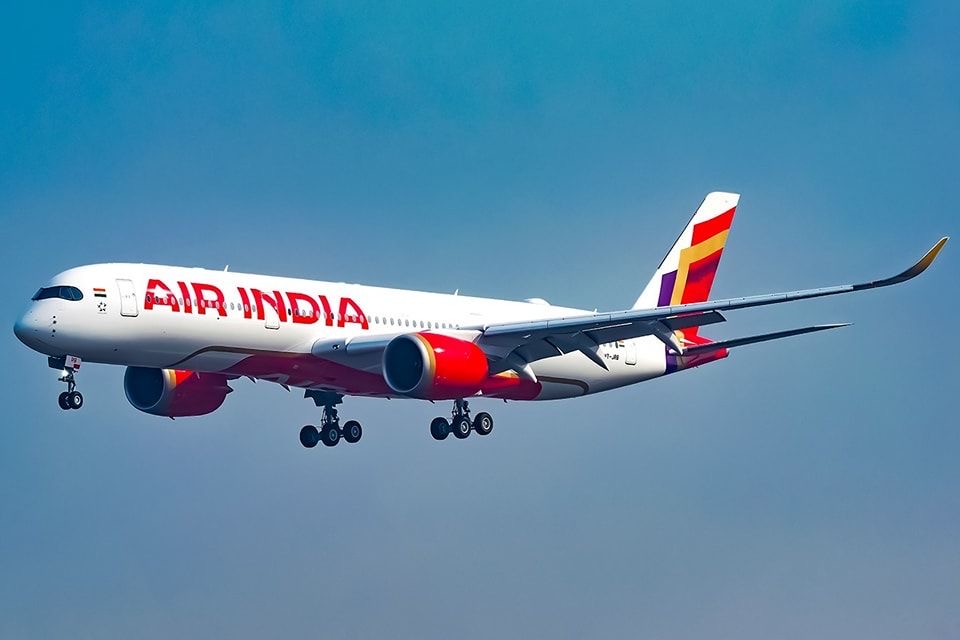
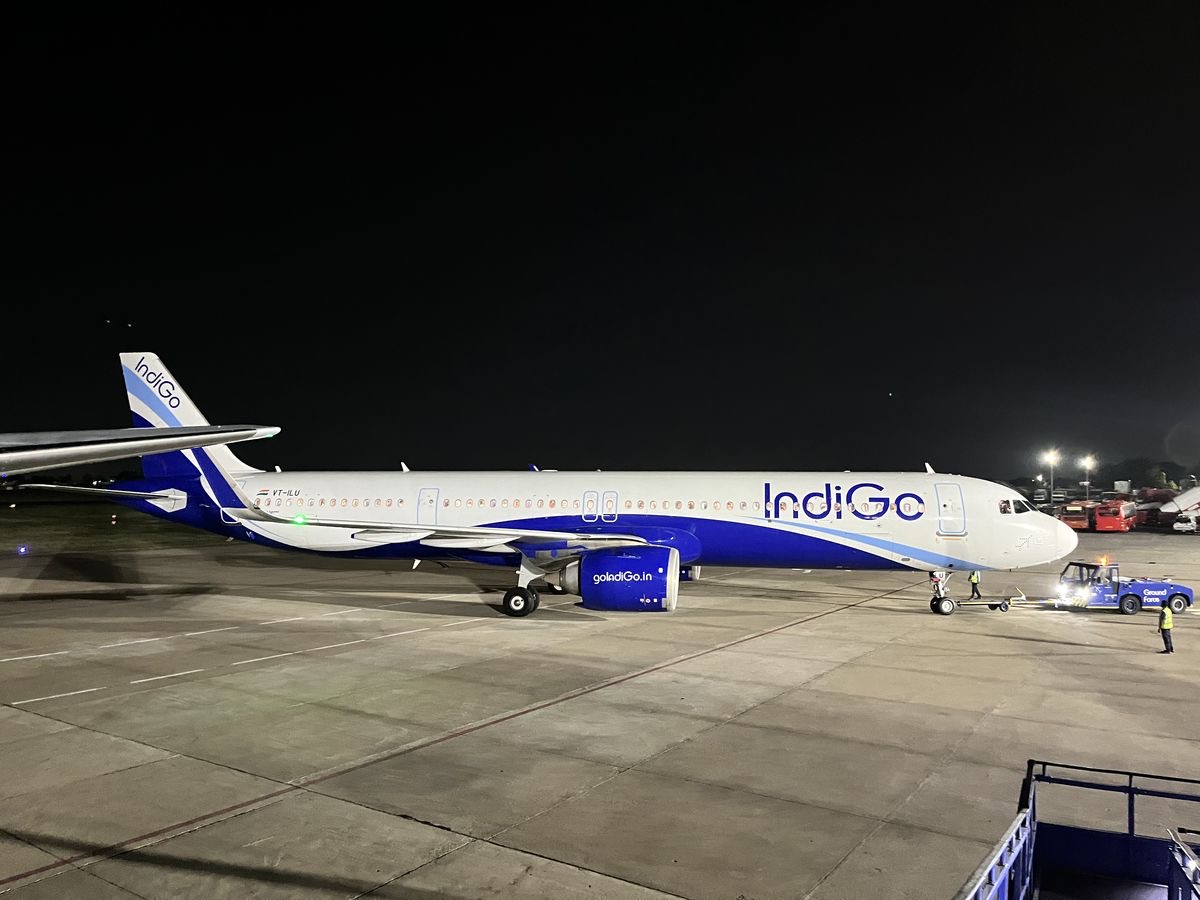
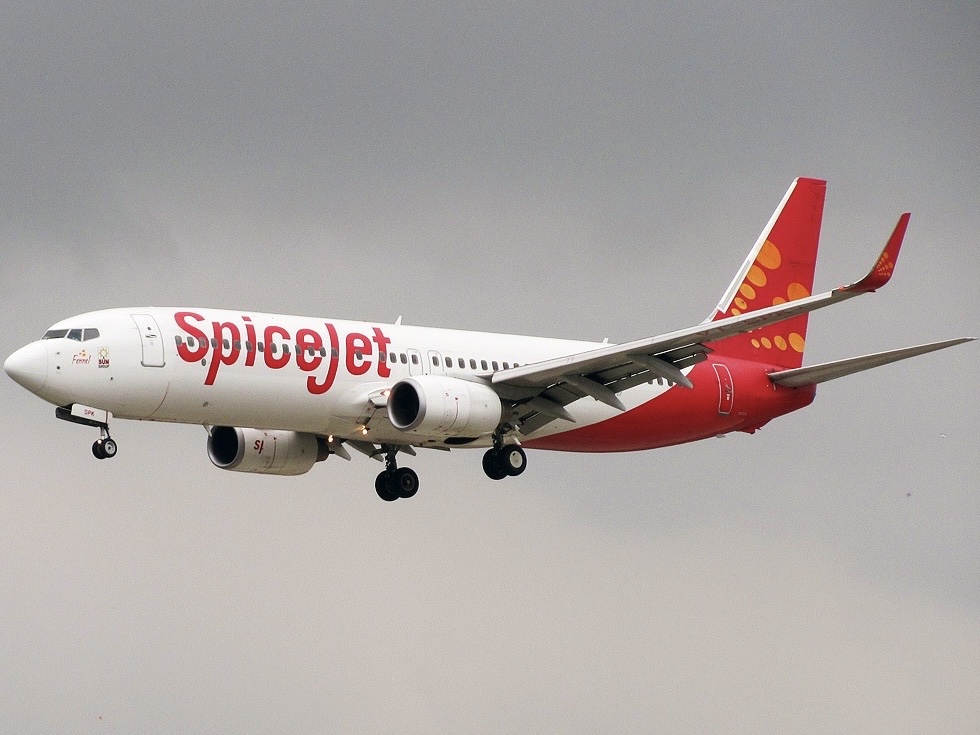
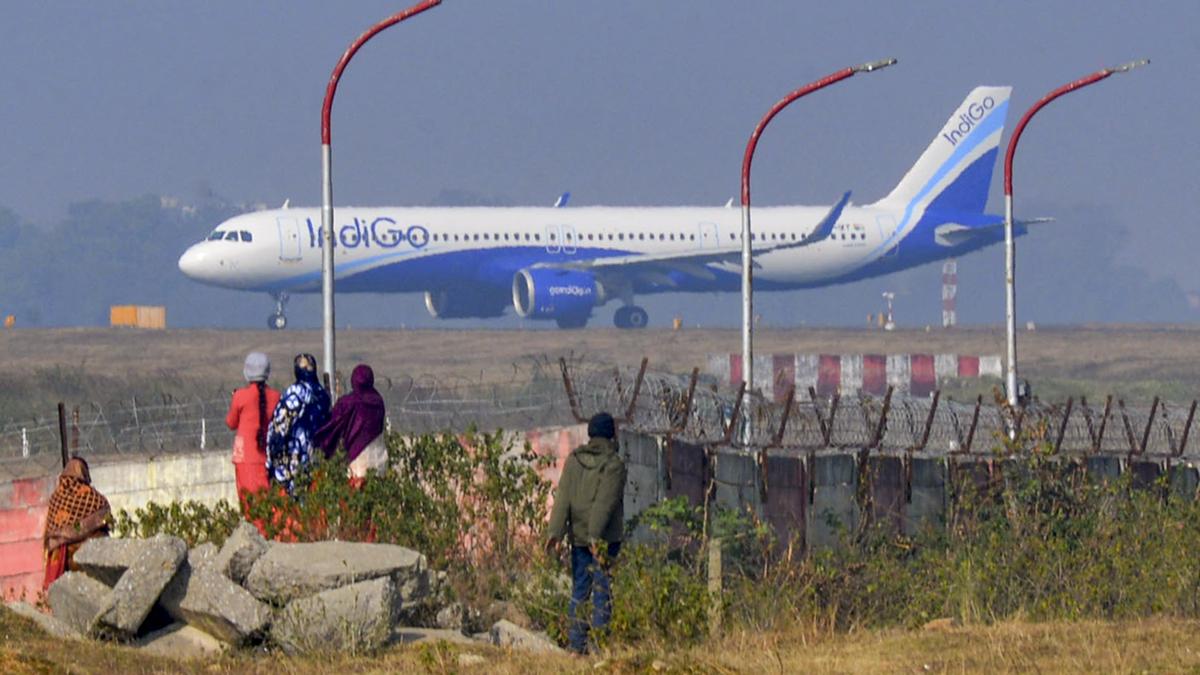
The meeting brought together representatives from leading Indian carriers including Air India, IndiGo, SpiceJet and Akasa Air. During the discussions, airline leaders expressed serious concern about the operational challenges emerging from the ongoing crisis in the Gulf region, warning that the situation could significantly increase costs and disrupt global flight routes if tensions continue to escalate.
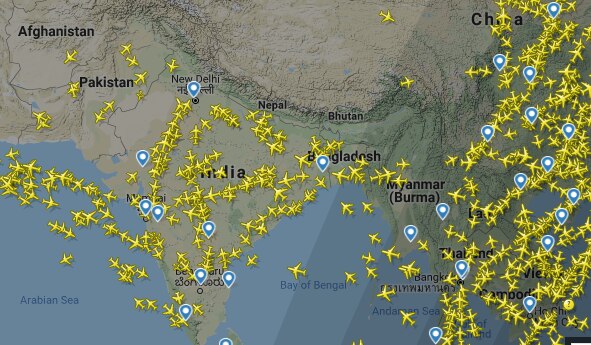
Airlines explained that a prolonged conflict in West Asia could affect several critical aspects of aviation operations. One of the biggest concerns is the potential closure or restriction of key airspaces that serve as major corridors for international flights between Asia, Europe and North America. If airlines are forced to avoid certain regions, aircraft may need to take longer alternative routes, which would increase flight duration, fuel consumption and overall operating expenses.
Another major issue highlighted during the meeting is the rising cost of aviation fuel and insurance premiums. Geopolitical conflicts often lead to volatility in global oil prices and any sustained increase in crude oil costs directly affects airlines, as fuel accounts for a significant portion of their operating expenditure. Industry executives warned that higher fuel costs combined with longer flight paths could put considerable financial pressure on carriers that are already dealing with aircraft supply delays and currency fluctuations.
Airlines also pointed out that insurance premiums for flights operating near conflict zones tend to increase sharply. Aviation insurers usually classify such regions as high risk areas, which means airlines may have to pay significantly higher premiums to maintain coverage for their aircraft and crew. These additional costs can place further pressure on airline finances and may eventually lead to higher ticket prices for passengers if the situation continues for a prolonged period.
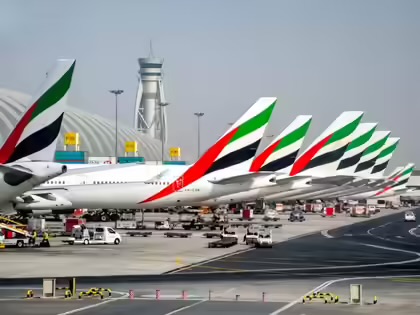
Connectivity between India and the Gulf region is extremely important because millions of Indian citizens live and work across countries in West Asia. The Gulf also acts as one of the world’s most important aviation transit corridors. Major global hubs such as Dubai International Airport, Hamad International Airport and Zayed International Airport handle thousands of connecting passengers every day and serve as critical links for long haul flights between continents. Any disruption in this region therefore has the potential to impact international aviation networks on a large scale.
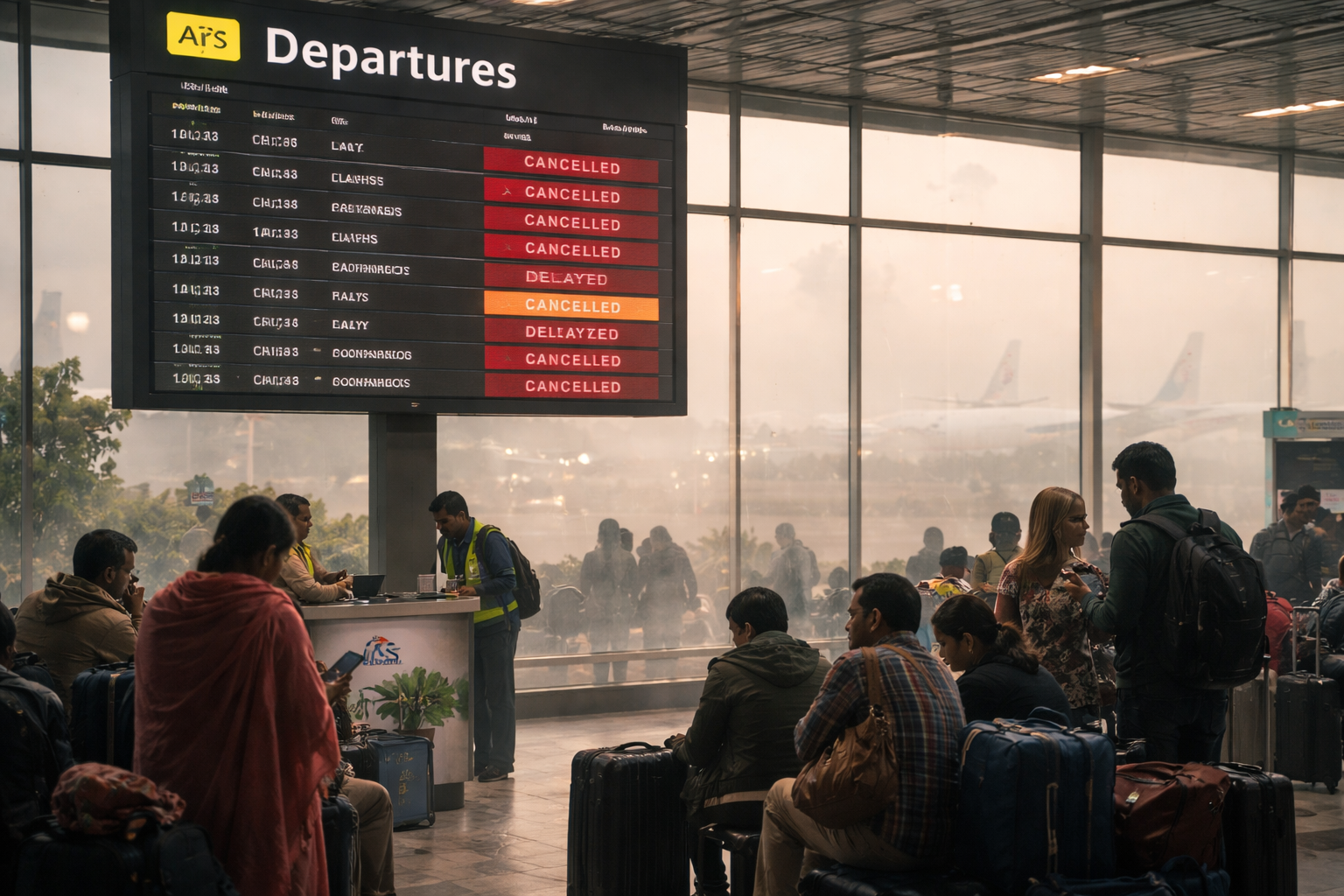
Indian airlines have already begun adjusting schedules and rerouting certain flights as the situation evolves. In some cases, carriers have prioritised operating additional services to maintain essential connectivity and assist passengers who may be affected by cancellations or diversions. Such operational changes require careful coordination with aviation authorities, air traffic control agencies and international regulators to ensure that flights continue operating safely.
During the meeting, the government assured airline executives that it is closely monitoring developments in West Asia and will continue working with the aviation industry to address emerging challenges. Officials emphasised that passenger safety remains the top priority and that all operational decisions will be made in line with international aviation safety standards.
Industry representatives also urged the government to consider temporary relief measures if the crisis continues to escalate and begins to significantly affect airline finances. Possible support options discussed included adjustments to airport charges, regulatory assistance and operational coordination to help airlines manage the financial and logistical impact of the crisis.
The situation highlights how geopolitical tensions can quickly influence the global aviation industry. Conflicts, airspace restrictions and sudden increases in fuel prices often force airlines to revise routes and operational strategies in order to maintain safety and efficiency.
For now, airlines and aviation authorities in India remain on high alert as they continue to monitor developments in West Asia. The industry is prepared to adapt flight routes, schedules and safety protocols as required, ensuring that passenger travel remains safe and reliable even as the geopolitical environment continues to evolve.