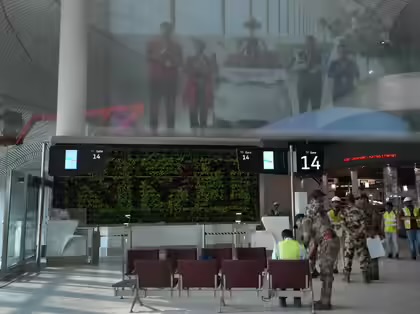
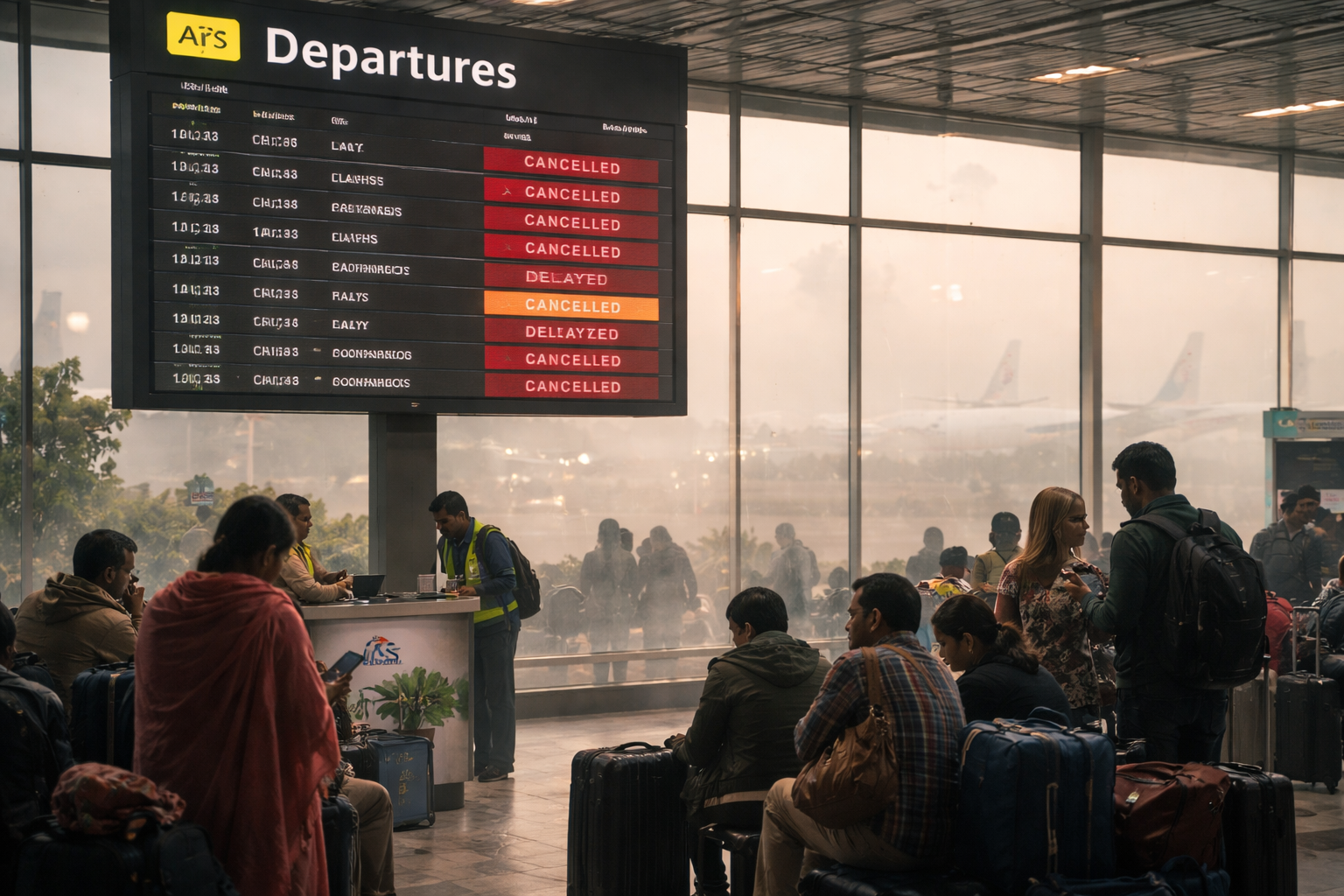
Almost 8,000 passengers were left stranded in Qatar amid ongoing regional tensions and travel disruptions, prompting several Indian airlines to deploy repatriation flights to help Indian citizens and residents return home. The situation arose after flight cancellations and airspace adjustments affected normal services to and from Doha, leading to widespread inconvenience for travellers who had planned trips for work, education, tourism or connecting international travel.
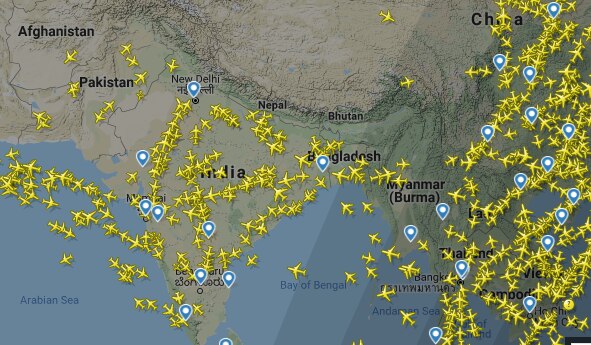
According to airline and airport sources, the buildup of stranded passengers was linked to a combination of changed flight schedules, rerouted routes due to geopolitical concerns in West Asia, and elevated safety advisories that led carriers to postpone or suspend services temporarily. With international flight operations impacted, many Indian nationals found themselves unable to secure regular return seats, raising concerns among families and authorities about onward travel and accommodation arrangements.
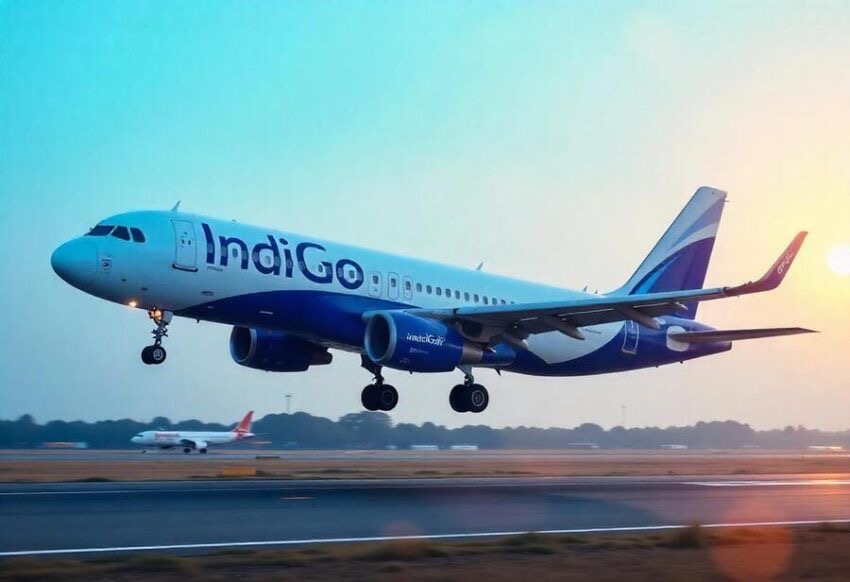
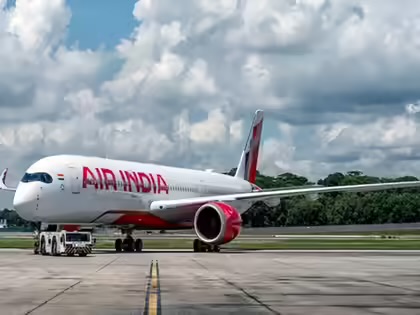
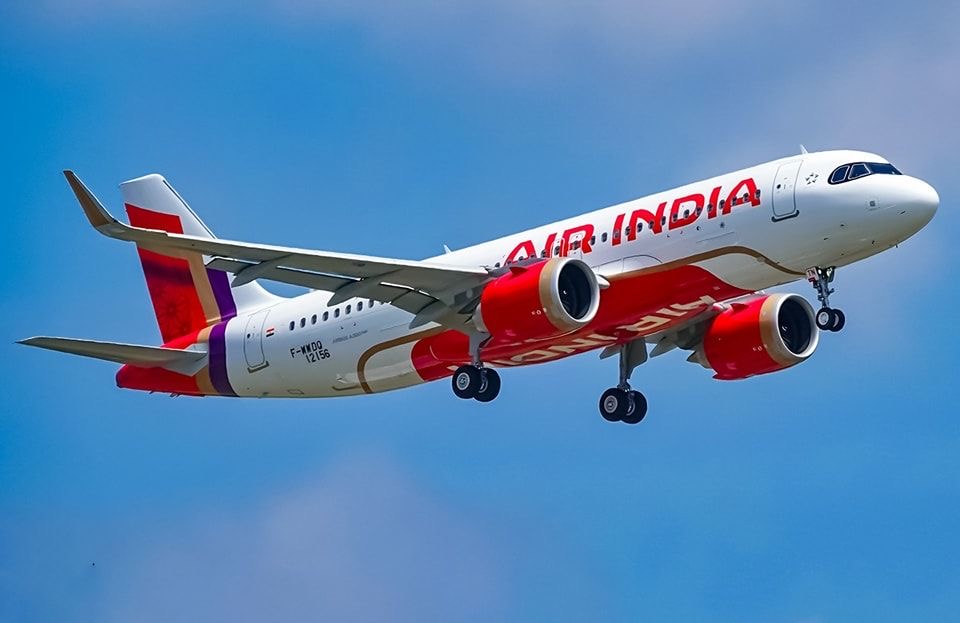
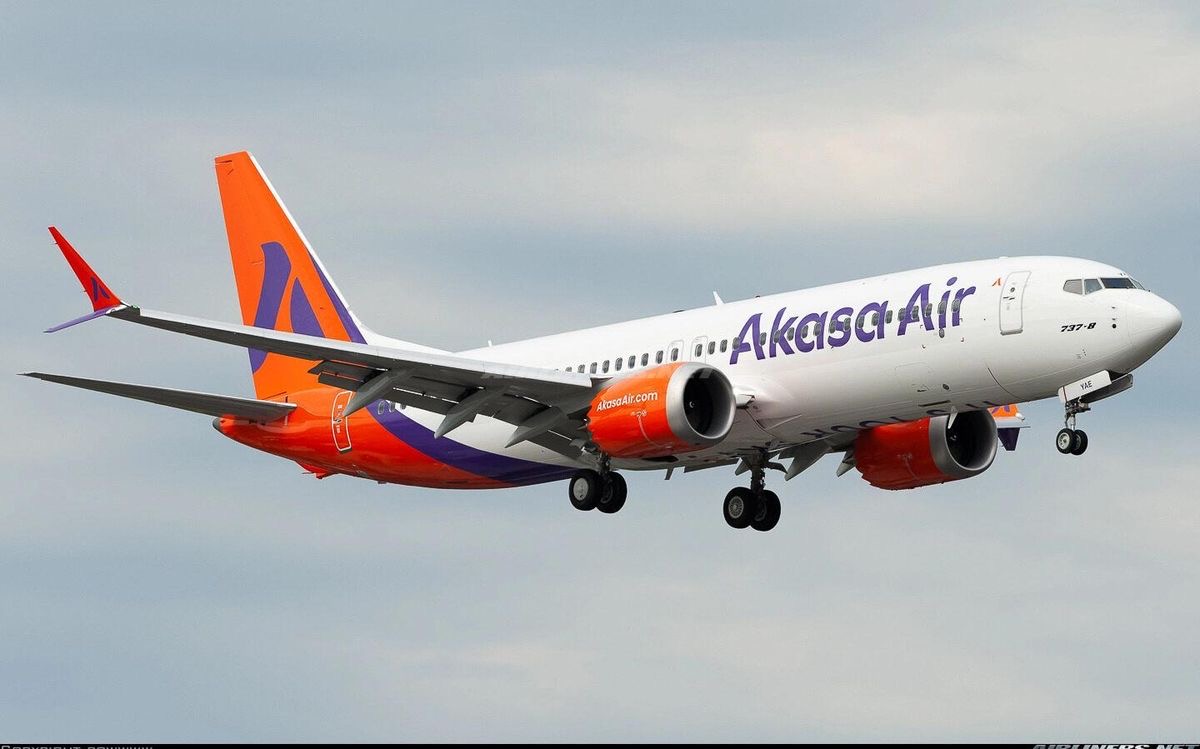
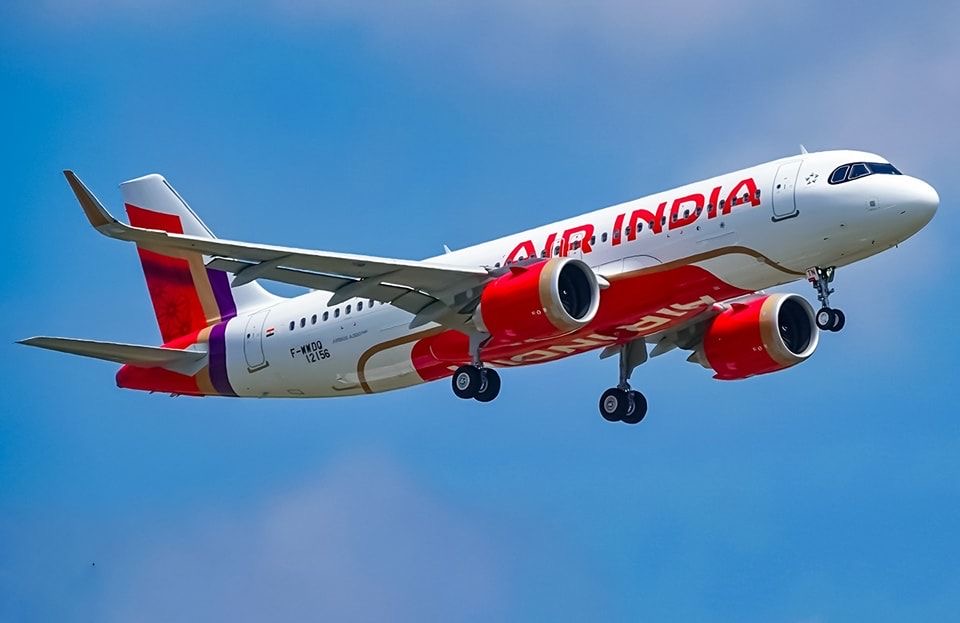
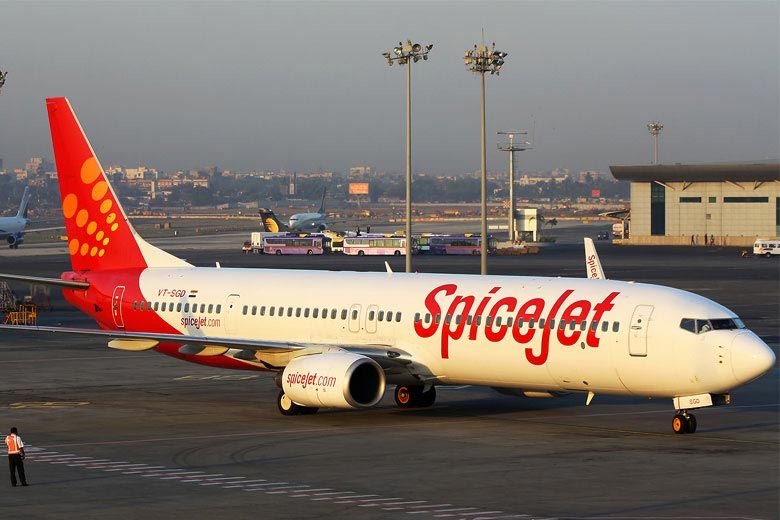
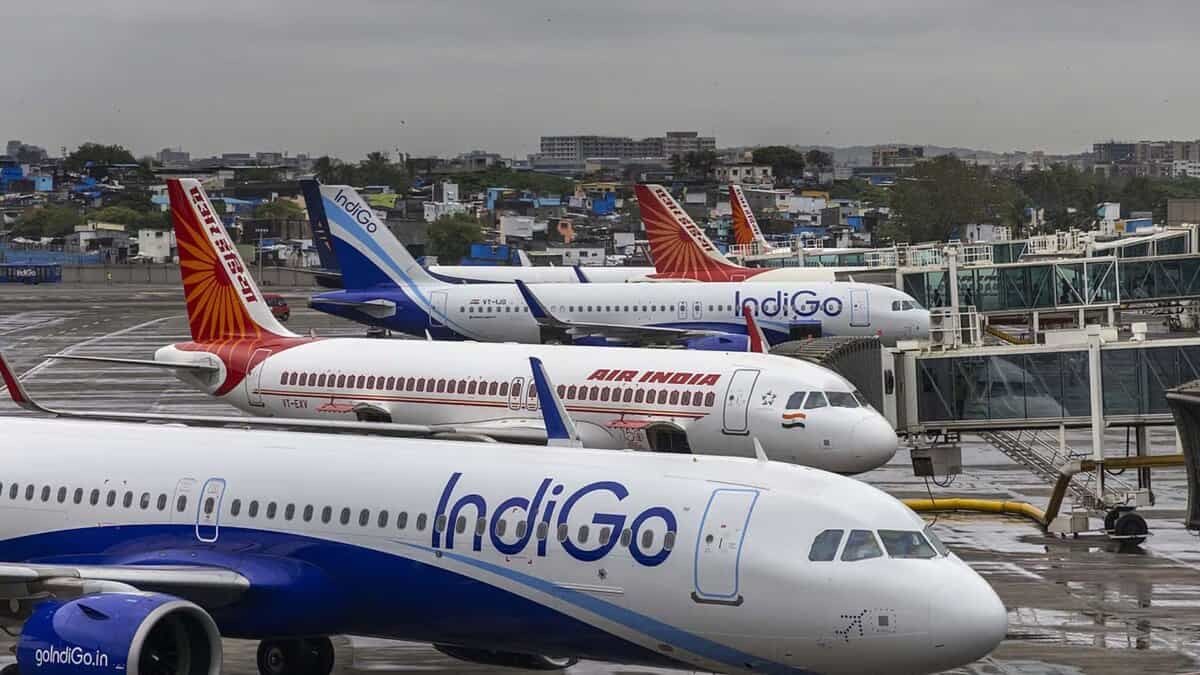
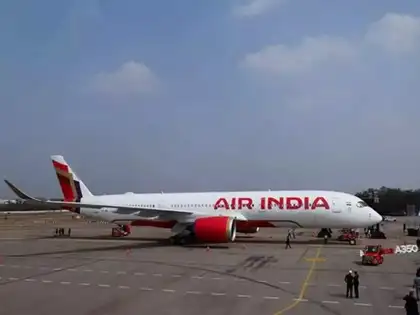
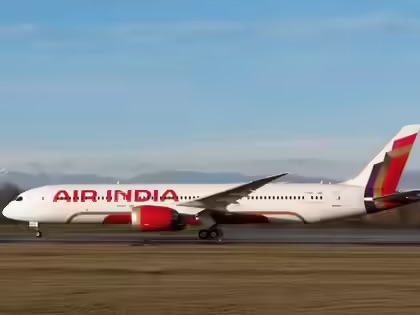
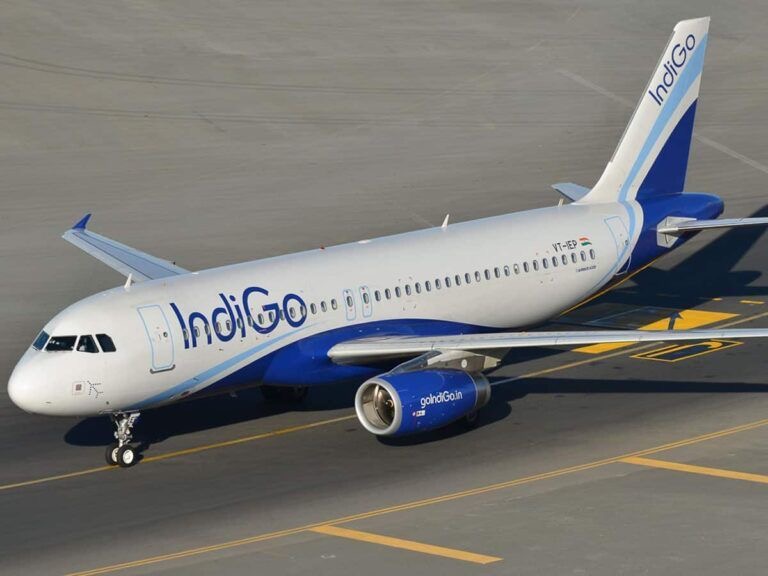
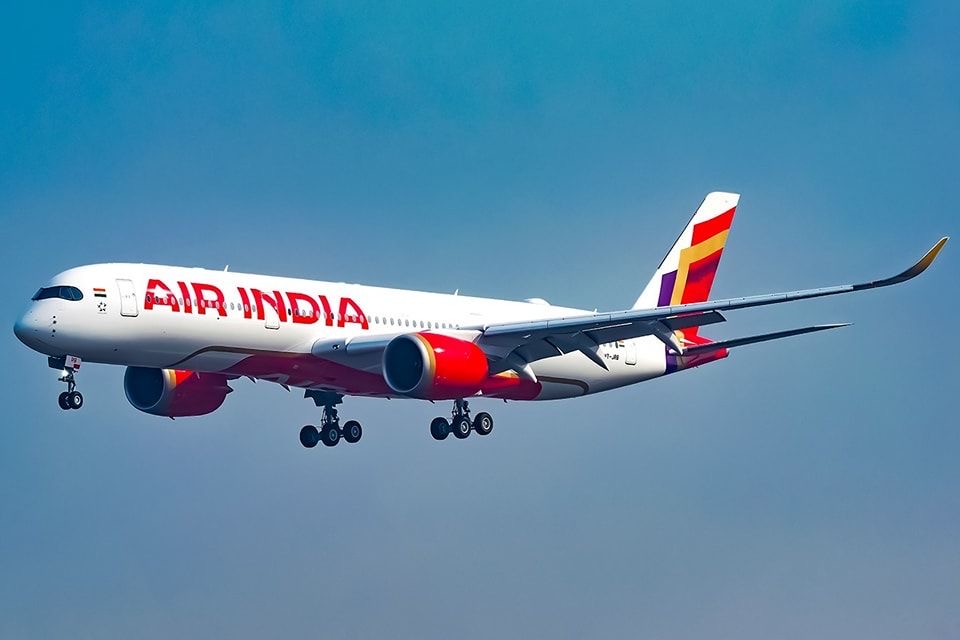
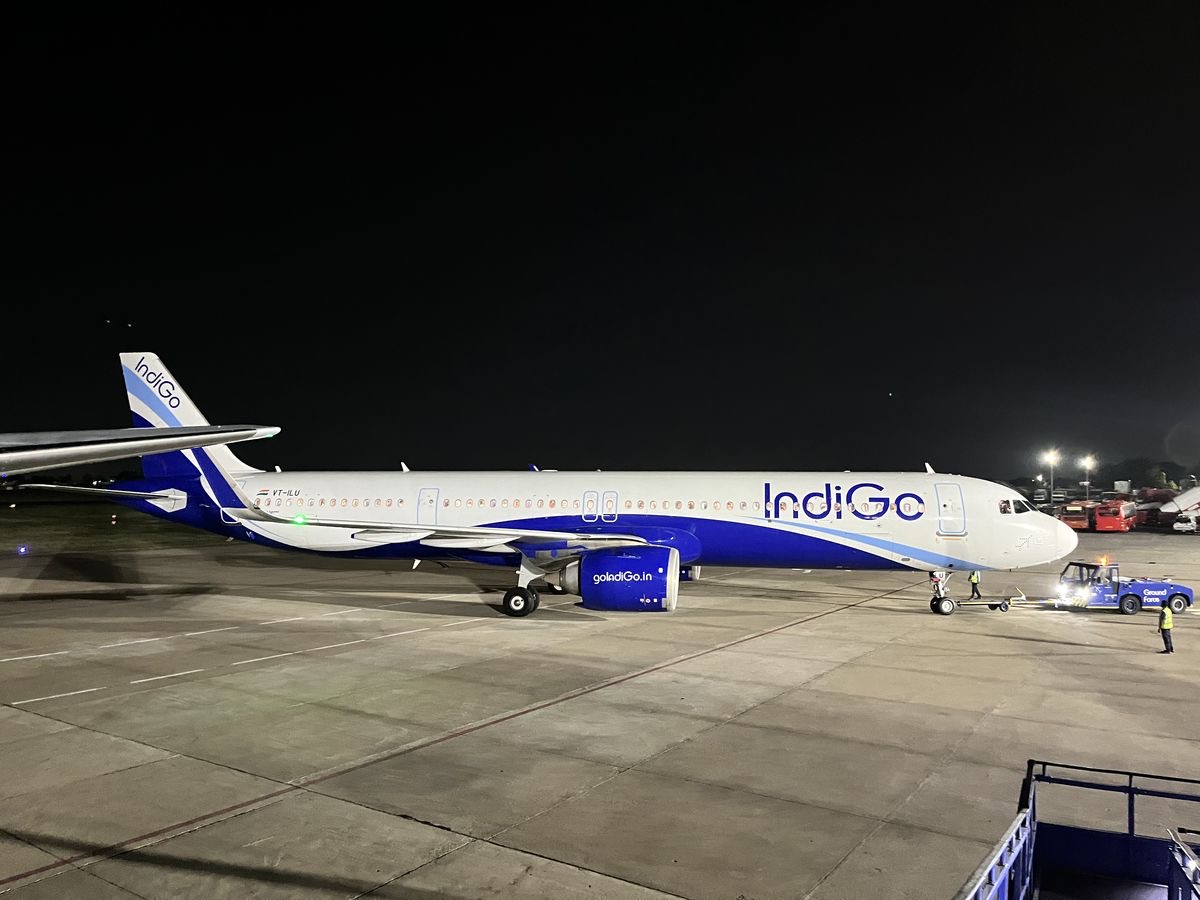
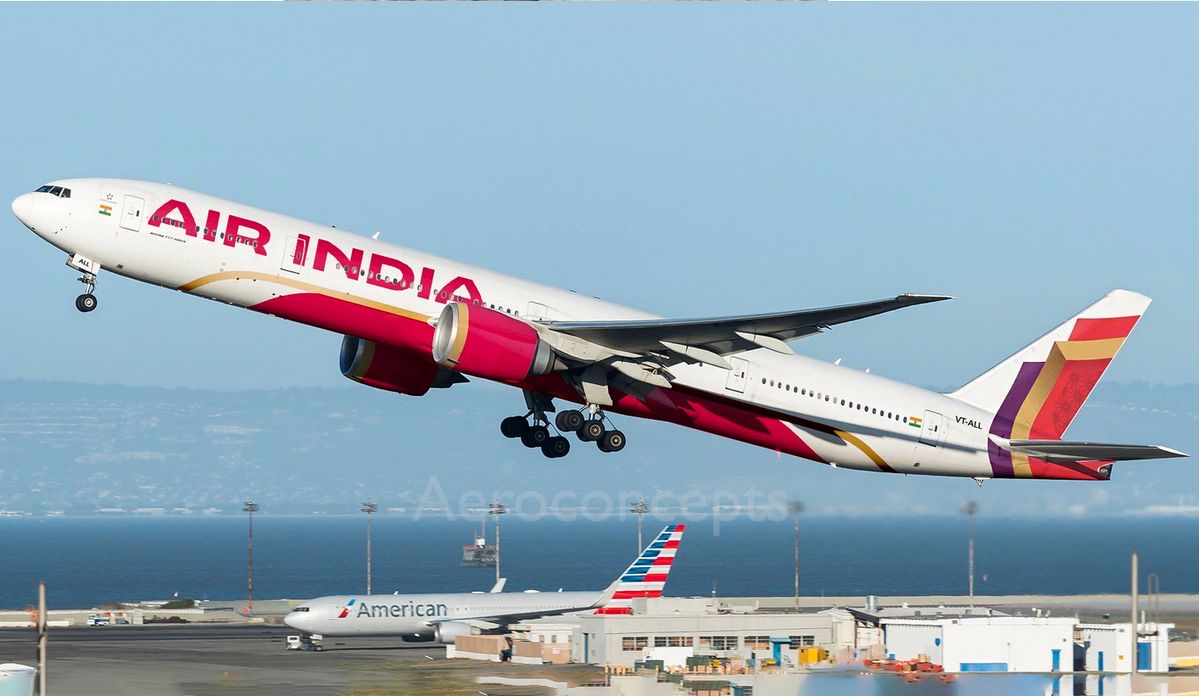
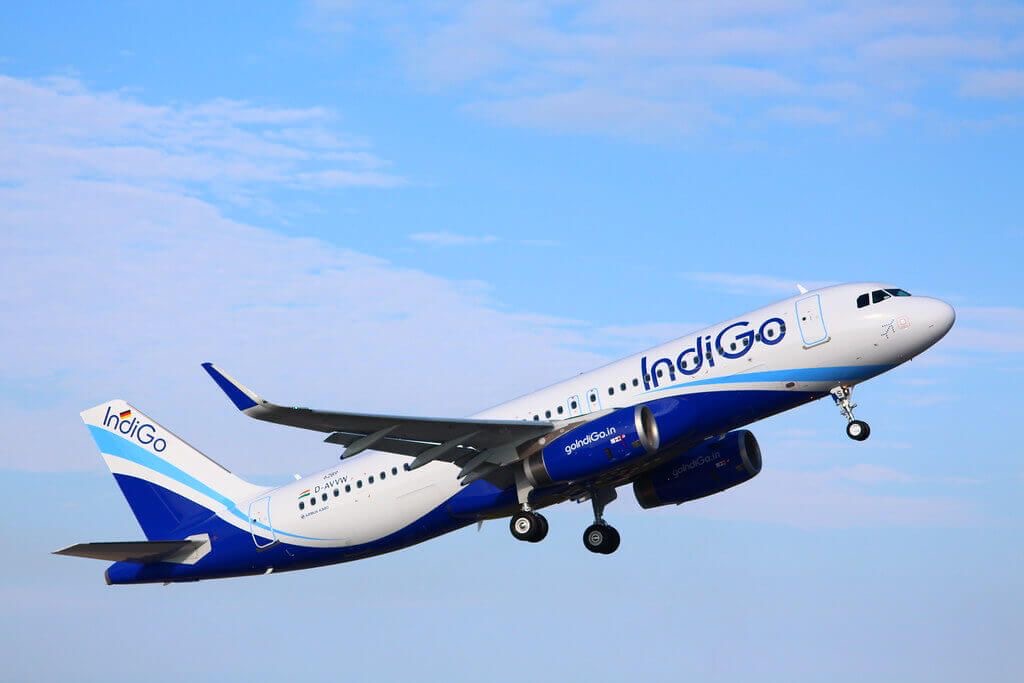
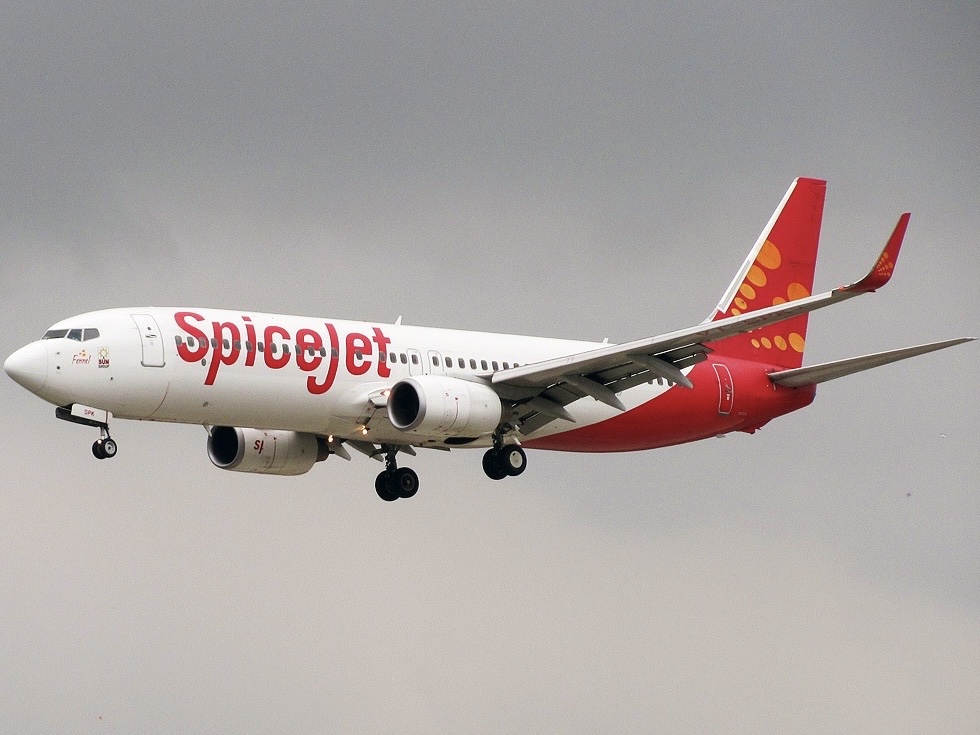
In response, Indian carriers announced special repatriation flights from Qatar to bring stranded passengers back to India. These operations were coordinated with the government of India, the Ministry of External Affairs and Indian diplomatic missions in Qatar to ensure that eligible citizens could book seats on designated repatriation services and return safely. Airlines allocated additional capacity, adjusted crew deployments and secured necessary regulatory clearances to operate the evacuation-type flights.
The repatriation flights prioritised Indian citizens and residents who were unable to leave due to cancelled scheduled services, lack of available seats and persistent uncertainty over when normal flight operations would resume. Airlines provided information on booking processes, eligibility criteria and travel advisories to assist passengers in securing seats on the repatriation flights and arranging onward transit once back in India.
Passengers stranded in Qatar faced challenges related to accommodation extensions, revised travel visas, and short-term logistical arrangements in the city. Indian diplomatic staff, airport authorities and consular teams worked to provide real-time guidance, assistance with documentation, and support services for those awaiting repatriation flights. Hotels and temporary accommodation providers also saw a surge in demand, reflecting the sudden displacement of travellers unable to depart through normal commercial channels.
The repatriation operations are part of a broader pattern in which airlines and governments respond to disruptions caused by airspace closures, geopolitical tensions or security advisories. In such scenarios, regular flight schedules may be suspended or rerouted, and airlines often work with authorities to operate special flights that prioritise citizens’ safe return. These efforts typically involve complex coordination for flight plans, air traffic control slots, crew scheduling and passenger manifests, especially in high-demand or constrained airspace environments.
Some of the repatriation services operated on a priority basis for passengers with urgent needs, including those with medical conditions, academic commitments, work obligations, or family emergencies. Carriers also issued guidelines on baggage allowances, health protocols and pre-departure requirements to help passengers prepare for the repatriation flights and ensure smooth boarding processes at Qatar airports.
Indian citizens who managed to secure seats praised the repatriation efforts as a lifeline during a period of uncertainty and disruption. Many expressed relief at being able to return home after days of waiting for travel options, and thanked airline staff and embassy officials for facilitating their return under challenging circumstances.
The repatriation flights often operate with dedicated customer support channels, helplines and online updates that inform passengers of slot confirmations, boarding times and airport procedures. Travellers were encouraged to stay in contact with airline service desks, Indian embassy contacts and airports to receive the latest information on flight timings, check-in requirements and travel advisories.
As normal civil aviation operations stabilise in the region and airspace conditions are reassessed, scheduled flights are expected to resume gradually. Until then, repatriation services remain a key mechanism for addressing stranded travellers’ needs and helping them return home safely. Carriers will continue to monitor passenger demand, regulatory updates and security advisories to adjust operations and maintain communication with those still awaiting departure.
India’s coordinated response highlights how airlines, government agencies and diplomatic missions work together during times of disruption to support citizens abroad. The repatriation flight scheme demonstrates the importance of contingency planning in aviation and the ability of carriers and authorities to adapt operations to evolving regional conditions that impact international travel.