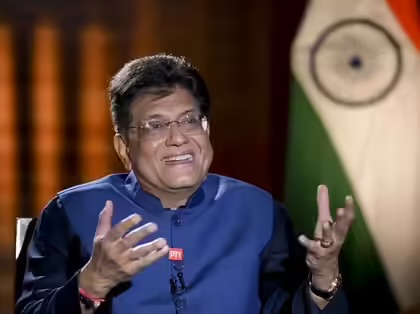
India’s Commerce and Industry Minister Piyush Goyal has highlighted that Boeing is already a major purchaser of aircraft parts from Indian suppliers and expressed optimism that a recently negotiated India-US trade pact will further expand aerospace business opportunities for manufacturers and exporters in India’s aviation supply chain. Speaking about the potential impact of enhanced economic cooperation, Goyal said the pact is expected to deepen bilateral engagement in aircraft systems, parts procurement and aerospace manufacturing.
According to the minister, Boeing’s existing orders for components produced by Indian companies are a testament to the growing integration of India’s industrial base into global aerospace supply chains. Indian firms supply a range of parts and assemblies to Boeing, spanning machined and fabricated components, interiors and other specialised sub-systems that are used on major commercial aircraft programmes. These business flows, Goyal noted, reflect the competitive capacity of Indian vendors and their ability to meet stringent quality and delivery standards required by international aviation manufacturers.
Goyal said that expanded trade and investment frameworks between India and the United States will help reduce barriers, strengthen standards alignment and attract further aerospace investment into India. He underscored that a formalised trade agreement can provide greater predictability and market access for Indian suppliers seeking to grow business with Boeing and other global original equipment manufacturers in aerospace sectors.
India’s participation in the global aerospace supply chain has grown in recent years, with Indian companies increasingly qualifying as tier one and tier two suppliers for major aircraft manufacturers. This trend has been supported by rising industrial competence, better quality control practices, skilled engineering talent and improvements in the manufacturing ecosystem. Demand from Boeing for Indian parts points to the country’s rising relevance in a sector that traditionally relied on suppliers in North America, Europe and East Asia.
The Commerce Minister emphasised that the trade pact could also facilitate smoother exports of aerospace parts and components by addressing tariff and non-tariff barriers, easing regulatory compliance and enhancing mutual recognition of standards. He said that such outcomes would not only benefit parts makers but also reinforce India’s credentials as a reliable sourcing destination for aerospace supply chains.
In addition to commercial aircraft parts, the minister said opportunities could extend to maintenance, repair and overhaul services, specialised tooling, advanced composites and next generation aerospace technologies. A stronger bilateral trade framework may encourage more joint ventures, technology partnerships and long-term contracts between Indian firms and multinational aerospace companies, he suggested.
Industry analysts note that integration into global aerospace value chains can have multiplier effects on skill development, employment and exports, particularly in precision engineering and high-technology manufacturing areas. India’s growing roster of certified suppliers for aircraft parts has already opened doors to other segments such as defence aerospace and space systems, diversified manufacturing capabilities that can benefit from improved trade facilitation and investment climates.
Boeing’s ongoing engagement with Indian suppliers has been cited by both industry and government officials as a positive signal for the country’s manufacturing ambitions. With India’s strategic location, expanding civil aviation market and focus on developing local supplier ecosystems, aerospace has become a sector of emphasis in national industrial planning.
Goyal’s comments reflect a broader agenda to leverage trade agreements to advance India’s industrial participation abroad while strengthening domestic capabilities. The combination of market opportunities presented by major manufacturers like Boeing and supportive trade policies is expected to shape future growth trajectories for Indian aerospace firms and contribute to wider economic integration.
For Indian exporters and aerospace stakeholders, the minister’s remarks reinforce expectations of enhanced business prospects, improved market access and stronger ties with global aviation leaders as trade cooperation evolves between India and its key partners.