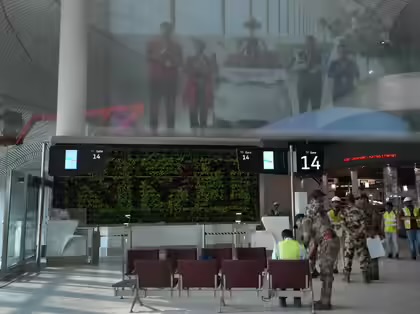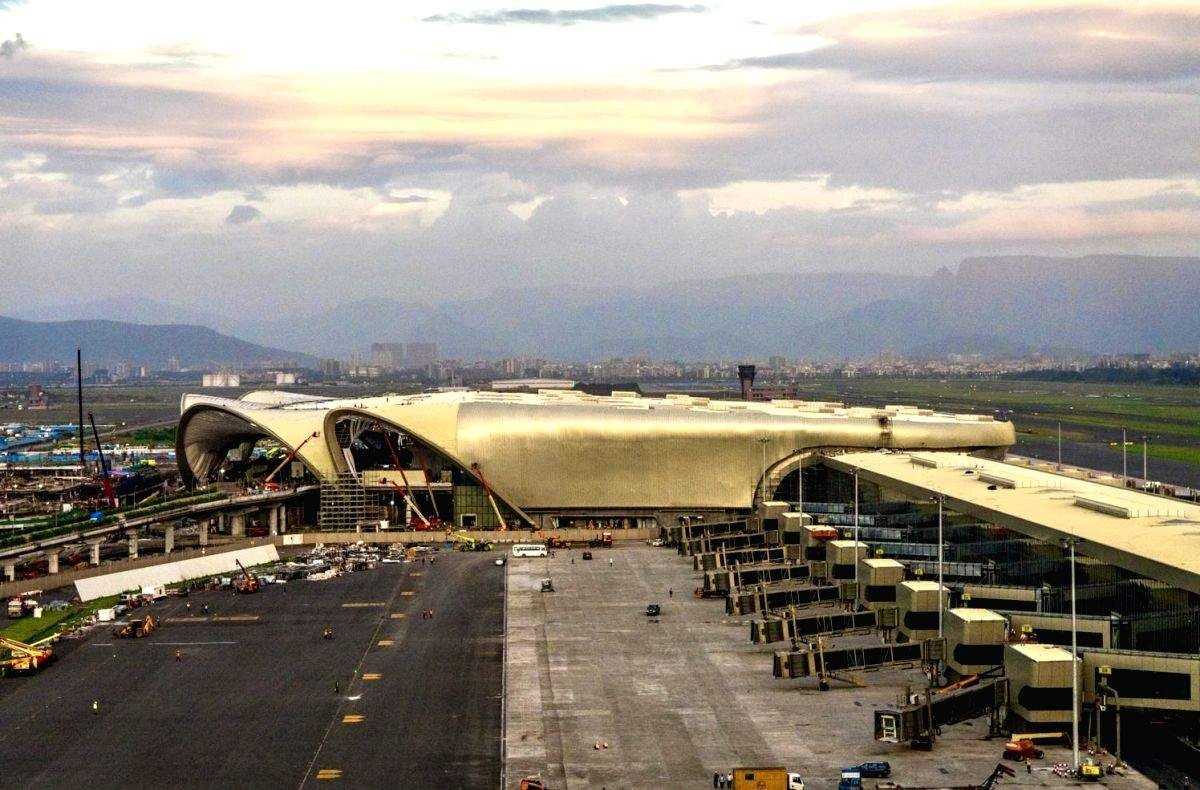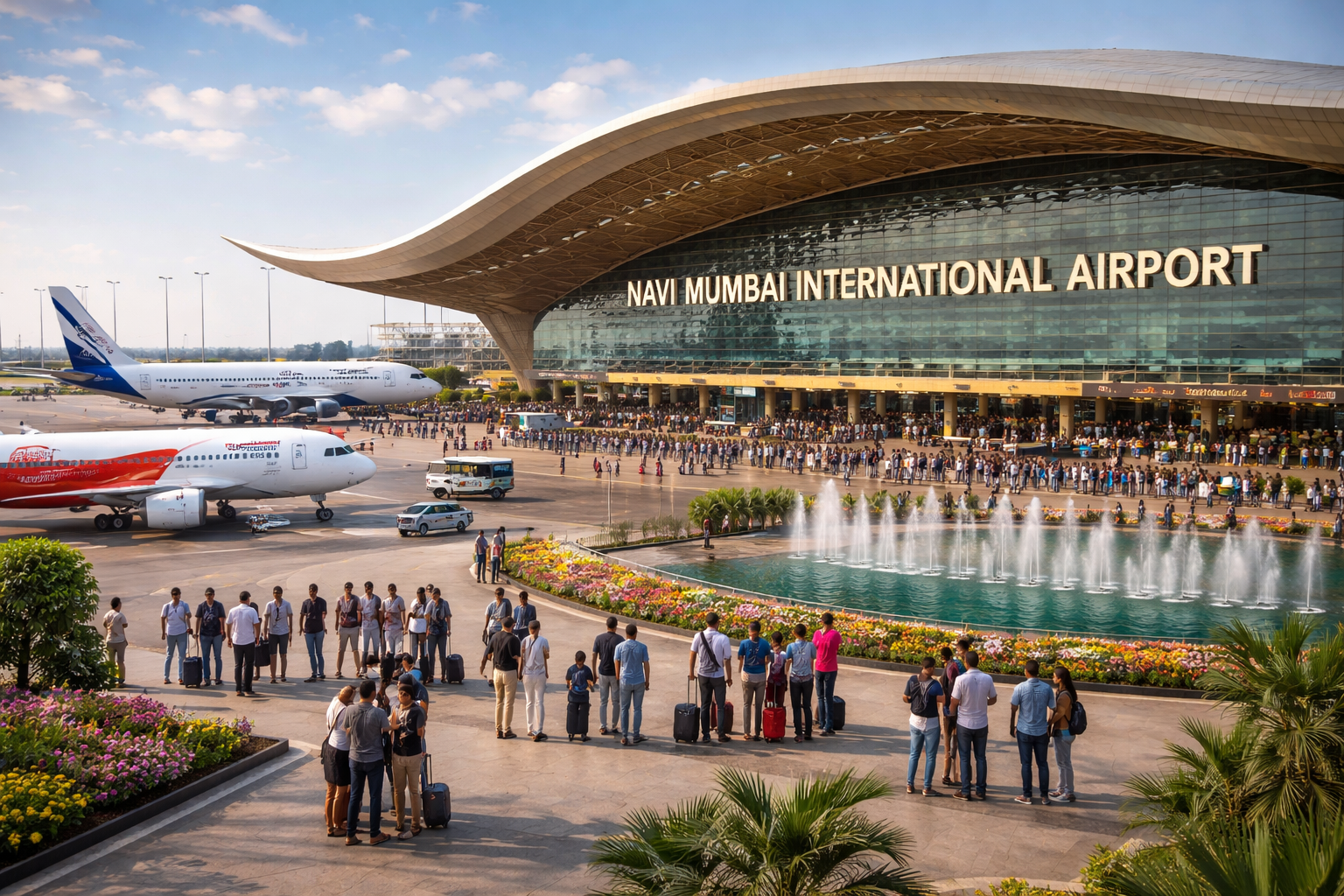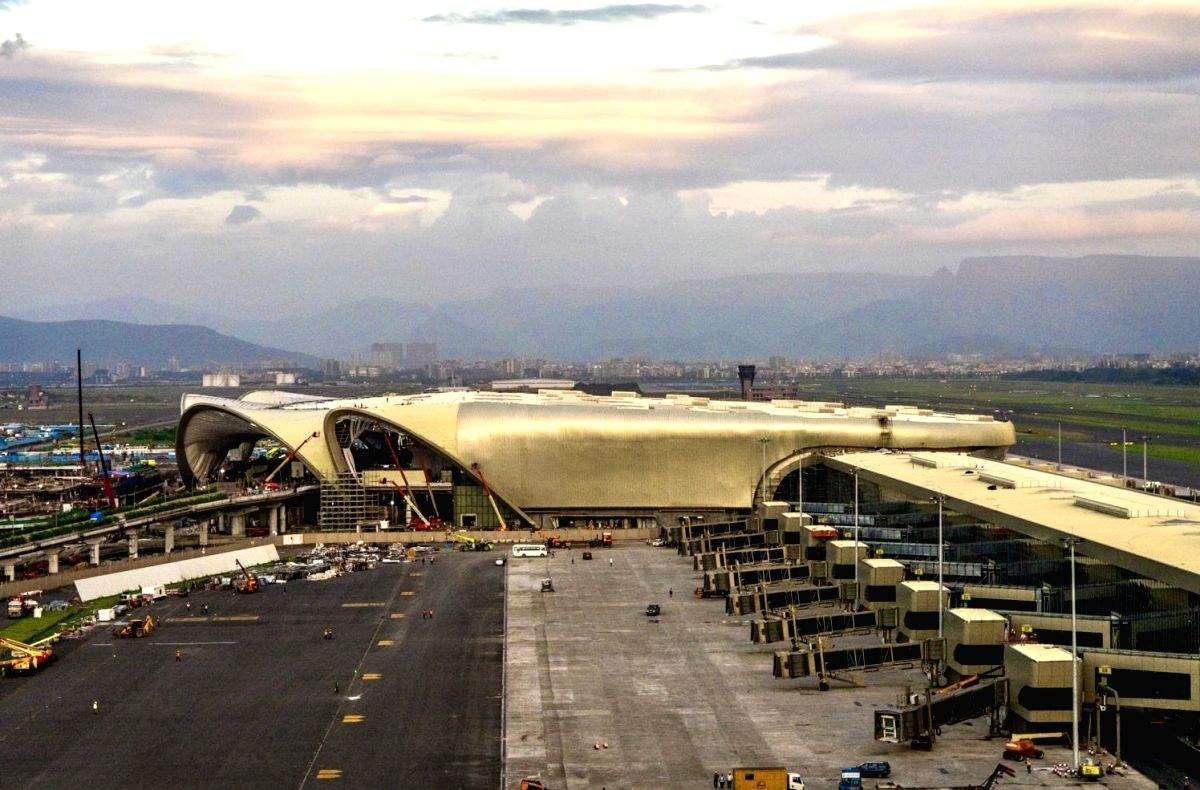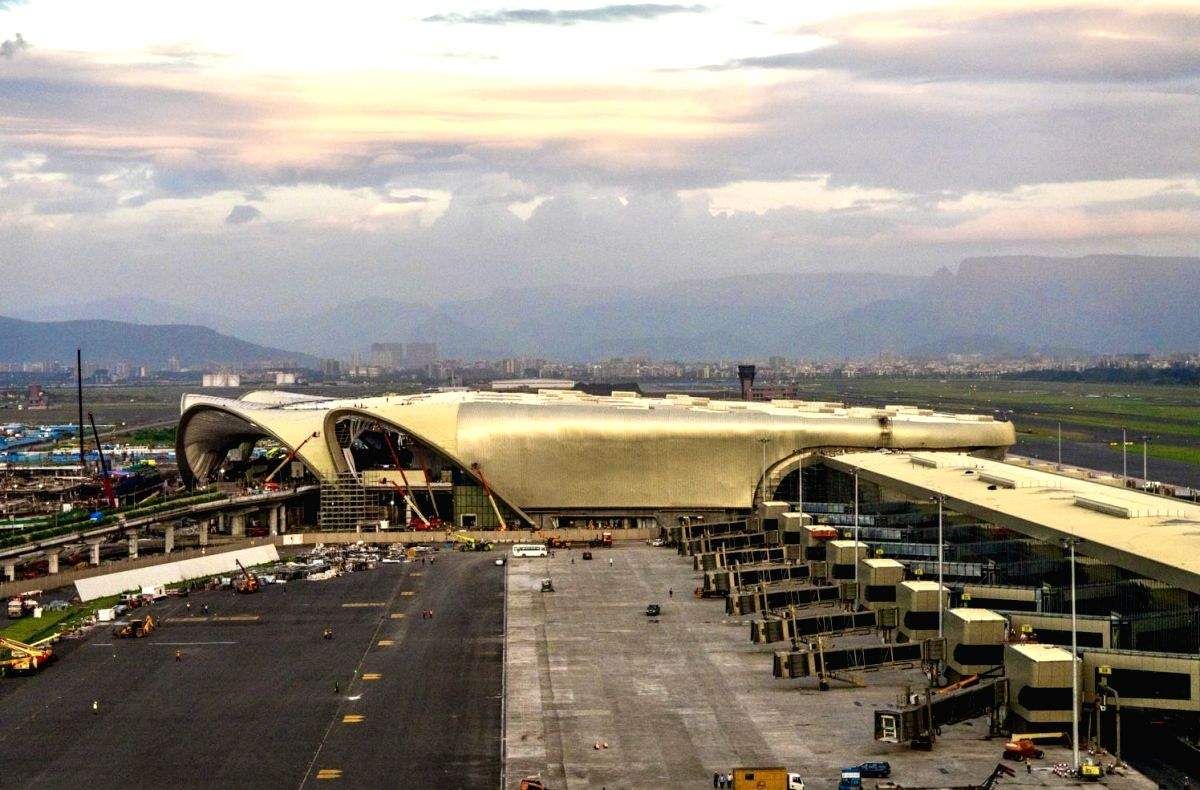
Navi Mumbai International Airport has begun a truly historic chapter with the commencement of its commercial flight operations, marking a major milestone in India’s aviation landscape. On December 25, 2025, the new airport officially started serving passengers, ushering in an era of expanded air connectivity for the Mumbai Metropolitan Region. This momentous launch reflects years of planning, construction, and collaboration among government bodies, infrastructure developers, airlines, and aviation stakeholders.
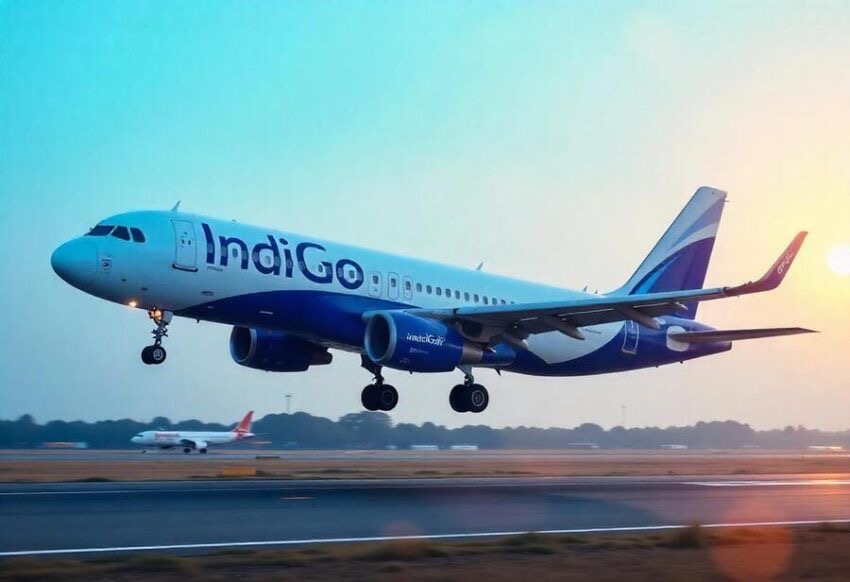
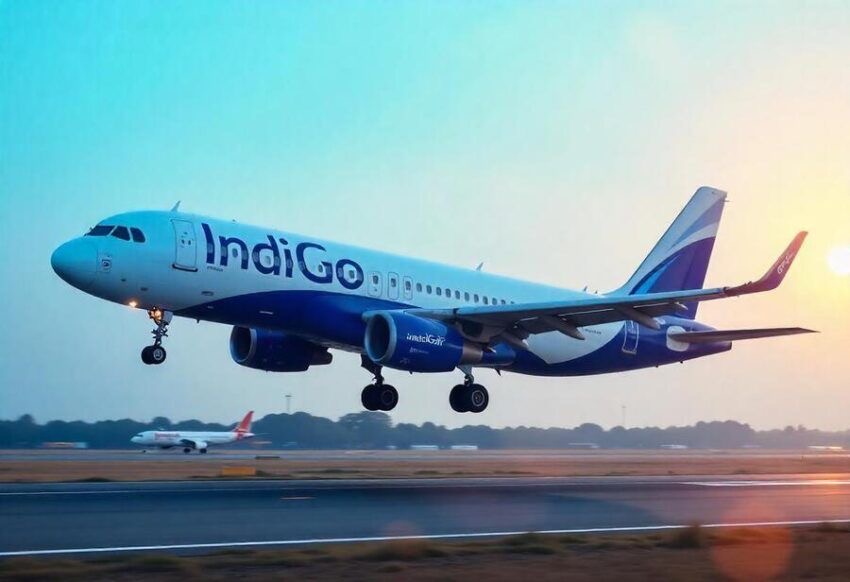
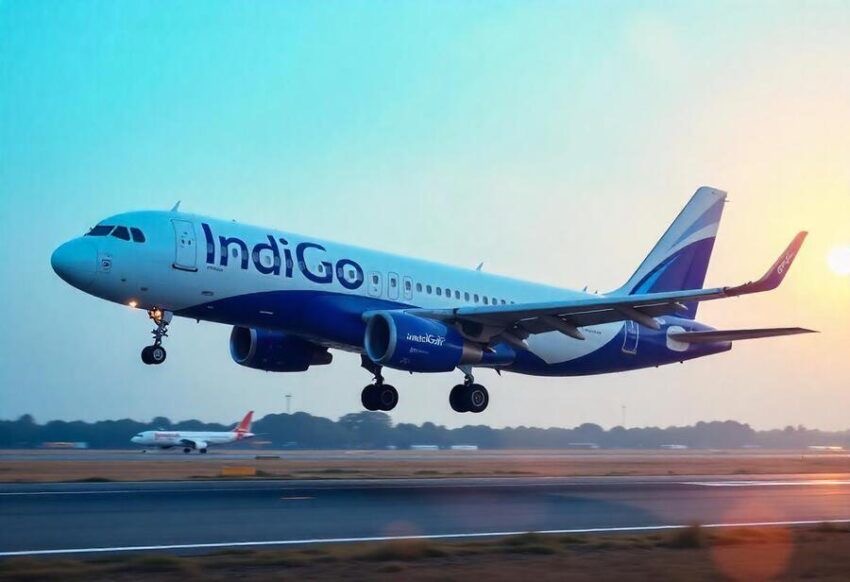
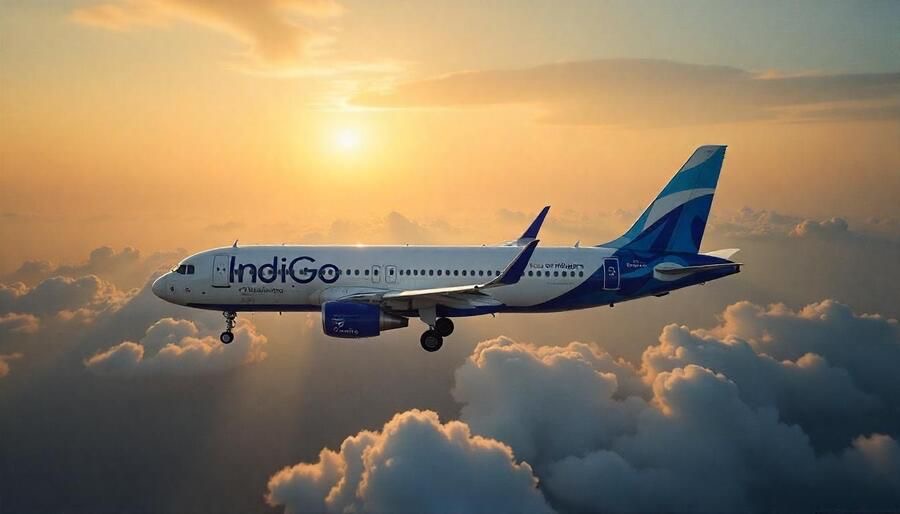
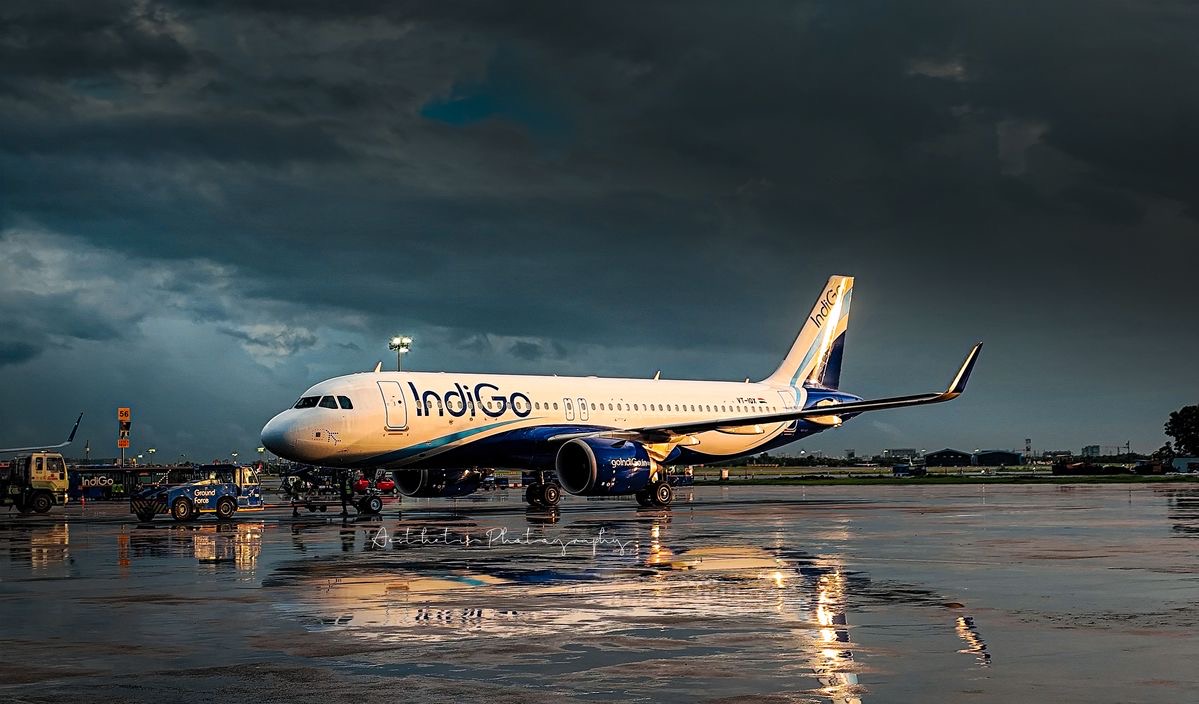
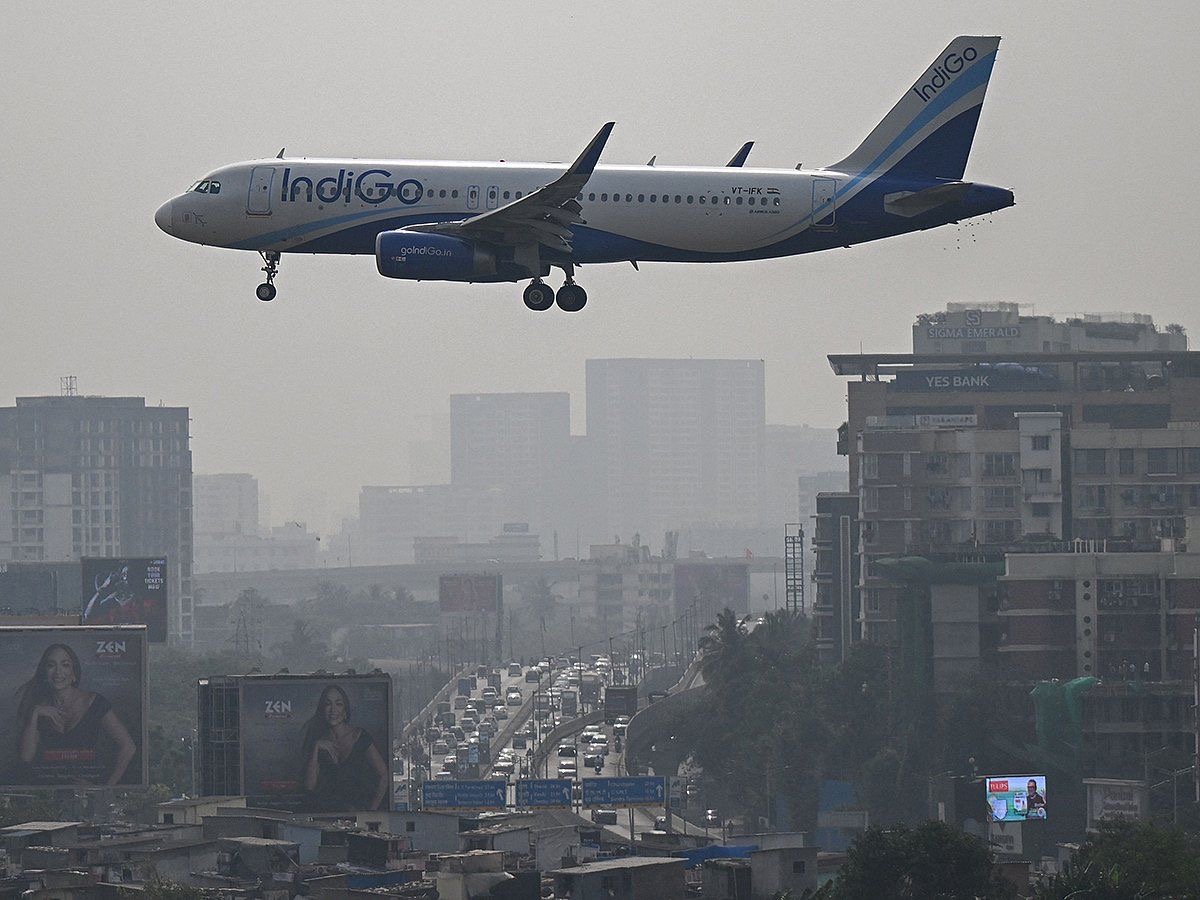
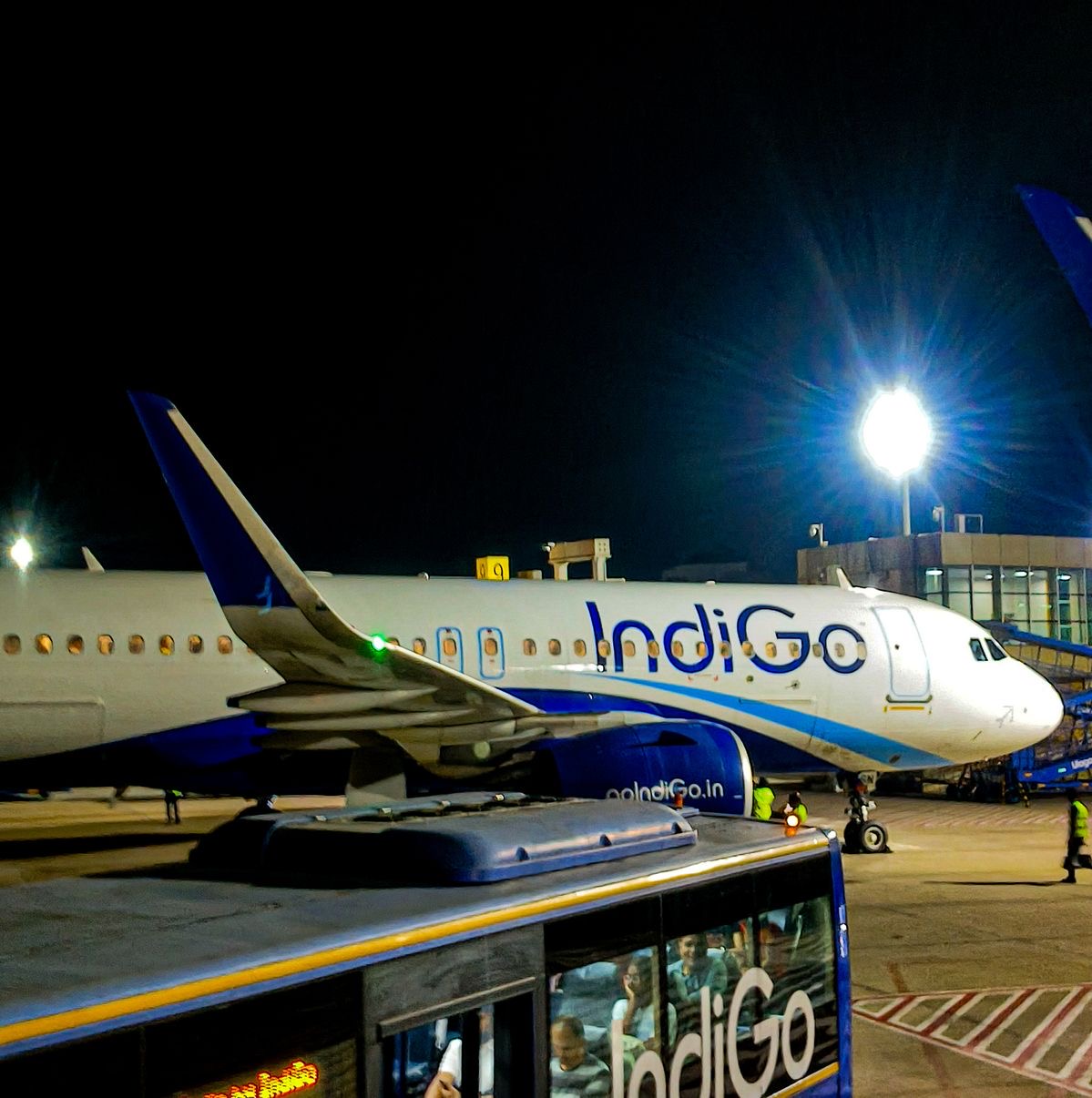
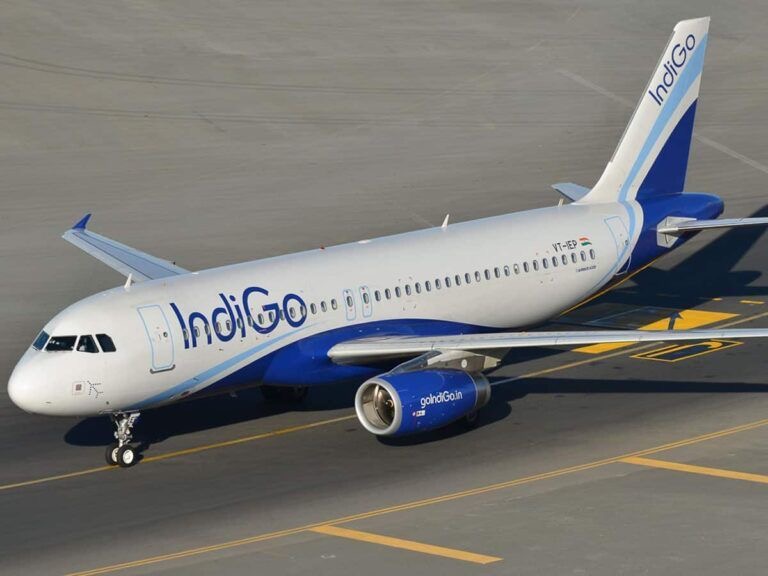
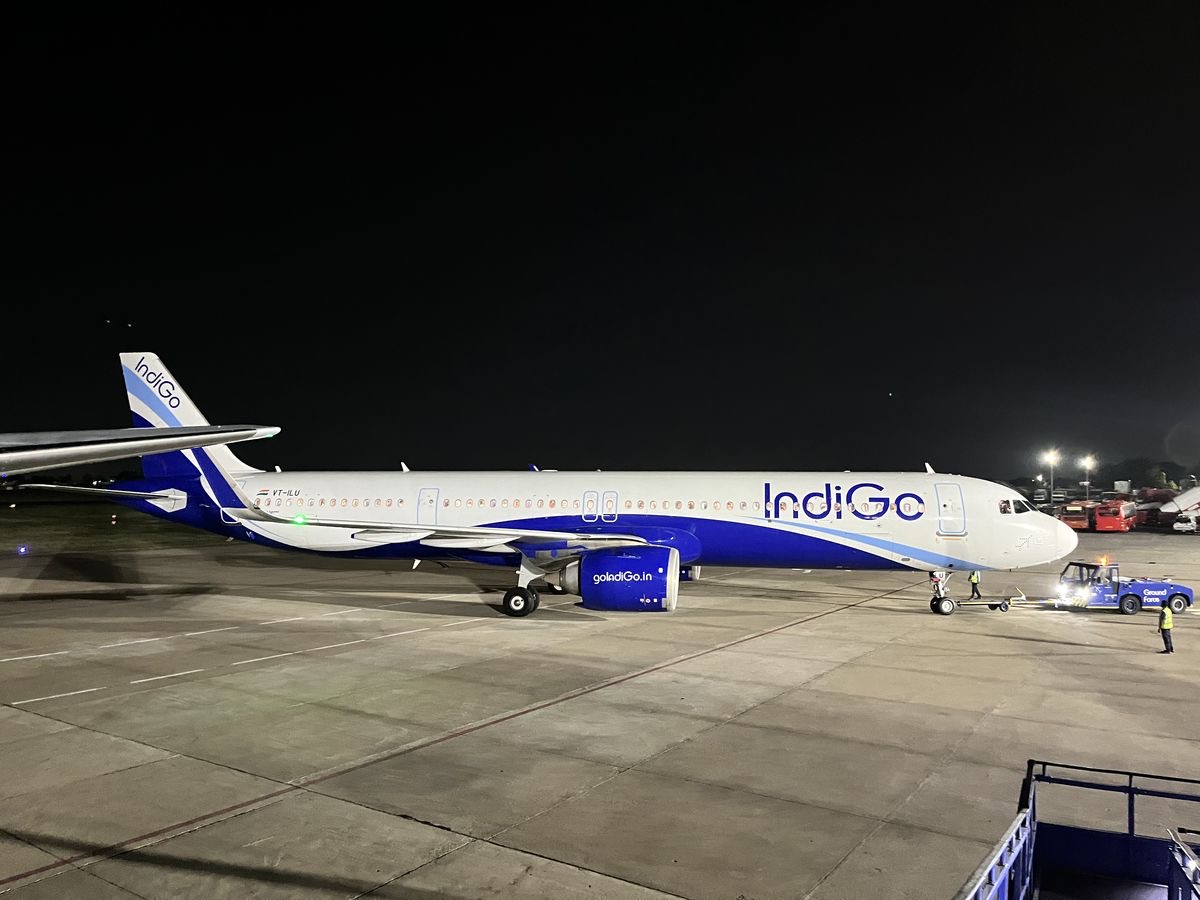
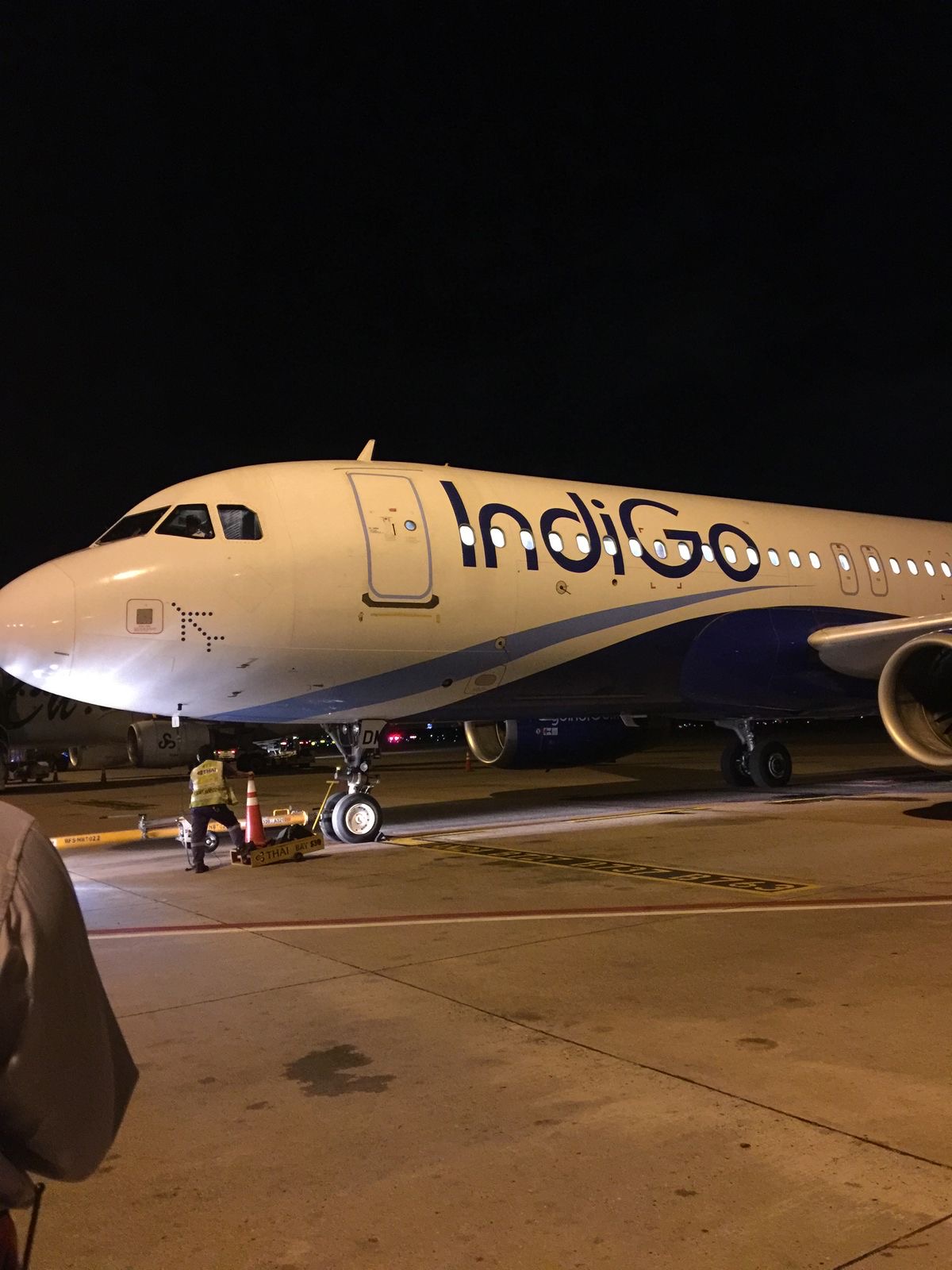
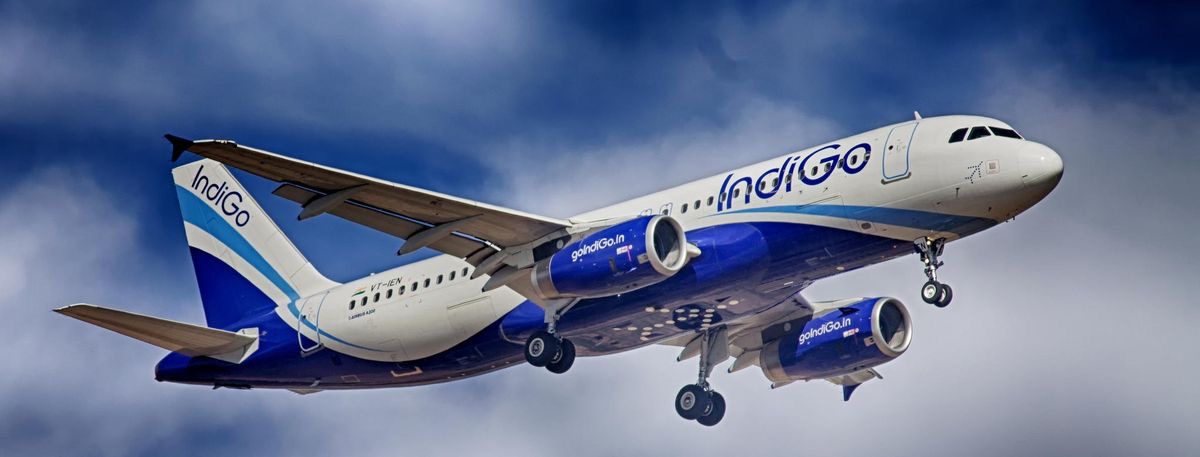
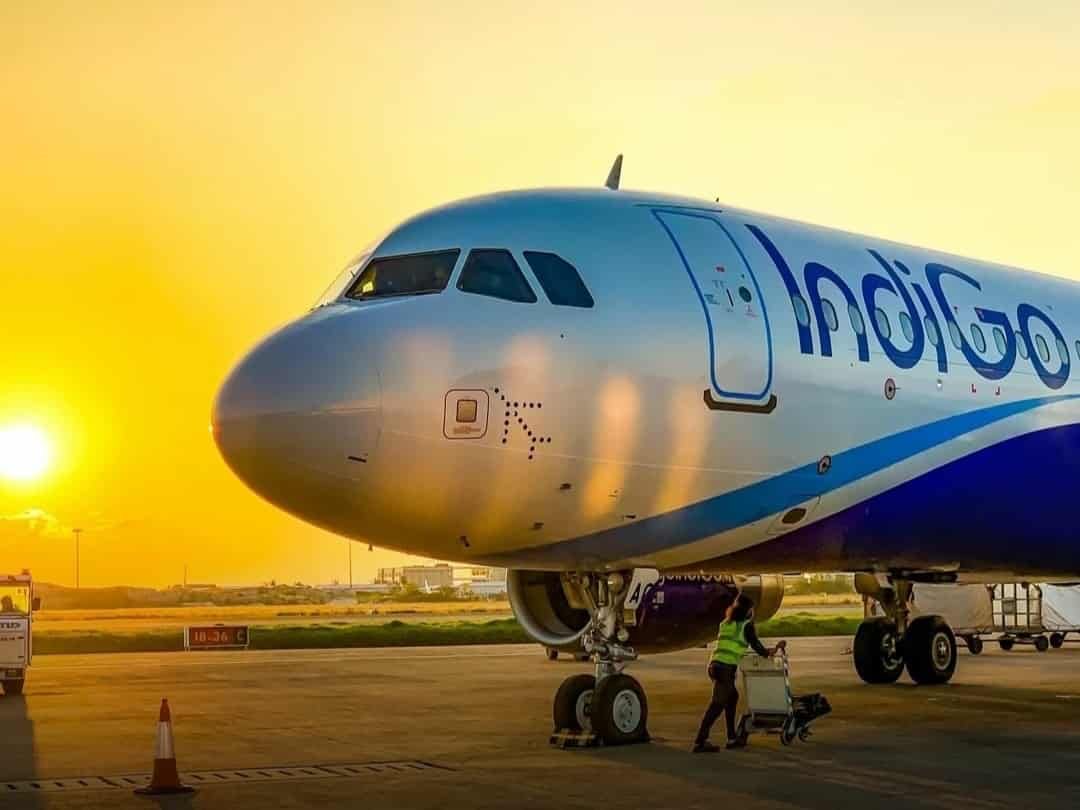
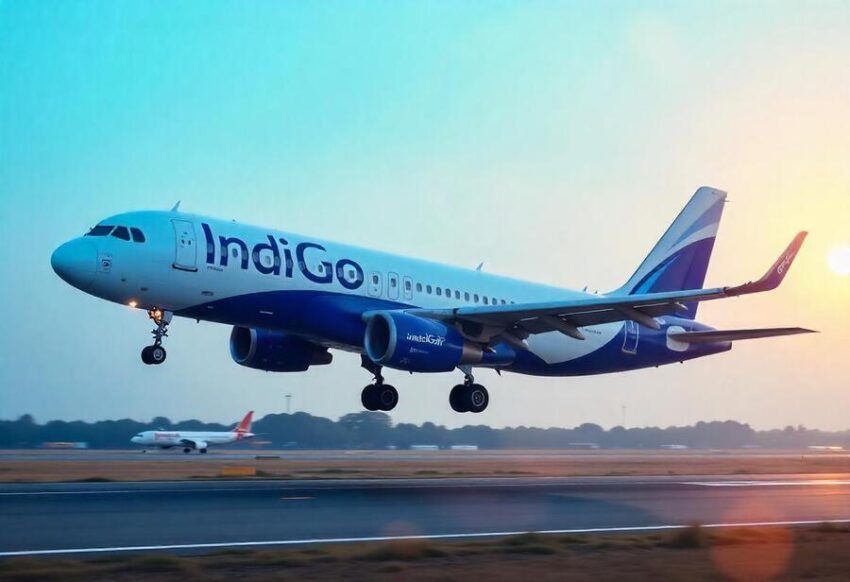
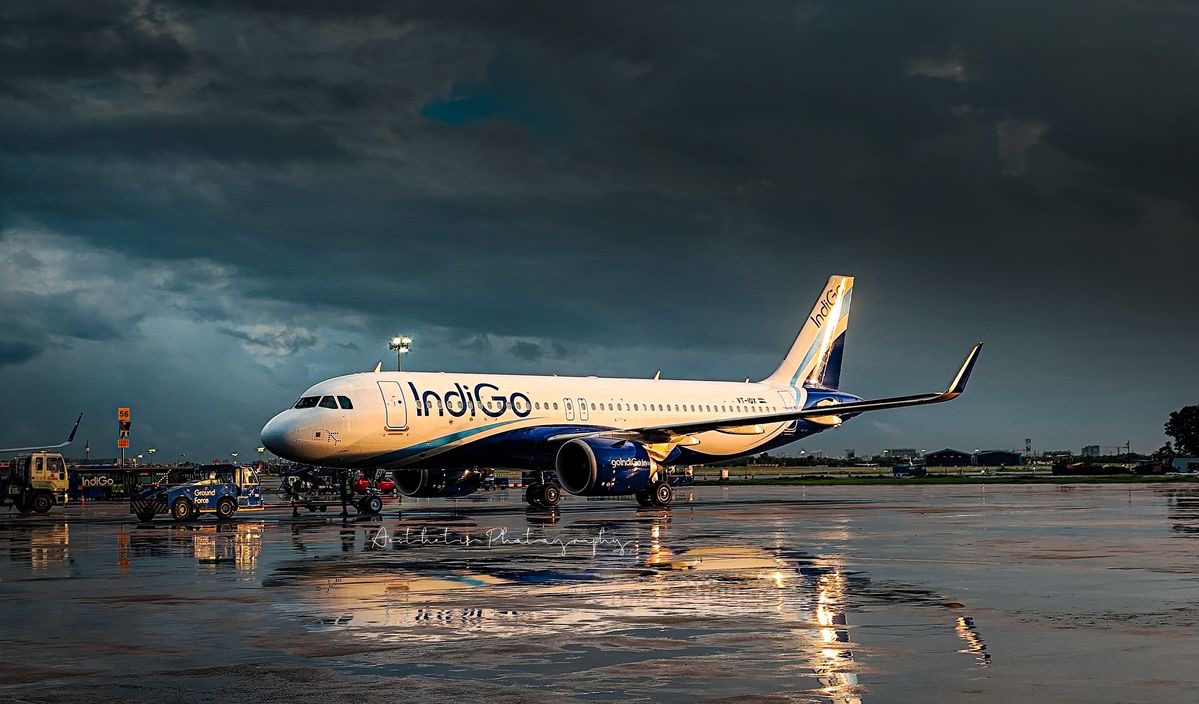
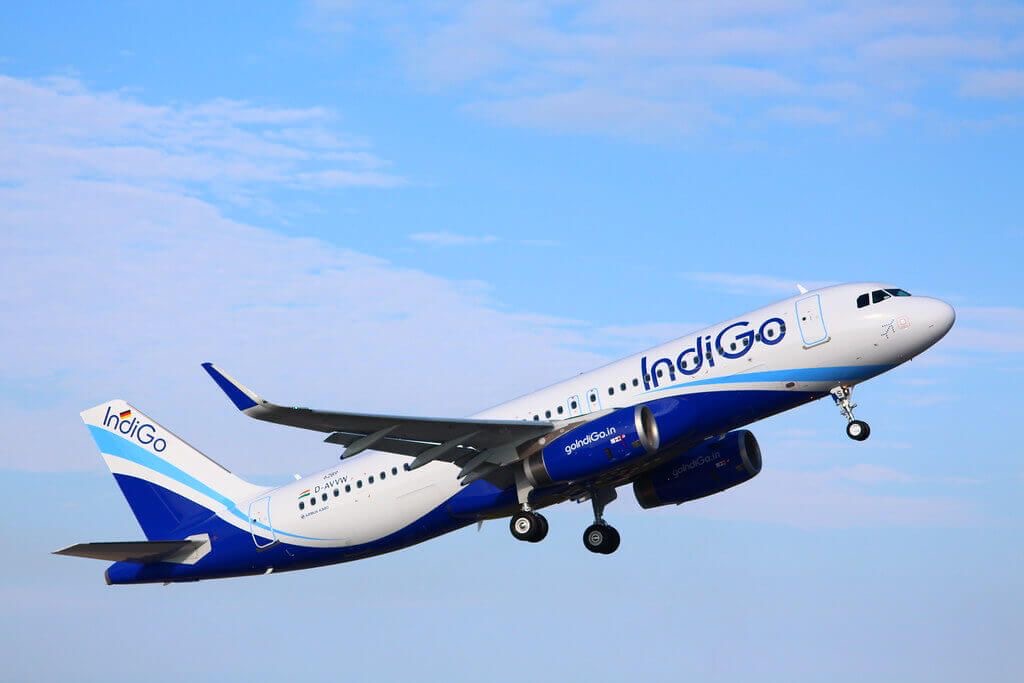
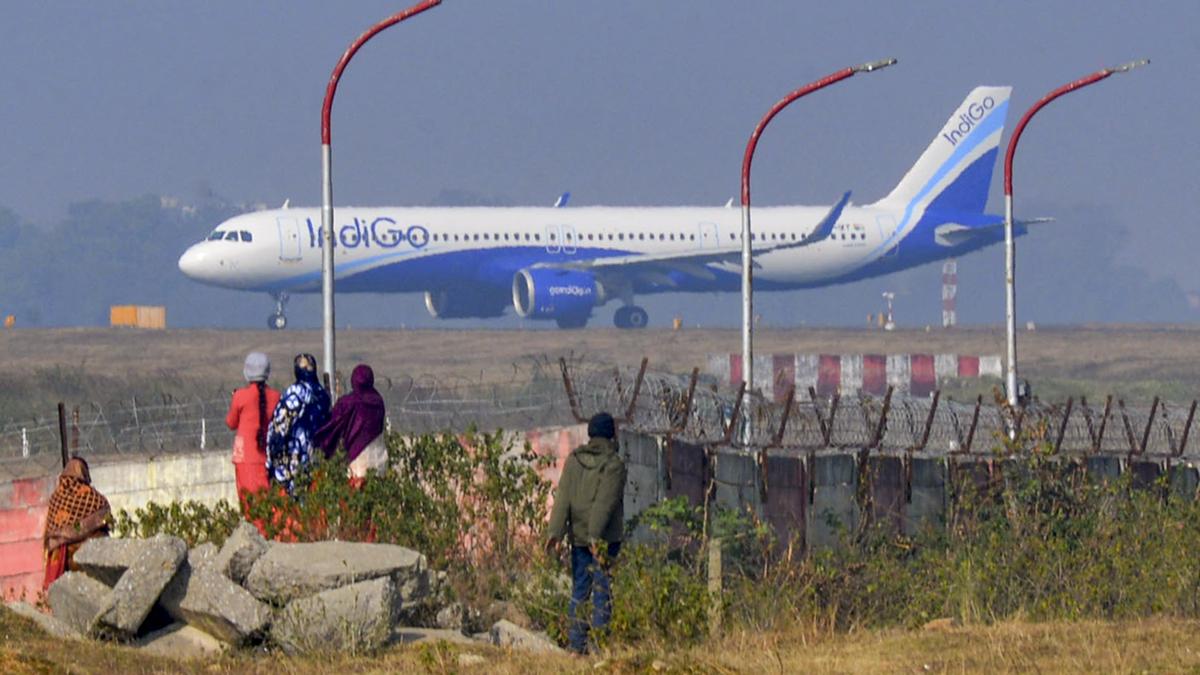
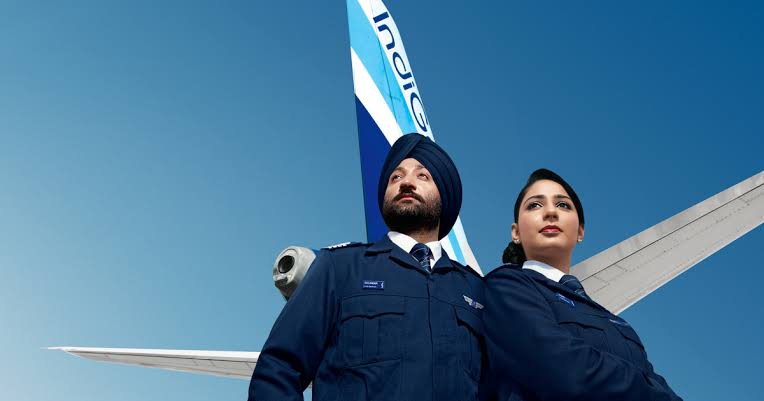
The first scheduled commercial flight to land at the airport was operated by IndiGo. The morning arrival from Bengaluru not only symbolised the start of passenger services but was also celebrated with a ceremonial water cannon salute, a longstanding tradition in aviation reserved for landmark occasions. With that arrival, the airport transitioned from years of readiness drills and test operations to full commercial use, welcoming its earliest travellers with optimism and enthusiasm.
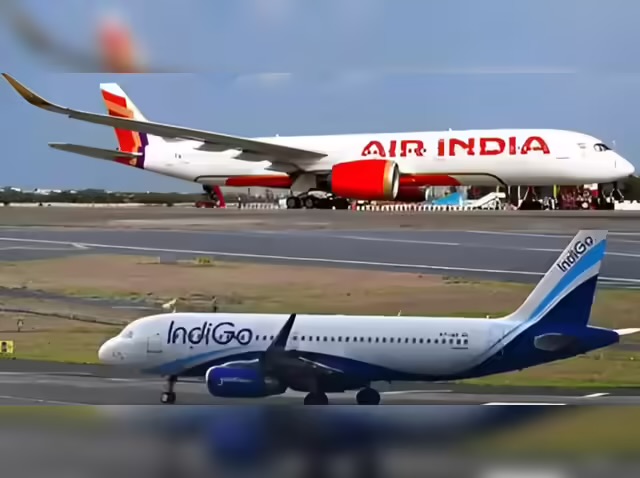
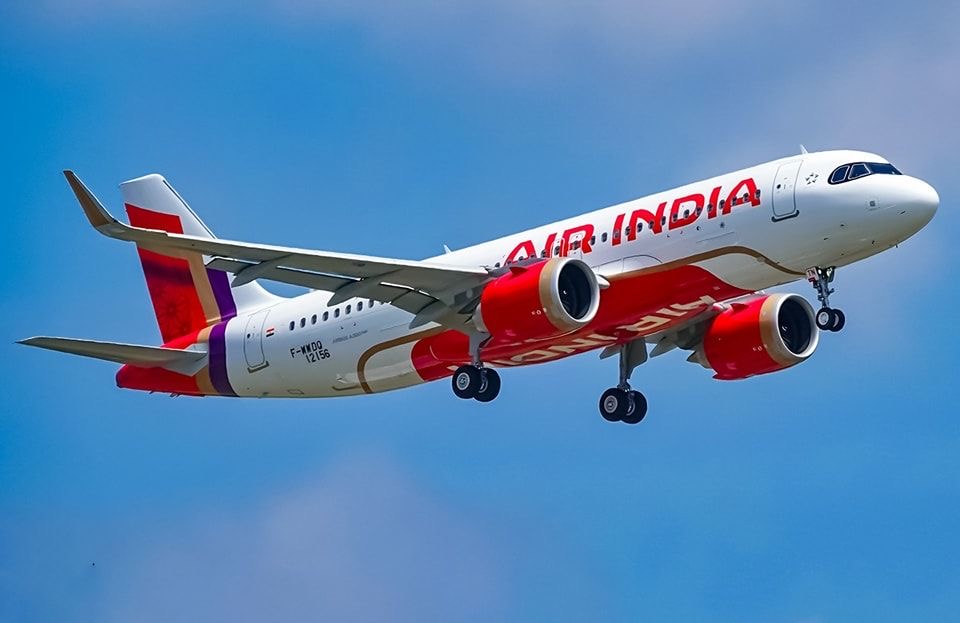
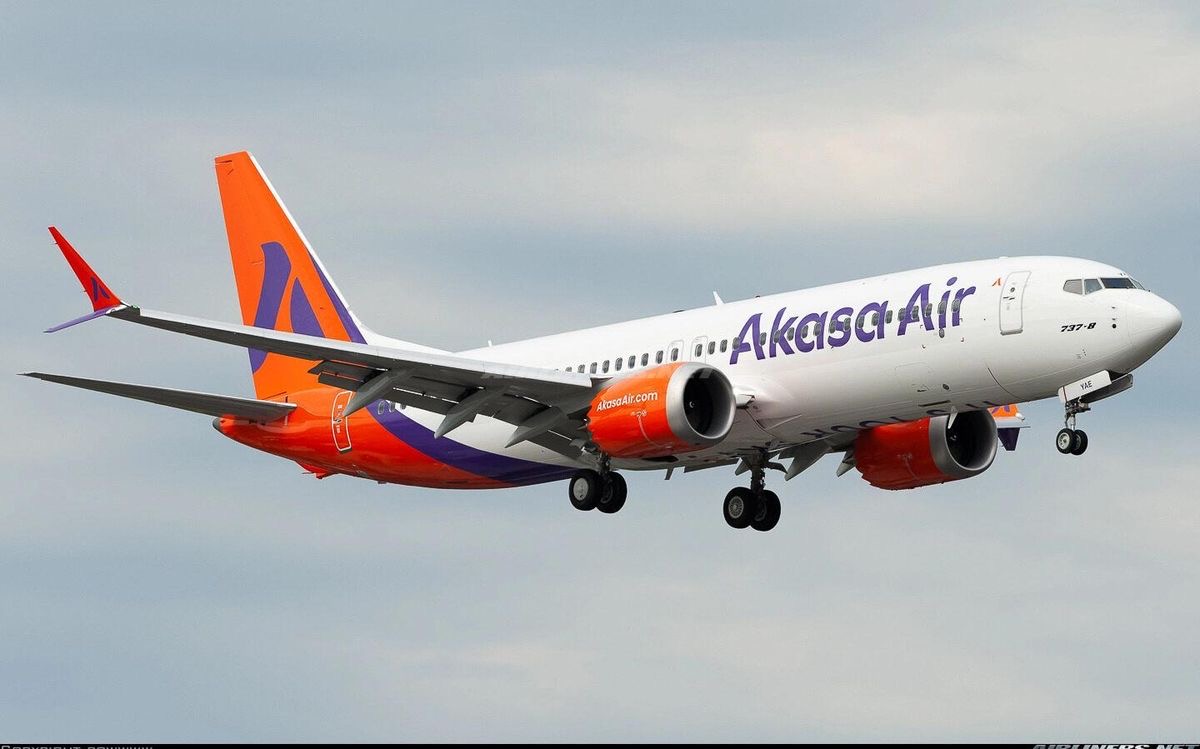
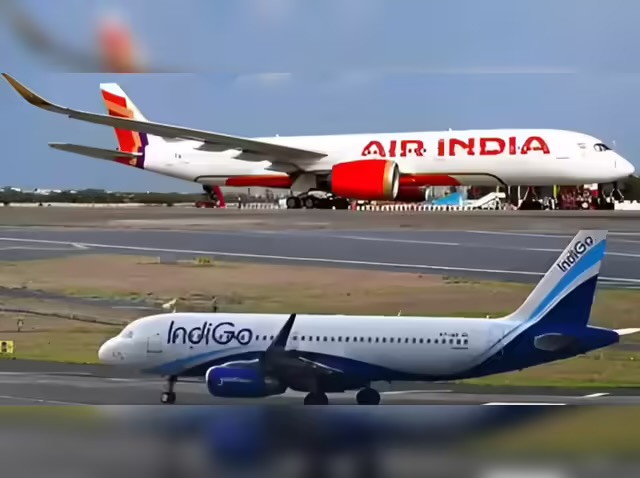
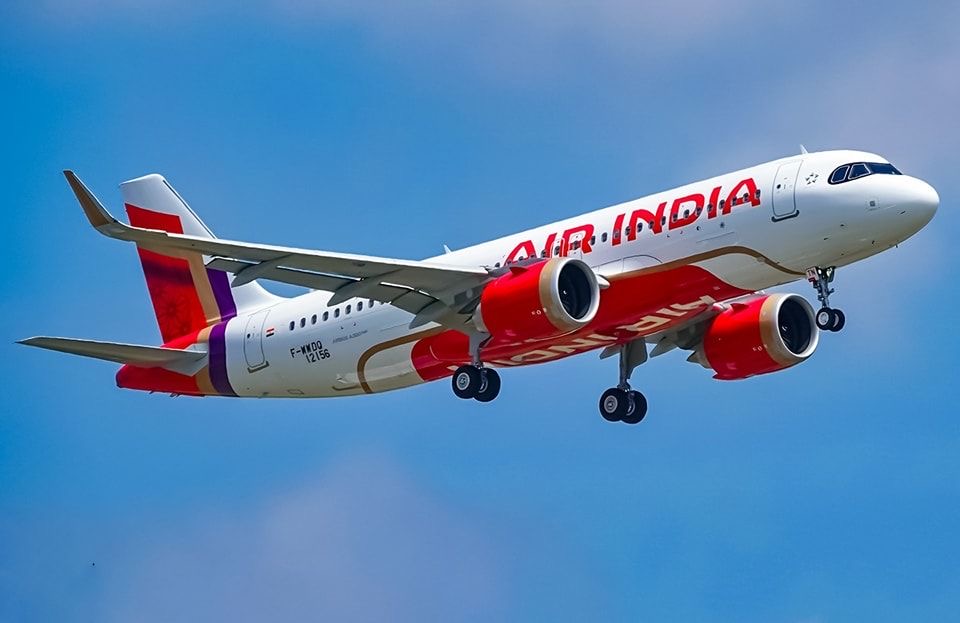
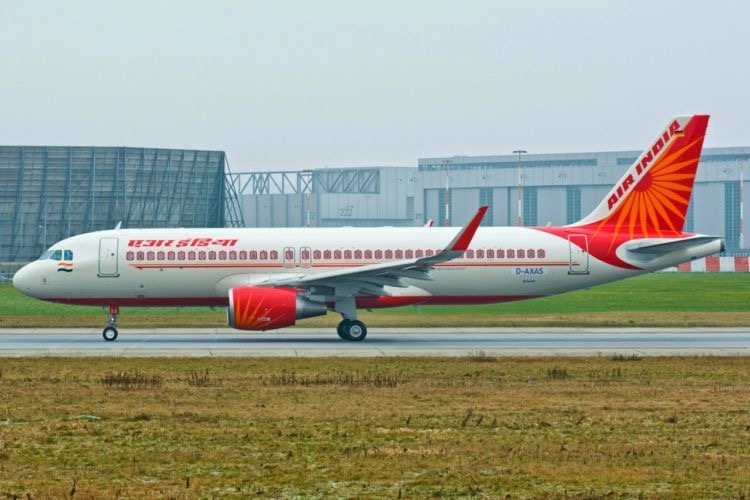
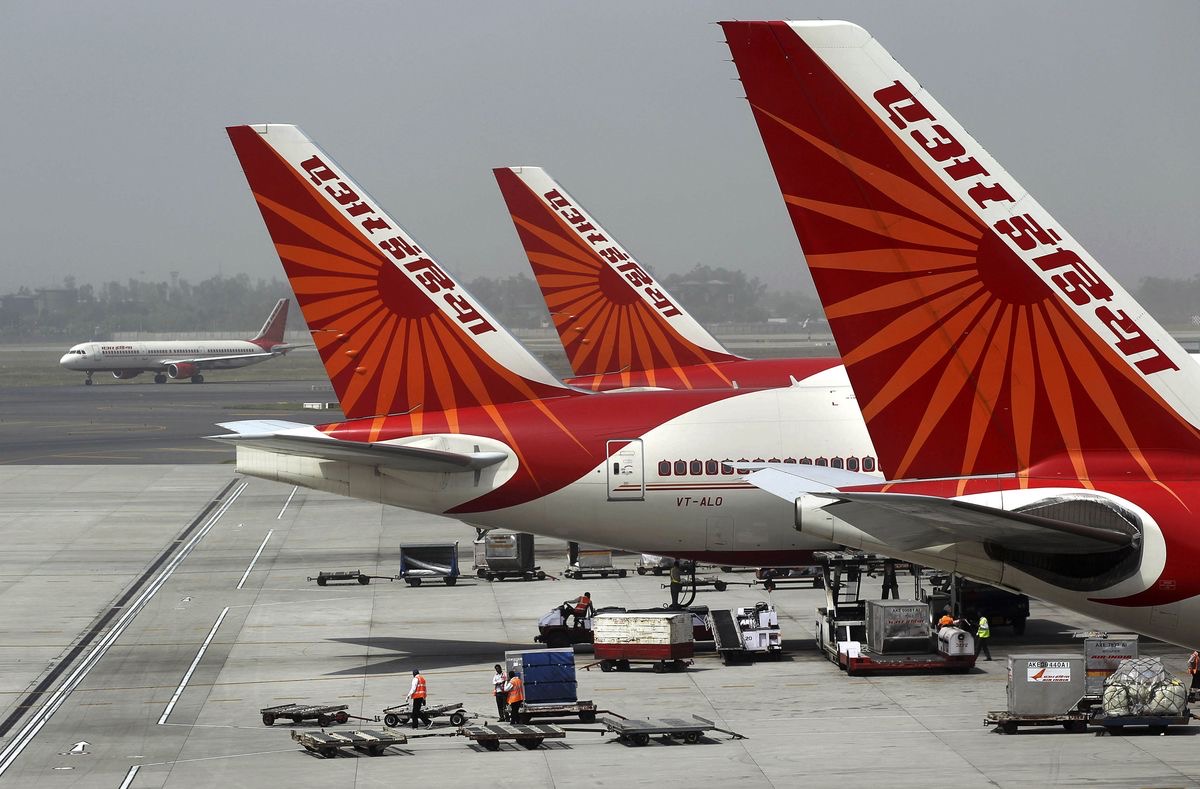
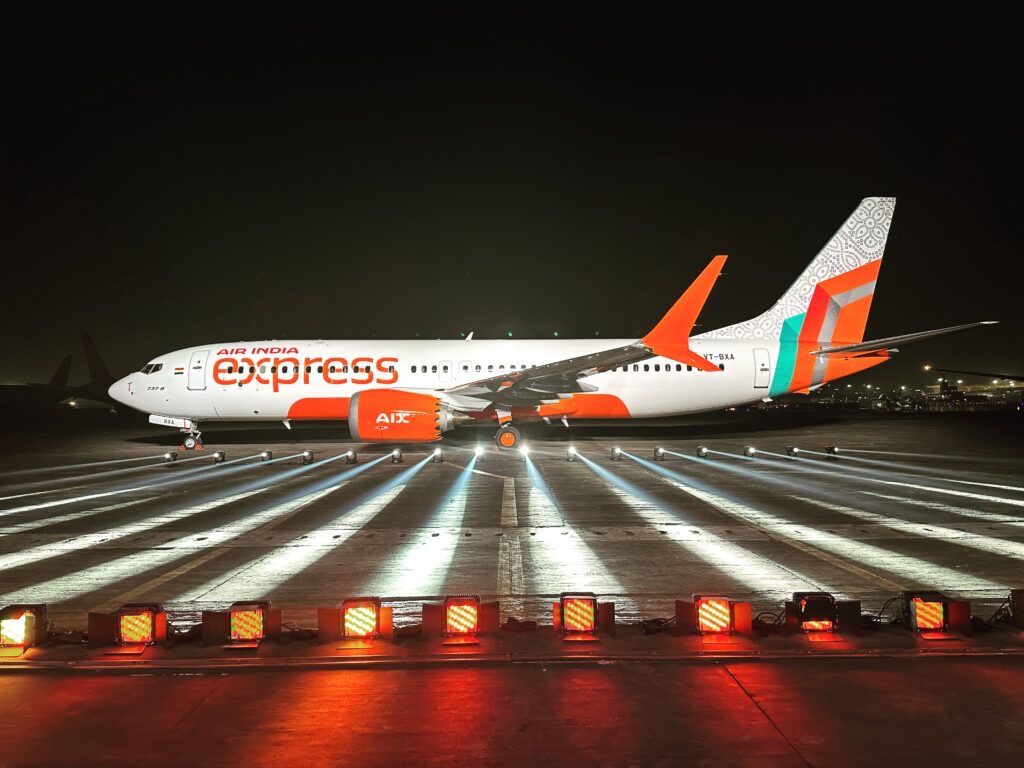
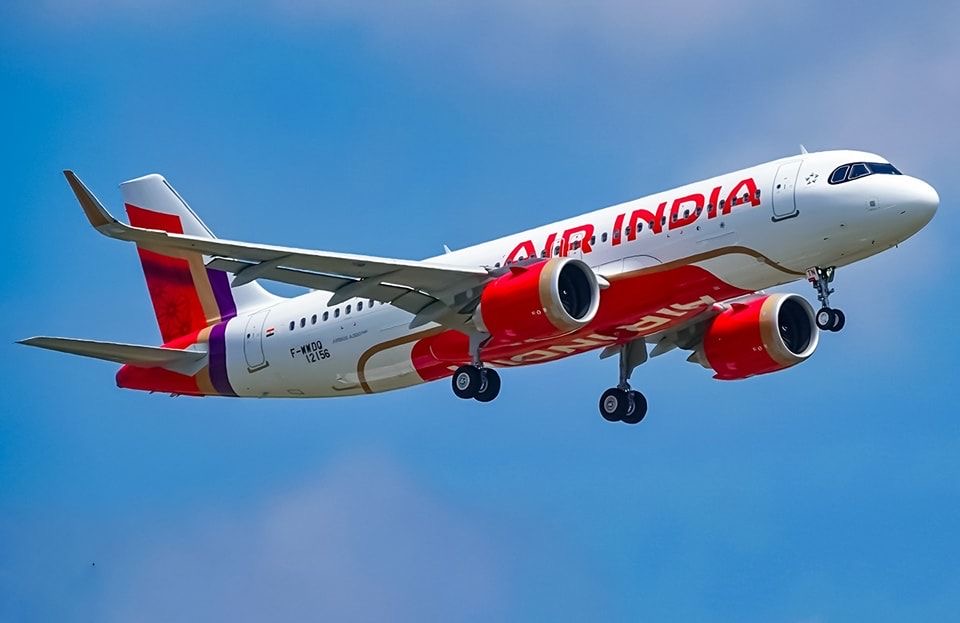
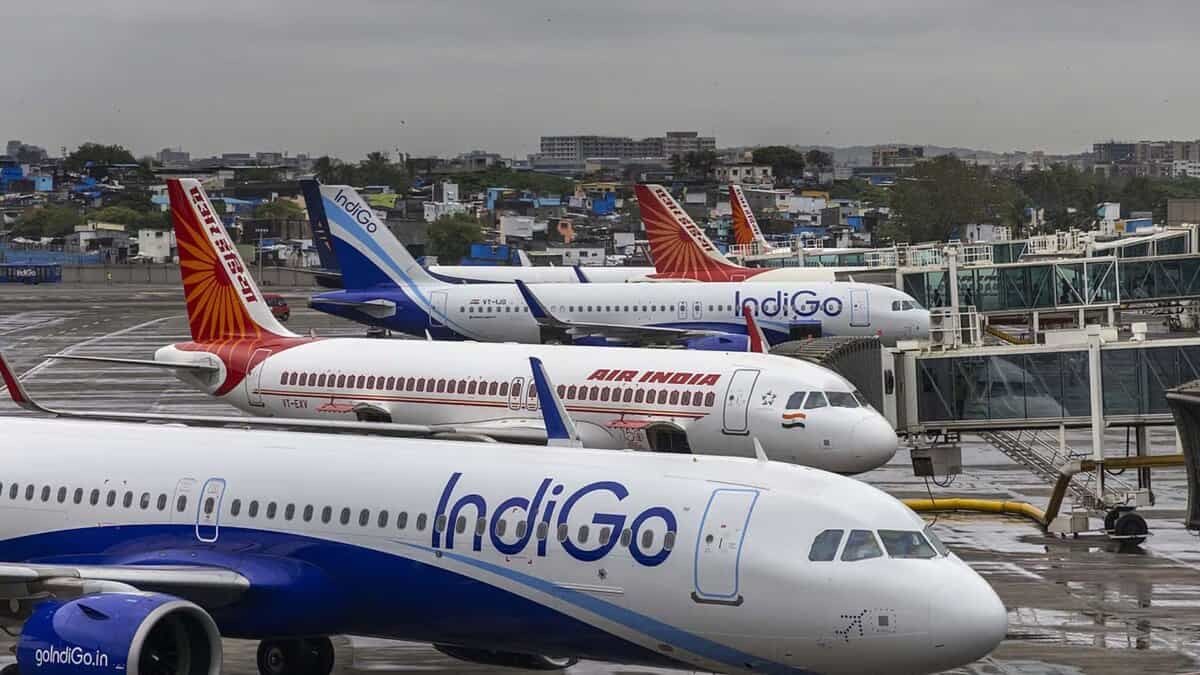
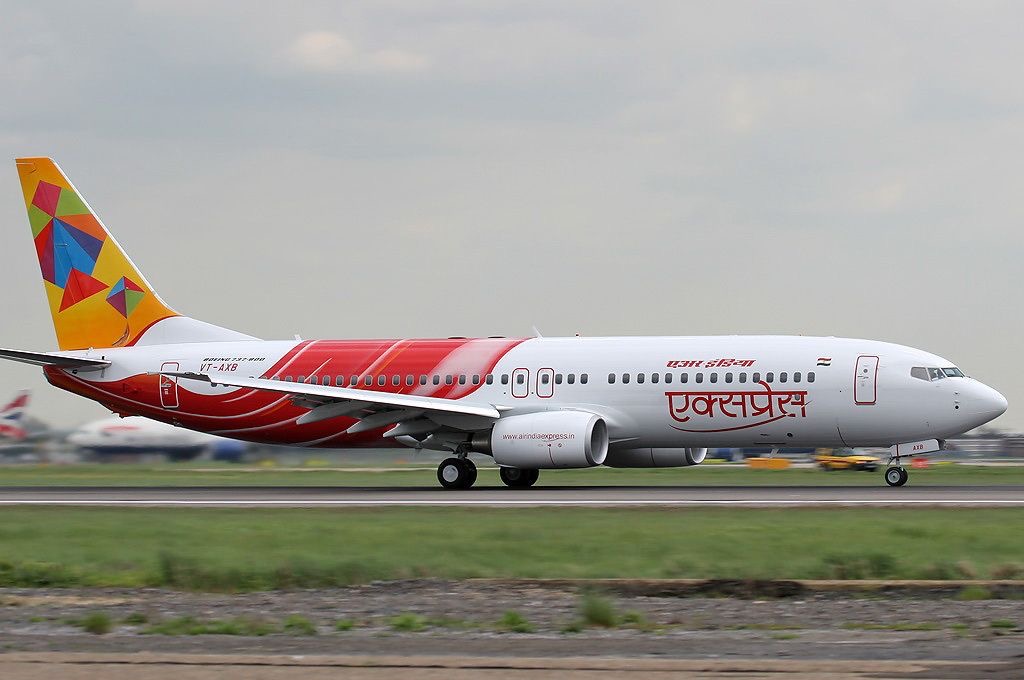
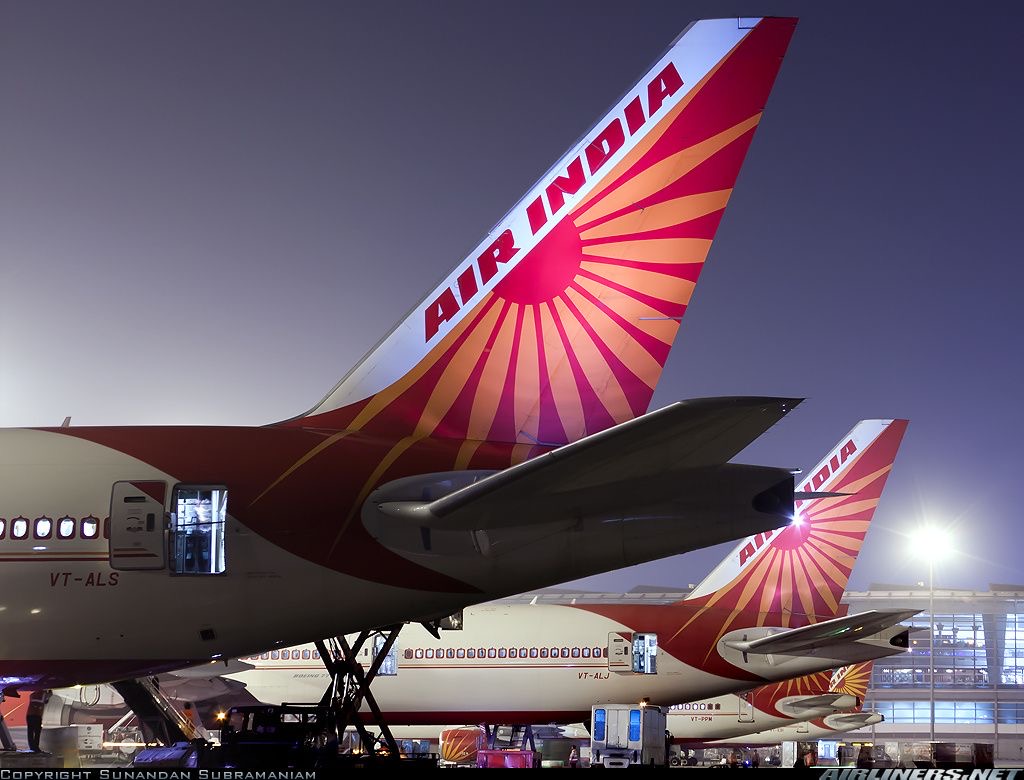
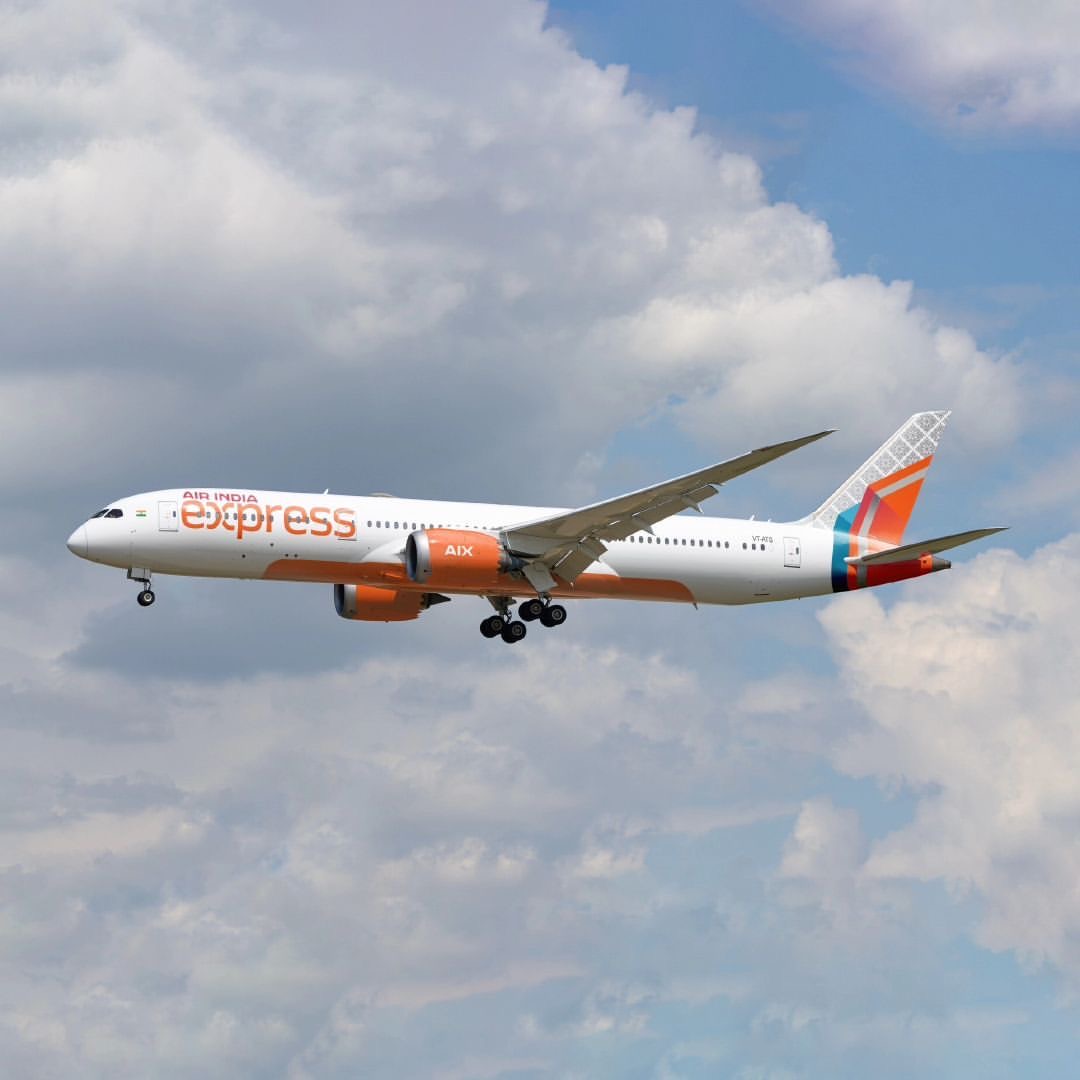
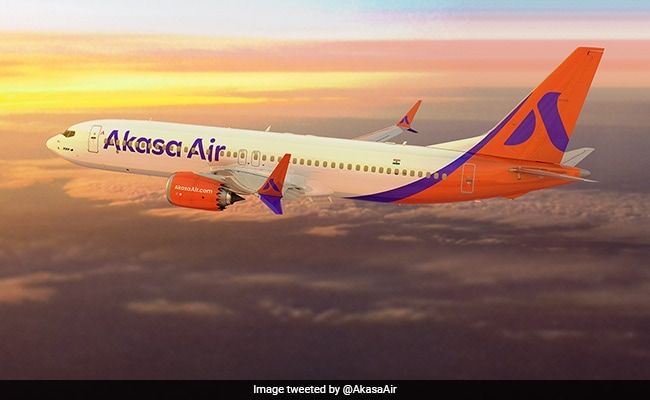
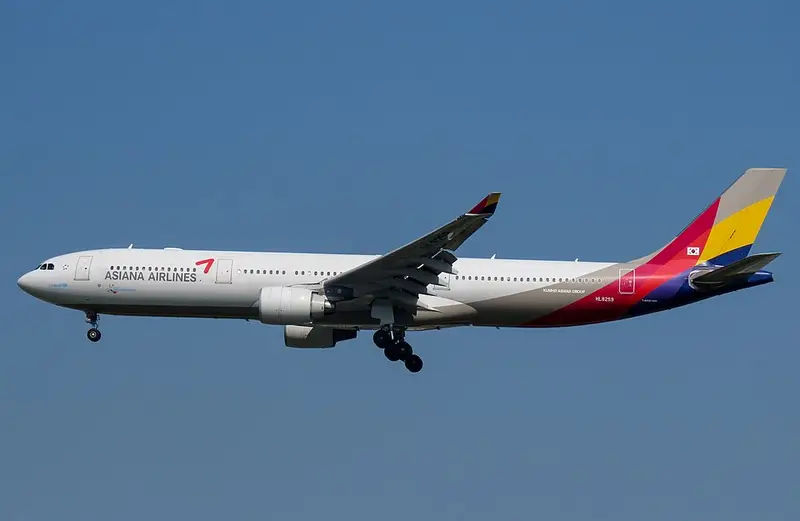
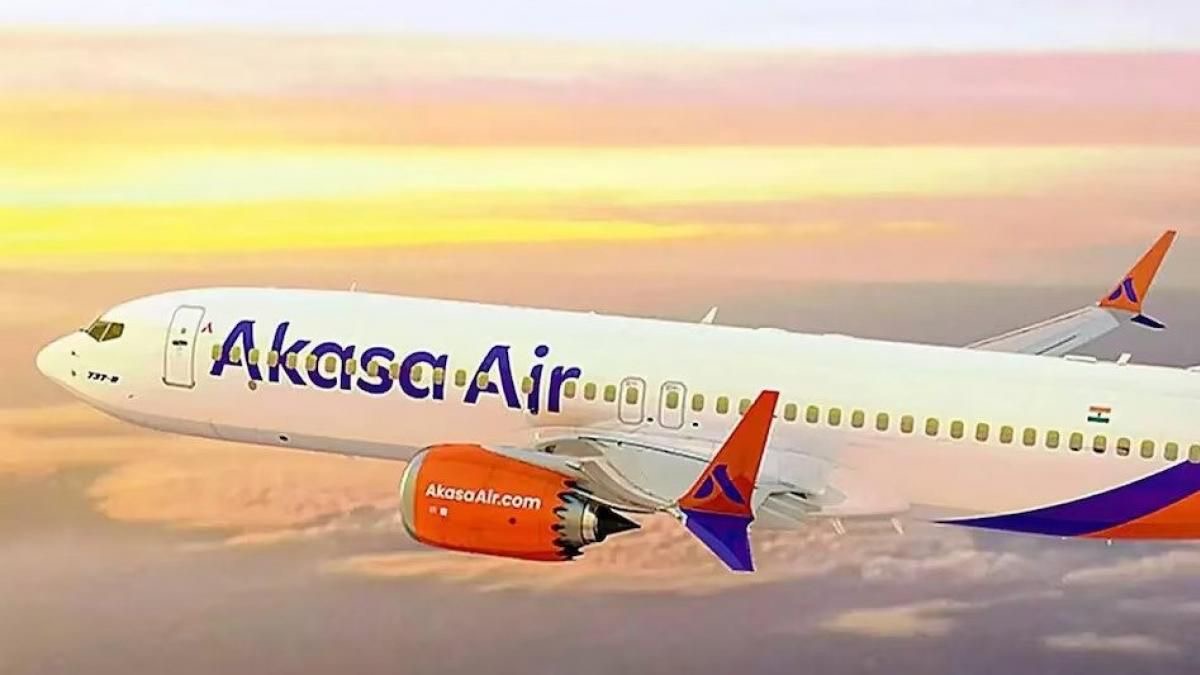
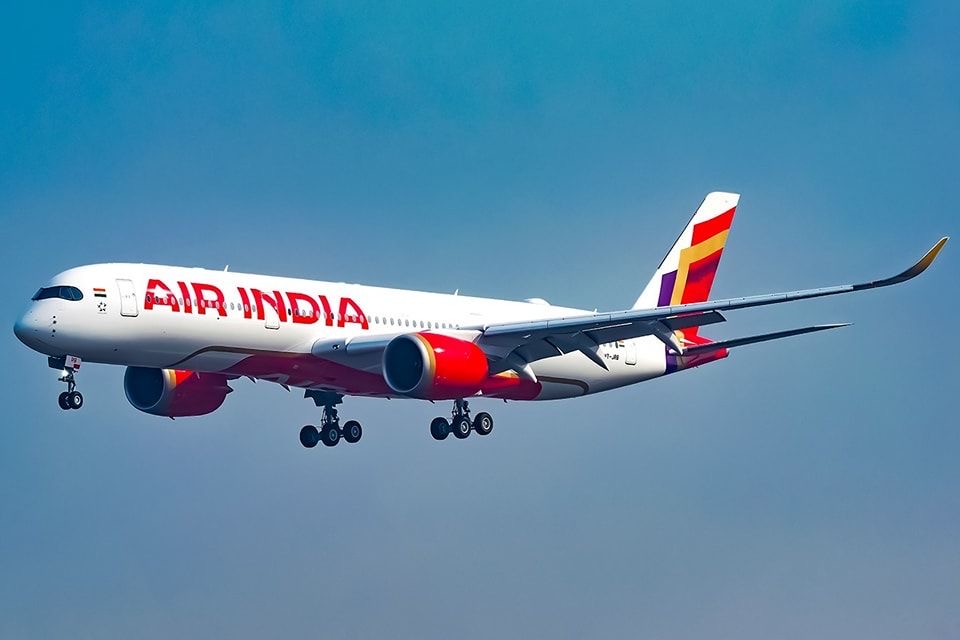
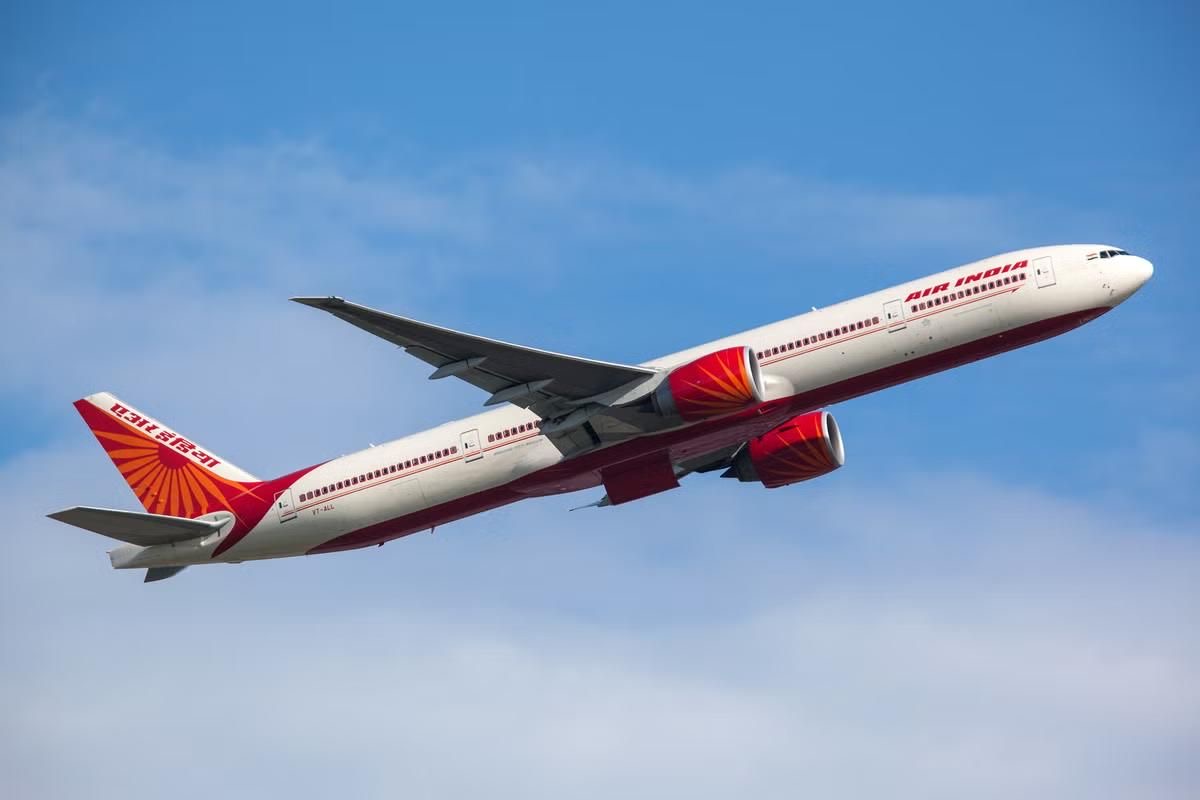
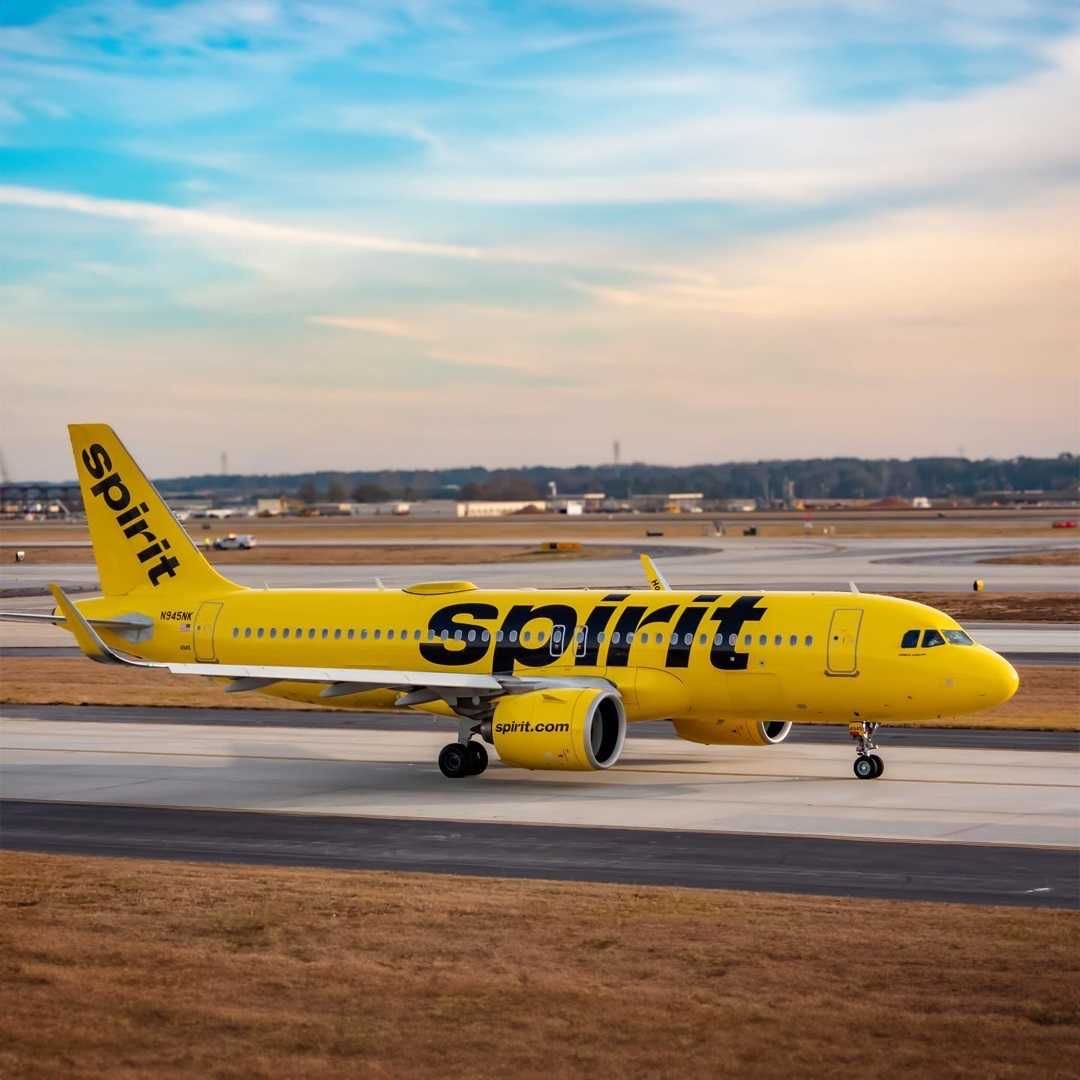
On its opening day, the airport was scheduled to handle 15 departures connecting its new terminal with nine domestic destinations across India. These operations were undertaken by four major carriers, including IndiGo, Air India Express, Akasa Air, and Star Air. The initial services offered connections to key cities such as Delhi, Hyderabad, Lucknow, Ahmedabad, and Kochi, among others. For many passengers, this was their first opportunity to experience a modern greenfield airport built to ease congestion and meet the region’s growing travel demand.
In this initial phase, the airport’s operations were planned from early morning until evening, allowing flight movements between 8:00 AM and 8:00 PM. During these hours, the facility was equipped to accommodate up to 24 scheduled departures spread across multiple destinations. While this schedule represented a measured and well-organized launch, plans are in place to expand flight timings and services progressively, including round-the-clock operations expected to begin by early next year.
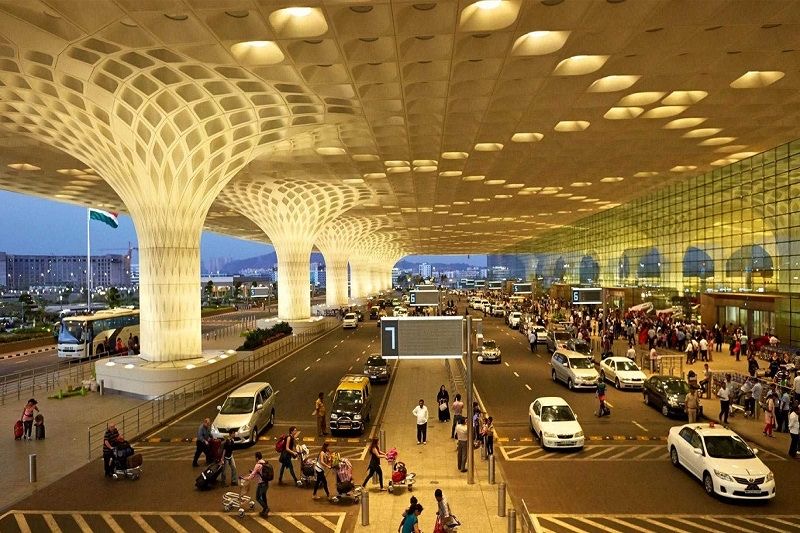
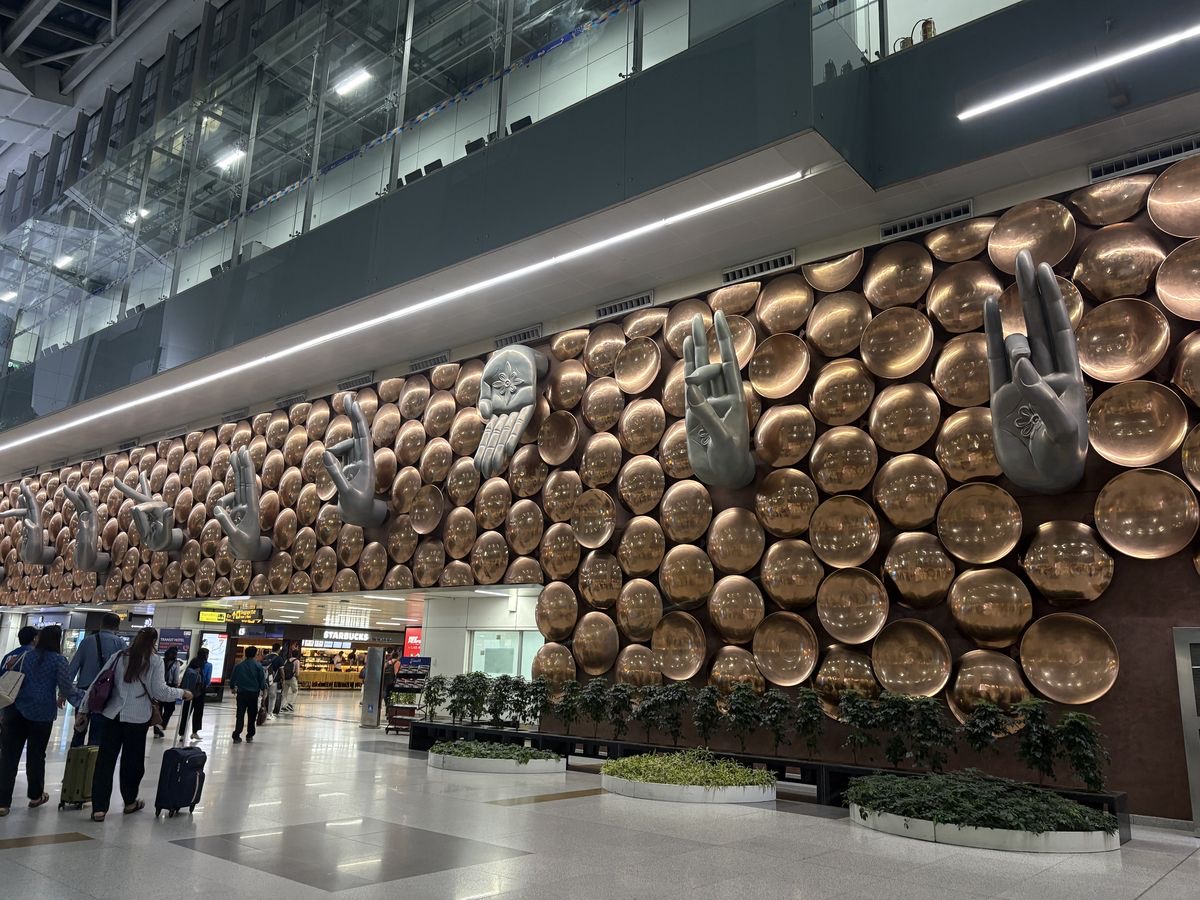
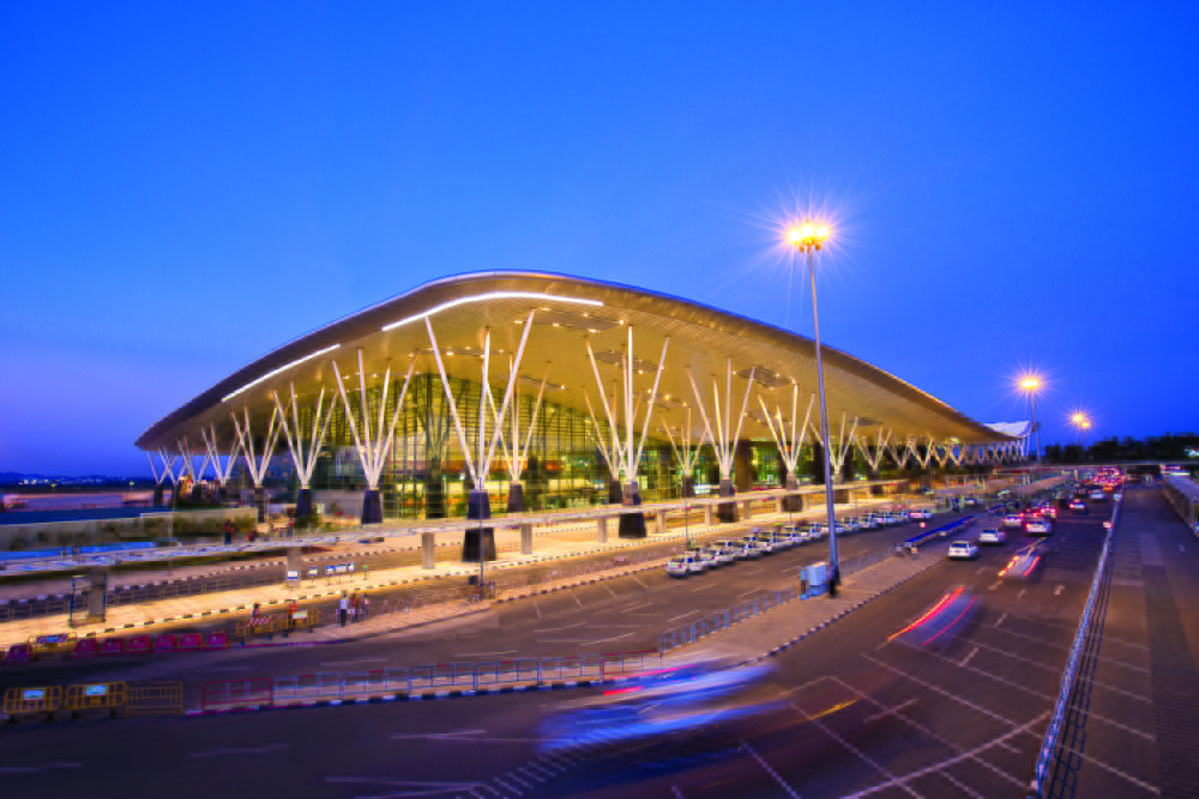
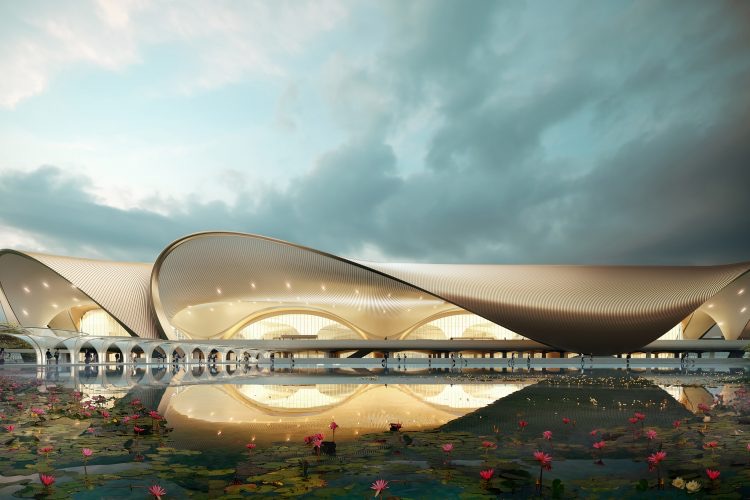
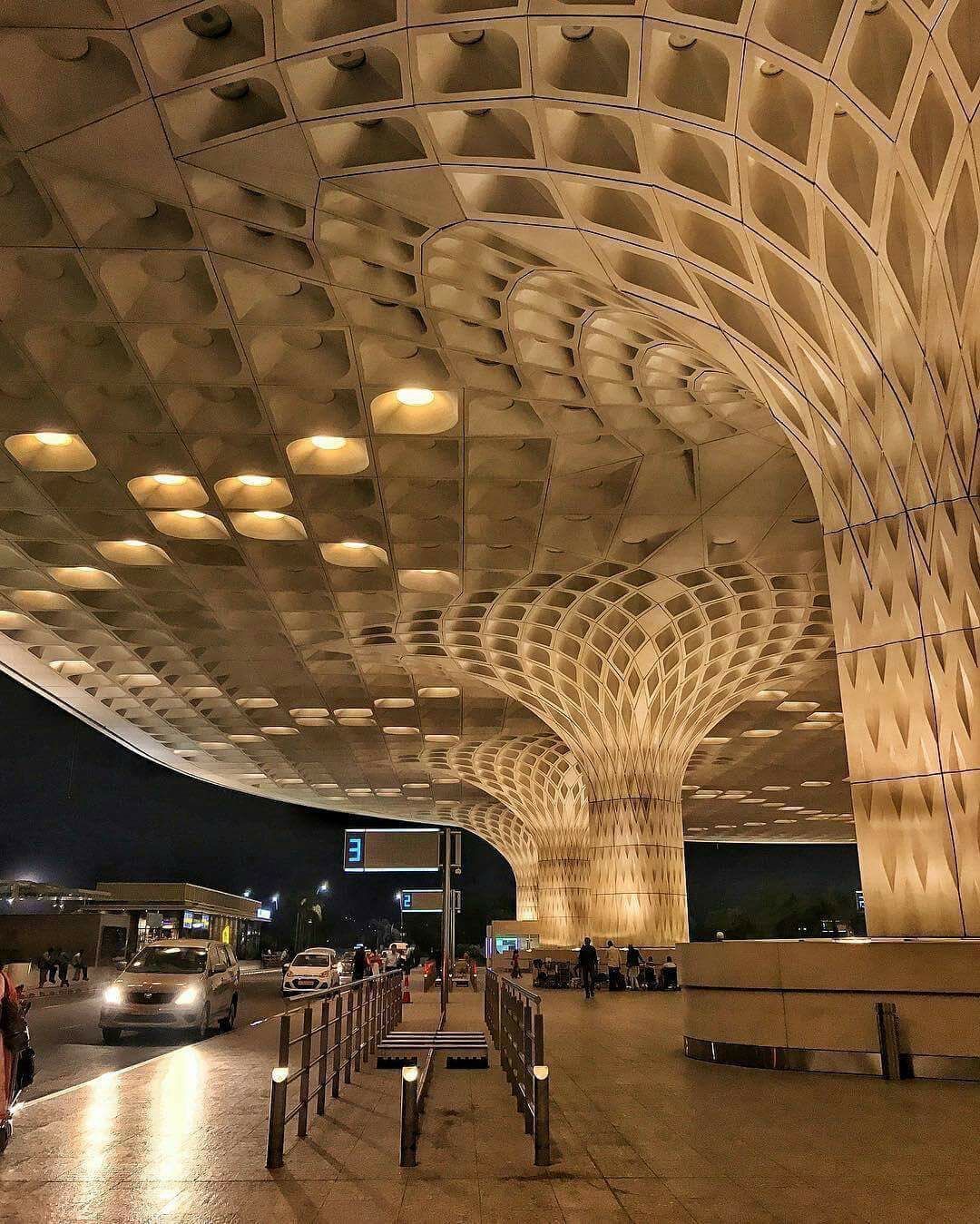
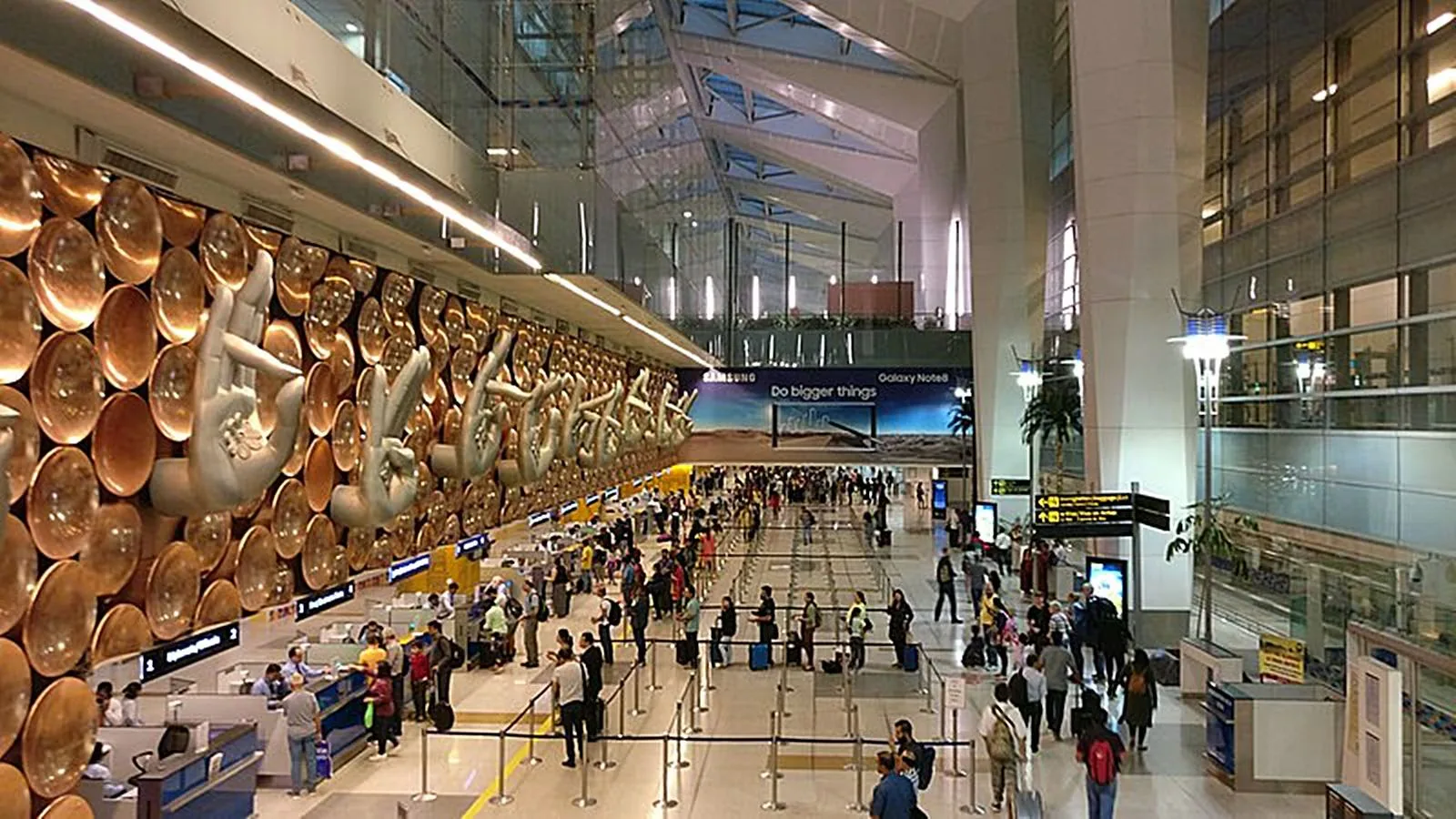
The architecture and design of the terminal reflect contemporary sensibilities and cultural inspirations, with subtle nods to Indian motifs and an emphasis on passenger comfort. The airport has also embraced modern technologies, including contactless check-in and Digi Yatra-enabled processing, designed to streamline passenger flow from arrival through departure.
Strategically located approximately 35 to 50 kilometres from North and South Mumbai and around 35 to 45 kilometres from the city’s eastern suburbs, the airport’s placement aims to make air travel more accessible to a broad swath of the metropolitan population. As the first phase of a multi-stage rollout, the facility is expected to significantly reduce strain on Mumbai’s existing airport, which for decades has handled enormous flight traffic from a single runway.
Looking ahead, flight schedules and connectivity are set to grow rapidly in the coming months. IndiGo, which pioneered the first services, is operating flights to thirteen destinations and will continue to expand frequencies. Additional routes and increased flight frequencies are anticipated as the airport scales up operations, with several weekly and daily flights connecting more cities across India.
The launch of commercial flights at Navi Mumbai International Airport represents not just the opening of a new travel hub but a transformative moment for the region’s economy and infrastructure. With plans to eventually host round-the-clock operations, grow its network of destinations, and enhance passenger amenities, the airport is poised to become a key gateway for travellers in western India. Its success will not only improve convenience for frequent flyers but also support broader goals of economic growth, tourism, and national connectivity.