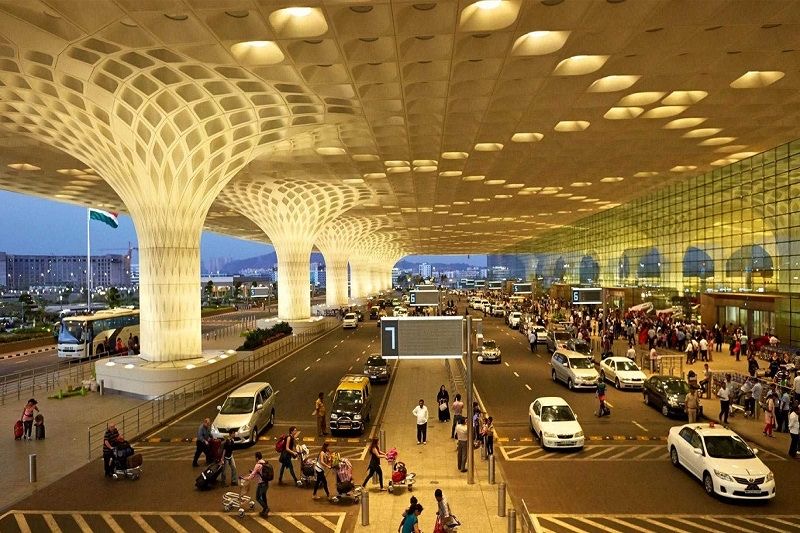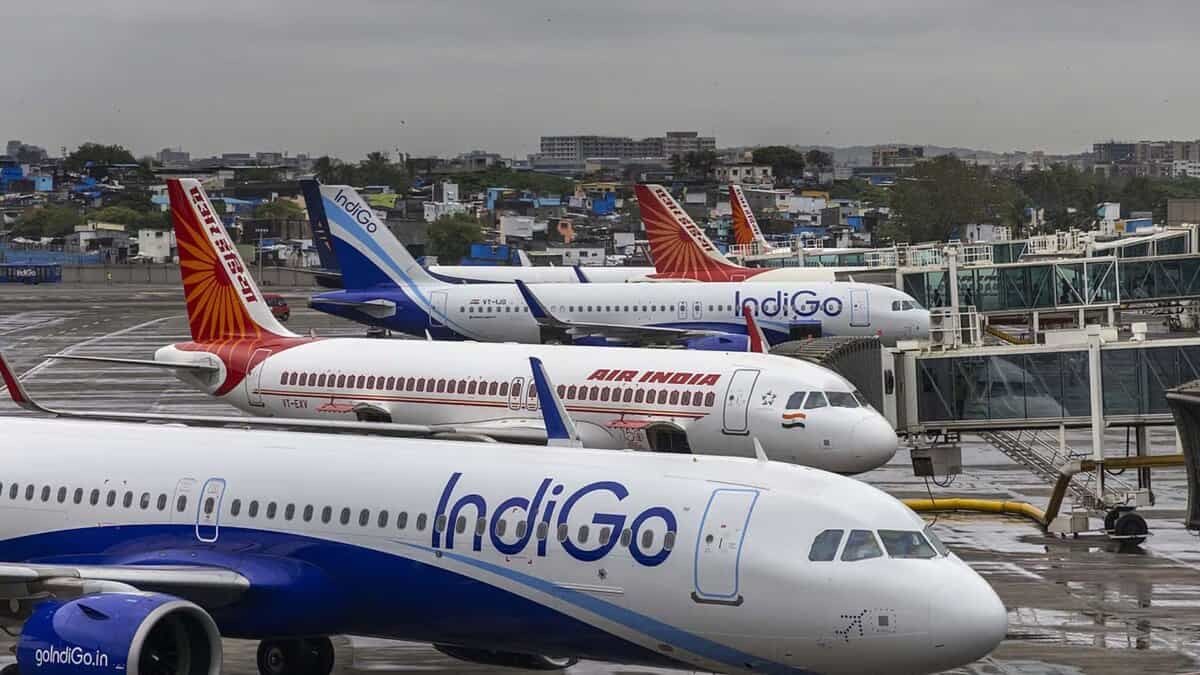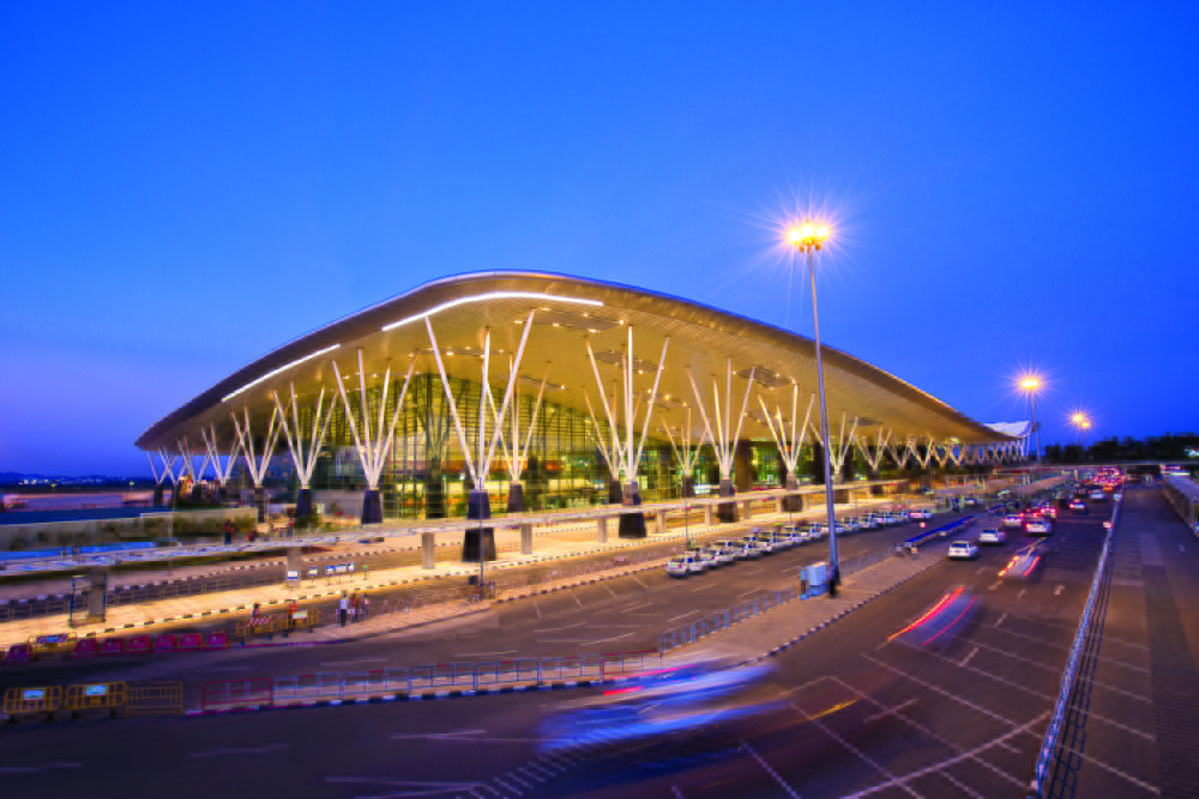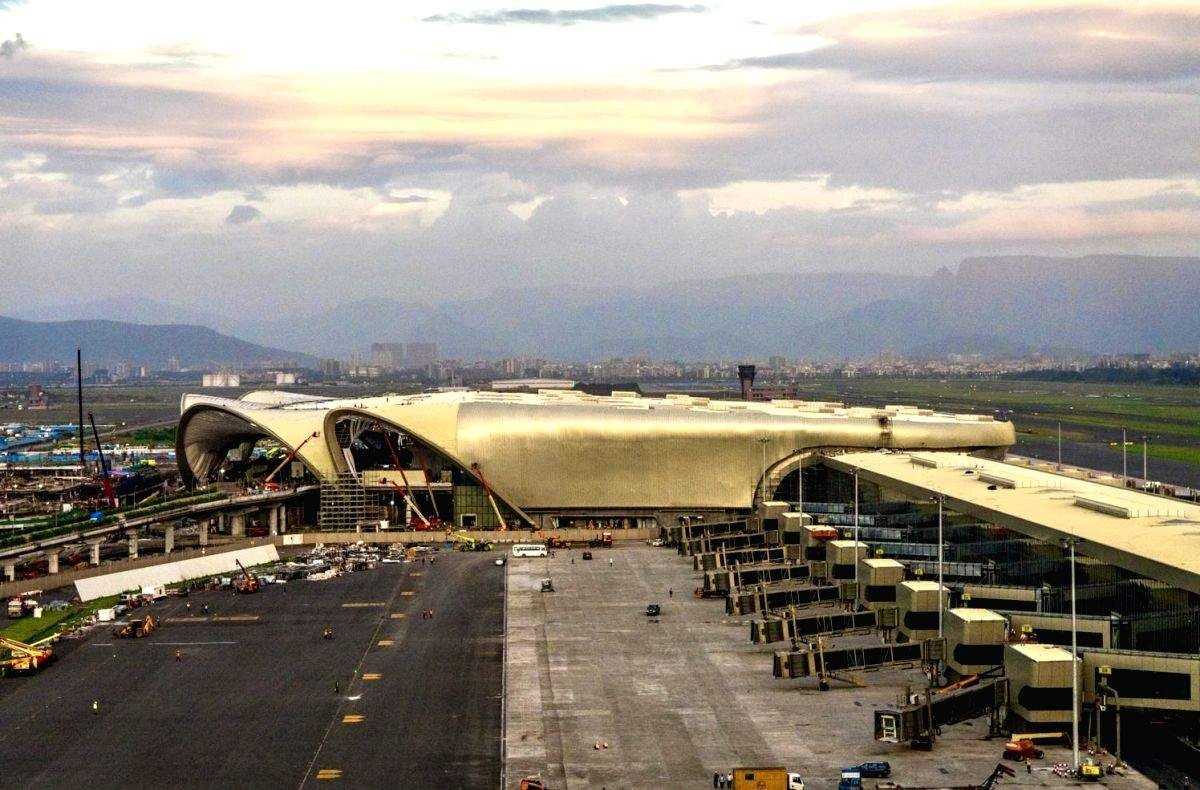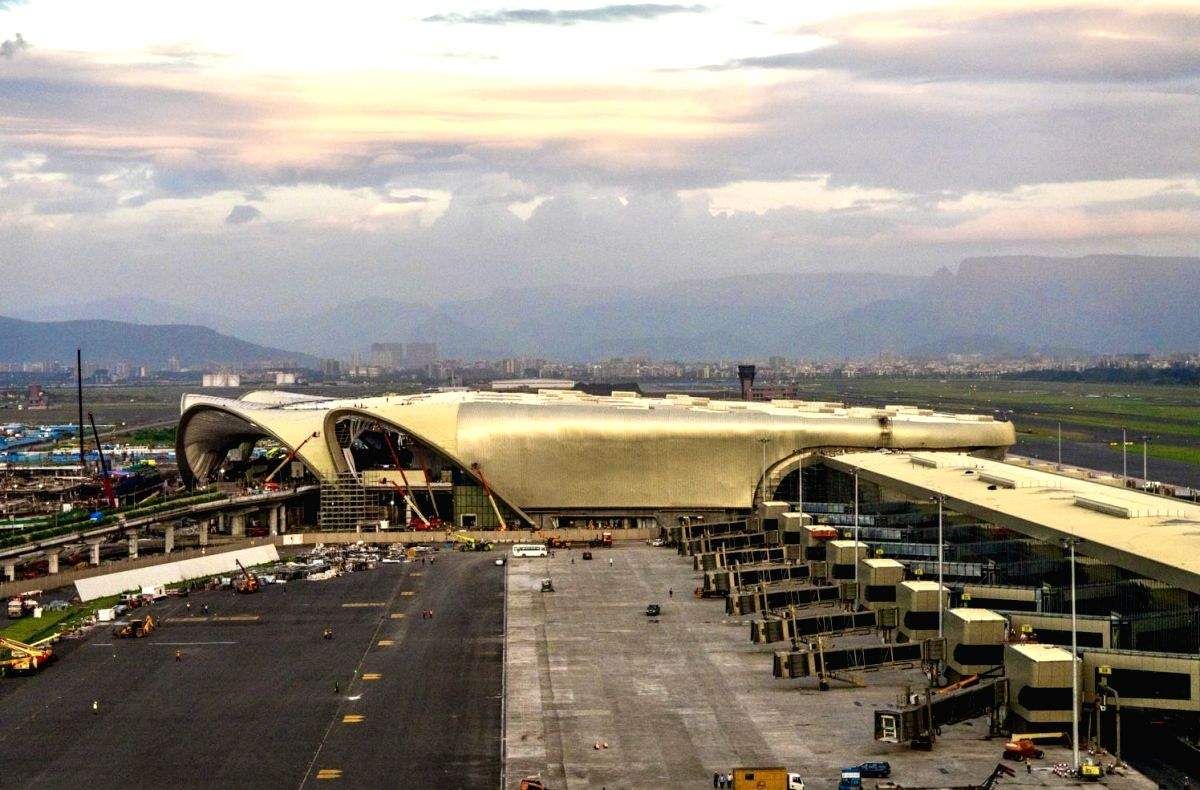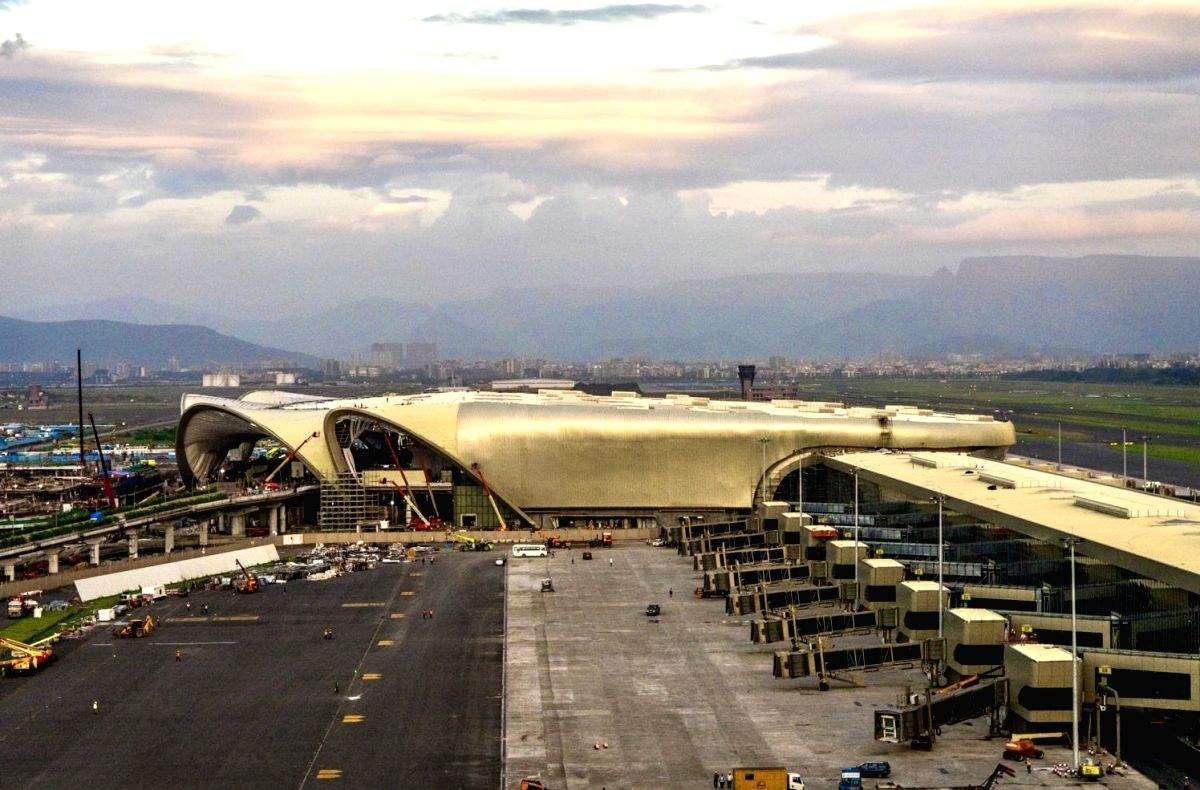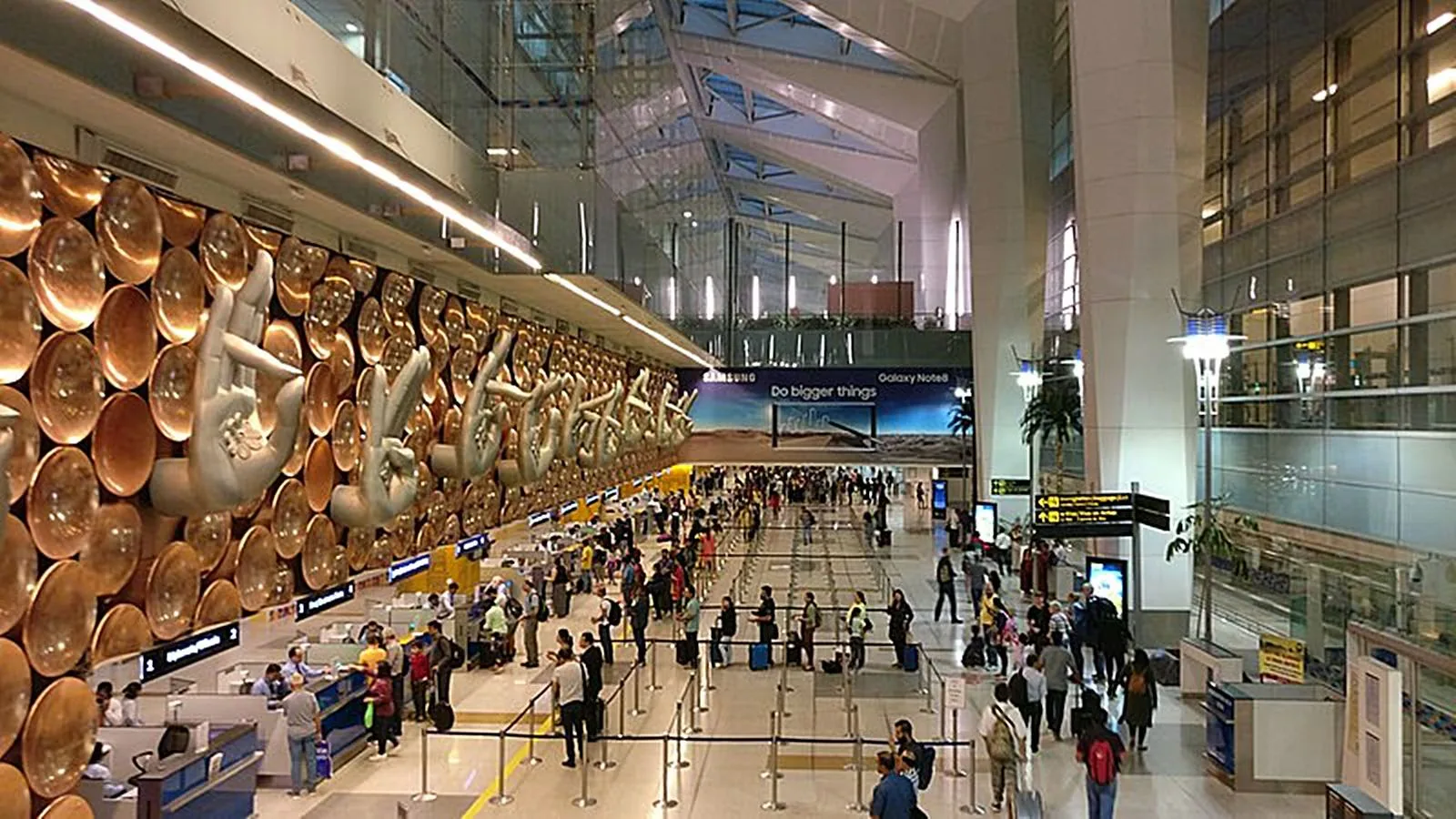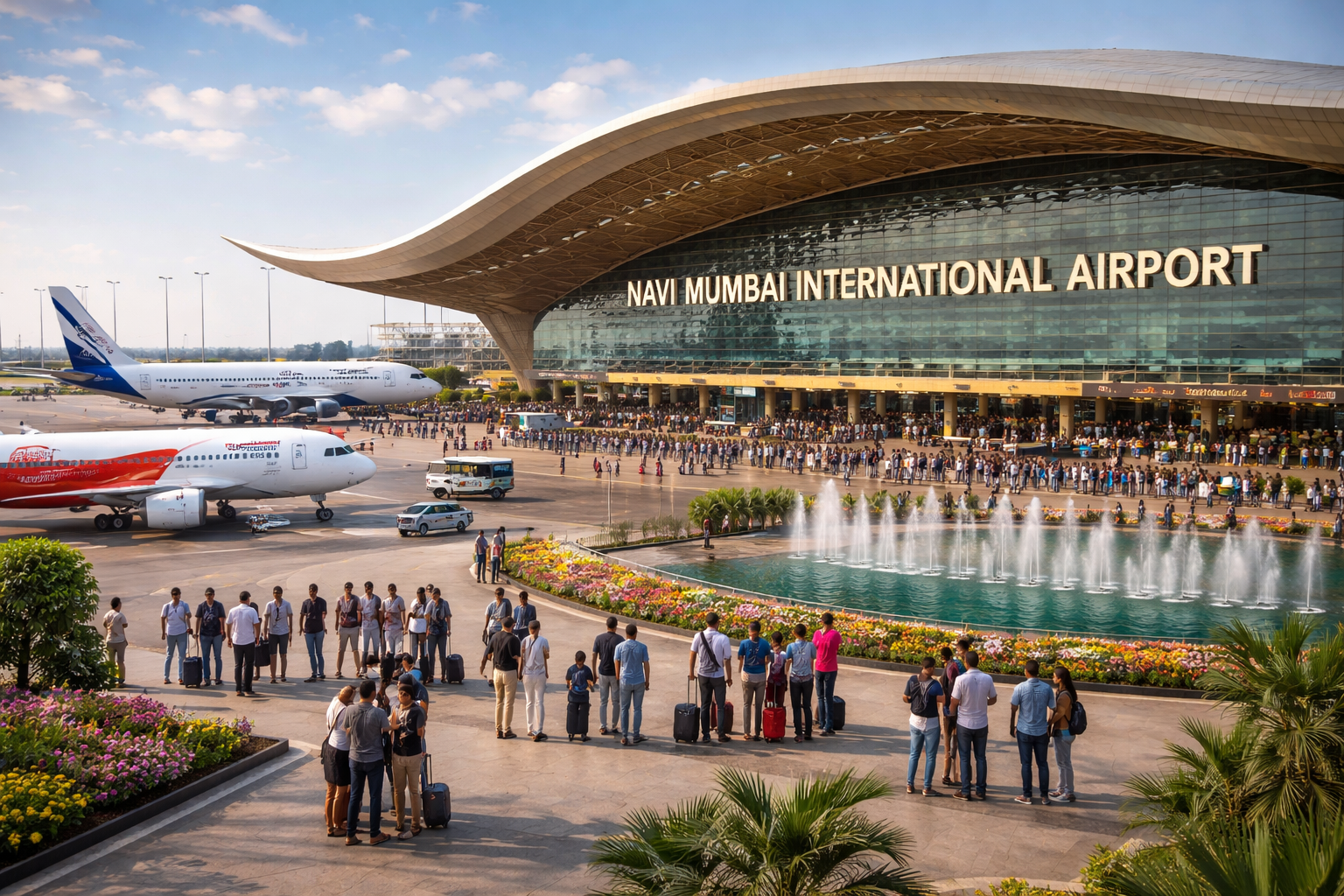
Navi Mumbai International Airport marked a major milestone in India’s aviation journey as it began commercial passenger operations with an impressive opening day. The long-awaited airport handled a total of 48 flights and served more than 4,000 passengers on its very first day, signalling a confident and well-prepared start to operations. The launch represents a significant step toward easing congestion at Mumbai’s existing airport and meeting the region’s growing demand for air travel.
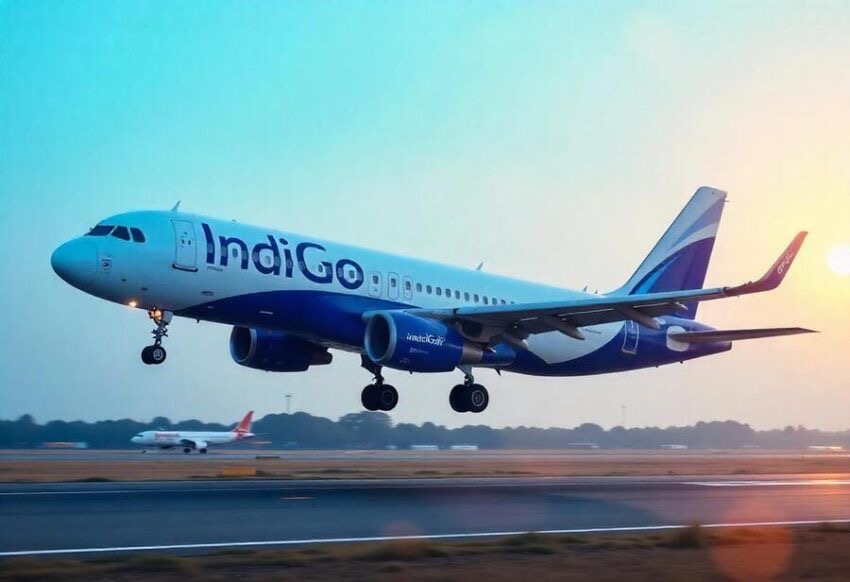
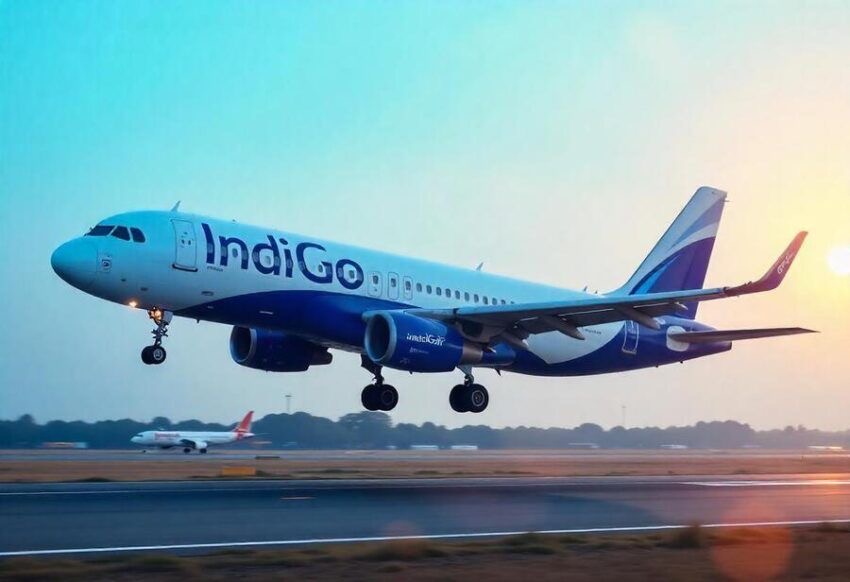
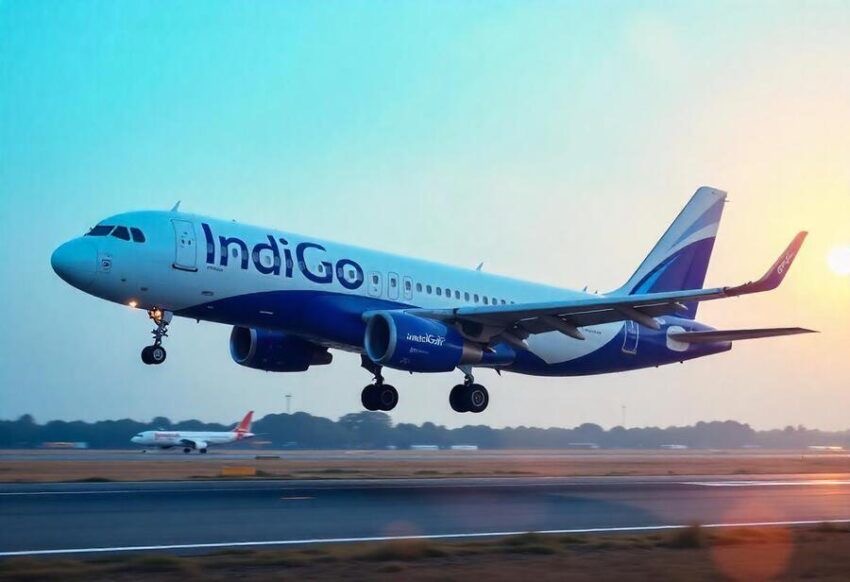
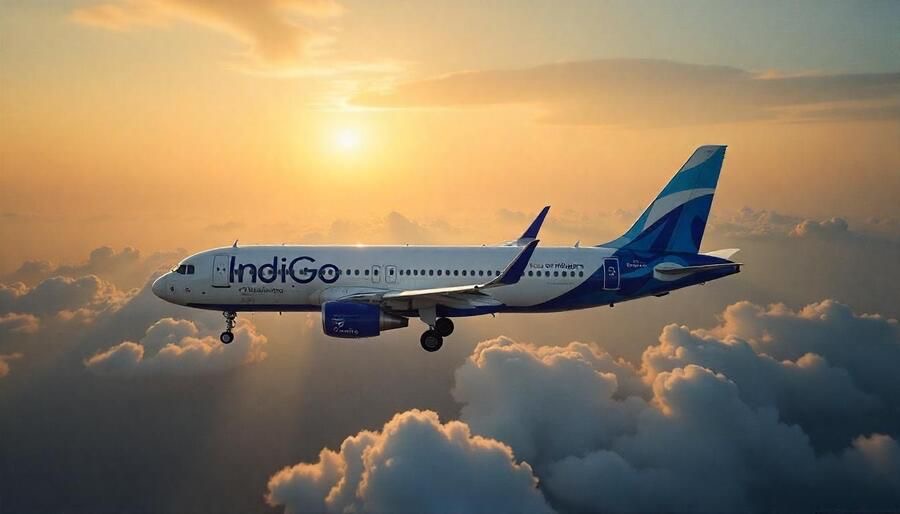
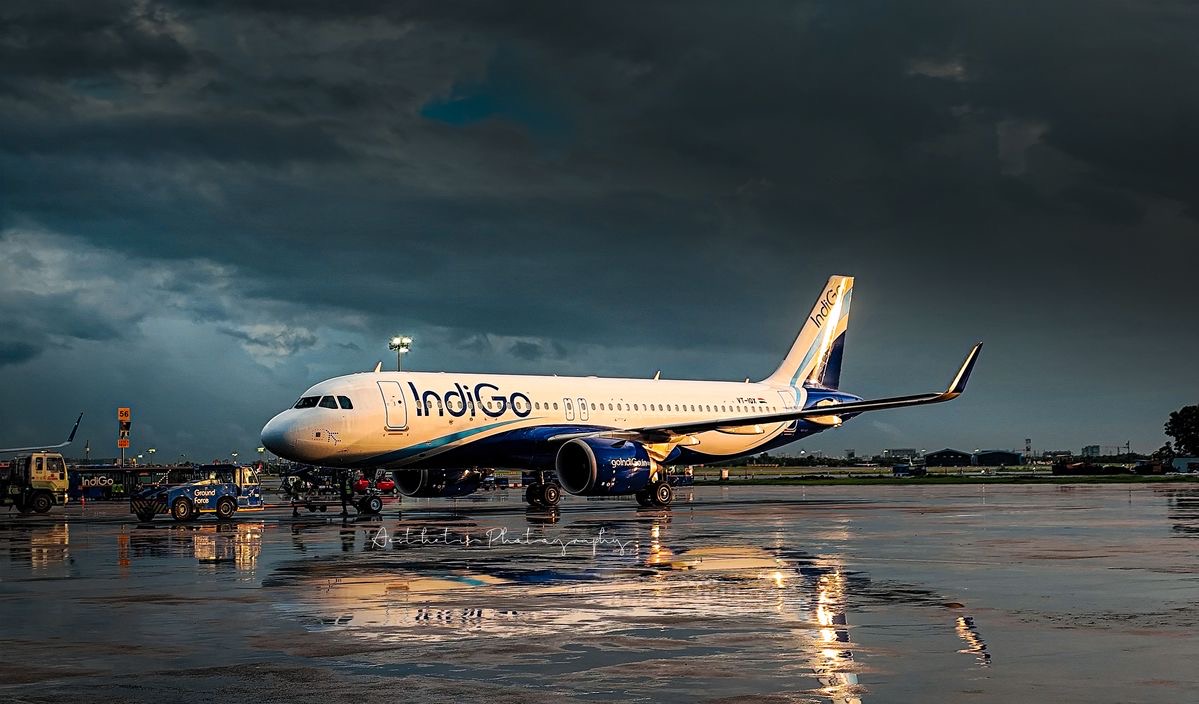
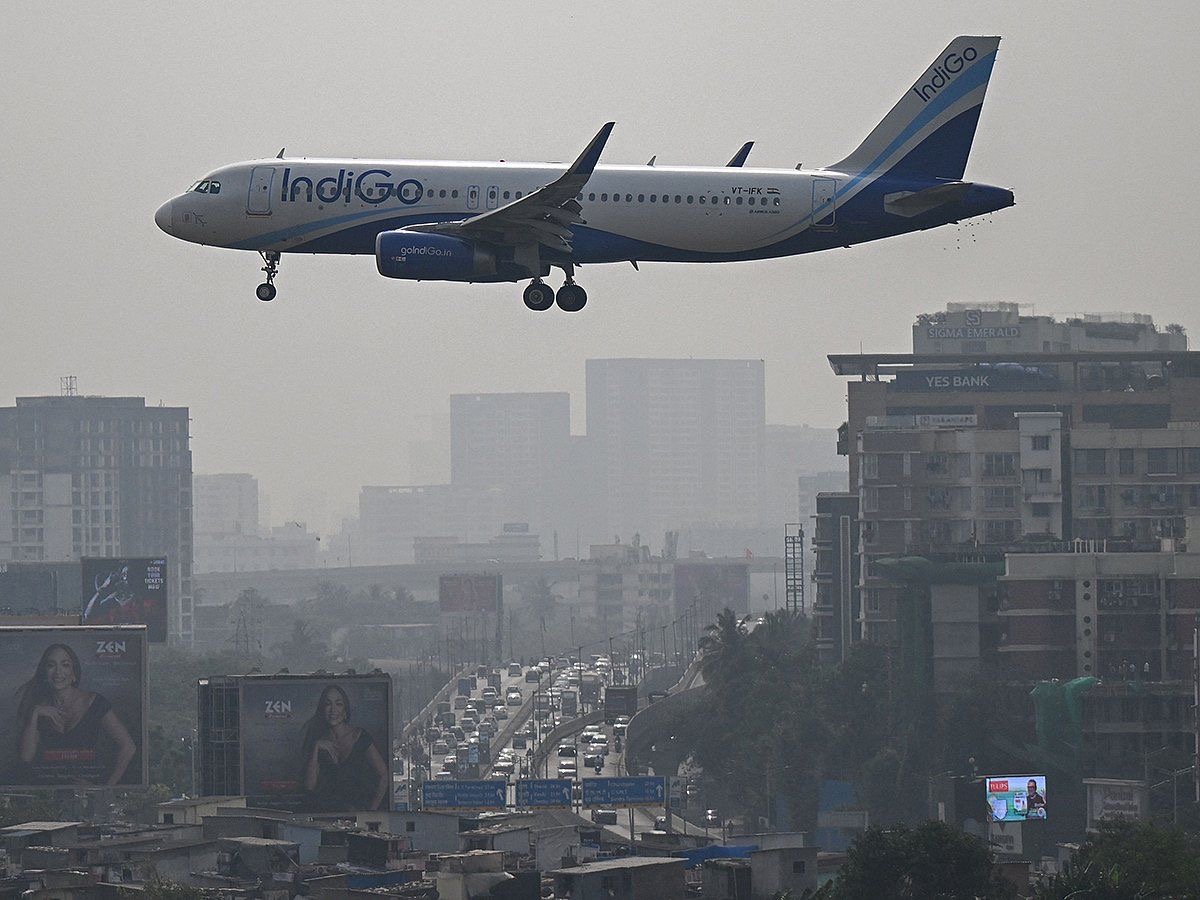
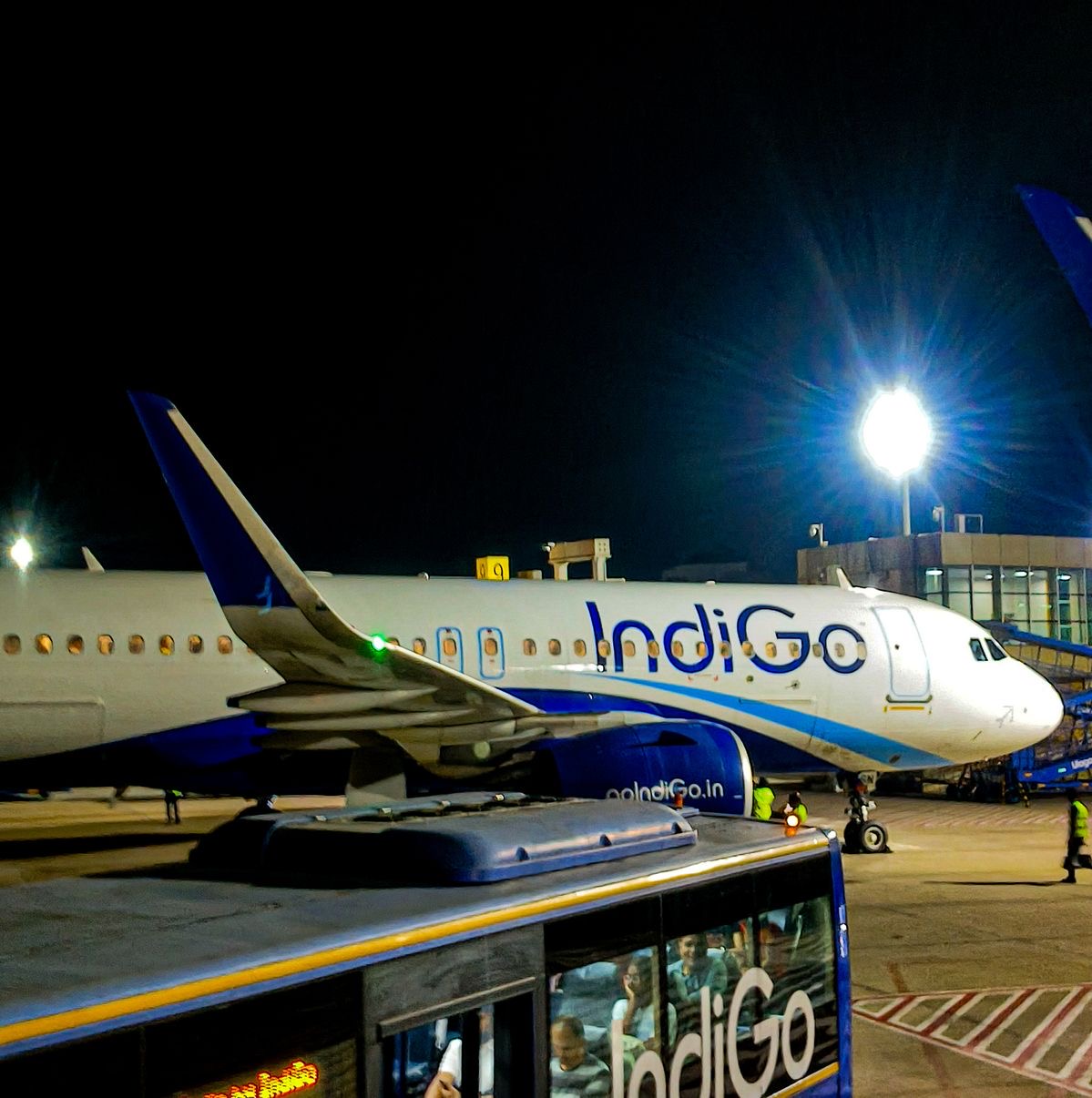
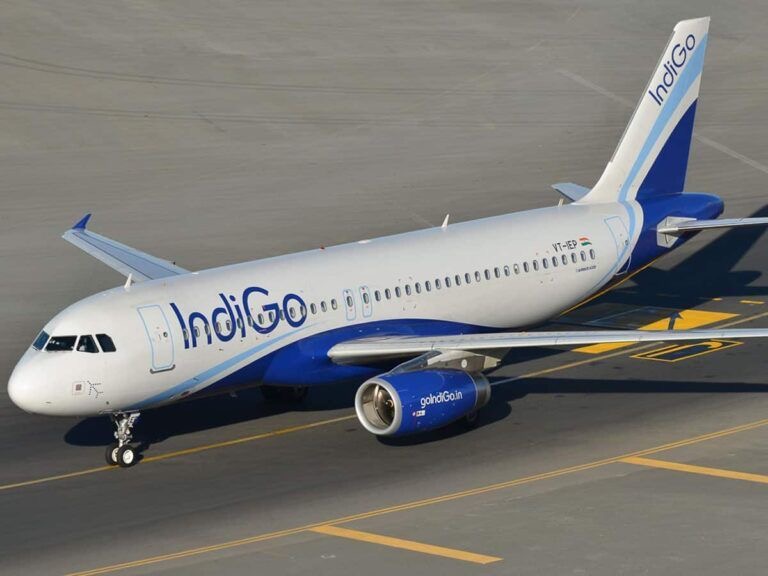
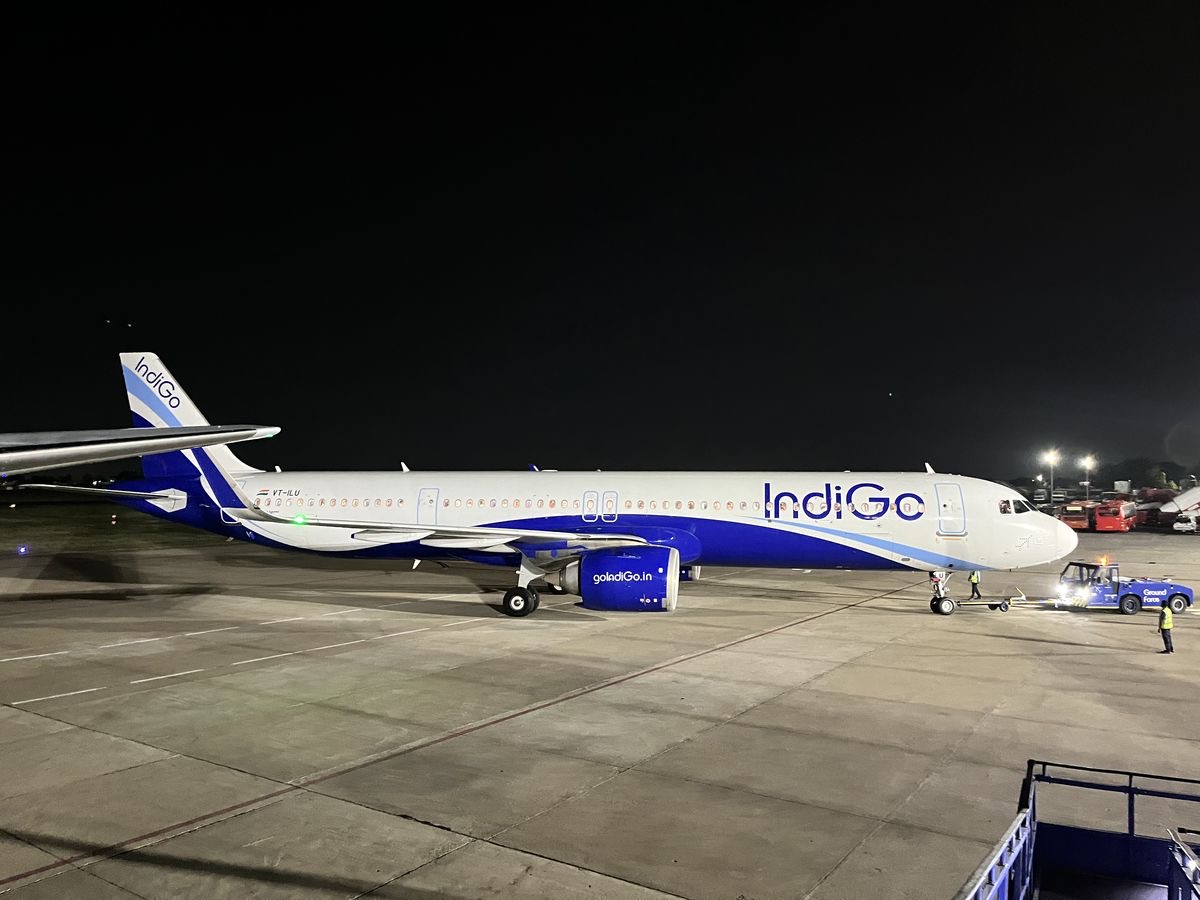
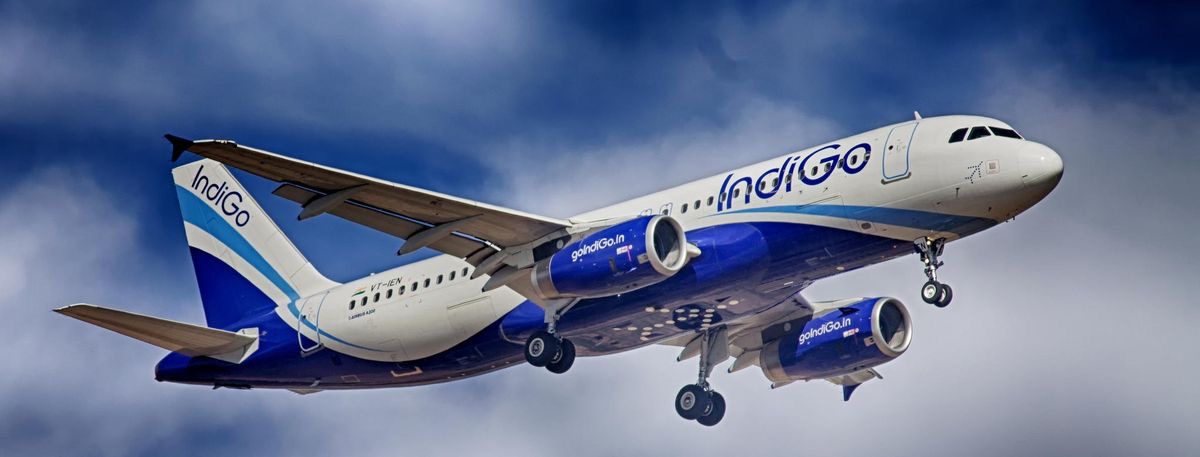
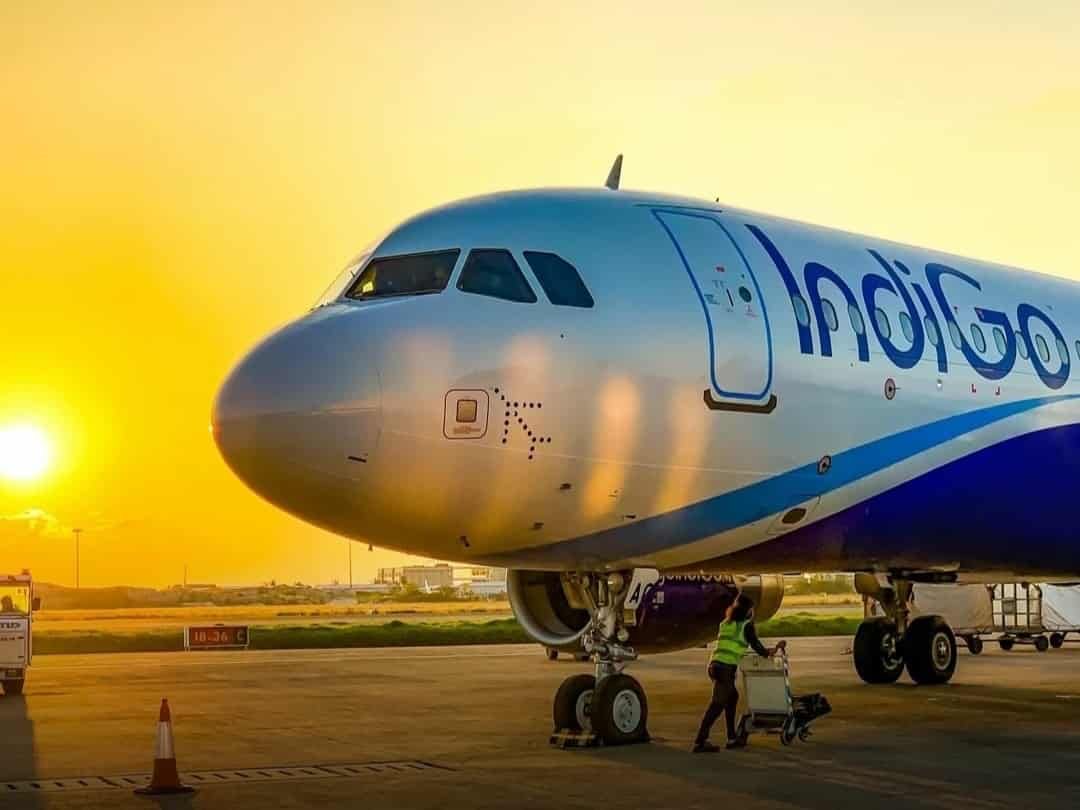
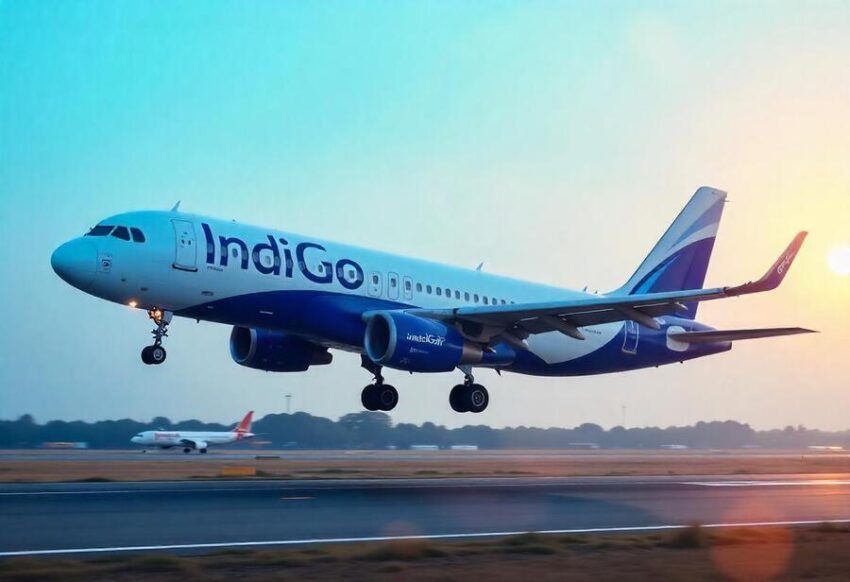
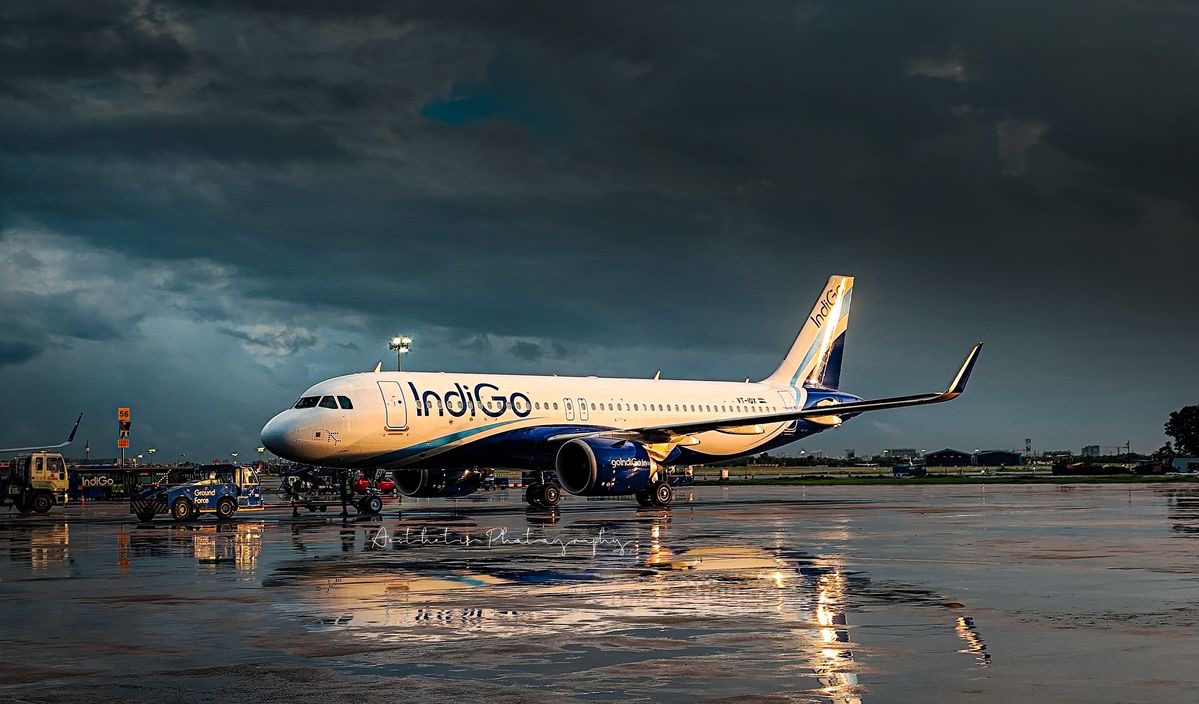
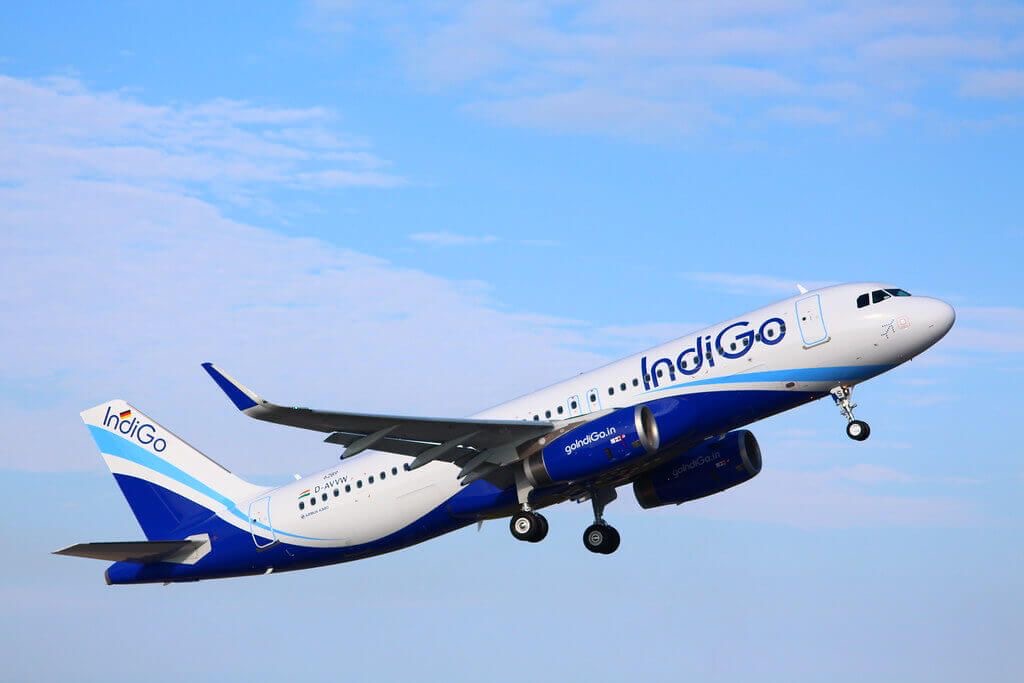
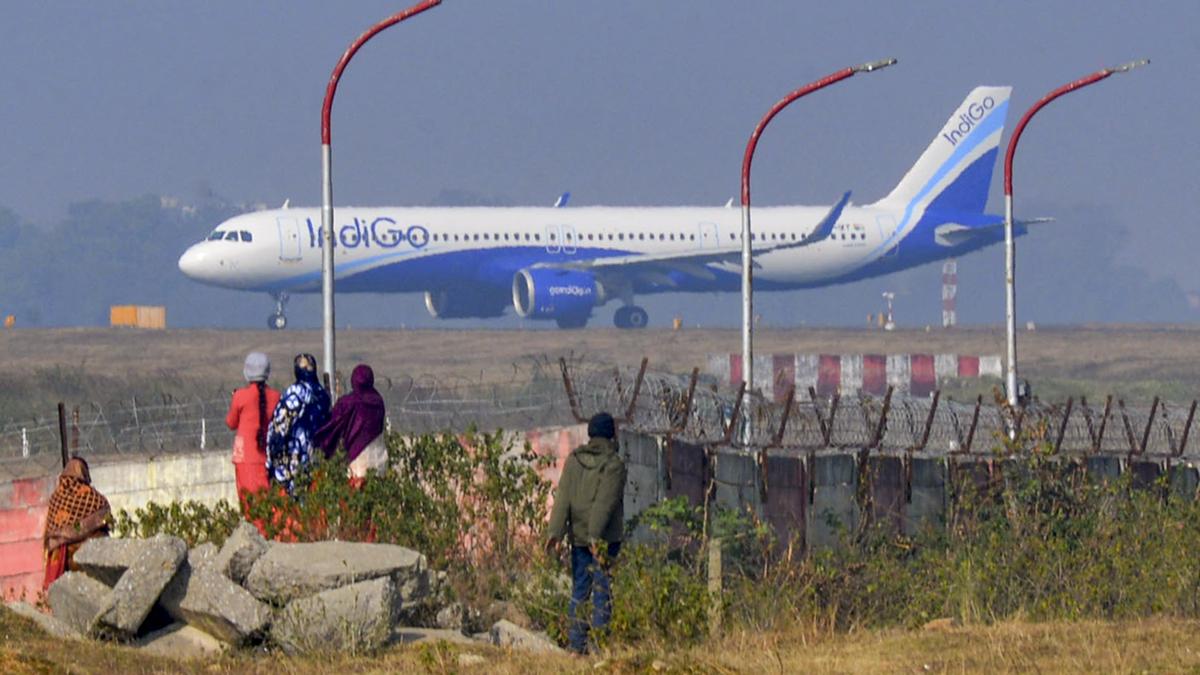
The first commercial arrival at the new airport was an IndiGo flight from Bengaluru, which landed in the early morning hours and was welcomed with a traditional water cannon salute. The moment set a celebratory tone for the day and symbolised the culmination of years of planning, construction, and coordination. Airport staff, airline personnel, and passengers alike marked the occasion as a historic turning point for Navi Mumbai.
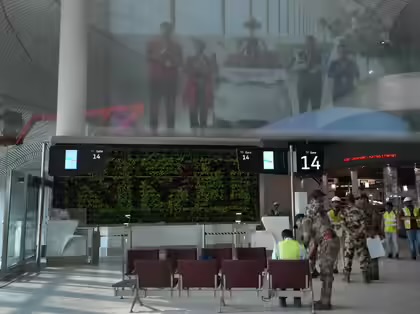
Throughout the day, flights connected the airport to nine domestic destinations, reflecting strong airline participation and passenger interest from the outset. The busiest period was recorded during the early morning hours, when multiple departures and arrivals took place smoothly, demonstrating the airport’s operational readiness. Officials noted that systems, staffing, and passenger flow performed as expected during peak movement hours.
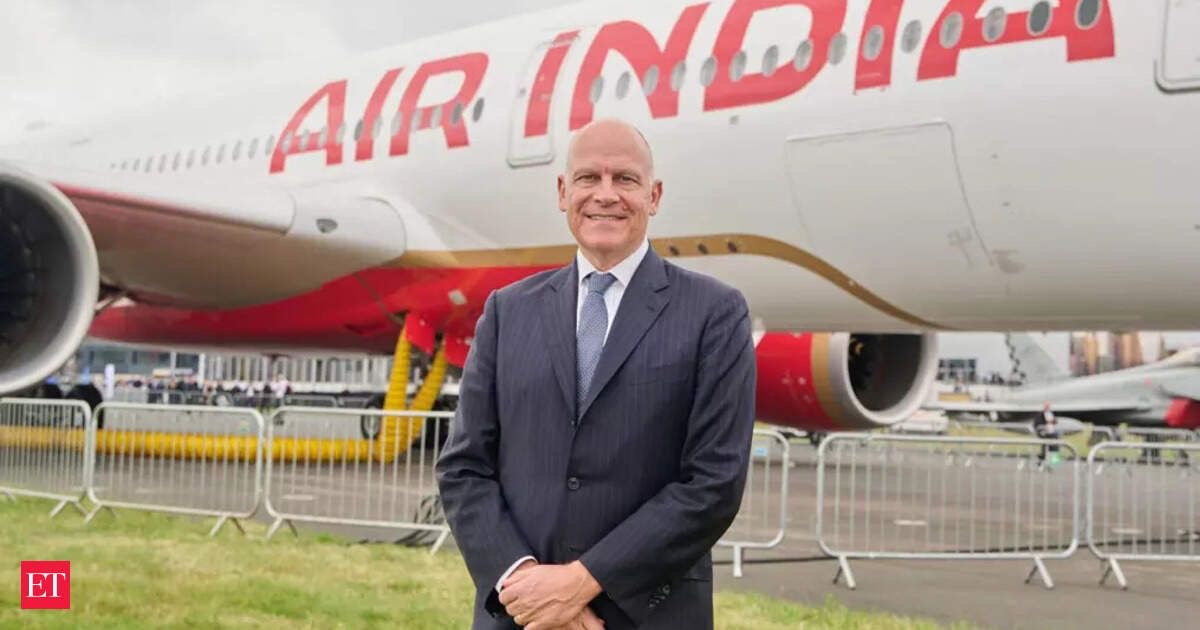
The opening day also carried a strong symbolic and emotional element. Senior leadership from the airport’s operating group were present on site, personally welcoming passengers and interacting with frontline workers. Their presence underscored the importance of the project and highlighted the collective effort behind bringing the airport into service.
In addition to routine flight operations, the inauguration was marked by ceremonial events that reflected national pride and inclusivity. A formal flag-hoisting ceremony was held, followed by the national anthem. Distinguished guests from various fields attended the event, adding to the sense of occasion and public significance.
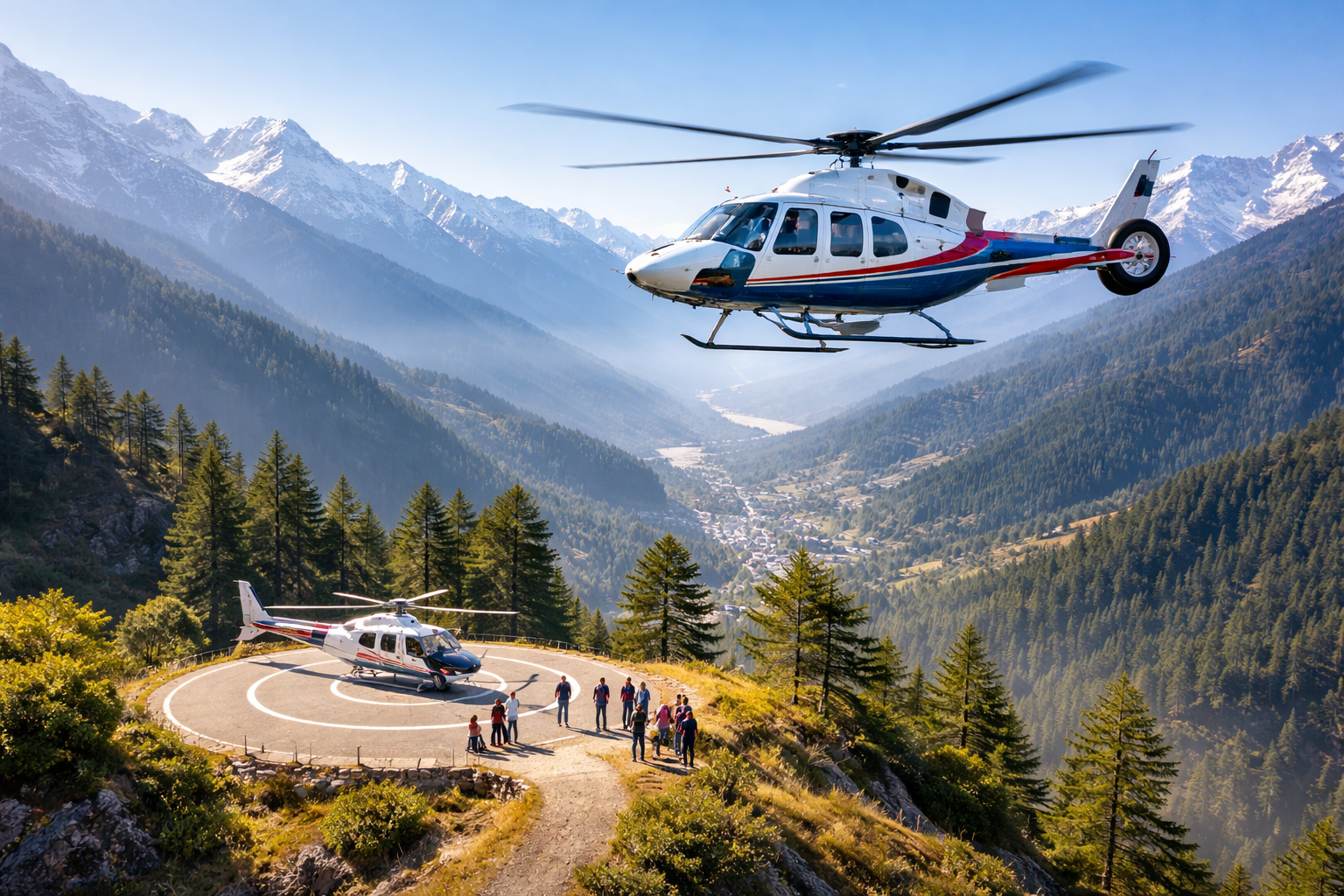
Special arrangements were also made to ensure that the celebrations extended beyond regular travellers. Groups including farmers, underprivileged families, and persons with disabilities were offered chartered joy flights, giving them an opportunity to experience air travel and view the Mumbai skyline from above. These gestures were widely appreciated and added a human touch to the airport’s opening.
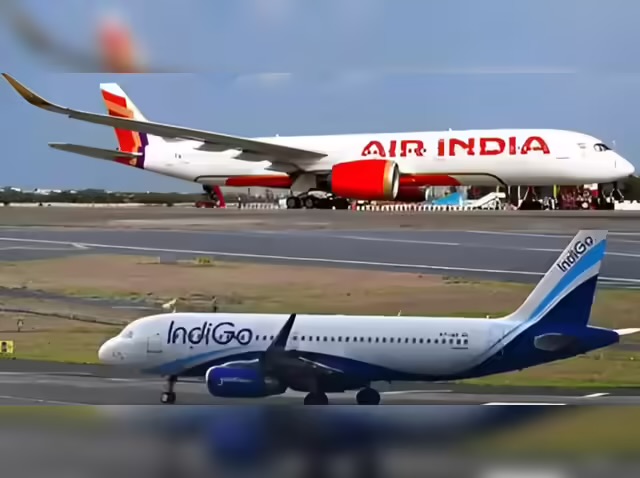
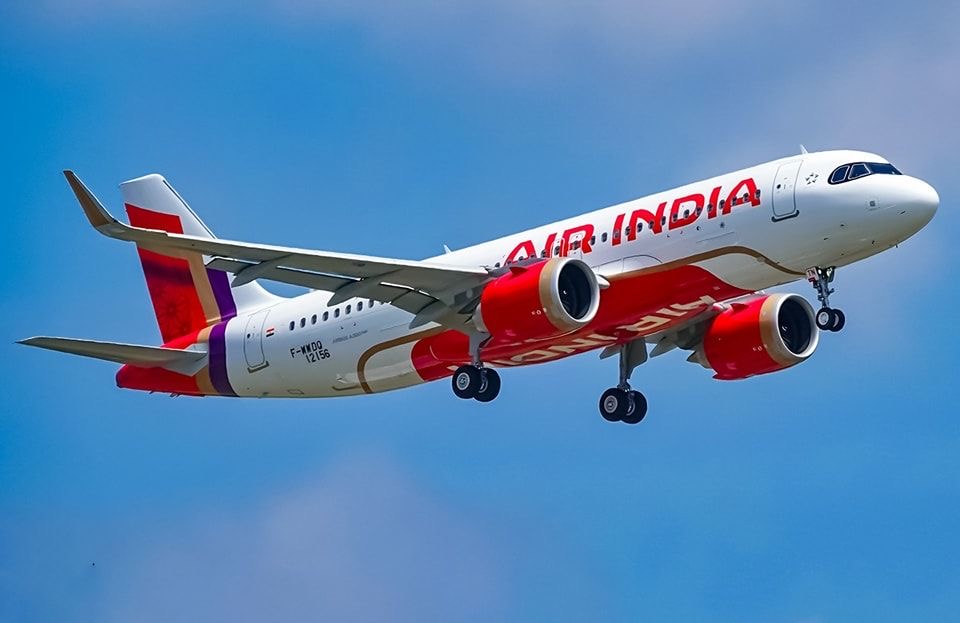
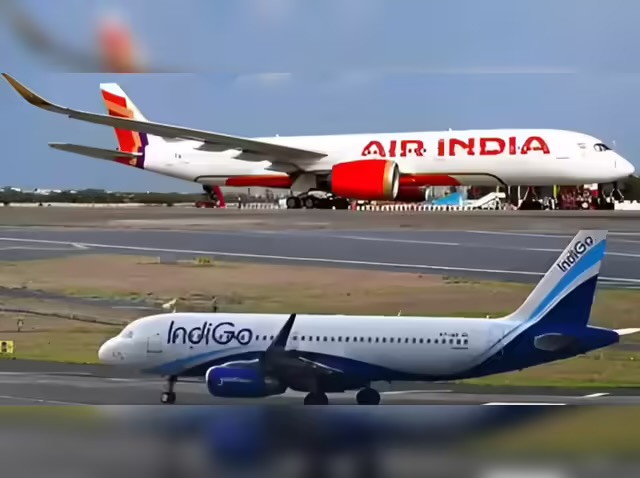
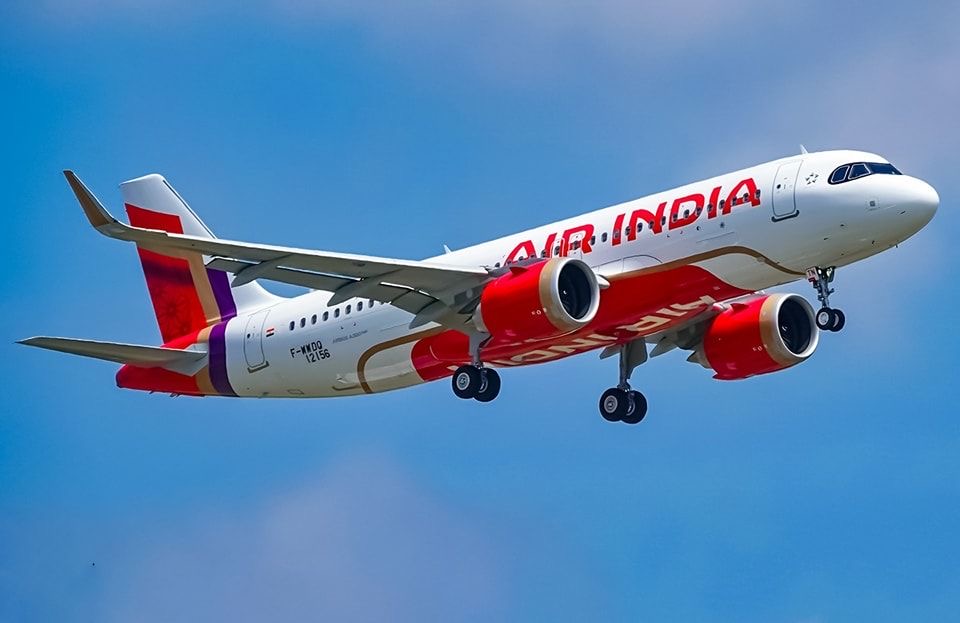
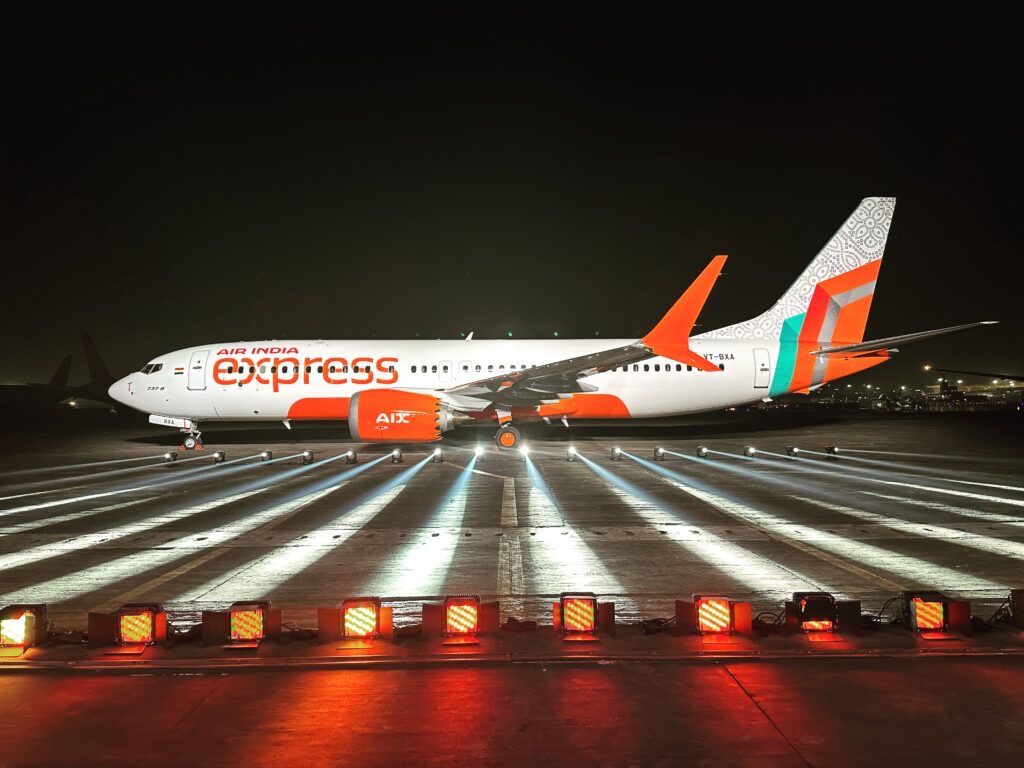
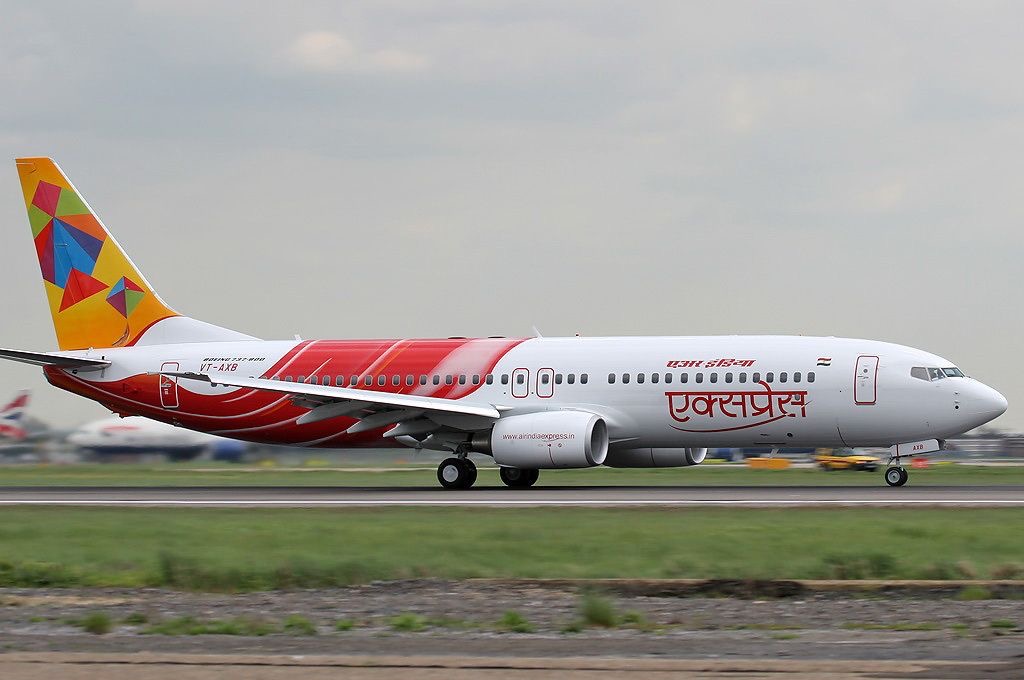
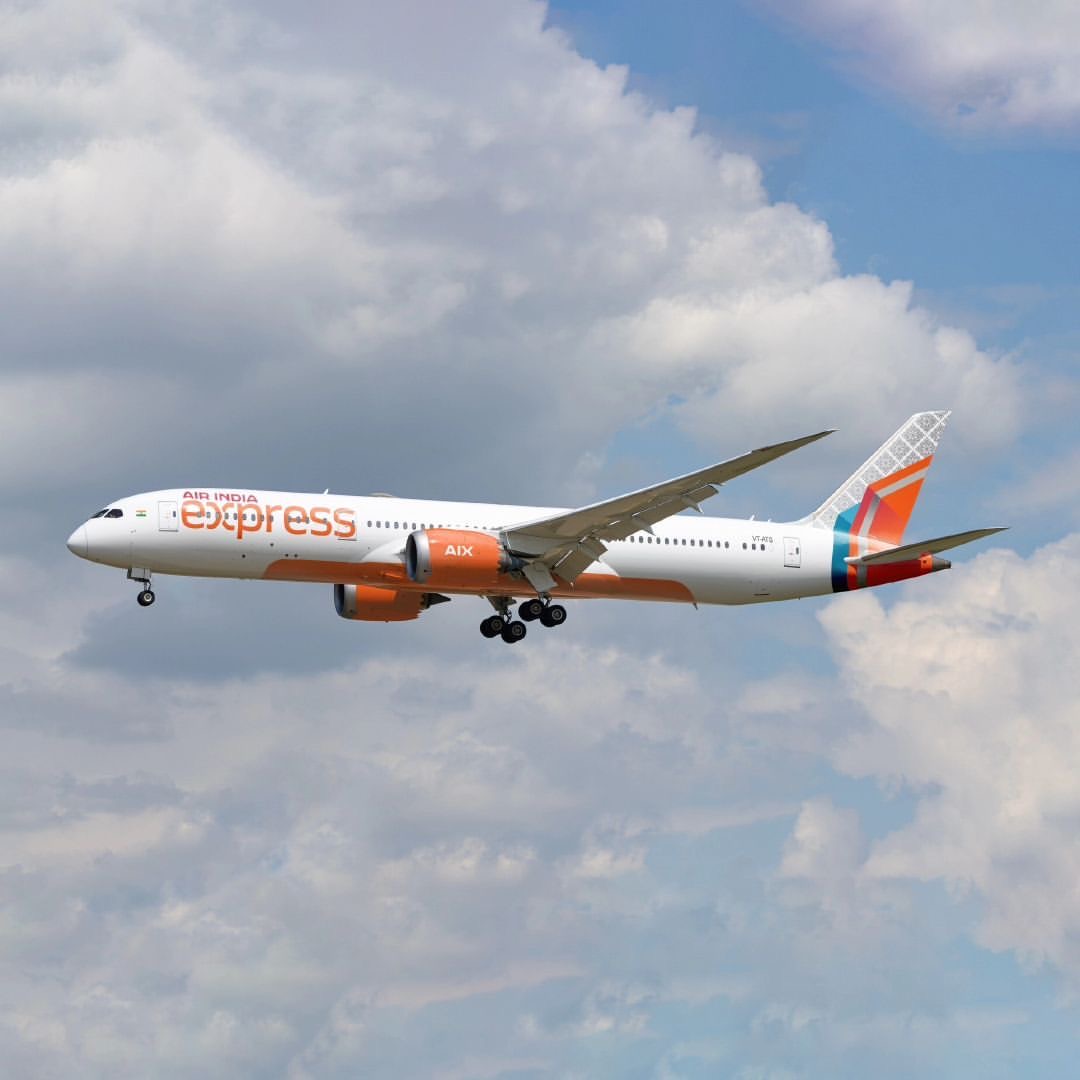
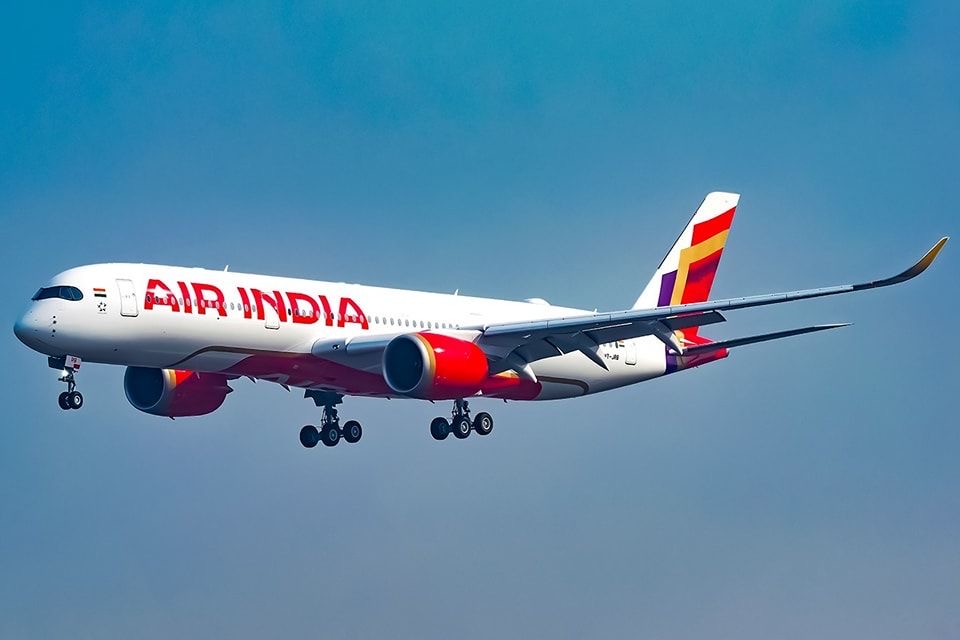
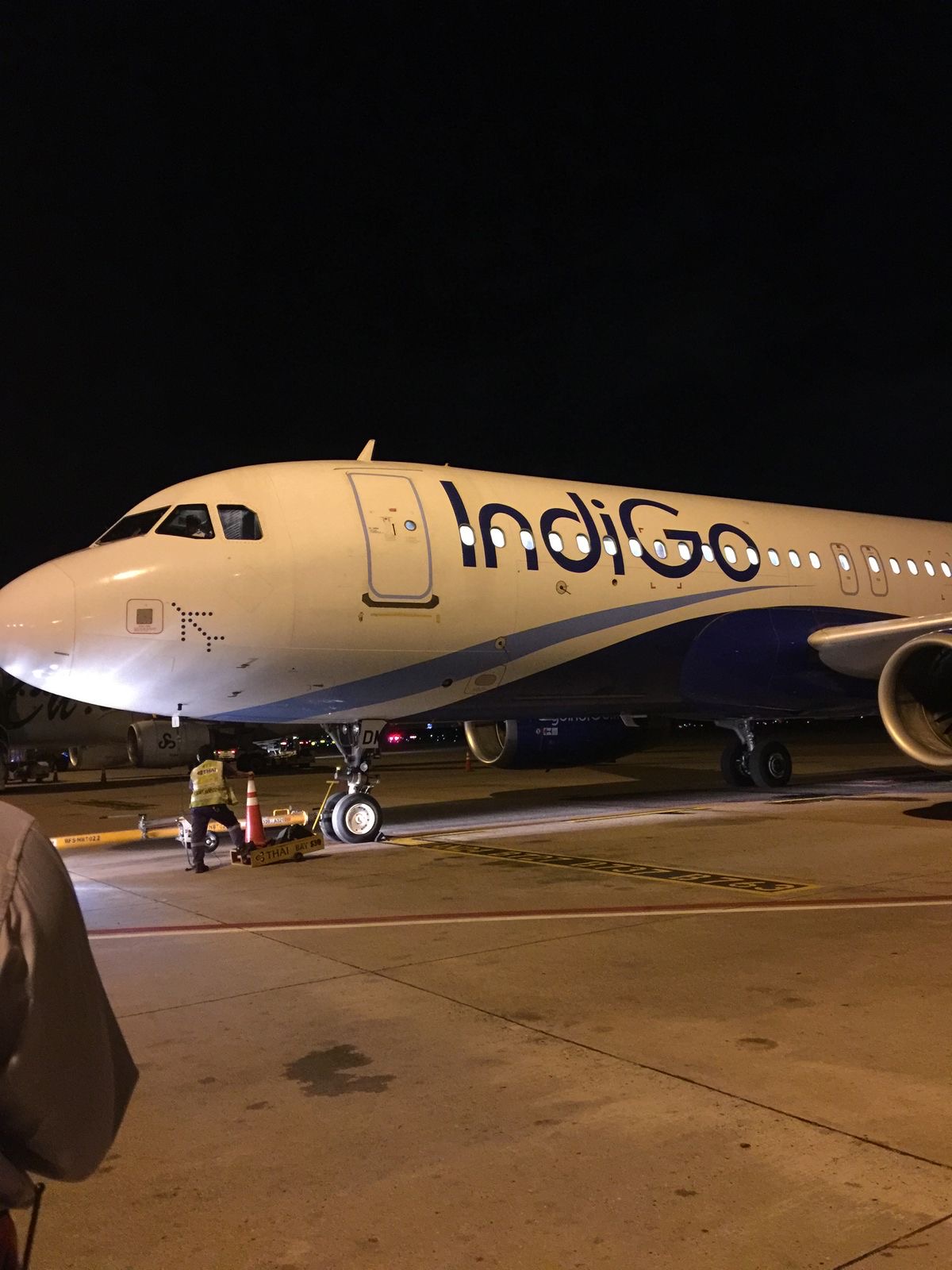
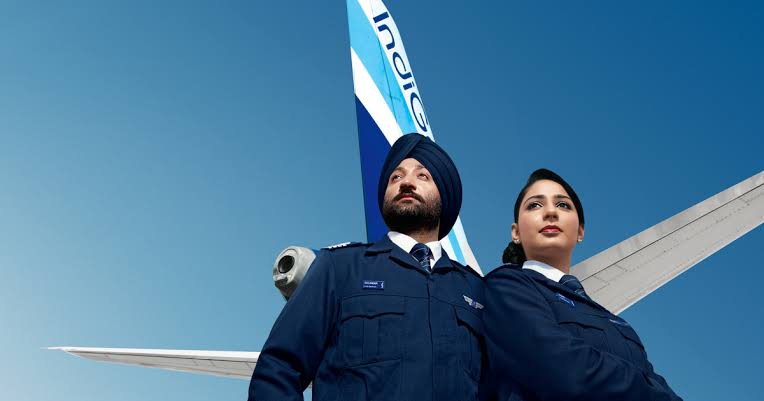
Airlines including IndiGo, Air India Express, and Akasa Air operated scheduled flights on day one, indicating broad industry confidence in the new facility. The airport is expected to play a crucial role in expanding air connectivity across the Mumbai Metropolitan Region while supporting future growth in passenger and cargo traffic.
On the evening before commercial operations began, the airport precinct was lit up with a large drone display that illuminated the sky with themes of progress and ambition. The visual spectacle served as a fitting prelude to the launch of an infrastructure project that is expected to shape the future of aviation in western India.
Overall, the first day of operations at Navi Mumbai International Airport was widely viewed as a success. With smooth flight handling, strong passenger turnout, and a festive atmosphere, the airport’s debut signalled the beginning of a new chapter in India’s aviation story, one focused on capacity expansion, improved connectivity, and long-term growth.