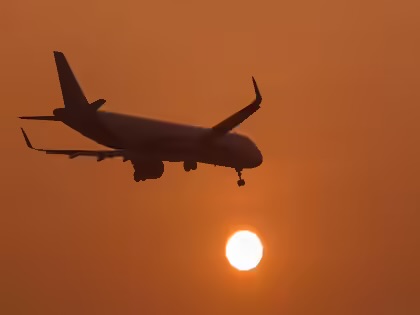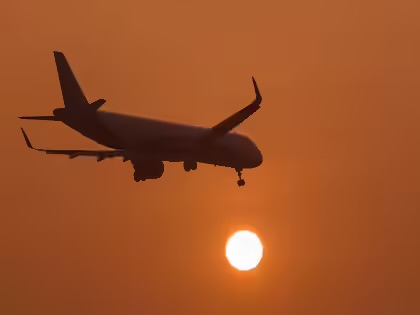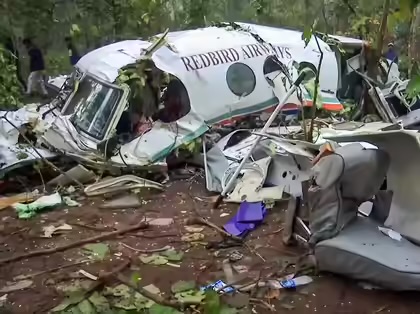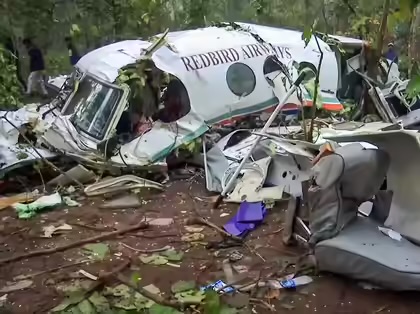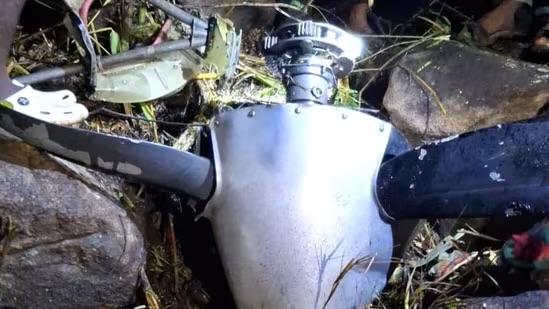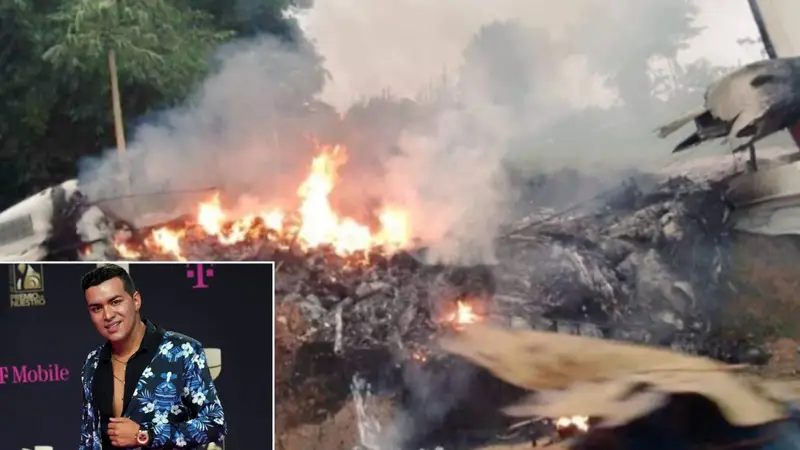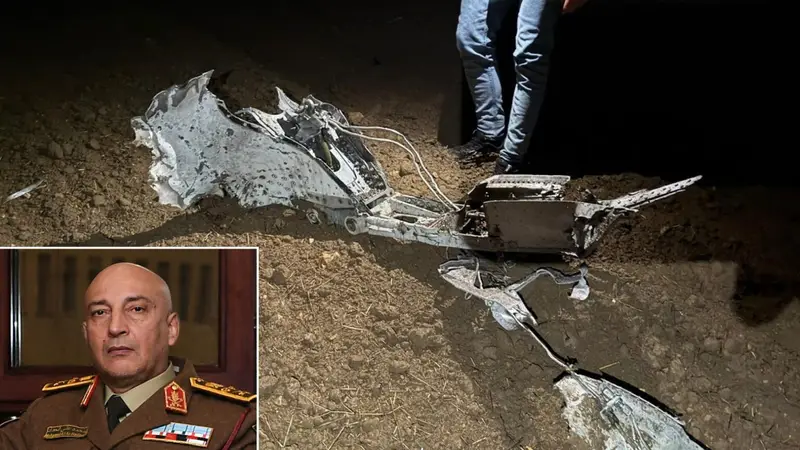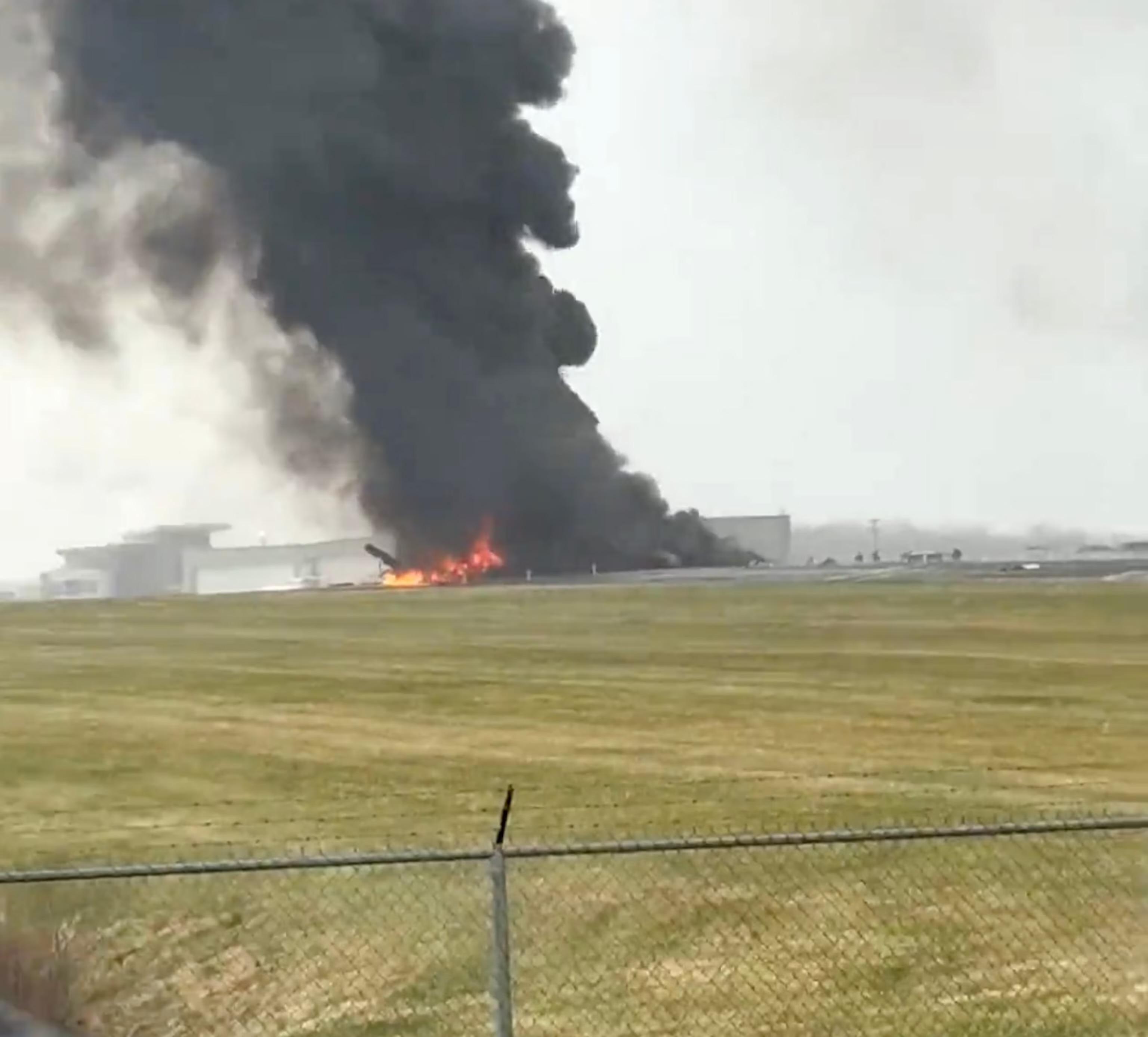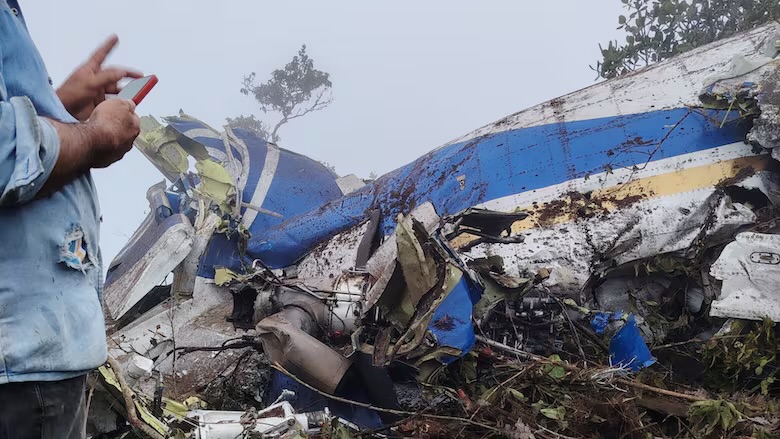
A small passenger plane crashed in a remote region of northeastern Colombia, killing all 15 people on board including a sitting member of the country’s Congress and a candidate running for office, authorities said. The aircraft, operated by the state-owned regional carrier Satena, disappeared from air traffic control shortly after takeoff and was later found wrecked amid rugged terrain in the Norte de Santander province.
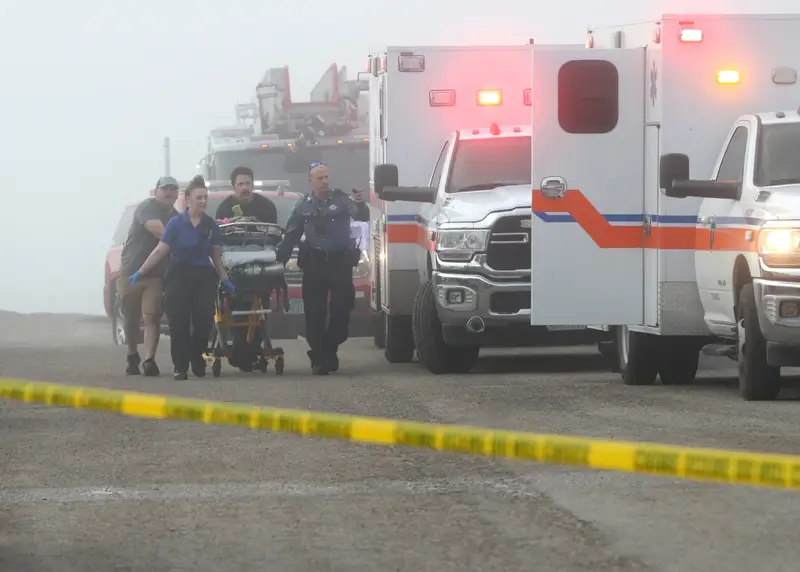
The flight had departed from Cúcuta on a short domestic hop toward Ocaña, both towns located near Colombia’s border with Venezuela. Less than 15 minutes after takeoff, the aircraft lost contact with air traffic controllers, raising alarms and prompting local search efforts. Rescue crews and officials later located the wreckage in a sparsely populated rural area, where they confirmed that no one aboard had survived.
Among those killed were Diógenes Quintero, a 36-year-old member of the Colombian House of Representatives representing the Catatumbo region, and Carlos Salcedo, a community leader who was campaigning as a candidate for Congress in upcoming elections. Quintero was known for his work as a human rights lawyer and as one of the representatives for victims of the country’s long-running internal conflict. He was elected in 2022 as part of a special peace process initiative that aimed to give voice to communities affected by decades of armed strife.
The small turboprop aircraft carried two crew members and 13 passengers when it went down, with the final contact reported just minutes after departure. The mountainous terrain and dense vegetation of northern Colombia posed significant challenges for the recovery operation, requiring ground teams to navigate difficult conditions to reach the scene.
Colombian authorities have launched an official investigation to determine the cause of the crash, saying that it is too early to speculate on whether mechanical failure, weather conditions, human factors or other issues played a role. The plane’s emergency locator beacon was not reported to have activated, and officials said they will analyse all available flight data, witness accounts and aviation records to reconstruct what happened in the moments leading up to the tragedy.
President Gustavo Petro and other national leaders publicly expressed sorrow over the loss of life, extending condolences to the families of those killed and acknowledging the profound impact on communities represented by the victims. Local officials also noted that the region’s difficult flying conditions, marked by rapidly changing weather and mountainous terrain, can present hazards for short-haul flights.
The crash marks one of the deadliest aviation accidents in Colombia in recent years, and it comes as the aviation sector continues to manage safety and operational challenges on domestic routes that serve remote and rural populations. The investigation is expected to take time, and aviation regulators have pledged to share findings and recommendations once the inquiry has progressed.
For families and colleagues of Quintero, Salcedo and others on the flight, the sudden loss was devastating. Tributes poured in from community members, political allies and citizens who remembered their service and commitment, even as authorities focus on uncovering the technical and operational details of the ill-fated flight.