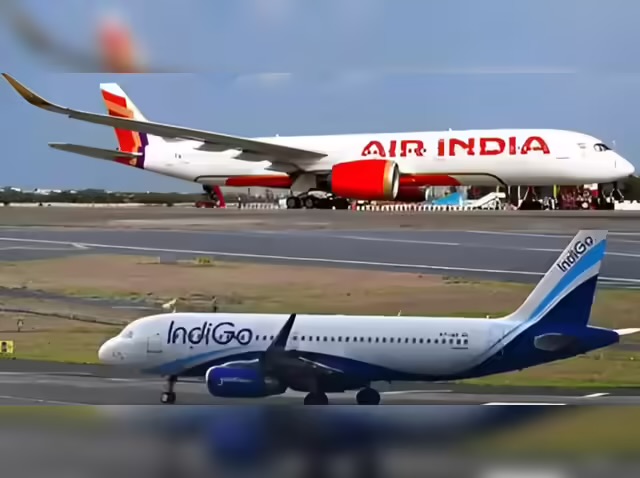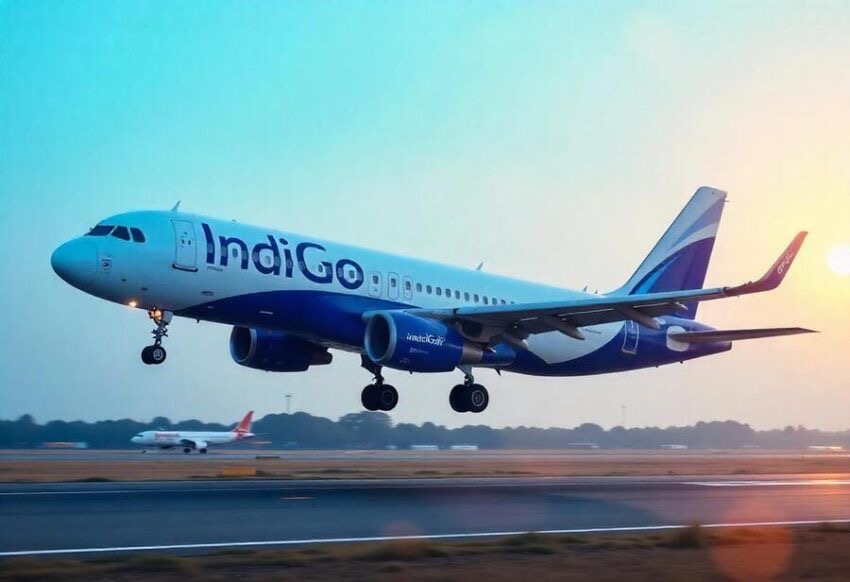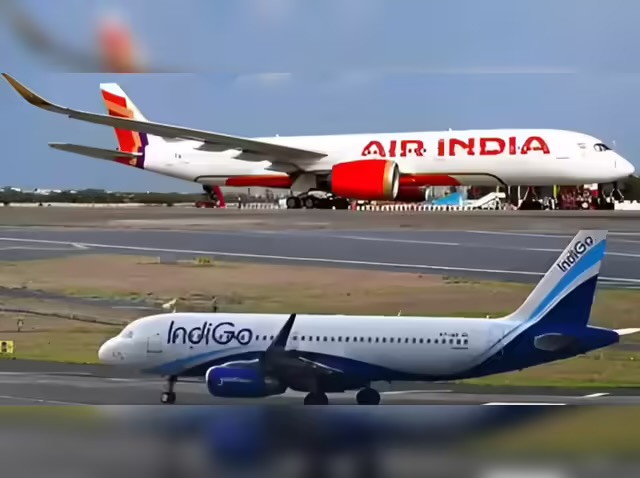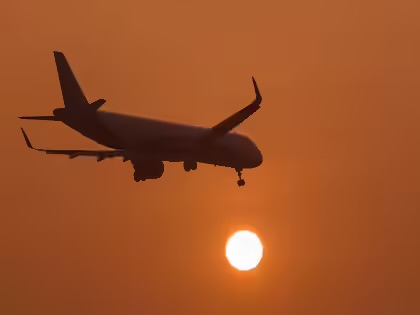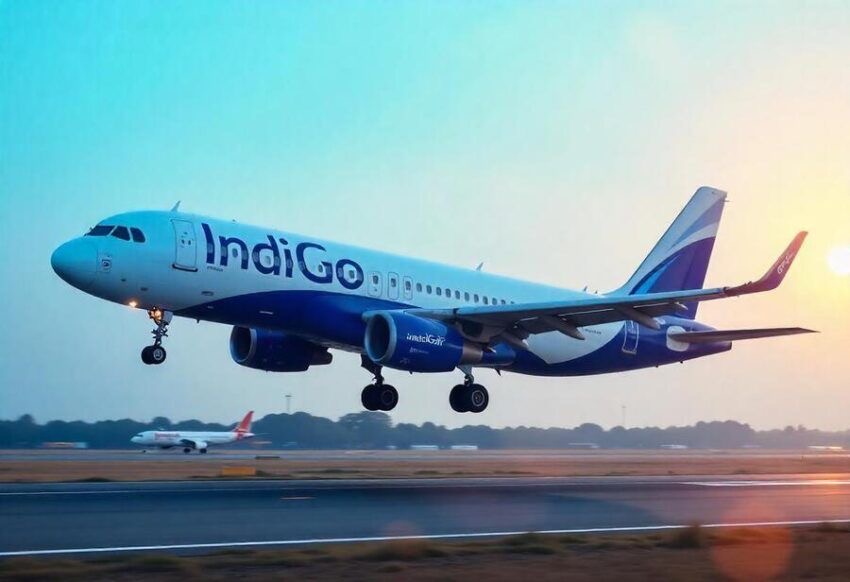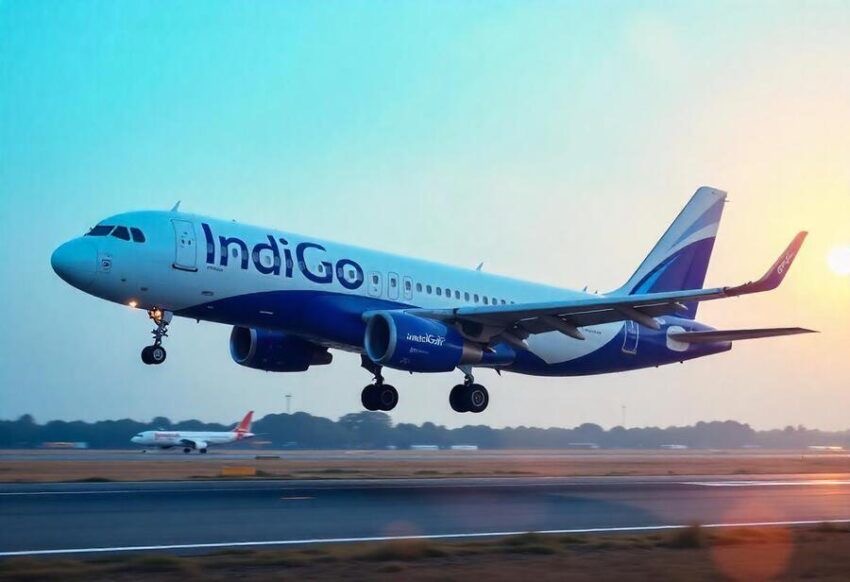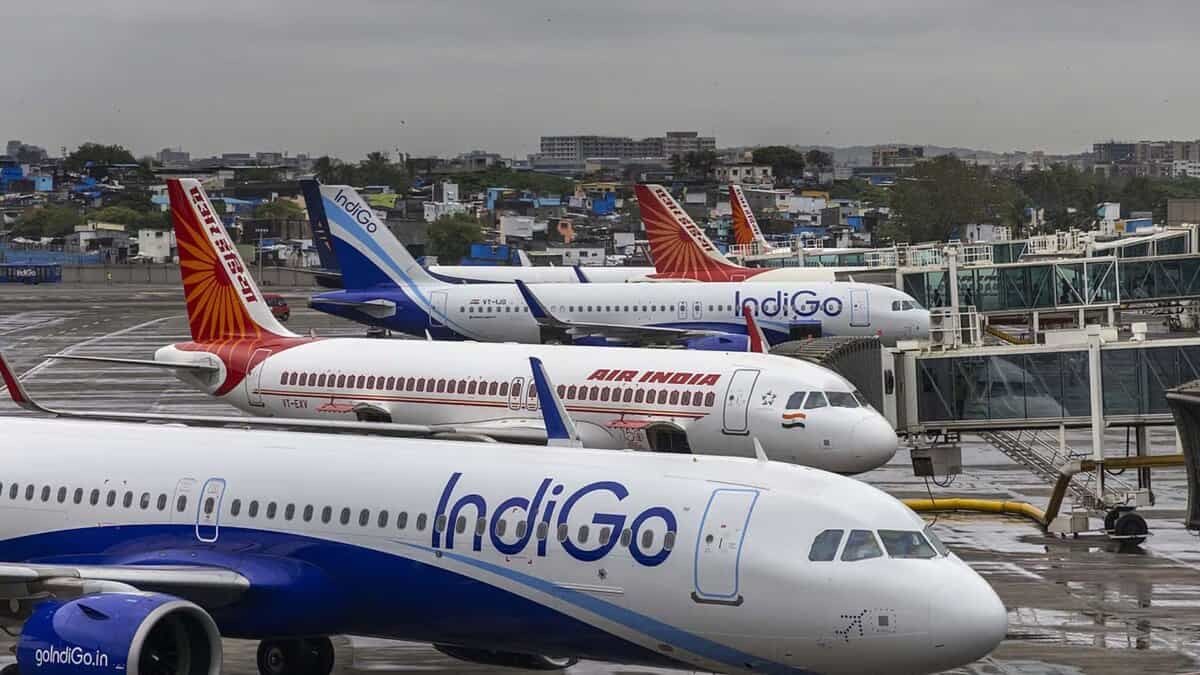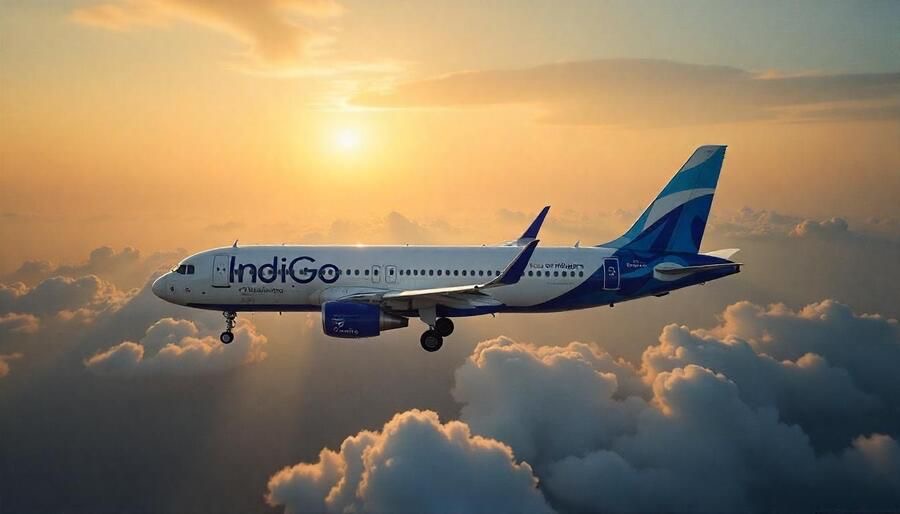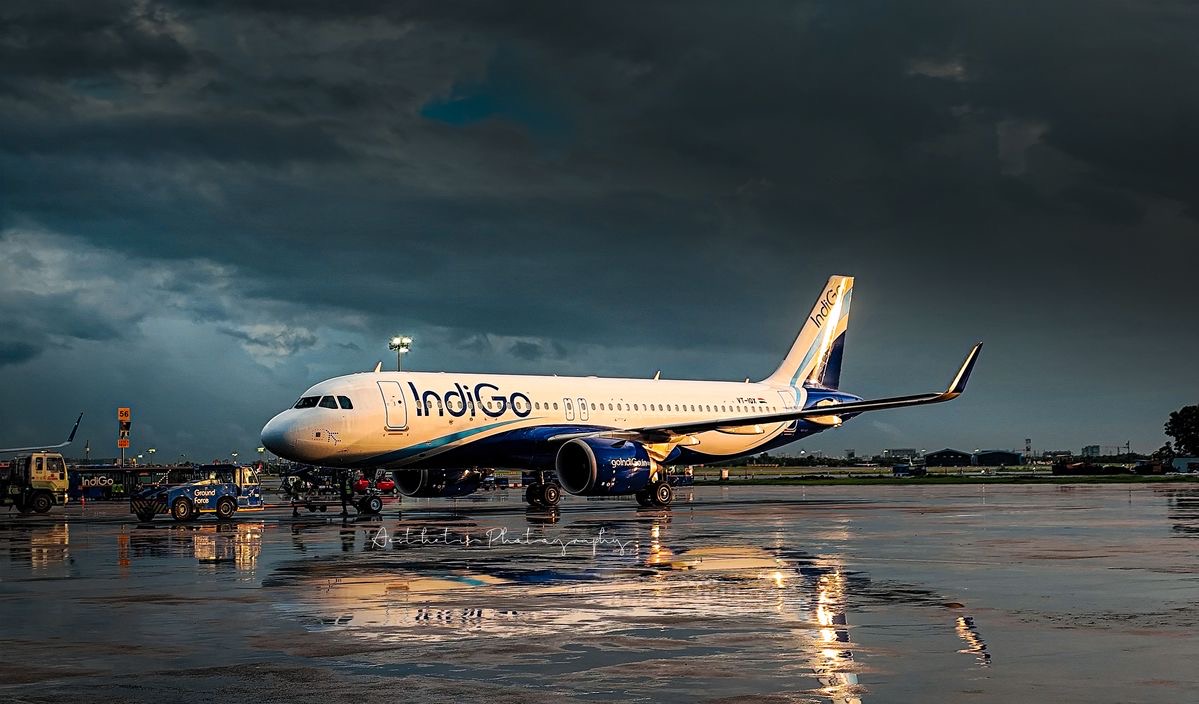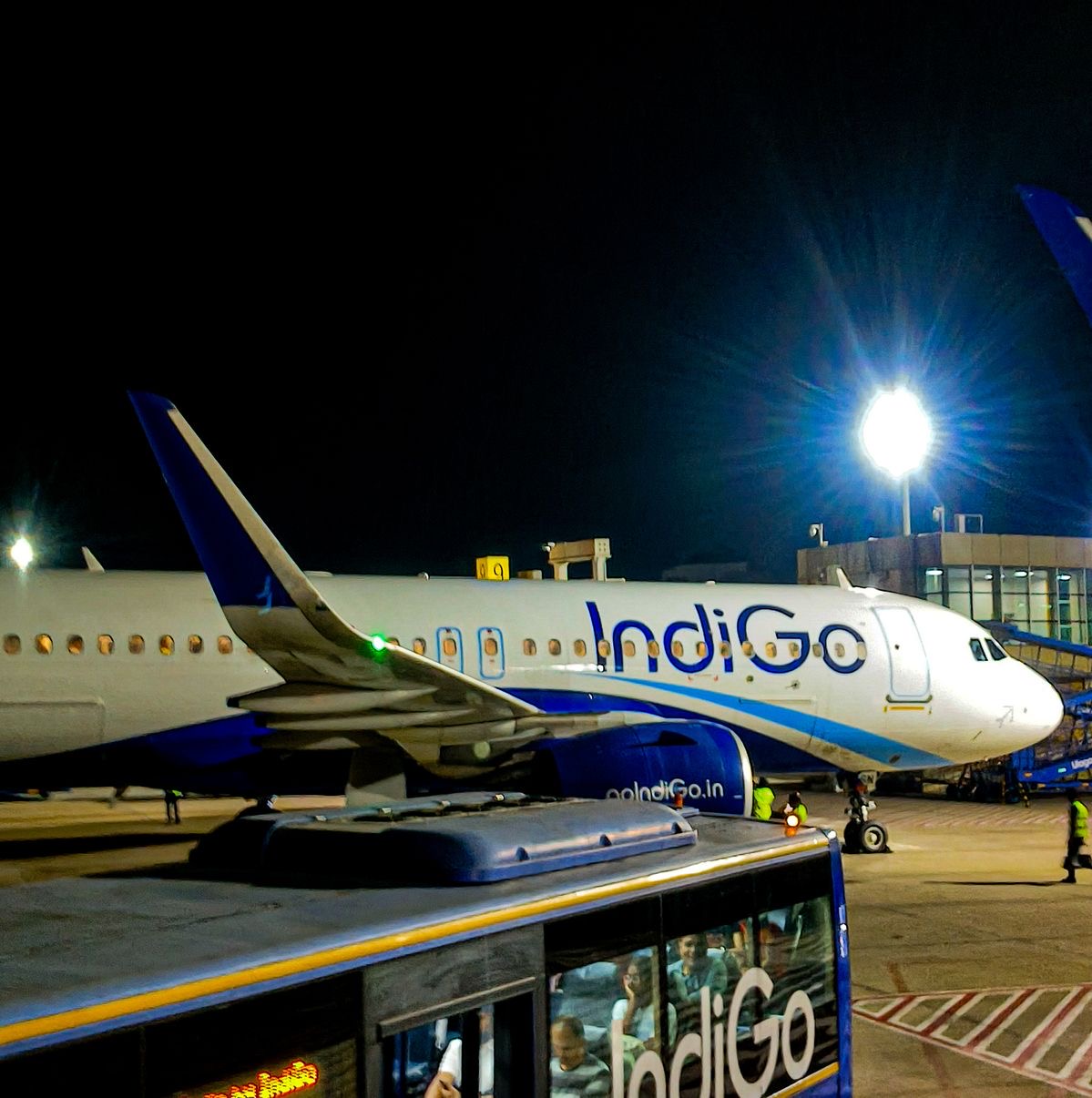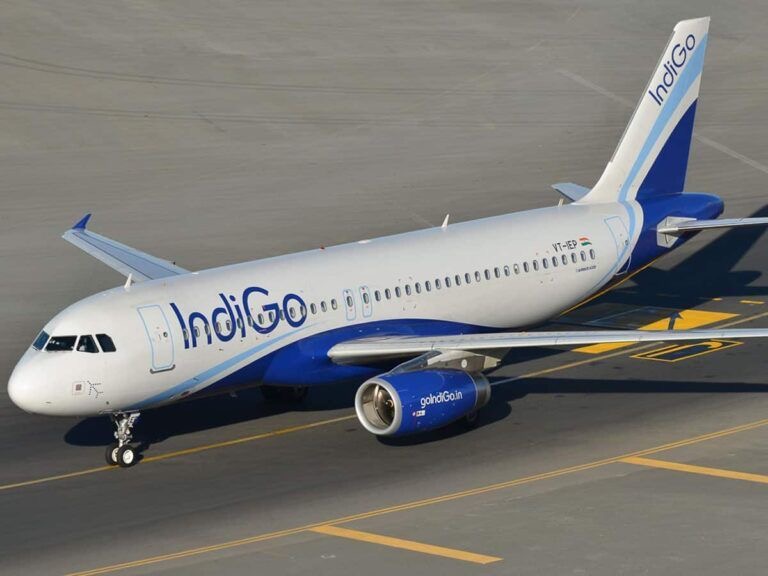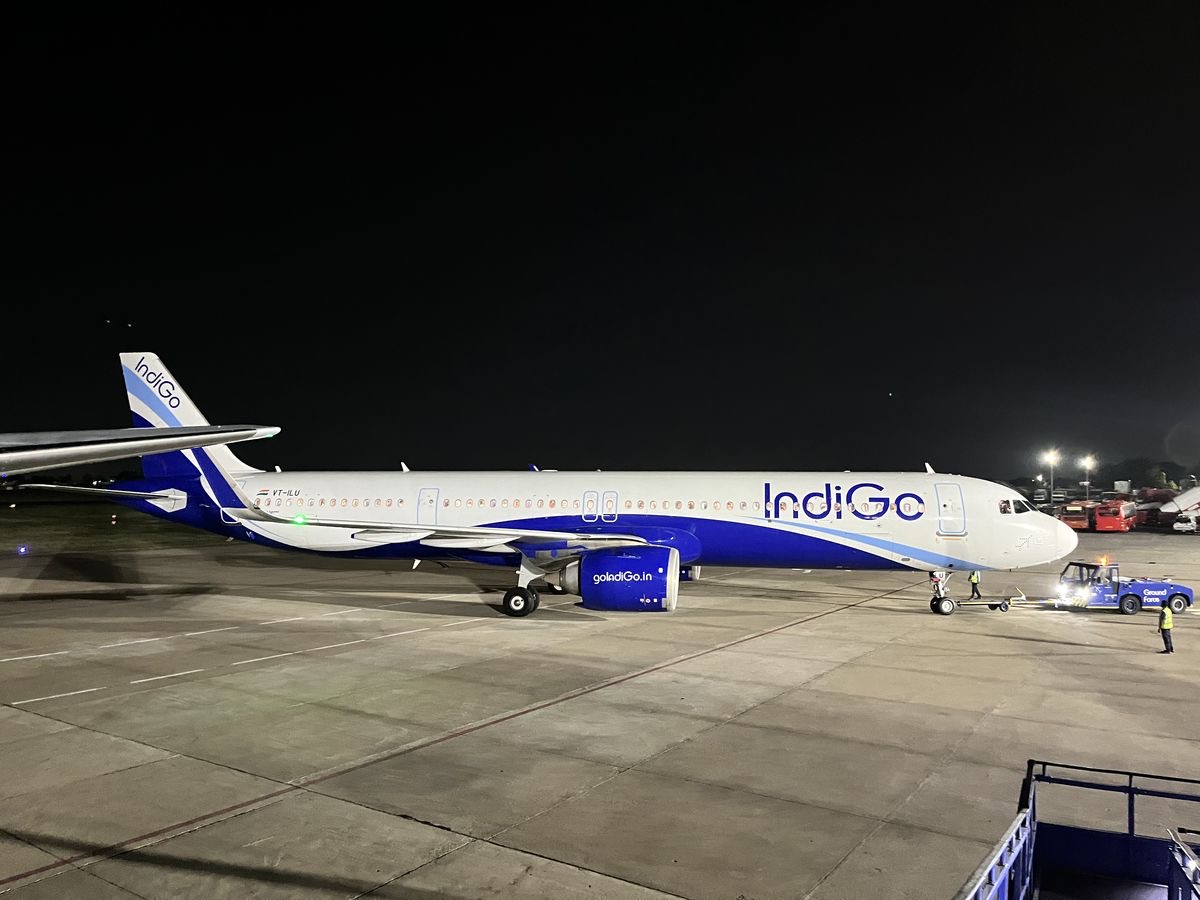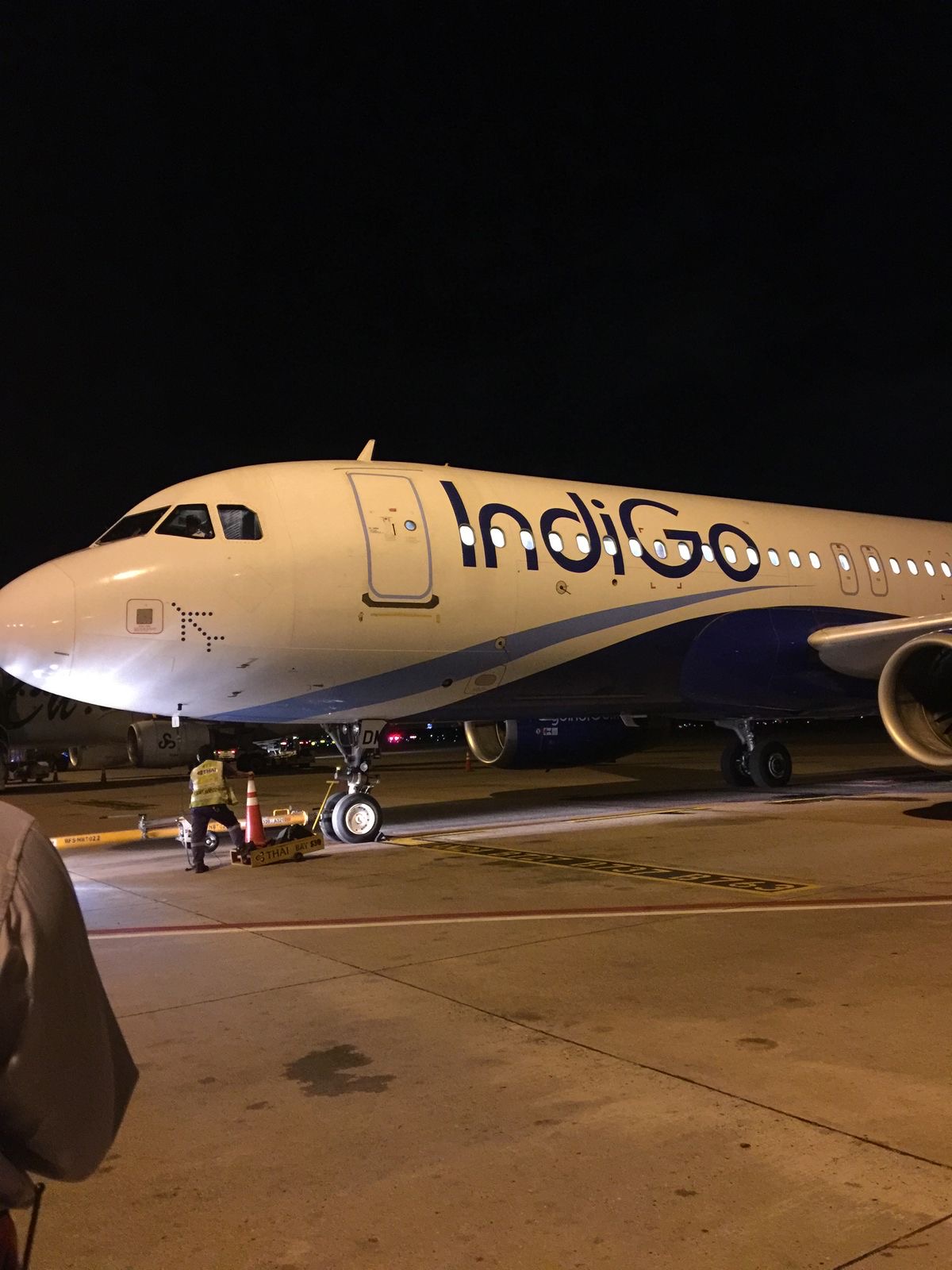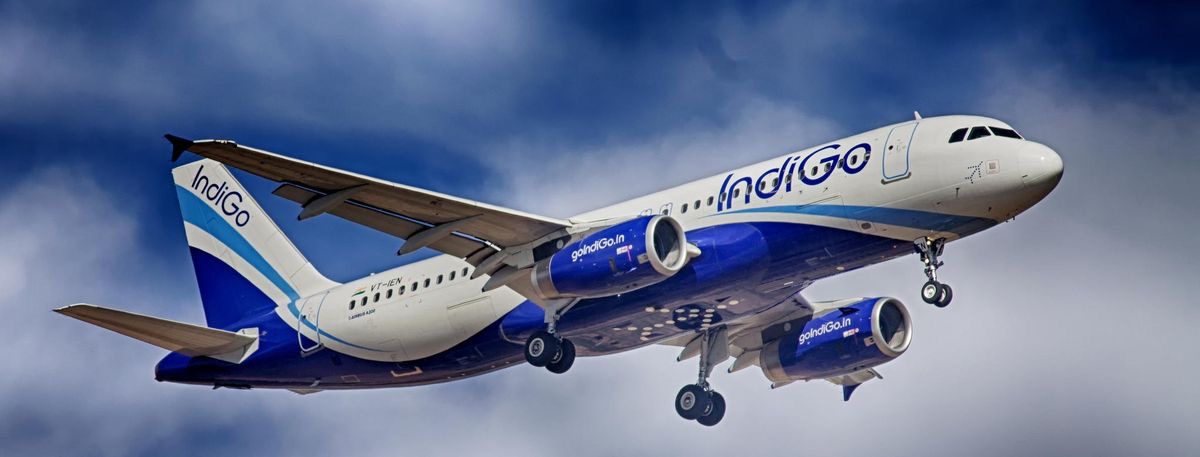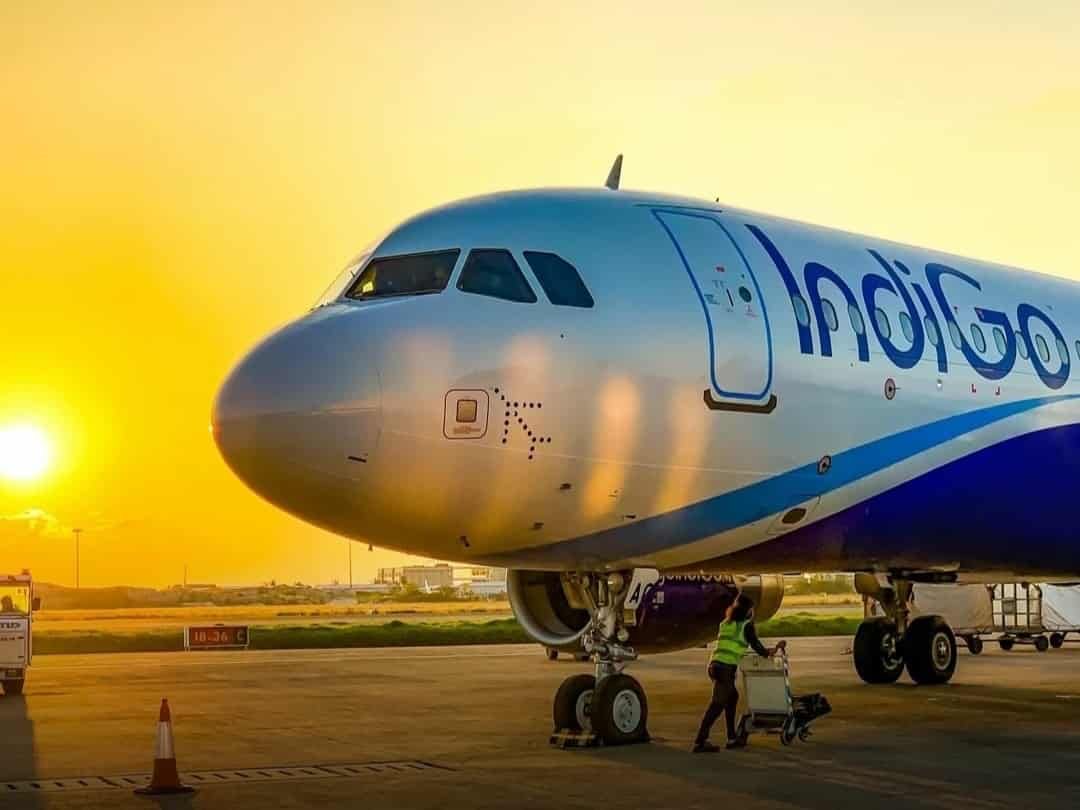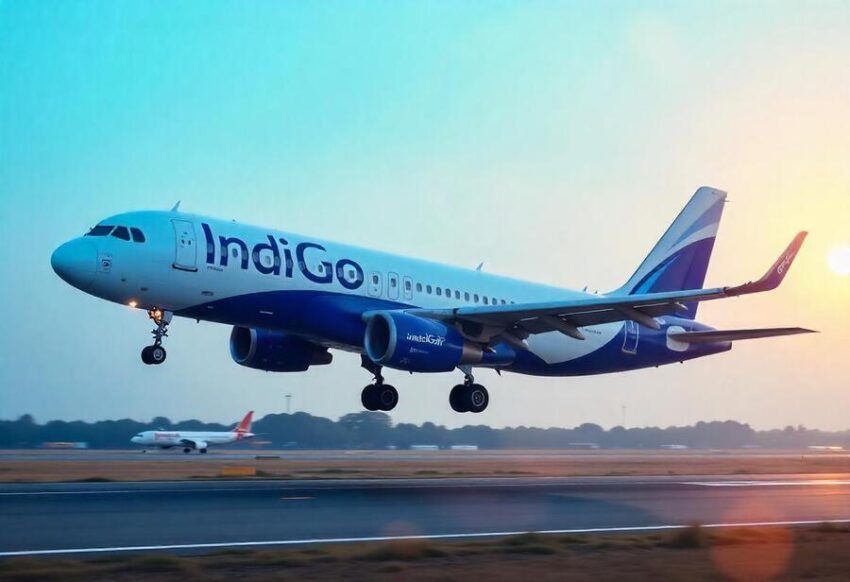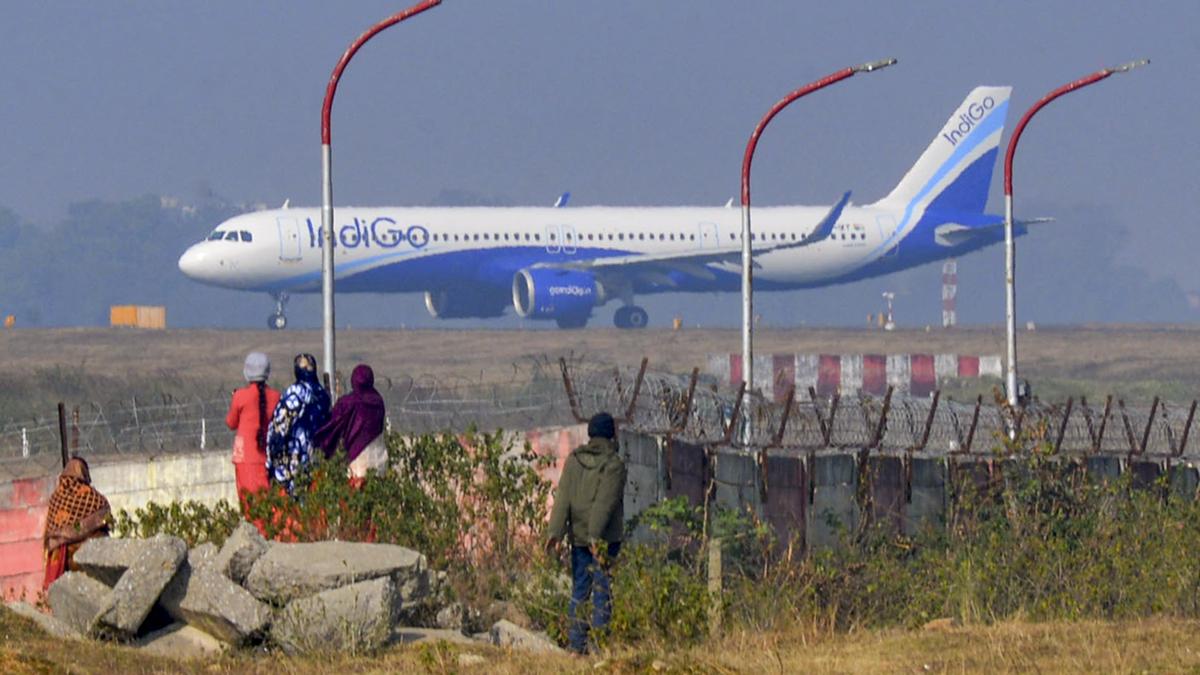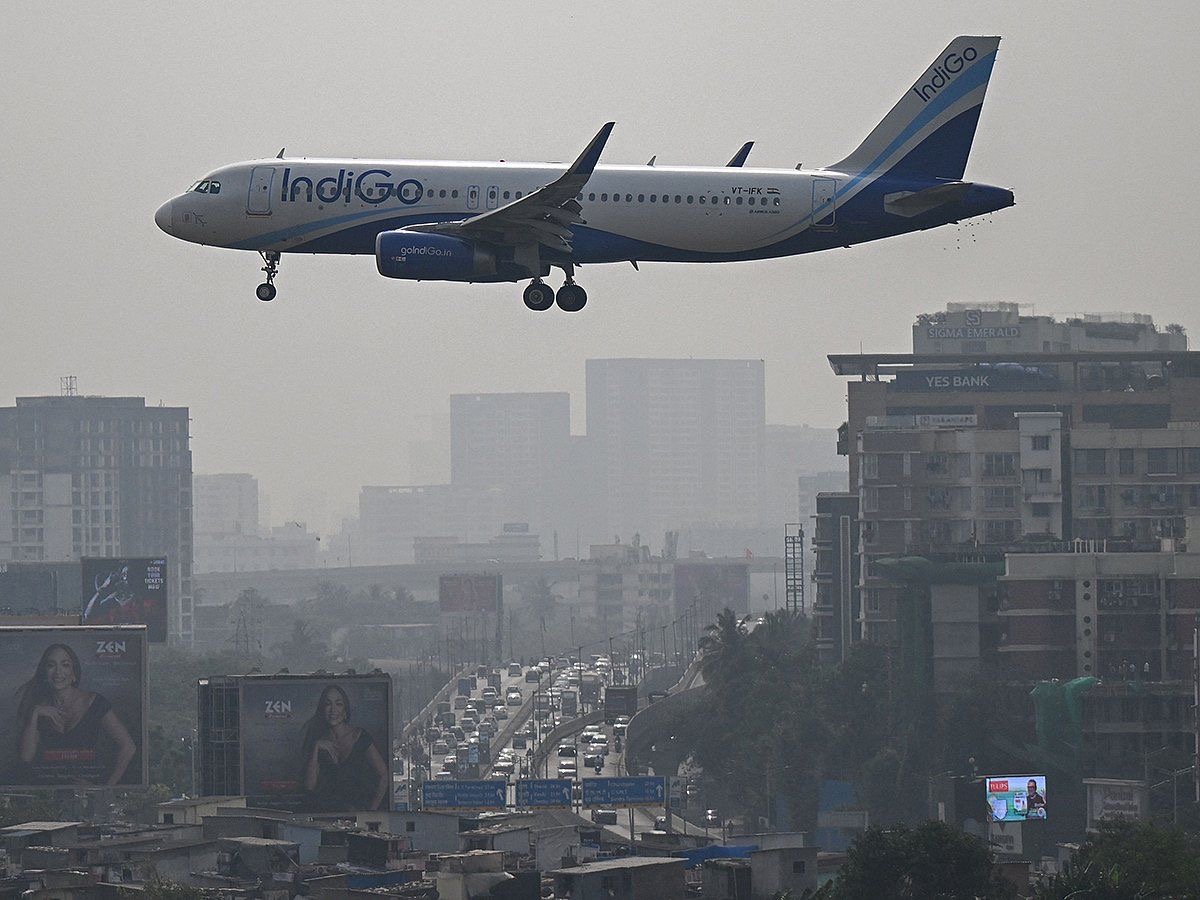
An IndiGo flight scheduled to operate between Mumbai and Chandigarh had an unusually prolonged journey in which passengers remained in the air for nearly five hours before the aircraft was forced to return to its origin. The extended airborne period was caused by dense fog conditions in northern India that severely reduced visibility at Chandigarh Airport, disrupting landing operations and challenging the flight crew’s options.
The aircraft departed Mumbai on schedule and climbed toward cruising altitude as planned. As the flight neared Chandigarh, meteorological conditions deteriorated rapidly, with thick fog blanketing the runway and surrounding airspace. This significantly reduced visibility and made it unsafe for the pilots to attempt a landing despite multiple approaches and coordination with air traffic control.
Air traffic controllers and the flight crew communicated continuously, monitoring weather updates and runway conditions in real time. Despite repeated attempts to coordinate a safe arrival, the fog persisted and remained below minimum visibility standards required for instrument landings. After circling for hours in holding patterns and assessing all available data, the captain made the difficult but necessary decision to divert back to Mumbai rather than risk an unsafe landing.
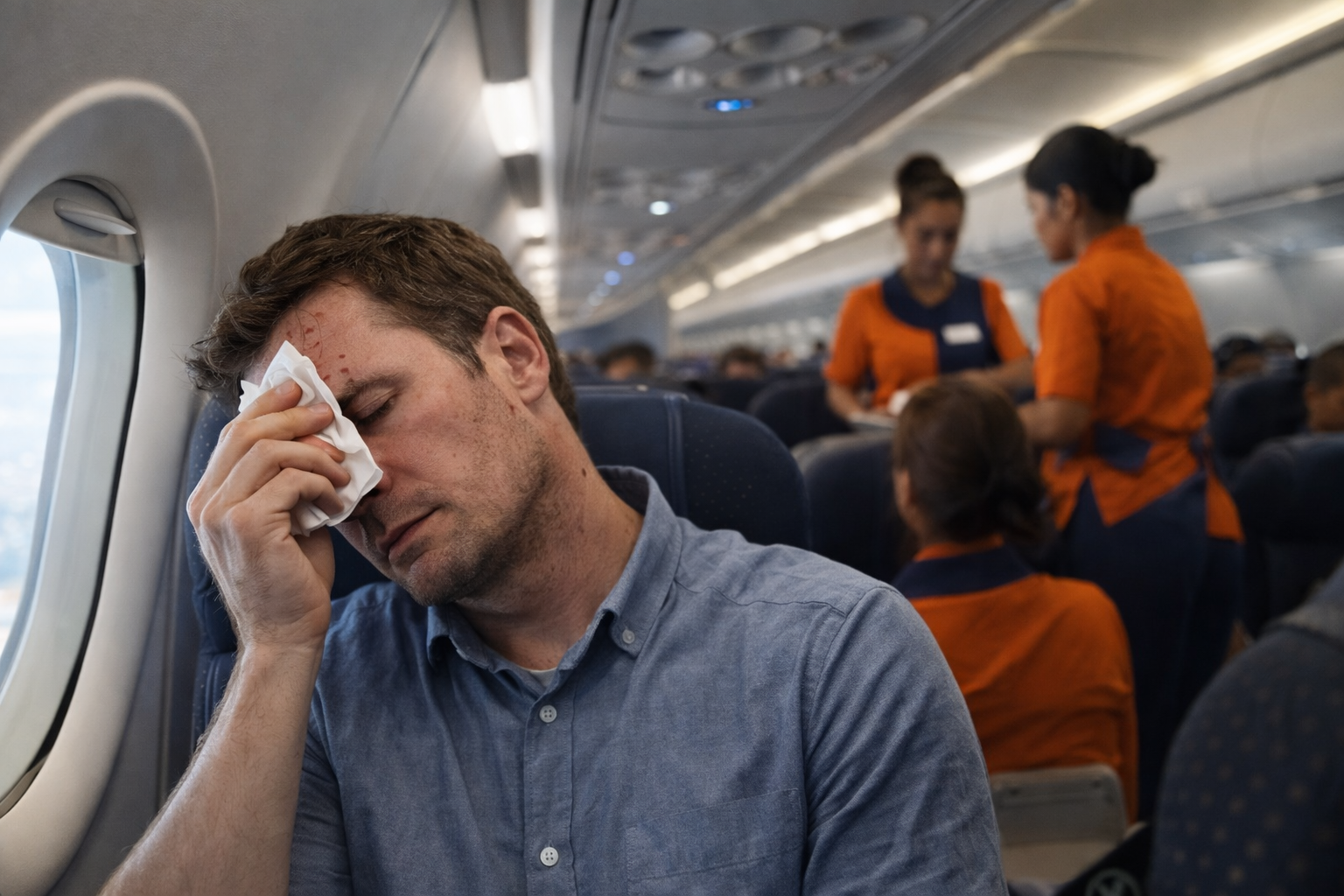
Passengers onboard described the situation as frustrating and tiring. Many reported that the aircraft circled in designated holding patterns for an extended period, with in-flight service limited due to safety considerations during low-altitude manoeuvring. Though uneasy, travellers said cabin crew managed the situation calmly, provided updates as possible, and ensured that everyone remained as comfortable as circumstances allowed.
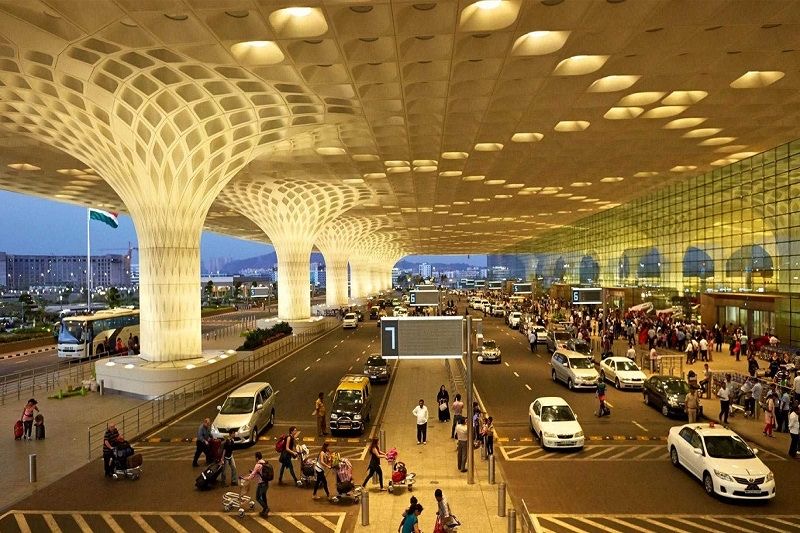
After nearly five hours, the flight returned to Mumbai where it landed safely. Once on the ground, passengers deplaned and were informed of the weather conditions that made landing in Chandigarh impractical. The airline arranged alternate travel options, including refunds, rebooking on subsequent flights, or ground transport connections for travellers wishing to continue their journey.
IndiGo issued a statement acknowledging the impact of the dense fog and emphasising that safety is the airline’s highest priority. Officials reiterated that the prolonged airborne delay and eventual return to Mumbai were precautionary decisions taken in alignment with regulatory safety norms and contemporary aviation practices.
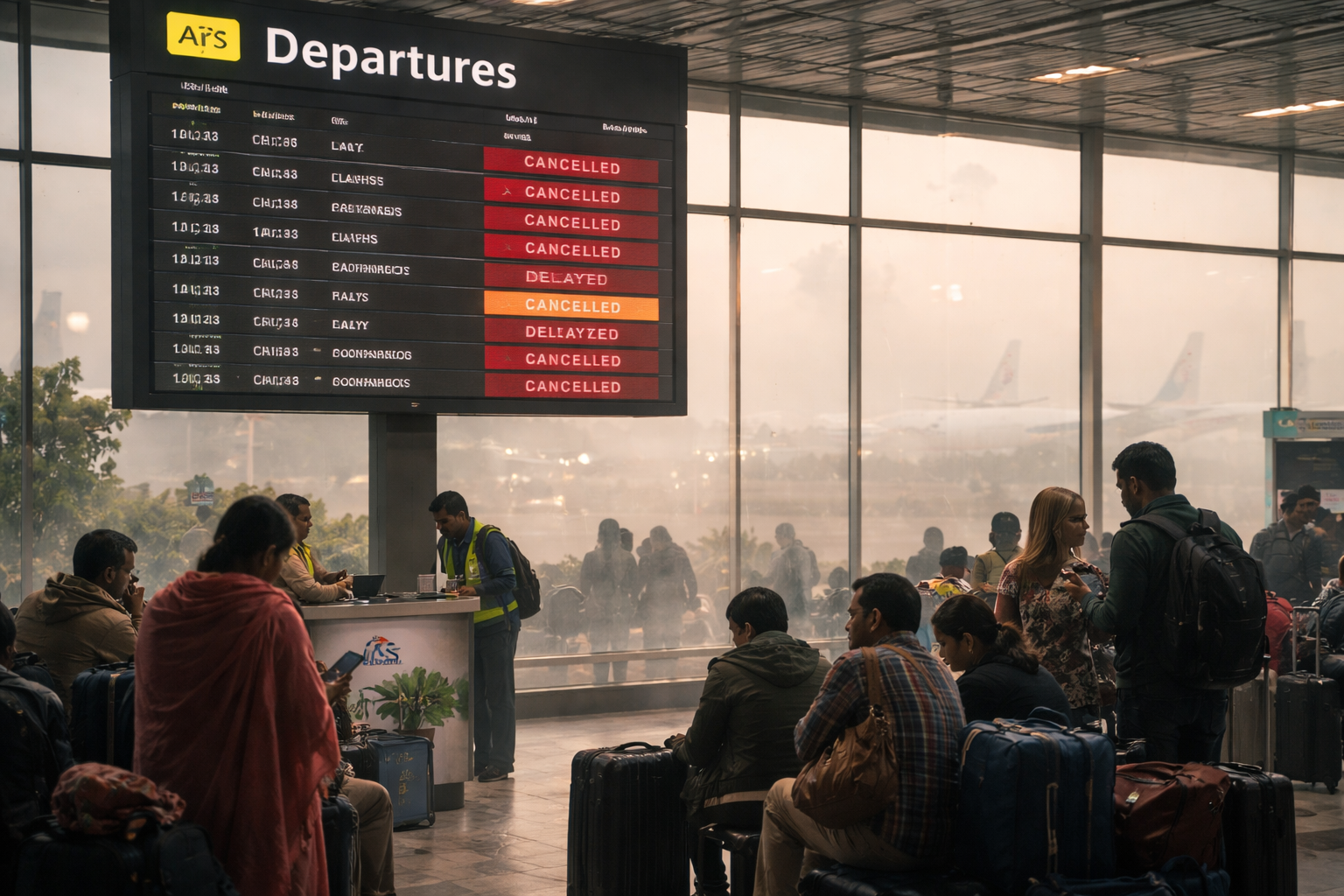
Dense fog is a recurring meteorological challenge in northern India, especially during winter months when temperature inversions and lingering smoke haze can combine to create low-visibility conditions. Airports rely on advanced instrument landing systems to manage such situations, but when visibility falls below established safety thresholds, aircraft are routinely diverted or returned to their point of origin.
Aviation industry analysts say that extended airborne delays like the one experienced on this IndiGo flight are unusual but can occur when weather conditions deteriorate faster than forecasts predict. Holding patterns serve to keep aircraft safely airborne while controllers await improvements, but there are limitations on how long an aircraft can safely continue this before fuel and crew duty considerations require an alternate plan.
Passengers affected by the disruption were advised to stay in touch with airline customer care representatives to resolve ticketing and onward travel queries. Many said they appreciated the professionalism of the crew and airport staff who worked to support travellers during a challenging and unexpected situation.