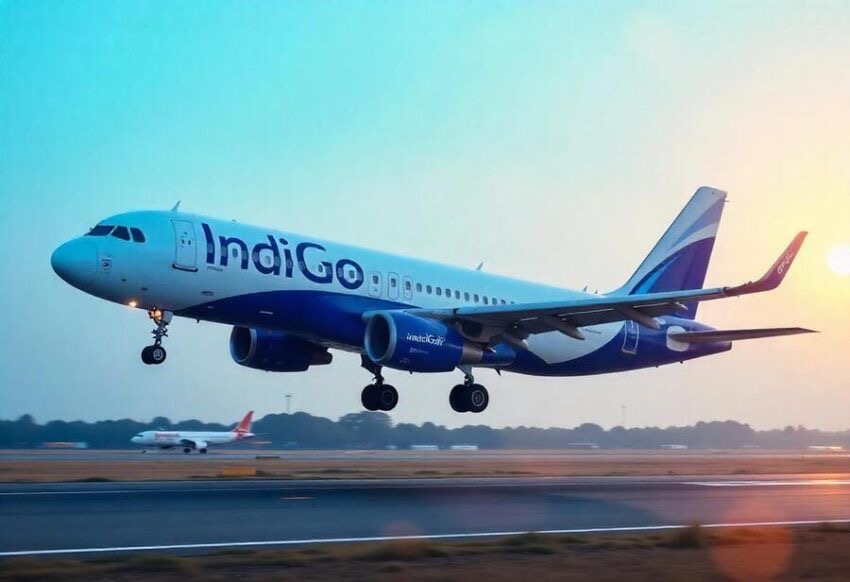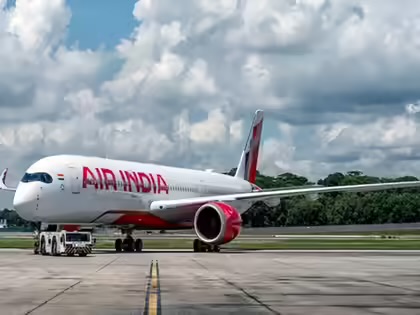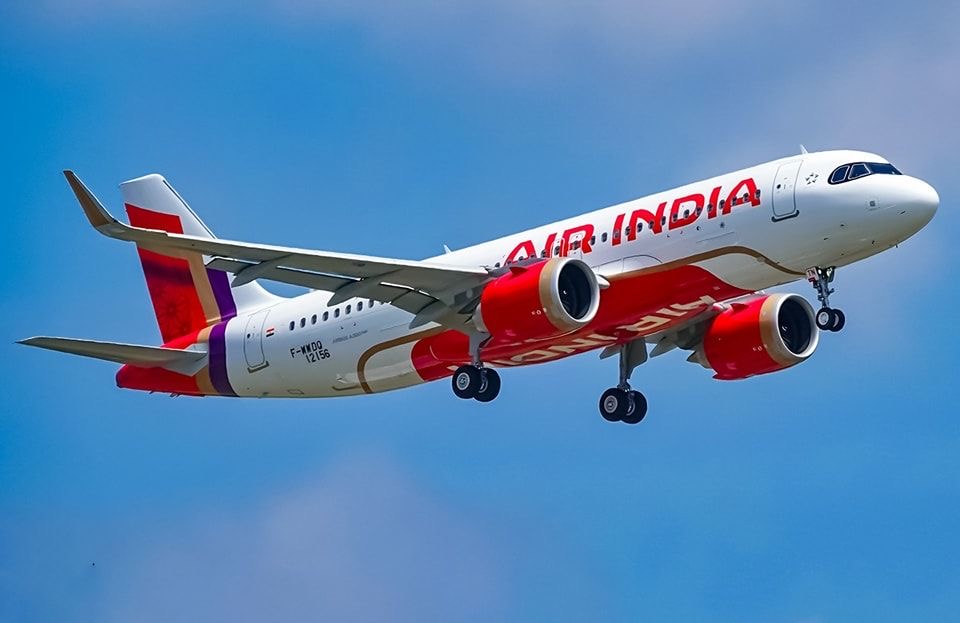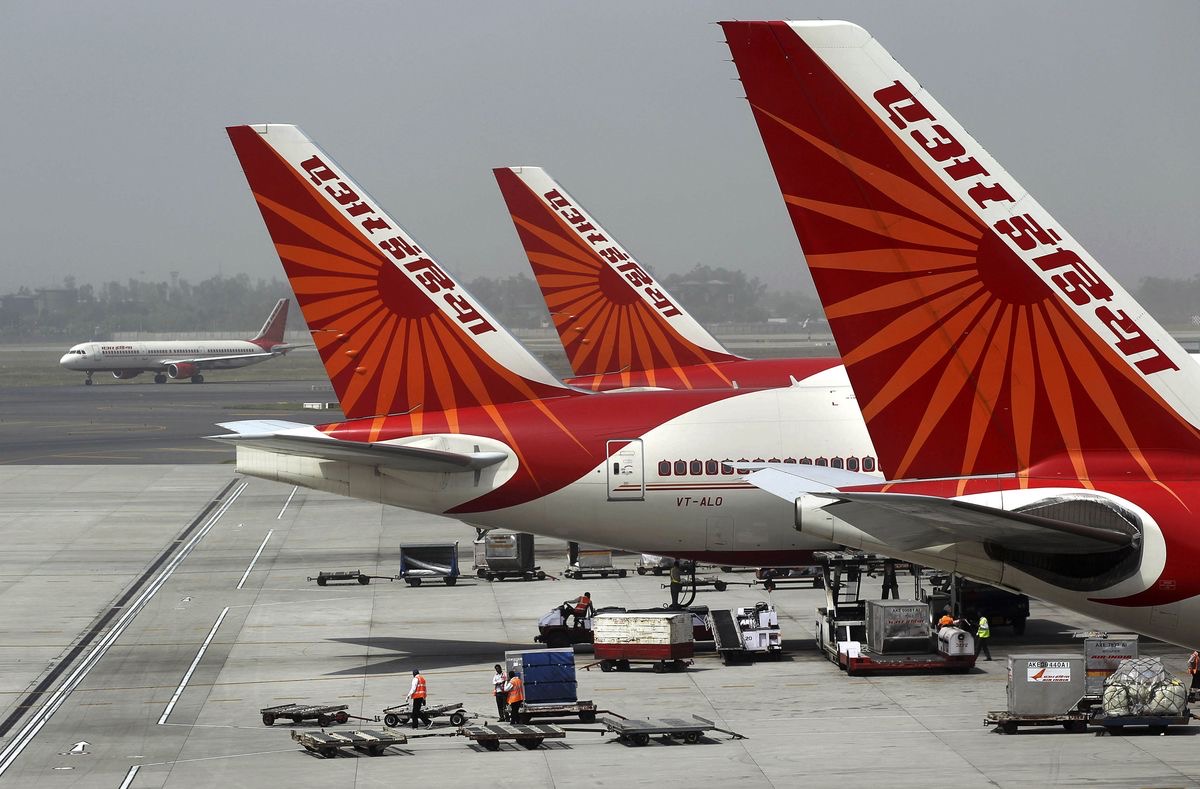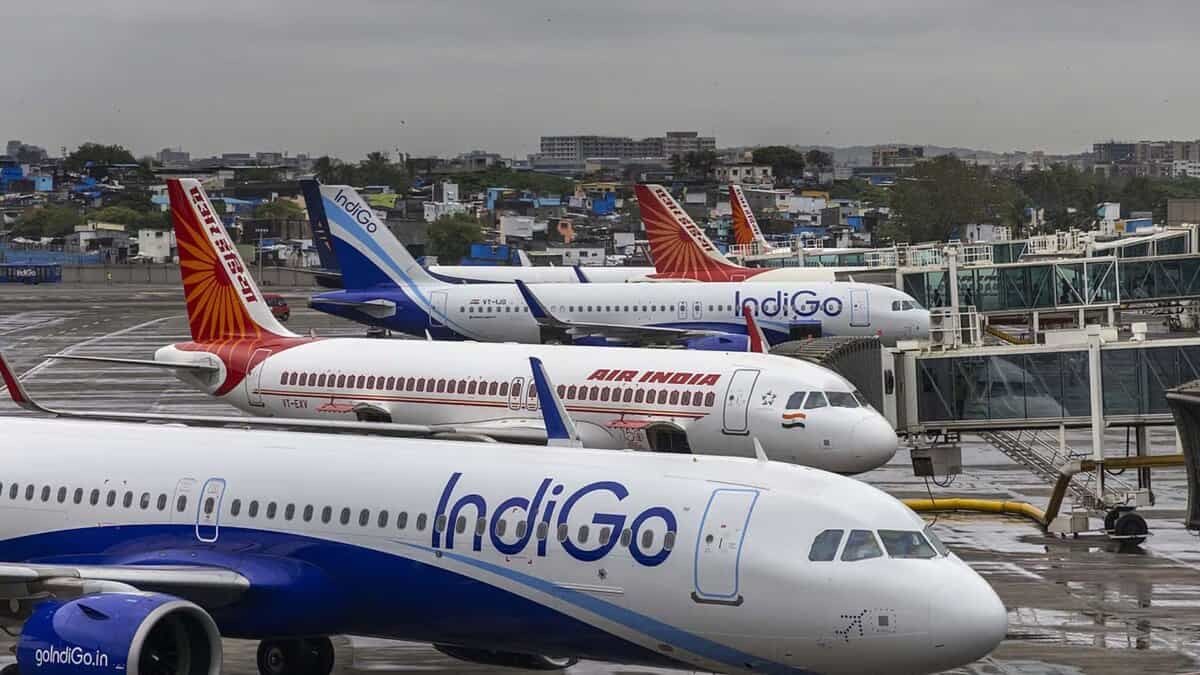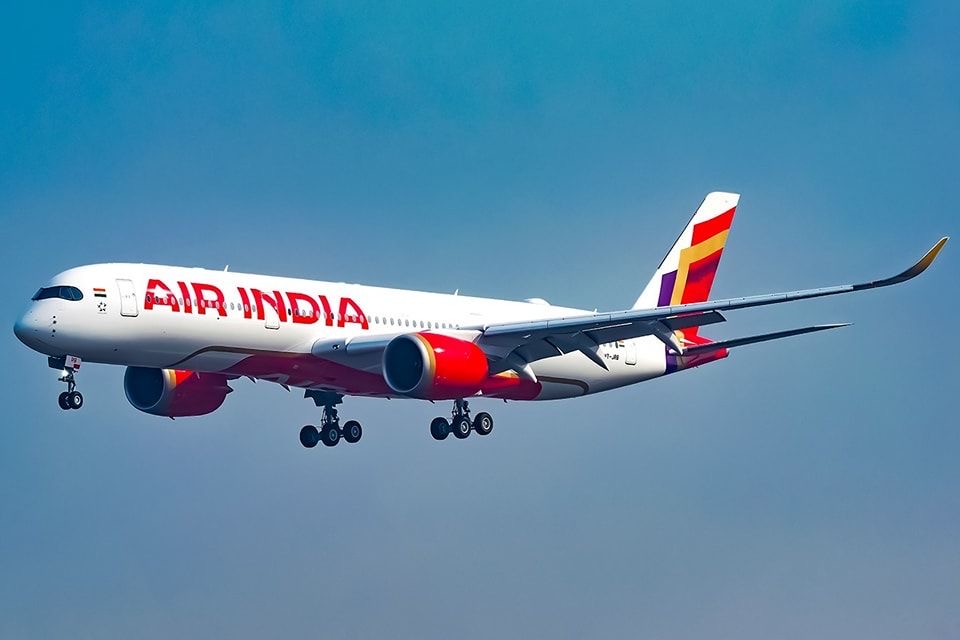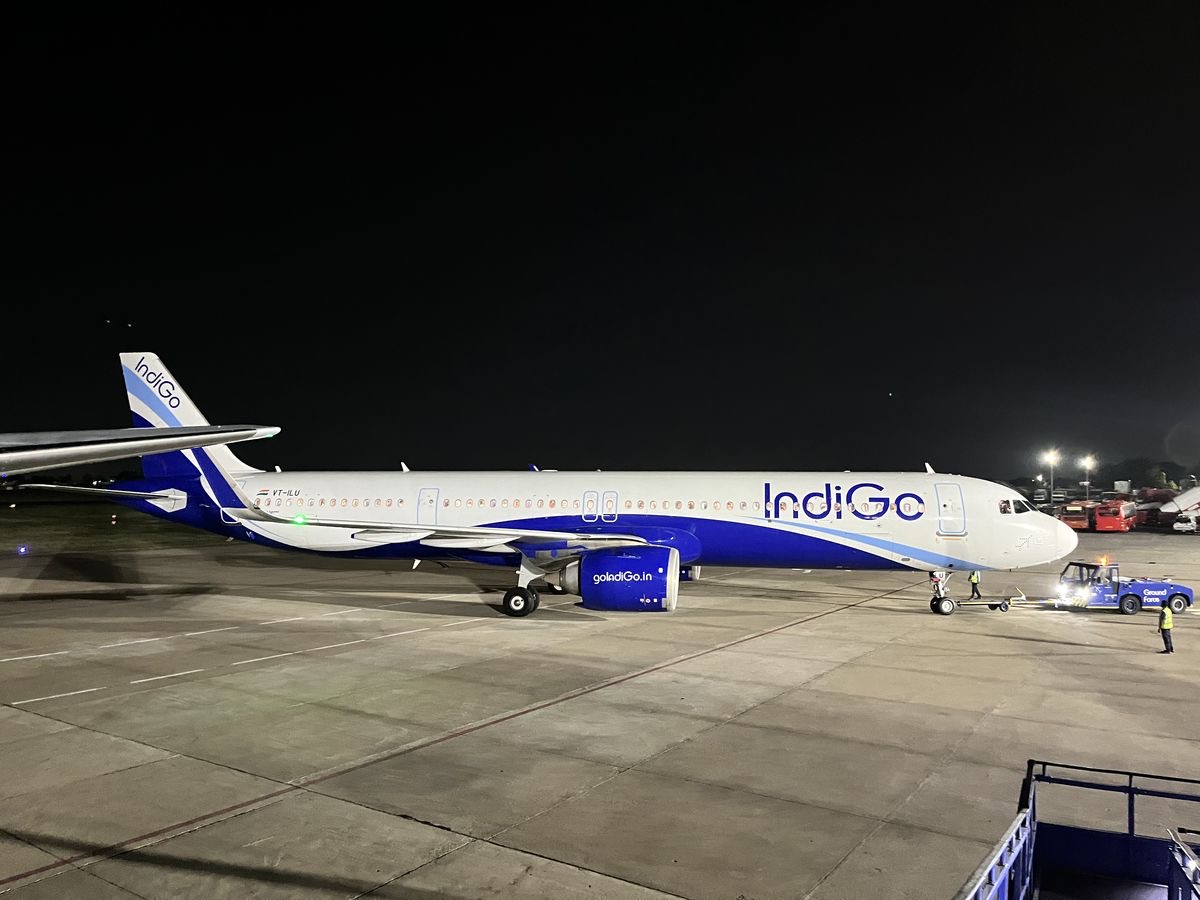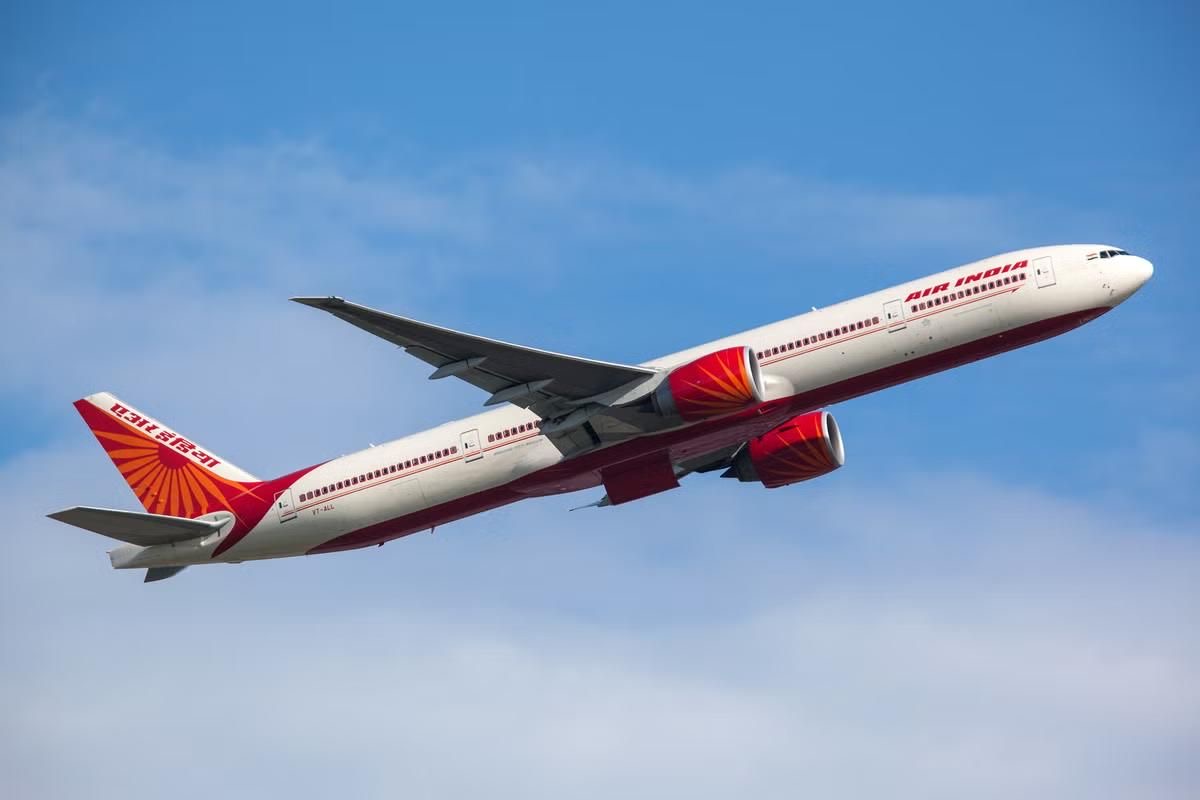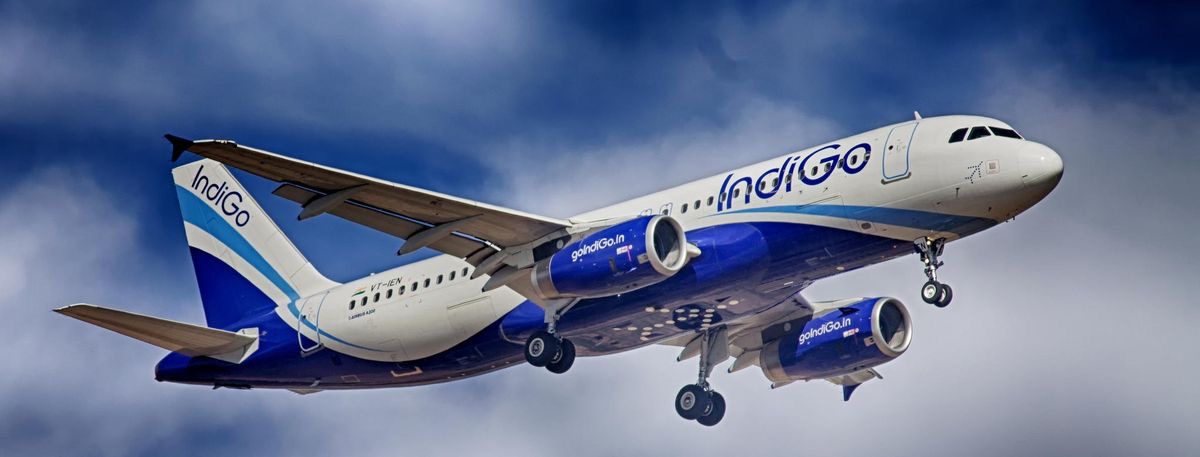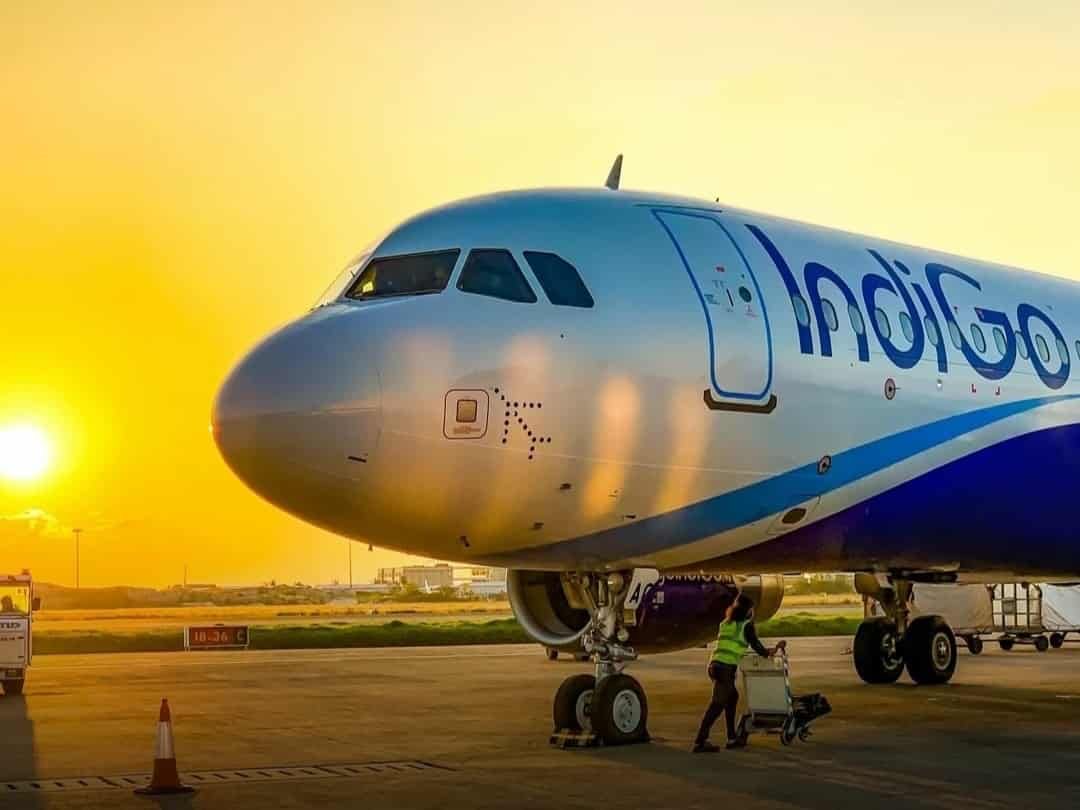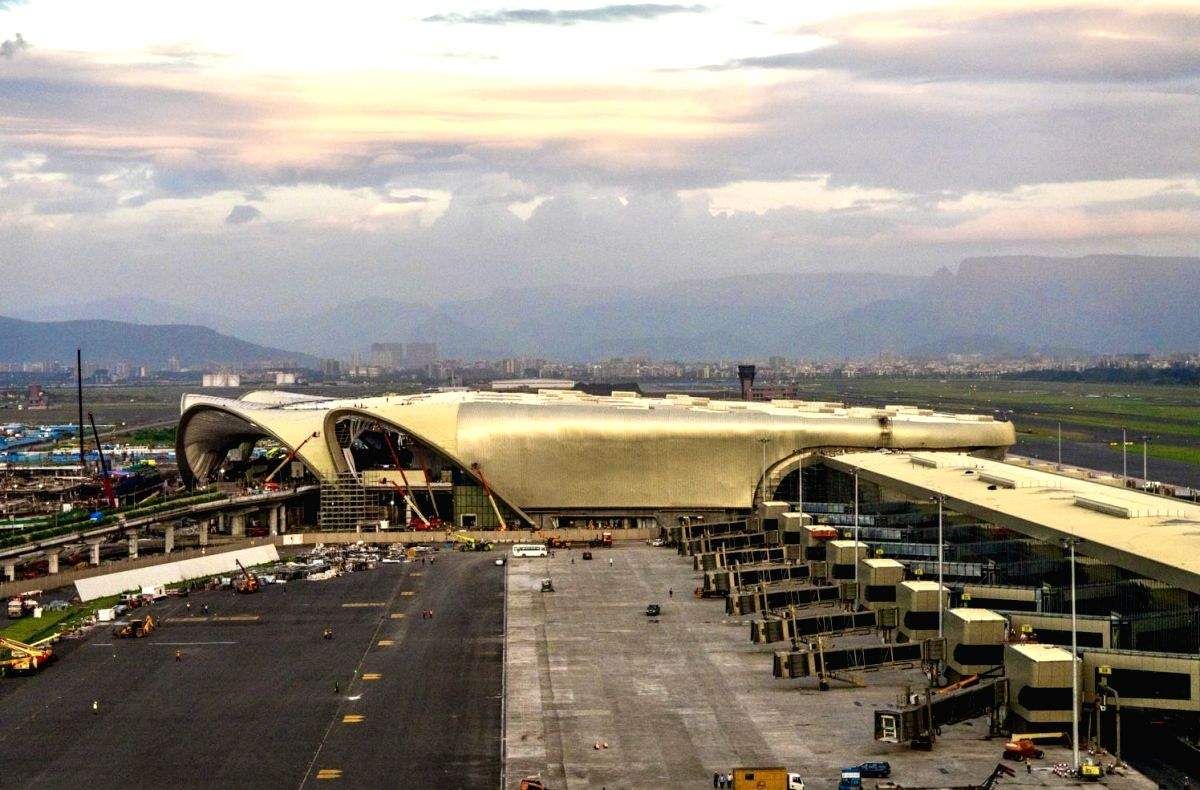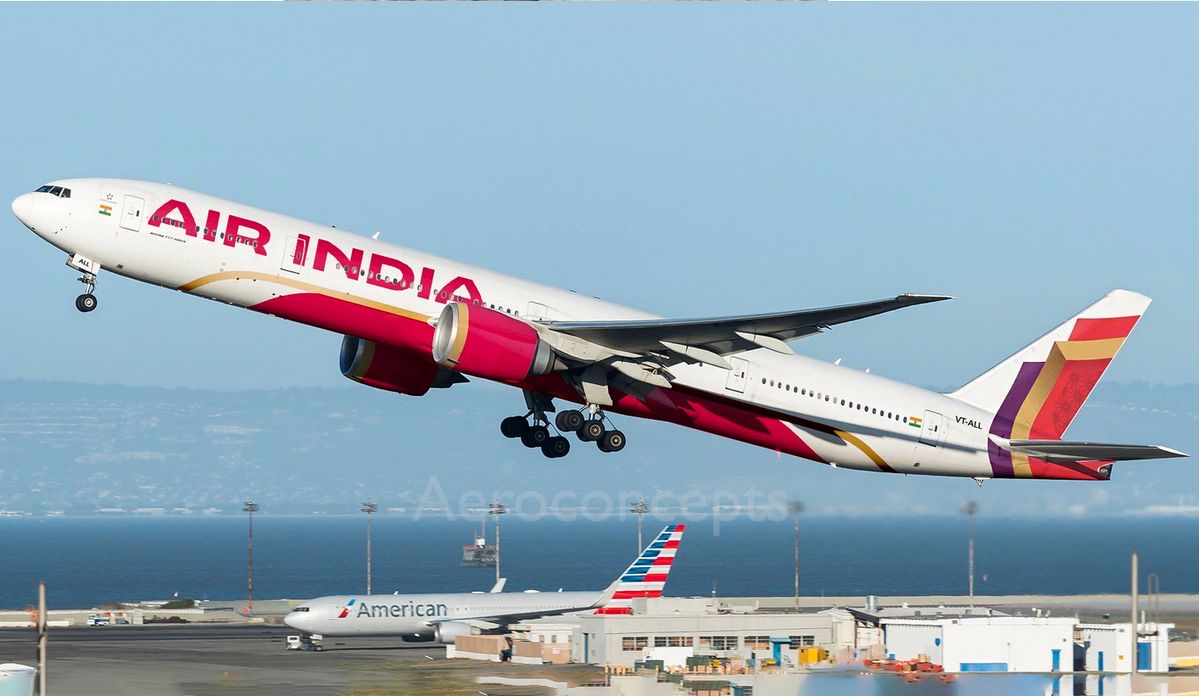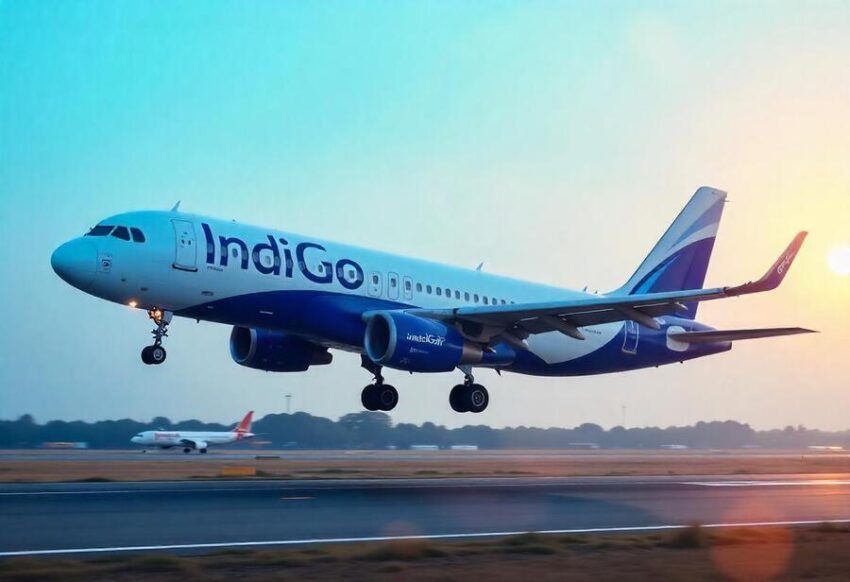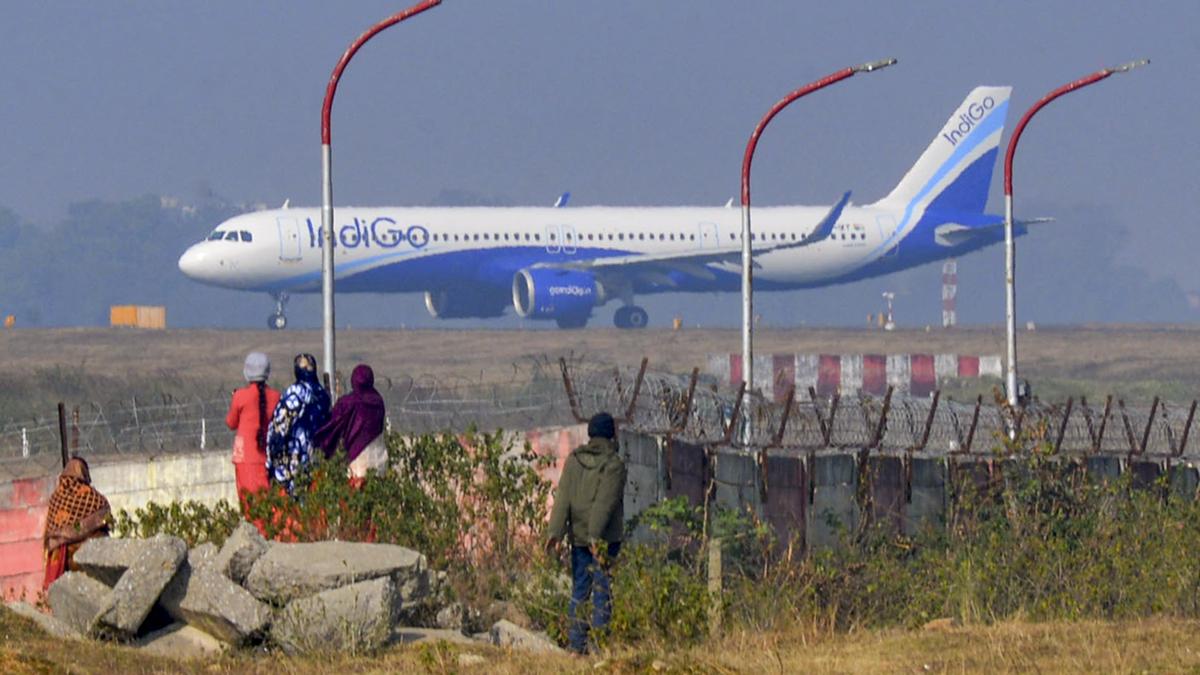
A major military strike involving the United States and Israel on Iran has led to several cancellations of UAE-bound flights from Pune Airport, as airlines reassess operational risk and airspace access amid escalating hostilities in the Middle East. The attack, which drew sharp geopolitical focus, quickly influenced civilian aviation planning as carriers began adjusting schedules and flight paths in response to heightened regional tensions and updated safety advisories.
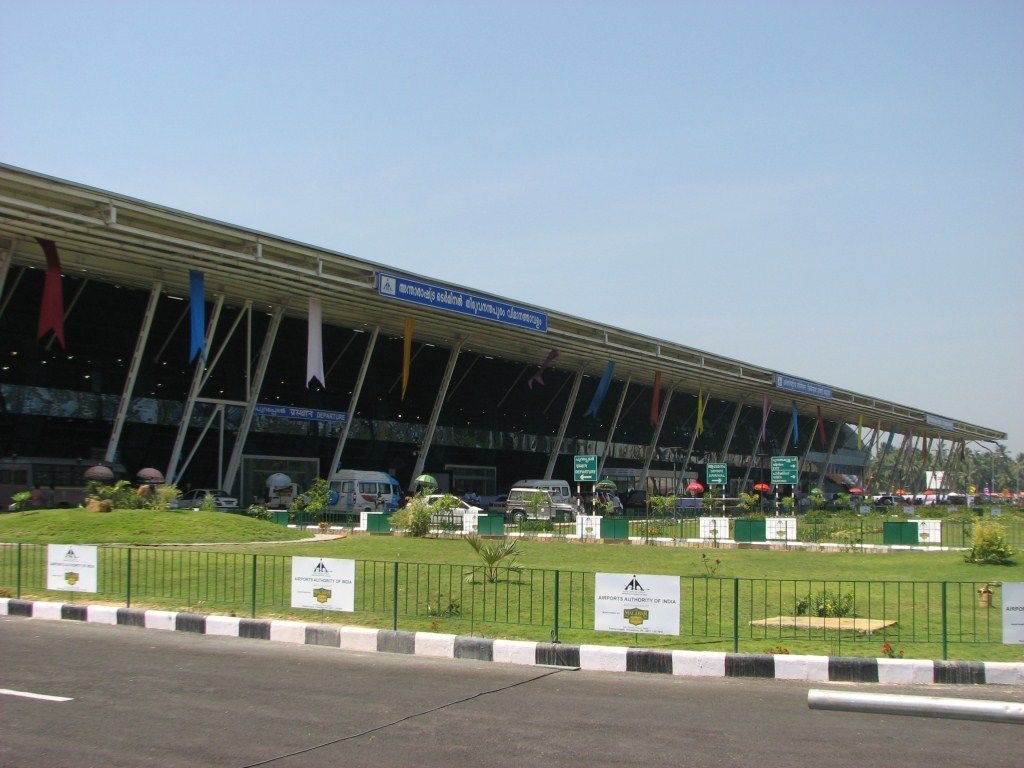
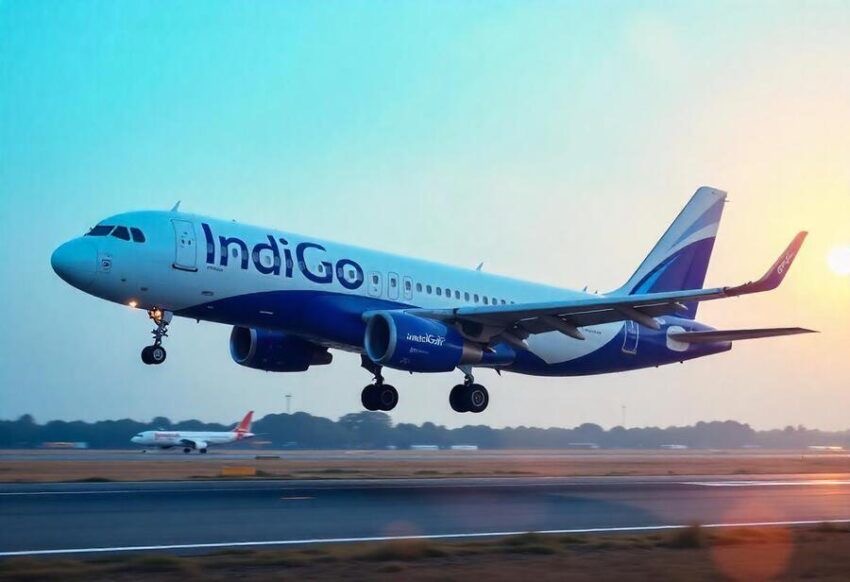
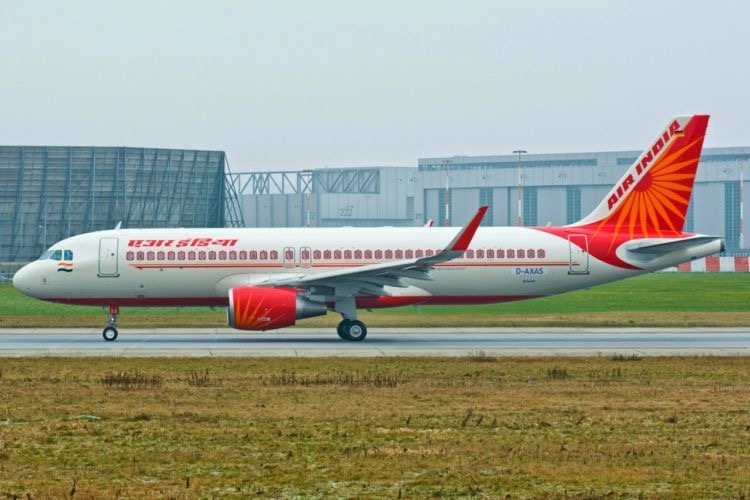
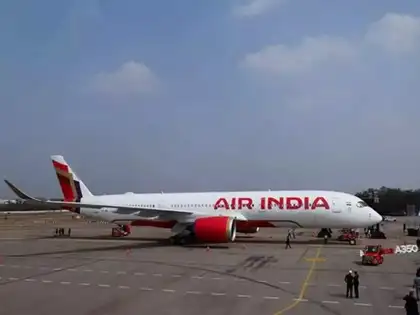
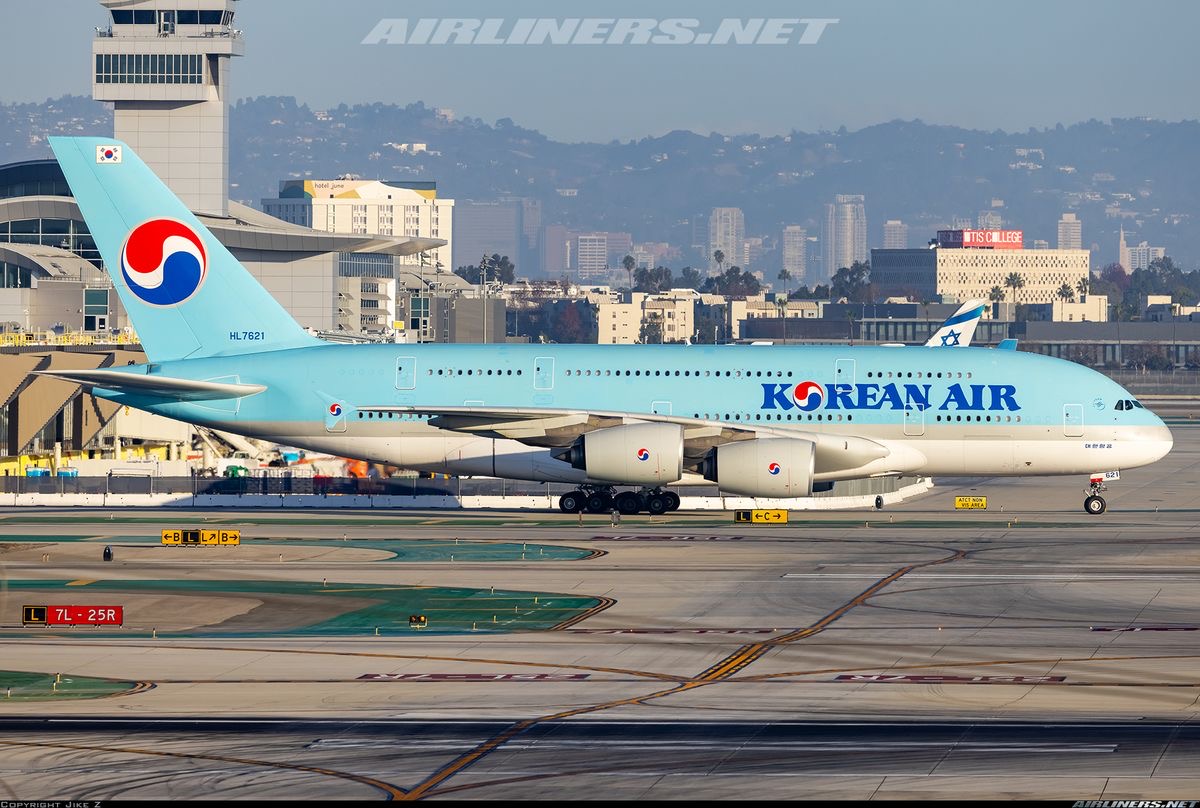
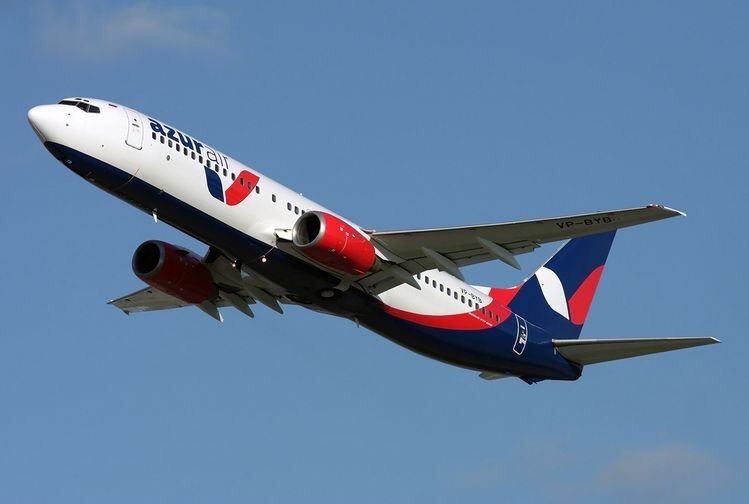
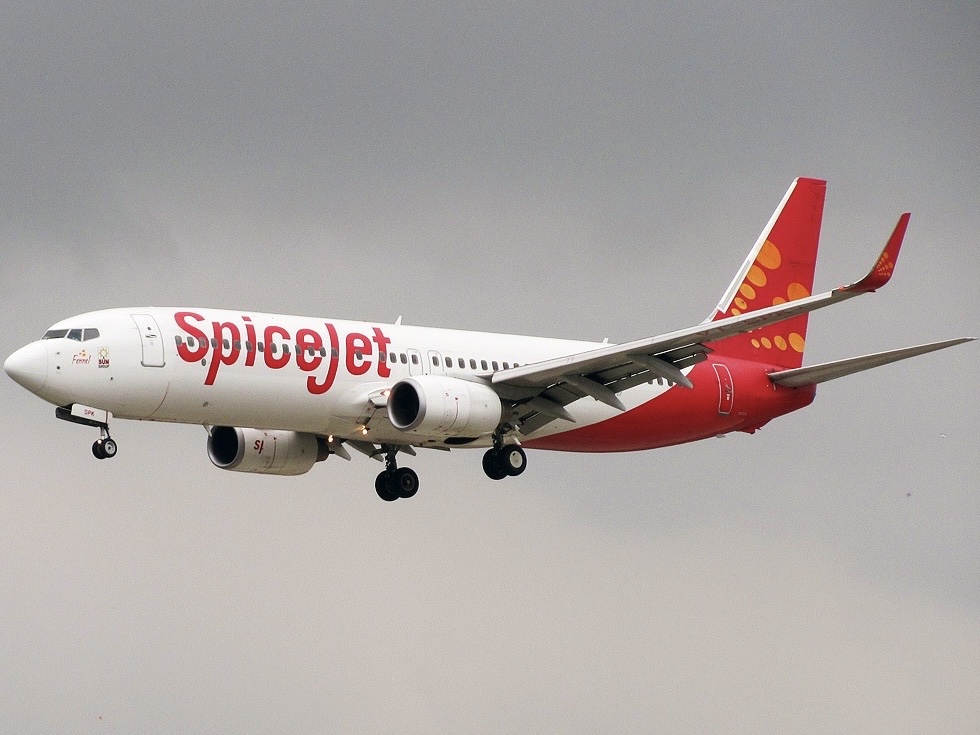
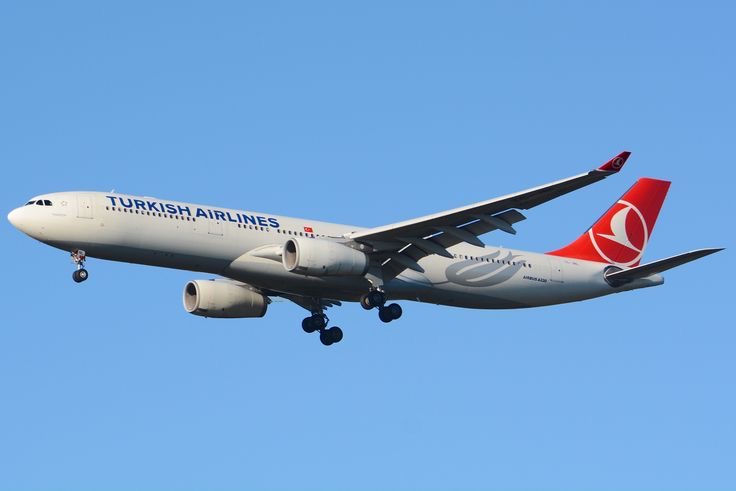
Airlines operating from Pune’s international terminal reported cancellation of multiple services to destinations in the United Arab Emirates, a direct result of evolving risk assessments and decisions to avoid potentially sensitive or conflict-affected airspace corridors. Passengers booked on those flights faced disruption as carriers worked to communicate changes, offer refunds, and rebook travellers on alternate services where possible.
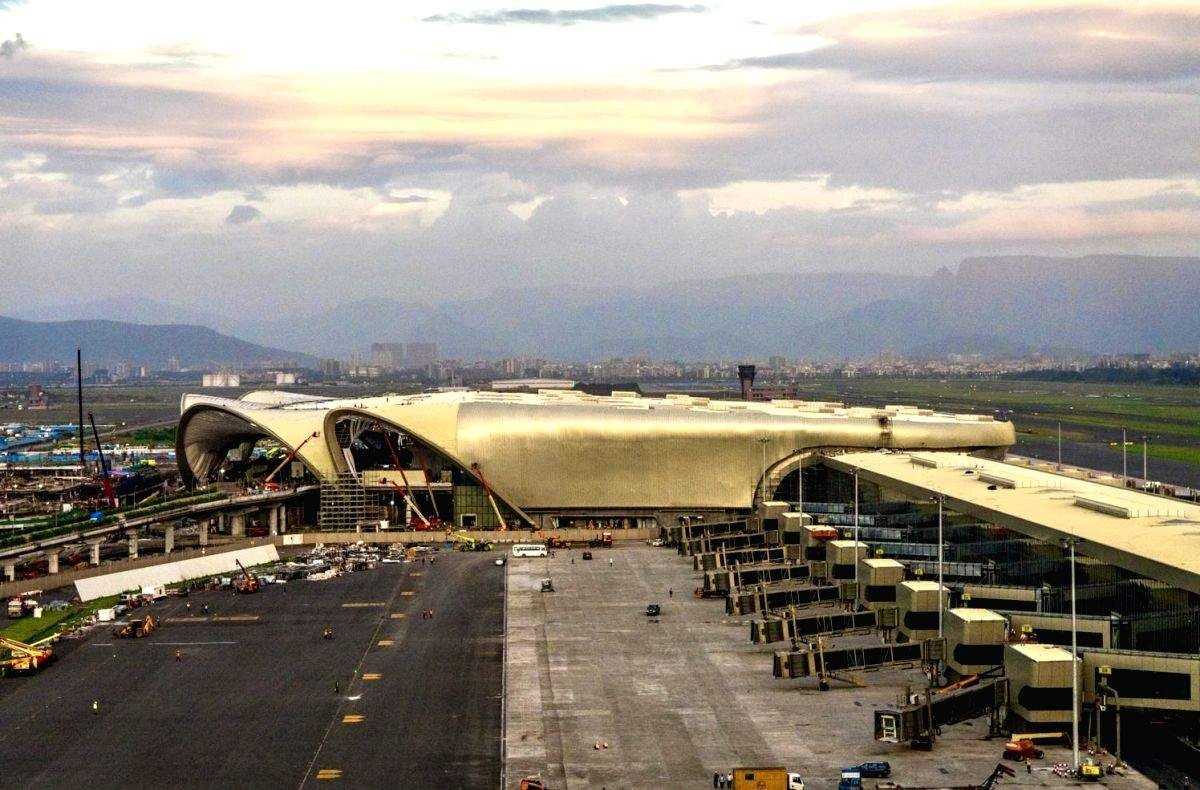
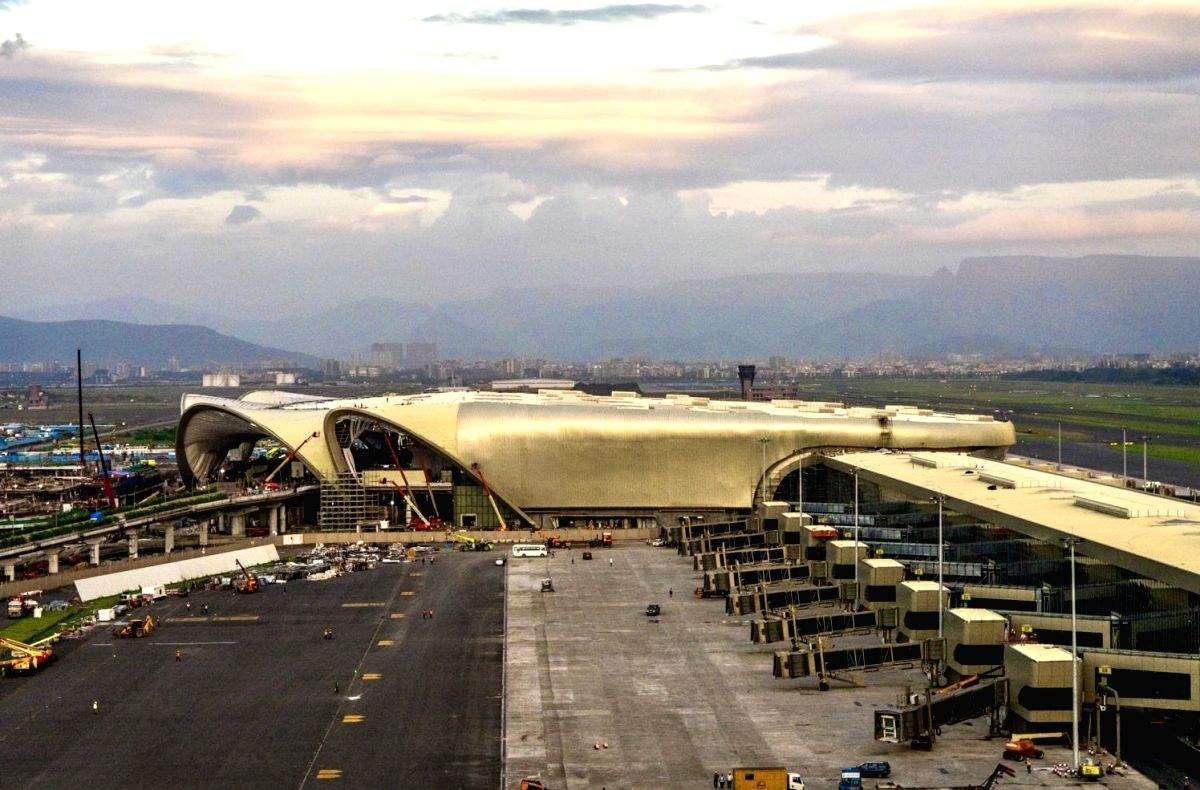
According to aviation officials, the cancellations did not stem from visible damage at Pune Airport itself, but rather from operators proactively managing flight safety in response to military escalation in West Asia and related advisories from civil aviation authorities. The sudden shift in the geopolitical landscape prompted airlines to take a conservative stance on route planning, especially where flights traditionally traverse airspace near or adjacent to areas of conflict.
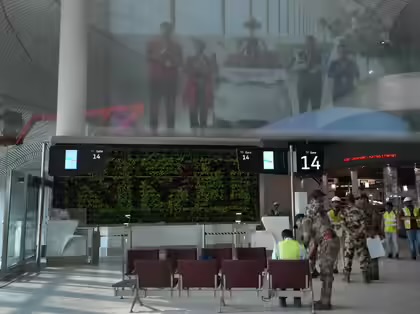
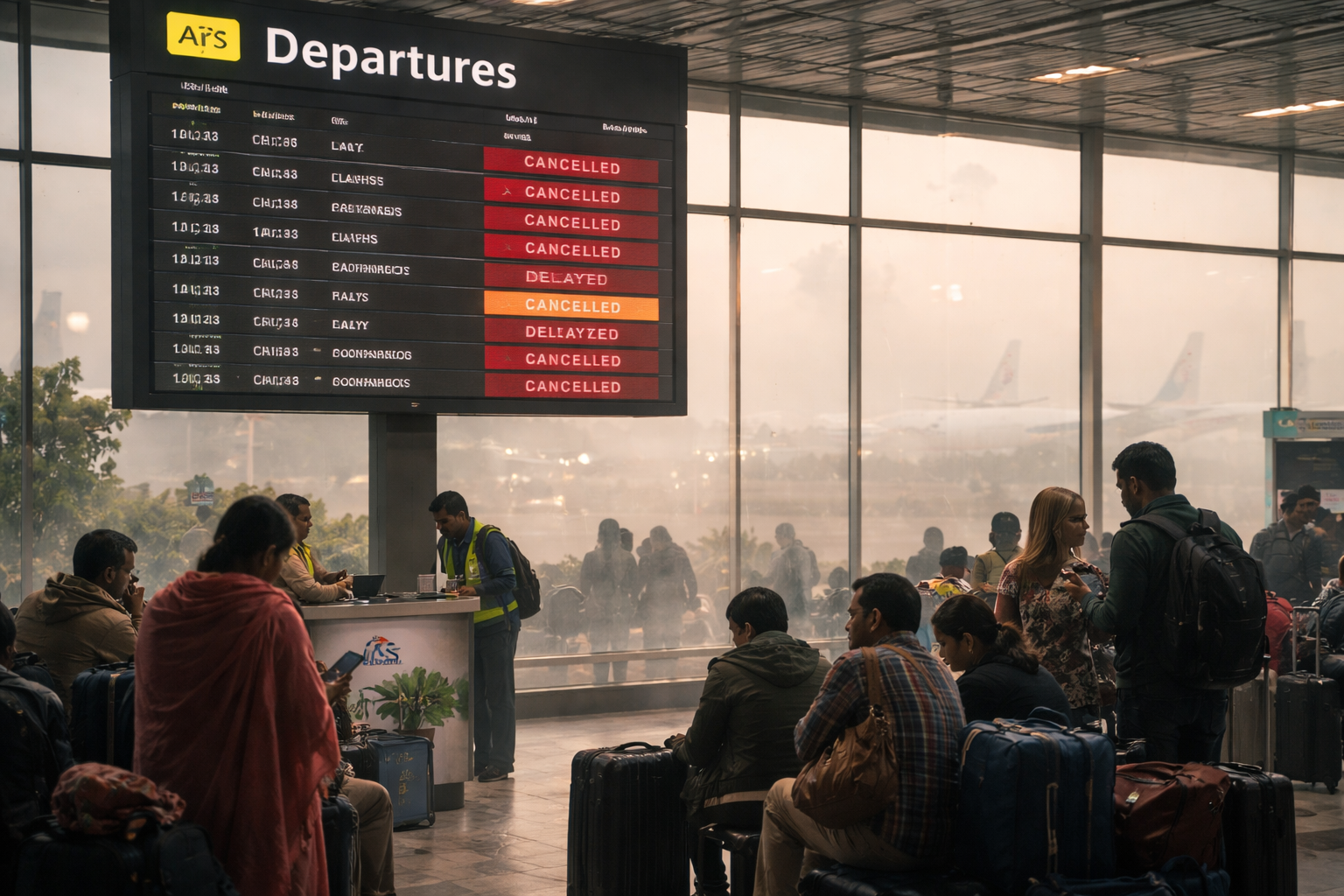
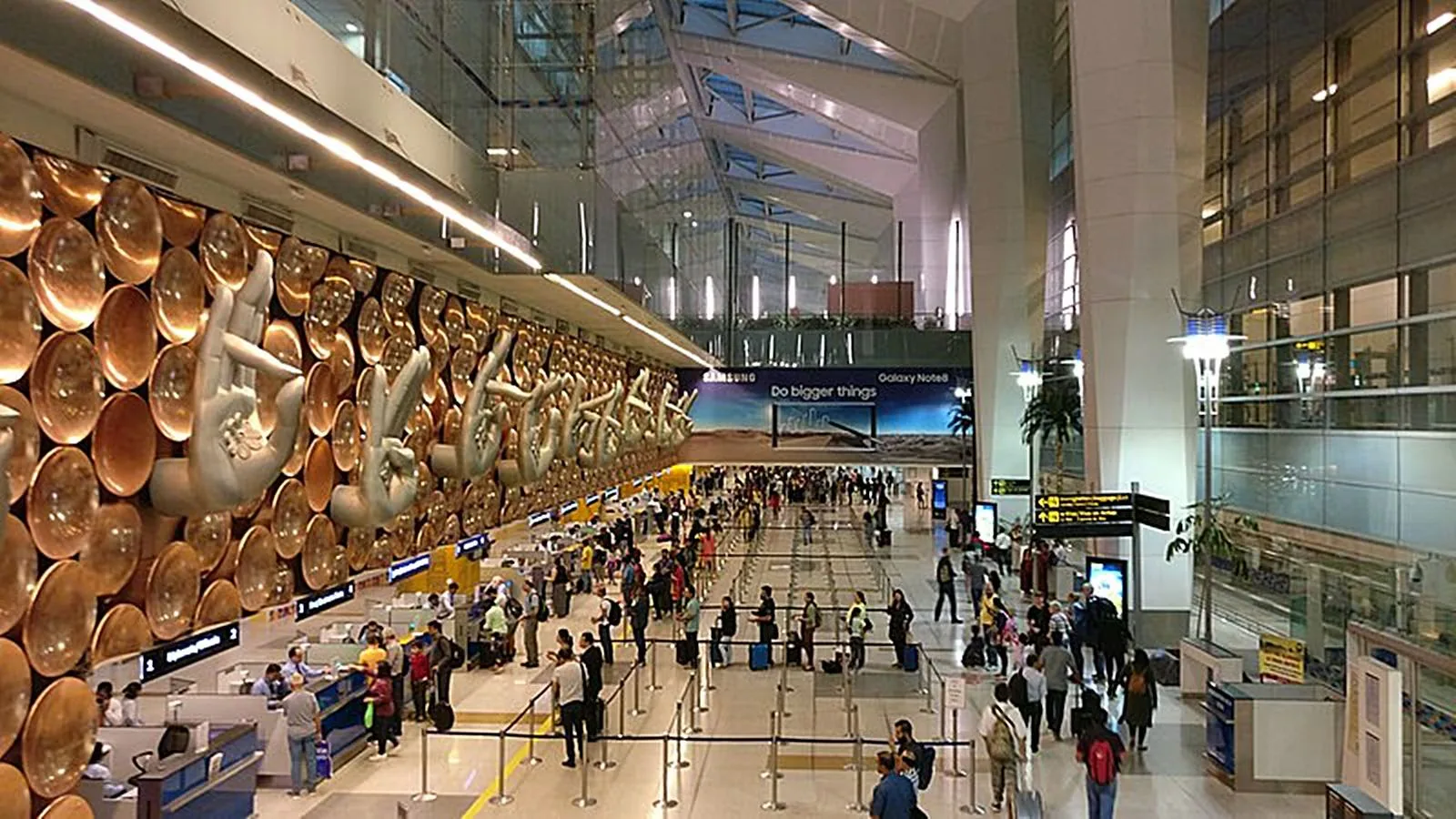
Passengers affected by the cancellations reported confusion and inconvenience as they awaited updates at the airport, with some travellers expressing frustration over limited information in the initial hours following the announcements. Airline ground staff and customer service teams were engaged to assist impacted passengers with alternative arrangements, refund processing and information on revised schedules.
Beyond immediate cancellations, the situation also triggered broader operational recalibrations, with carriers reviewing overflight permissions, updated Notices to Airmen (NOTAMs), and advisories issued by regulators to determine safe routings. When military actions unfold in contested regions, civil aviation bodies often recommend avoidance of particular airspace segments out of caution, even if formal sovereign airspace closures are not declared. Such guidance seeks to minimise exposure to potential hazards and maintain safety margins for commercial flights.
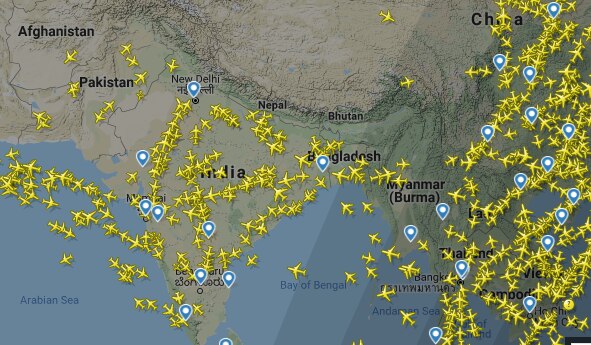
Experts say that Middle East tensions can ripple through global airline planning because many long-haul routes from India to Europe, Africa and the Americas use corridors over or near the Gulf. When geopolitical risks rise, airlines may opt for longer routings that detour around sensitive airspace, increasing flight times and operational costs but prioritising passenger and crew safety.
The cancellations from Pune add to a wider pattern of schedule disruption observed at airports across India and other regions as carriers monitor developments. Some airlines have already revised departure times, adjusted flight paths or temporarily suspended specific international services until clearer assessments of risk and airspace viability are available.
Passengers whose UAE-bound flights were cancelled are being advised to check official airline communications for updated schedules, refund policies and rebooking options. Retail passengers, business travellers and expatriates planning travel to and from the Gulf region are particularly affected because the Pune–UAE route is commonly used for diaspora travel, commerce and short-haul connectivity.
While carriers work to manage the immediate fallout, aviation analysts say that prolonged geopolitical tensions can lead to wider network effects such as redistributed traffic flows, increased demand for alternative gateways, and strategic fleet redeployment until calmer conditions return. Airlines with flexible scheduling and larger route portfolios may be better placed to accommodate affected passengers by offering alternative sectors or connections via other hubs.
Regulatory bodies are closely tracking the situation and may issue updated advisories as events unfold. Civil aviation authorities typically coordinate with international counterparts to assess the implications of military events on flight safety and to guide airlines on acceptable operational options.
The evolving scenario underscores how swiftly global geopolitical events can influence civil aviation operations, prompting airlines to balance network commitments with rigorous safety considerations. As passengers and airlines adapt to cancellations and revised plans, the focus remains on managing the immediate challenges while preserving confidence in air travel continuity amid uncertain external conditions.