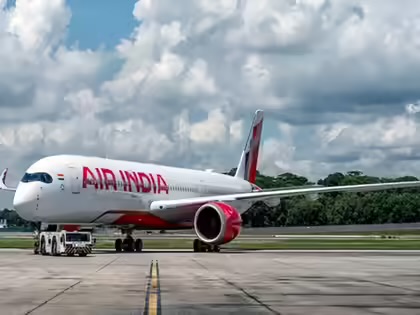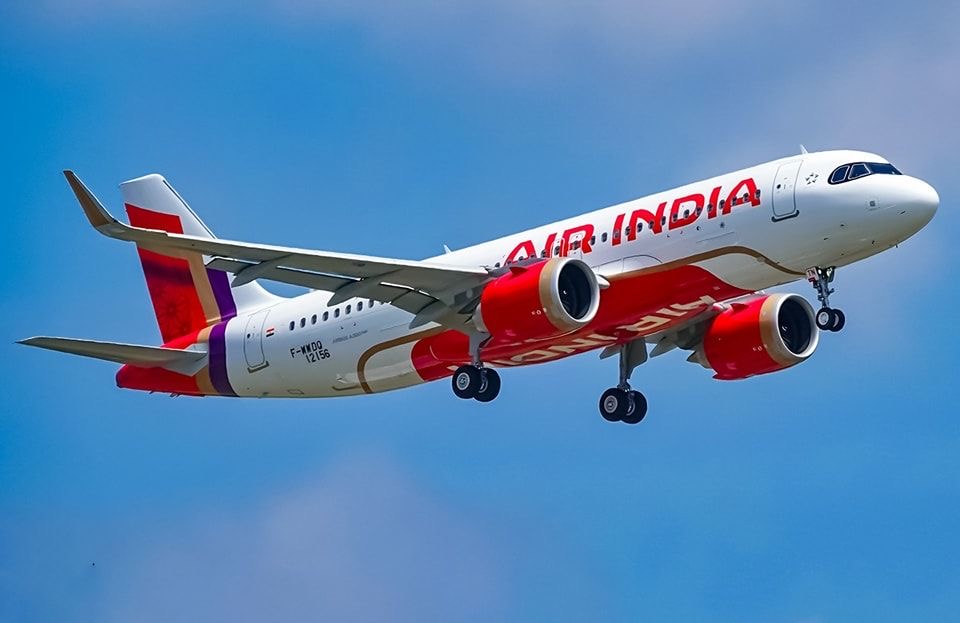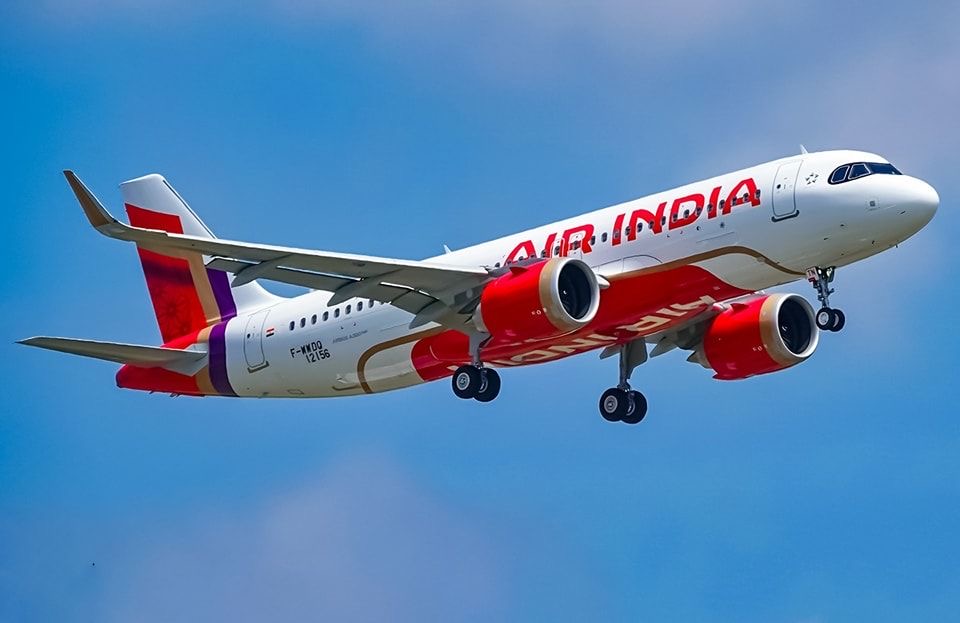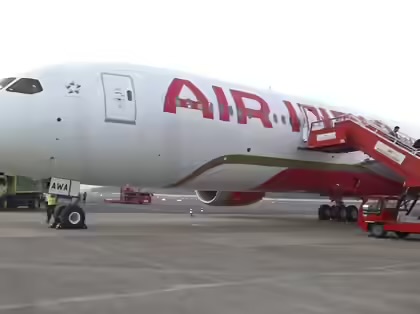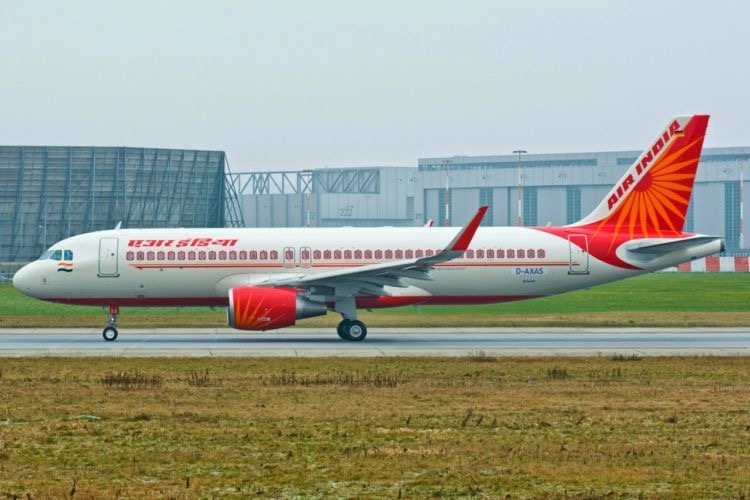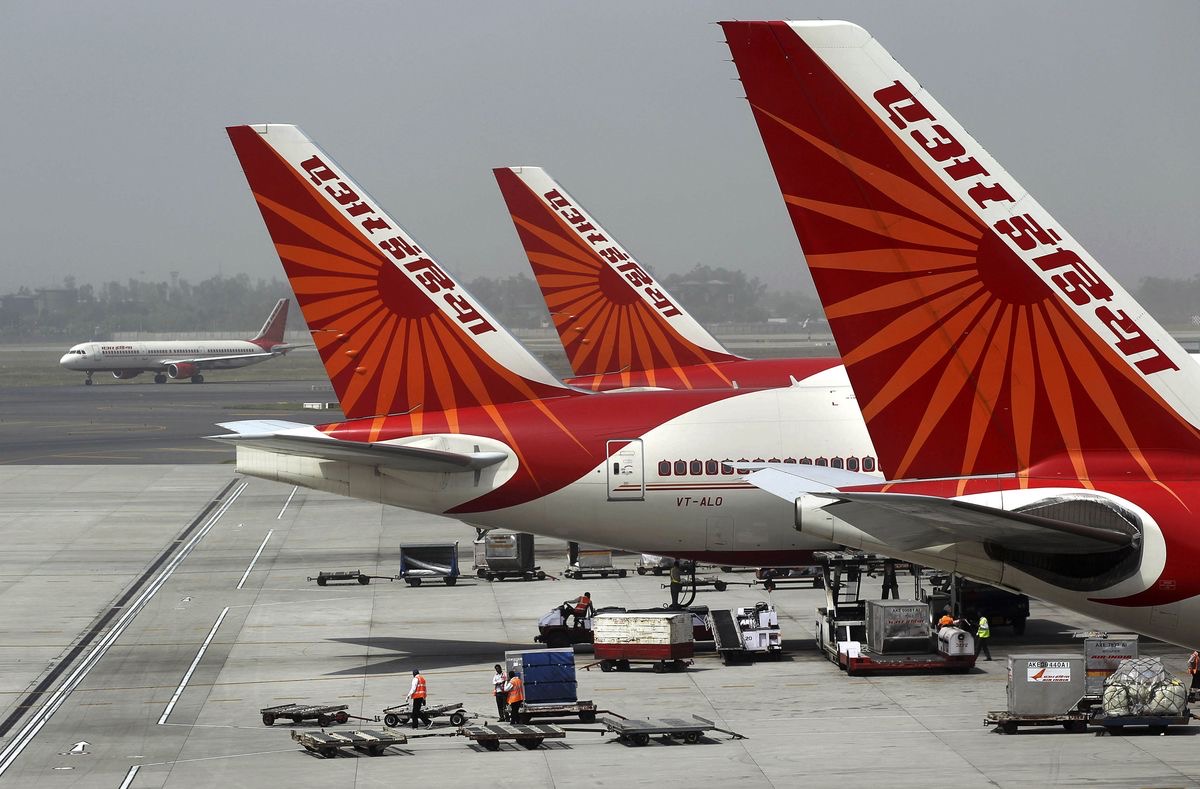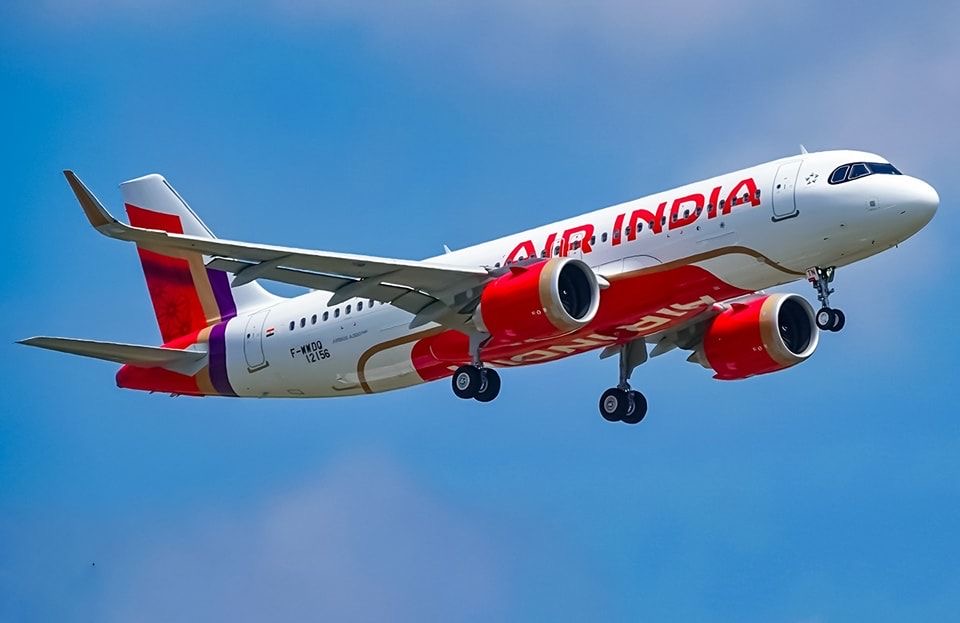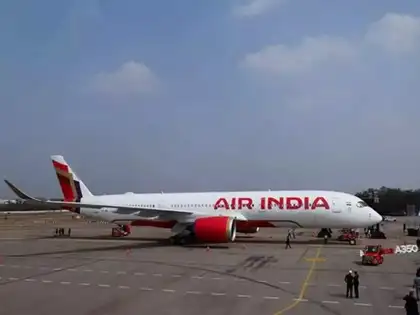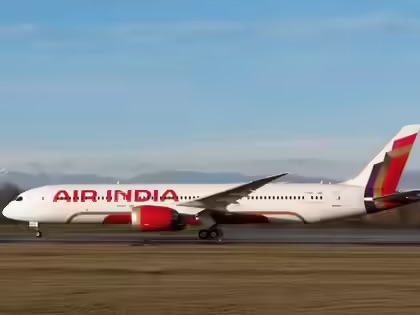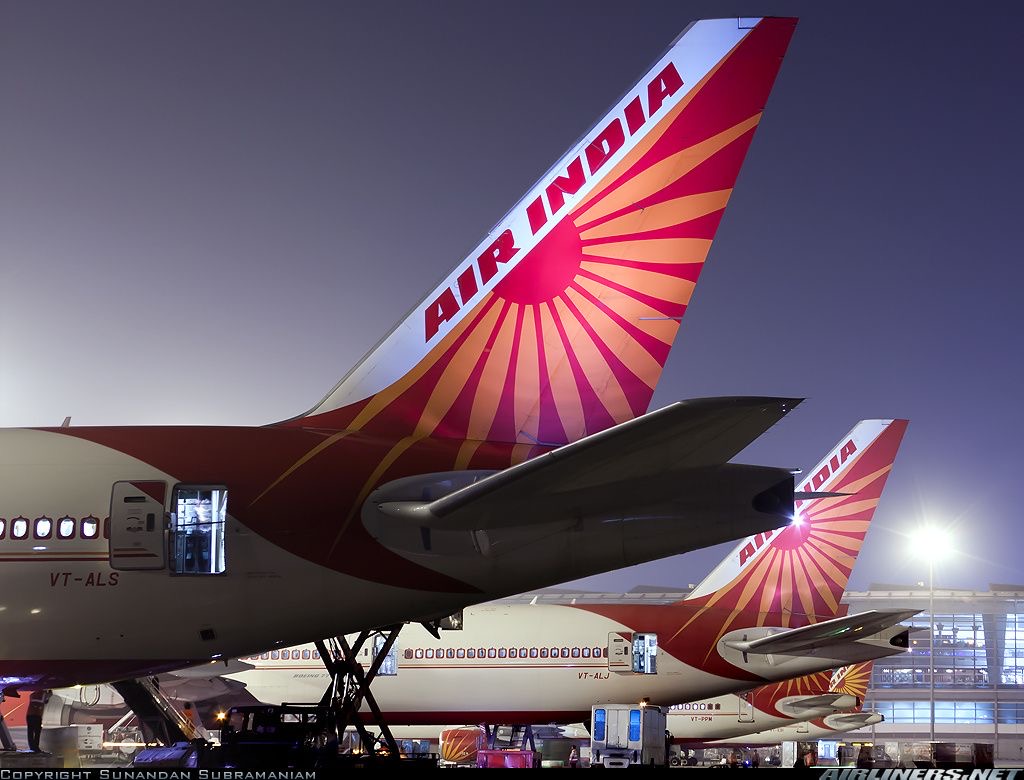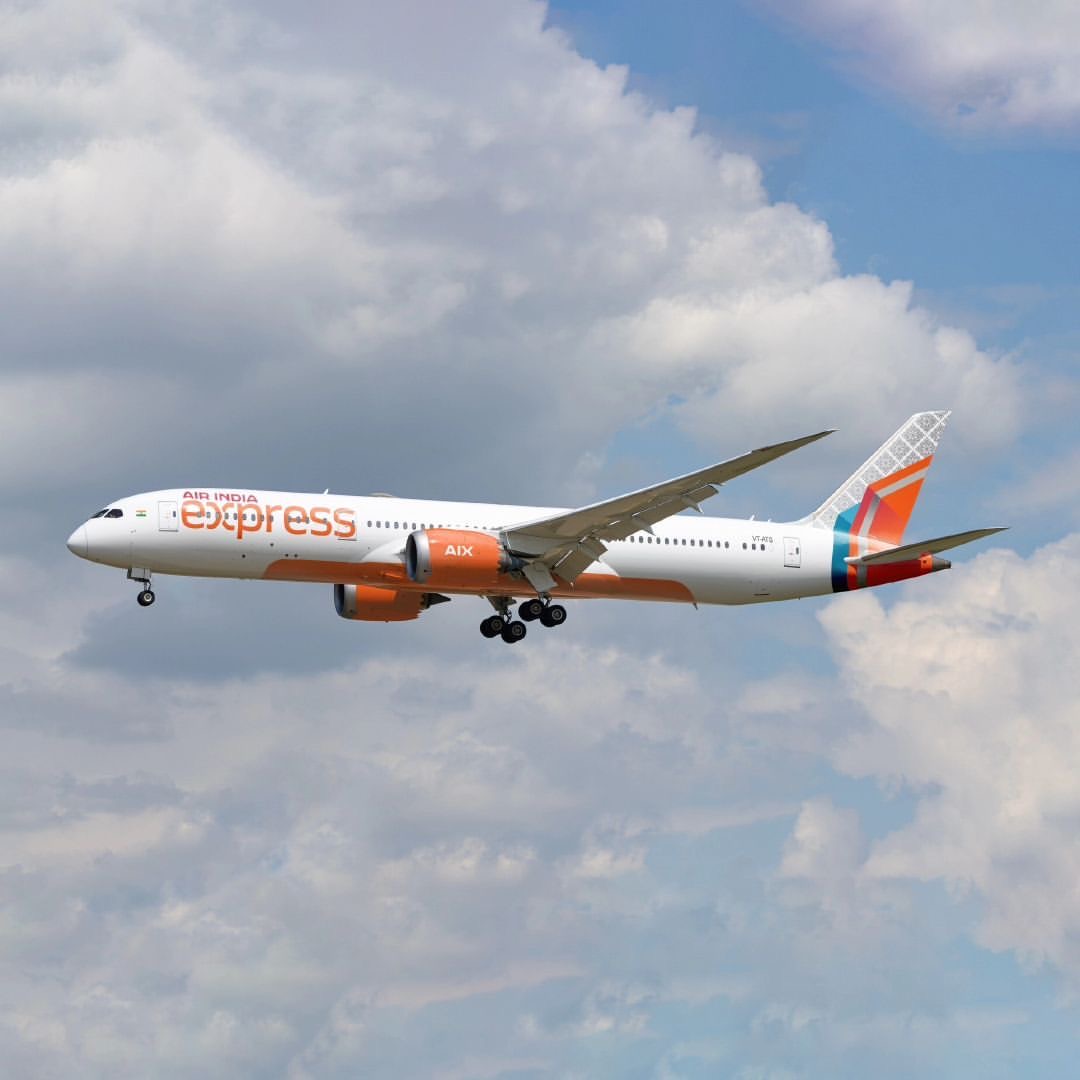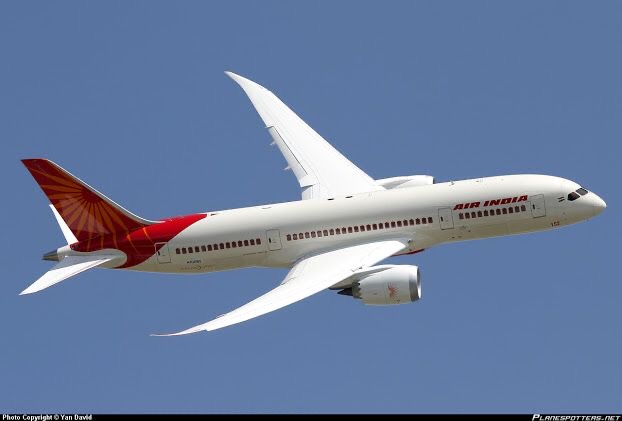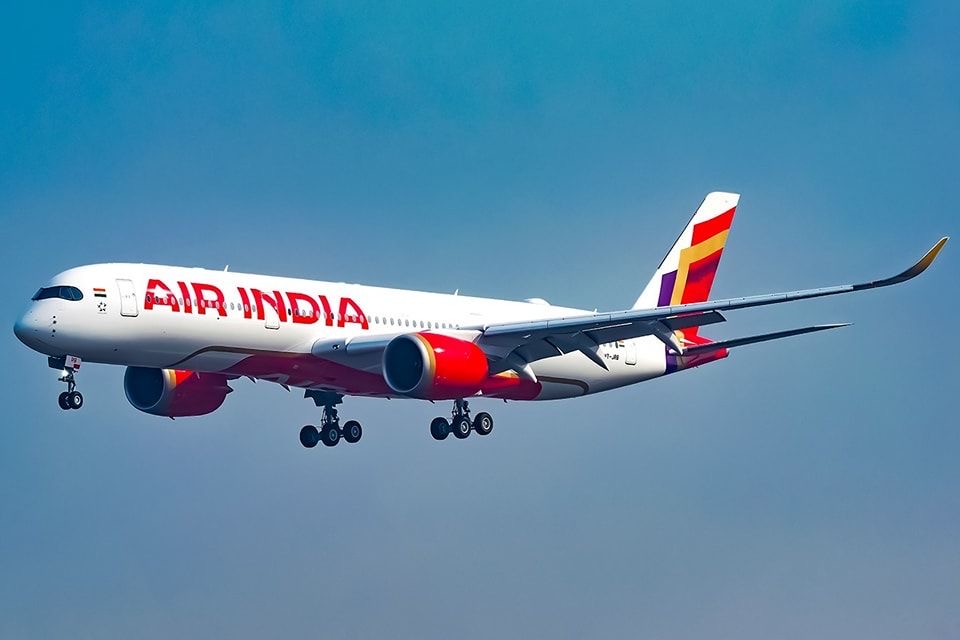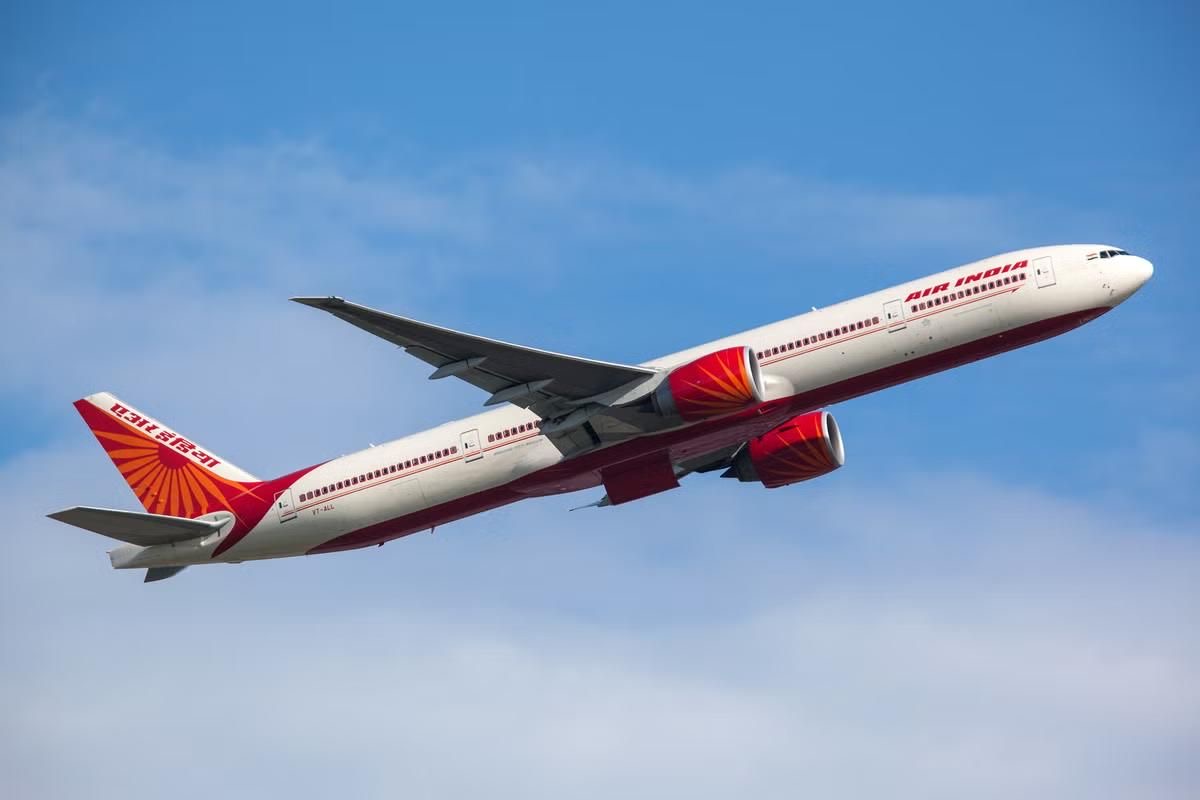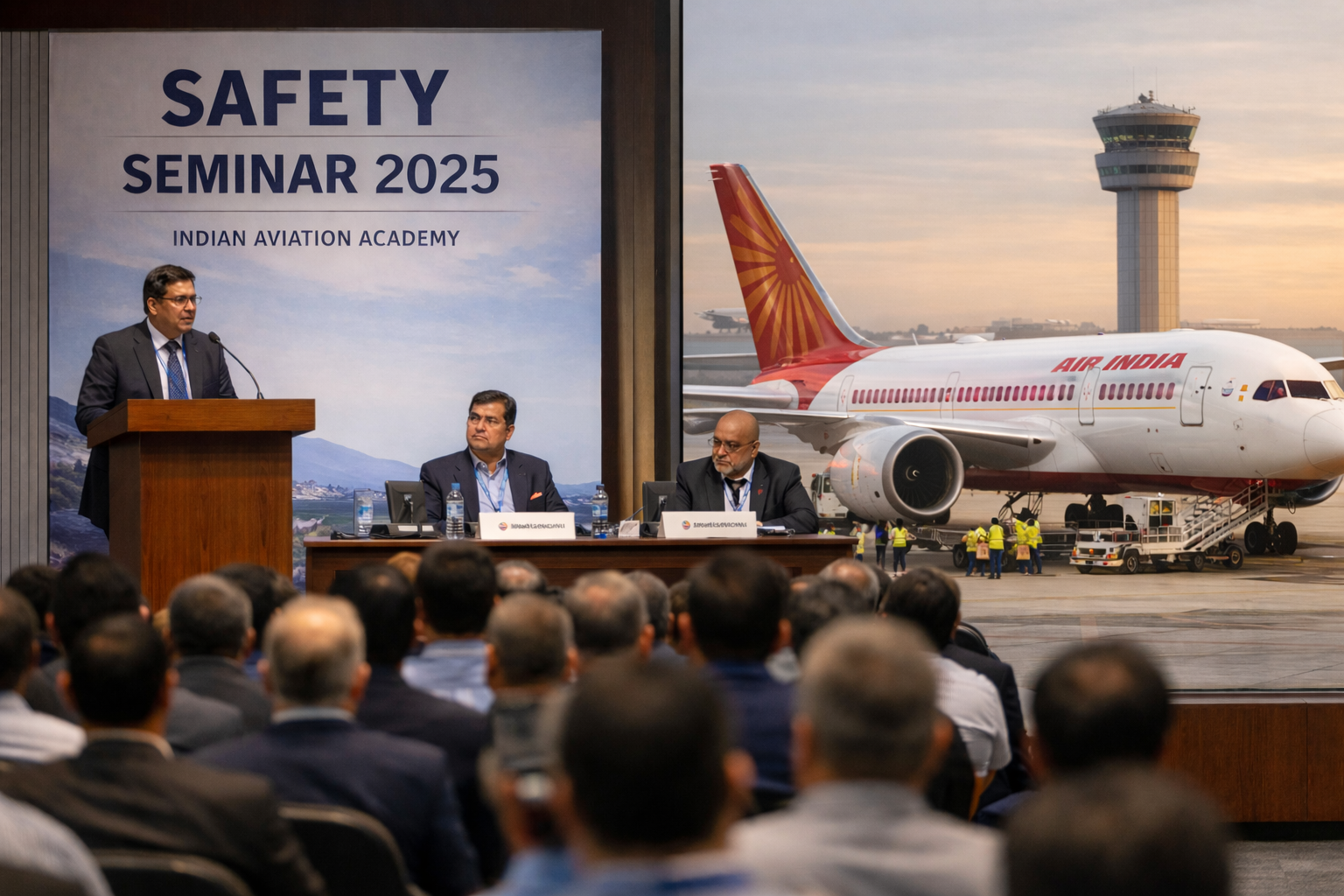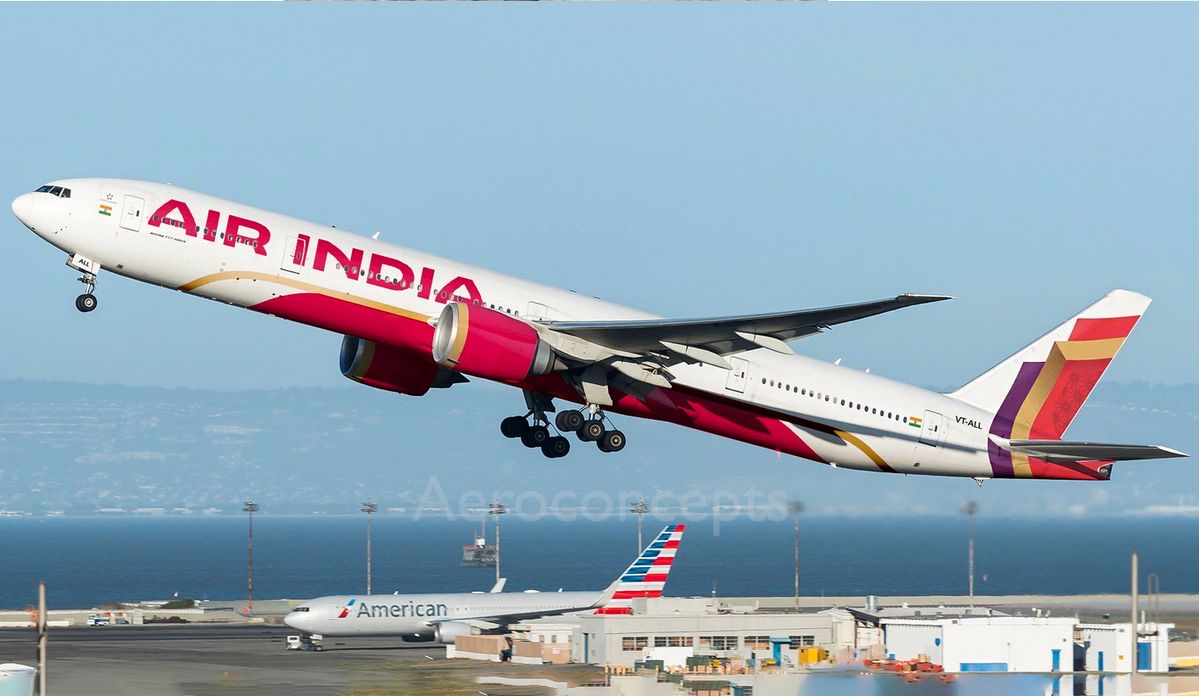
An Air India Boeing 777 aircraft made a precautionary return to Delhi shortly after takeoff after the flight crew noticed an engine-related alert, prompting safety protocols to be activated mid-air. The decision to turn back was taken purely as a precaution, ensuring the safety of everyone on board.
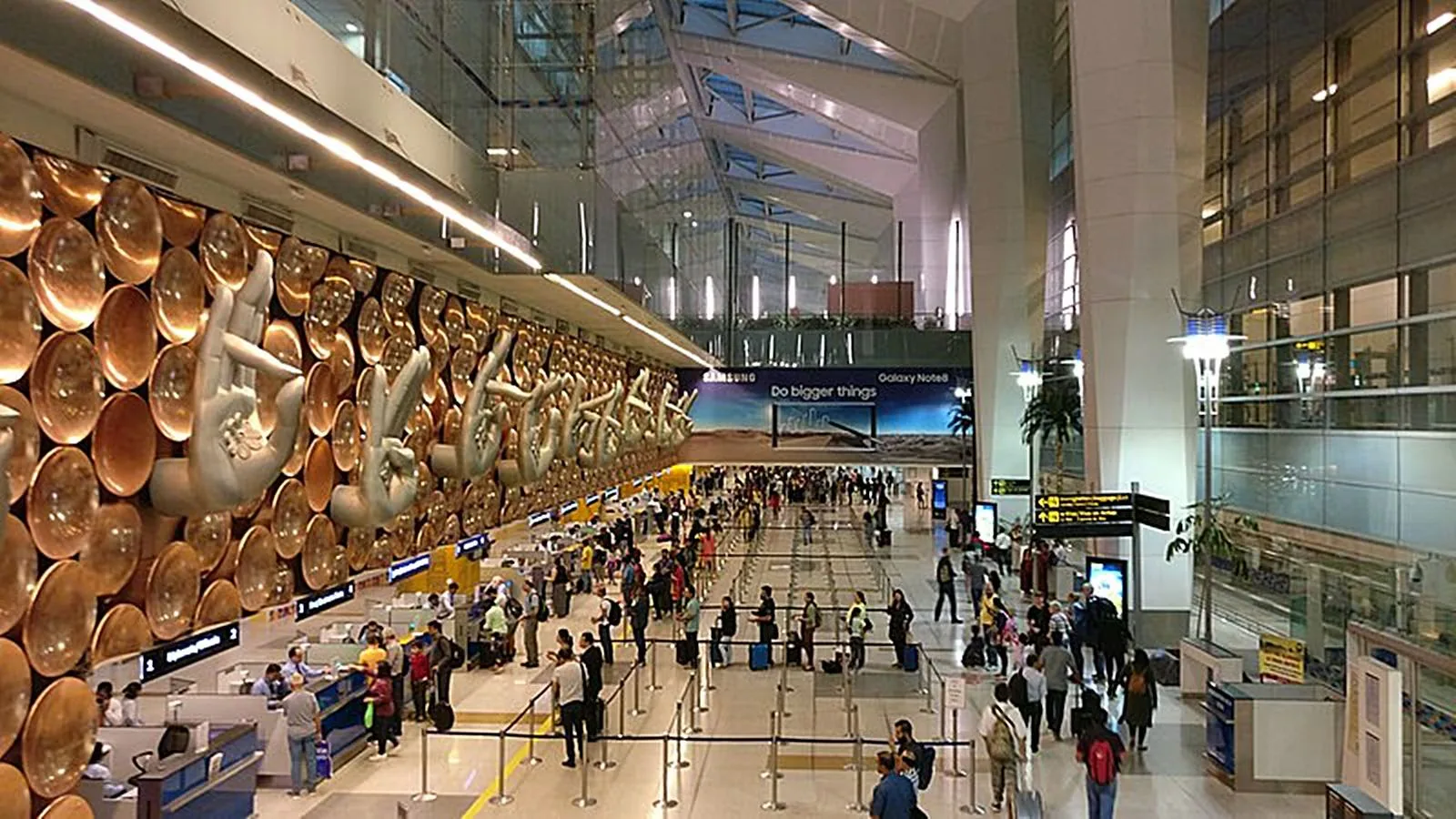
The wide-body aircraft had departed from Indira Gandhi International Airport in Delhi and was en route to its destination when cockpit systems indicated an issue linked to engine oil levels. Within minutes of becoming airborne, the pilots detected the alert and began assessing the situation in line with standard operating procedures.
As the aircraft continued its initial climb, the crew observed abnormal readings associated with one of the engines. Recognising the potential risk, they decided not to proceed further and instead opted to return to Delhi. The move was taken calmly and methodically, reflecting standard aviation safety practice when technical alerts arise.
The aircraft landed safely back at the Delhi airport without any complications. All passengers and crew disembarked normally, and there were no reports of injuries or panic during the return. Airport emergency services remained on standby as a routine precaution but were not required to intervene.
Following the landing, the Boeing 777 was taken out of service for technical inspection. Air India’s engineering teams began a detailed examination of the aircraft to identify the cause of the engine oil alert and to ensure that the issue is fully resolved before the aircraft is cleared to fly again.
Passengers affected by the disruption were assisted by airline staff at the airport. Some were rebooked on alternate flights, while others chose to wait for a replacement aircraft or explore other travel options. The airline worked to minimise inconvenience and provide necessary support to those impacted.
Air India informed aviation authorities about the incident, as required under safety regulations. Such precautionary turn-backs, while uncommon, are treated seriously across the industry and are considered a responsible response when onboard systems flag potential technical concerns.
Aviation experts note that modern twin-engine aircraft like the Boeing 777 are designed to operate safely even if one engine is shut down, allowing pilots to return to the nearest suitable airport without risk. The incident serves as a reminder of the layered safety systems in place and the importance of erring on the side of caution in commercial aviation.