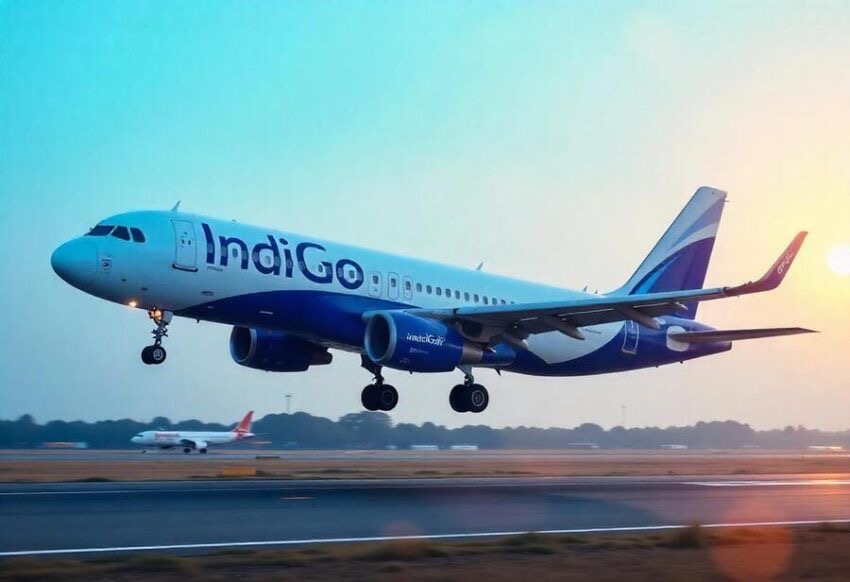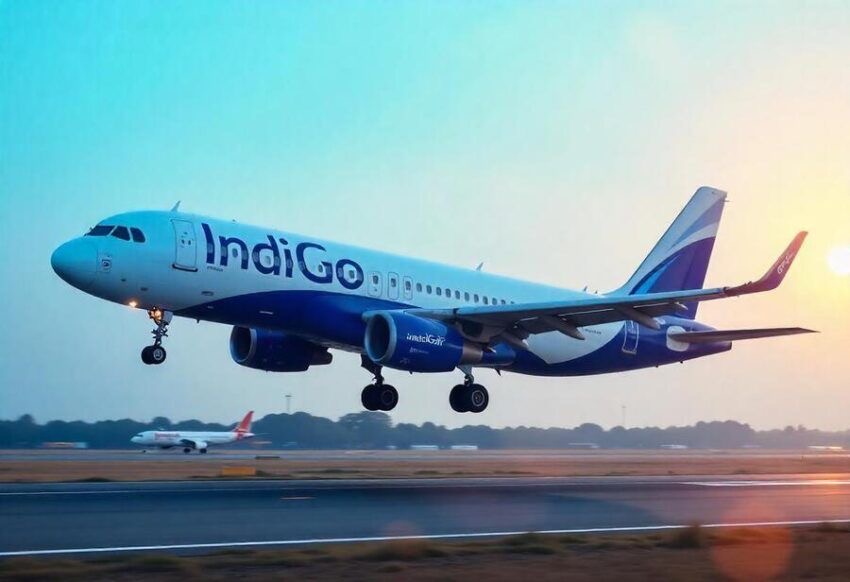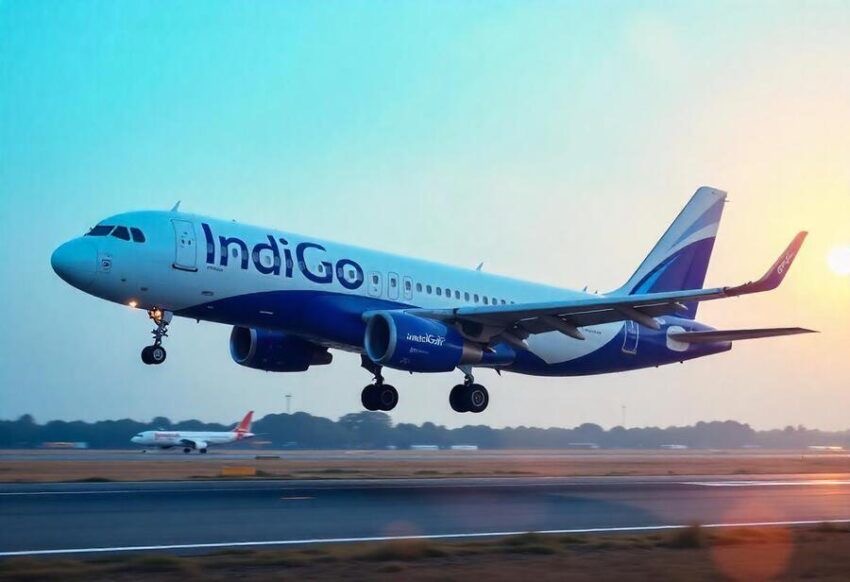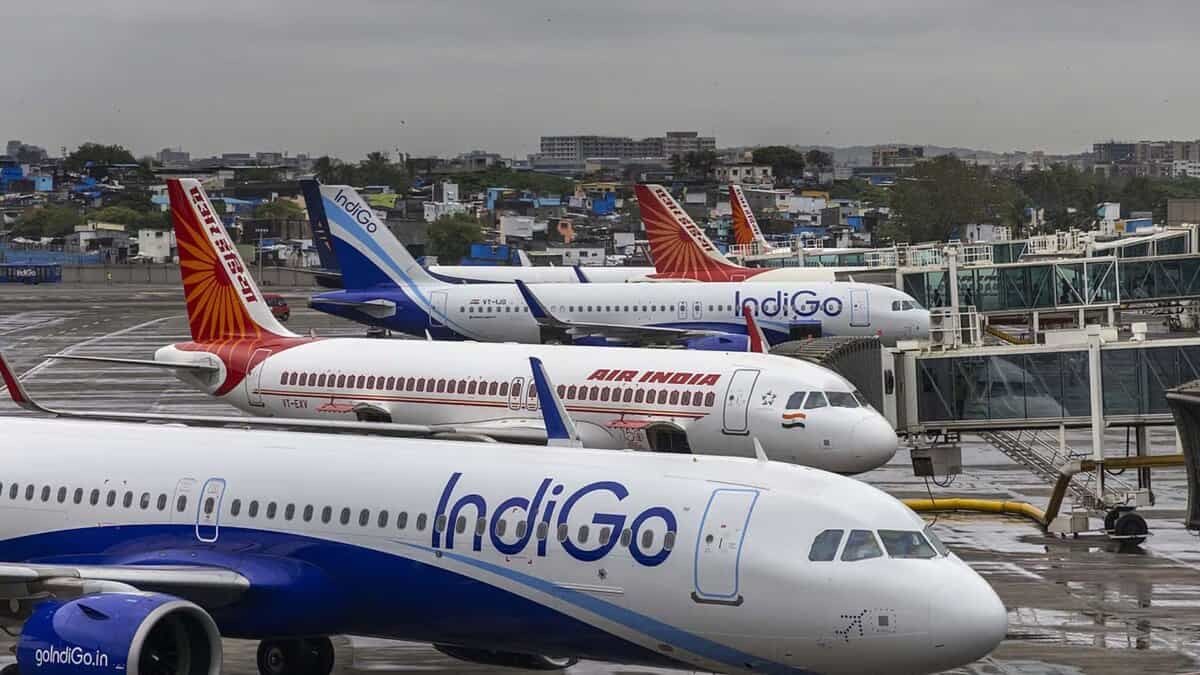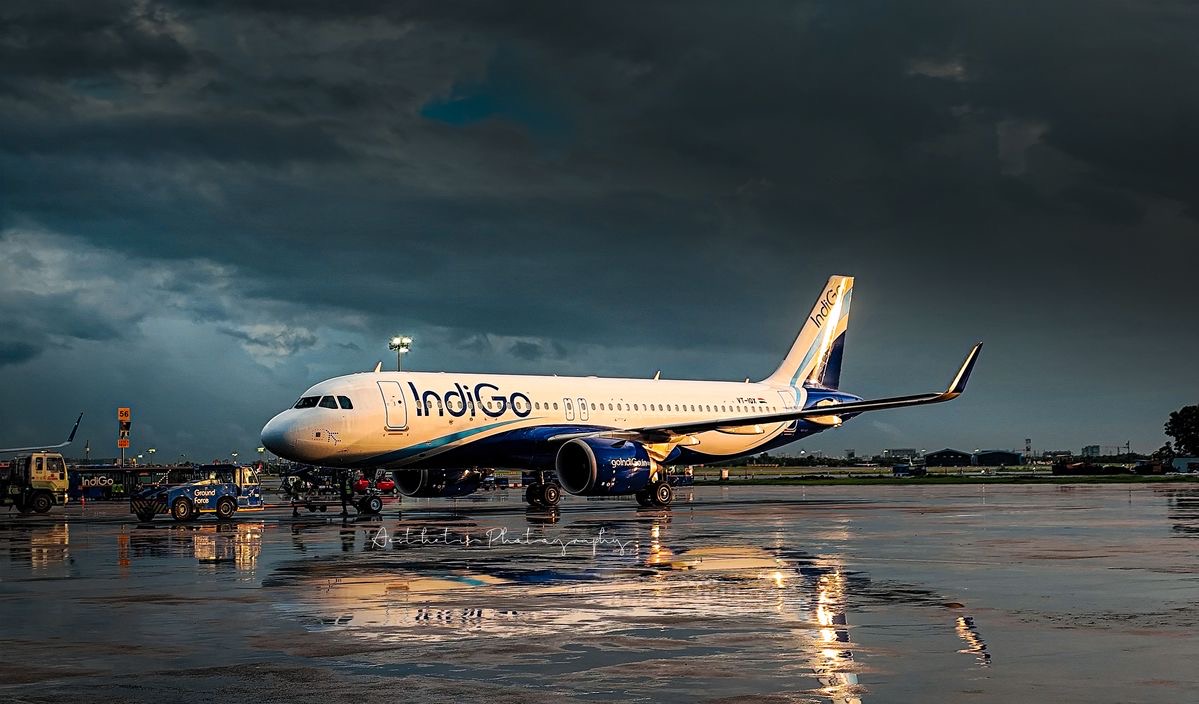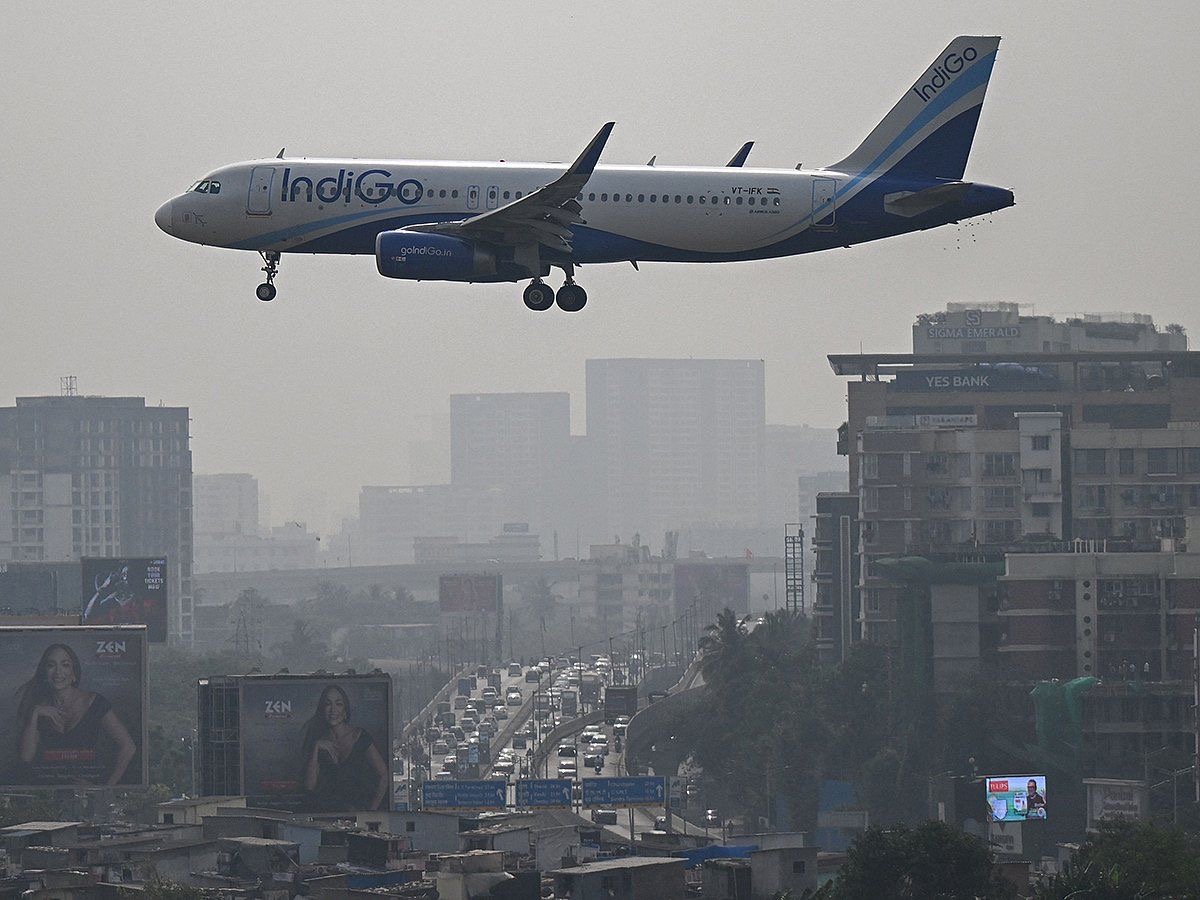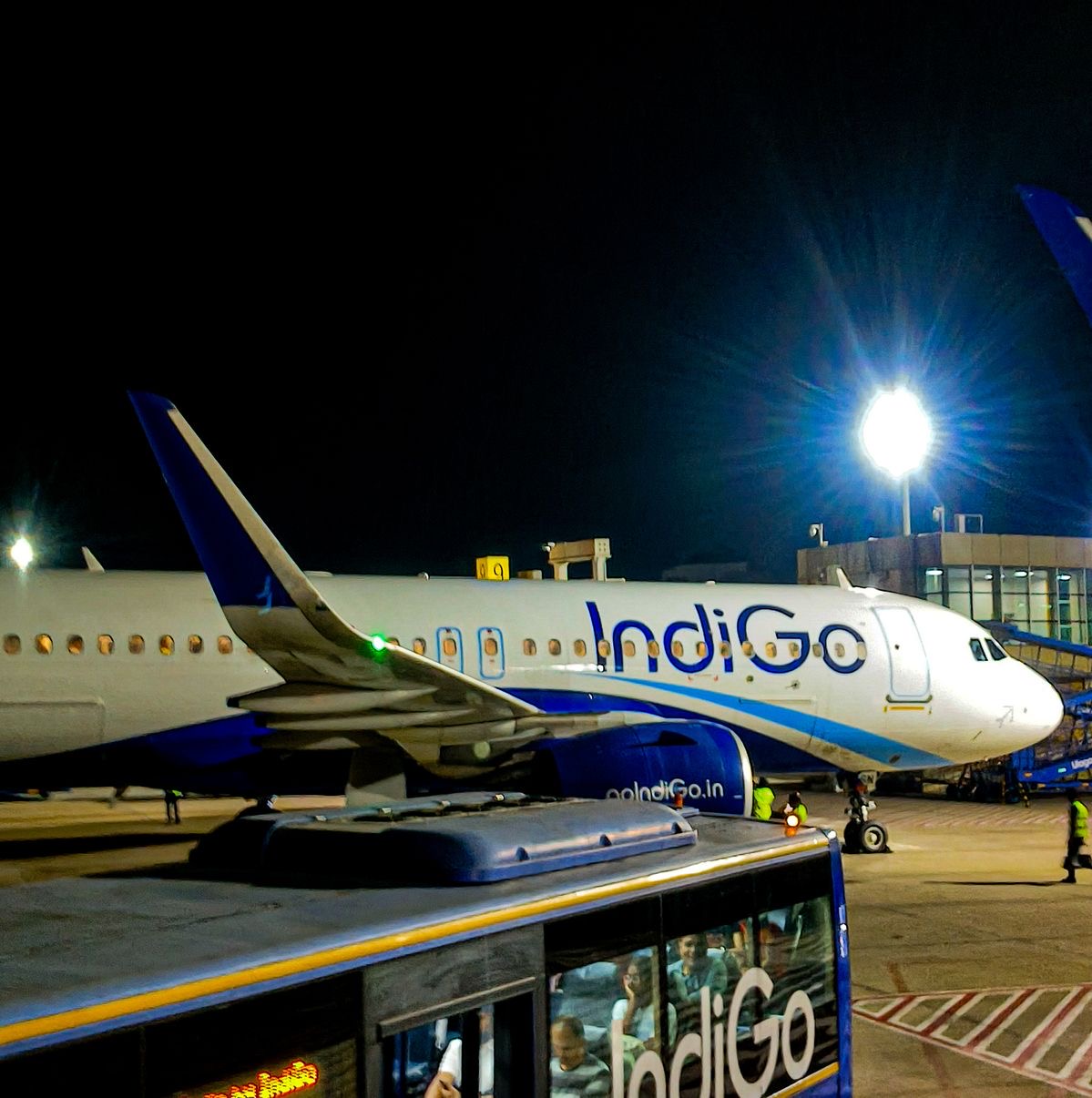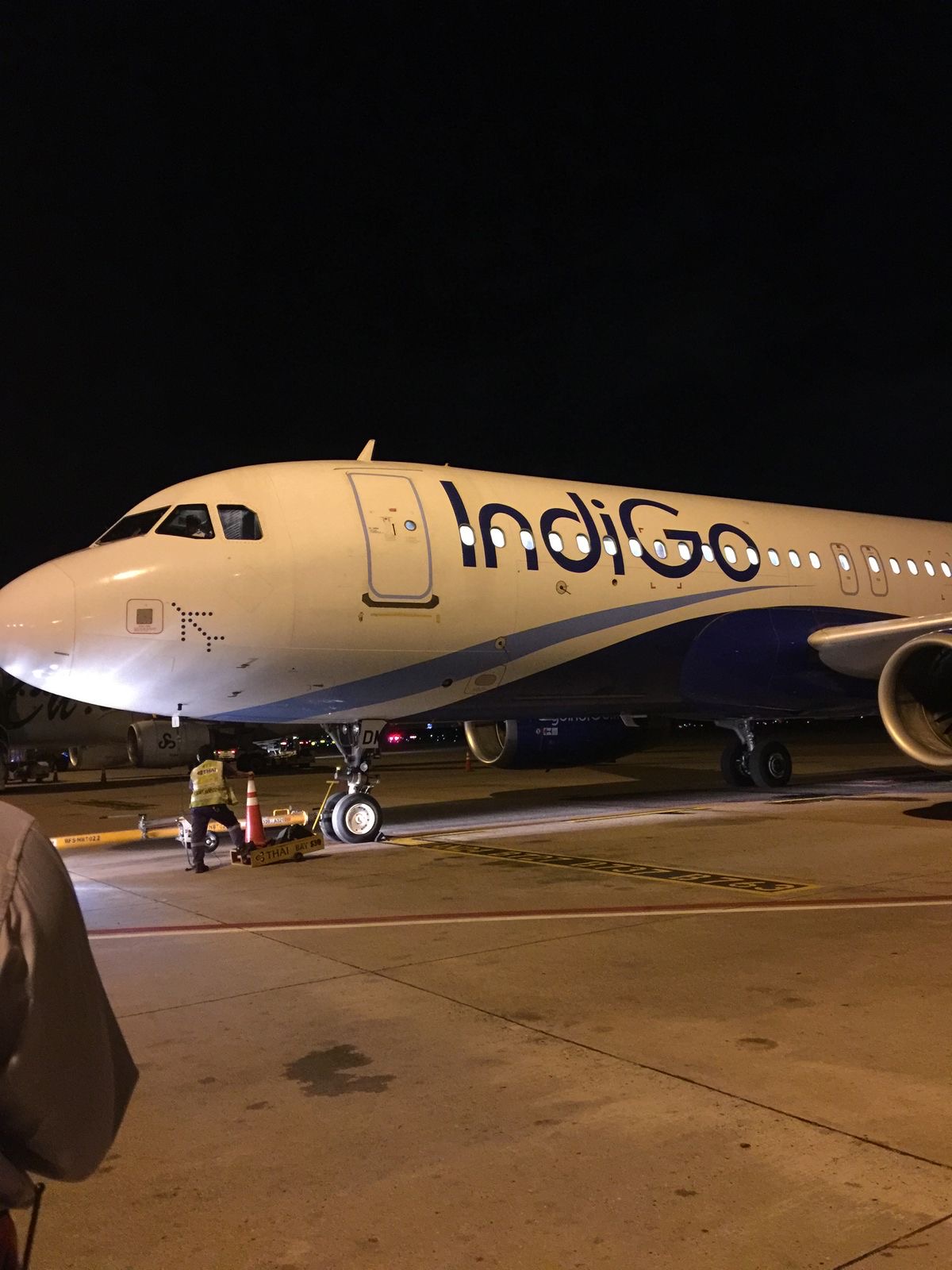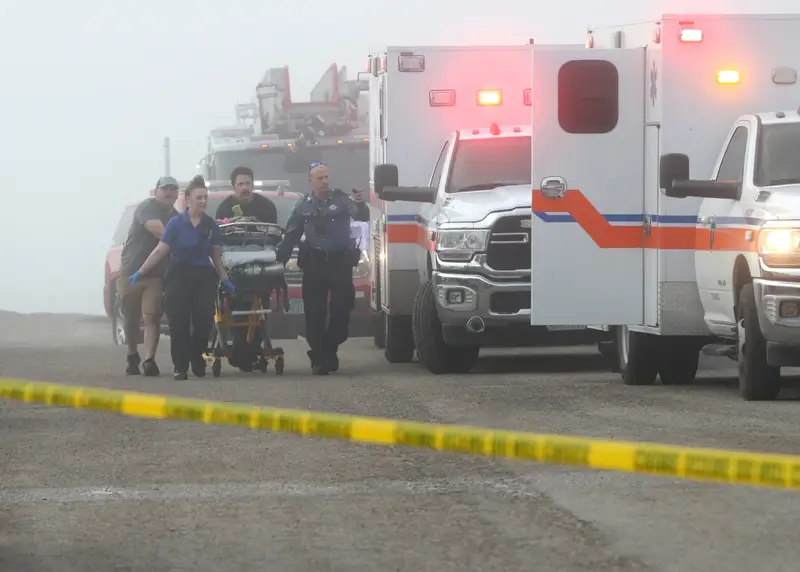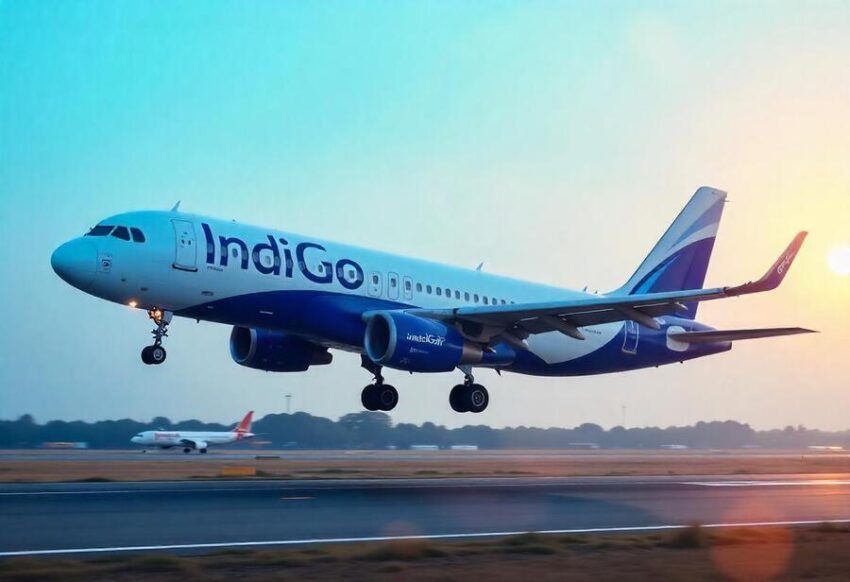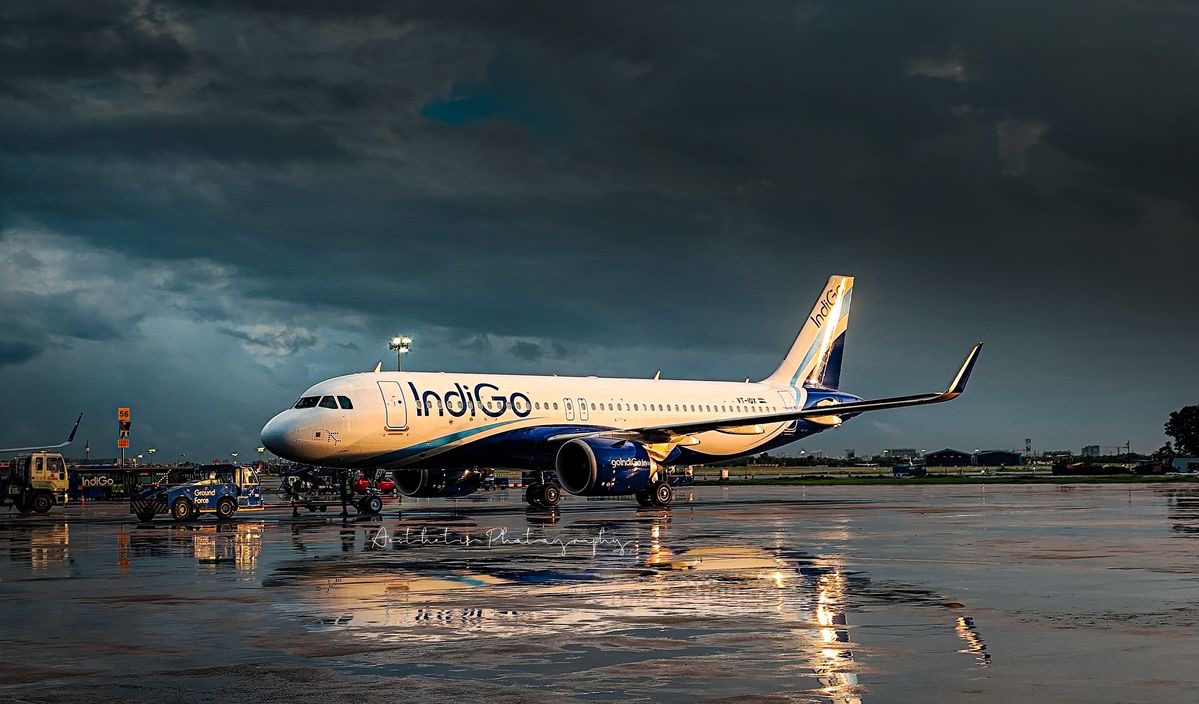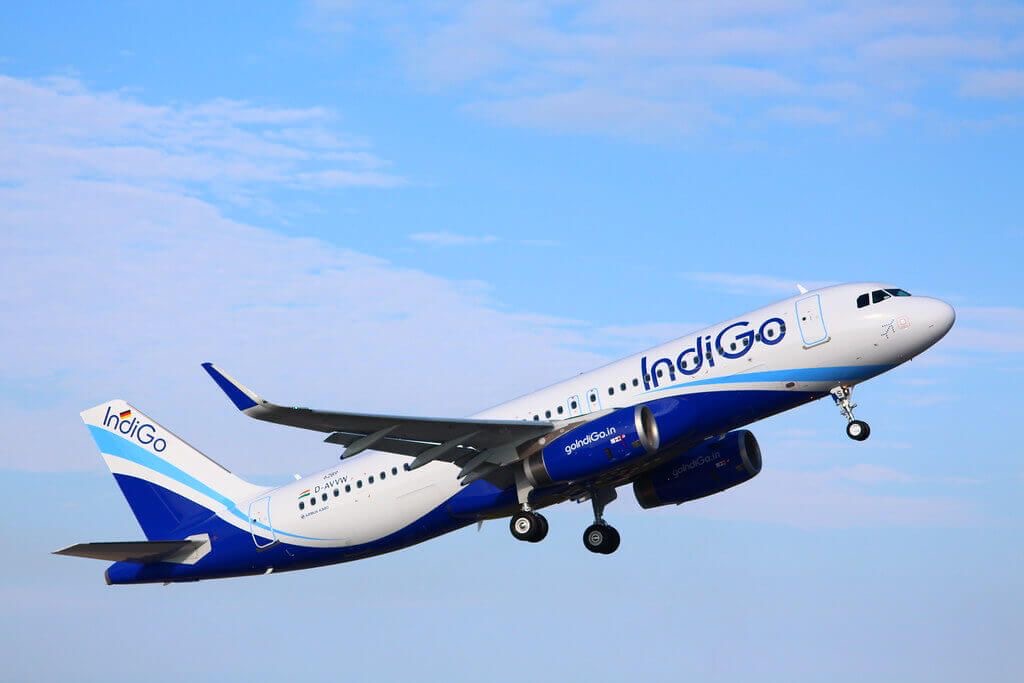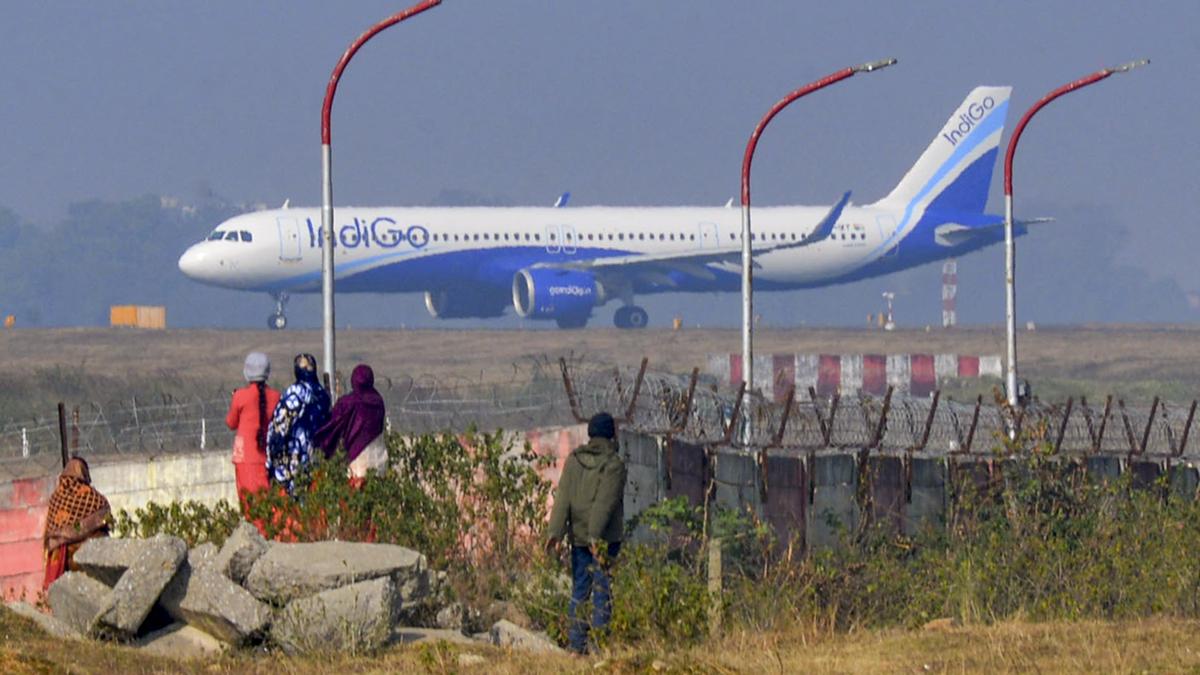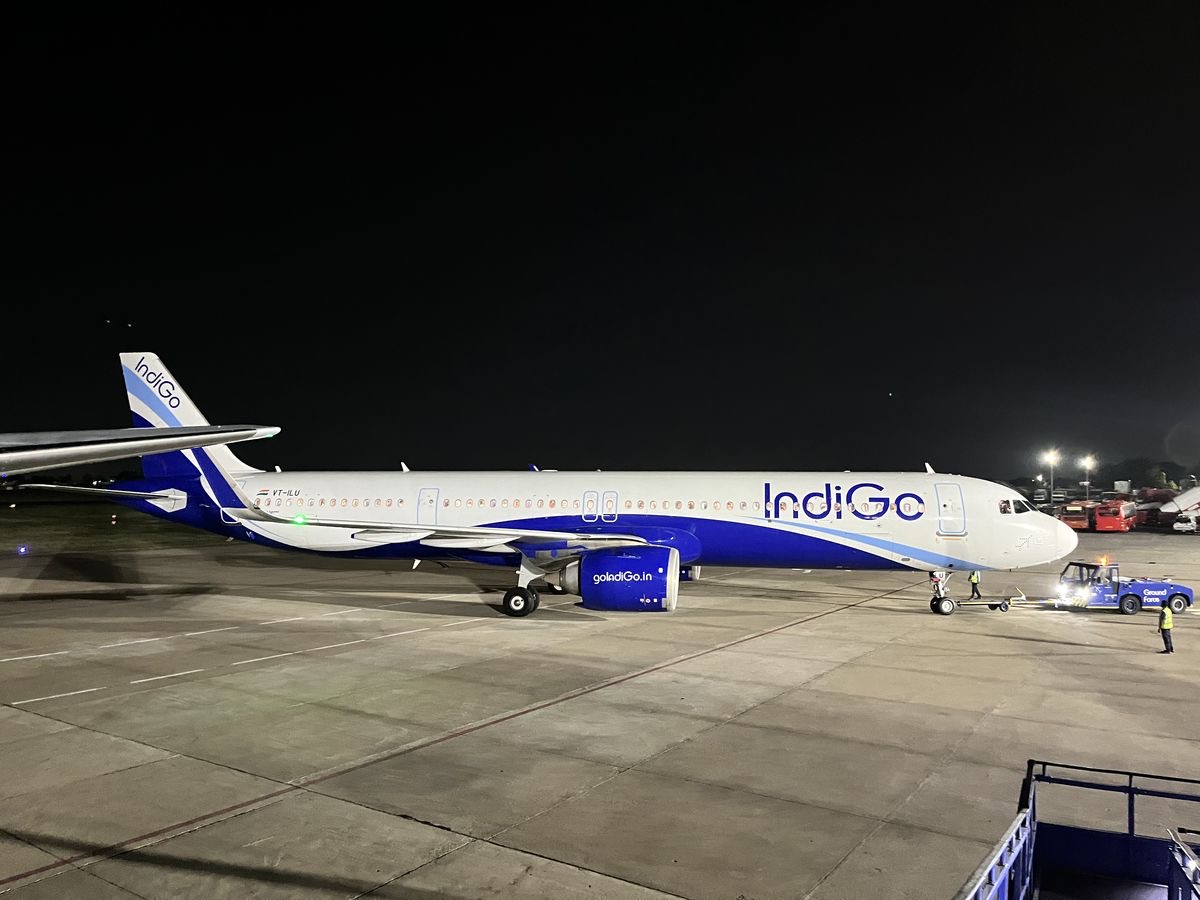
Two IndiGo flights bound for Hyderabad were forced to divert to Gannavaram Airport in Andhra Pradesh on a foggy morning, disrupting travel plans for hundreds of passengers and highlighting the ongoing challenges that winter weather poses for air travel in parts of India. Thick ground fog around Rajiv Gandhi International Airport reduced visibility significantly, prompting air traffic controllers and pilots to opt for a safer landing at an alternate airport rather than risk a hazardous approach.
The flights, scheduled to land at Hyderabad in the early hours, had departed from their respective origins on time. However, as they neared the city, pilots encountered a dense layer of fog that made conditions unsuitable for a normal landing. After discussions with air traffic control and careful consideration of safety parameters, both flight crews agreed to divert to Gannavaram Airport, located near Vijayawada, which had clearer weather and safer landing conditions at the time.
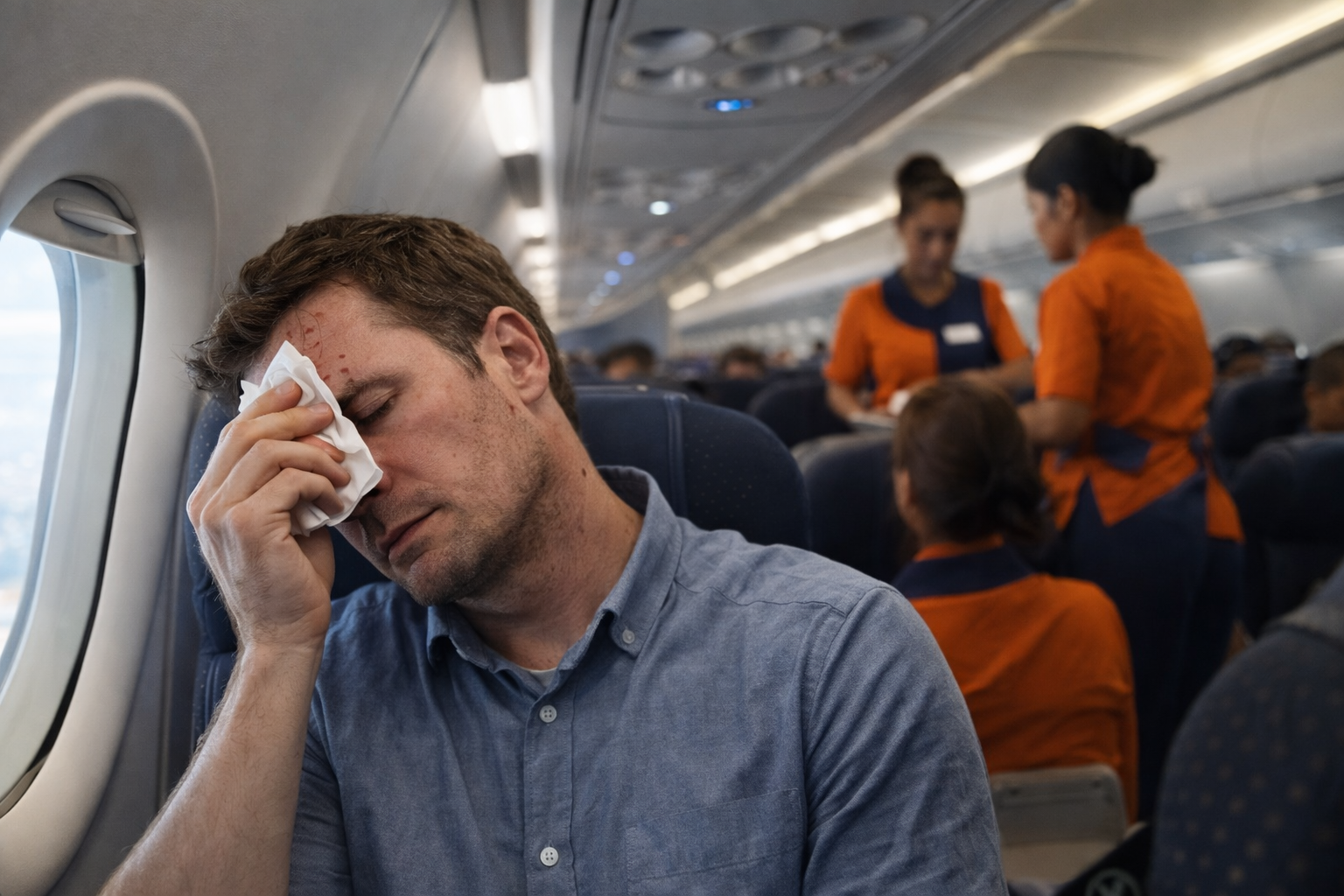
Passengers aboard the diverted flights experienced a mix of concern, inconvenience, and eventual relief as pilots made the decision to land at the alternate airport. Cabin crew worked to keep travellers informed, explaining that safety considerations were paramount and that the diversion was a precautionary measure rather than a response to any technical issue with the aircraft itself. For many, the announcement was reassuring, even as it meant additional time and uncertainty before reaching their final destination.
Once on the ground at Gannavaram Airport, airline staff mobilised to assist passengers with next steps. Many travellers were provided refreshments, updates on connecting transport, and help with arranging onward travel to Hyderabad. Some opted to continue by train or road transport, while others waited for weather conditions to improve sufficiently for flights to depart for their original destination.
The meteorological conditions that led to the diversions are part of a broader pattern of winter fog that often affects the northern and central parts of the country. In Hyderabad, dense fog can blanket runways early in the morning during the cooler months, reducing visibility to levels that fall below safe minimums for scheduled operations. Airports rely on specialised instrument landing systems, but when ground visibility drops too low, diversions become the safest option.
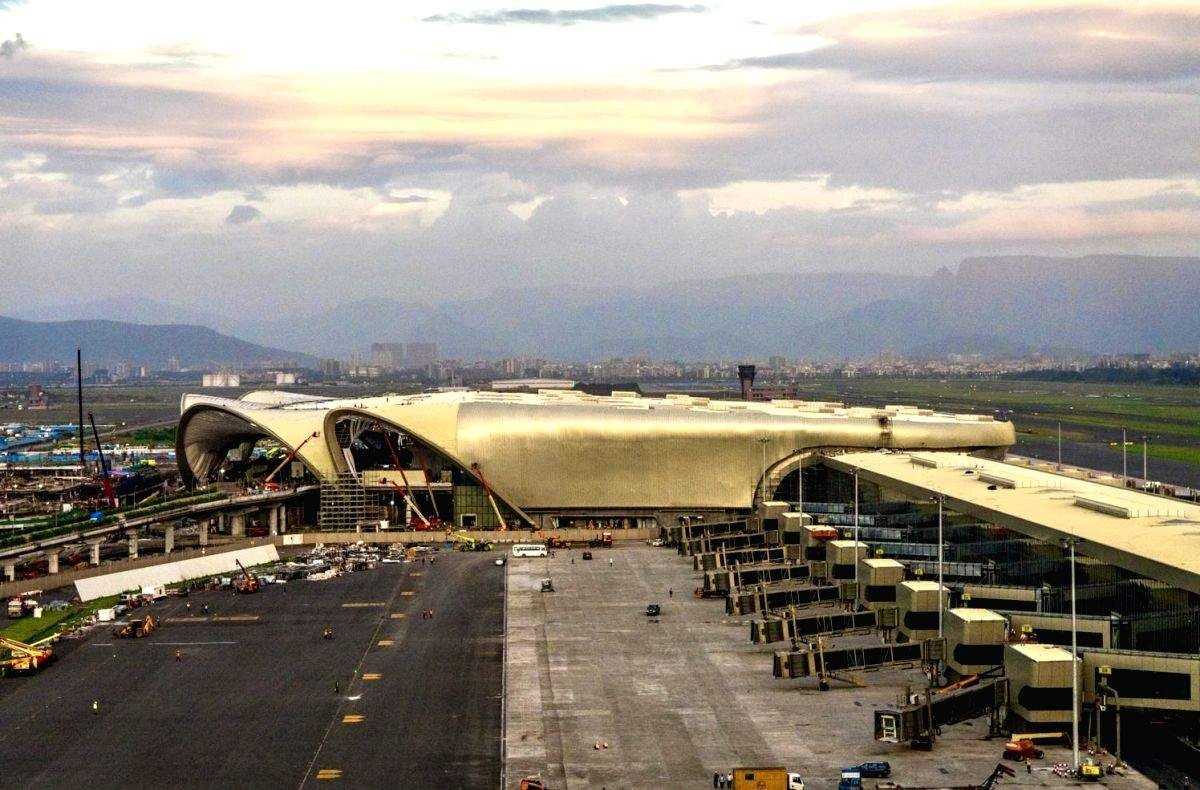
Airport officials at Hyderabad confirmed that the weather situation was being monitored closely and that efforts were underway to resume normal operations as soon as visibility improved. Runway lights, instrument landing aids, and surface monitoring systems were all in use, but officials emphasised that safety protocols do not allow aircraft to land unless all visual and instrument criteria are satisfactorily met.
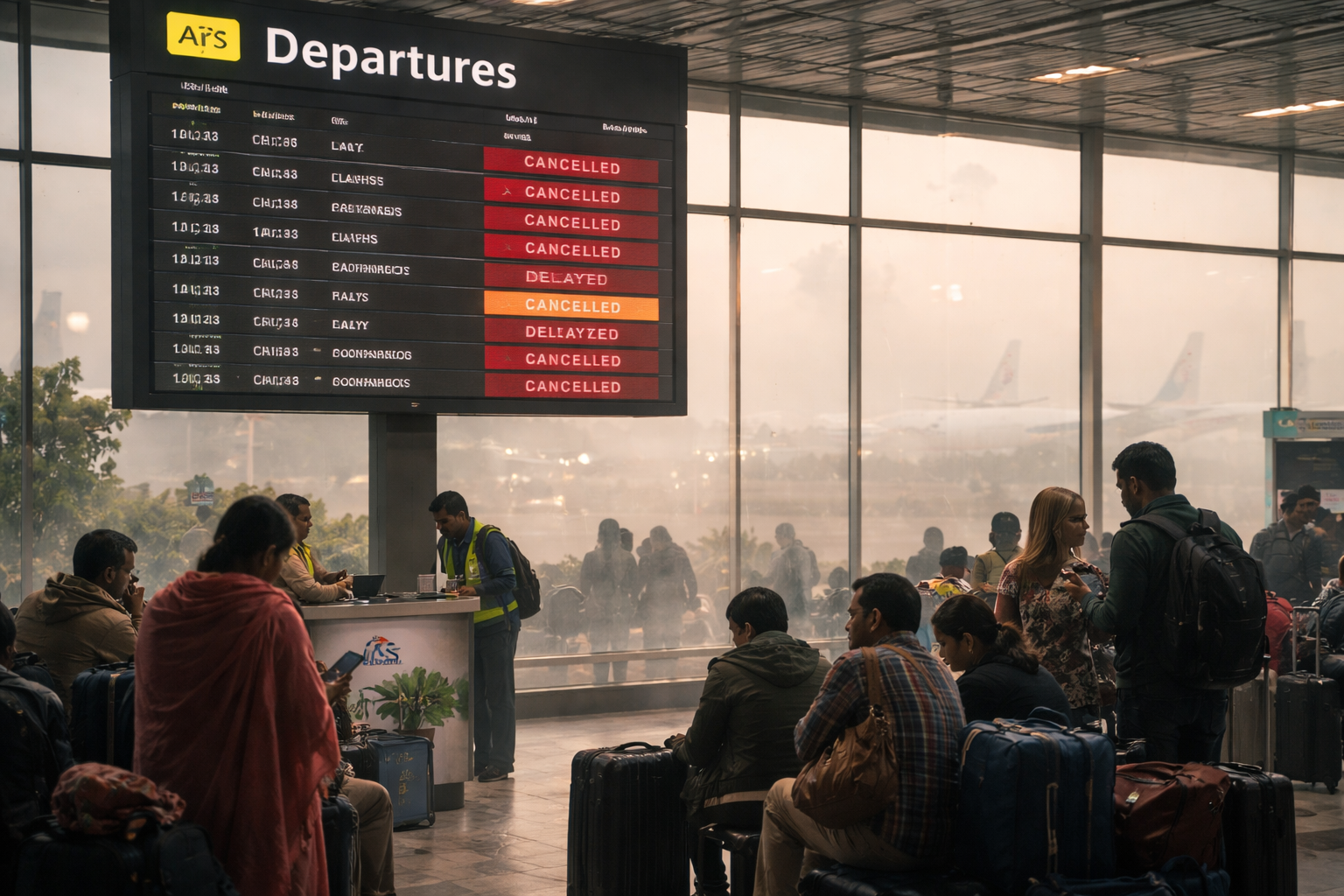
Passengers waiting at Hyderabad for incoming flights that morning faced delays and temporary uncertainty as airlines and airport staff worked to update arrival boards and announcements. Some diverted aircraft eventually made their way back to Hyderabad later in the day once conditions cleared, while others were scheduled for rescheduled services on subsequent rotations.
The incident prompted a broader conversation among frequent flyers and industry commentators about the impact of seasonal weather on travel reliability. While fog and low visibility are common challenges in winter months, the proliferation of alternate airports with better conditions can help minimise disruption when diversions are necessary. Still, passengers often express frustration at the lack of predictability, especially when connections and ground transport are affected.
Despite the inconveniences, most travellers expressed understanding that safety must take precedence over schedule adherence. Many praised the professionalism of the flight crews and airline staff who communicated clearly, managed expectations, and guided passengers through the unexpected changes. As weather systems continue to influence travel patterns in the coming weeks, airlines and airports alike are bracing for further fog-related challenges.