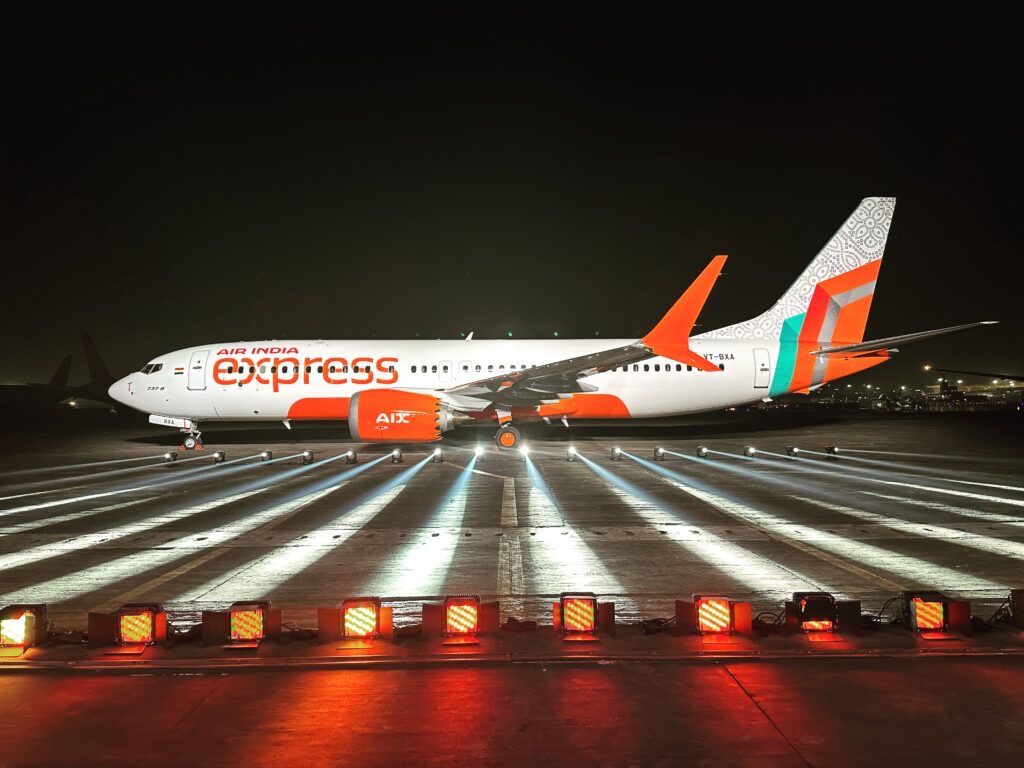
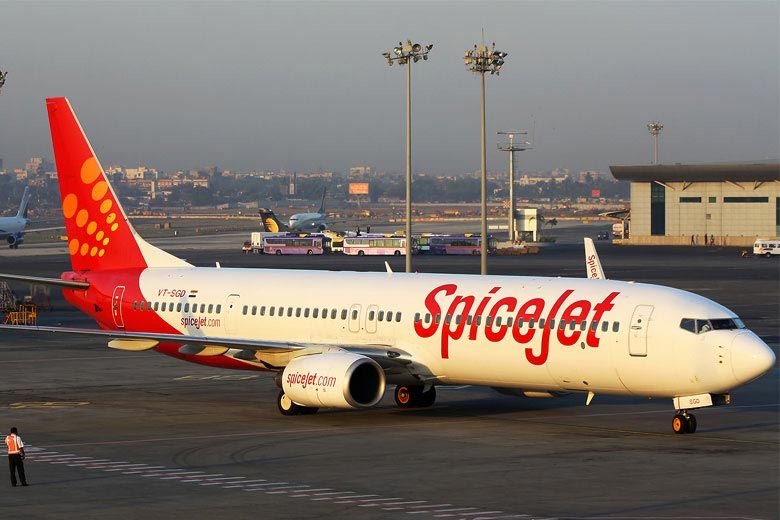
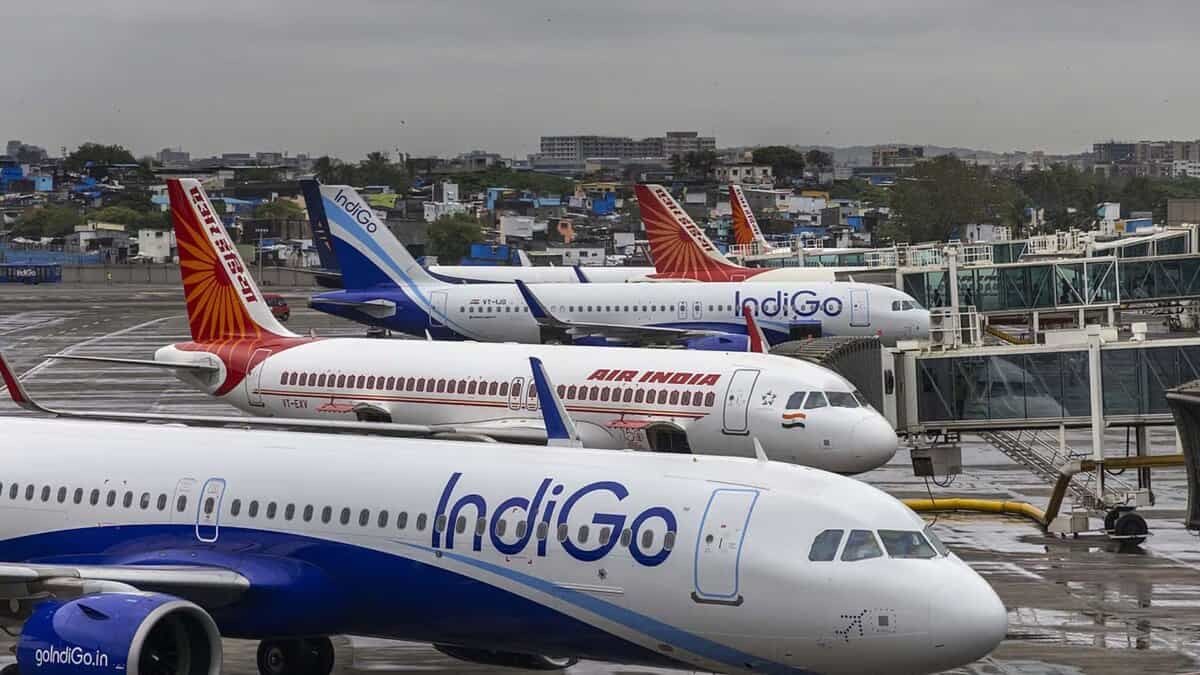
India is emerging as a central engine of global aviation growth, according to the 2026 outlook published by aircraft lessor Avolon, which predicts that the nation will play a key role in driving expansion in international air travel and fleet investment. India’s domestic carriers have placed substantial aircraft orders that are poised to more than double the size of their current operational fleets in the coming decade, underscoring the country’s rapid ascent in global aviation influence.
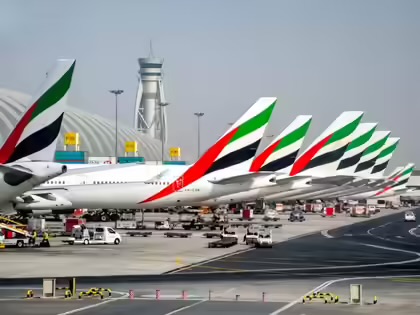
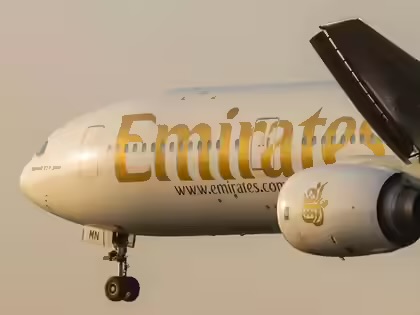
Avolon’s latest industry forecast highlights that in the decade ahead, India, the United Arab Emirates and Saudi Arabia will together take over the leadership mantle in aviation growth as China’s role moderates. Combined aircraft backlogs for these three markets approach 3,000 jets, with close to 1,000 deliveries expected within the next three years. The scale of these orders reflects strong confidence among airlines that future air travel demand will continue to rise across the Middle East and South Asia.
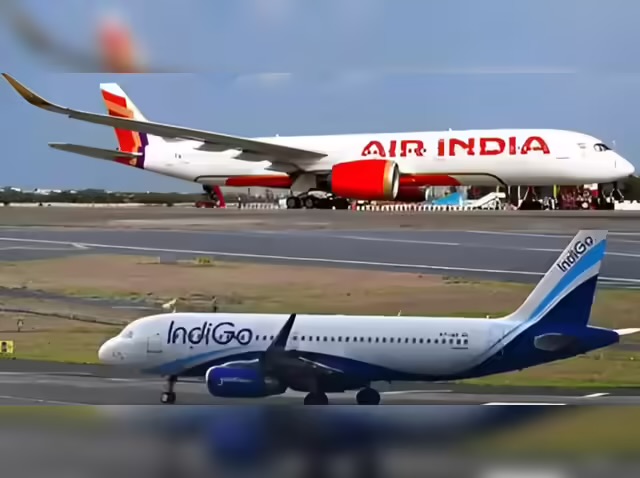
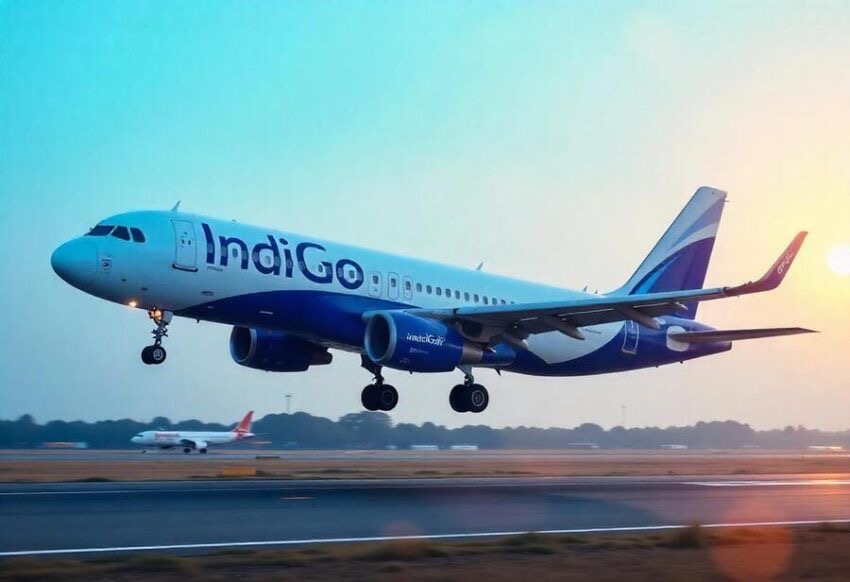
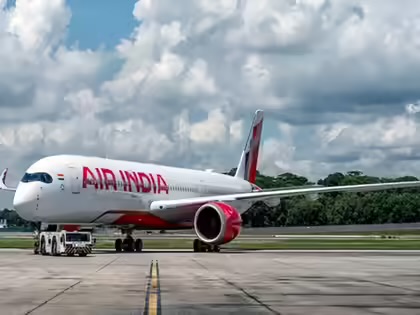
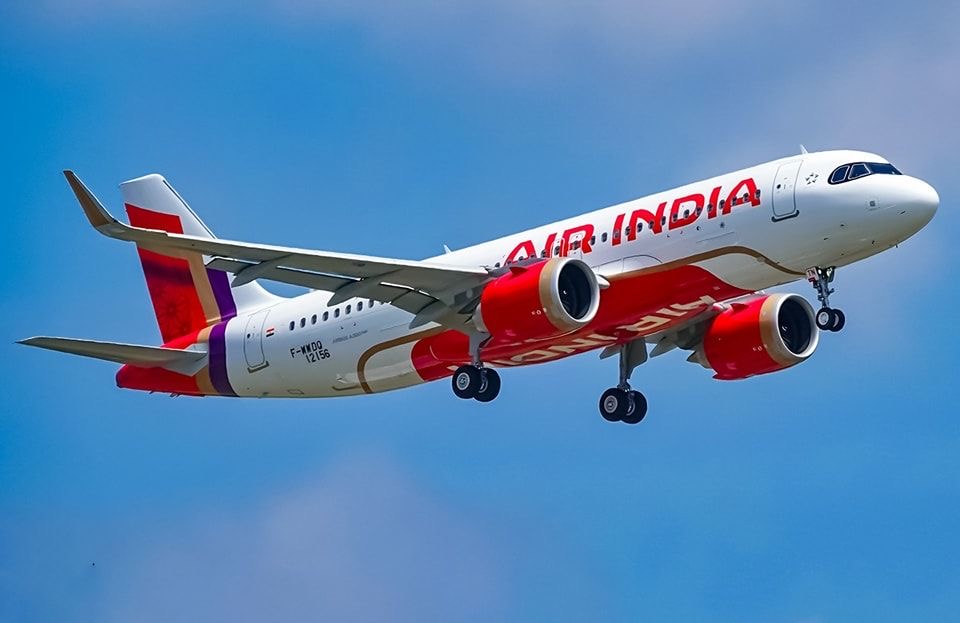
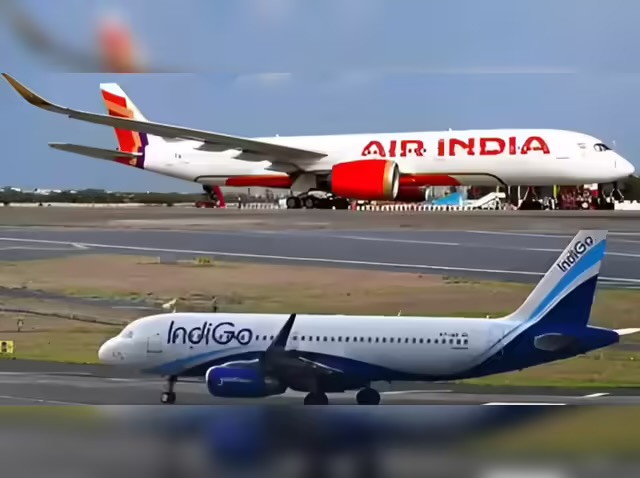
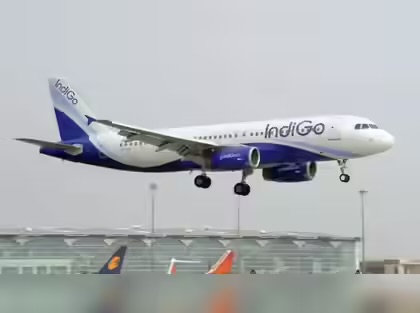
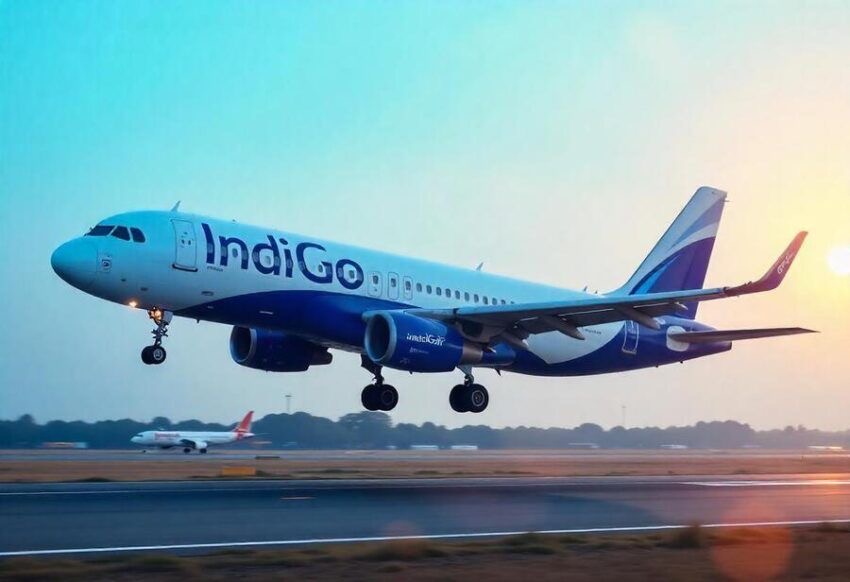
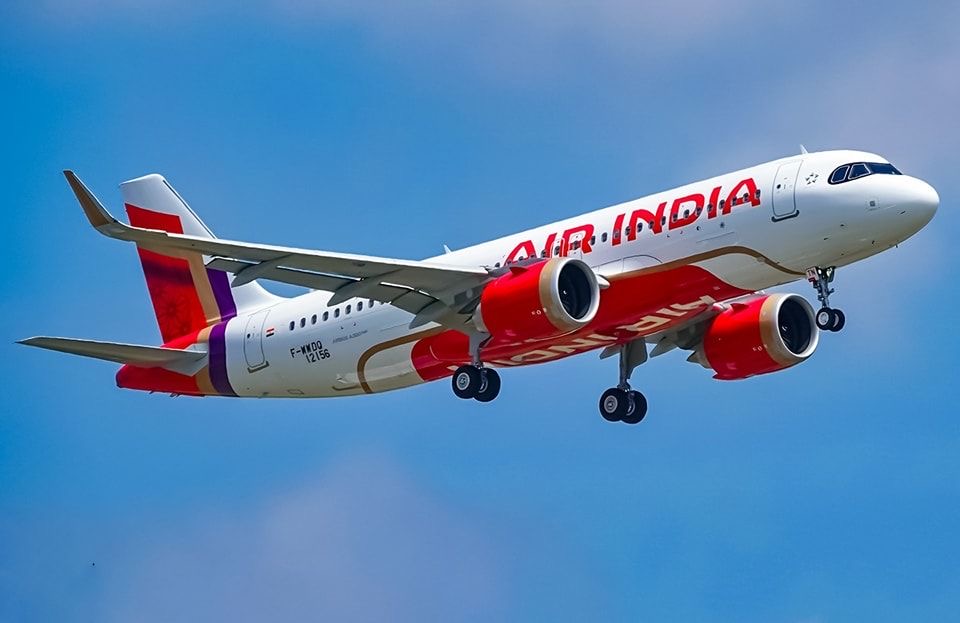
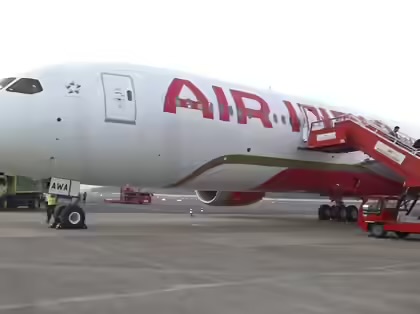
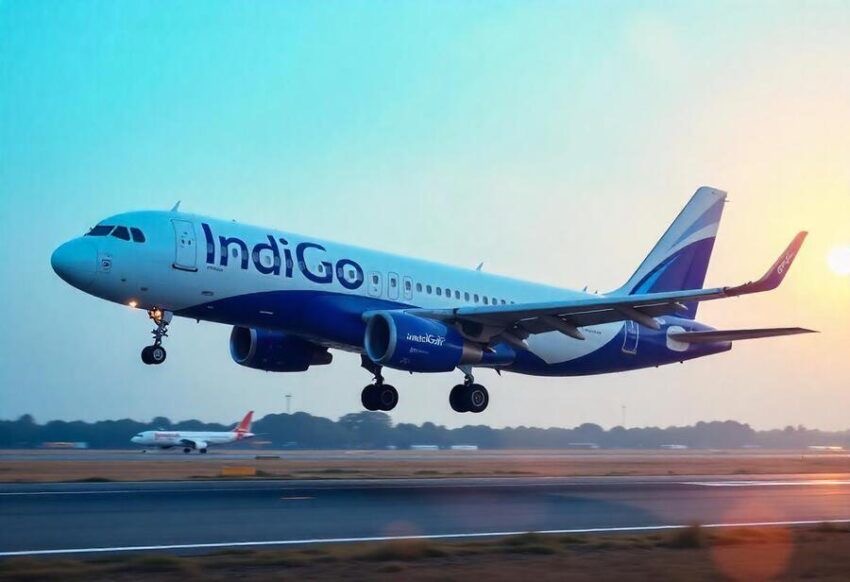
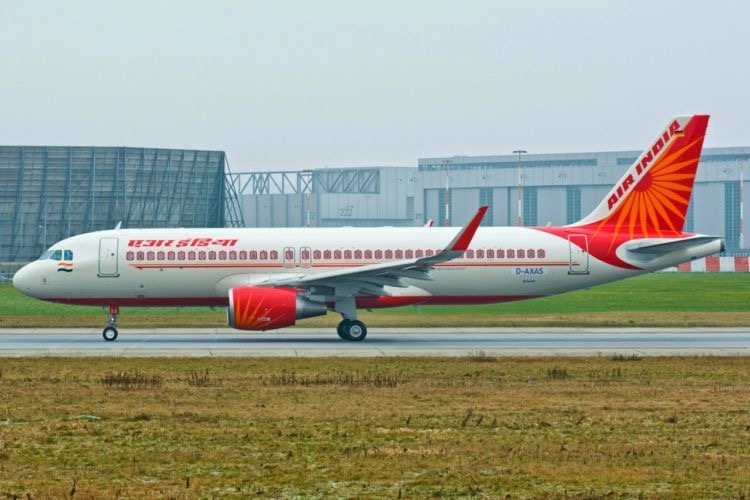
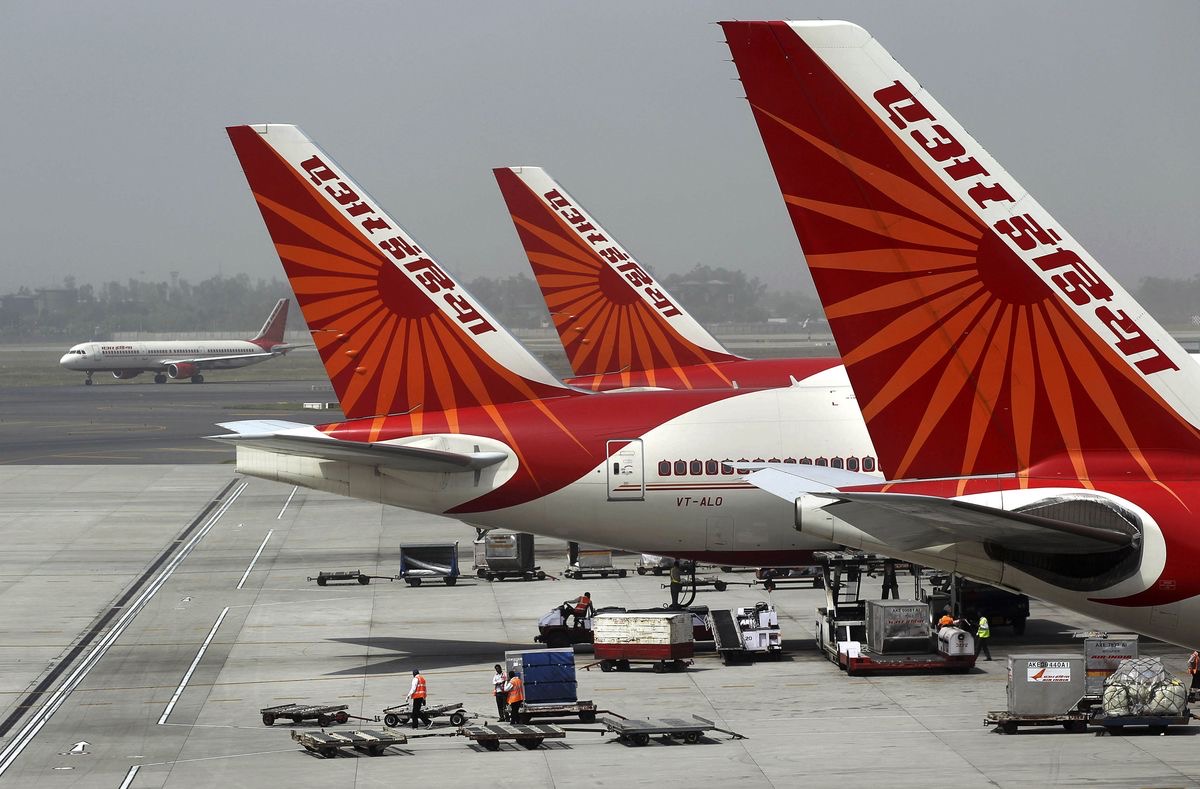
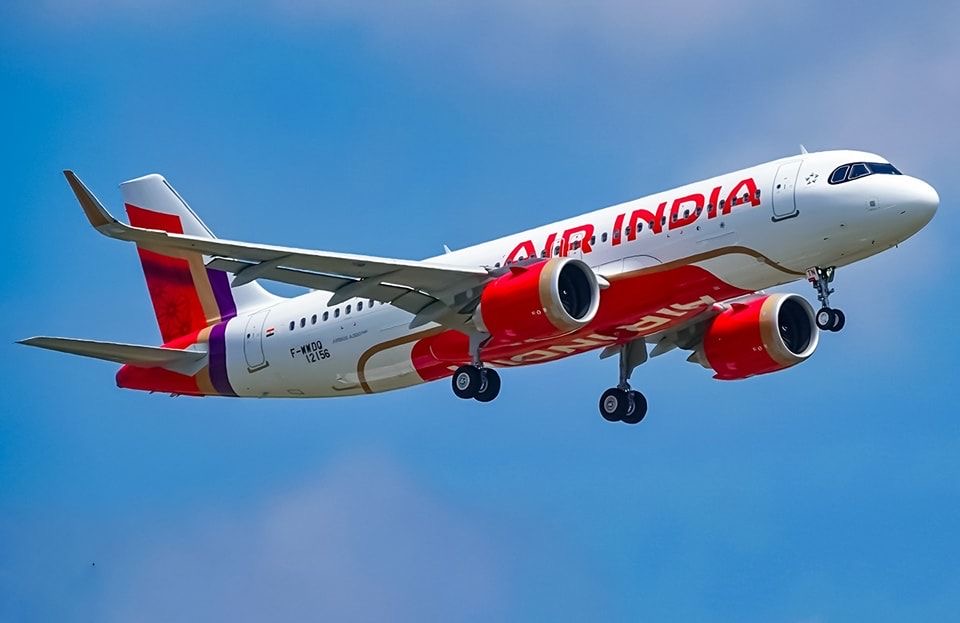
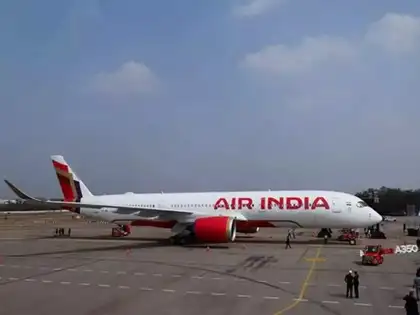
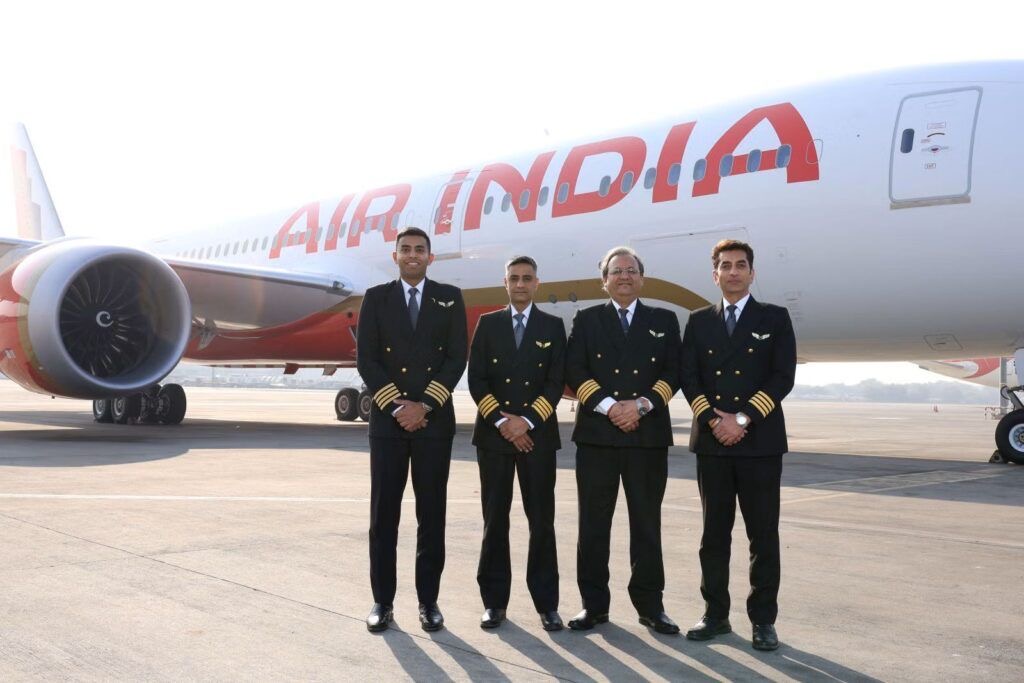
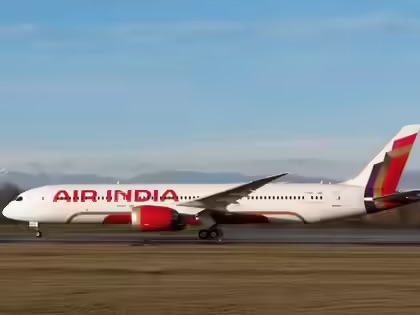
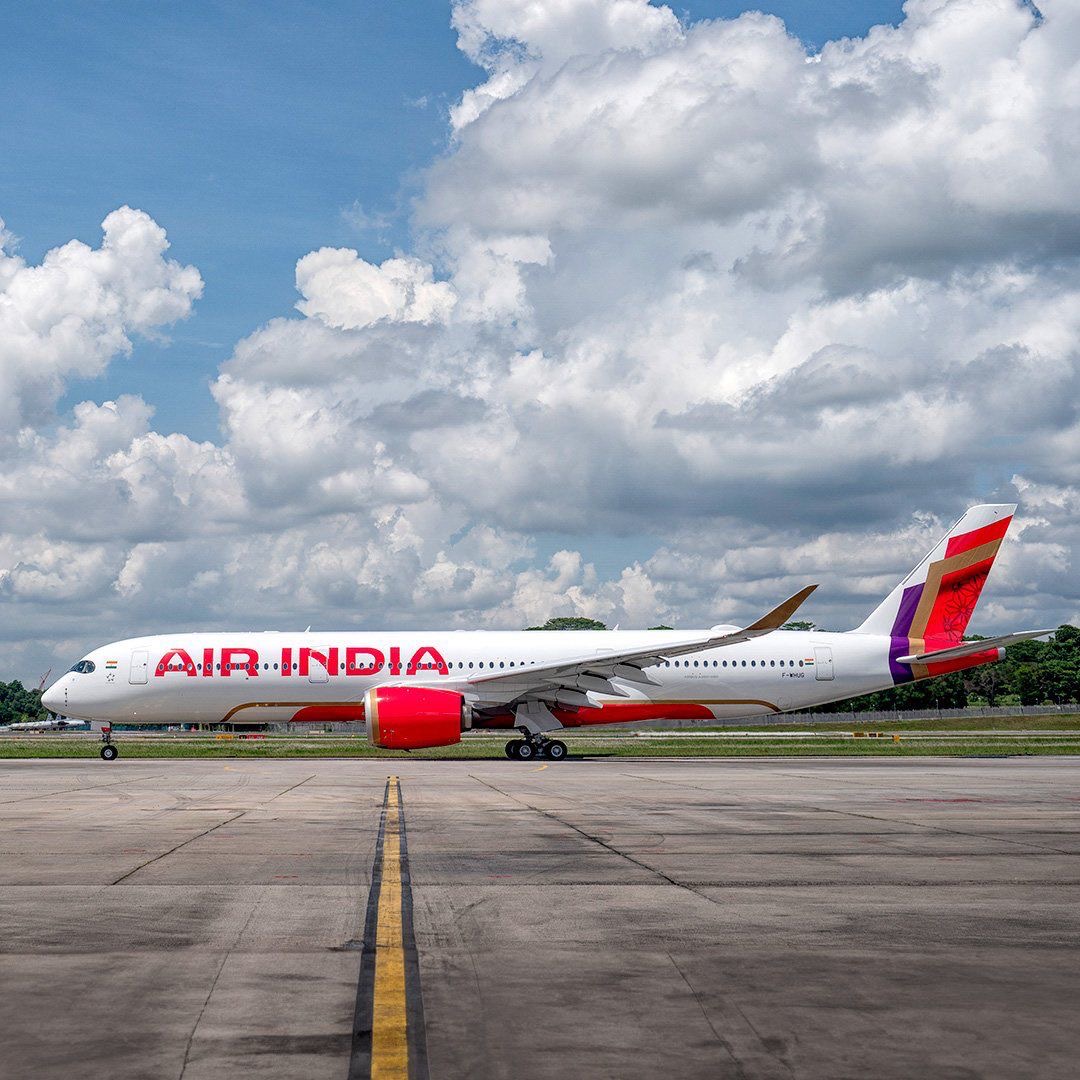
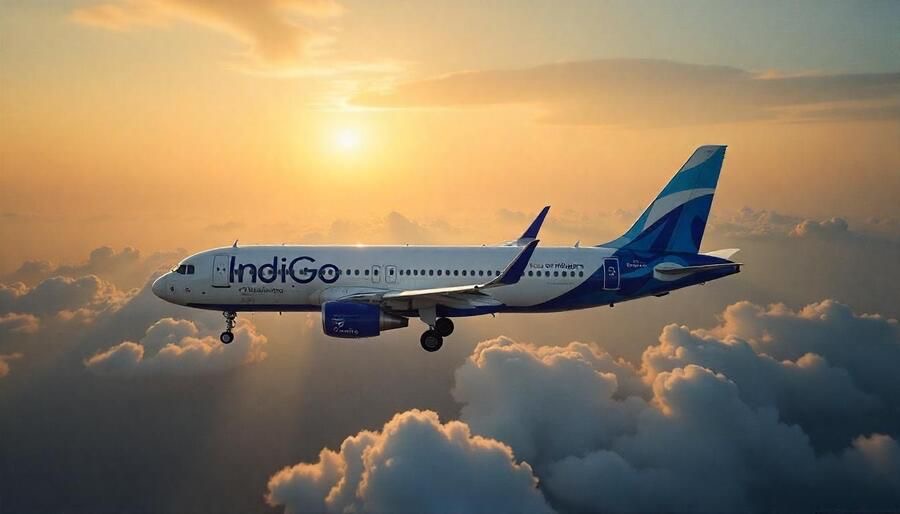
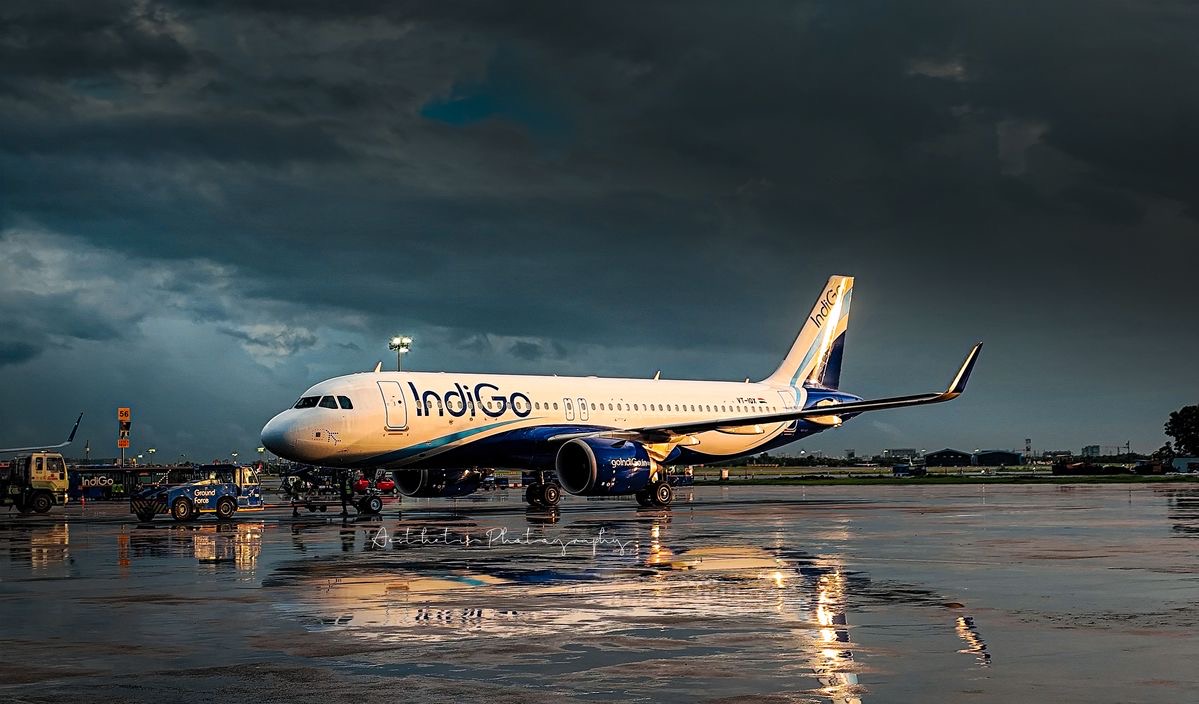
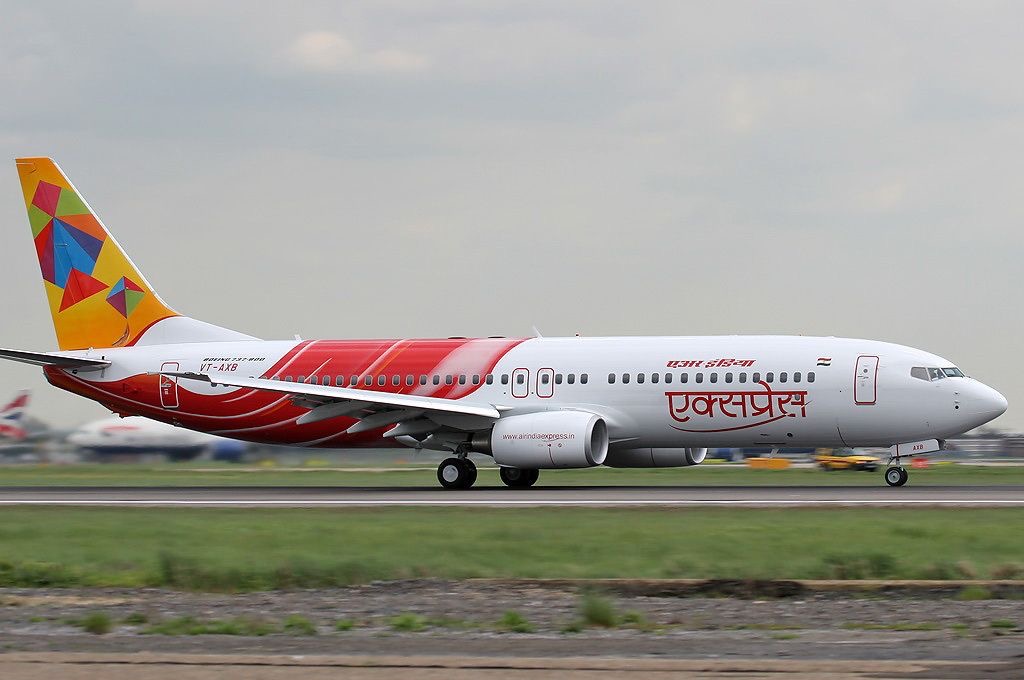
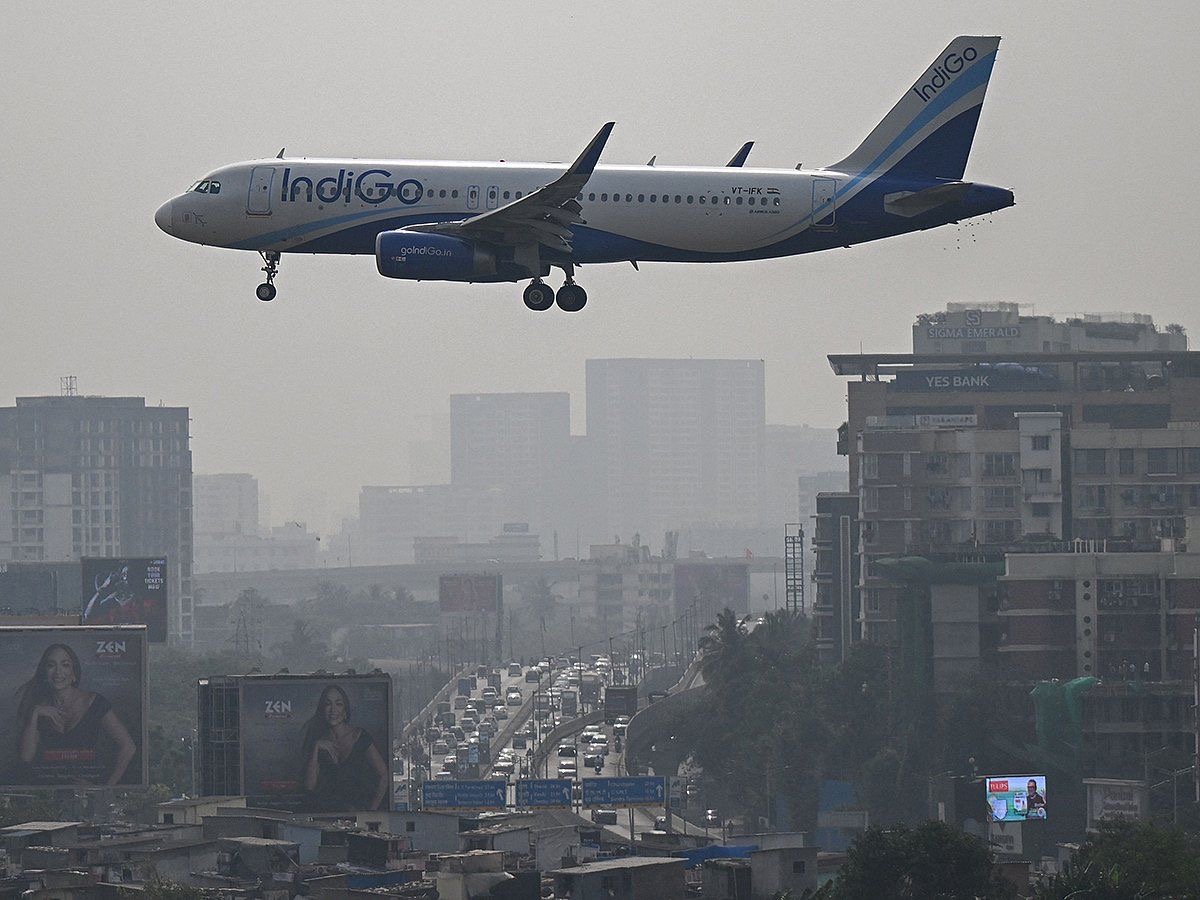
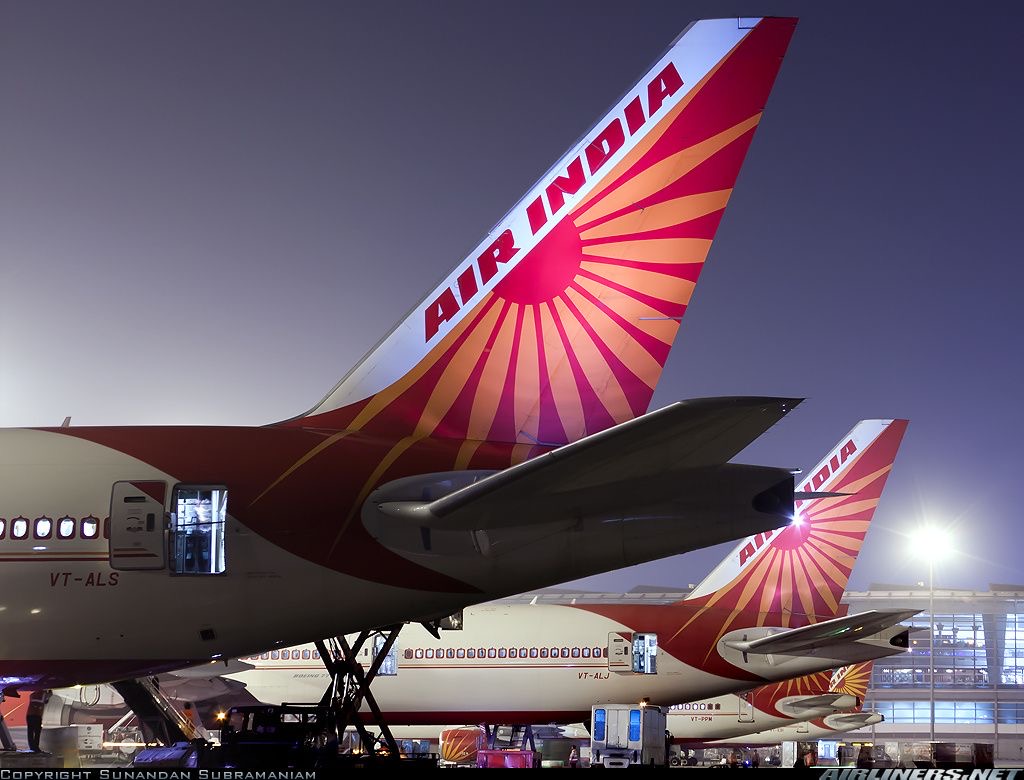
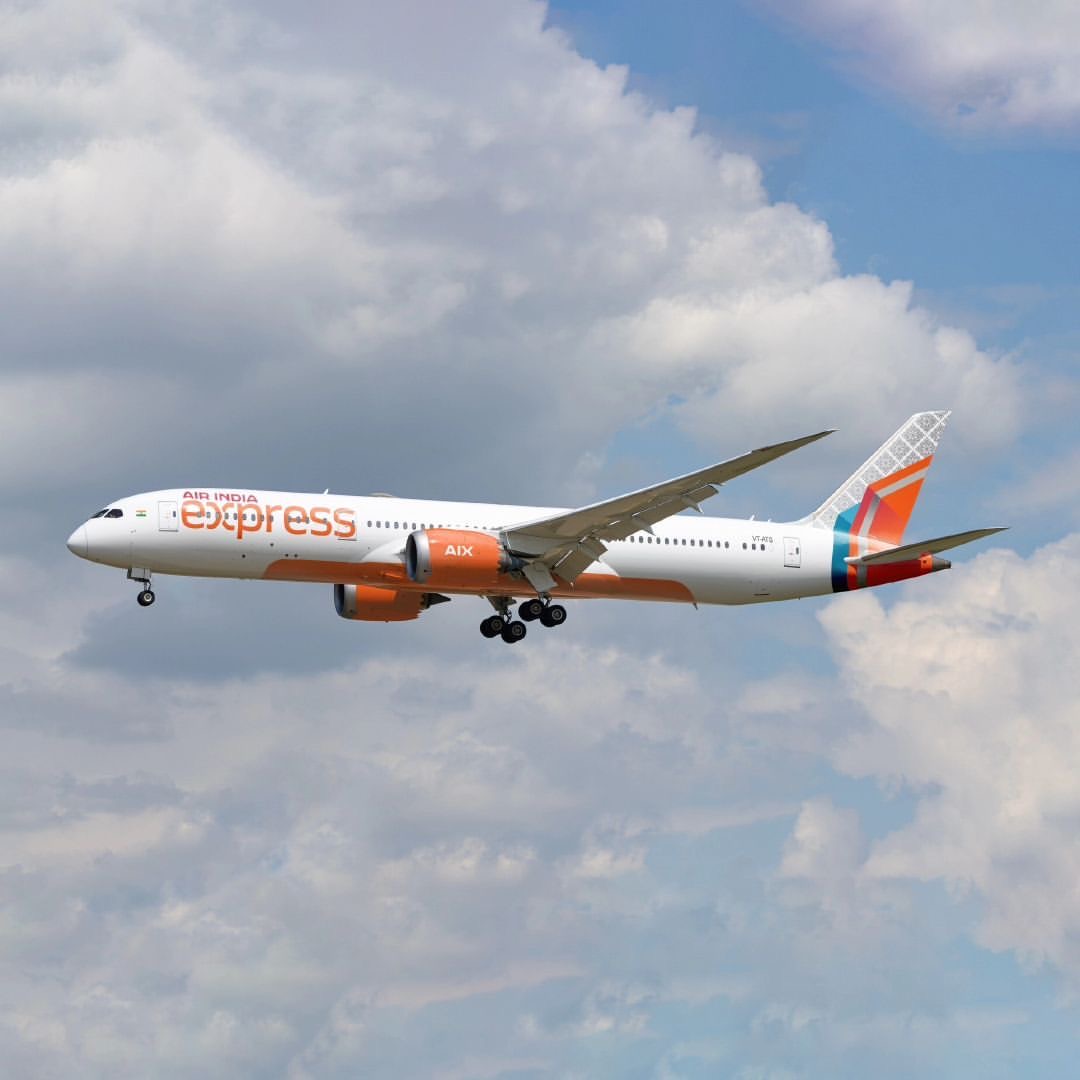
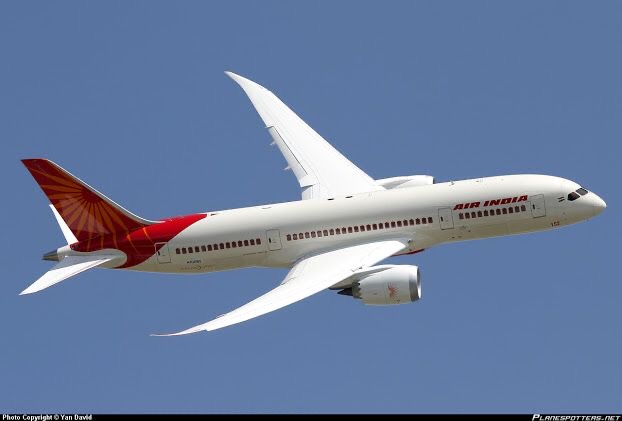
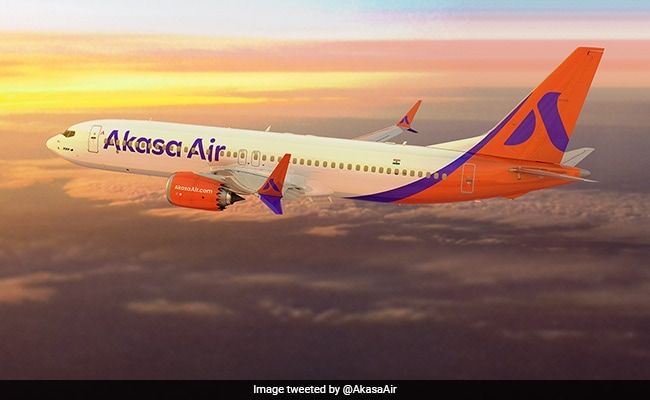
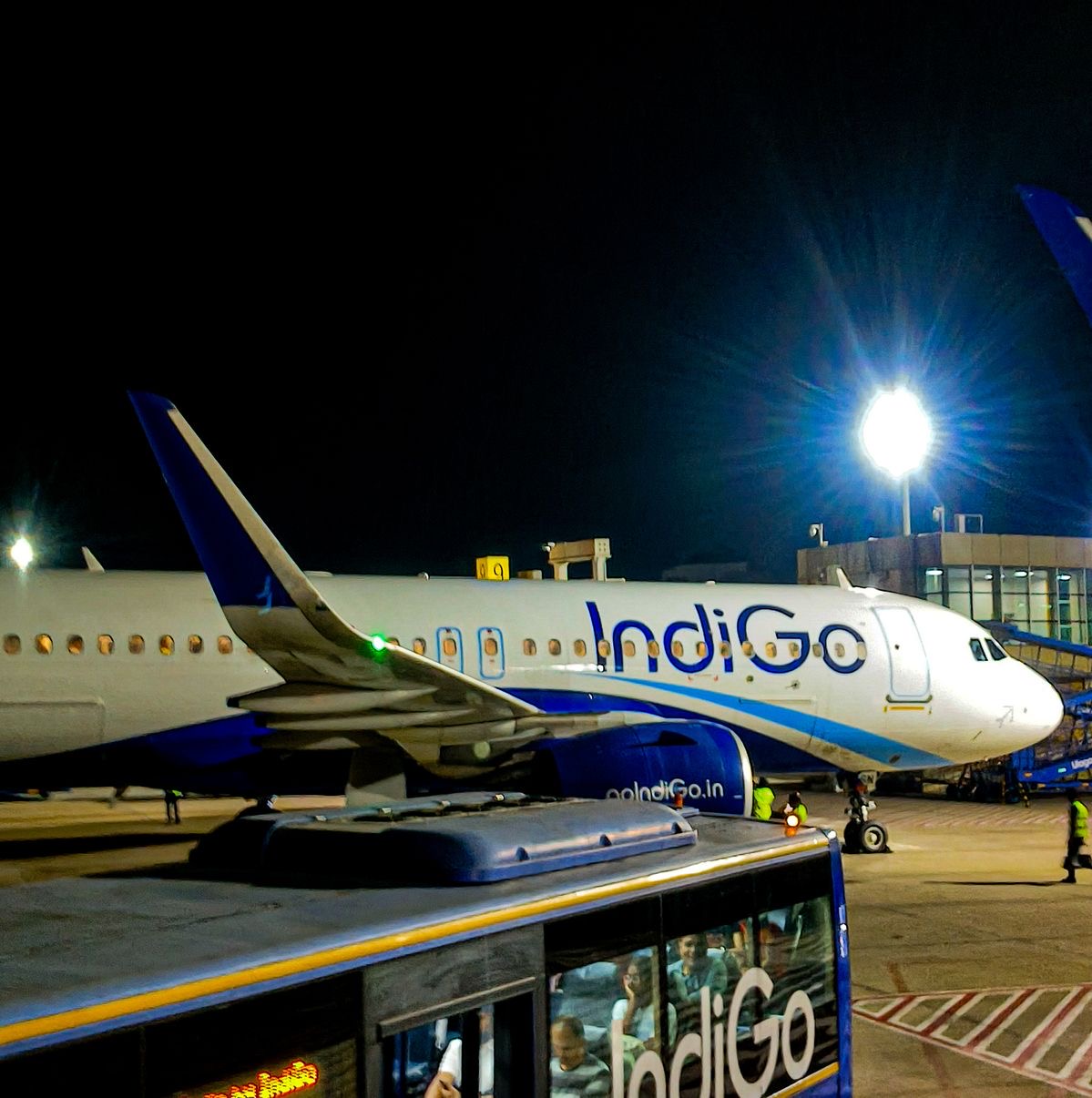
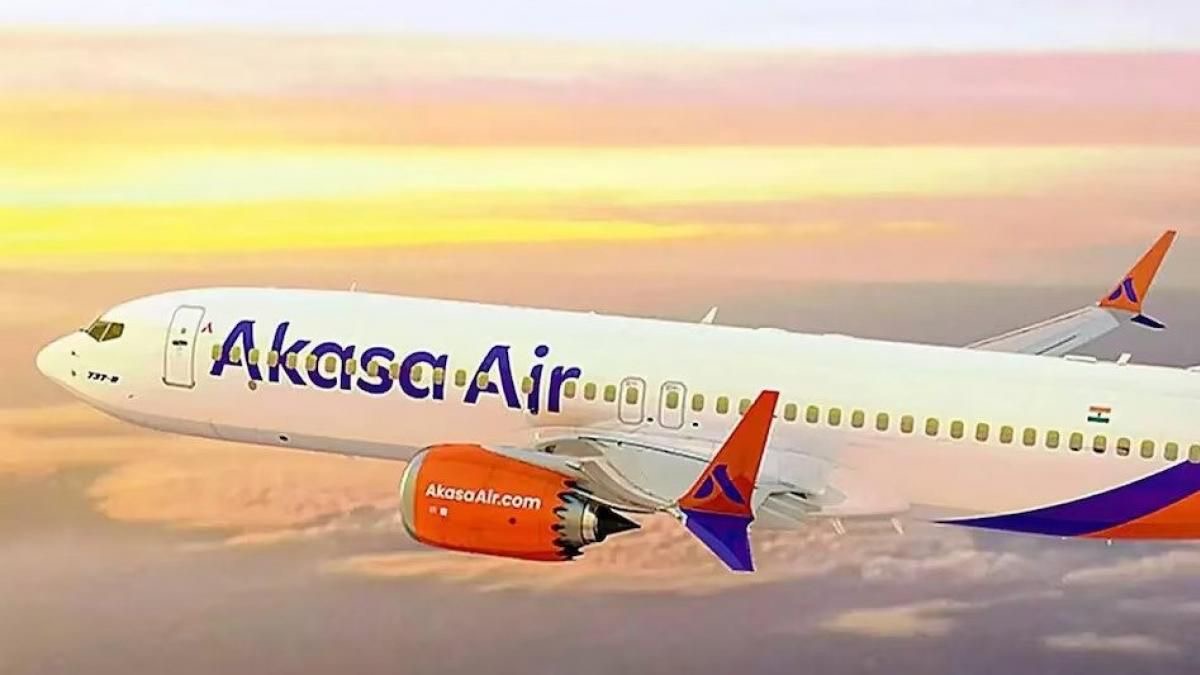
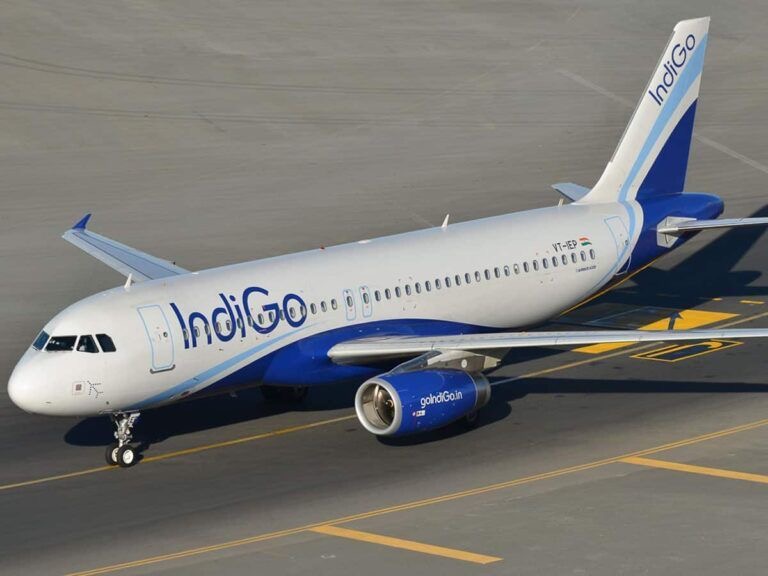
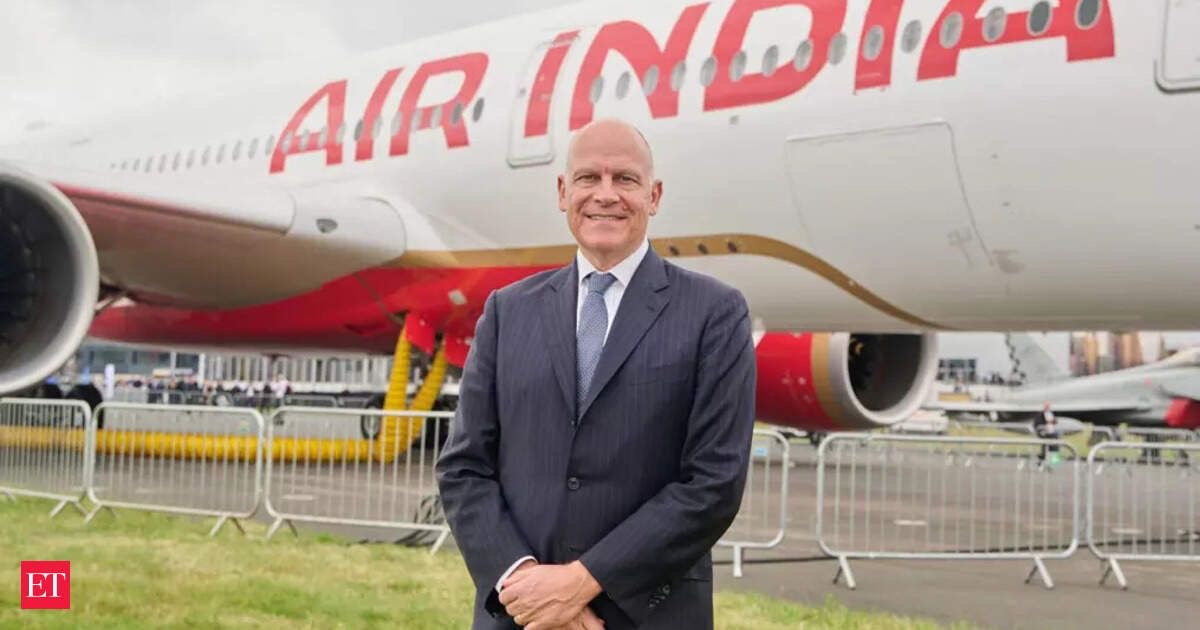
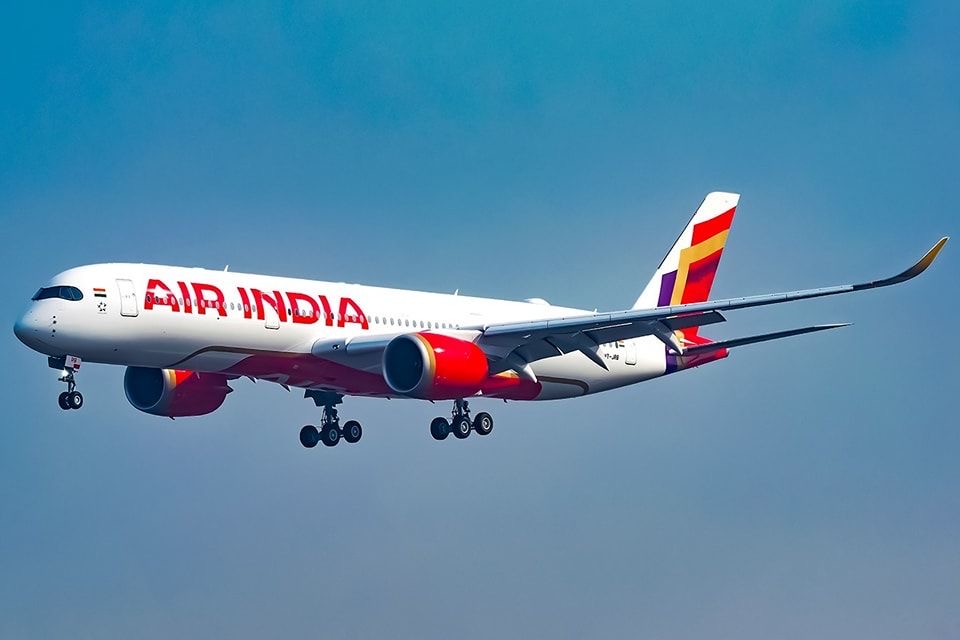
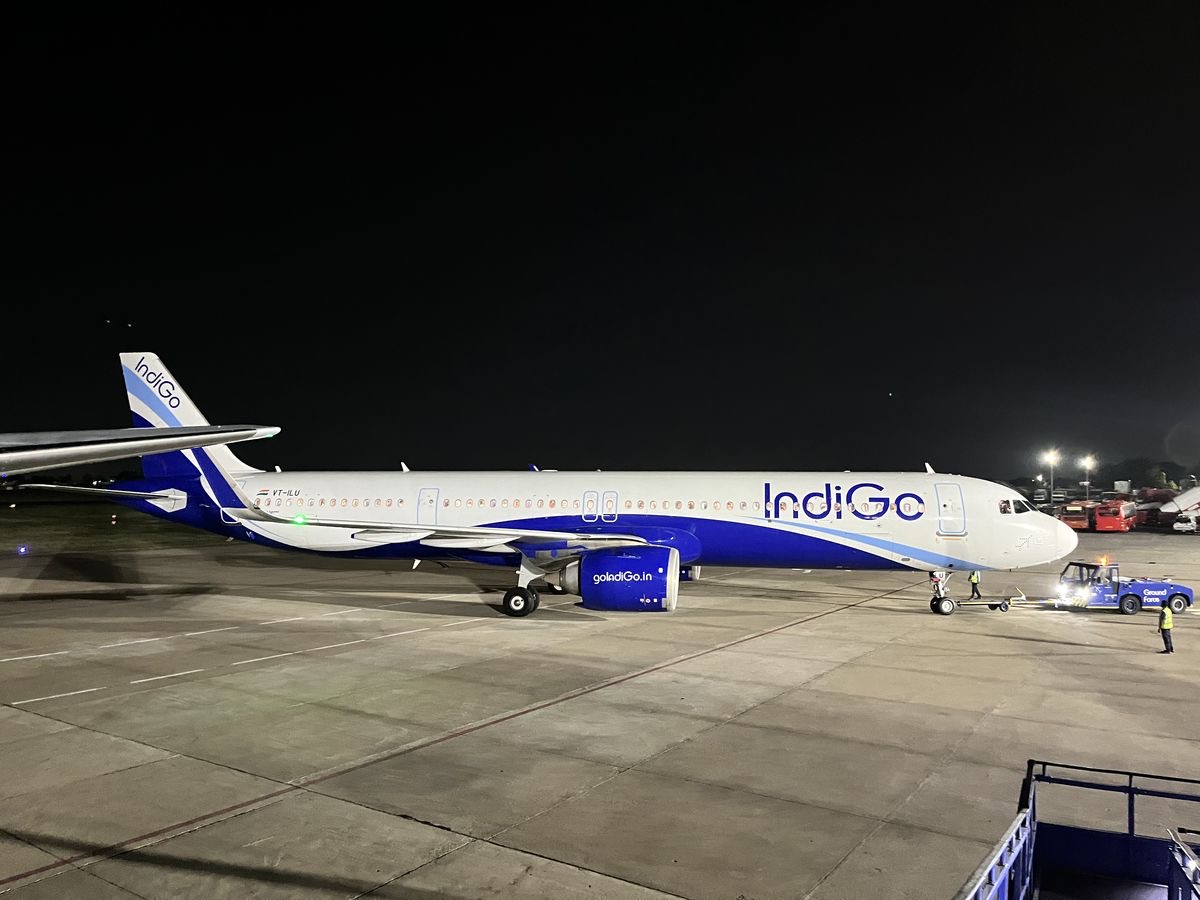
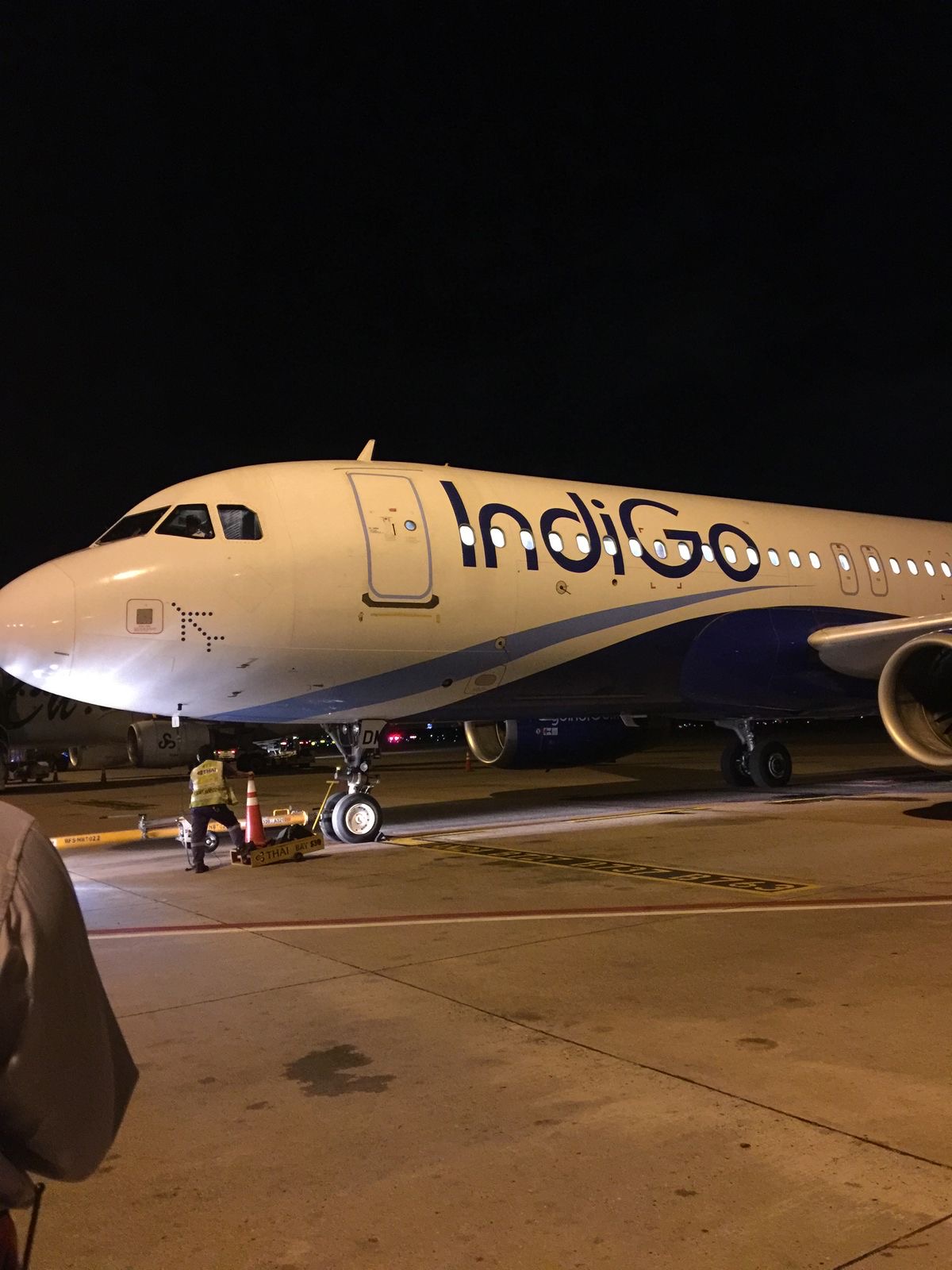
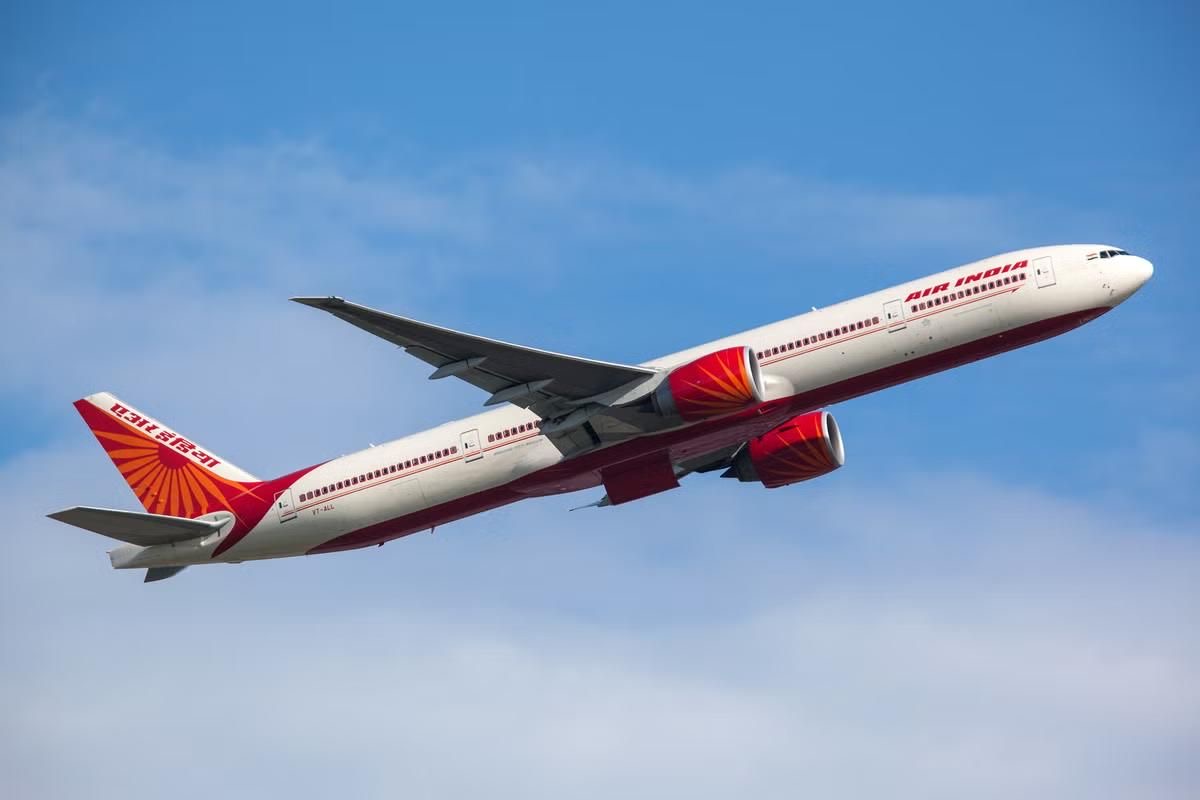
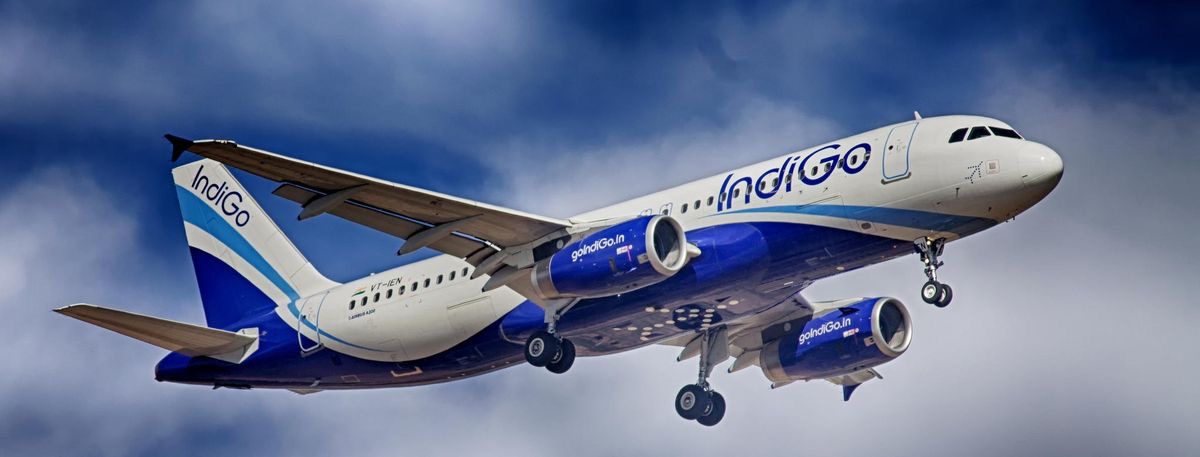
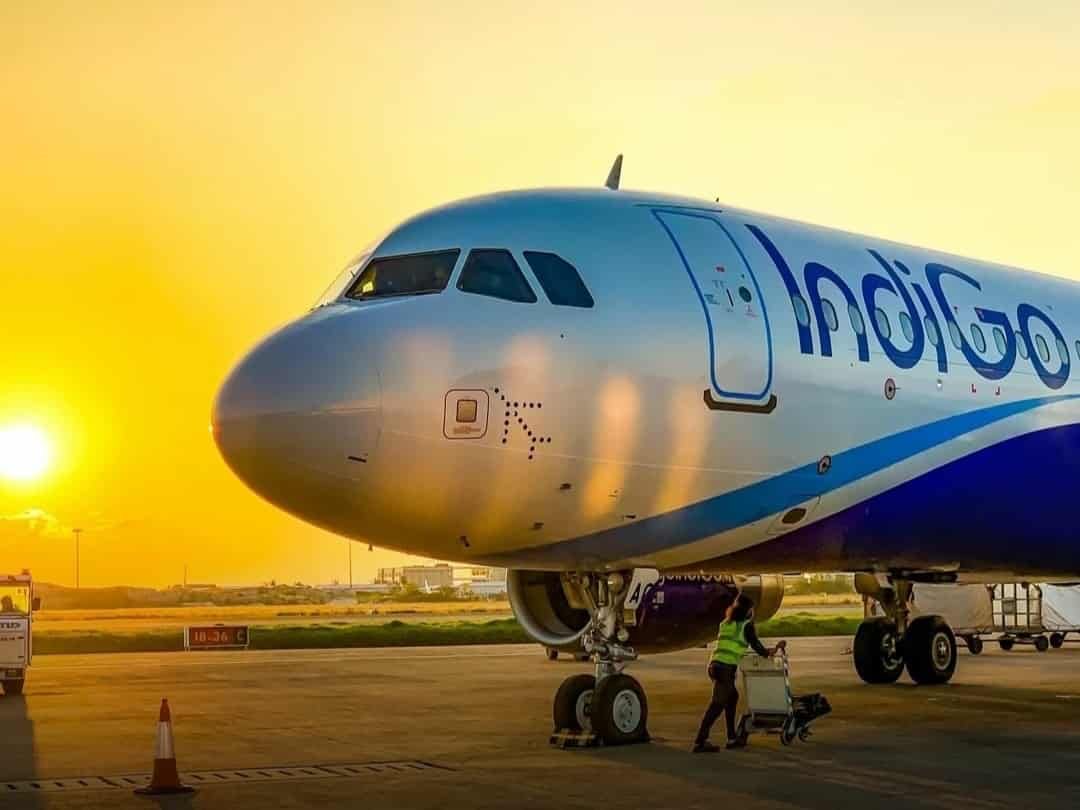
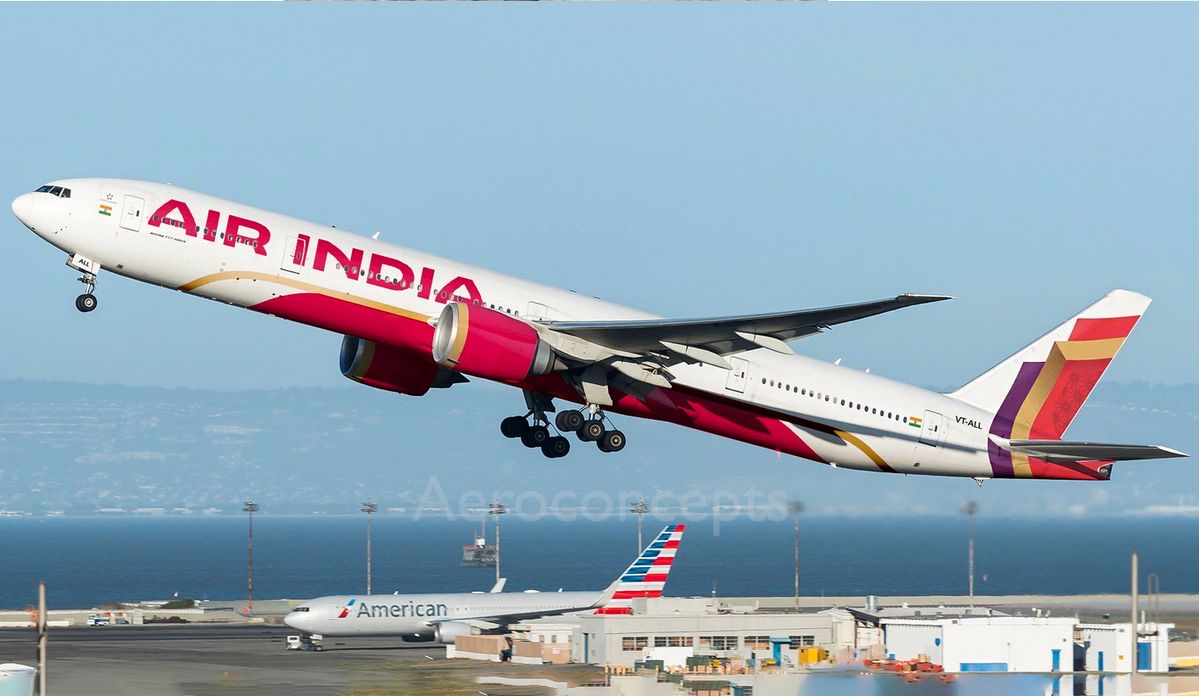
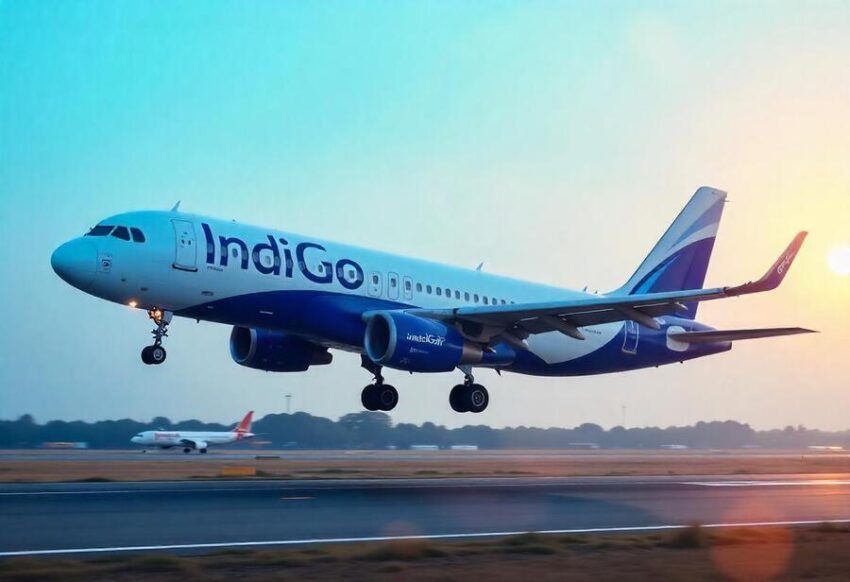
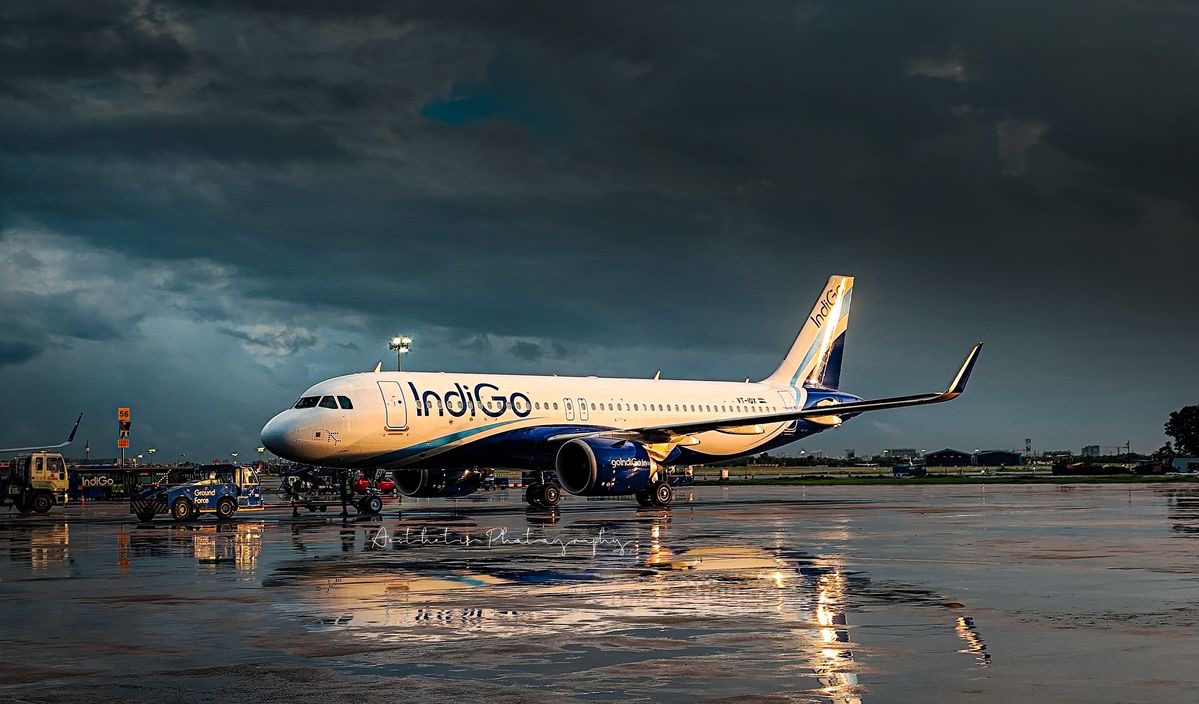
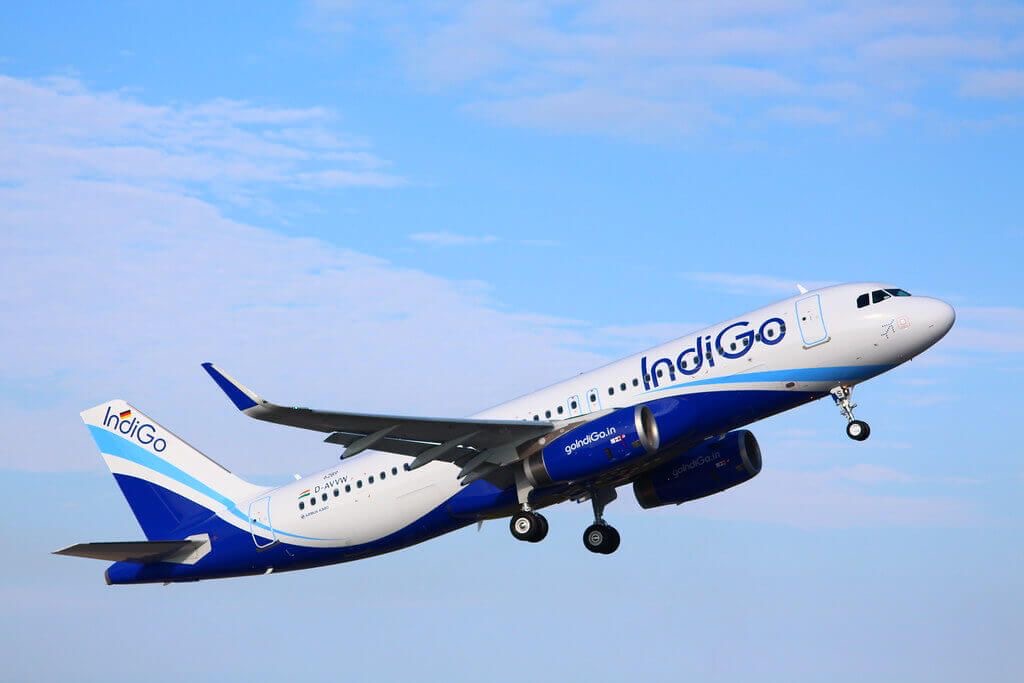
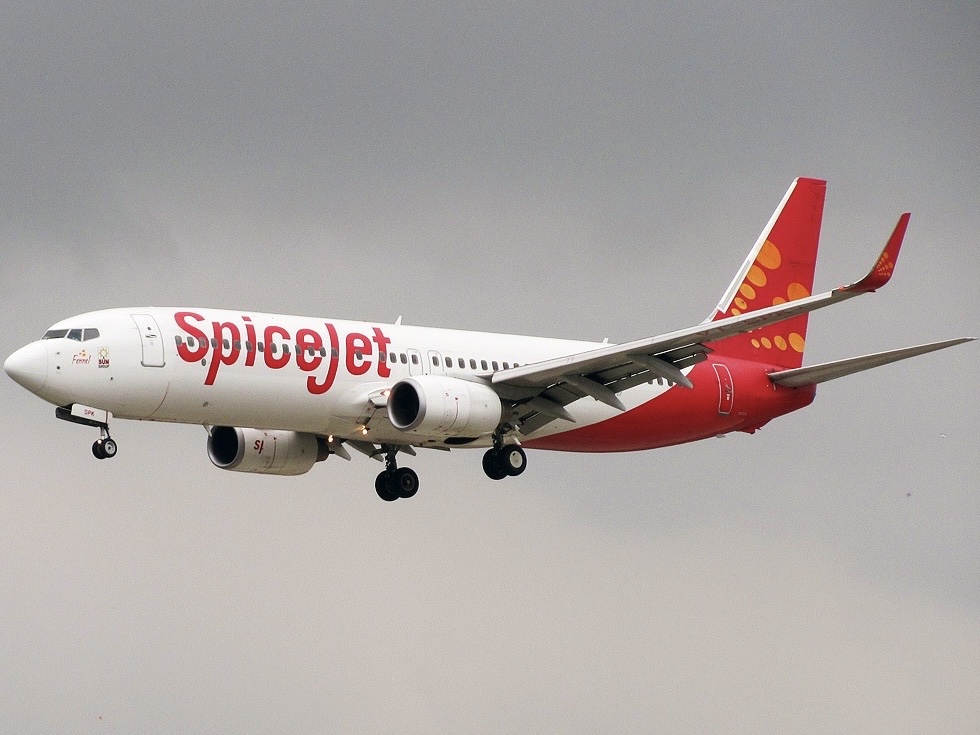
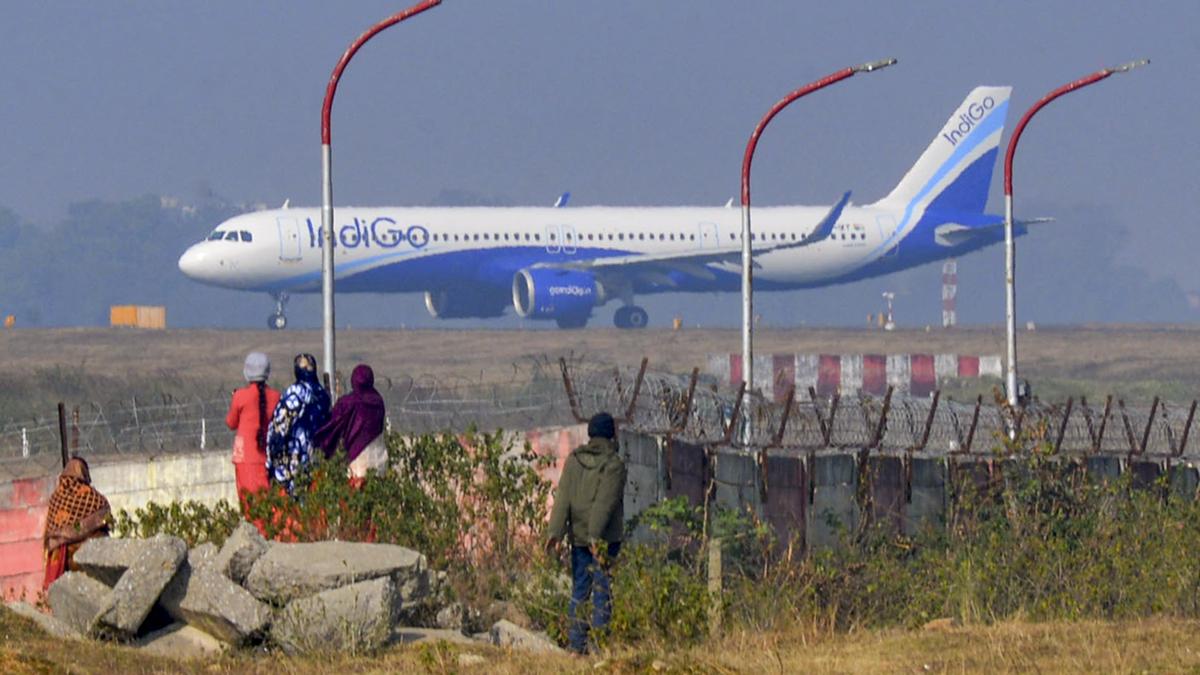
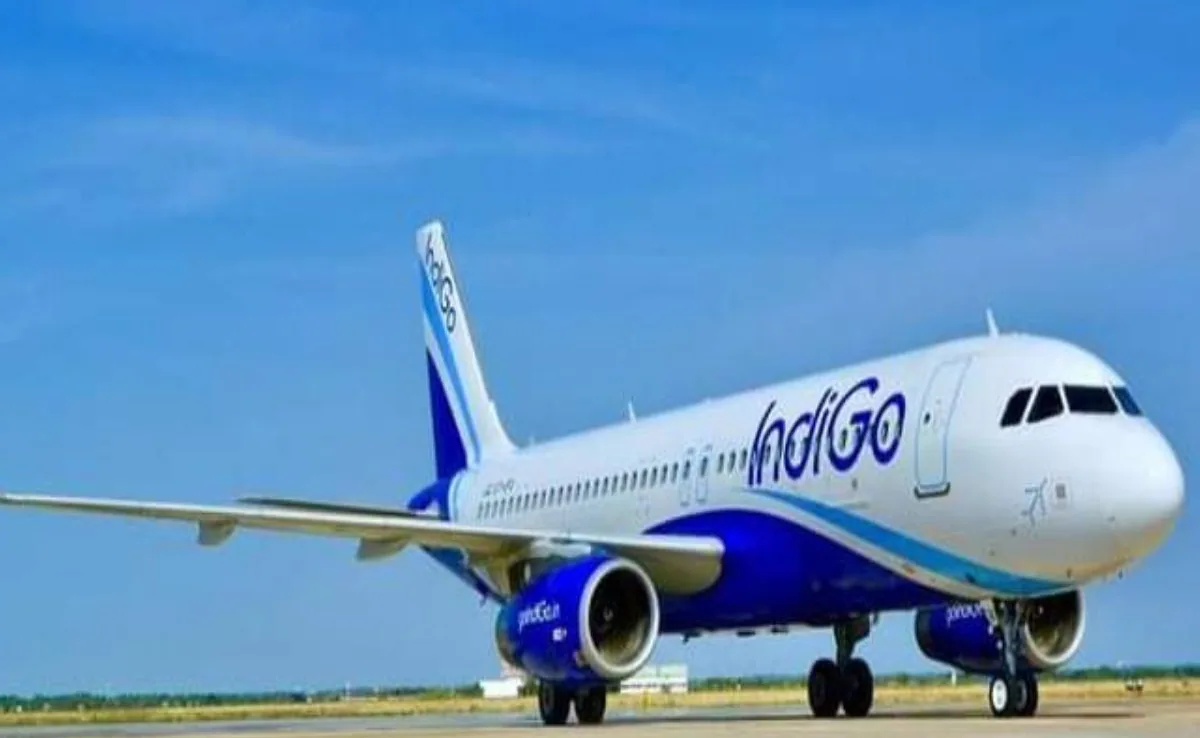
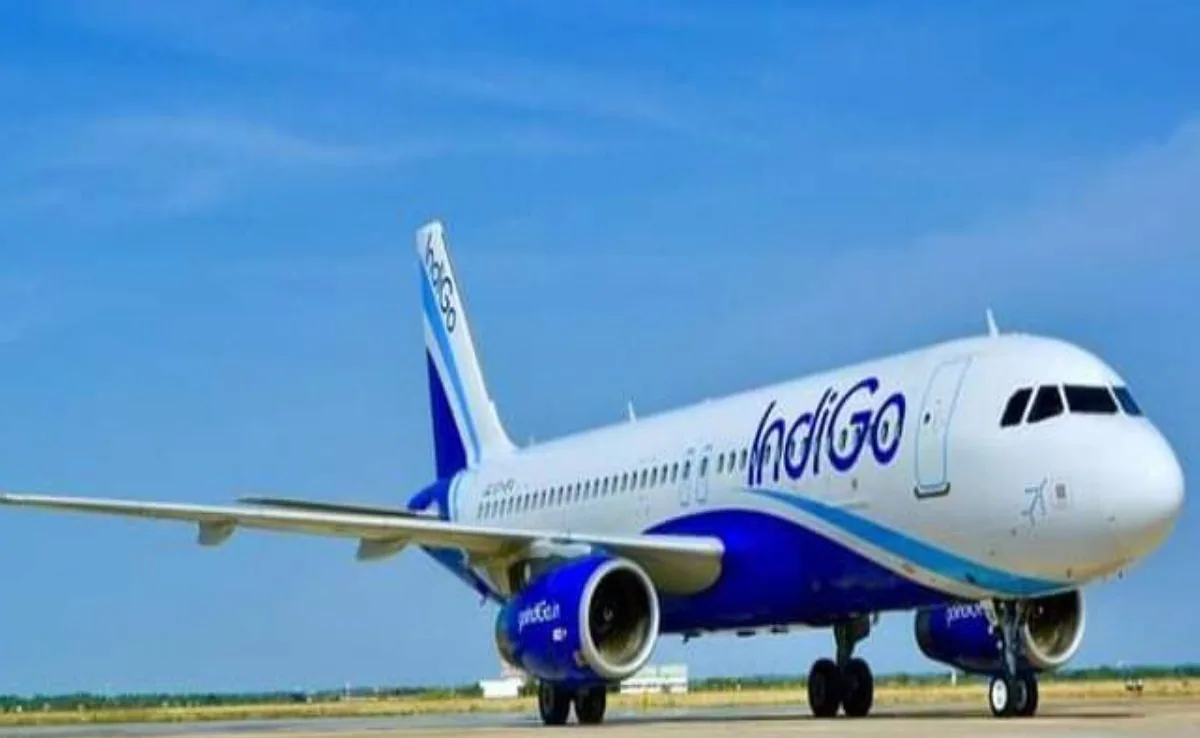
For India in particular, the report notes that carriers currently operate an approximate fleet of 800 aircraft and have placed orders for more than 1,500 new planes to be delivered over the next decade. At the forefront of this growth trajectory is IndiGo, which ranks among the top five airlines globally by market capitalisation and continues to add aircraft at a rapid pace, receiving roughly one new aircraft per week. Air India is also steadily expanding its fleet to support international routes and to modernise its offerings.
Avolon’s outlook emphasises that the steep order backlogs now held by major manufacturers like Airbus and Boeing extend more than a decade based on prevailing production rates. While supply constraints have delayed some deliveries, airlines and lessors have secured their positions in manufacturer queues to ensure they can capture demand once aircraft are available. Slowdowns in production have created long wait times for new jets, but this dynamic has not diminished airlines’ long-term enthusiasm for fleet growth.
The lessor’s forecast also reflects broader financial improvements within the airline industry. Airlines are expected to generate net profits in 2026 for the fourth consecutive year, a trend that has helped offset the vast losses suffered during the pandemic. Stronger balance sheets have resulted in reduced net debt for many carriers and a rise in investment-grade credit ratings among airline operators.
Avolon’s assessment suggests that continued interest in air travel, combined with historically low fuel prices and constrained aircraft supply, will drive healthy demand for new planes. As India positions itself alongside the UAE and Saudi Arabia at the forefront of aviation growth, its strategic role in global air transport is expected to expand, influencing aircraft order books, leasing strategies and network planning worldwide.
For passengers, investors and industry stakeholders alike, India’s rapid aviation expansion offers both opportunities and challenges. Airlines will need to balance delivery timelines, network expansion and operational readiness as they integrate new jets into service, while lessors and manufacturers work to meet the growing appetite for modern, fuel-efficient aircraft. India’s leadership in the next phase of aviation development signals a broader shift in where future air travel growth is rooted, with significant implications for global connectivity and airline competitiveness.