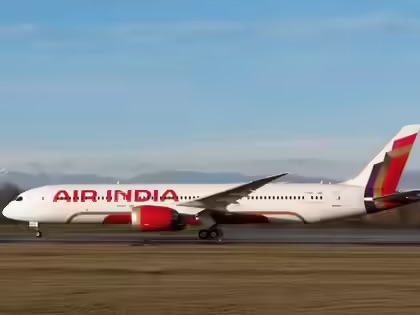
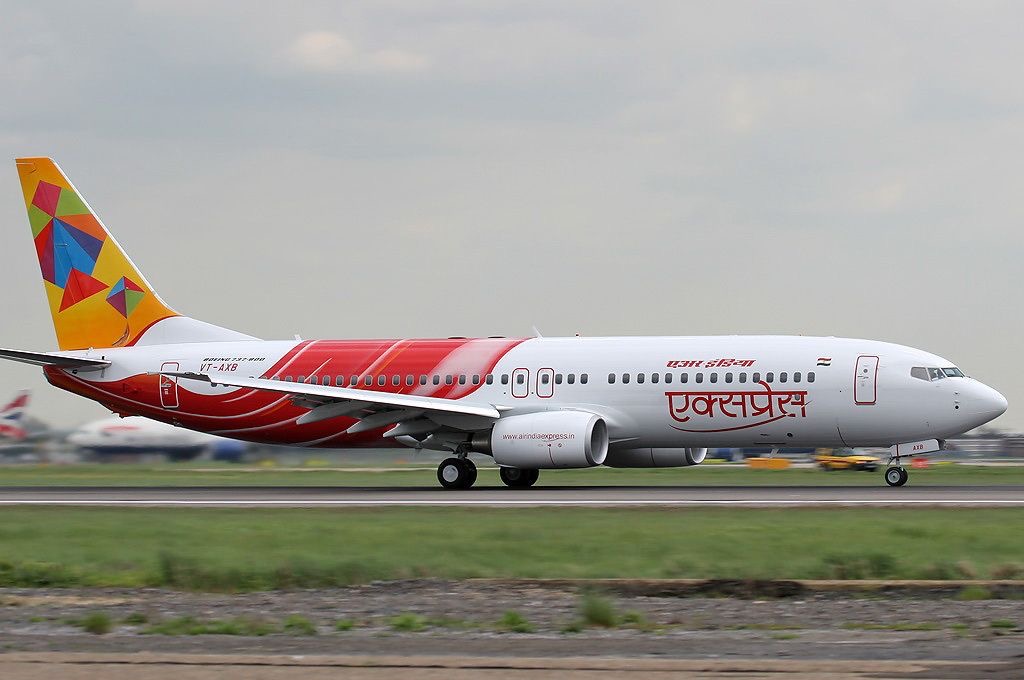
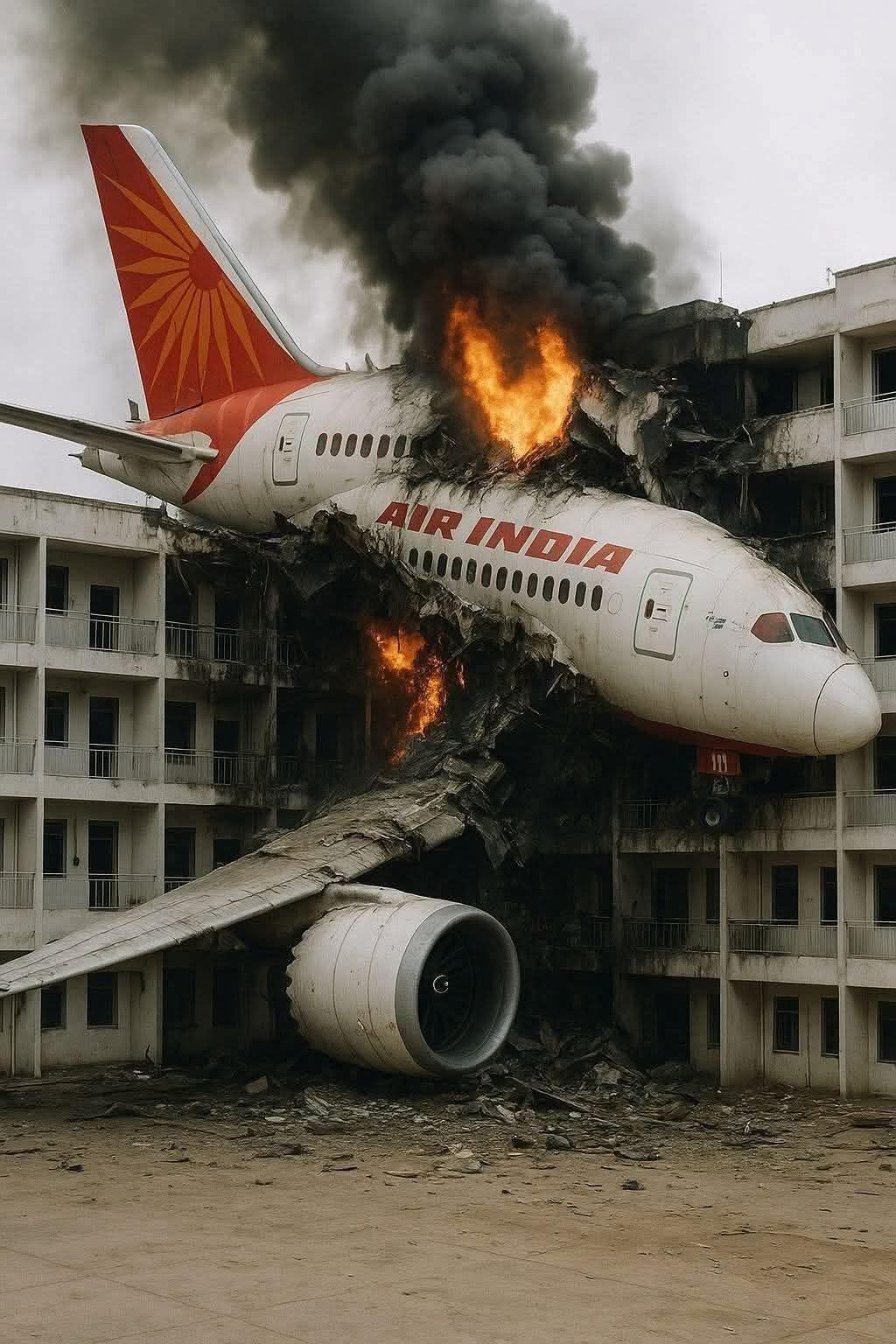
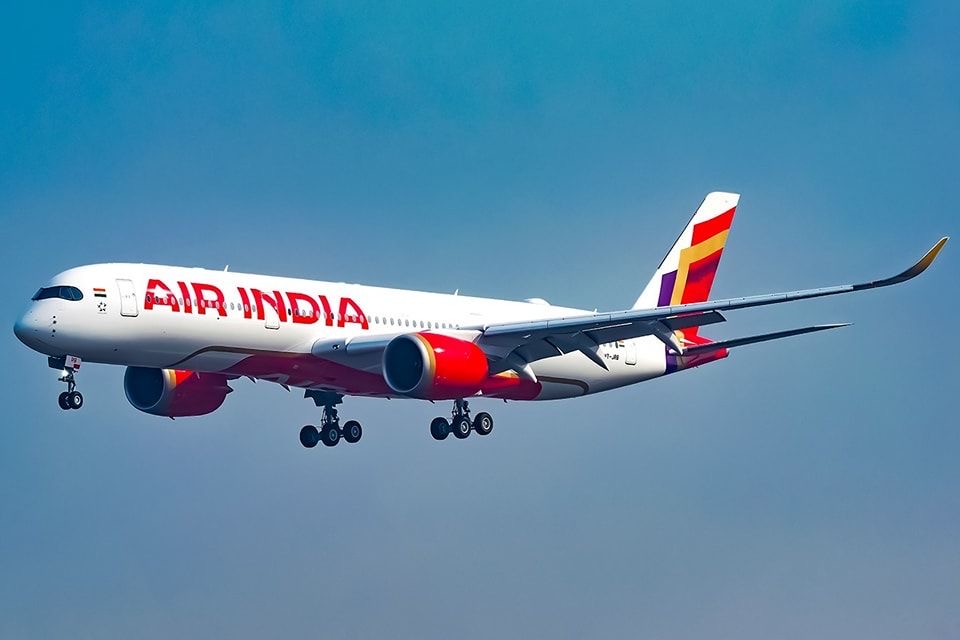
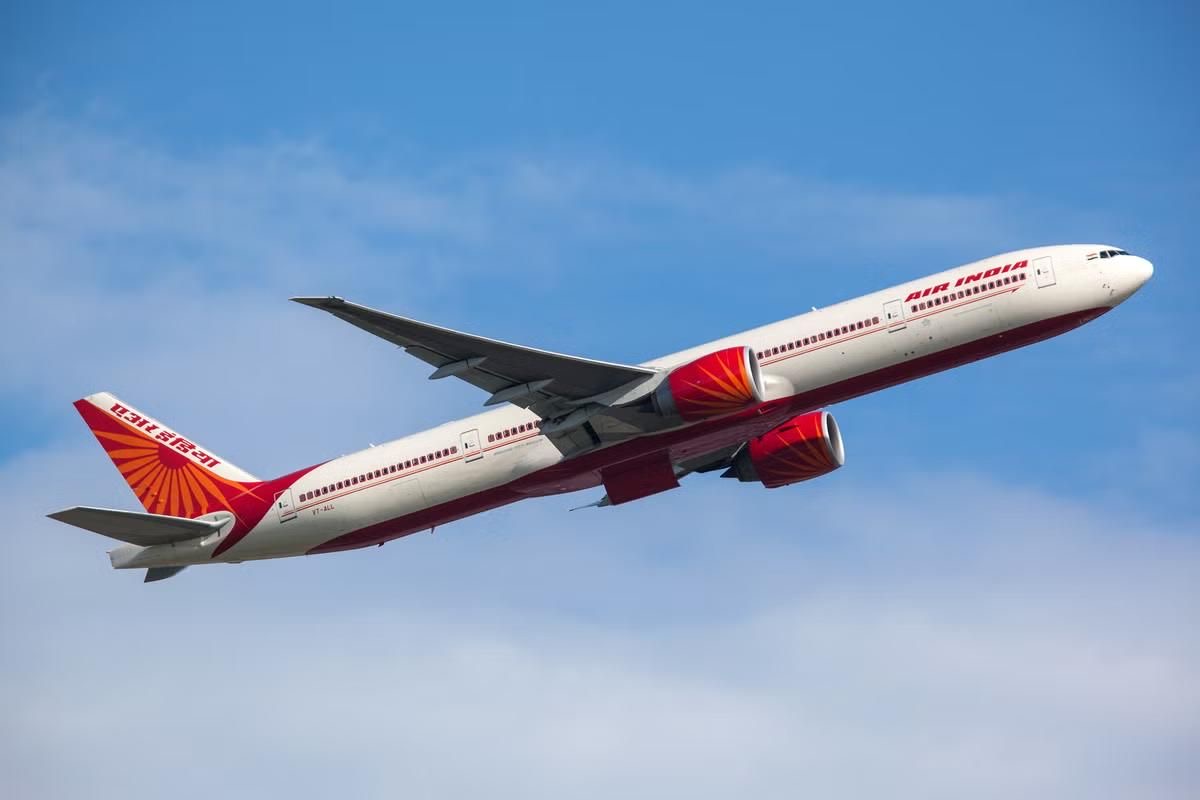
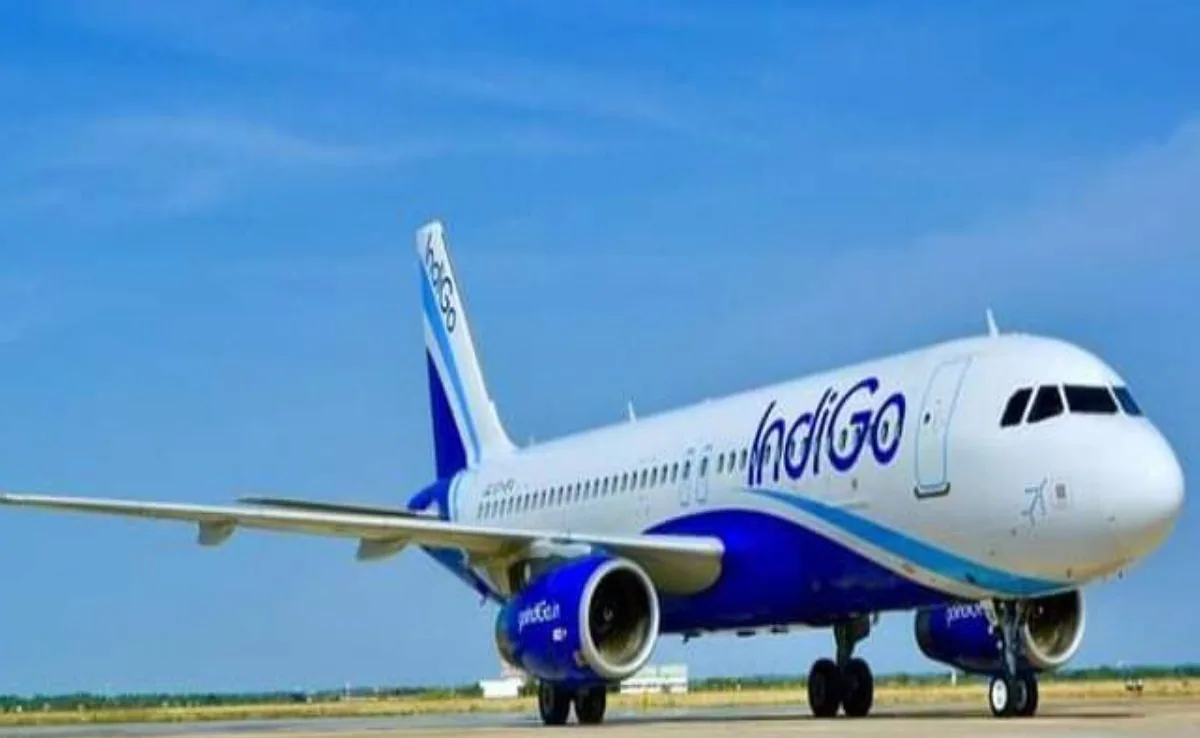
Air India is confronting legal action in the United Kingdom as the estates of several passengers who died in a 2025 aircraft crash have filed a lawsuit alleging liability and seeking compensation. The case highlights ongoing questions about accountability and redress following the tragic accident, and it adds a complex international legal dimension to the airline’s efforts to manage the aftermath of one of the most devastating incidents in its recent history.
The lawsuit has been brought in a UK civil court by representatives of families whose loved ones were among those killed when the Air India flight went down. These estates are pursuing claims against the airline, asserting that the carrier’s actions or alleged failures contributed to the crash and that they should be held financially accountable for the losses suffered by the victims’ relatives.
Legal experts note that bringing a case in the United Kingdom may be strategic for the claimants, given the country’s established tort law system and its track record in adjudicating aviation liability issues. Air India, though an Indian carrier, routinely conducts international services and maintains operations that bring it into connection with markets around the world. As a result, the plaintiffs’ representatives appear to believe that a UK court may be an appropriate forum for their claims.
The filing of the lawsuit comes as families and friends of the victims continue to seek answers about what led to the deadly crash in 2025. Investigations into the incident spanned months and involved teams from multiple countries, with final reports aimed at identifying causal factors and recommending safety improvements. However, for many relatives, the legal process represents a separate avenue to pursue accountability and compensation beyond the technical findings of regulatory inquiries.
Air India has acknowledged its awareness of the legal action but has not publicly commented on the specific details of the lawsuit. In general terms, airlines facing litigation after a fatal crash often defend themselves by pointing to the multifaceted nature of aviation accidents, which can involve manufacturers, maintenance providers, air traffic control factors, or environmental conditions. How Air India chooses to respond legally will likely become clearer as formal proceedings advance.
The claims, while still in their early stages, underscore how the consequences of a major aviation disaster extend far beyond the immediate rescue and recovery phase. Families of those lost in the crash have expressed deep grief and a desire for justice and closure, and the legal process offers one mechanism through which they hope to secure recognition of their loss and financial support that they argue is owed to them.
International aviation law and conventions provide some framework for handling liability in cross-border airline incidents, and courts have often looked to treaties and precedent when awarding damages. Whether the UK court will apply domestic law, international treaties, or a blend of both in this case may become a central question as arguments unfold. Legal observers will be watching closely for early procedural developments.
Some analysts expect this lawsuit to form part of a broader pattern of post-accident legal actions involving global carriers, especially when passengers or crew hail from multiple countries. Where families choose to bring cases can vary based on legal strategy, potential for higher damages, or perceptions of judicial fairness and efficiency. The Air India case may therefore be among several international claims arising from the same tragic event.
As the litigation progresses, both the airline and the families involved will likely issue further public statements through their lawyers. For now, the filing marks a new chapter in the ongoing repercussions following the 2025 crash, and it underscores the enduring impact such tragedies have on affected families, the airline community, and international aviation law.