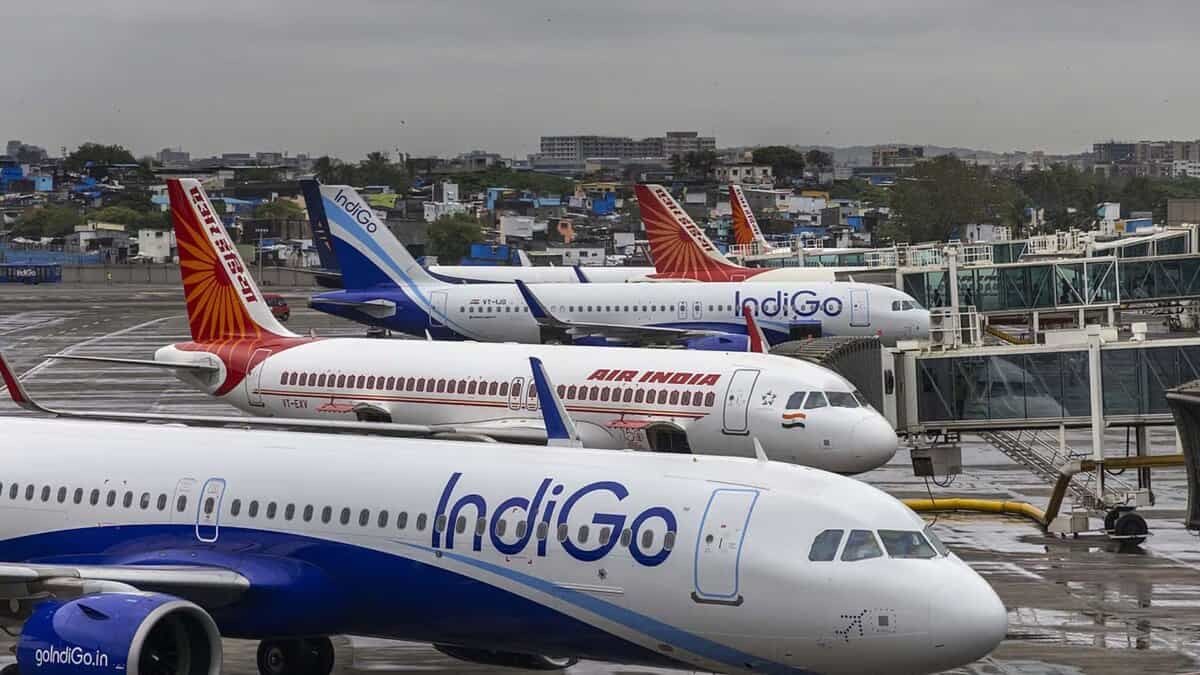
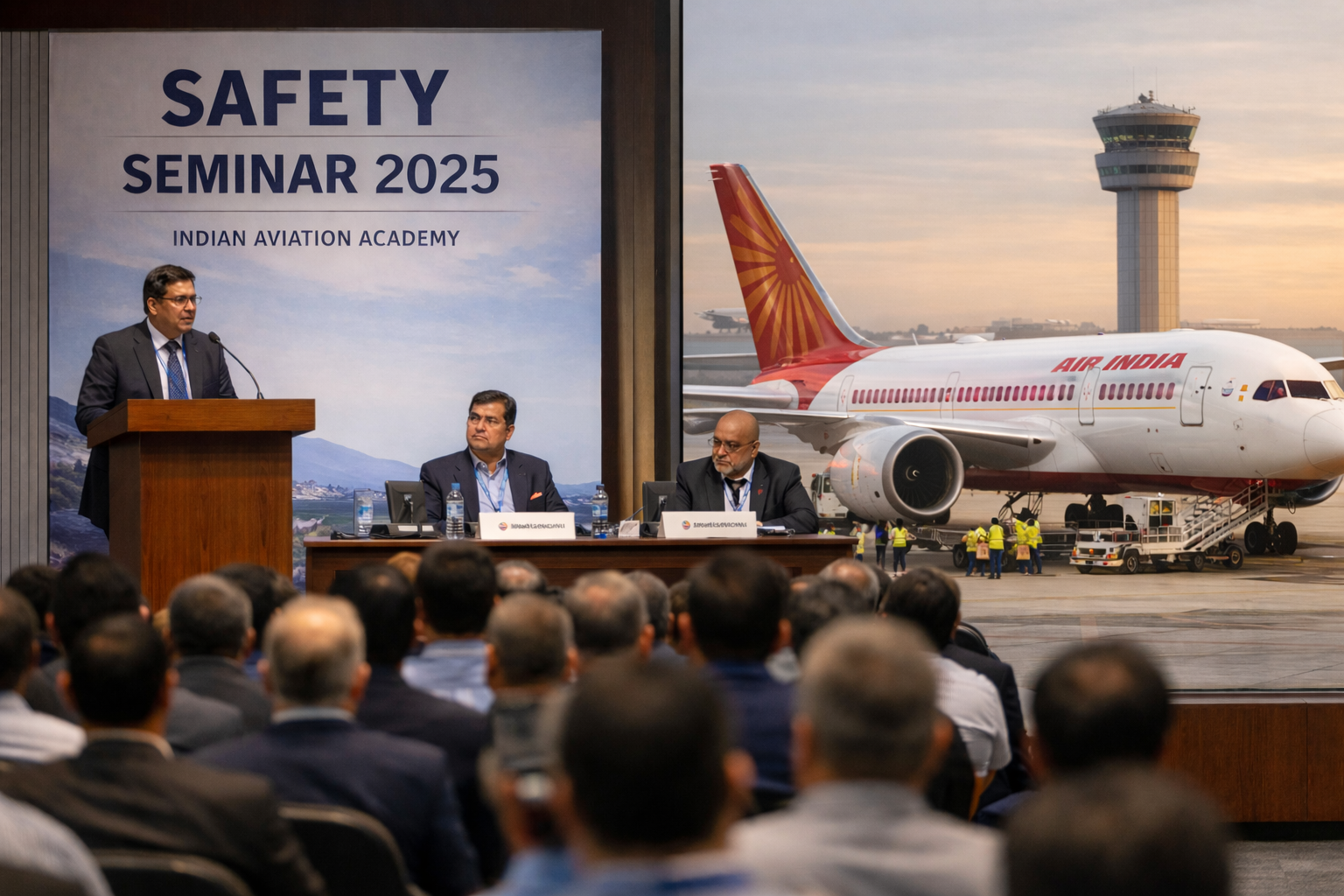
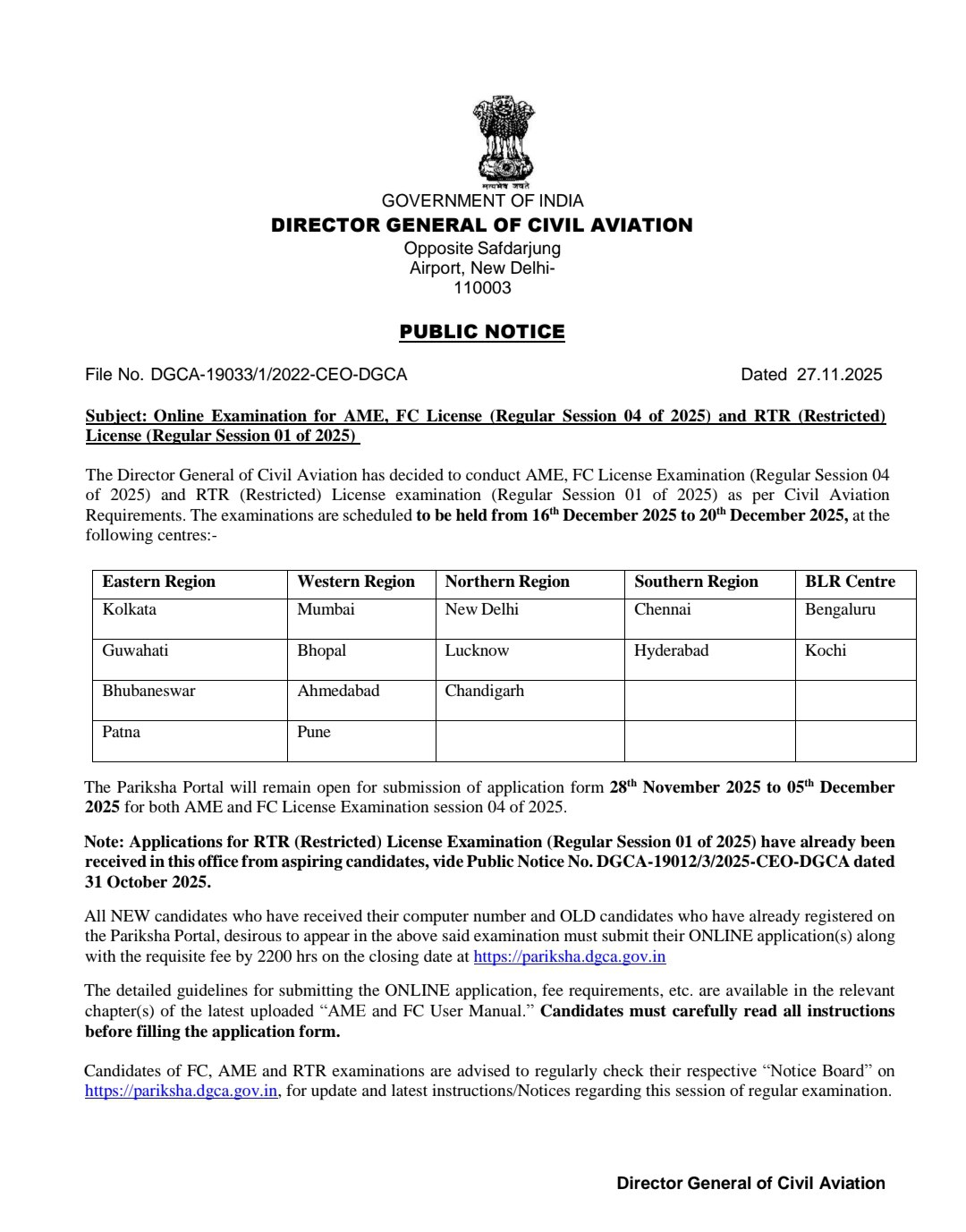
The Directorate General of Civil Aviation has issued an official statement clarifying that the recent reshuffling of officers within the organisation was part of routine internal administrative decisions and not linked to any external pressures or specific investigations. This announcement comes amid heightened public interest in aviation sector governance following a series of high-profile events that have recently drawn national attention.
In its clarification, the DGCA said that the transfers and new postings were carried out as part of scheduled personnel management practices designed to ensure efficiency and continuity across its departments. Aviation regulators often rotate officers periodically to bring fresh perspectives to different divisions and to maintain a balance of experience and expertise within key regulatory functions.
The decision affected multiple senior and mid-level officials who oversee areas such as flight safety oversight, airport licensing, air operator certification, and investigation support. While transfers of this nature are common within bureaucratic organisations, the timing of these changes coincided with several ongoing matters in the aviation industry, prompting speculation among some observers that the moves might be related to specific cases.
Responding to such speculation, the DGCA emphasised that administrative changes are governed by internal policies and human resource requirements. The regulator noted that officers are assigned postings based on organisational needs, individual qualifications, and tenure considerations. Rotation of staff, especially in highly specialised fields like aviation regulation, is intended to build broader institutional knowledge and strengthen overall governance.
Several of the officers who received new assignments expressed their views on the changes. Some welcomed the opportunity to take on fresh responsibilities, citing the chance to contribute to different aspects of civil aviation oversight. Others acknowledged that routine rotations help prevent stagnation and encourage professional growth, especially in a regulatory environment that continually evolves with industry dynamics.
At the same time, industry insiders who spoke on condition of anonymity pointed out that frequent changes in leadership positions can pose challenges if not managed with clear transition planning. They noted that regulatory consistency and deep familiarity with sector issues are important for maintaining trust with airlines, airports, and other stakeholders who depend on predictable oversight.
Officials inside the DGCA said that a structured handover process has been put in place to ensure smooth transitions, with outgoing officers briefing their successors on pending matters and key priorities. This includes detailed documentation, joint review meetings, and stakeholder engagement sessions to minimise any disruption to regulatory functions.
The DGCA’s move to publicly clarify the nature of the transfers was welcomed by aviation analysts who have highlighted the importance of transparency in regulatory operations. By addressing concerns openly, the organisation hopes to reassure the aviation community that its administrative processes are standard and not driven by external interference or reactive measures.
As India’s aviation sector continues to grow and face both opportunities and challenges, the role of the DGCA in providing effective oversight remains central. Ensuring that the regulator’s workforce is well-positioned, experienced, and adaptable will be critical in supporting safety, compliance, and industry development. The recent administrative decisions, while routine, underline the ongoing effort to maintain a robust regulatory framework that can respond effectively to evolving demands in air travel.