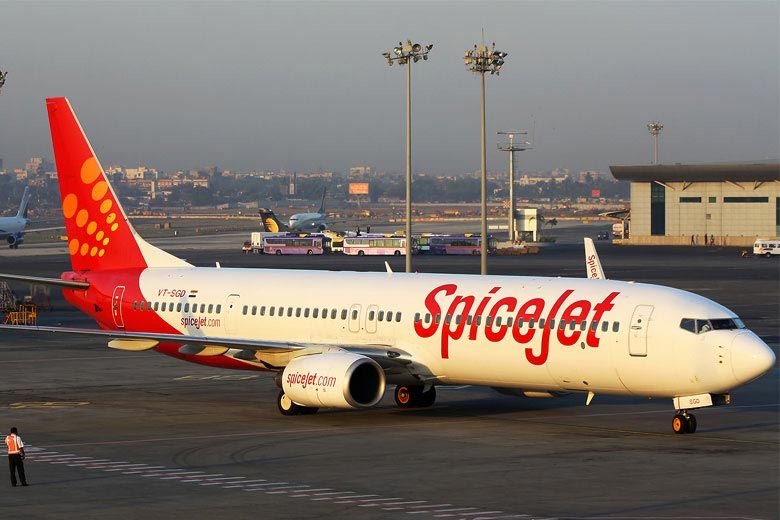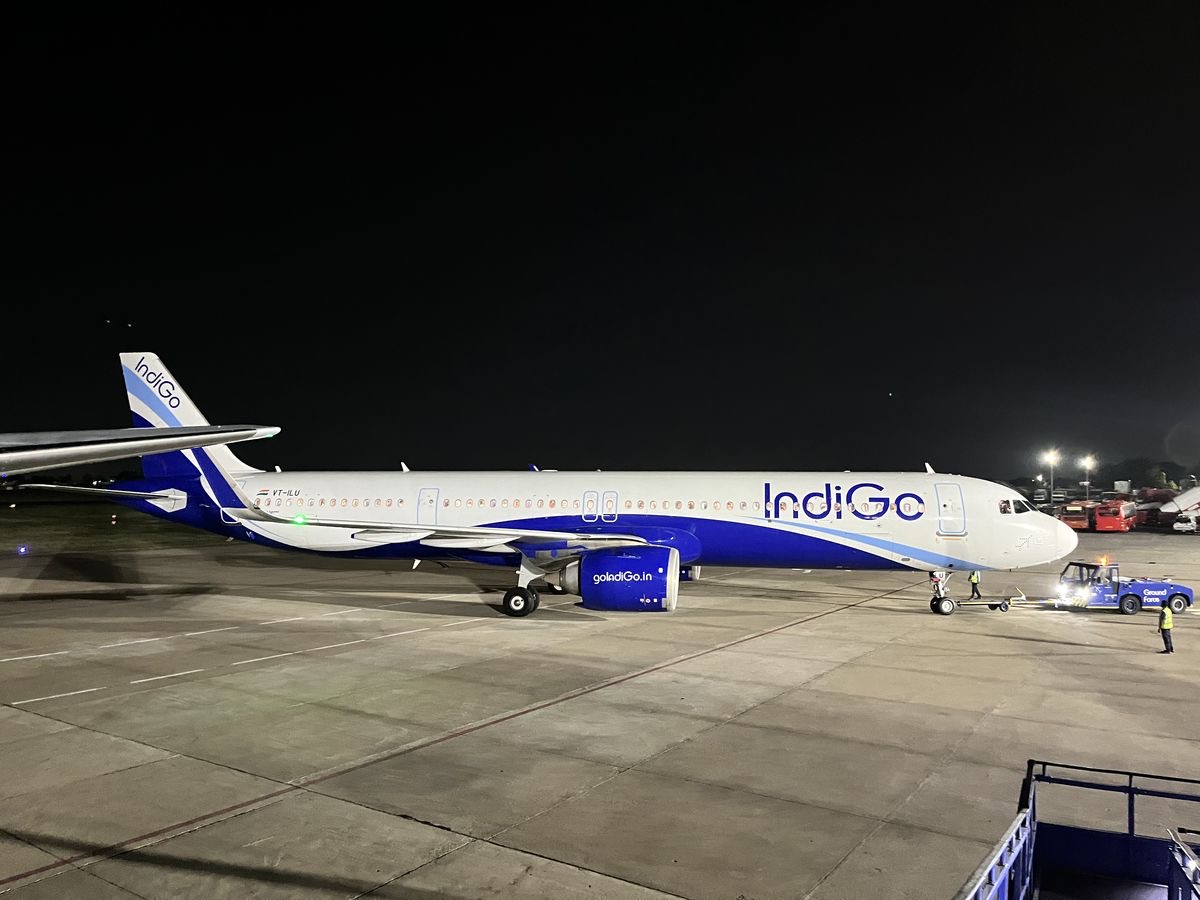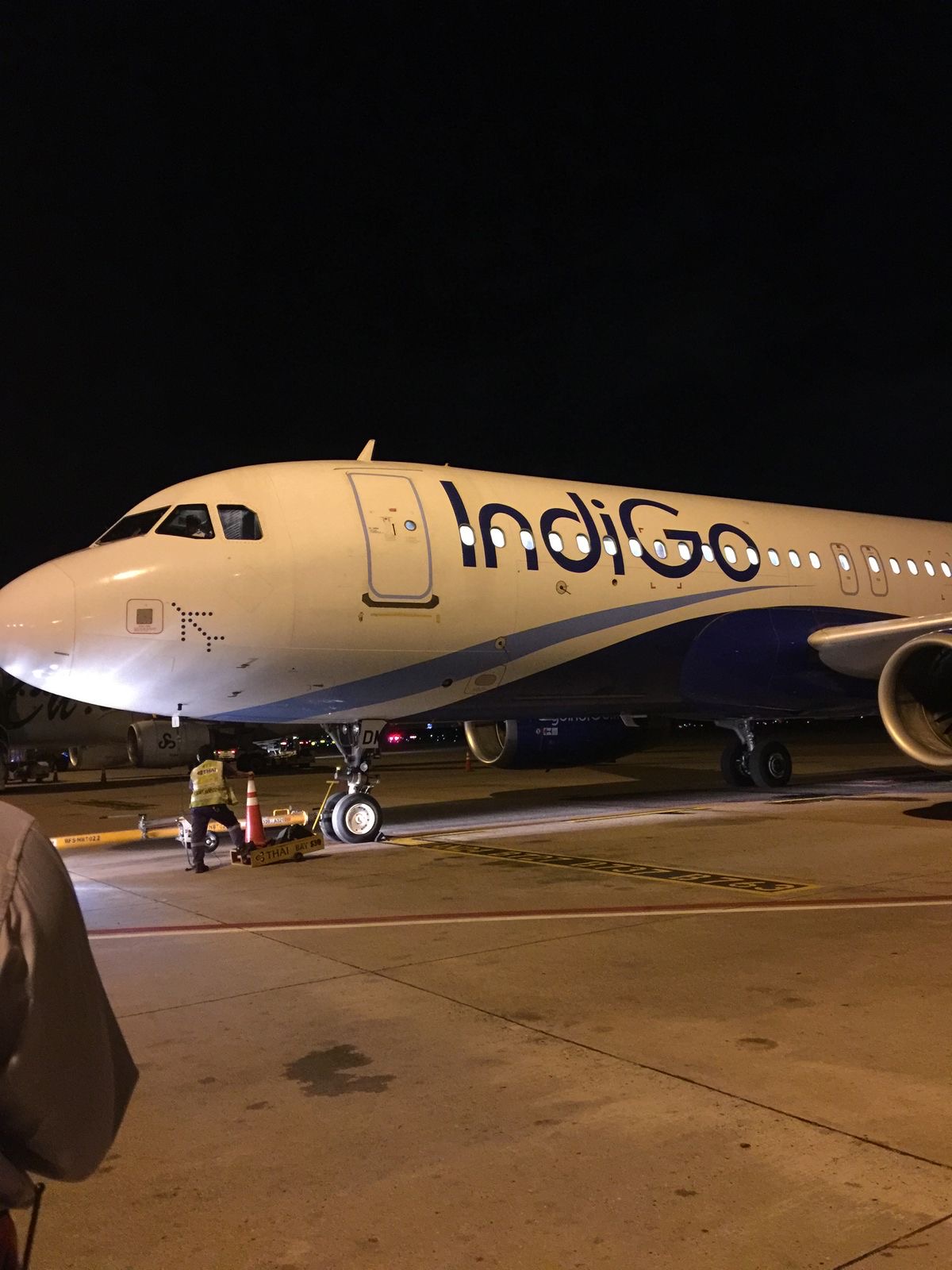
Bangladesh has temporarily barred Indian budget carrier SpiceJet from using its airspace, citing outstanding payments owed by the airline, officials said. The suspension affects SpiceJet’s ability to fly over Bangladesh on certain international sectors, forcing the airline to adjust flight paths and potentially incur higher operating costs until the matter is resolved.
Bangladesh’s civil aviation authority conveyed the decision to SpiceJet after dues remained unpaid. The airline acknowledged the issue and said it is working with both Bangladesh authorities and relevant partners to clear payments and find an early resolution that will allow normal overflight rights to be reinstated.
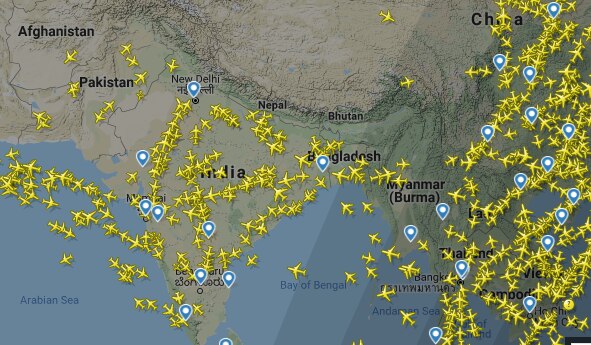
Airspace access is crucial for efficient flight operations on several international routes, particularly those connecting India to Southeast Asian and Middle Eastern destinations. When an airline loses overflight privileges, it must reroute around the restricted airspace, which can result in longer flights, increased fuel burn and adjustments to crew and aircraft schedules. These changes not only affect operational efficiency but can also translate into higher costs for airlines.
SpiceJet said that it values its relationship with Bangladesh and is engaging constructively with aviation officials to address the outstanding dues. The airline emphasised that it wants to resolve the matter amicably and is confident that payments will be made and access restored soon. The carrier also stated that it remains committed to maintaining reliable services for customers and will communicate updates once the situation evolves.
Airlines normally pay fees for air navigation and airspace usage to countries whose territory they fly over. These charges, often known as overflight or route navigation facility charges, are part of routine commercial aviation operations and apply on a per flight basis. Delays or disputes over such payments can lead to restrictions or suspensions, as seen in the current case involving SpiceJet.
The restriction comes at a time when SpiceJet is navigating a competitive aviation environment, with strong demand on many regional and long haul routes. The airline operates a network that includes scheduled international services and charter flights, and overflight rights affect both sectors. Situations like the current airspace ban can prompt airlines to reassess route economics and schedule planning until normal access resumes.
Bangladesh’s decision is expected to remain in effect until the outstanding dues are settled and approvals are granted. Aviation analysts say that disagreements over payments are not uncommon, and industry norms generally provide processes for dispute resolution, late fee assessments and structured clearance mechanisms to manage such issues without protracted operational disruption.
In the meantime, SpiceJet continues to operate services on its other international routes normally. The airline is working with regulatory authorities in India and Bangladesh to expedite clearance procedures and mitigate any impact on passengers. The carrier has also indicated that it will look to update travellers promptly should there be changes to overflight permissions or route plans.
Passengers travelling on affected flights may experience longer flight times due to rerouted paths, particularly on sectors where flights traditionally pass over Bangladesh territory. Airlines typically notify customers of such changes as part of routine operational communication, and travellers are encouraged to check with SpiceJet for the most up-to-date flight information.
The airline’s engagement with Bangladesh authorities reflects broader efforts within the industry to maintain cooperative relations between carriers and aviation regulators, which are vital for smooth international operations. As both sides work toward a mutually acceptable solution, stakeholders will be watching closely for developments that restore overflight privileges and normalise flight efficiencies between the countries.