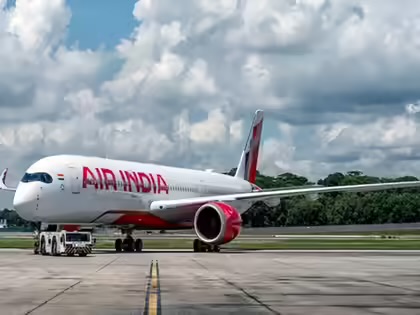
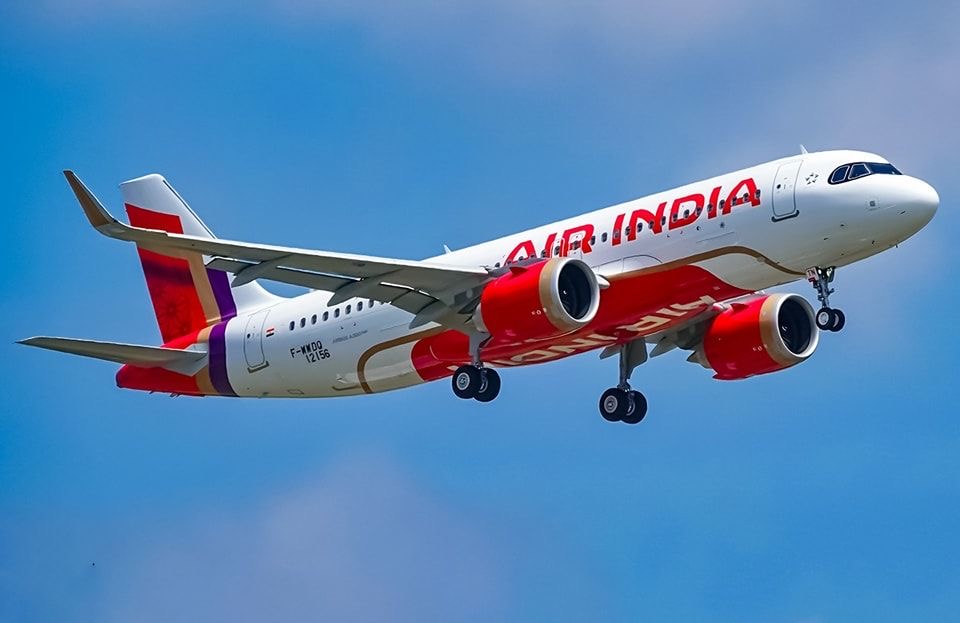
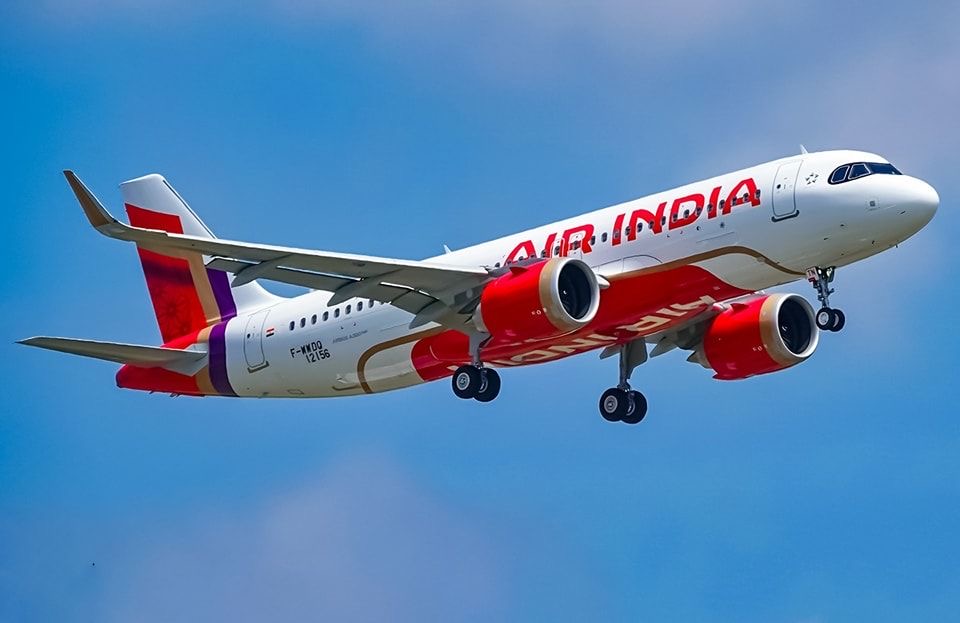
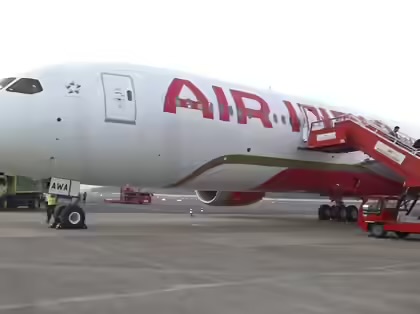
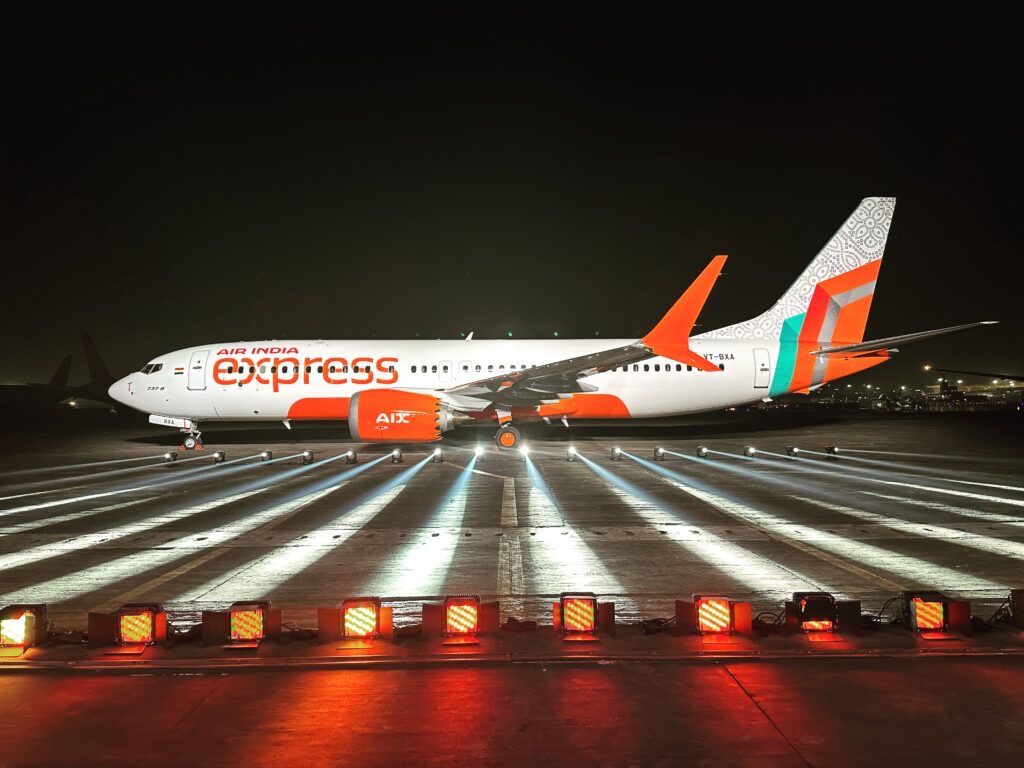
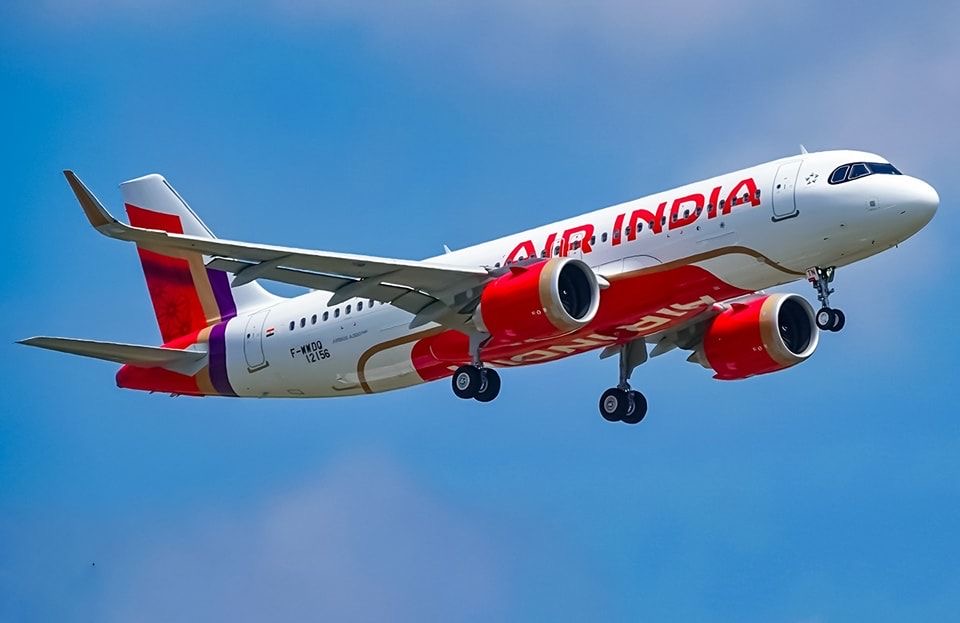
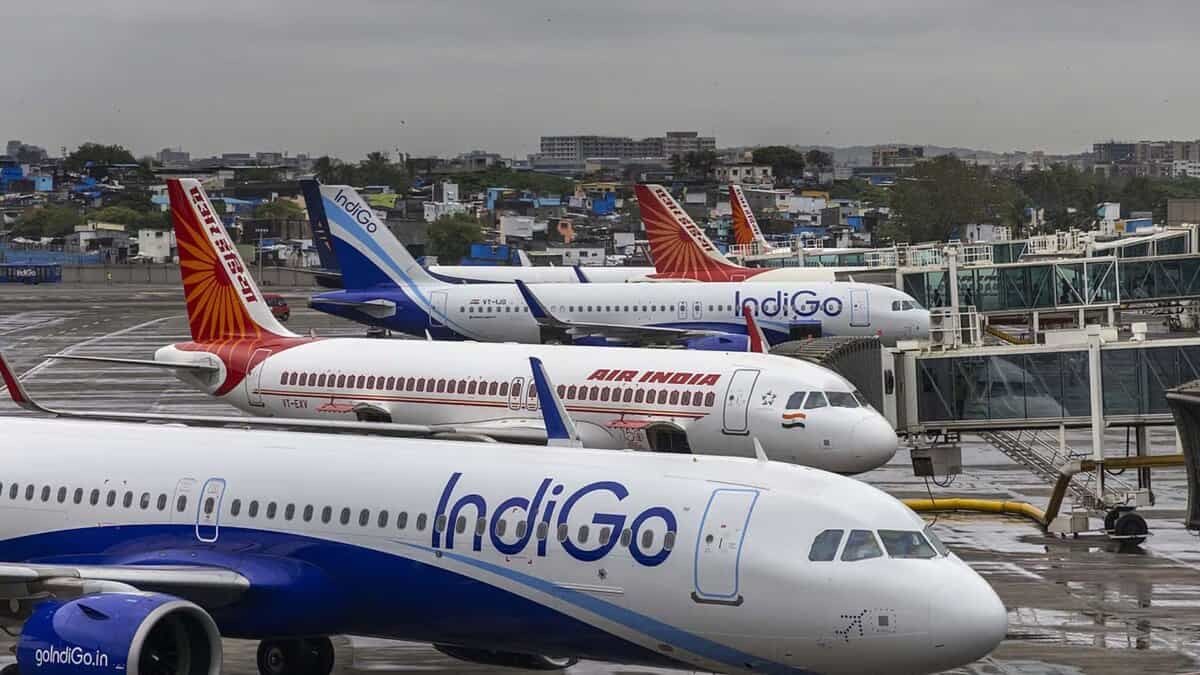
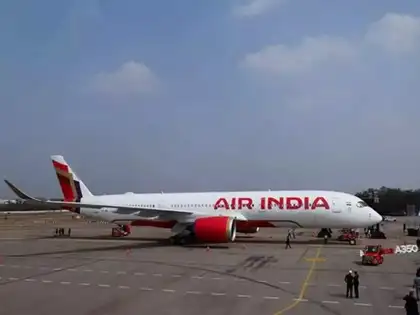
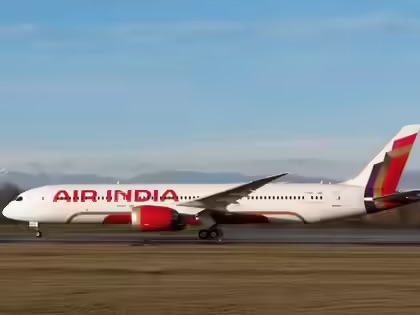
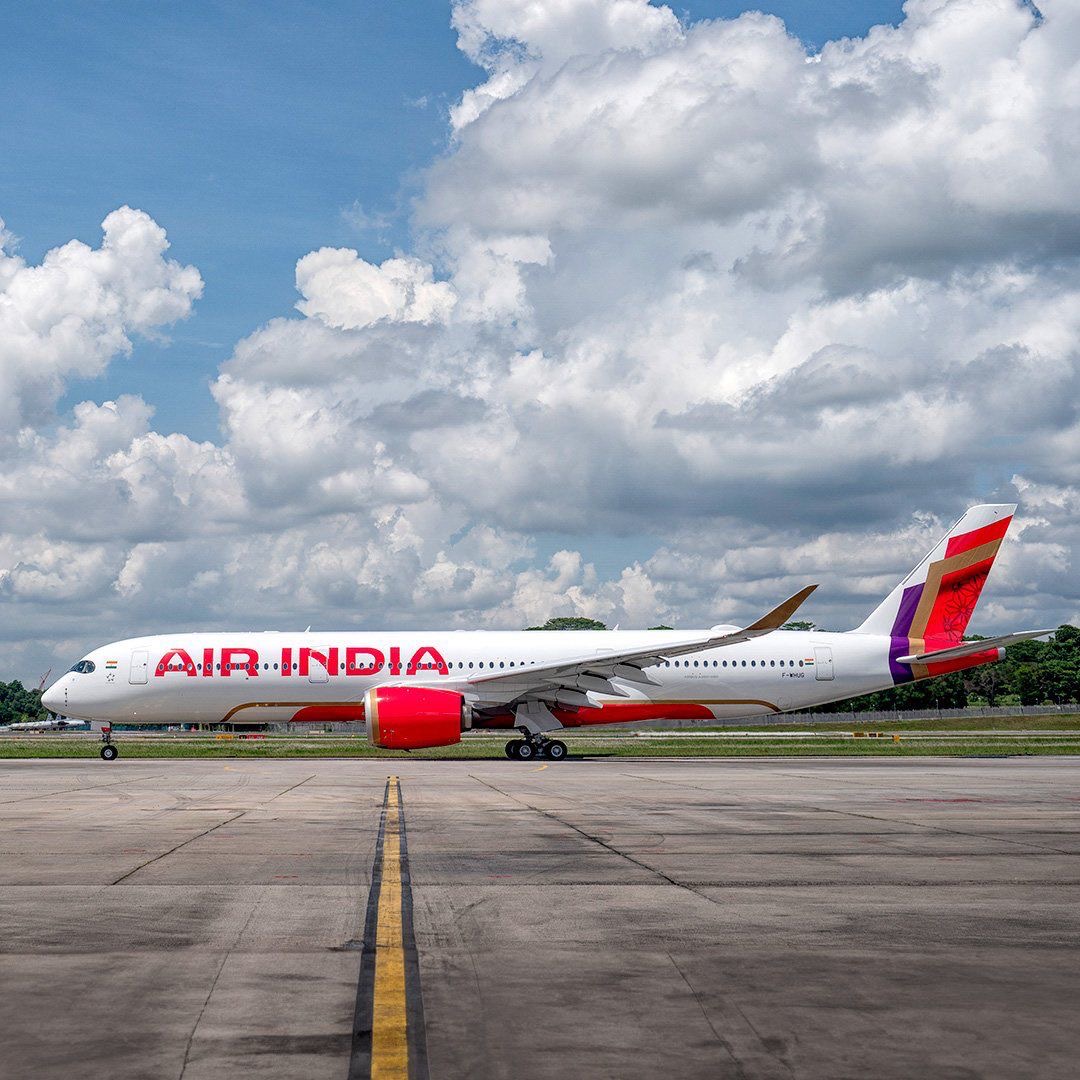
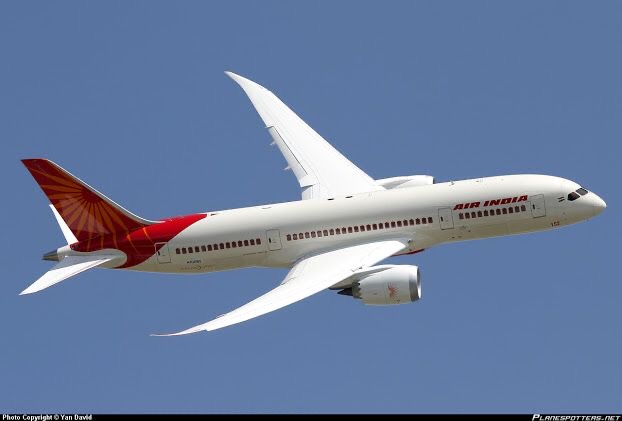
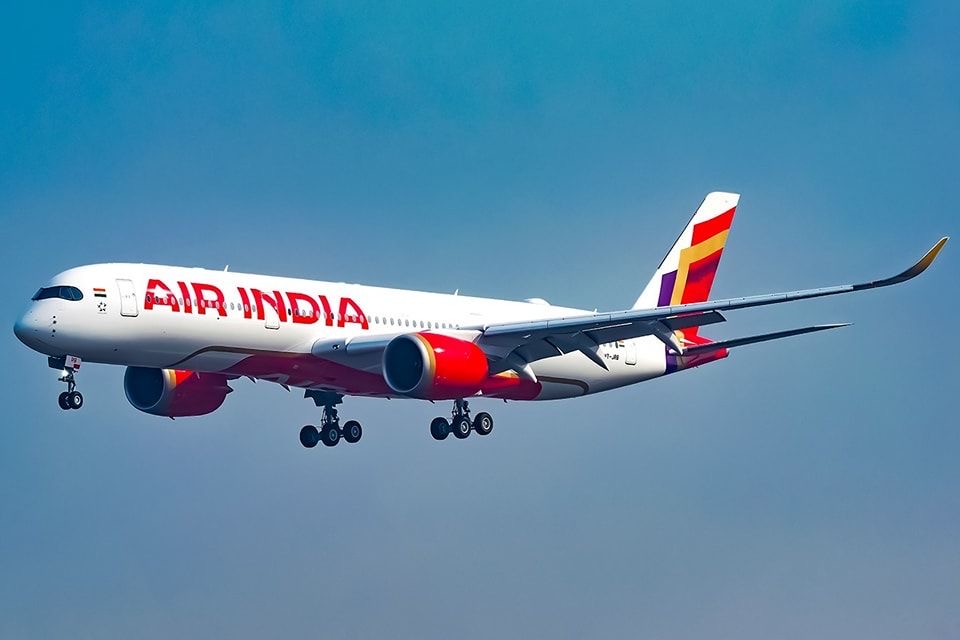
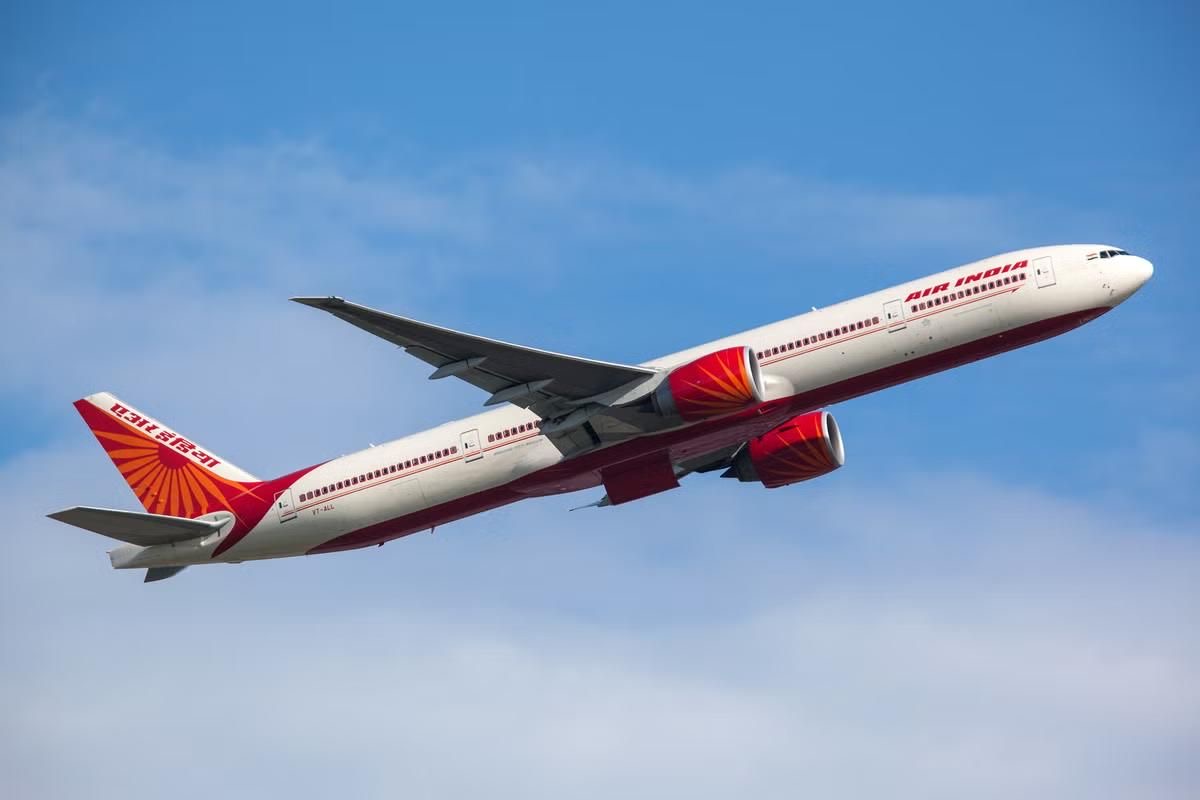
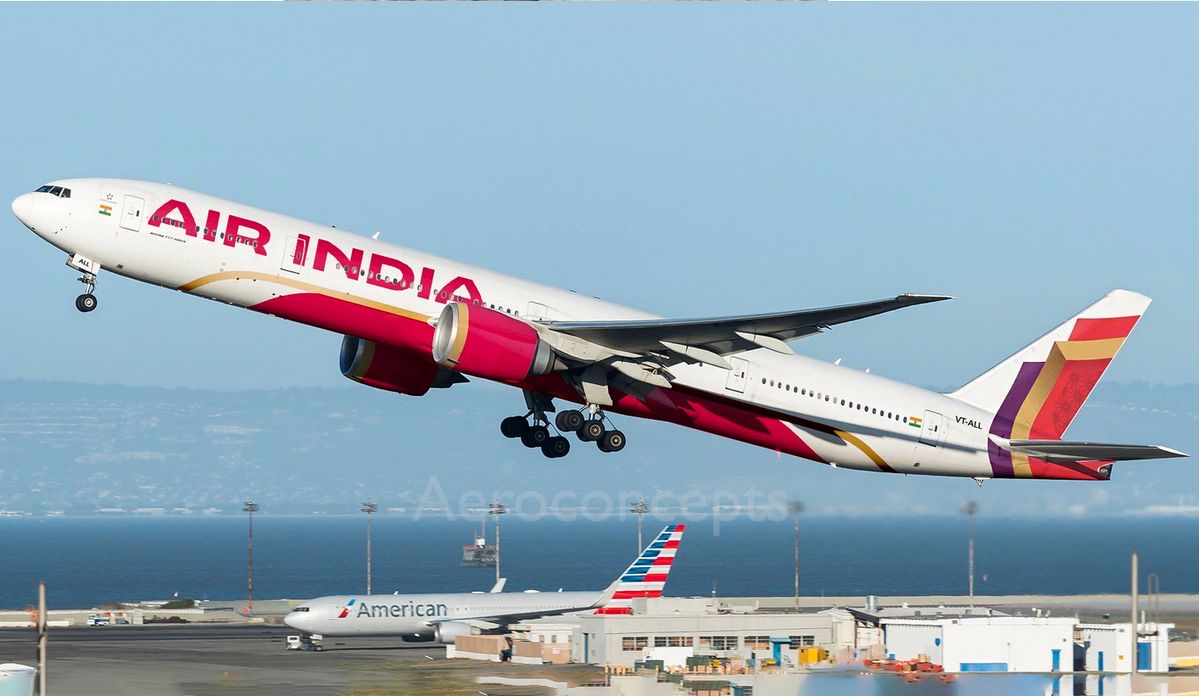
Air India has strongly rejected claims circulating online that one of its aircraft operated through restricted airspace in the Middle East amid ongoing geopolitical tensions in the region. The airline clarified that such reports are inaccurate and reaffirmed that all its flights strictly follow approved international aviation routes and regulatory guidelines.
The clarification came after speculation began spreading across social media platforms suggesting that an Air India flight had passed through sensitive or restricted airspace during the current regional conflict. Addressing the reports, the airline stated that none of its aircraft violated any restricted or prohibited airspace and that every flight operates in full compliance with global aviation safety requirements.
Air India emphasized that flight routing decisions are never taken casually and are instead the result of detailed planning and continuous coordination with multiple aviation authorities. Before every long haul flight departs, operational teams analyze approved flight corridors, airspace advisories, weather conditions and geopolitical developments. These plans are then coordinated with international air traffic control agencies to ensure the route remains safe and legally approved.
According to the airline, flight planning systems are constantly updated with the latest information issued by aviation regulators, government authorities and global aviation bodies. If any airspace becomes restricted or unsafe due to political tensions, military activity or security advisories, airlines immediately adjust their routes to avoid those areas. Air India stated that it strictly adheres to these global aviation protocols and ensures that its pilots operate only within approved airspace corridors.
The airline also explained that modern commercial aircraft are supported by advanced flight management systems that continuously monitor routes, navigation data and airspace restrictions. These systems work alongside real time communication between pilots, airline operations centres and air traffic controllers across multiple countries. Such coordination ensures that aircraft remain within permitted routes throughout their journey and that any potential risks are avoided well in advance.
Air India highlighted that during periods of geopolitical tension airlines worldwide must take extra precautions when operating flights across regions that may be affected by conflict or security concerns. Aviation authorities in different countries often issue advisories warning airlines to avoid certain areas or to use specific corridors when flying through sensitive regions. Airlines closely monitor these advisories and immediately incorporate them into their operational planning.
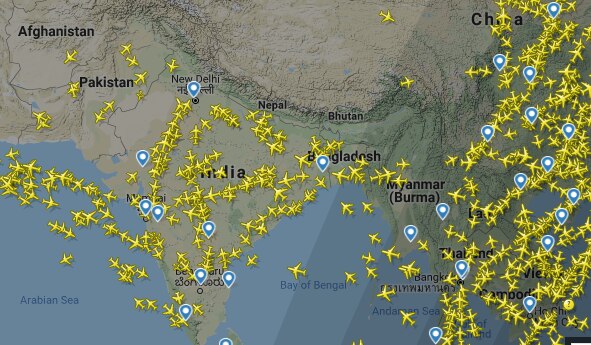
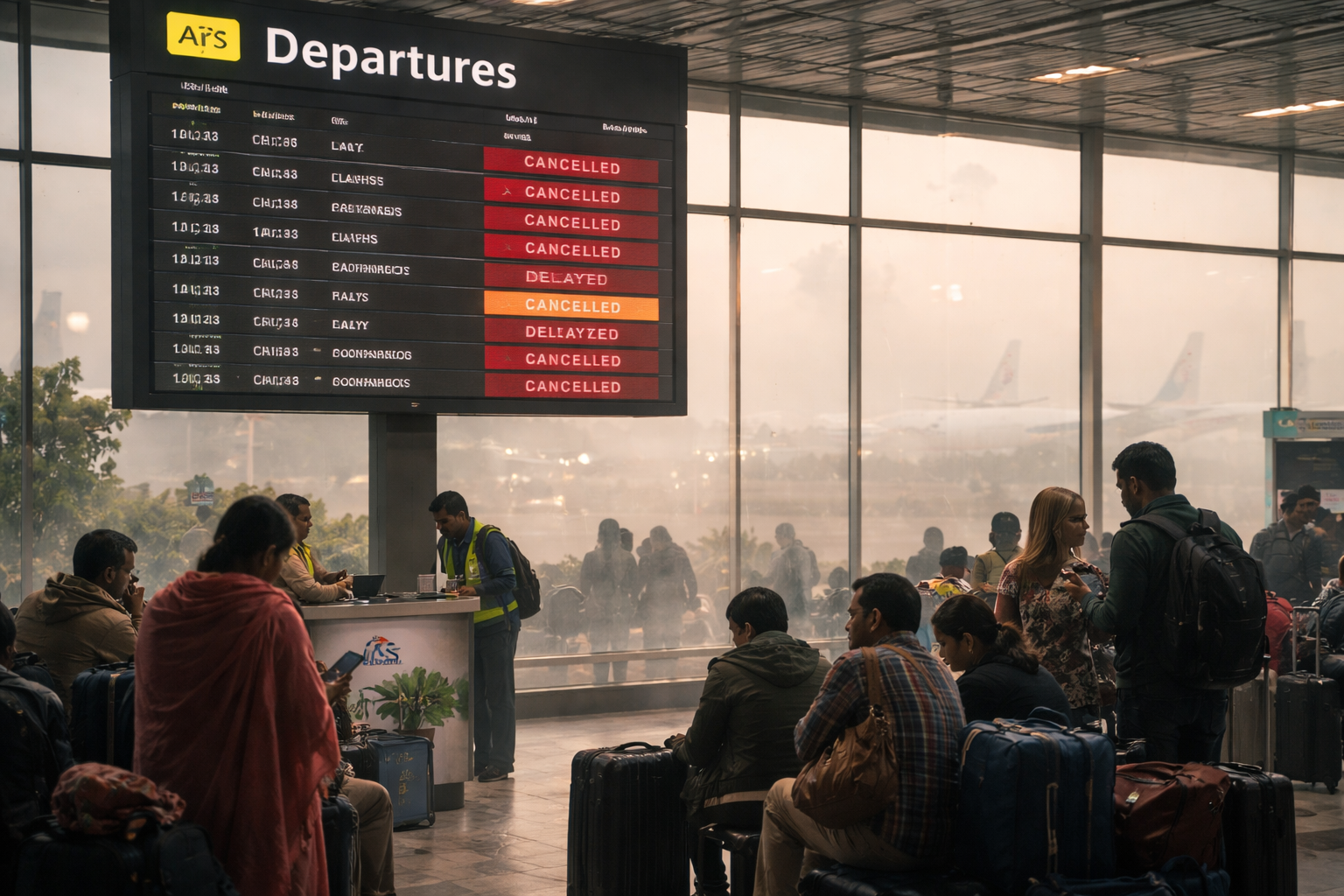
In recent weeks, tensions in parts of the Middle East have led to temporary airspace restrictions and changes to international flight routes. Several airlines have adjusted schedules, rerouted aircraft or cancelled flights altogether to avoid potentially unsafe airspace. These developments have had ripple effects across global aviation networks, increasing flight times on some routes and creating operational challenges for airlines.
Air India stated that it has been actively monitoring the evolving situation and making adjustments where necessary to ensure safe operations. In some cases, flights have been rerouted to alternative corridors, while certain routes may experience longer travel times due to detours around restricted areas. Despite these operational challenges, the airline reiterated that safety remains its highest priority.
The carrier also noted that misinformation about flight operations can quickly spread online, especially during times of geopolitical uncertainty. Such speculation may create unnecessary concern among passengers and the public. By issuing a clear statement, Air India aimed to reassure travellers that its aircraft operate strictly within approved airspace and follow all safety protocols mandated by global aviation regulators.
Industry experts point out that airlines follow a highly structured and regulated process when determining flight paths. Routes are approved through international agreements and monitored by air traffic control authorities across different regions. Airlines do not have the freedom to arbitrarily choose flight paths, as every segment of a journey must comply with airspace rules and aviation safety regulations.
Air India reaffirmed that its pilots, operational teams and safety departments work together to ensure complete compliance with international aviation standards. The airline also maintains constant communication with global aviation agencies and air navigation service providers to stay updated on any changes that may affect flight operations.
As geopolitical developments continue to evolve, Air India stated that it will keep reviewing its routes and schedules while maintaining strict adherence to international aviation safety requirements. The airline reassured passengers that all flights will continue to operate only through approved and safe airspace corridors, with passenger and crew safety remaining the airline’s top priority.