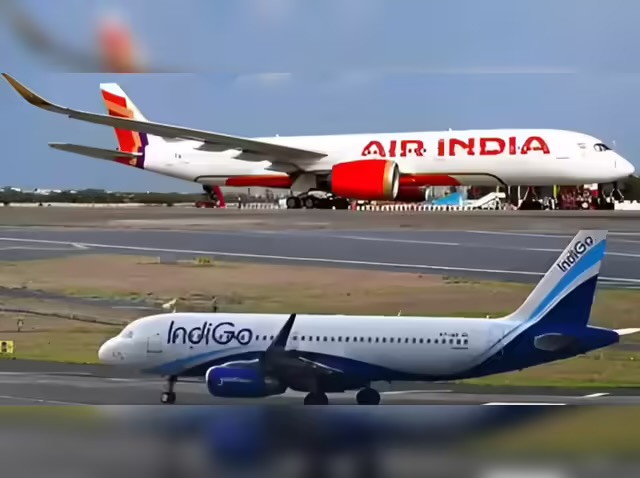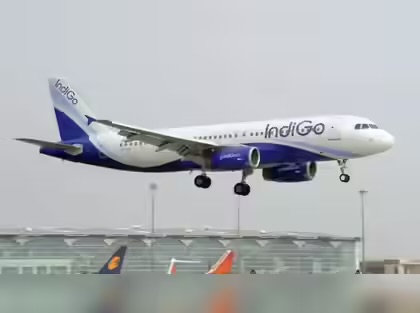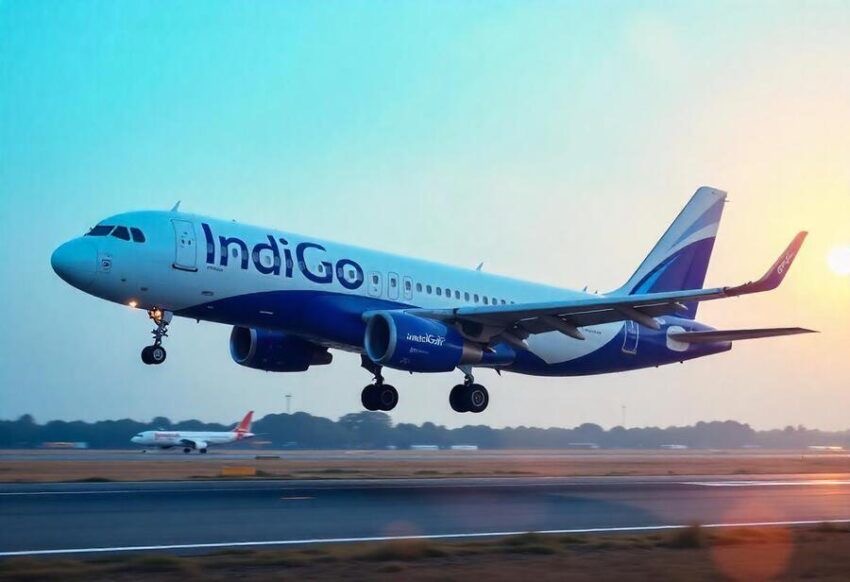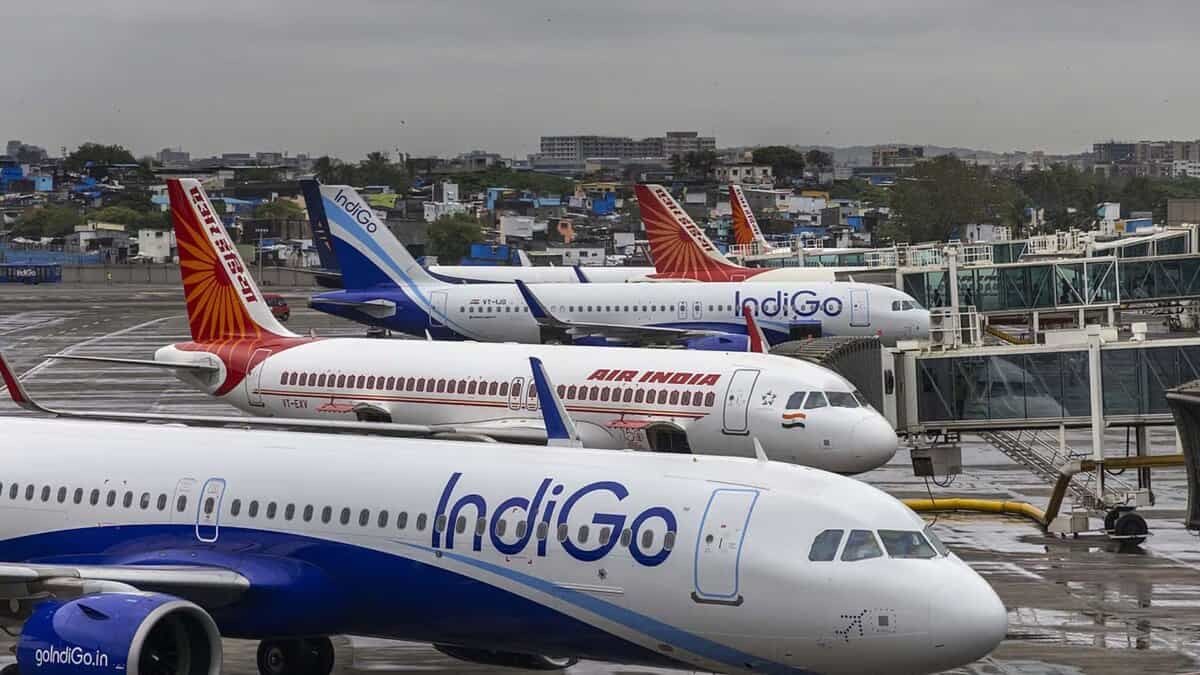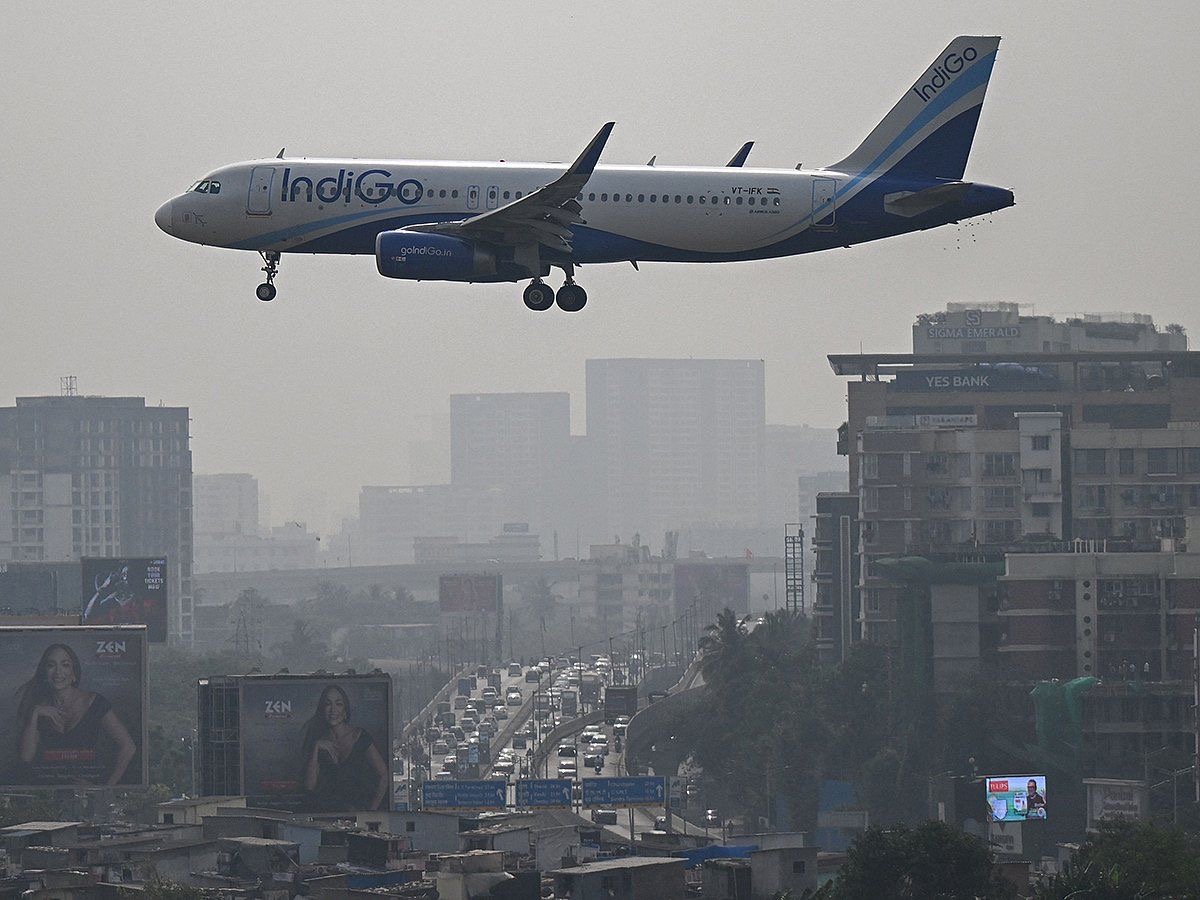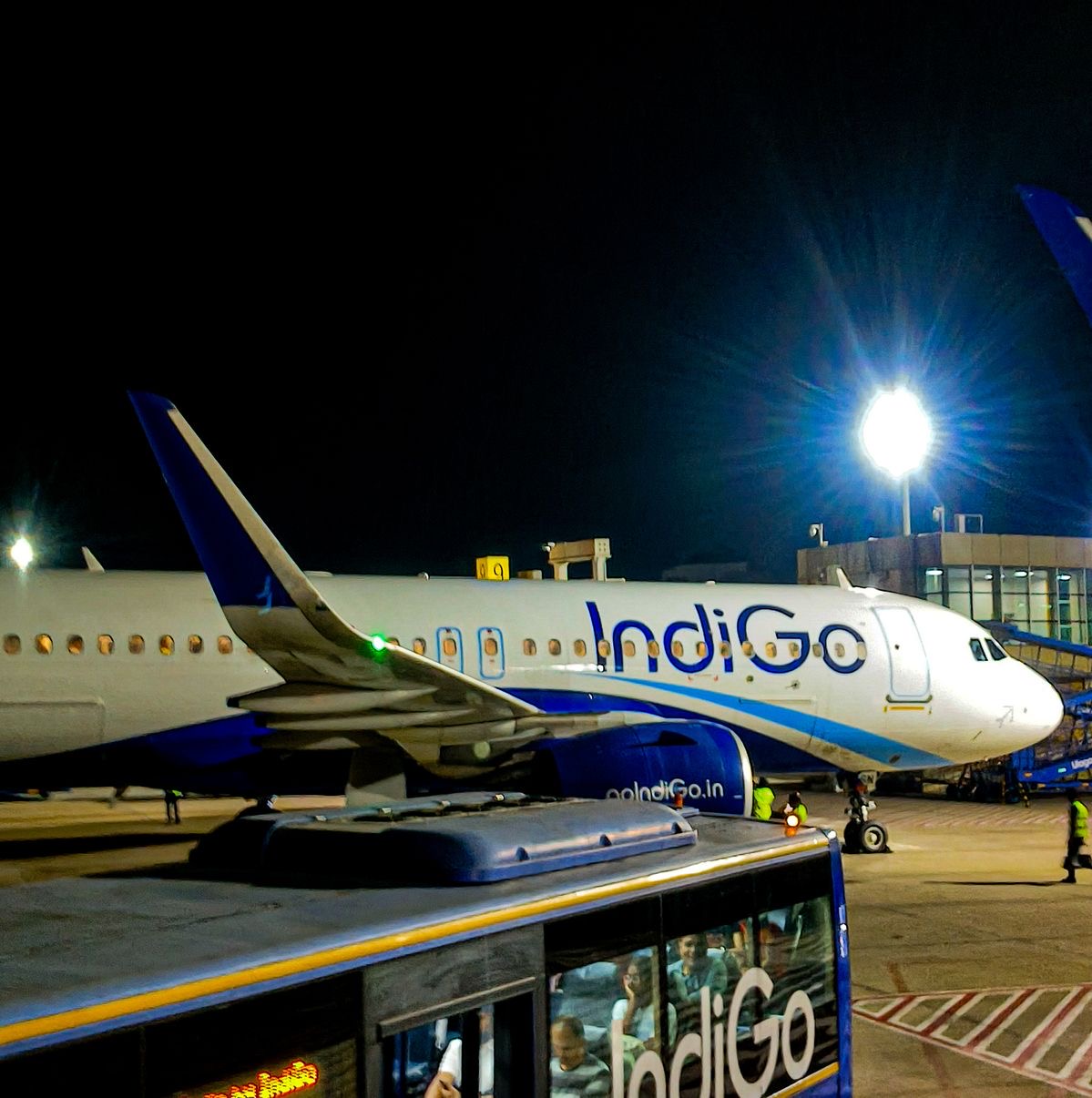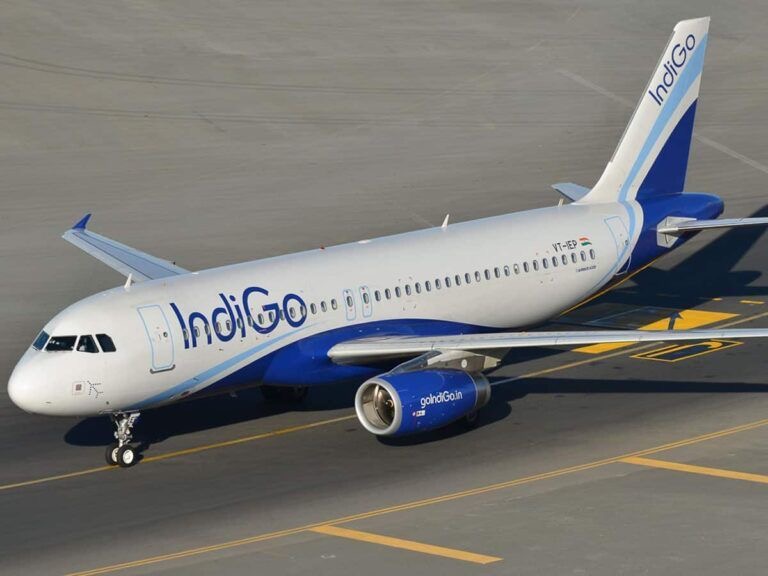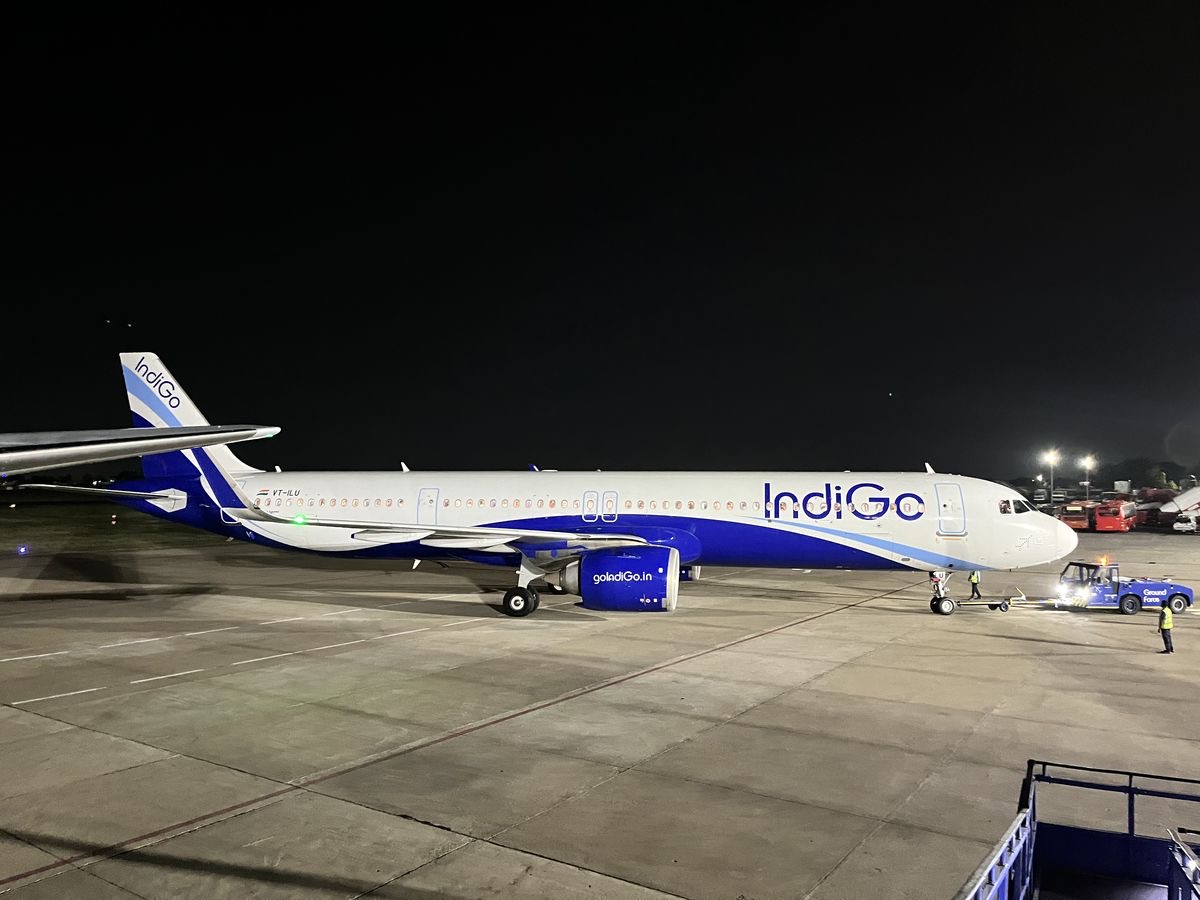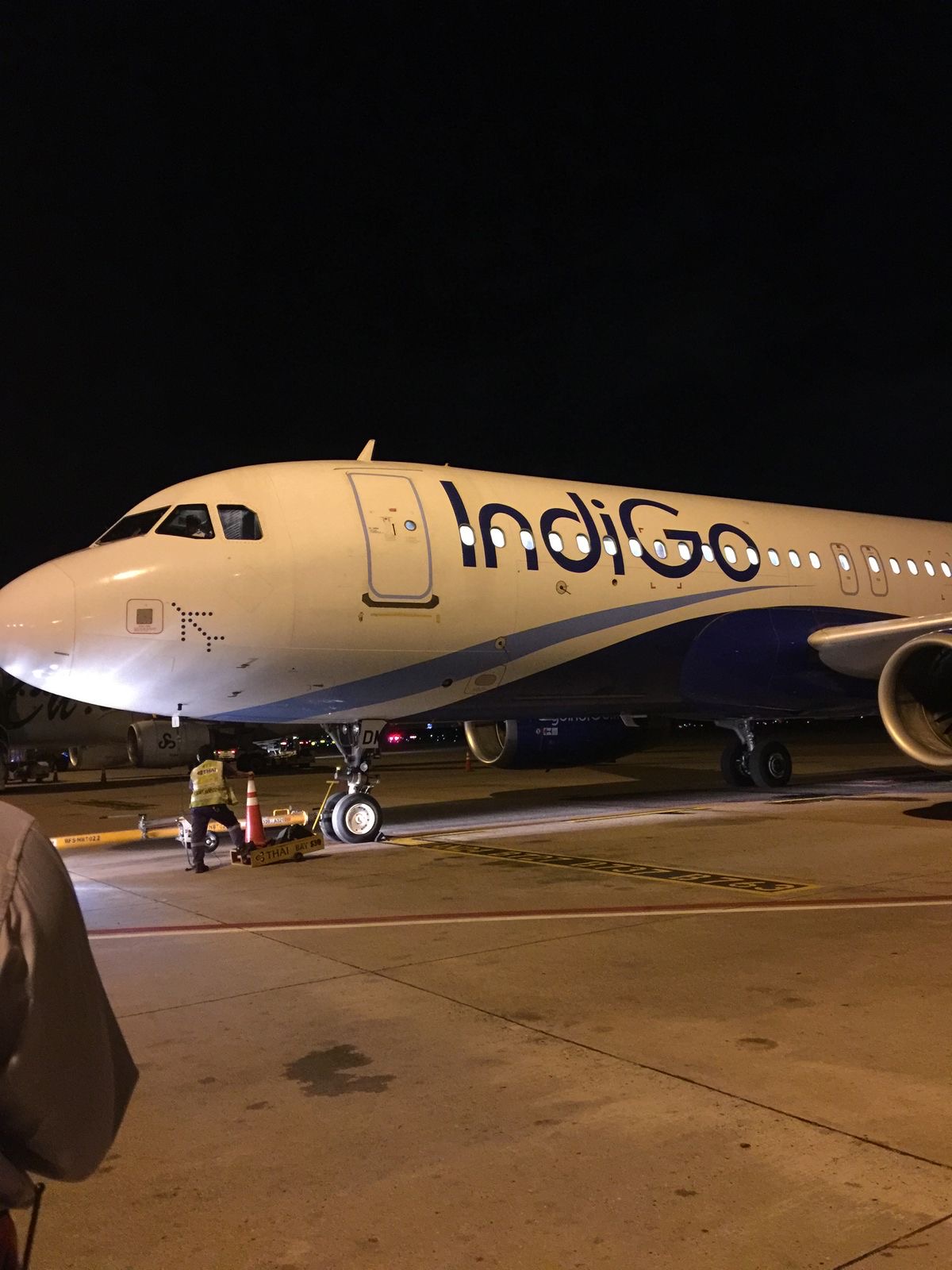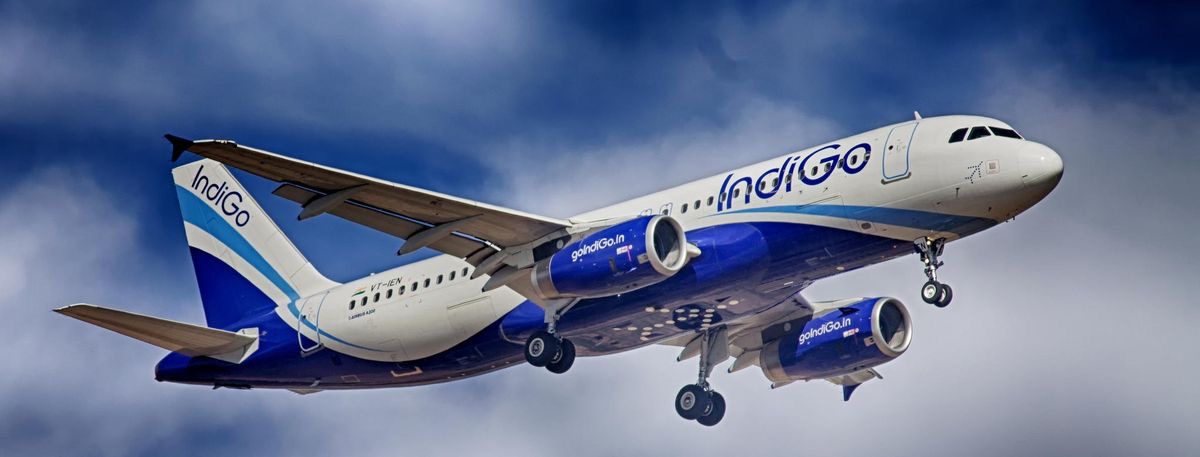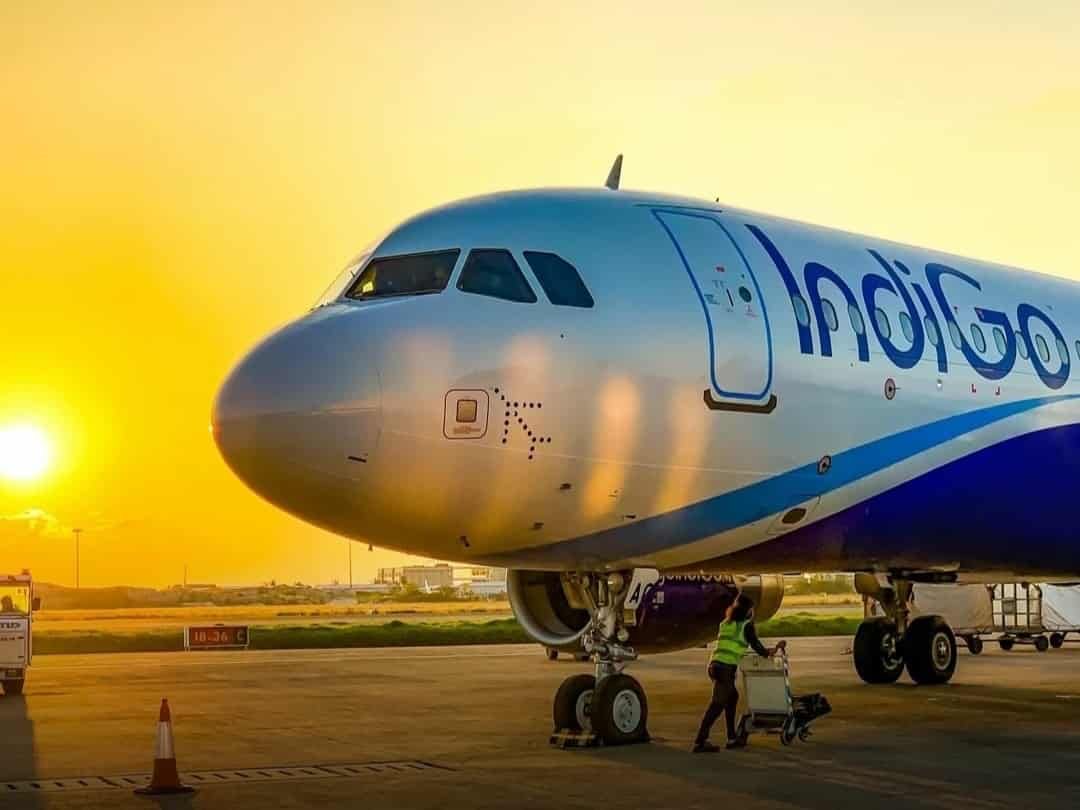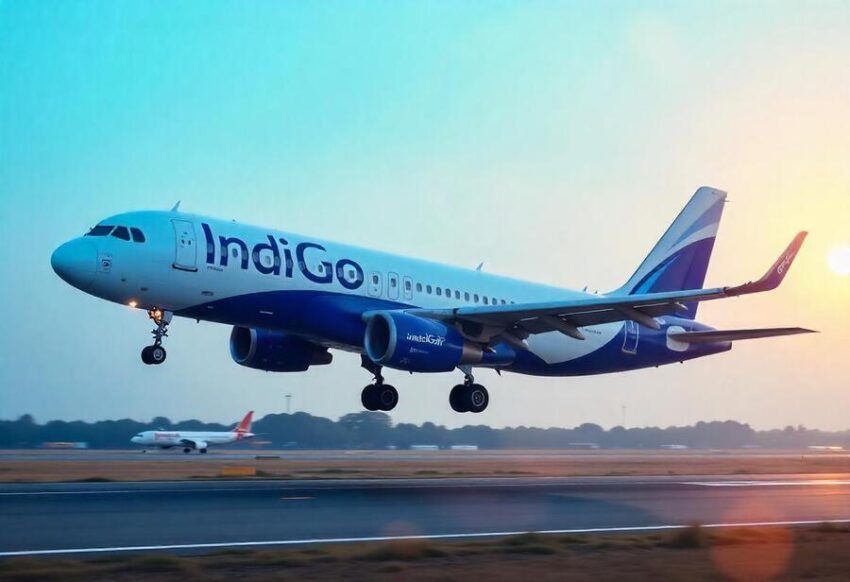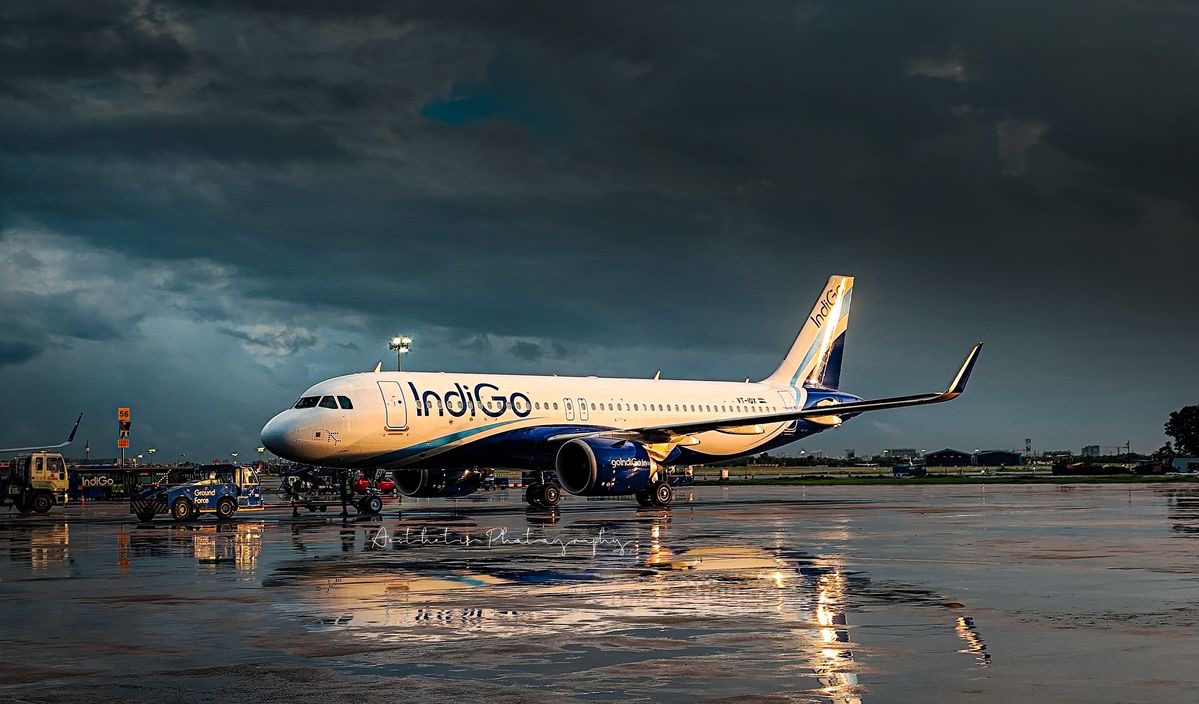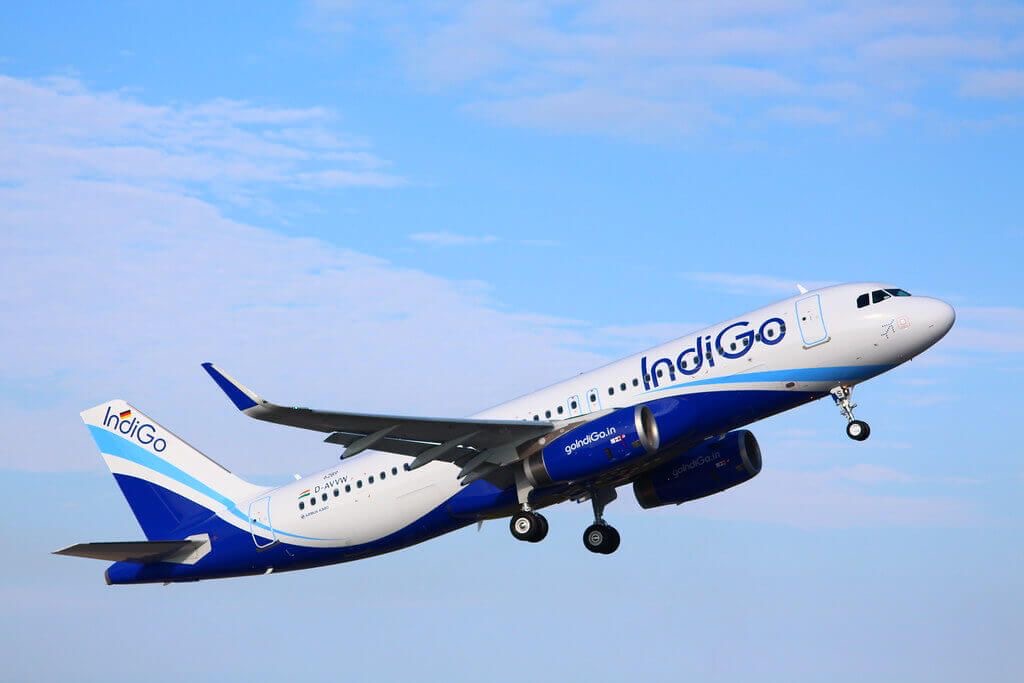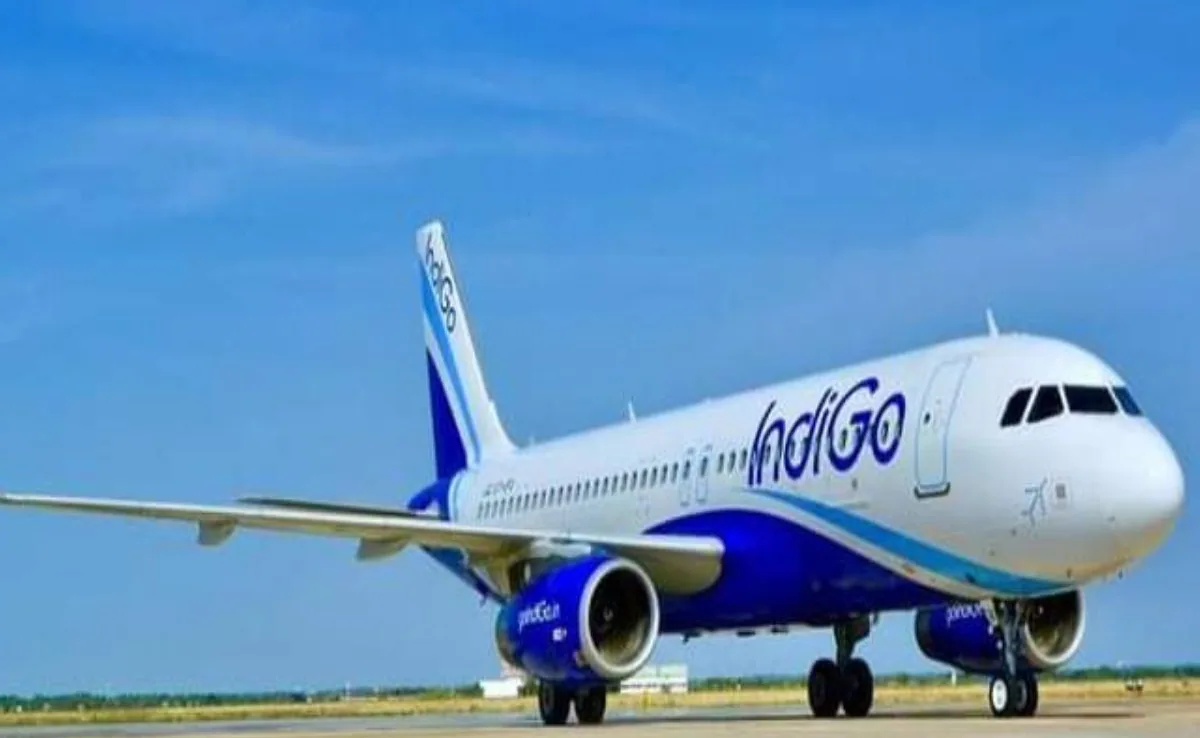
IndiGo reported a robust 11 percent increase in cargo volumes in the past year, propelled by greater belly cargo capacity on passenger flights and the induction of three new dedicated freighter aircraft, airline officials said. The growth highlights how the airline is expanding its logistics operations alongside passenger services to tap rising demand for air freight across domestic and international routes.
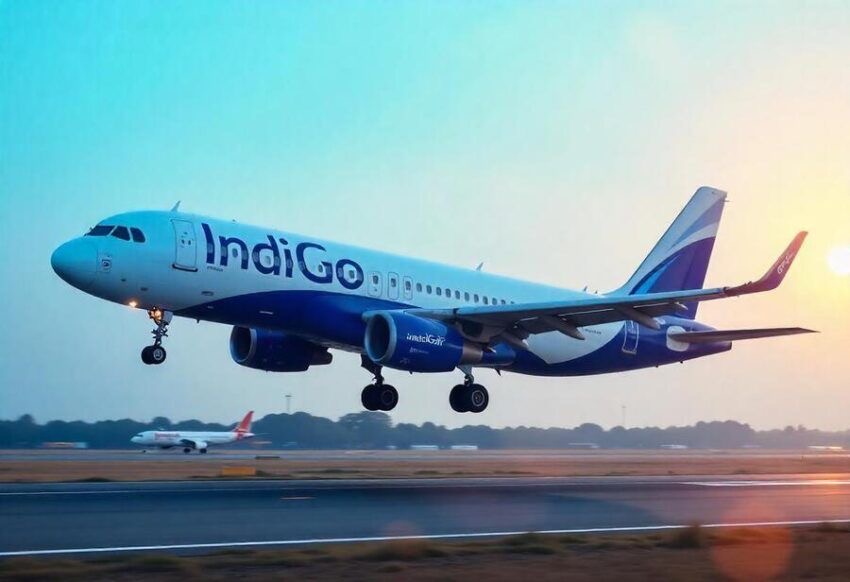
The increase in belly cargo capacity came as IndiGo expanded its passenger flight network, deploying larger aircraft and adding frequencies on key sectors. Belly space, the cargo area beneath passenger cabins, remains a crucial revenue source for airlines, especially on routes with strong demand for express shipments, ecommerce goods, pharmaceuticals and temperature sensitive products. With more seats sold and more flights operated, the airline unlocked additional space for cargo movement.
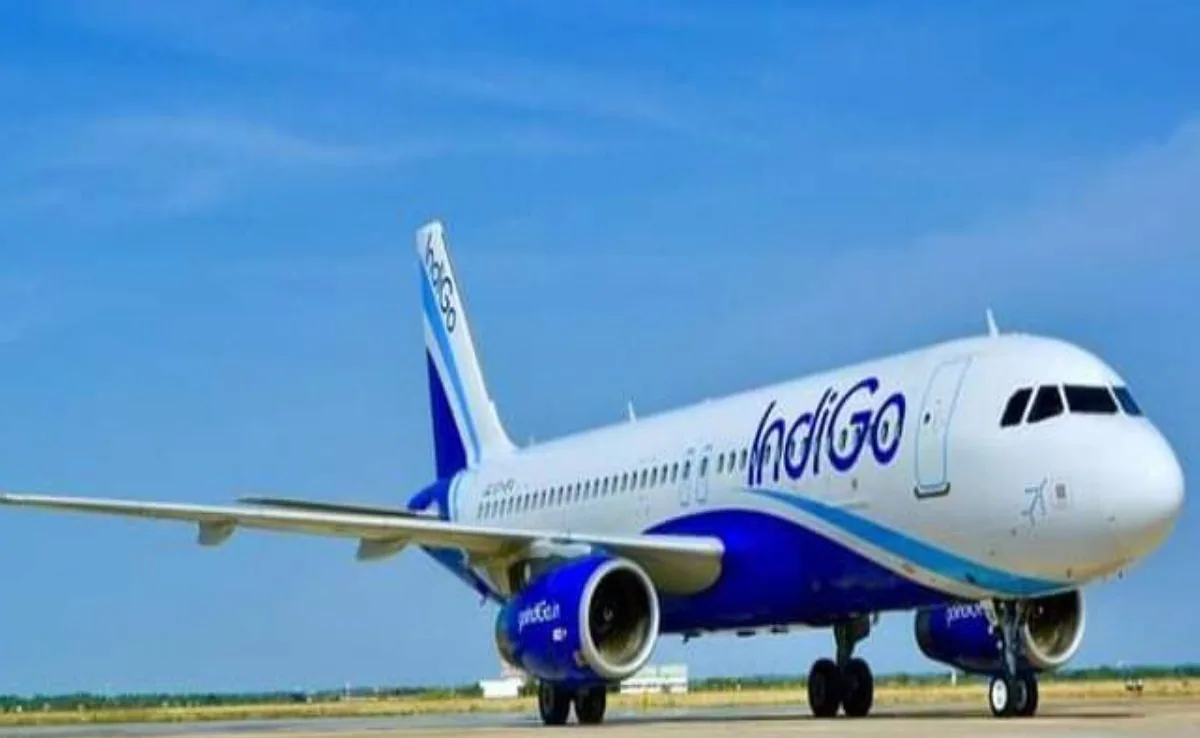
In addition to maximising belly cargo utilisation, IndiGo has also expanded its dedicated freighter fleet by bringing three new cargo only aircraft into service. These freighters enable the airline to carry larger volumes of goods that cannot be accommodated in passenger flights alone, and they offer shippers increased flexibility in scheduling and capacity commitments. The combination of belly cargo and freighter operations has positioned IndiGo to serve a broader range of cargo customers with varied shipment needs.
Officials said the cargo growth reflects not only rising demand but also strategic planning by the airline to integrate freight operations with its wider network. Enhanced cargo handling capabilities at key airports, improved logistics partnerships and investments in cargo related infrastructure have all contributed to IndiGo’s stronger performance in this segment.
Cargo analysts note that the air freight market has rebounded strongly alongside passenger travel, as global supply chains adjust to changing trade patterns and the growth of ecommerce accelerates demand for express delivery options. Airlines that effectively balance belly cargo utilisation with freighter operations are able to capture more of this demand while optimising aircraft utilisation and strengthening revenue streams.
IndiGo’s efforts to grow cargo volumes also align with broader industry trends in India, where air freight has become an increasingly important component of aviation revenue. As manufacturers, exporters and logistics companies seek reliable and timely air transport solutions, carriers with expanded freight capacity are well positioned to benefit.
The newer freighter aircraft, configured specifically to handle cargo pallets and containers, allow the airline to operate point to point freight services that complement belly cargo carried on passenger routes. These aircraft are particularly useful on high demand sectors or where belly space is limited due to high passenger load factors, giving IndiGo a flexible tool to meet shipper requirements.
IndiGo’s cargo strategy includes continued monitoring of market demand, close engagement with freight customers and further upgrades to cargo handling processes at airports. By integrating freight planning with flight schedules, the airline aims to maintain steady growth in cargo volumes while ensuring efficient utilisation of both passenger and freighter assets.
For shippers, an expanded cargo network means more options for transporting goods quickly and reliably, whether through belly space on commercial flights or via dedicated freighters on specialised corridors. This dual approach helps ensure that capacity is available across various trade lanes and that service continuity is maintained even during peak demand periods.
Industry observers say that as air travel continues its recovery, cargo operations will remain a key source of revenue diversification for carriers. Airlines with larger networks and modern fleets are especially well placed to support freight growth, as they can allocate belly space efficiently and deploy freighters where they add the most value.
IndiGo’s 11 percent cargo volume growth underscores how rising demand, combined with capacity enhancement initiatives, can drive meaningful expansion in an airline’s logistics business. Continued focus on cargo will help the airline sustain this momentum while supporting India’s broader role in regional and global air freight markets.