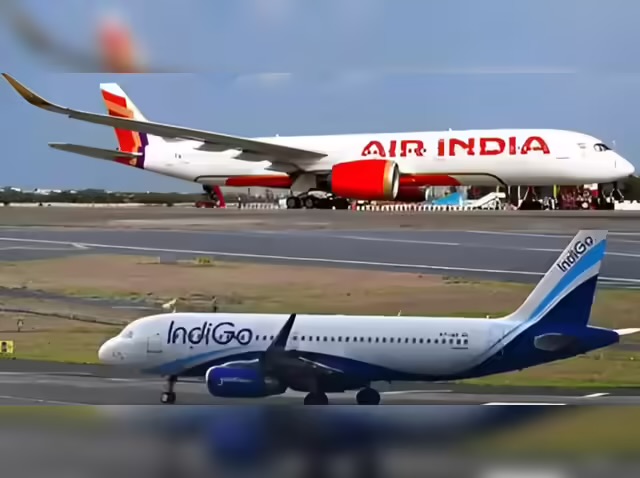
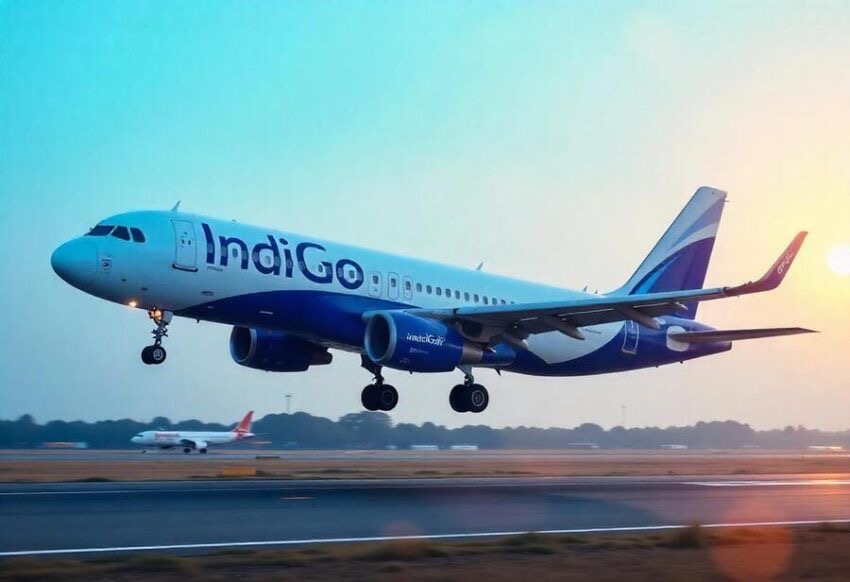
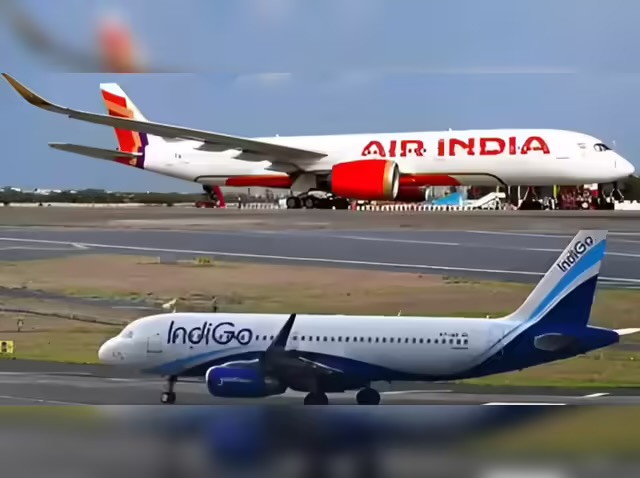
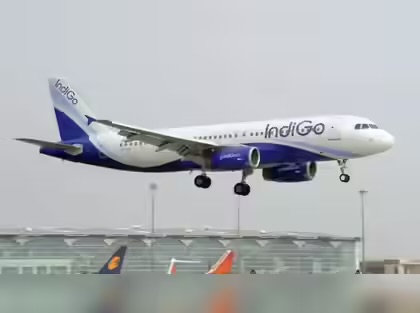
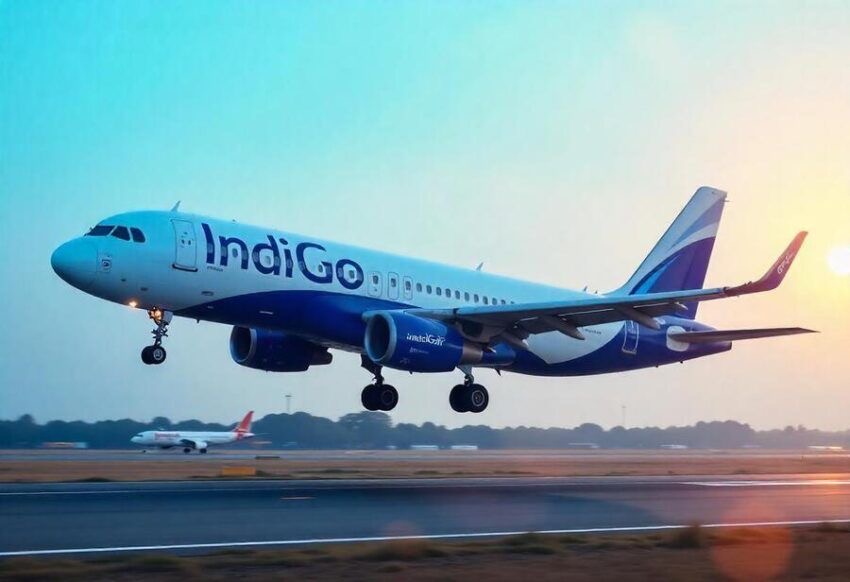
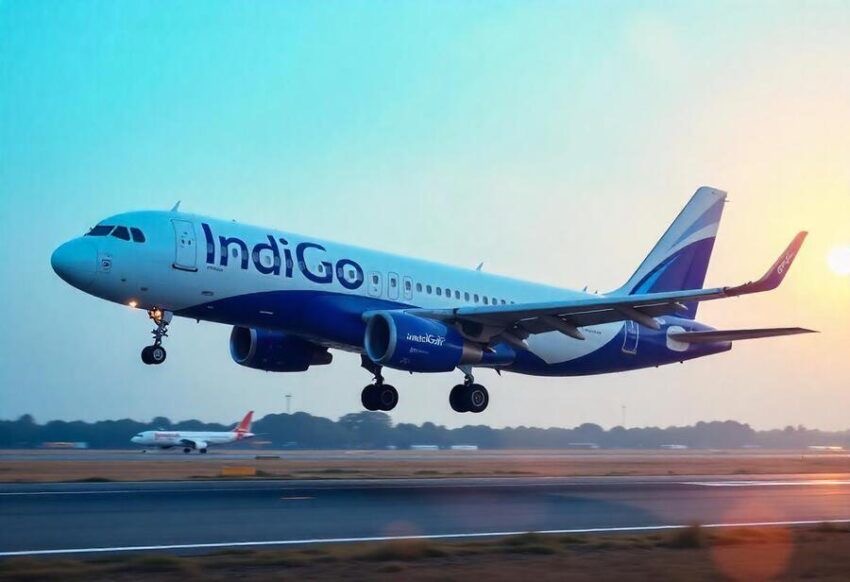
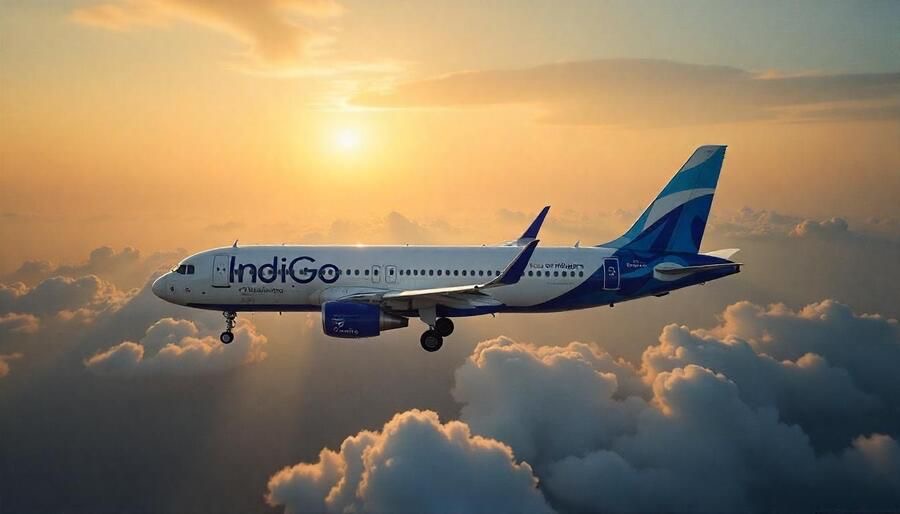
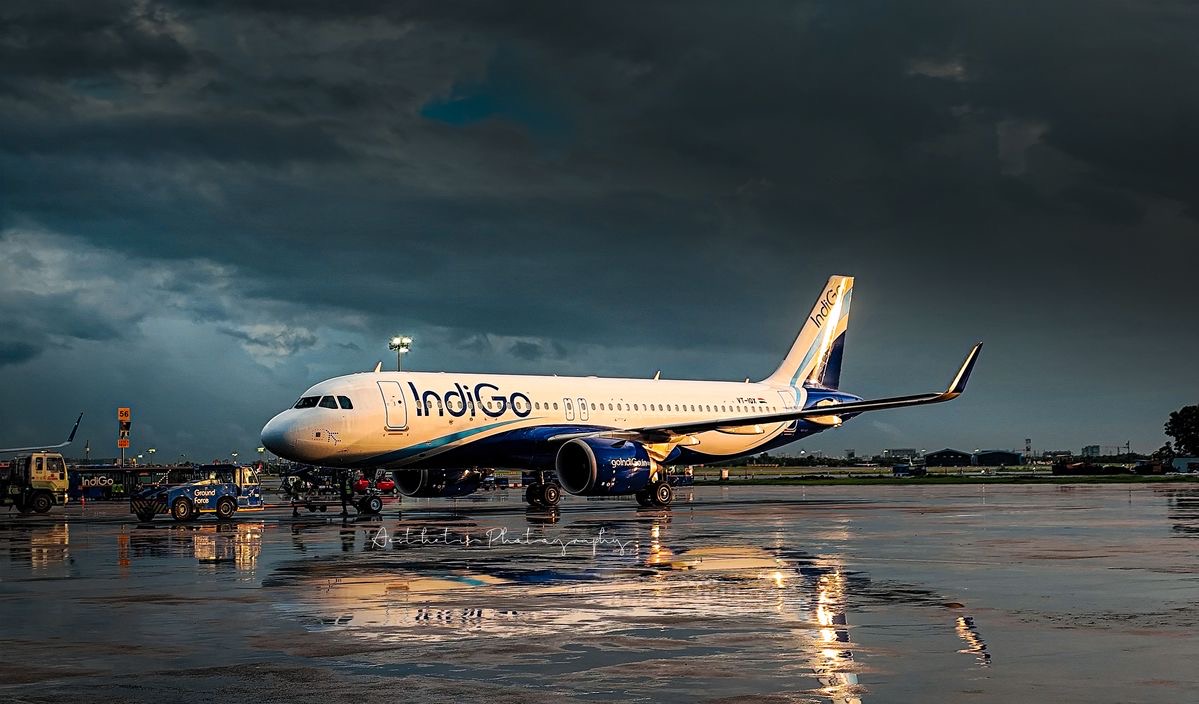
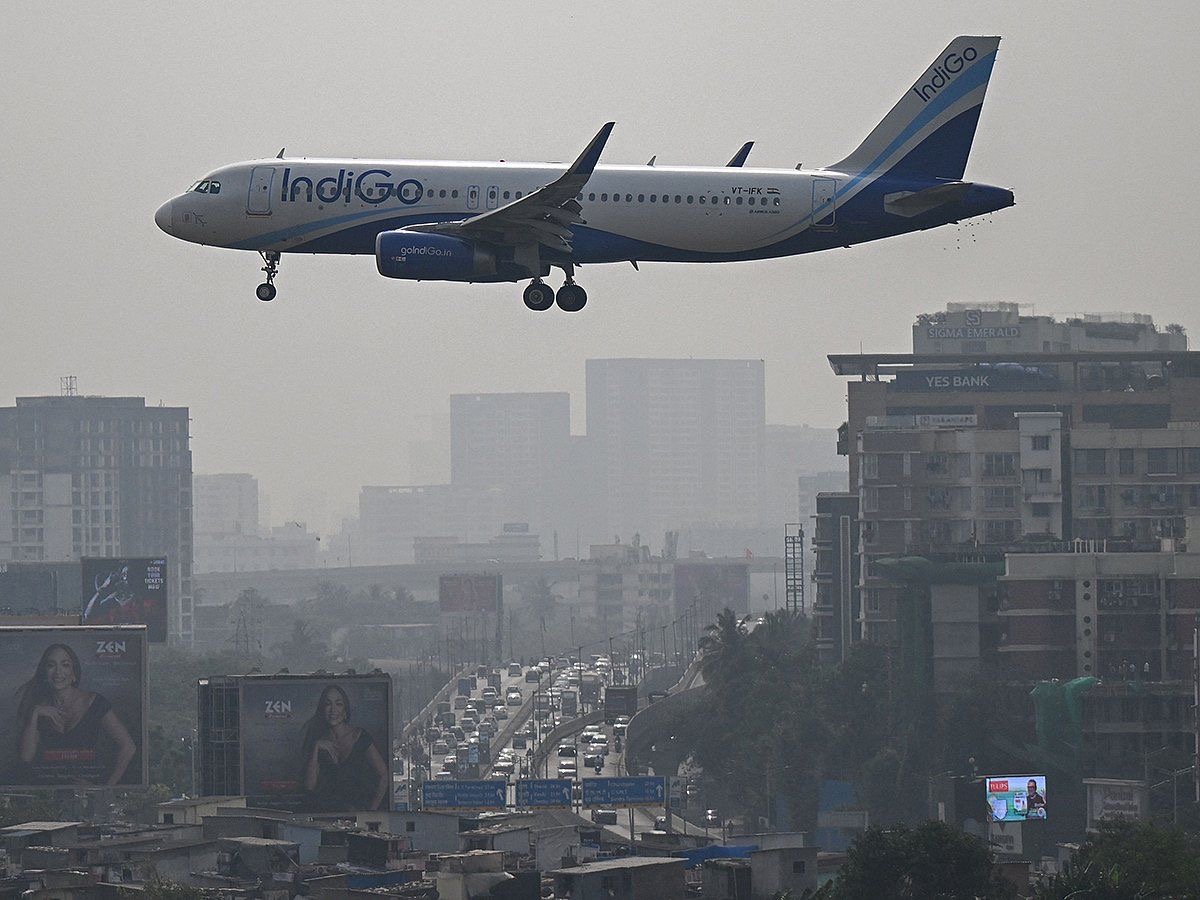
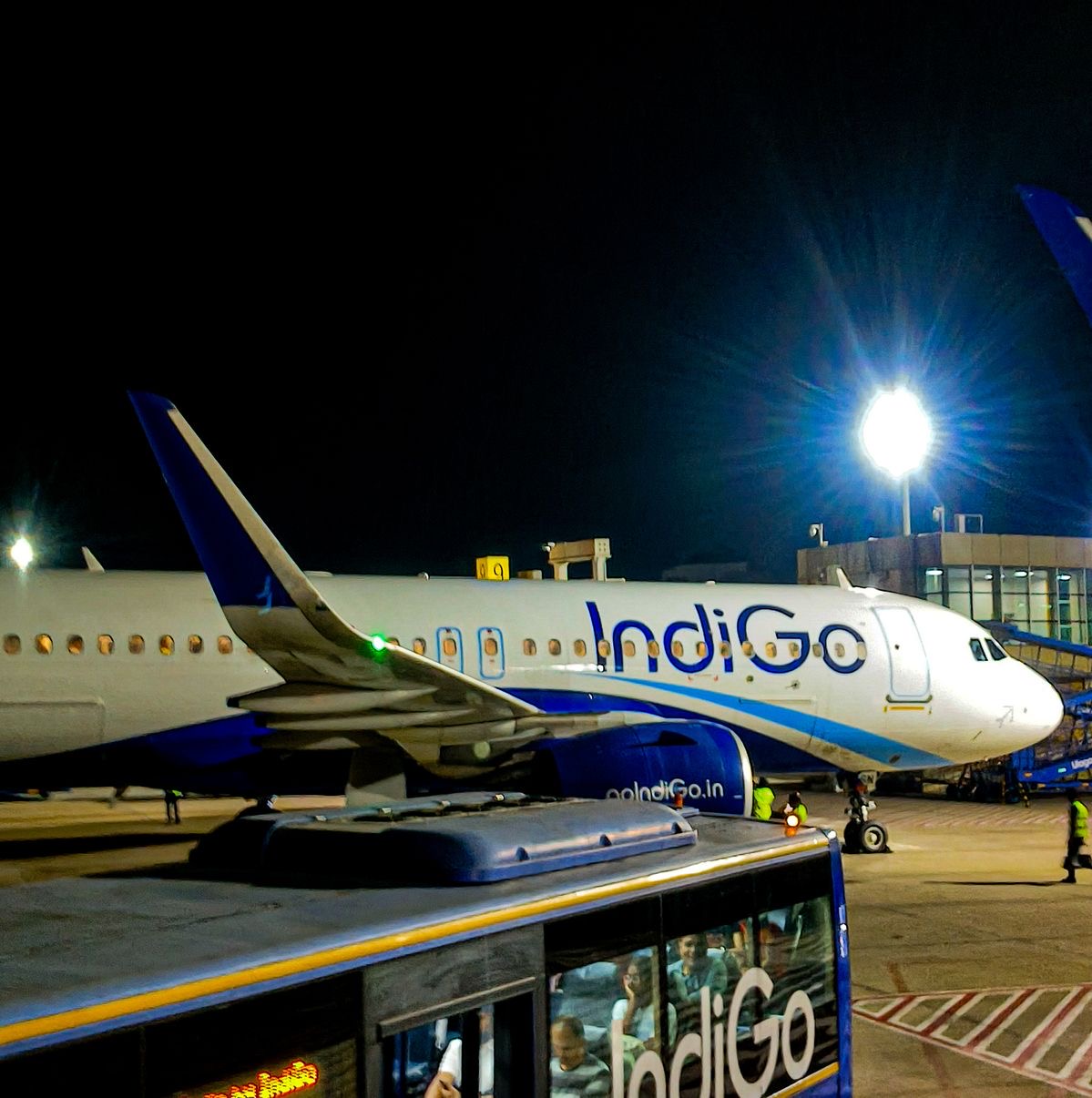
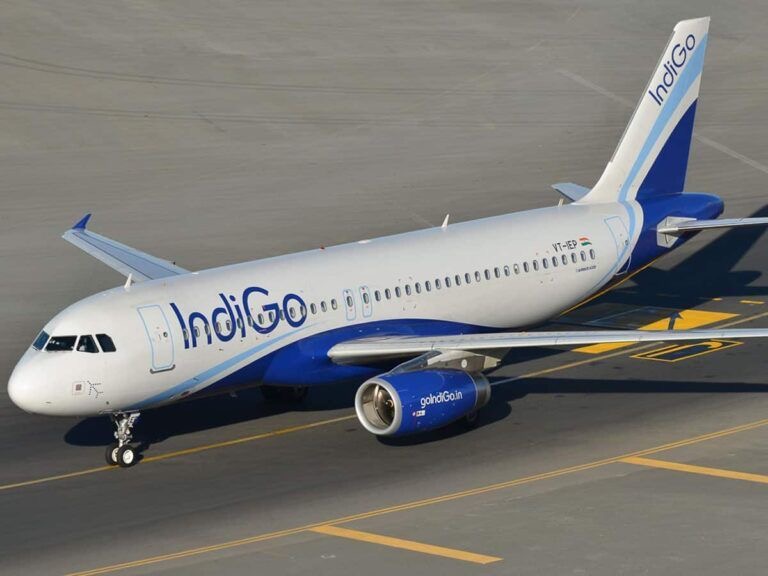
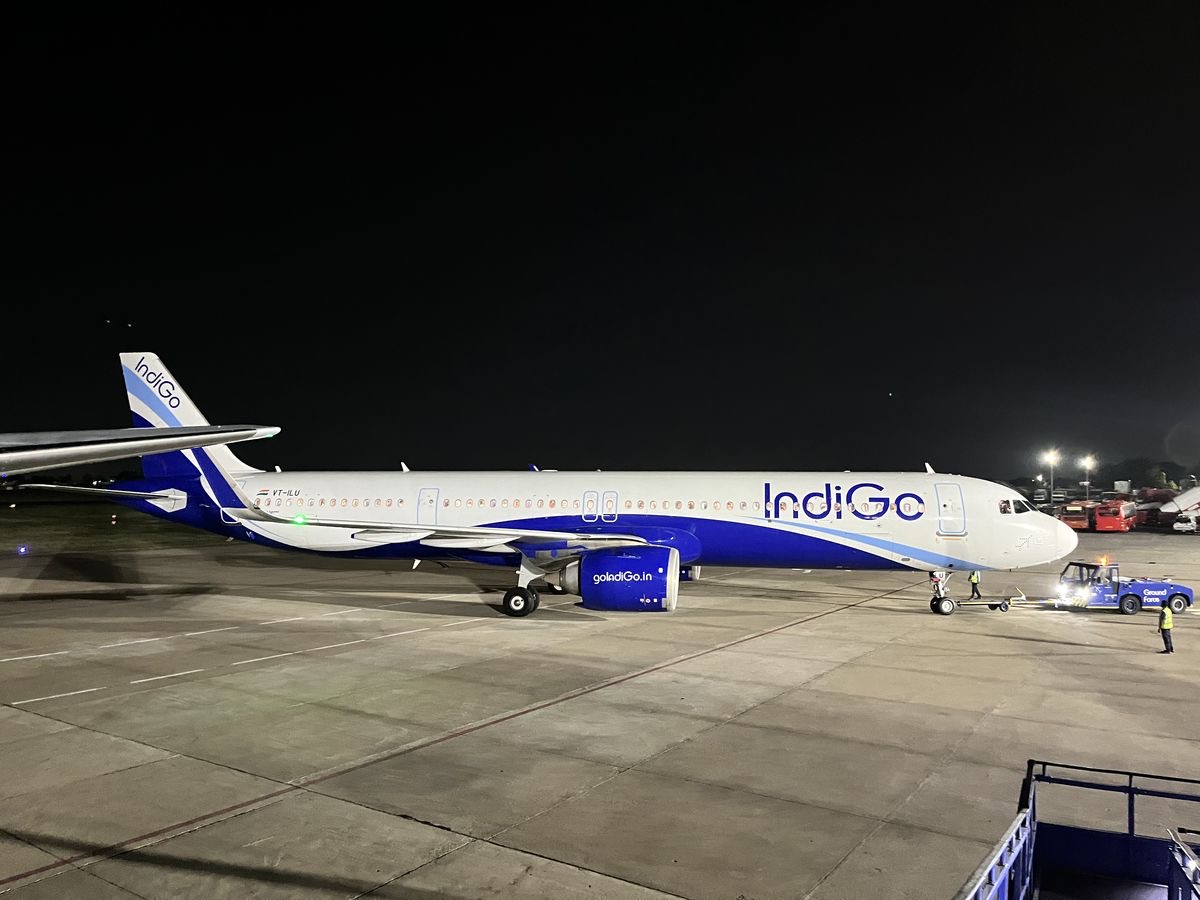
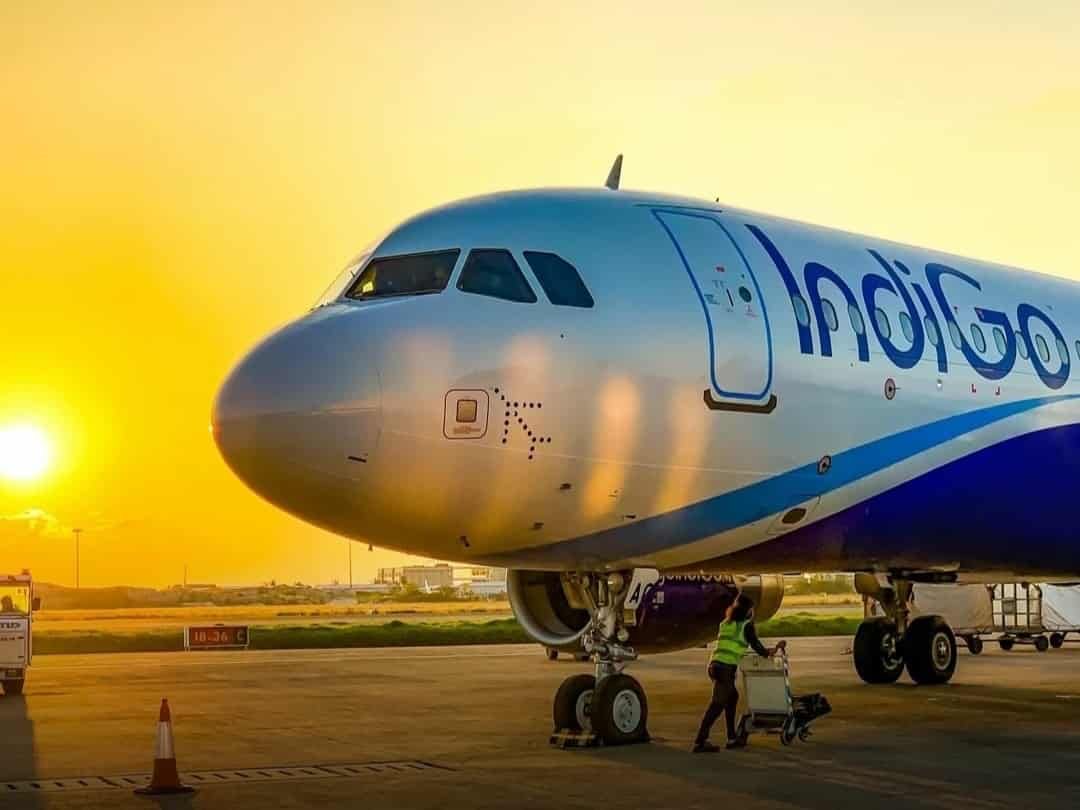
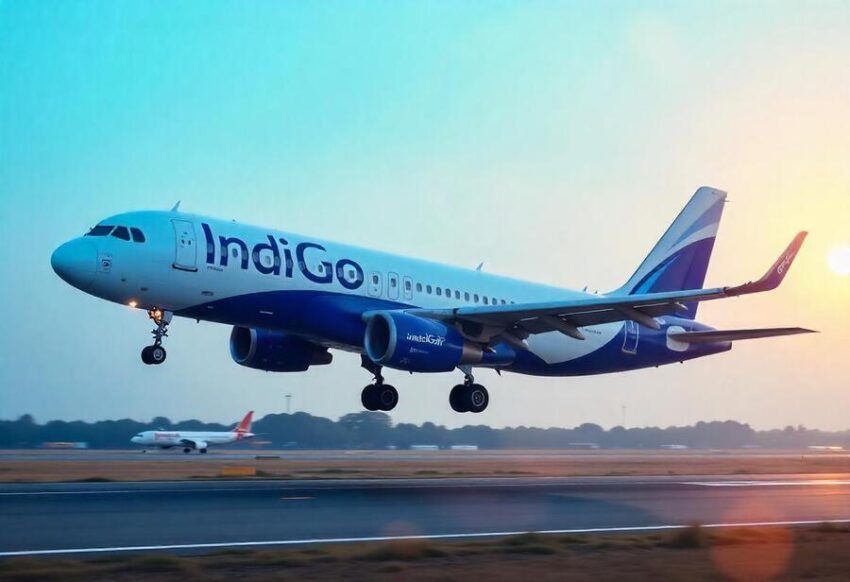
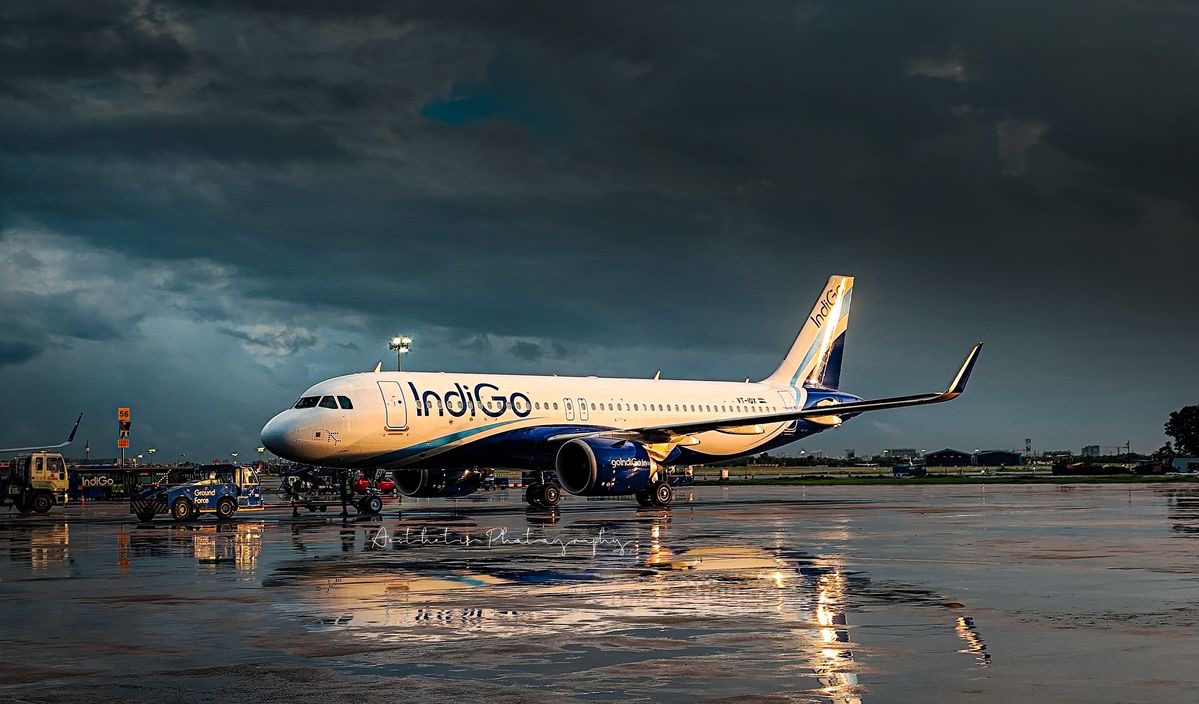
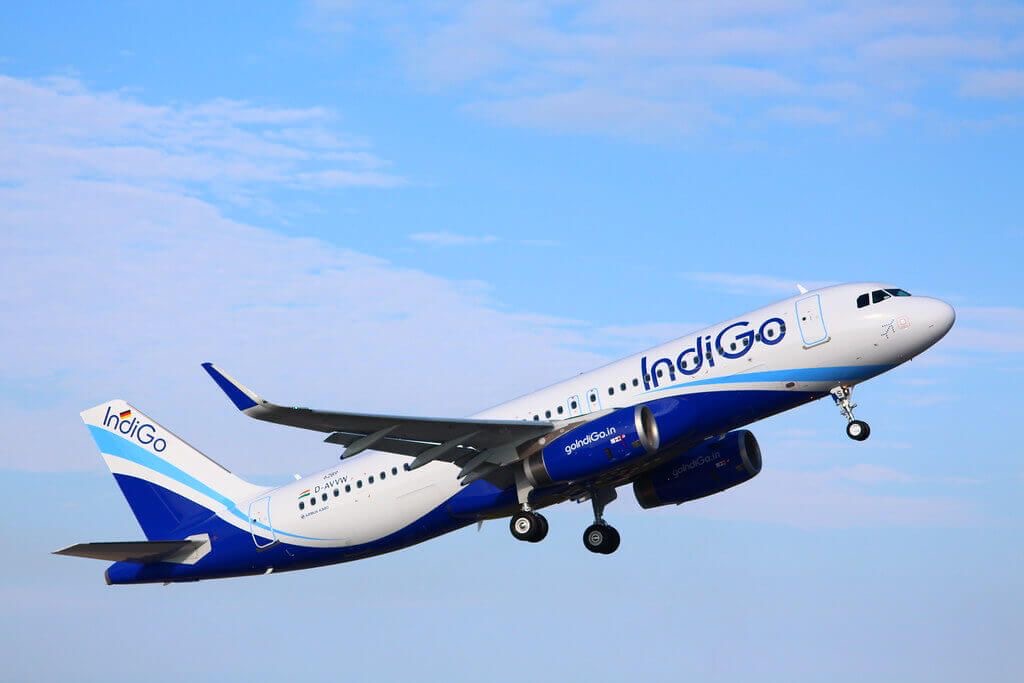
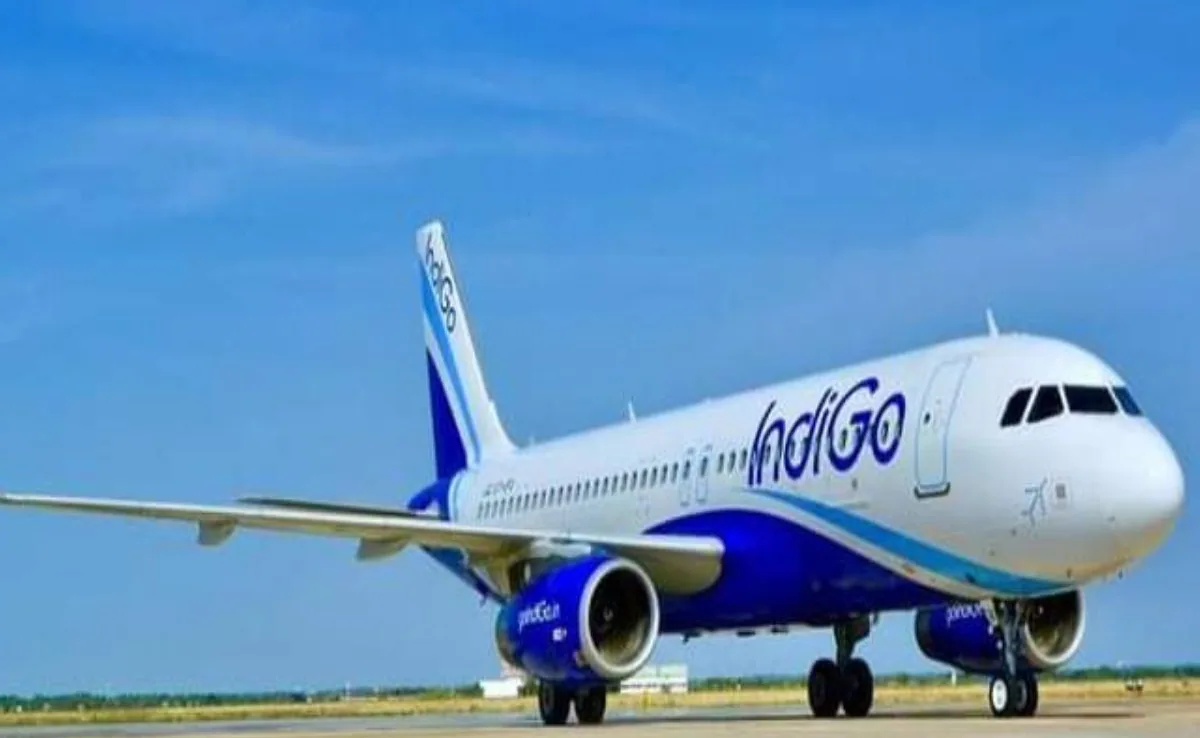
IndiGo’s leadership has laid out a bold strategic goal to lift the airline’s international capacity to approximately 40 percent of its total network by 2030, marking a major shift from its traditionally domestic-focused model. In statements outlining the carrier’s long-term vision, Chief Executive Officer emphasized that the airline is preparing for a new phase of geographic expansion as international travel demand rebounds and global connectivity becomes a stronger driver of growth.
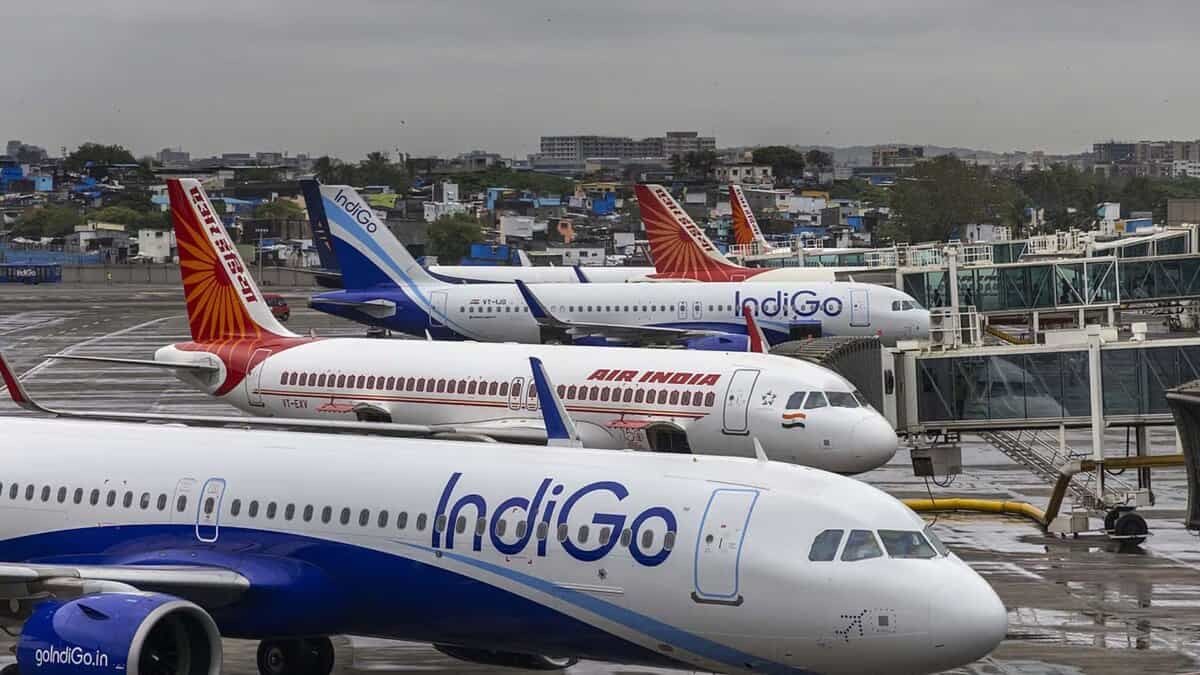
The airline’s current network remains heavily concentrated on domestic routes, where it has grown into India’s largest carrier. Over the past decade, IndiGo has built a dominant position on domestic sectors with high frequency services and a wide array of regional connections. With domestic travel now well established, the airline’s management believes there is scope to accelerate the development of international services that link India more directly with major business and leisure markets around the world.
To reach the 40 percent target, IndiGo will expand existing routes and launch new international destinations, particularly across Southeast Asia, the Middle East, Africa and Europe. Leadership says the airline is already in active discussions with airport partners, regulatory bodies and leasing partners to secure the necessary slots, aircraft and approvals needed to support this growth. The expansion will be enabled in part by the steady arrival of next-generation aircraft that provide better range, fuel efficiency and passenger comfort for longer sectors.
IndiGo’s focus on international expansion mirrors broader trends in the aviation industry, where carriers are increasingly looking beyond their home markets to diversify revenue streams and tap into higher yielding overseas traffic. As travel restrictions from the pandemic era have eased and global demand has recovered, international sectors have reemerged as growth engines for airlines looking to balance their portfolios between domestic resilience and cross-border revenue opportunities.
The CEO, in outlining the strategy, stressed that careful planning and disciplined execution are crucial components of the plan. The airline intends to expand capacity judiciously, ensuring that new services are commercially viable and supported by market demand. IndiGo’s network team has already identified several potential markets where early interest and preliminary traffic data suggest strong demand, including parts of Africa and Europe that have historically been under-served from India.
IndiGo’s long-term goals come at a time when India’s aviation market overall is growing rapidly. The country remains one of the fastest expanding aviation markets globally, driven by a combination of rising middle class incomes, increased international business travel, and a robust domestic network that feeds into international flights. Industry experts say that Indian carriers are well positioned to capture a growing share of outbound travellers, particularly in business and leisure segments where connectivity options were previously limited.
To support its ambitious objectives, IndiGo is also investing in digital customer experience, frequent flyer initiatives and partnerships with other carriers that can feed traffic into its long haul services. Codeshare agreements and alliance-style cooperation, while not a full membership in a global alliance, are among the strategic tools the airline is considering to strengthen its global reach without compromising on operational independence.
Investors and aviation analysts have welcomed the clarity of the 2030 vision, noting that a clear international focus can help stabilise revenue during cyclical downturns in domestic demand. However, they also caution that international growth requires careful risk management, especially in markets where competition is intense and operating costs can be higher.
IndiGo’s board and executive team have reiterated that the airline will continue to maintain a strong domestic franchise even as international services scale up, preserving its market leadership in India while tapping new growth corridors abroad. With planning already underway and aircraft deliveries scheduled over the coming years, the airline is positioning itself for a future in which nearly half its flying could cross national borders by the end of the decade.