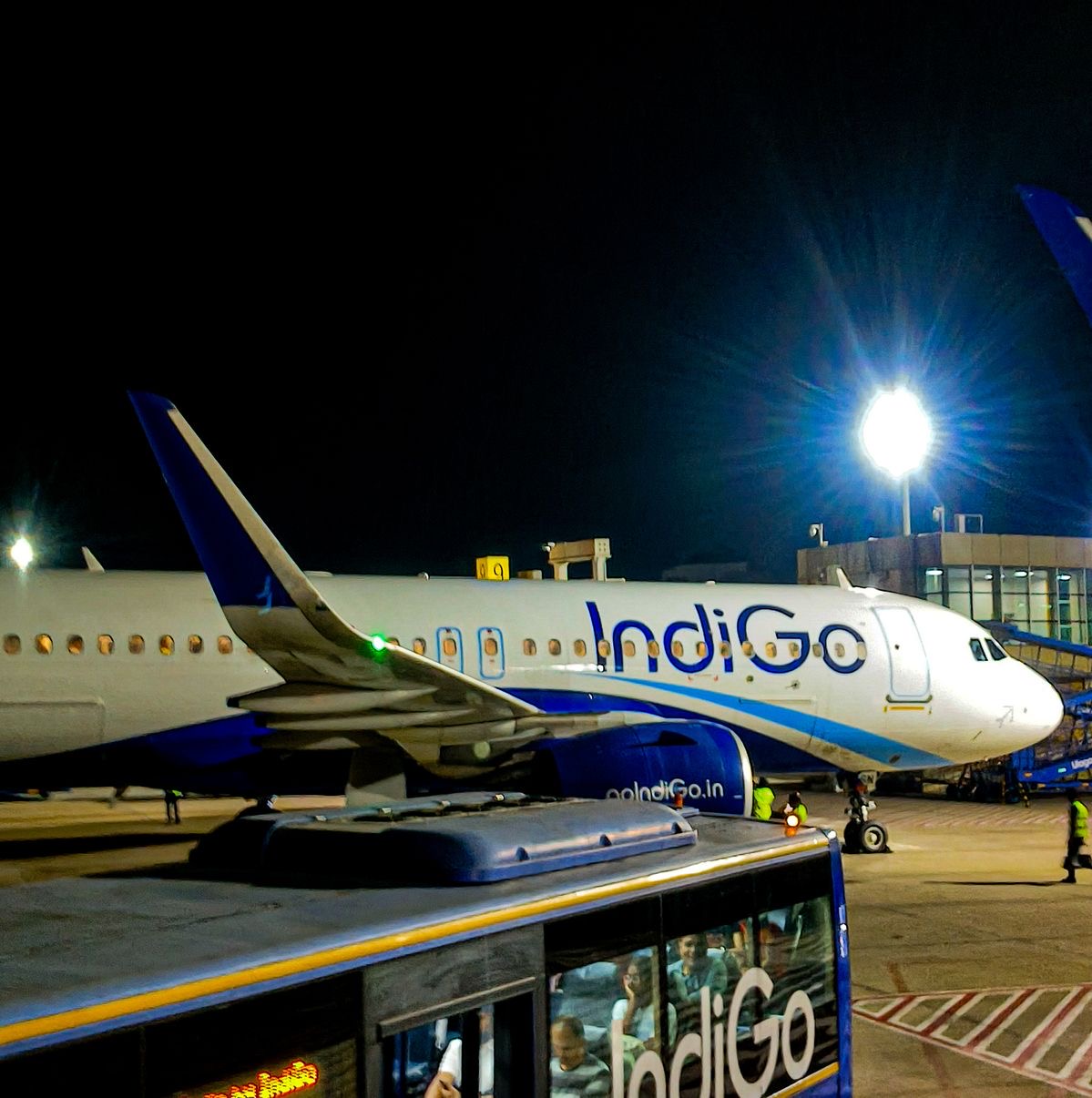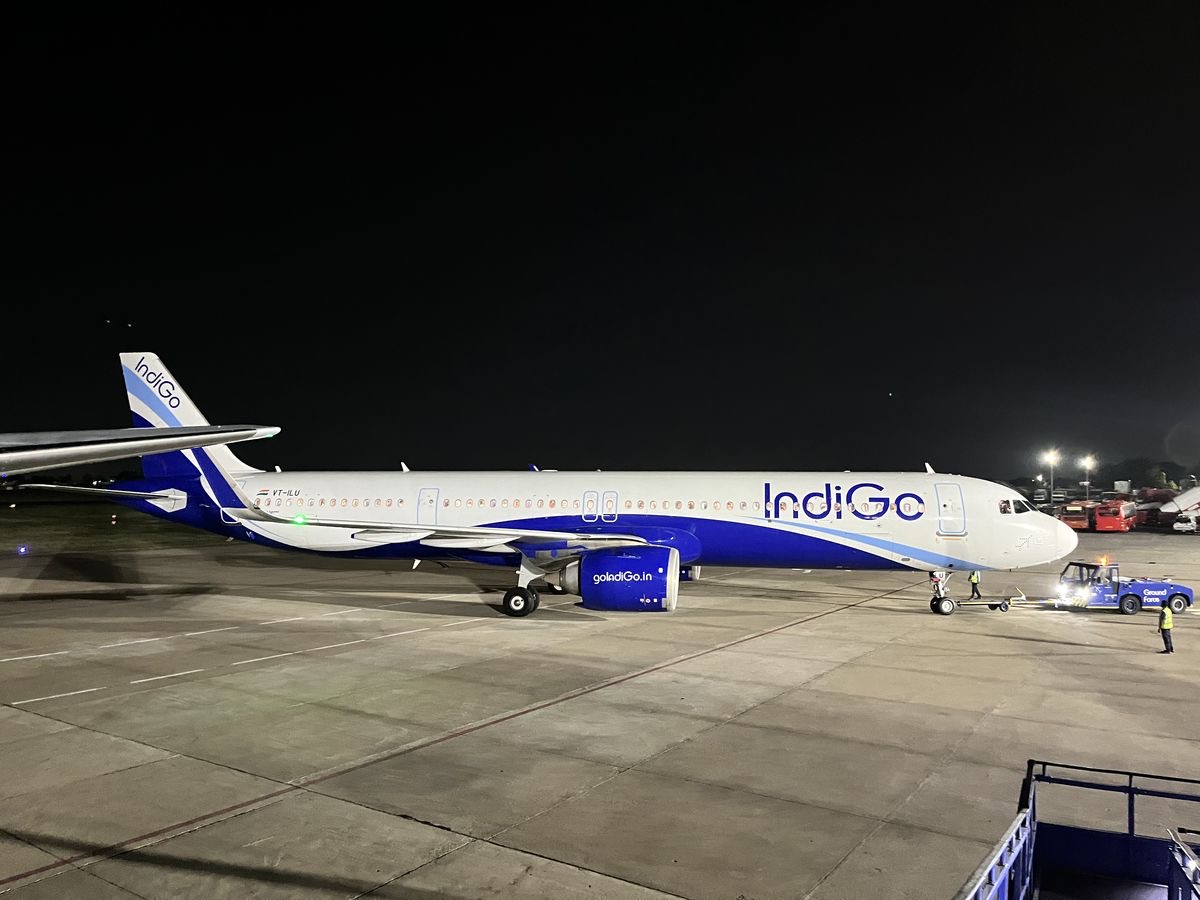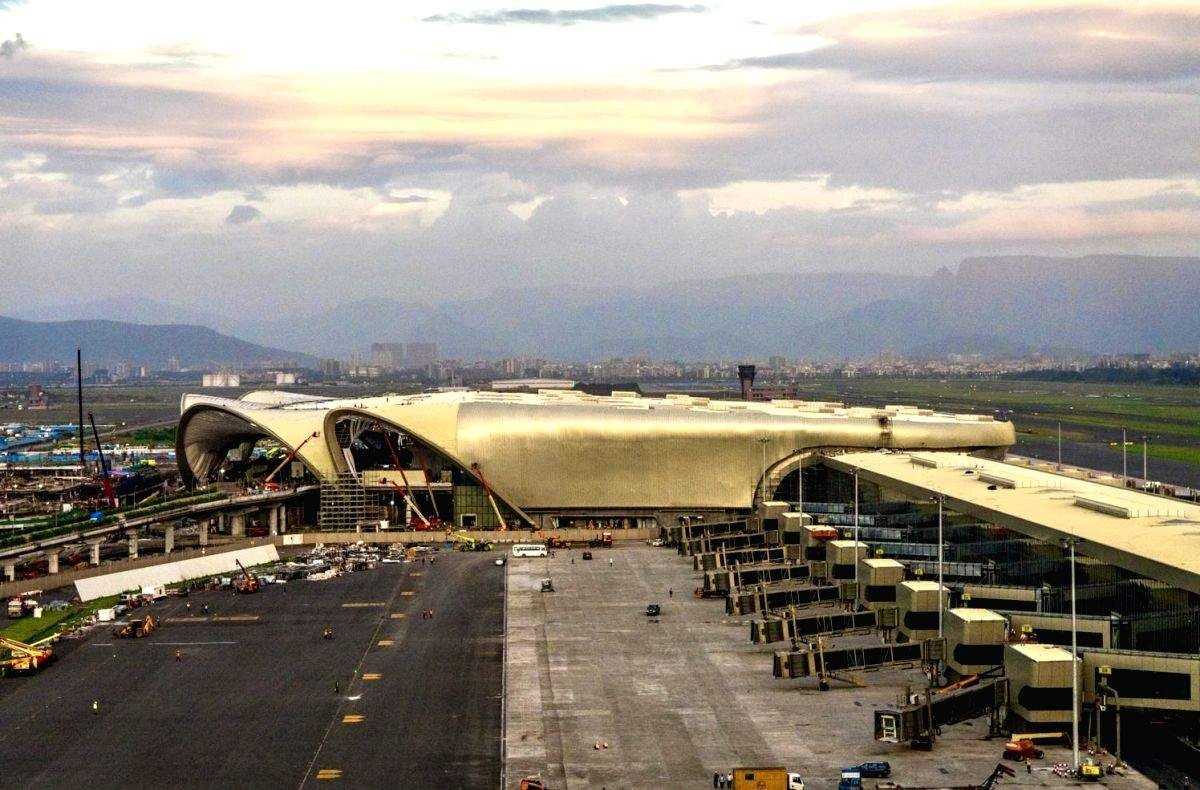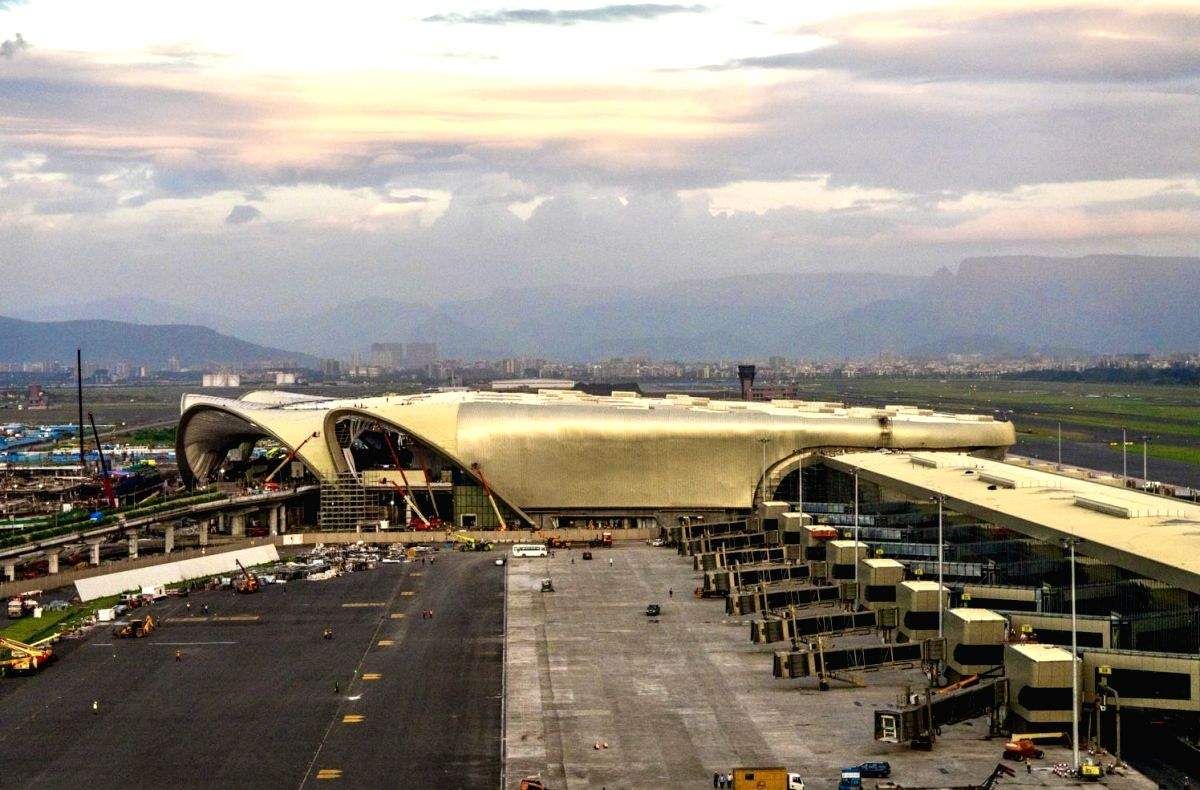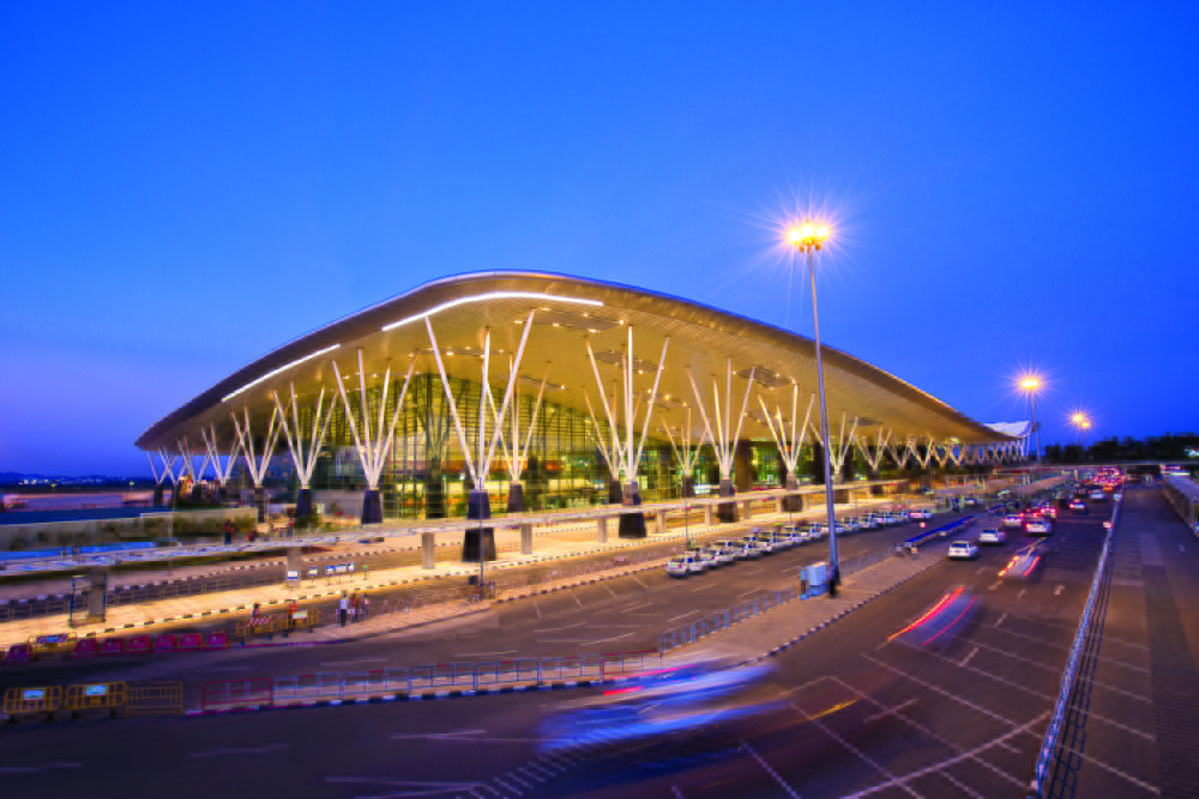
Bengaluru’s Kempegowda International Airport is preparing for a significant expansion in 2026 after recording strong growth in flight operations and passenger traffic over the past year. The airport’s performance has elevated it to the second position among India’s busiest airports for domestic flights, highlighting its growing importance in the country’s aviation network.
The surge in domestic operations reflects rising travel demand from Bengaluru, which continues to strengthen its position as a major technology, business, and cultural hub. Increased flight frequencies and the addition of new domestic routes have contributed to higher aircraft movements, placing greater pressure on existing airport infrastructure and accelerating the need for expansion planning.
Passenger traffic at the airport saw a substantial increase during 2025, with terminals handling record numbers during peak travel periods. Both leisure and business travel played a role in this growth, supported by improved connectivity to Tier Two and Tier Three cities. The rise in international departures also added momentum, further reinforcing the airport’s status as a key gateway in southern India.
Airport authorities have indicated that the planned expansion will focus on enhancing terminal capacity, improving passenger experience, and supporting future growth in both domestic and international travel. Infrastructure upgrades are expected to include expanded terminal spaces, improved airside facilities, and better integration of technology to streamline passenger movement.
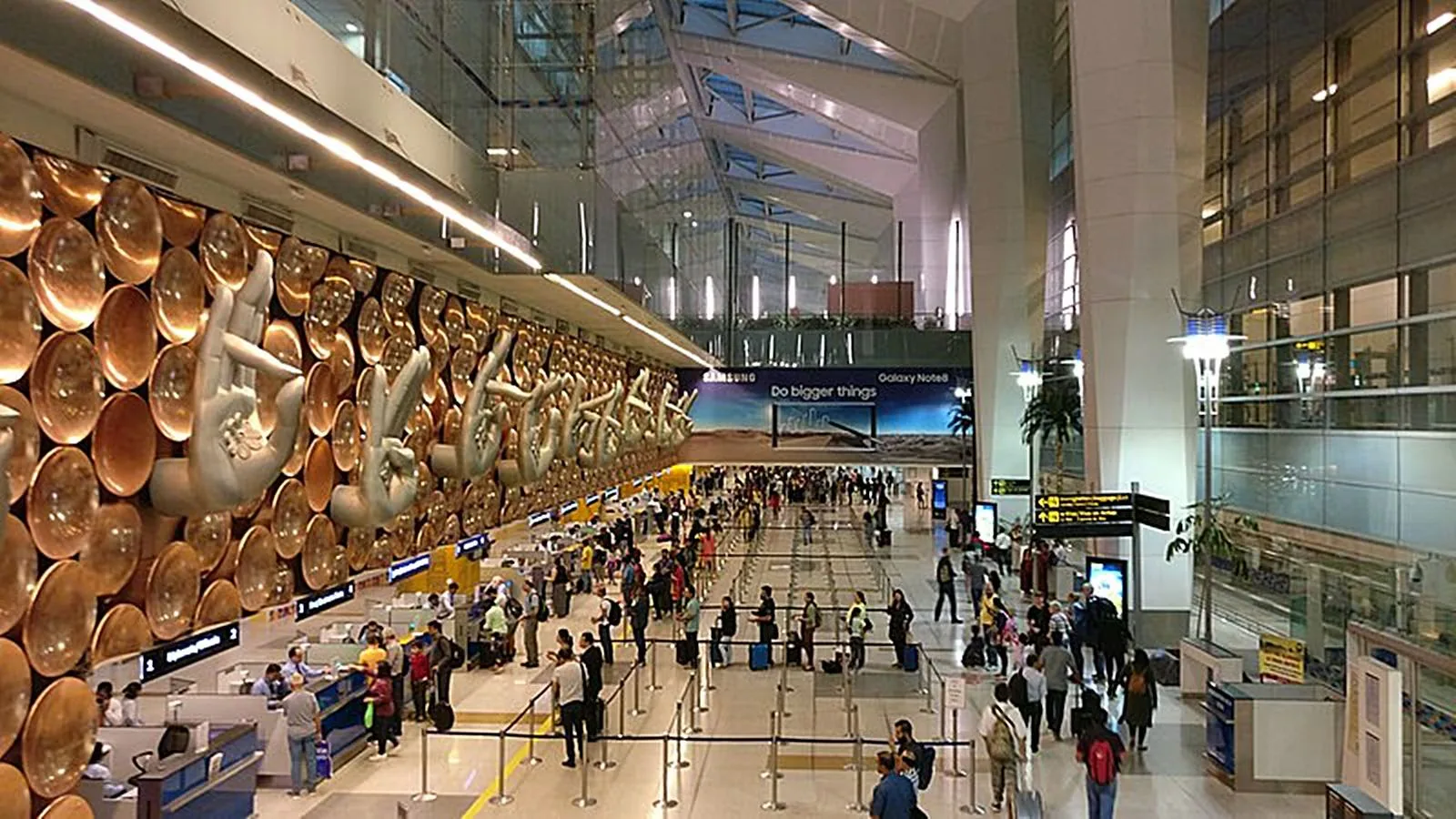
Terminal One is undergoing refurbishment to accommodate higher volumes efficiently, while Terminal Two continues to play a vital role in handling premium domestic and international traffic. Together, these terminals form the backbone of the airport’s current operations and will be central to its next phase of development.
Looking ahead, the airport’s long term vision includes creating capacity for tens of millions of additional passengers annually. Planning is underway to ensure that future construction aligns with sustainability goals while maintaining smooth operations during expansion. Airport planners aim to balance growth with environmental responsibility and operational efficiency.
Improved connectivity beyond the airport is also a priority, with ongoing efforts to strengthen road, metro, and rail links to the city. Better access is expected to reduce travel time for passengers and enhance the overall airport experience, especially as passenger volumes continue to rise.
Industry observers say the expansion reflects a broader shift in India’s aviation landscape, where airports outside the traditional metro centers are emerging as major hubs. As Kempegowda International Airport moves into its next growth phase, it is positioning itself as a central pillar in India’s domestic and global aviation future.