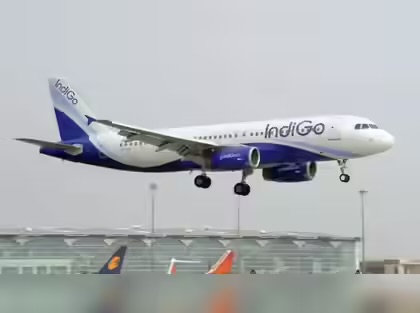
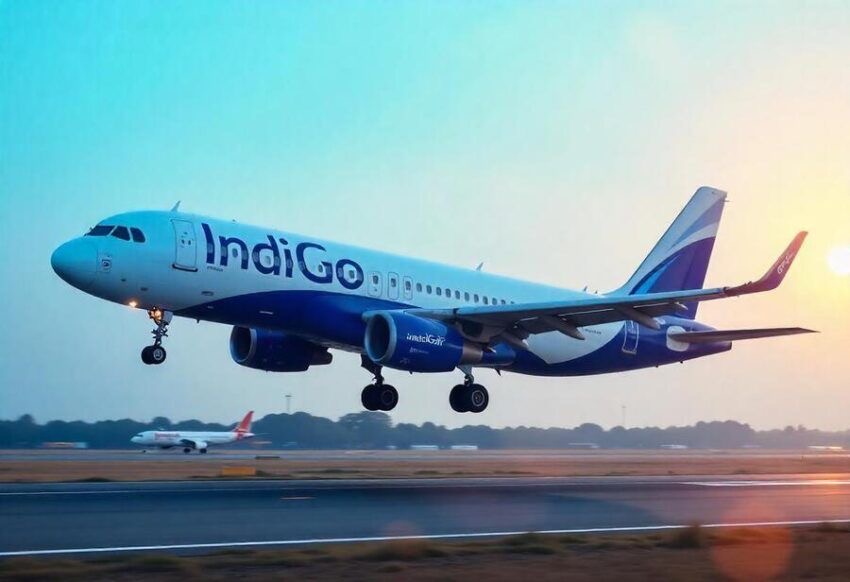
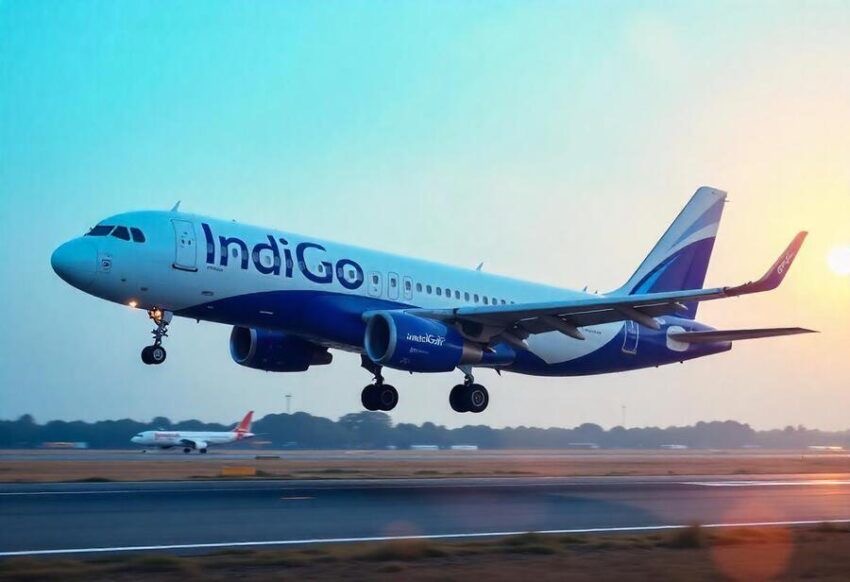
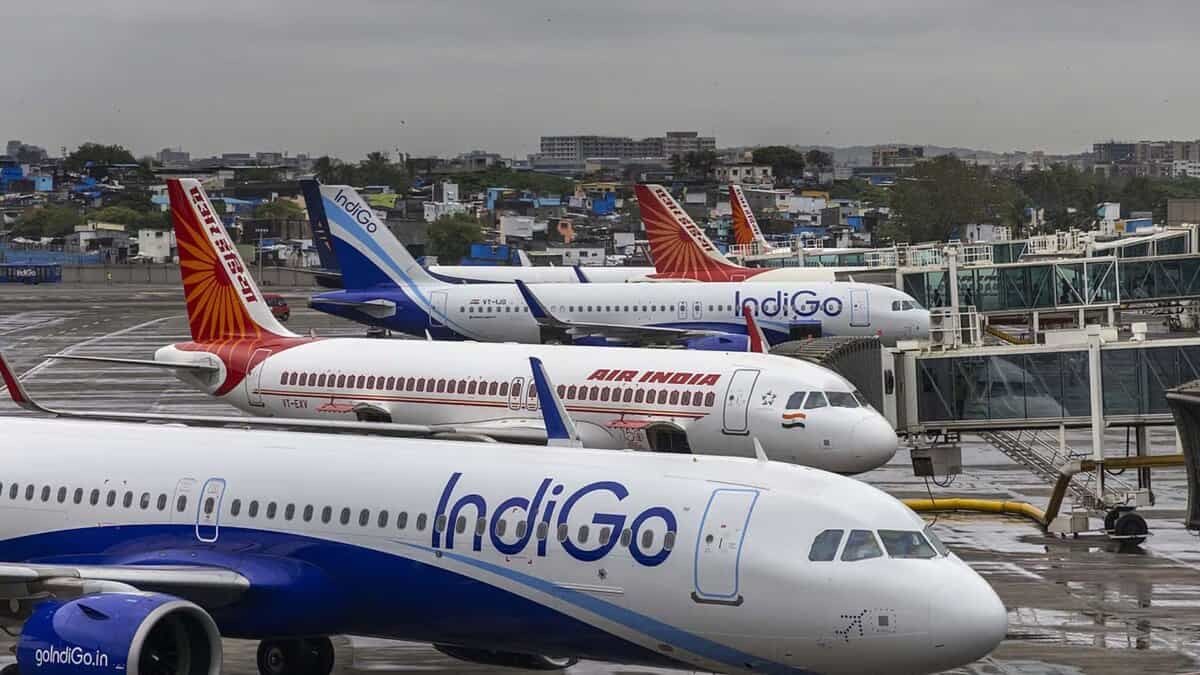
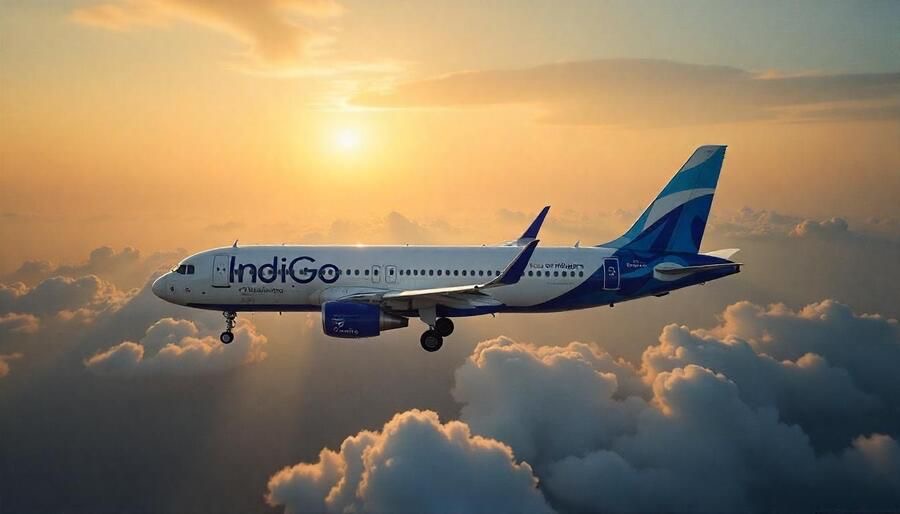
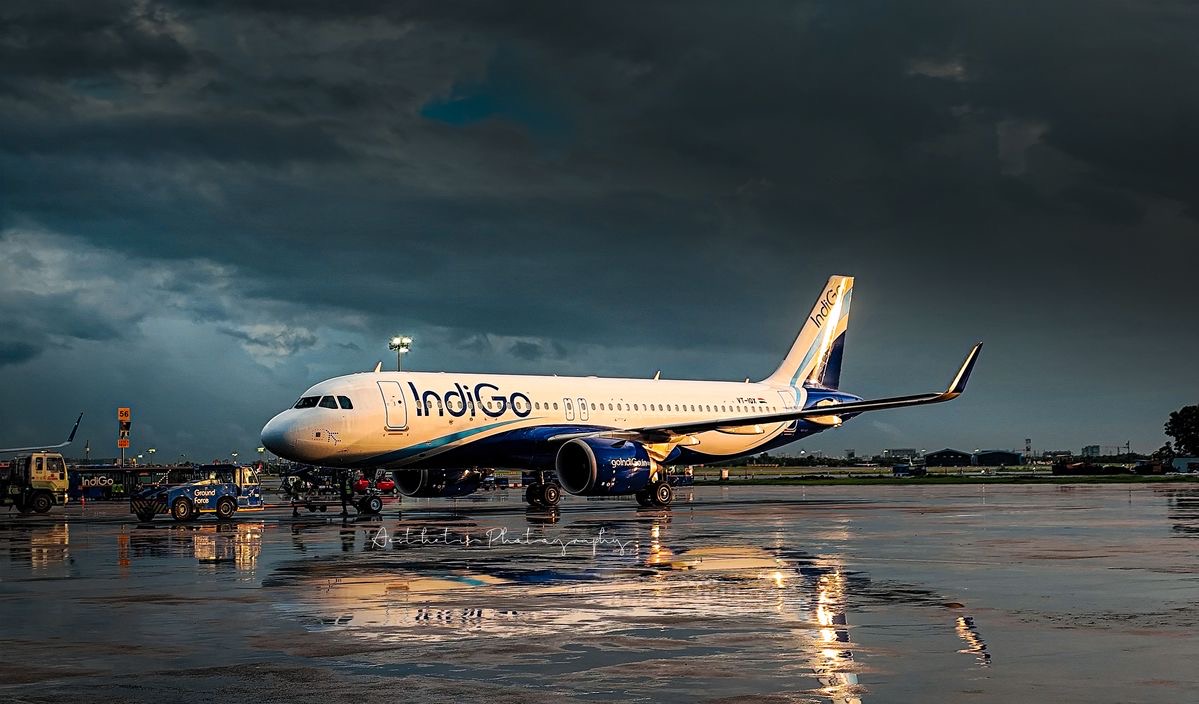
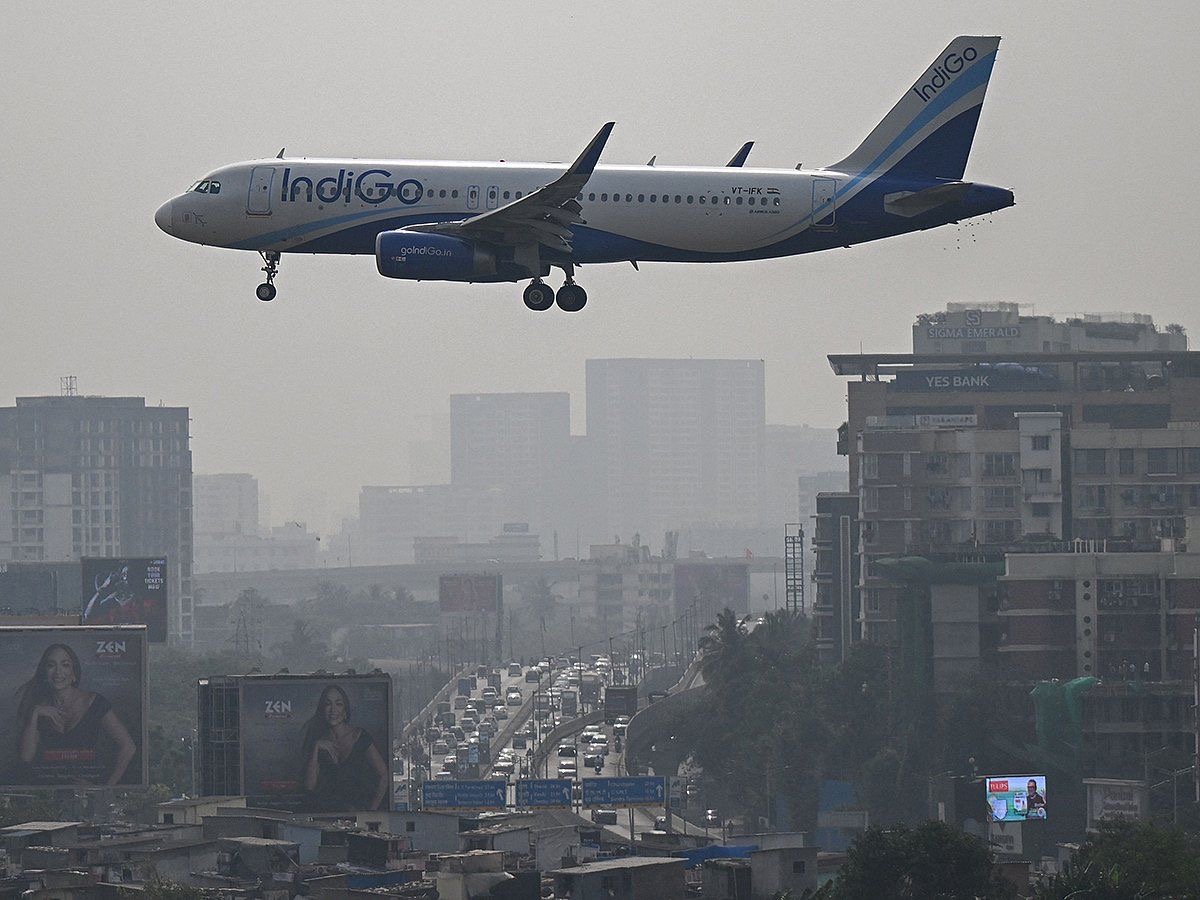
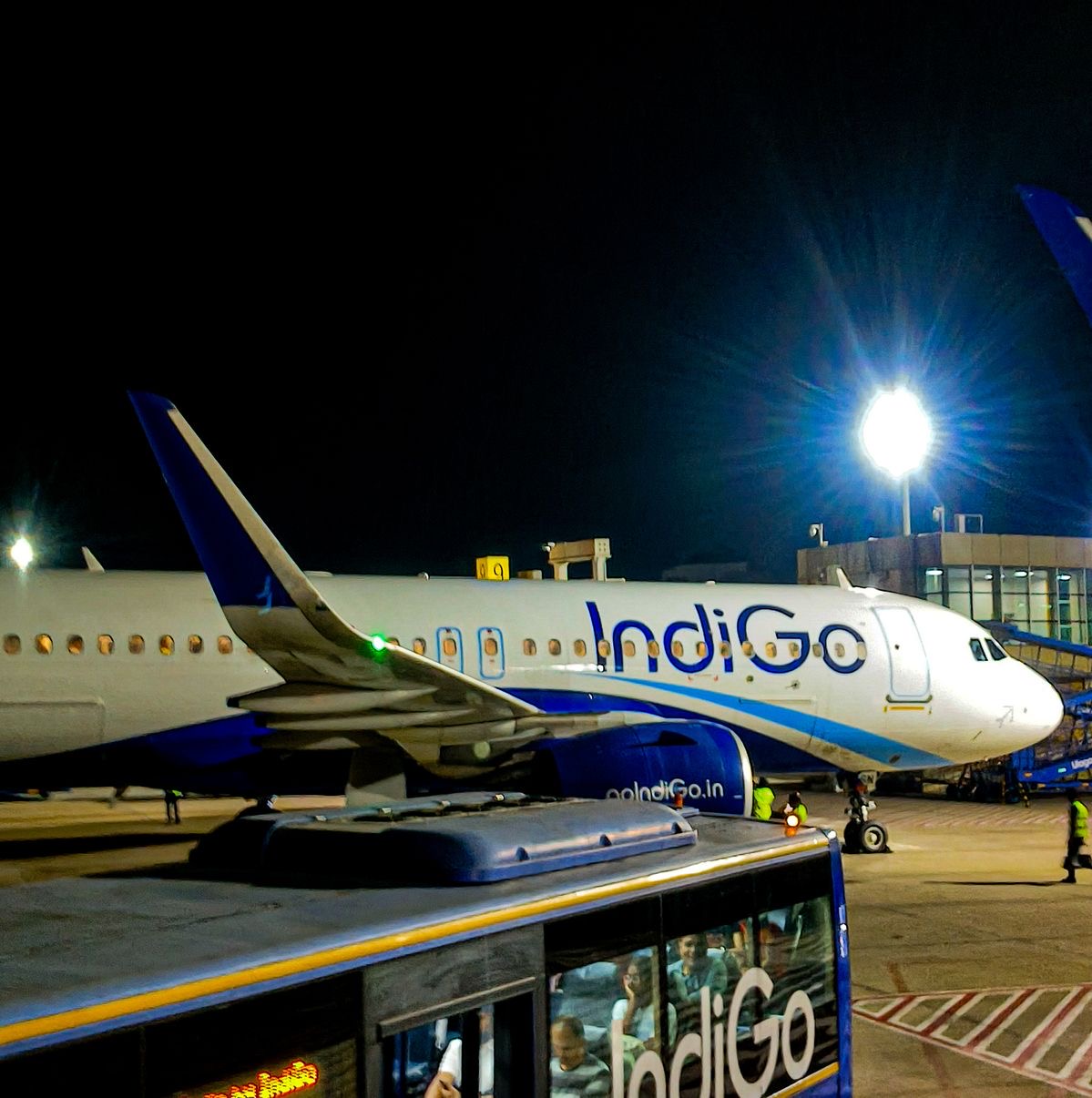
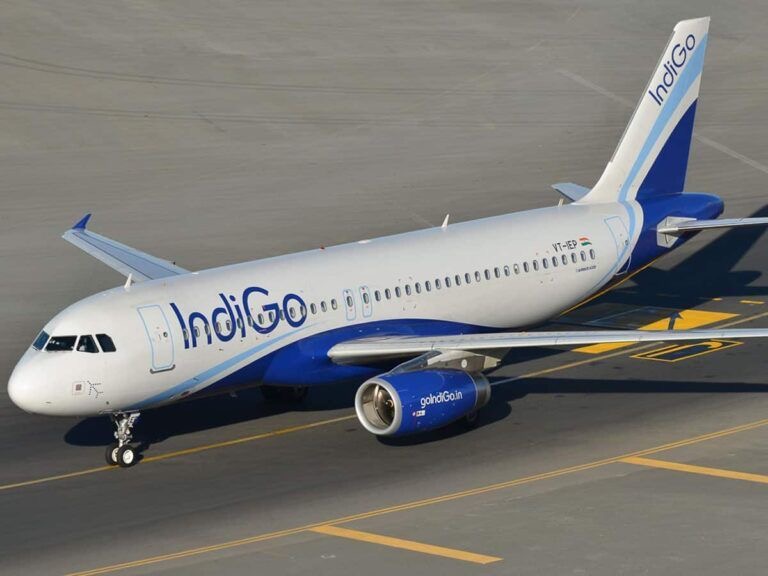
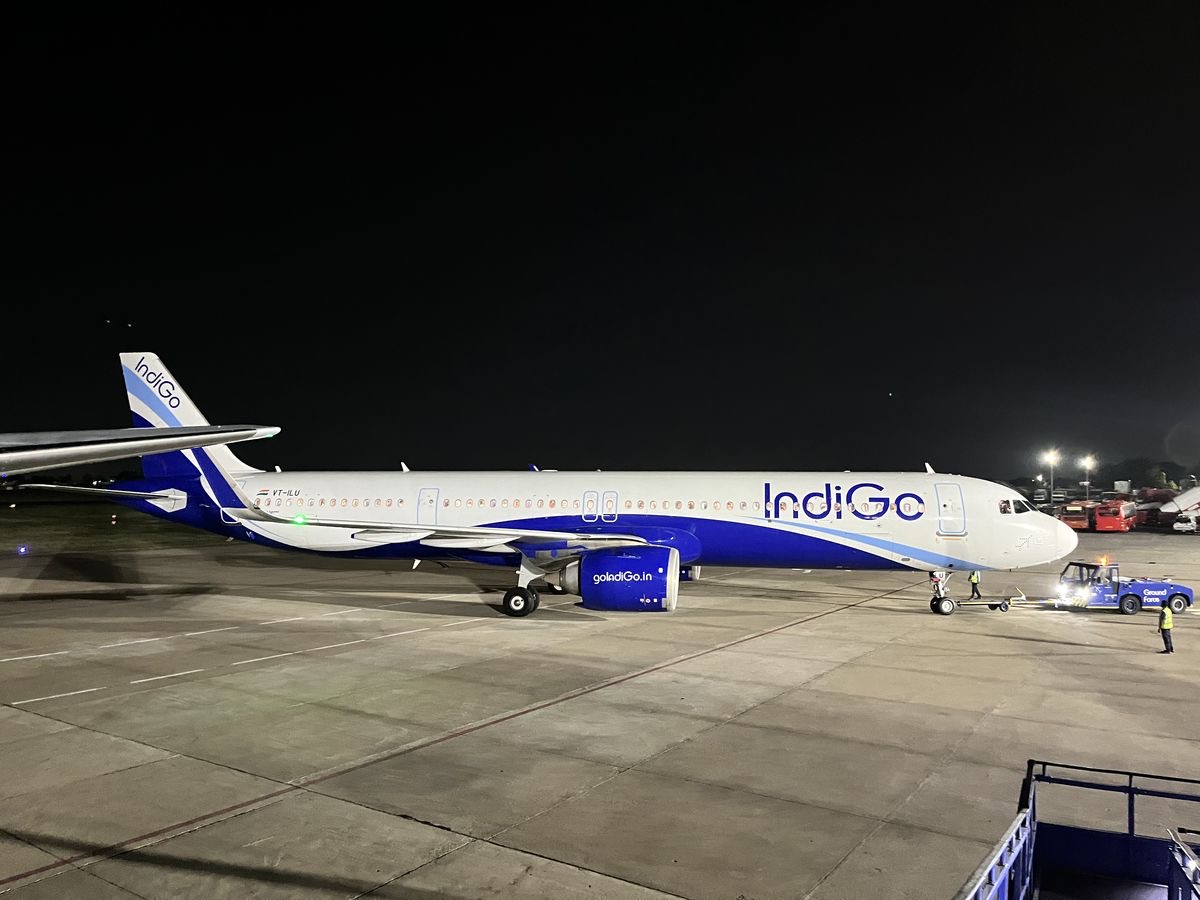
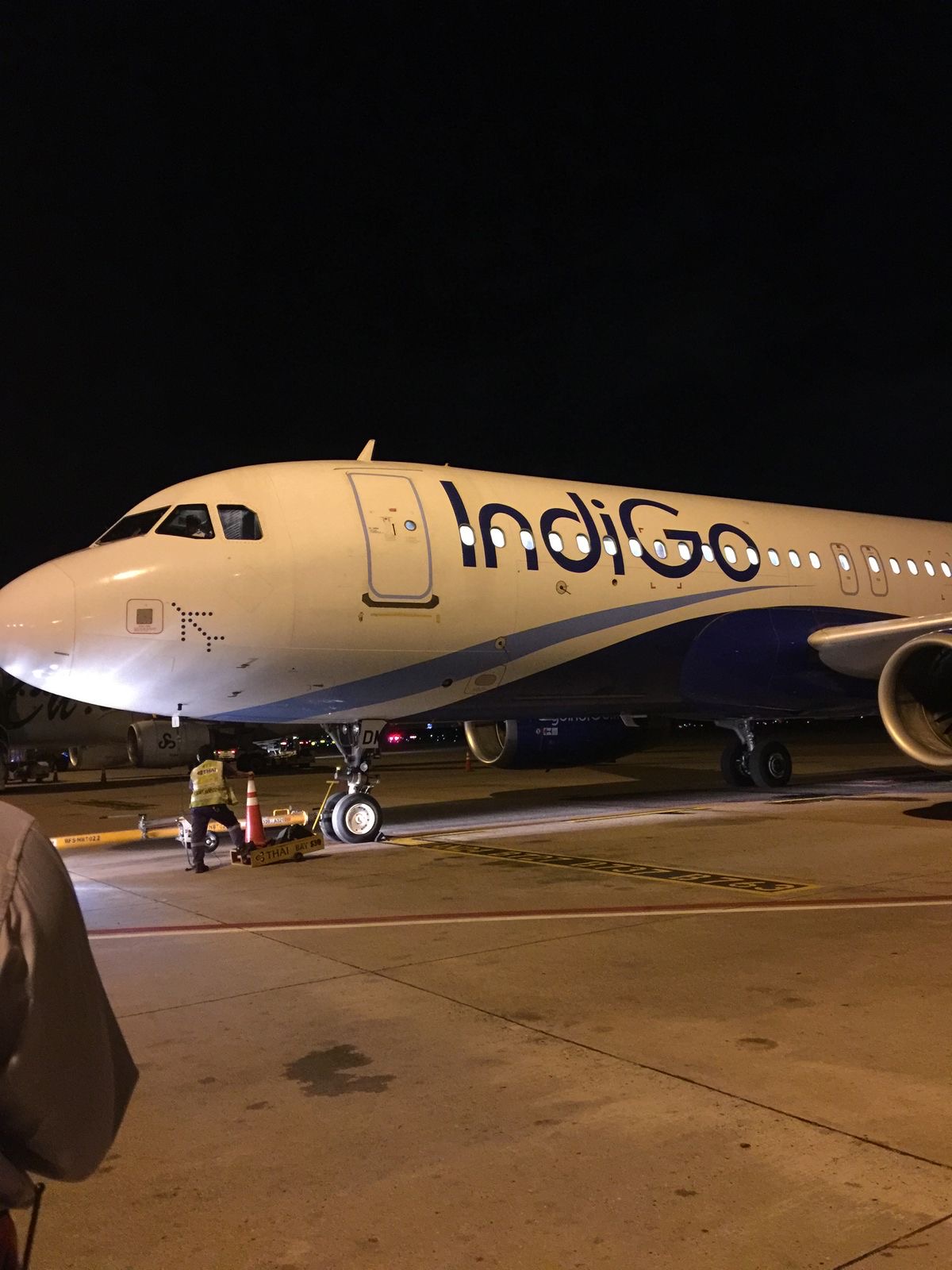
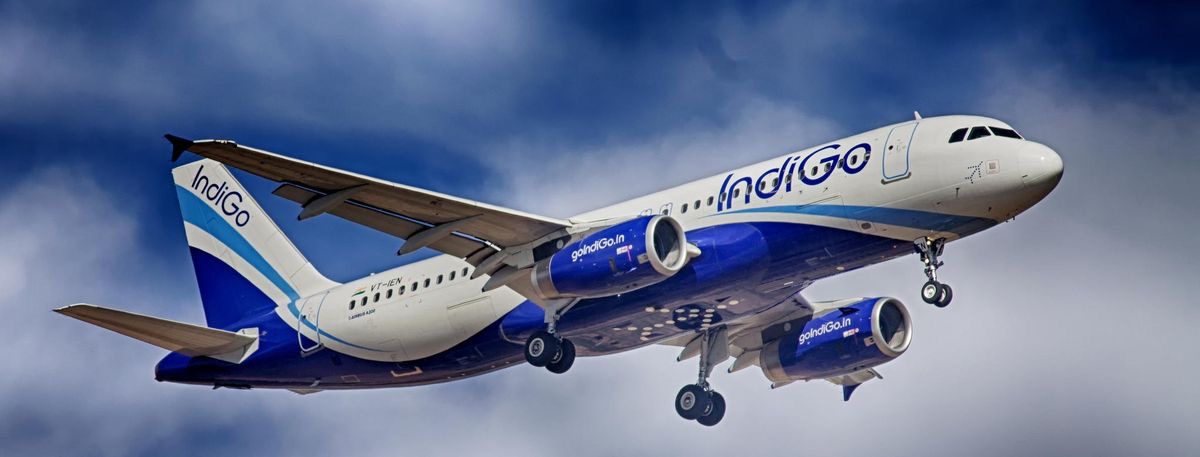
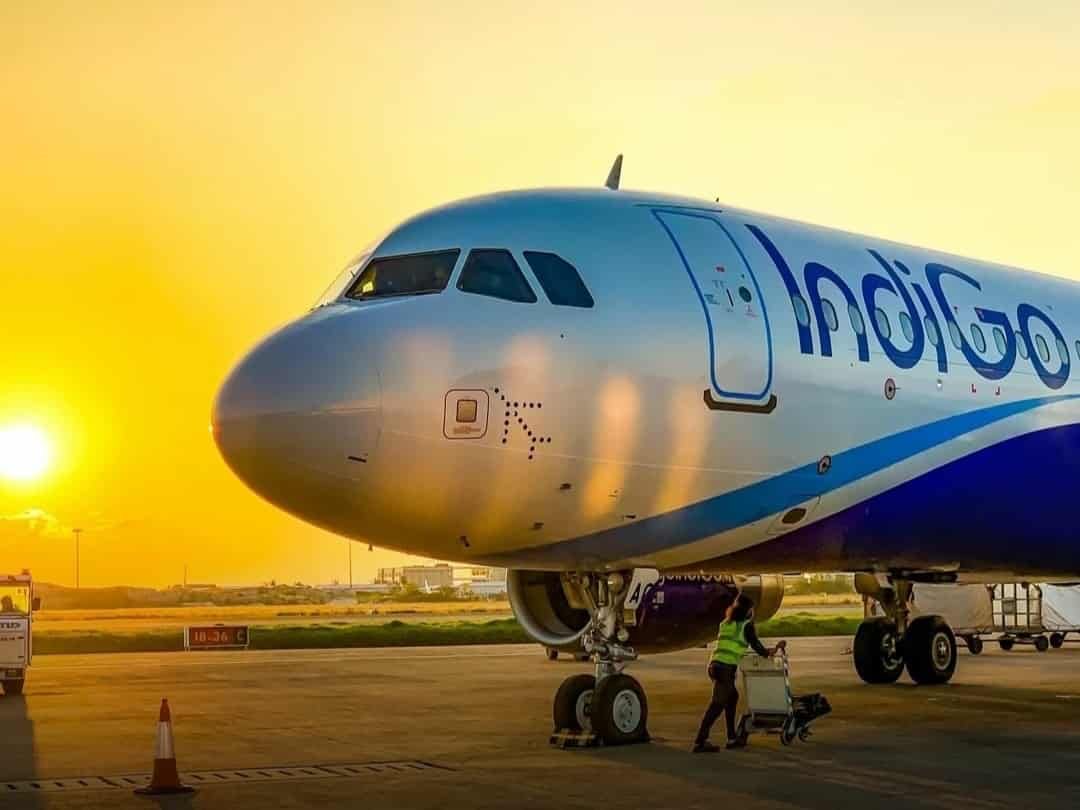
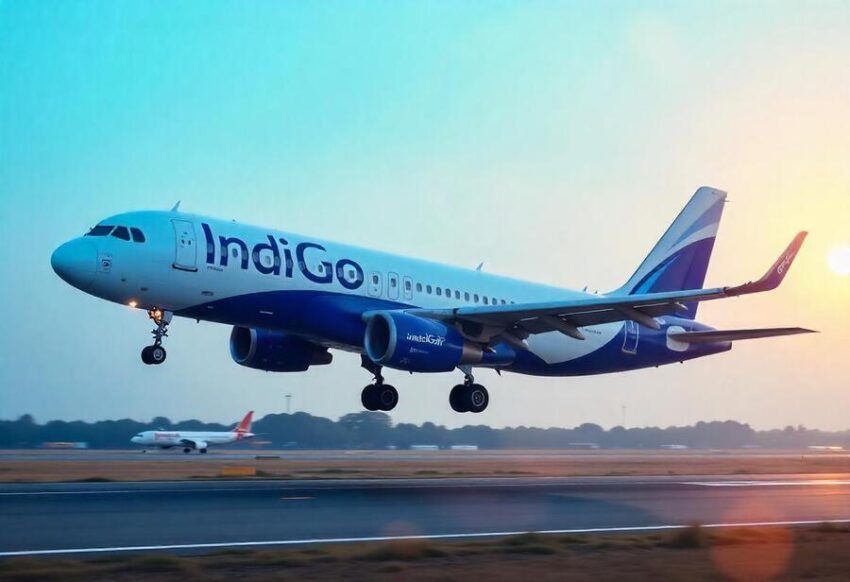
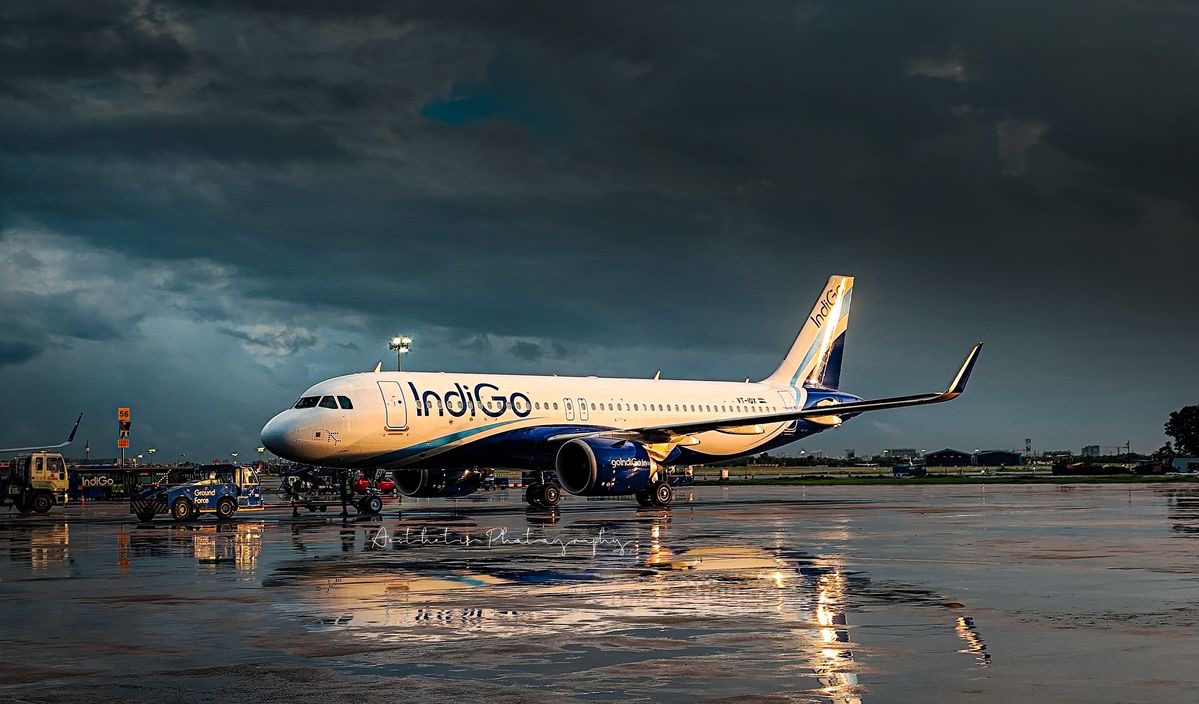
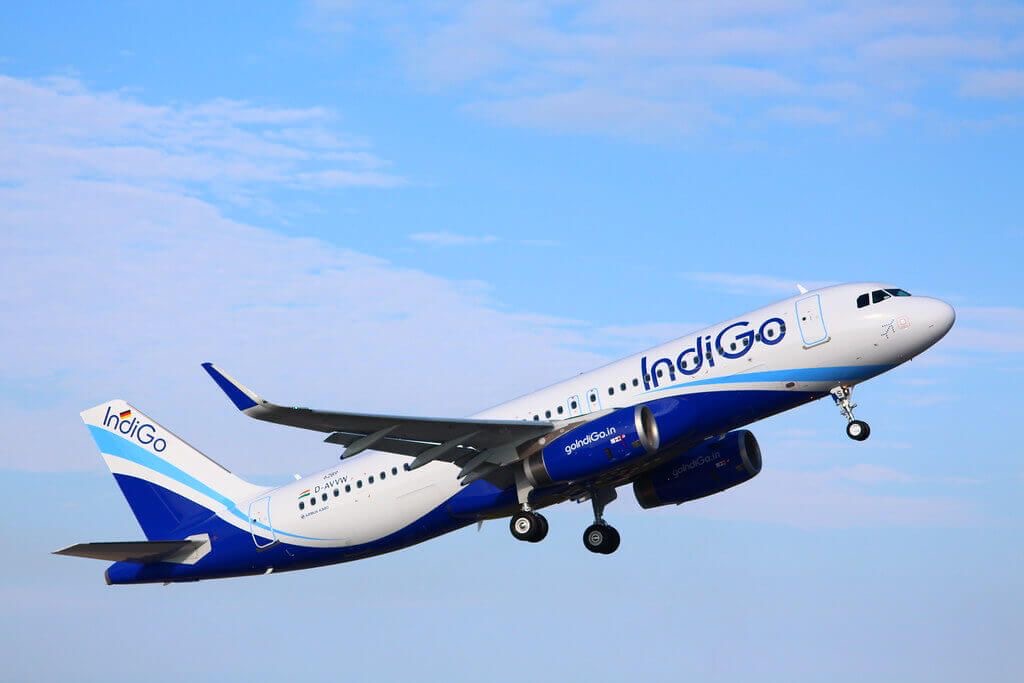
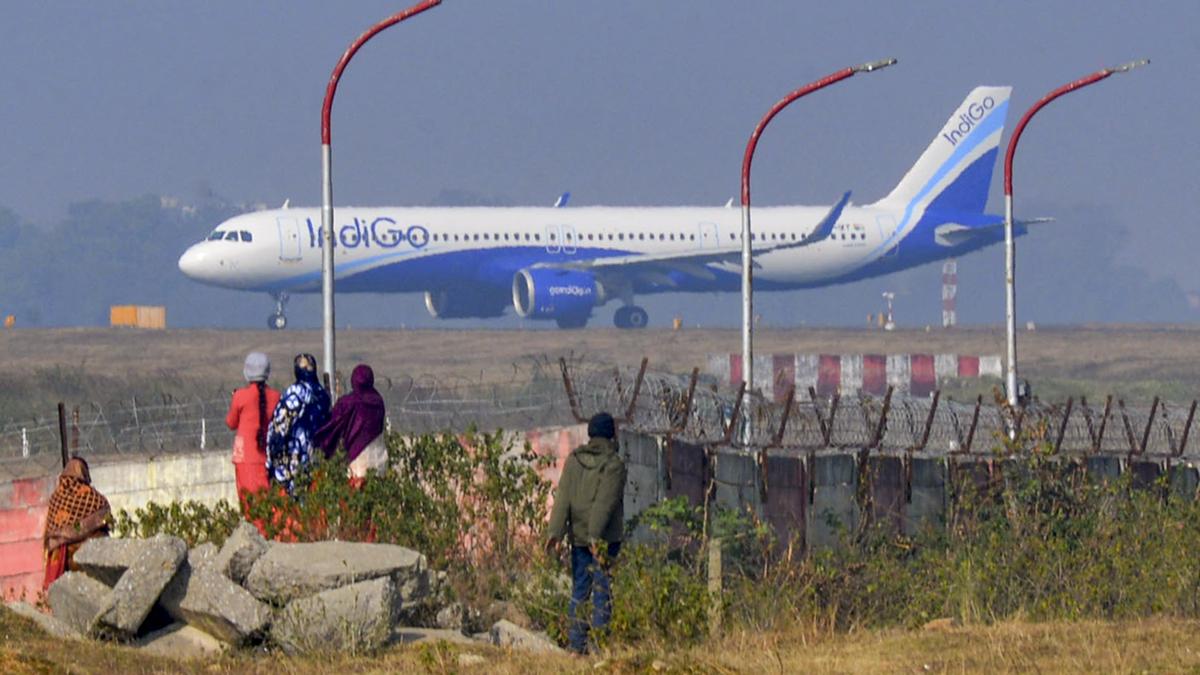
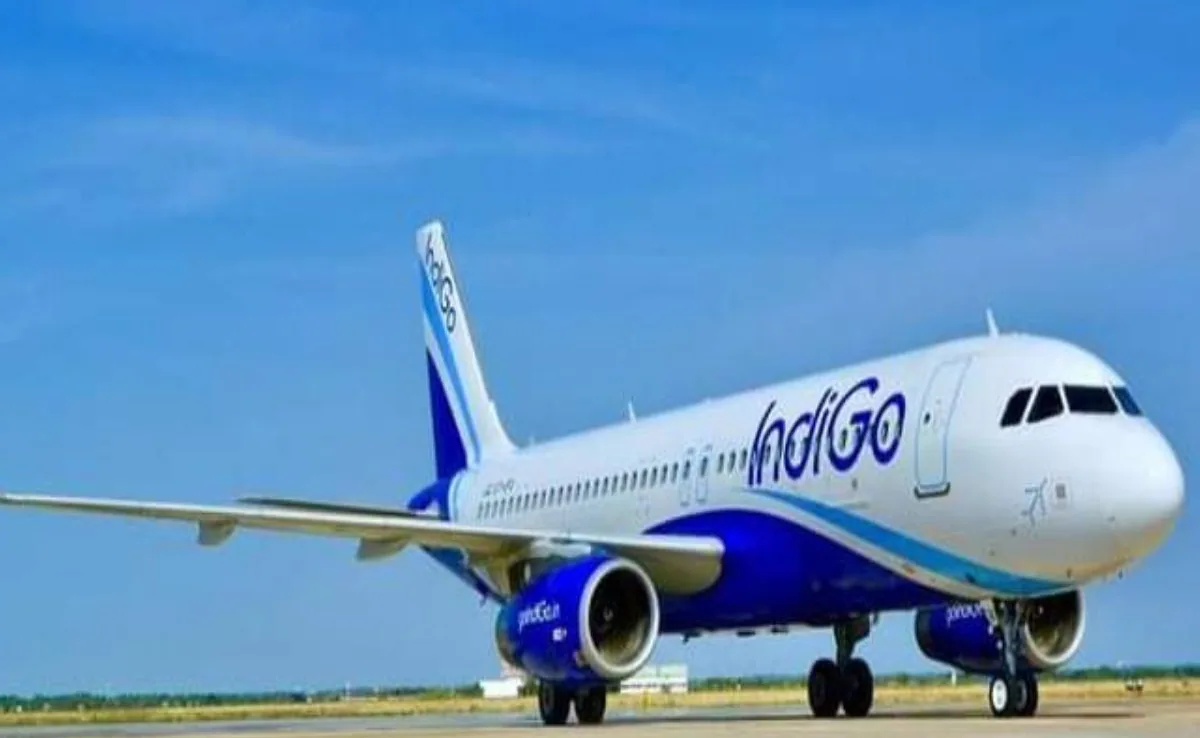
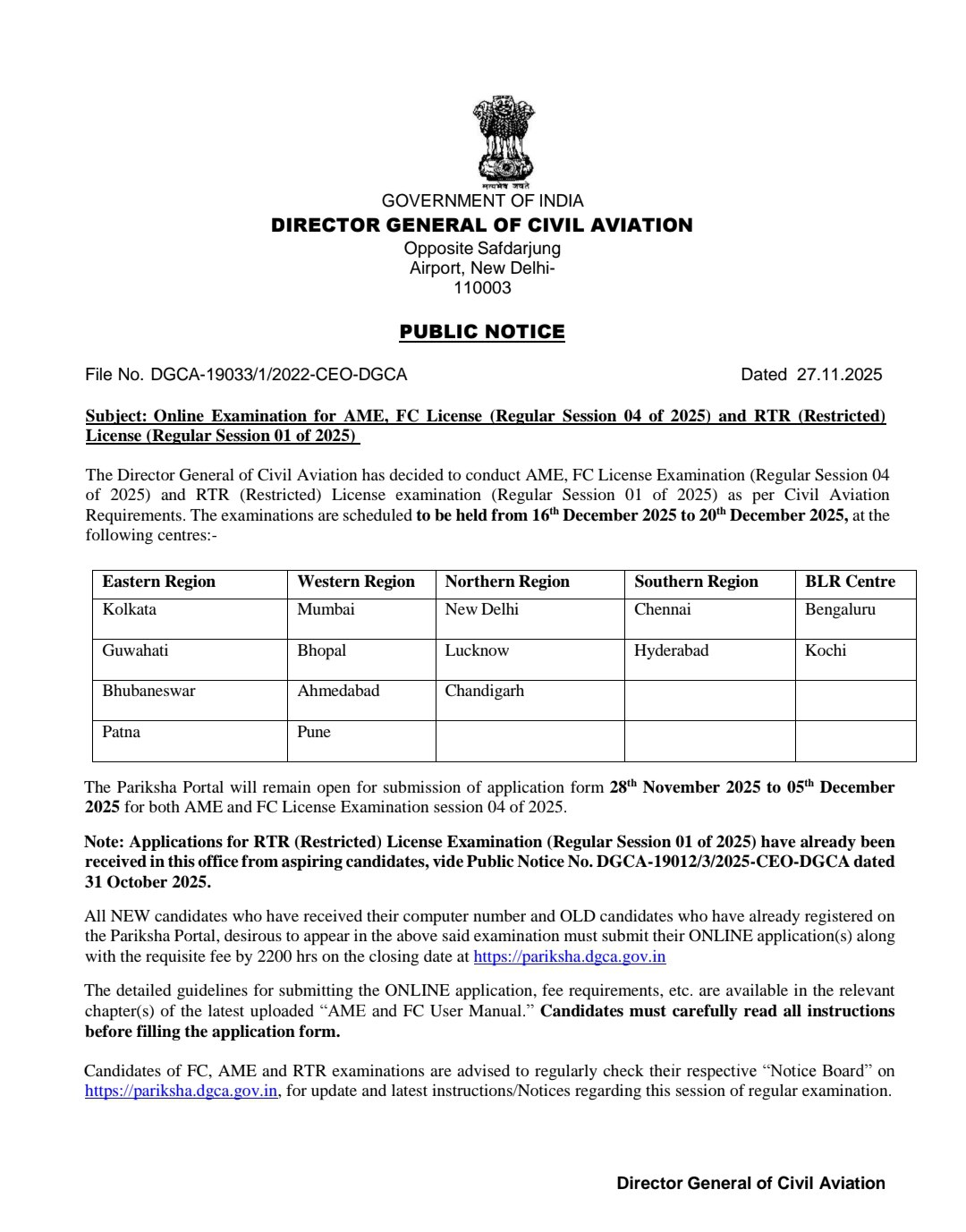
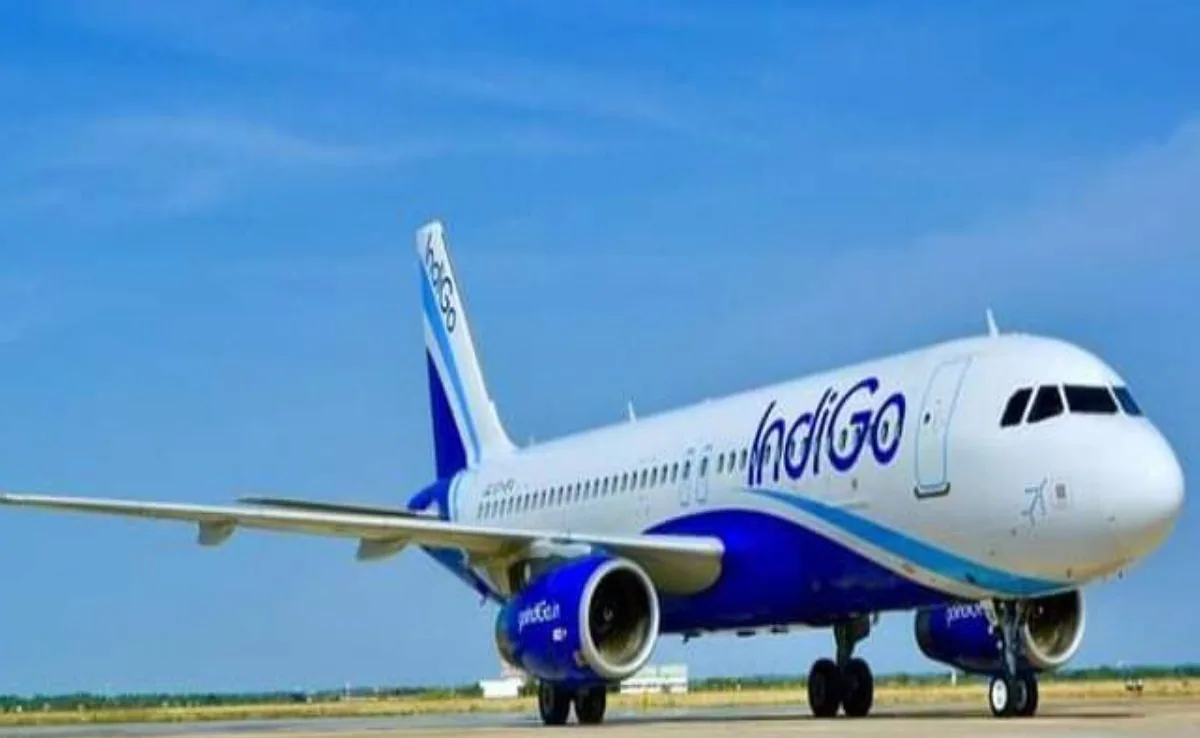
India’s aviation regulator, the Directorate General of Civil Aviation (DGCA), has levied a substantial penalty of ₹22.20 crore on IndiGo for the severe operational meltdown that affected thousands of passengers in early December. The action comes after a detailed regulatory review of how the airline managed its flight schedules, crew deployment, and customer commitments during a period of widespread cancellations and delays.
The DGCA’s enforcement order highlights that the disruptions were not isolated events but stemmed from systemic issues in the airline’s operational planning and execution. The penalty was imposed under provisions that allow the regulator to fine carriers for lapses in adhering to standards of regularity, reliability, and passenger rights protection. The DGCA also issued stern warnings to members of IndiGo’s senior management, indicating that future compliance failures could trigger even more serious consequences.
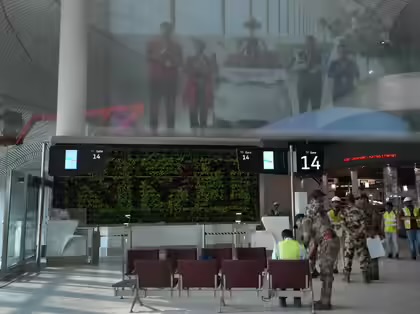
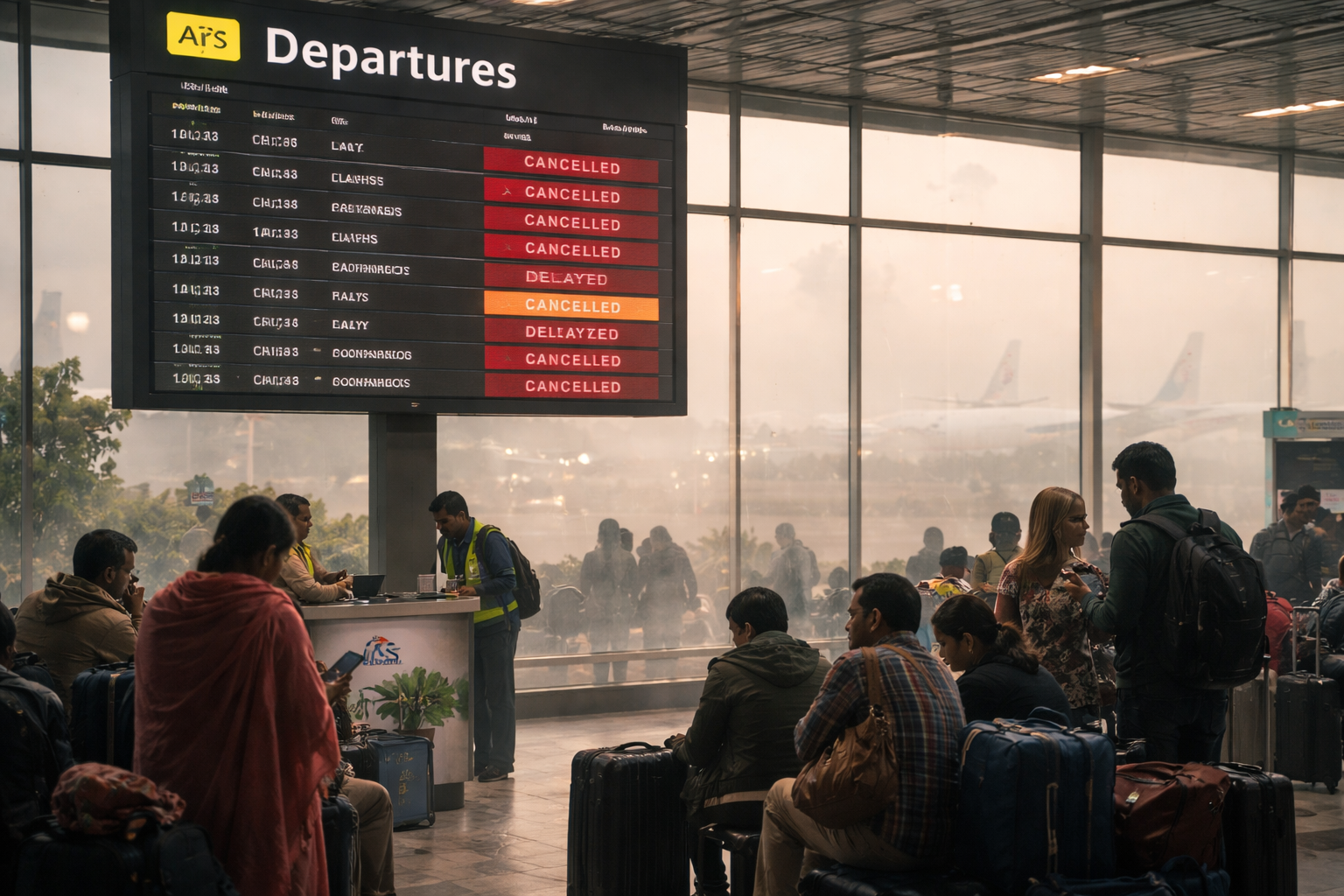
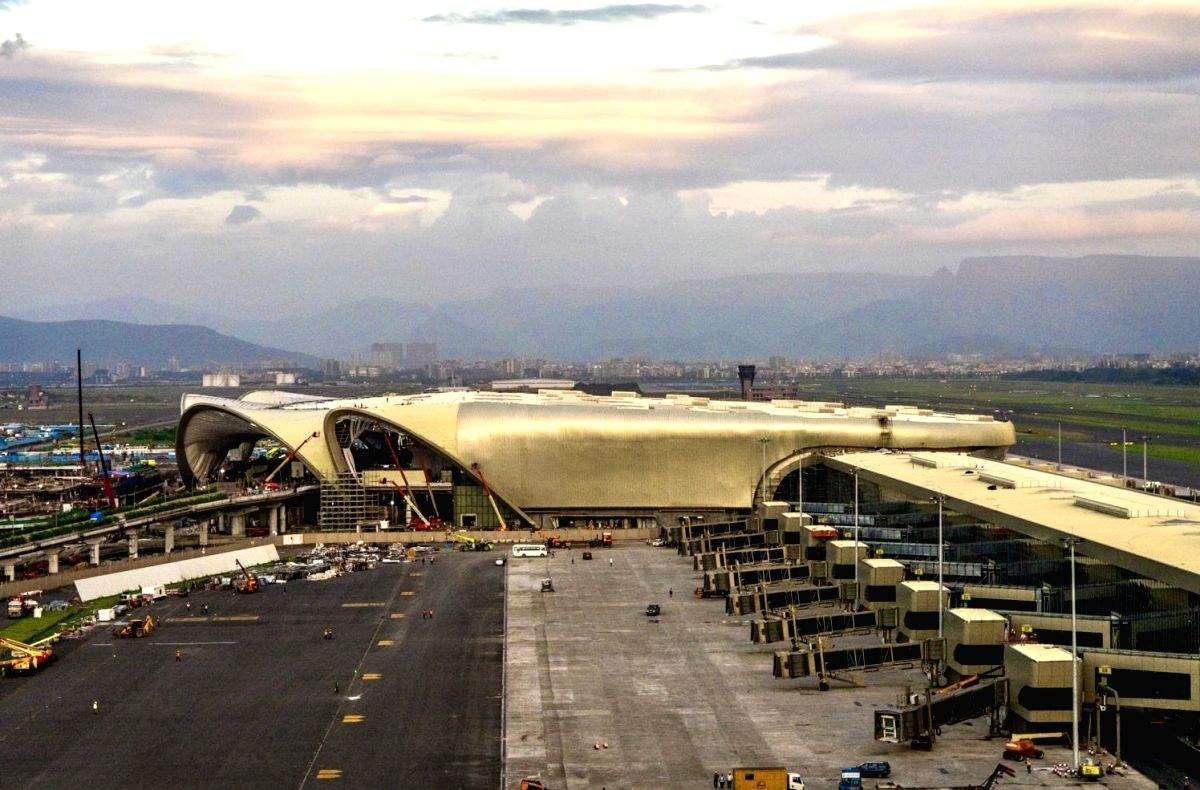
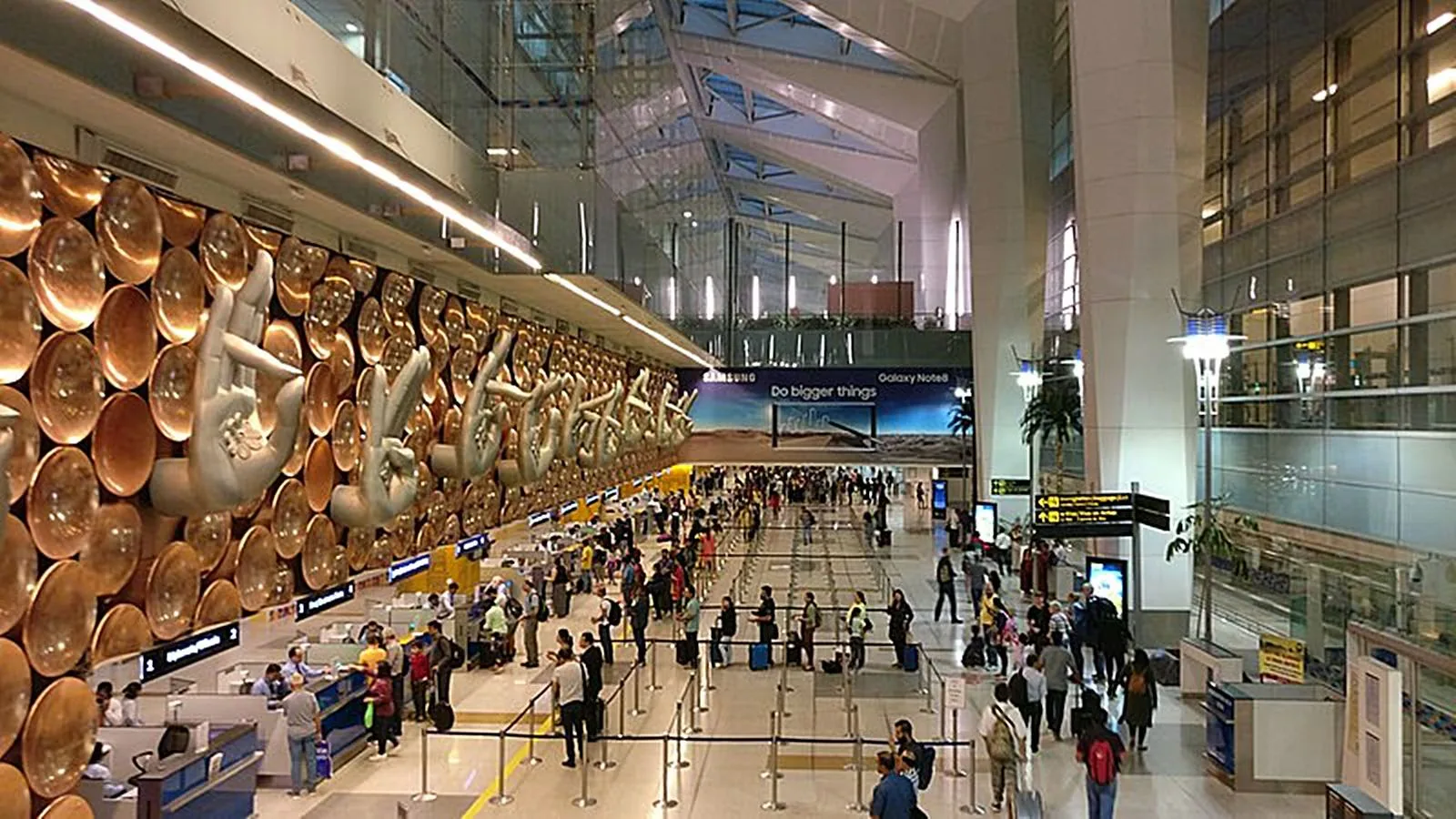
During the December breakdown, thousands of passengers faced cancellations, long delays, and uncertainty as flights were disrupted at short notice. The fallout at major airports included travelers stranded overnight, packed terminals, and mounting criticism of the airline’s communication and contingency arrangements. In its investigation, the DGCA examined crew rostering practices, fleet planning, regulatory compliance, communication strategies, and refund and compensation handling.
In imposing the fine, the regulator noted specific areas where IndiGo’s performance fell short of expected standards. These included inadequate forecasting of crew availability, failure to effectively manage aircraft resources, and insufficient passenger communication during operational disruption. By citing these shortcomings, the DGCA sought to underline that airlines are responsible not only for flying aircraft safely, but also for maintaining planned schedules and supporting affected passengers.
The warning to senior leadership makes it clear that individual executives carry accountability for the systems and processes within their domains. Aviation analysts say this is part of a broader regulatory push to ensure that airline management teams take proactive ownership of strategy, compliance, and customer service, rather than leaving remedial action to behind-the-scenes operational teams alone.
IndiGo has acknowledged the DGCA order and has reiterated that it is committed to addressing the findings and improving its operational resilience. The airline has indicated that it will comply with the financial penalty while also implementing corrective measures to avoid similar episodes in the future. Inquiries within the airline have focused on enhancing crew scheduling tools, bolstering maintenance readiness, and refining passenger care protocols.
For passengers affected by the December disruptions, the regulator’s action represents a measure of accountability and a formal recognition of the hardships they endured. Many travelers had expressed frustration at the time over communication gaps, refund delays, and lack of clear alternatives when flights were abruptly cancelled. The DGCA’s order signals that such operational failures carry not only consumer dissatisfaction but also regulatory penalties.
The broader aviation community is taking note, as regulators and carriers alike balance rapid network expansion with the need for robust operational processes. India’s domestic aviation market has been growing rapidly, with increasing flight frequencies and more airline choices. However, this growth places pressure on scheduling, crew training, fleet utilisation, and infrastructure, intensifying the stakes when systems fail.
Industry experts believe that the regulator’s firm stance will encourage other carriers to scrutinise and strengthen their planning and disruption management capabilities. A combination of technological investments, better data analytics for crew and fleet deployment, and clearer passenger communication protocols are seen as part of the solution to avoid future breakdowns.
As the airline works to stabilise its day-to-day operations and restore full customer confidence, both regulators and travellers will be watching how these corrective plans take shape. The DGCA’s penalty and warning provide a clear signal that in India’s fast-evolving aviation landscape, operational reliability and passenger satisfaction are not optional—they are integral to airline performance and safety culture.