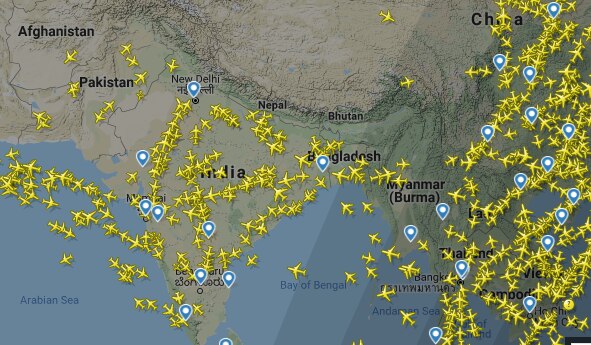
India’s aviation sector remains a focal point of rapid developments across growth, regulation and connectivity, with multiple stories emerging that paint a picture of an industry navigating expansion pressures, operational challenges and policy shifts.
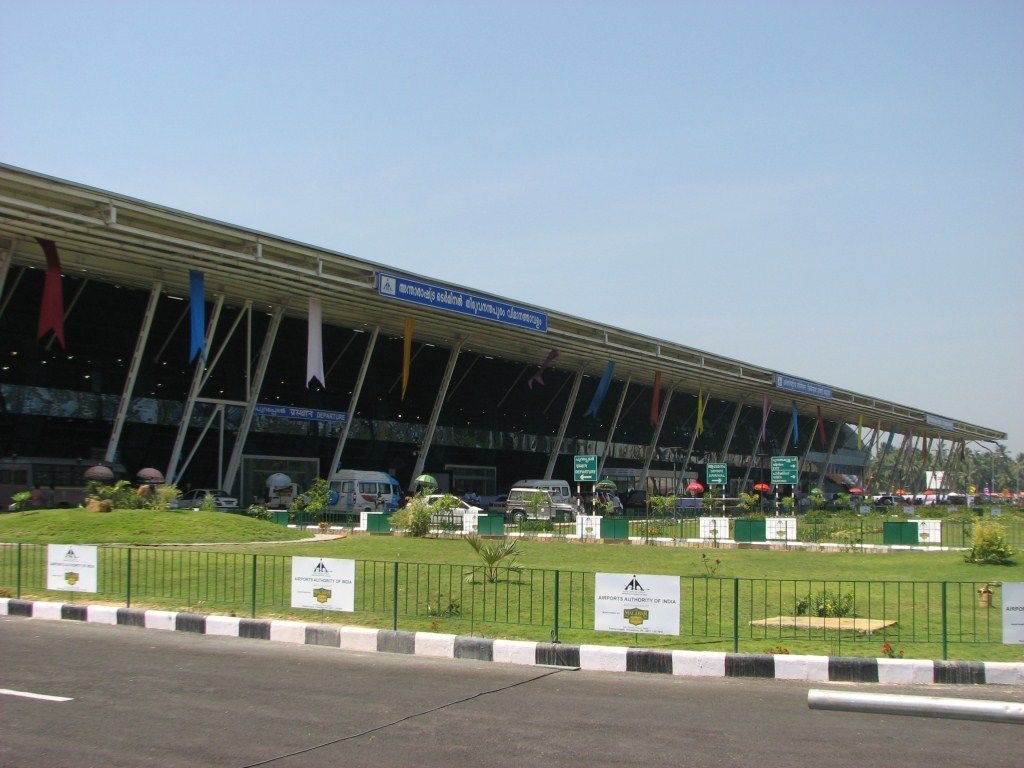
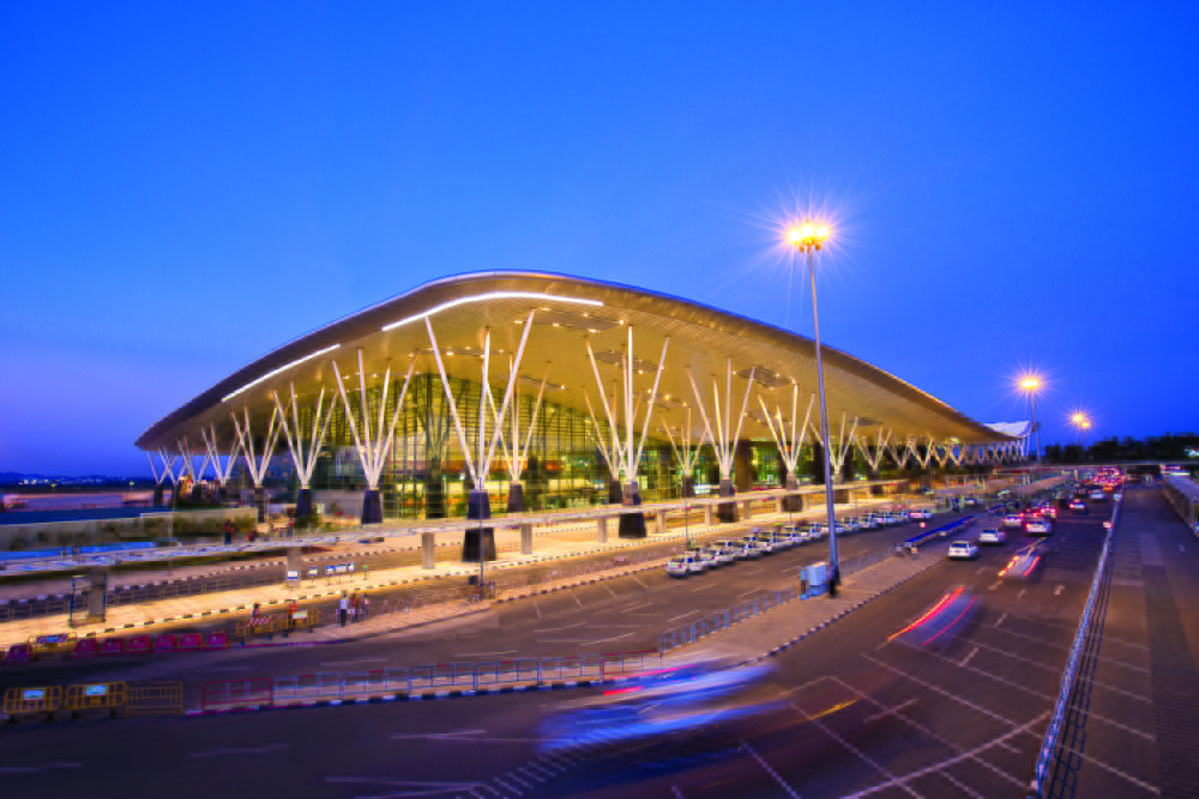
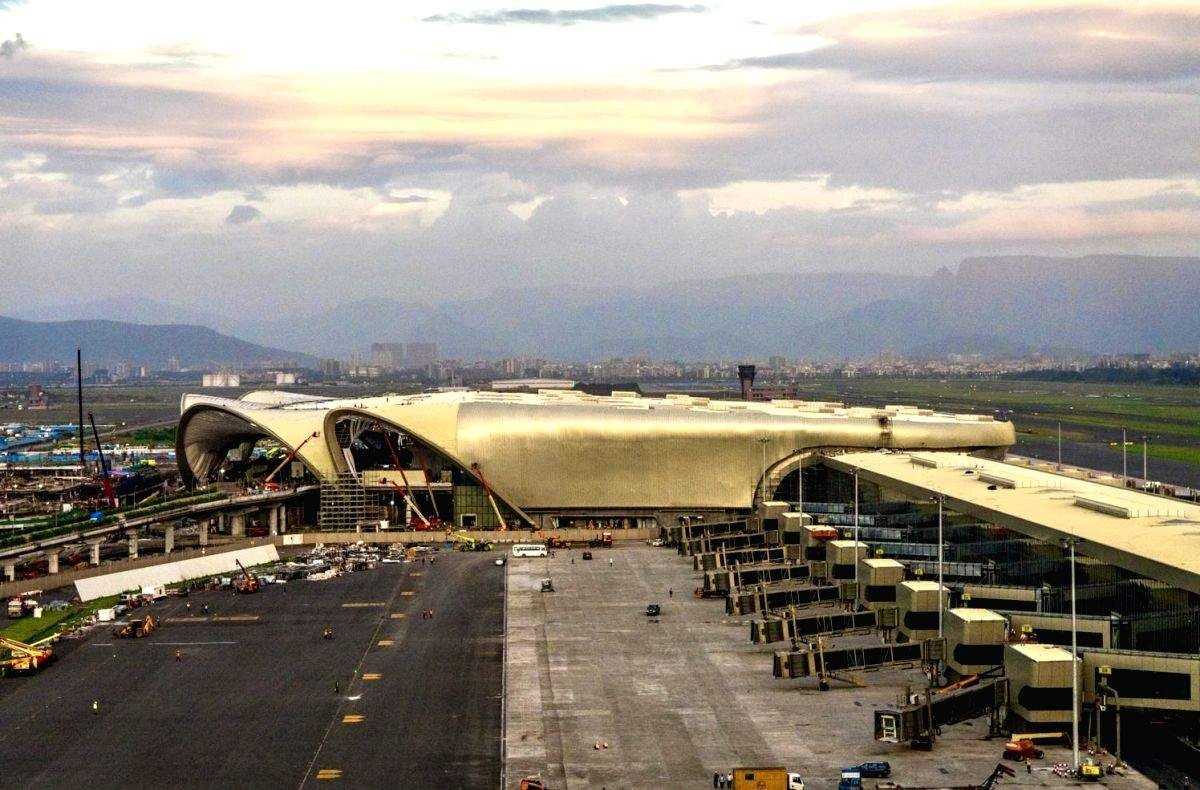
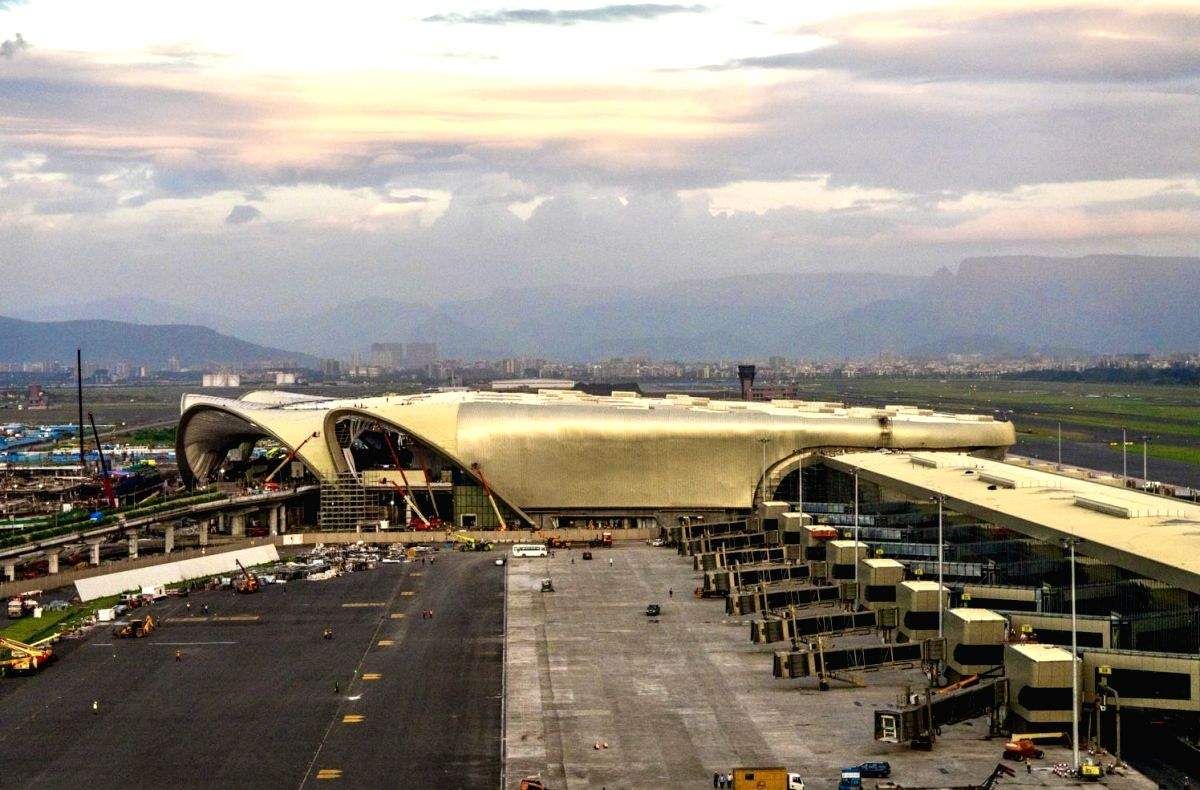
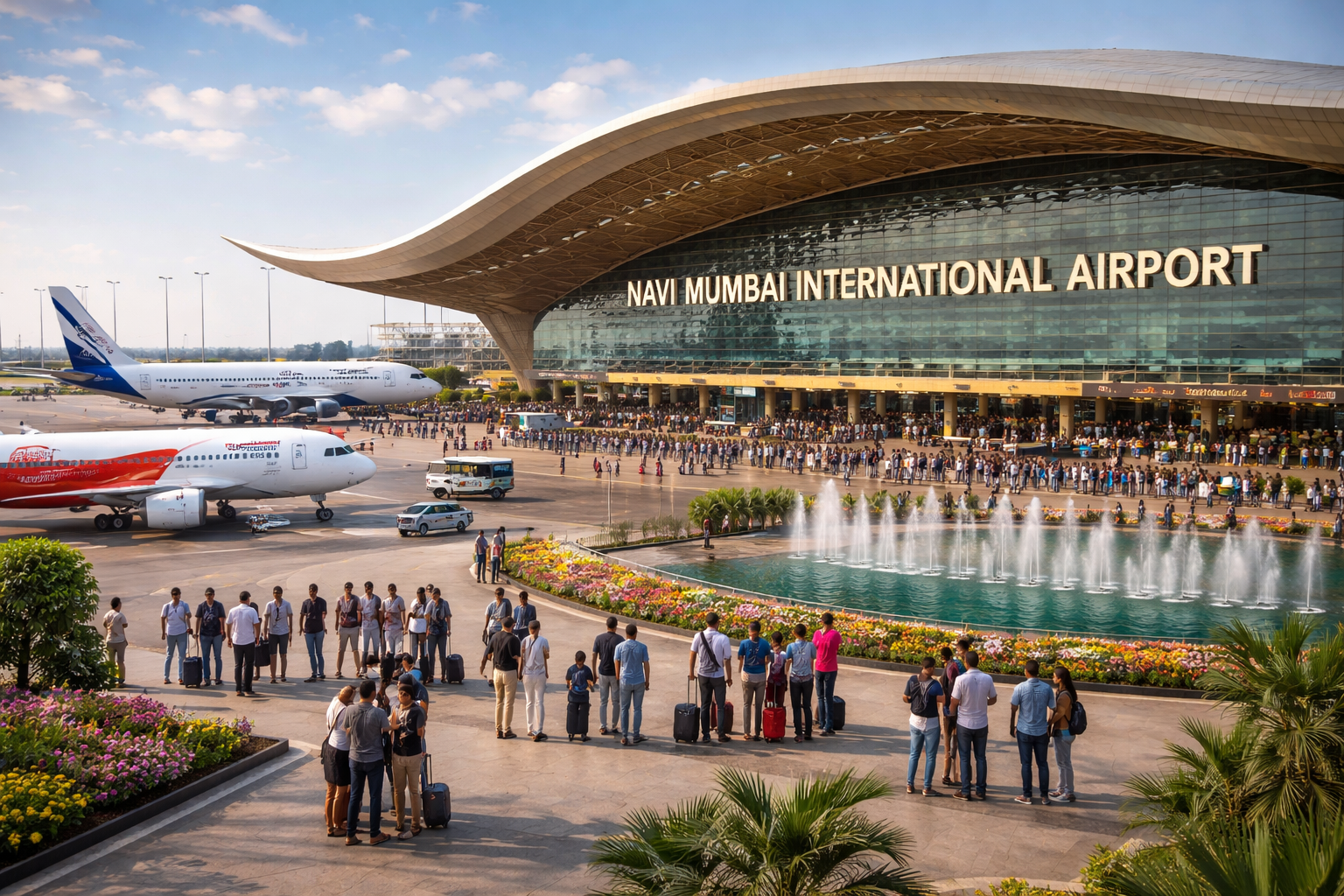
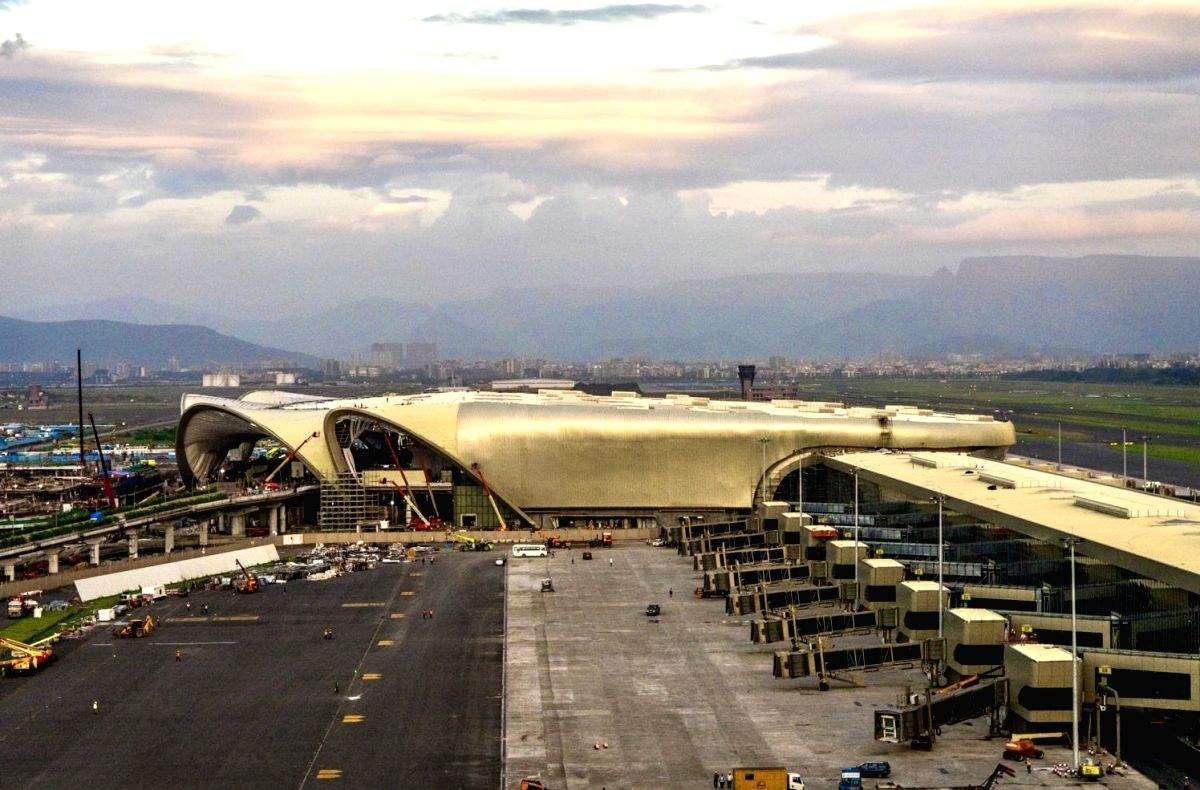
At the global stage in Davos, India’s Civil Aviation Minister reaffirmed the government’s long-term vision to expand the nation’s airport network to as many as 350 airports by 2047, a task aimed at broadening accessibility and supporting economic growth across regions. This ambitious roadmap follows years of sustained infrastructure investment that took the number of operational airports from fewer than 75 a decade ago to more than 160 today, and now charts a course towards a far more connected future for India’s skies. turn0news0
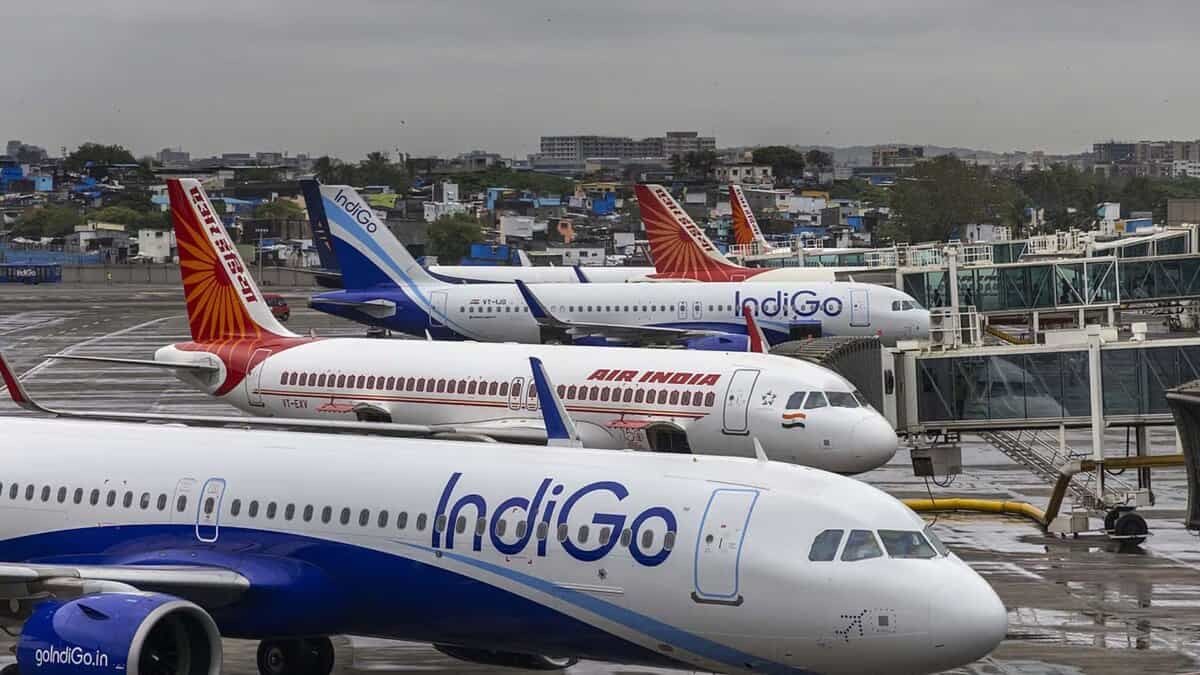
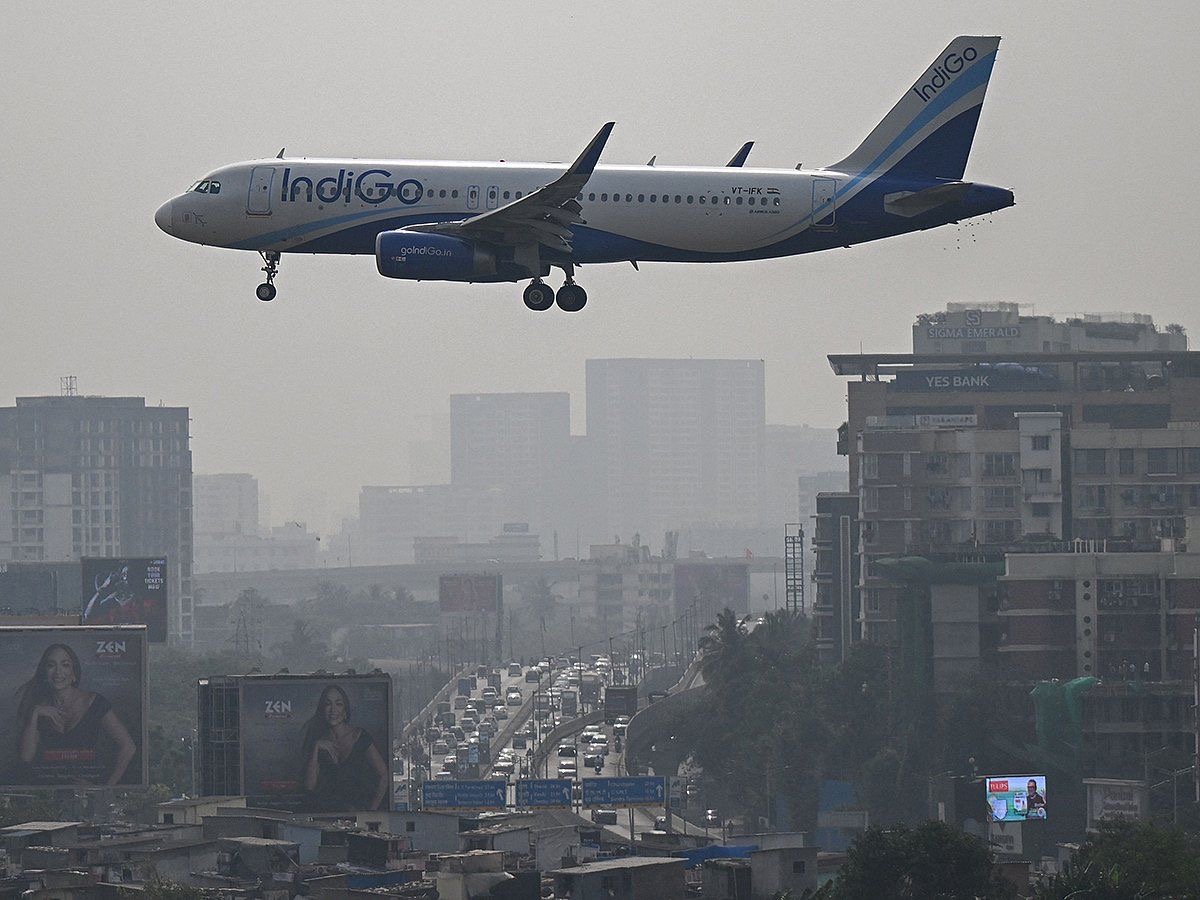
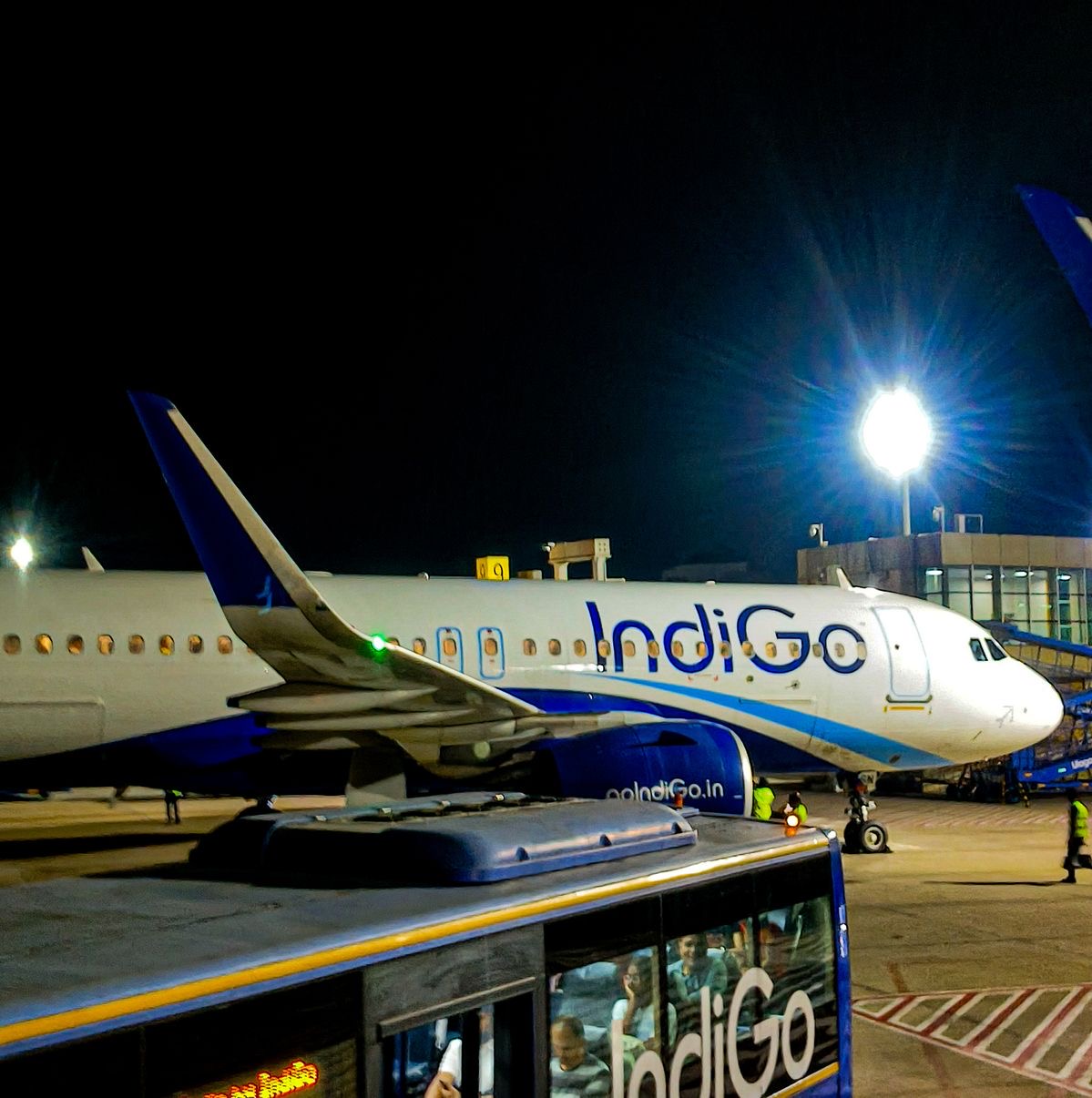
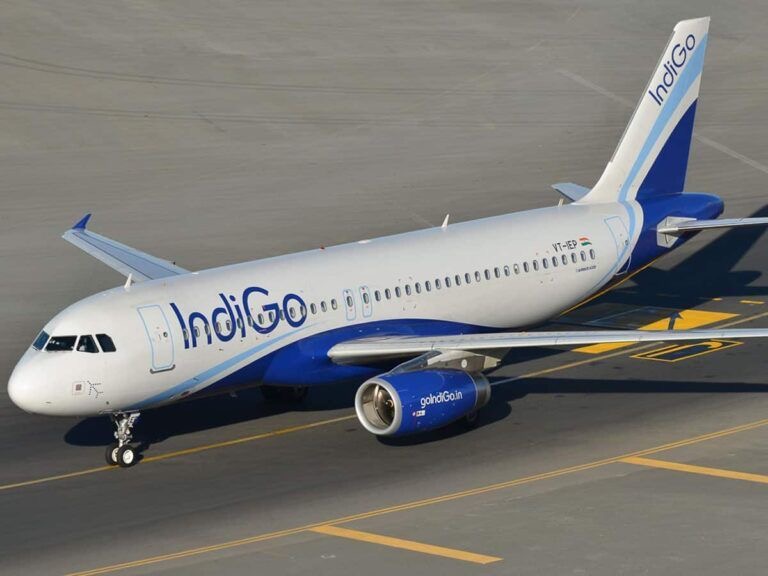
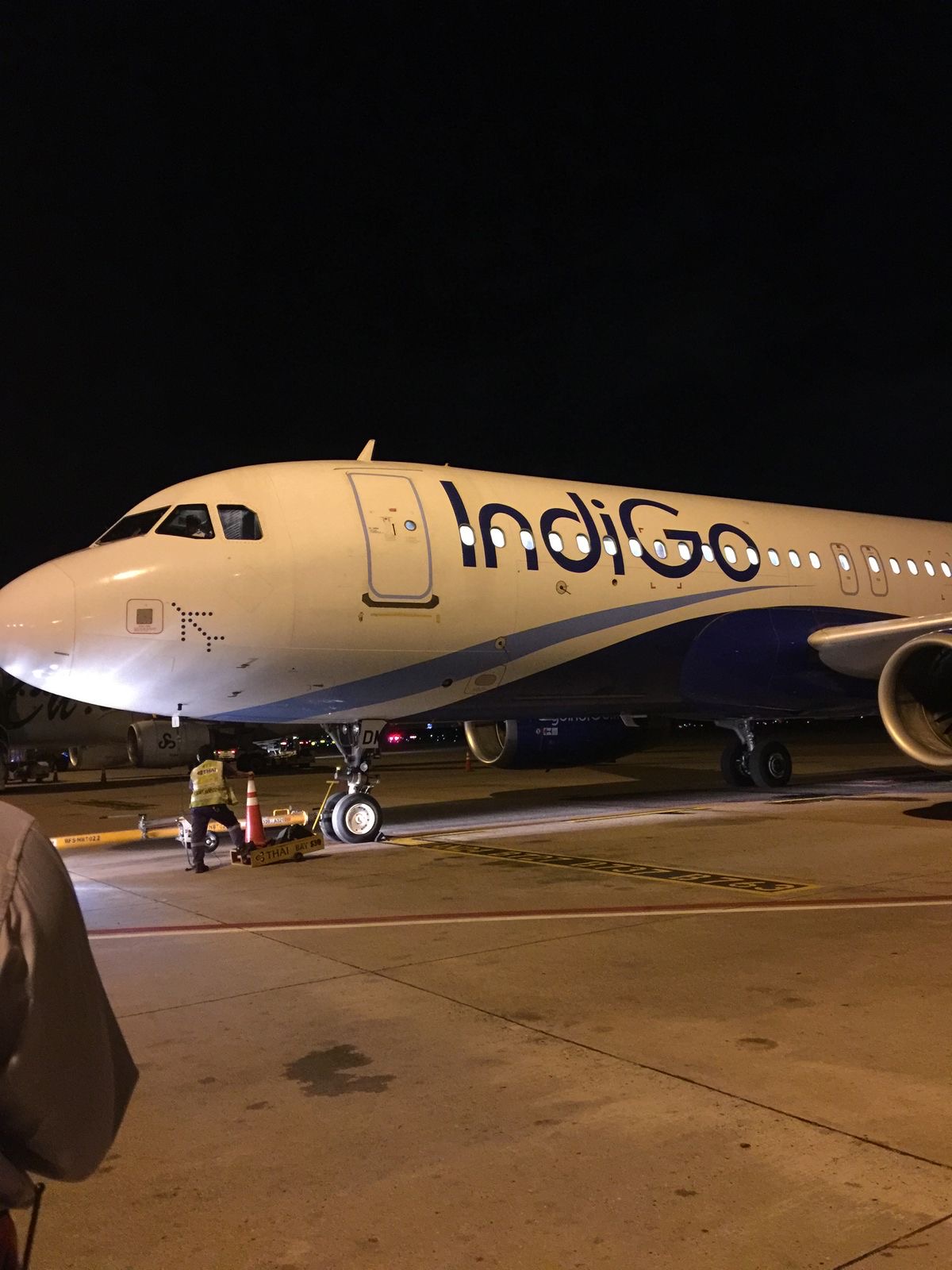
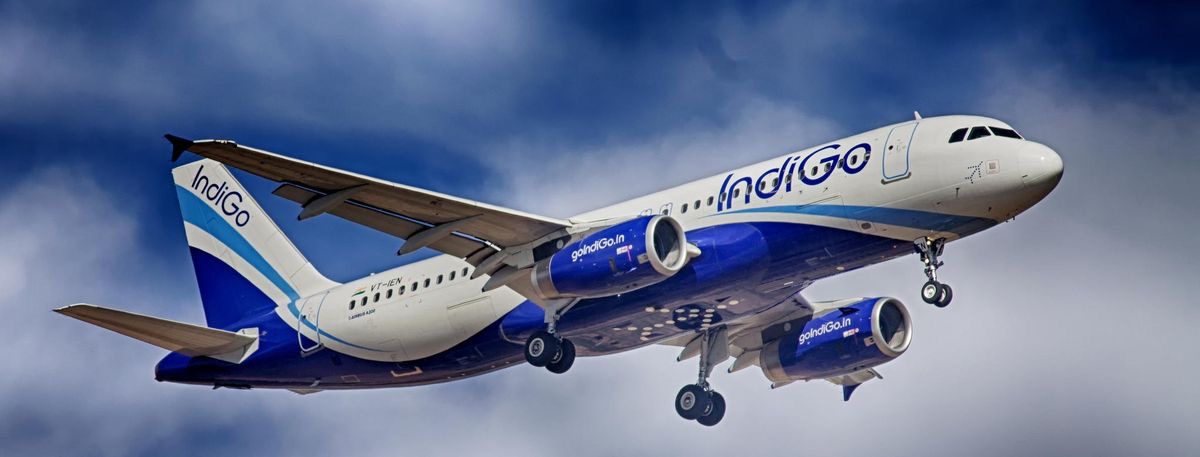
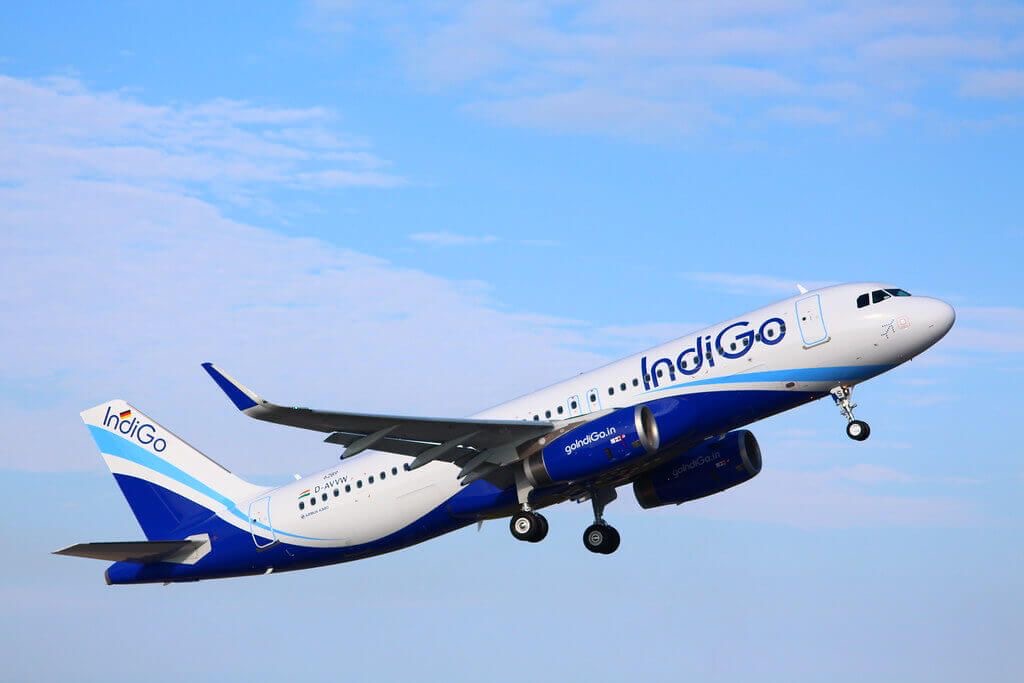
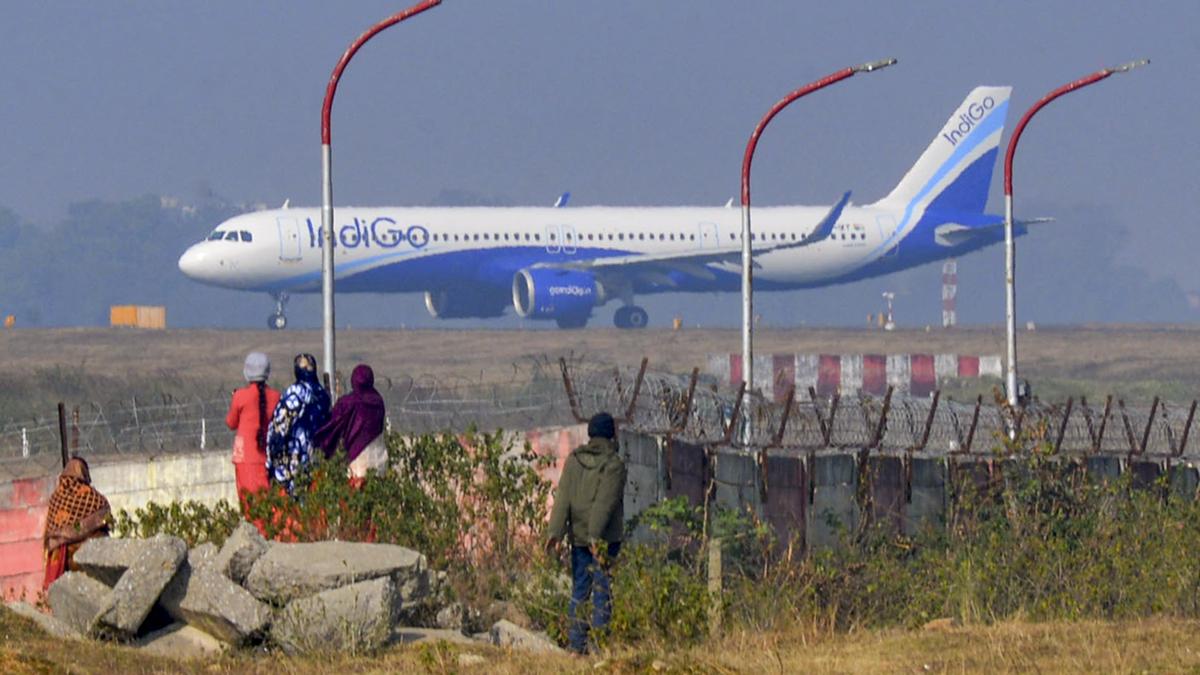
Back home, the Directorate General of Civil Aviation and airlines are working to reassure passengers and regulators alike after a turbulent operational phase late last year. IndiGo has told the regulator that it has sufficient pilot strength and expects no flight cancellations beyond early February, signalling a return to greater stability after pilot shortages and roster disruptions affected services. turn0news2 Investors have responded positively to developments at IndiGo, with the airline’s shares climbing sharply as concerns over large regulatory fines eased and confidence improved among market participants. turn0news45
Safety and operational reliability have remained under scrutiny. While the DGCA has imposed penalties on carriers in response to customer-impacting disruptions, industry bodies have pushed back in other areas. Pilots’ associations, for example, criticised the aviation regulator’s fine on IndiGo for the December crisis as too modest and urged deeper accountability measures that go beyond financial penalties.
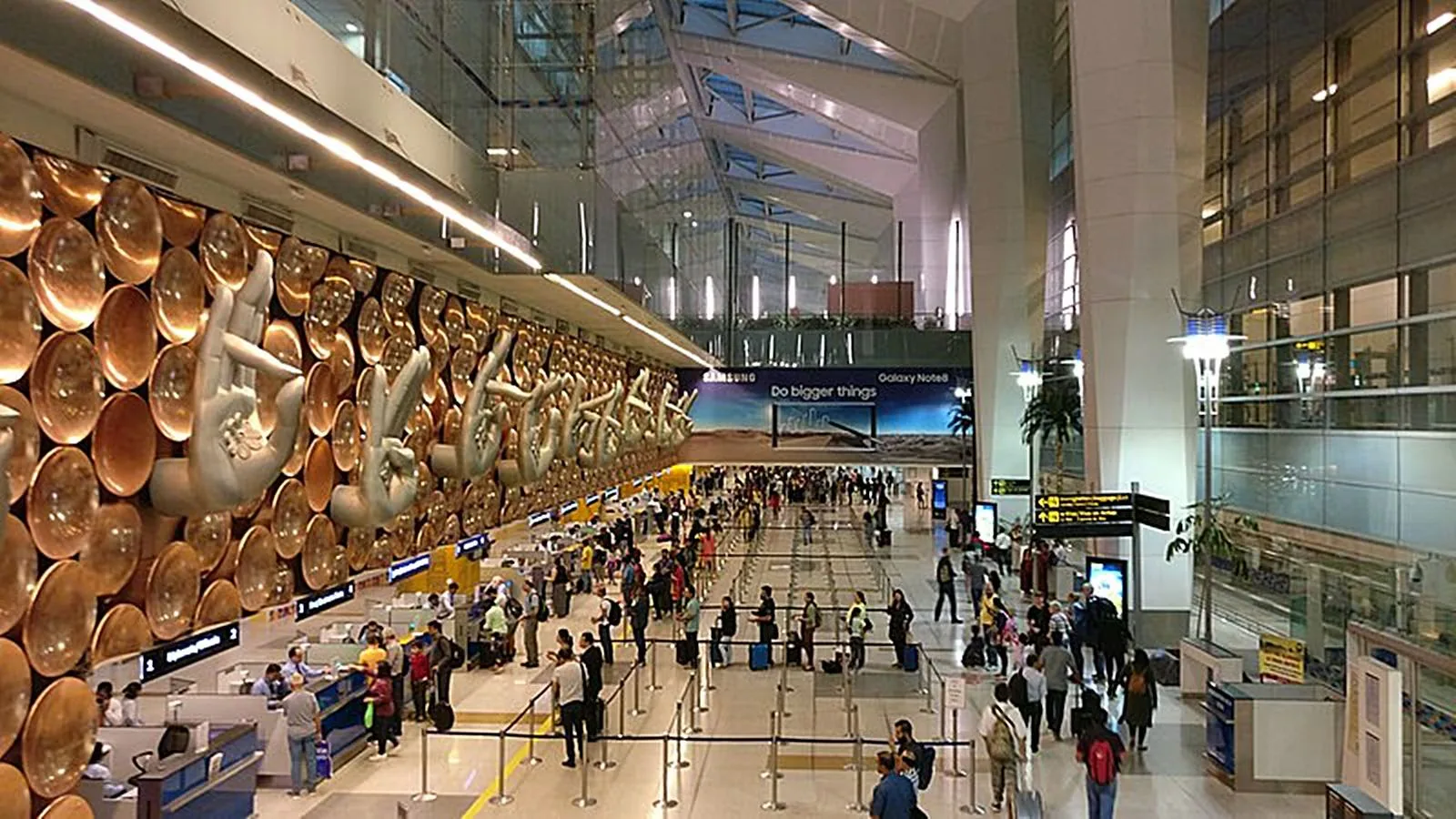
Meanwhile, Delhi’s Indira Gandhi International Airport is preparing for a significant infrastructure phase as well, with a major runway closure scheduled for five months from mid-February for resurfacing and upgrades. The decision is aimed at improving long-term operational performance but will require careful planning from airlines and passengers alike as the busy hub adapts to reduced runway capacity over the coming months. turn0news11
Connectivity continues to be a policy priority at both state and national levels. The government of Goa has announced an incentive scheme valued at ₹2 crore to encourage airlines to enhance services to the state, a move expected to boost tourism and strengthen air links with key domestic and international cities. turn0news7 At the national policy level, a revised regional air connectivity plan for the UDAN scheme is awaiting Cabinet approval, and is expected to provide financial support to airlines operating in underserved regions. turn0news5
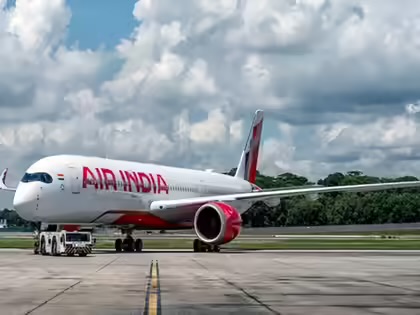
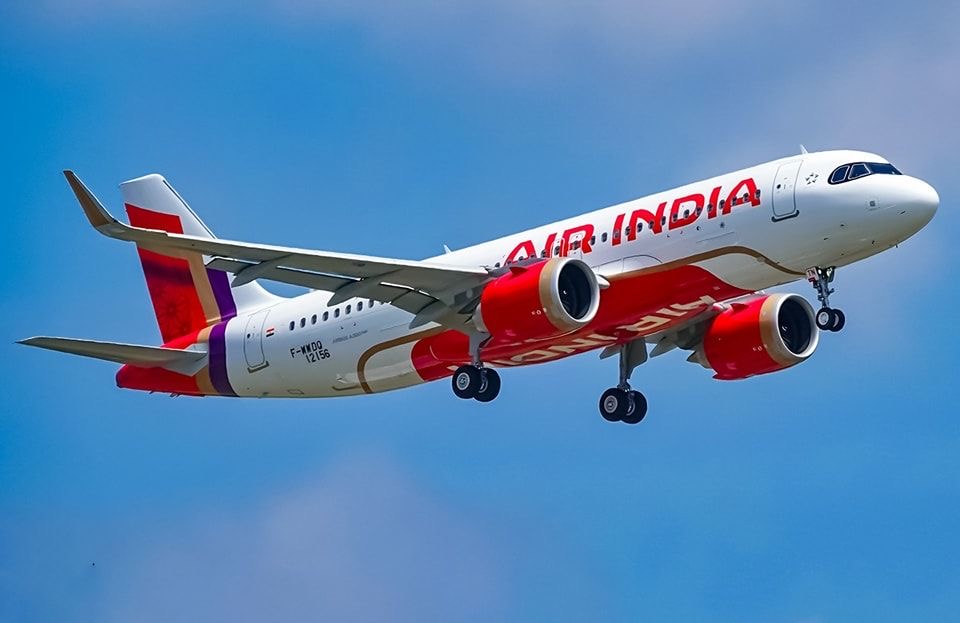
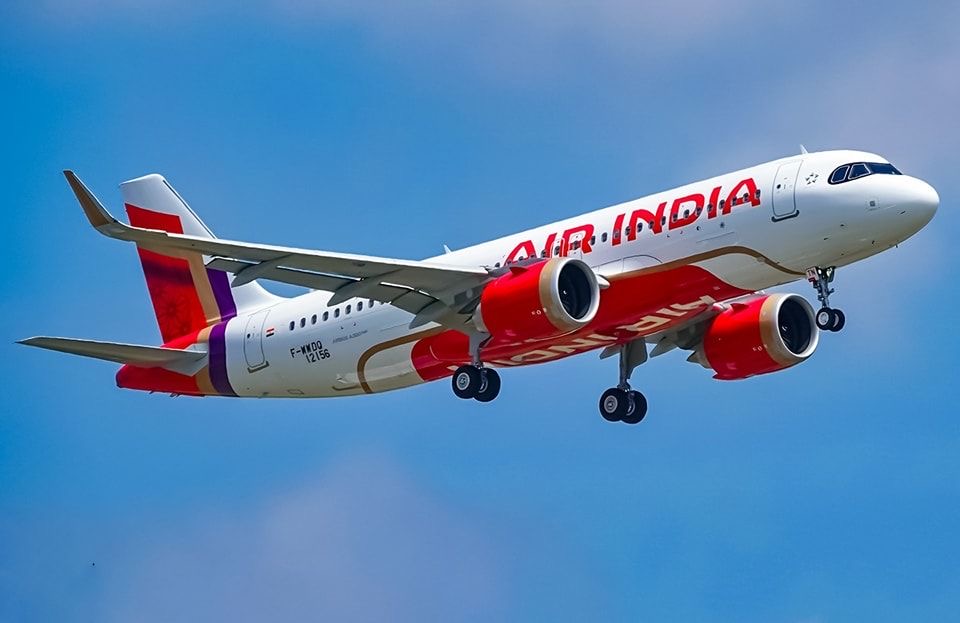
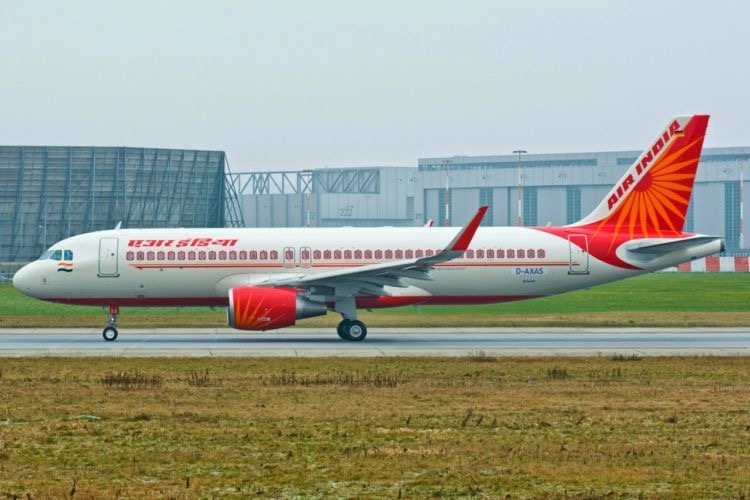
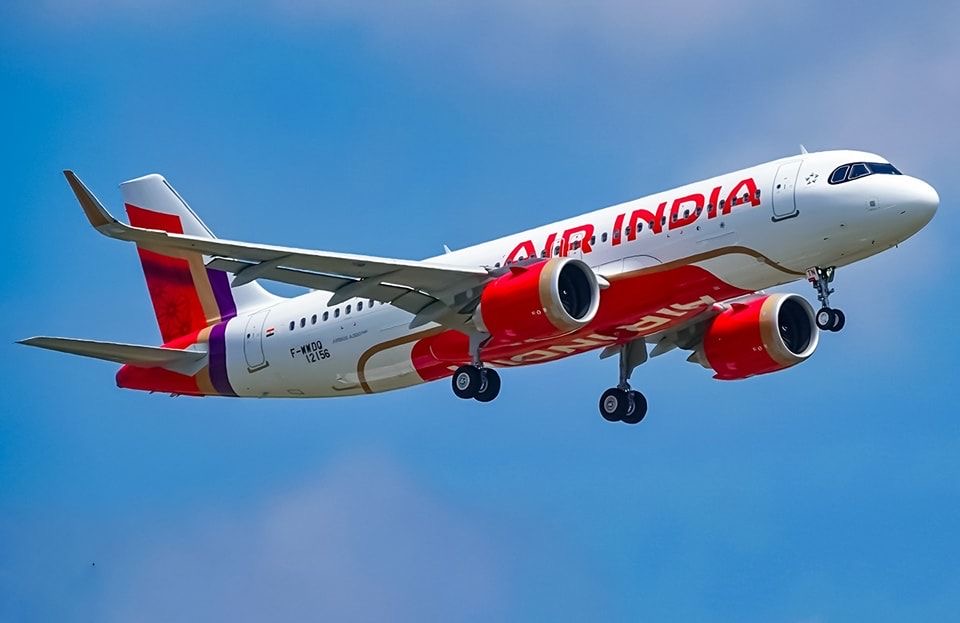
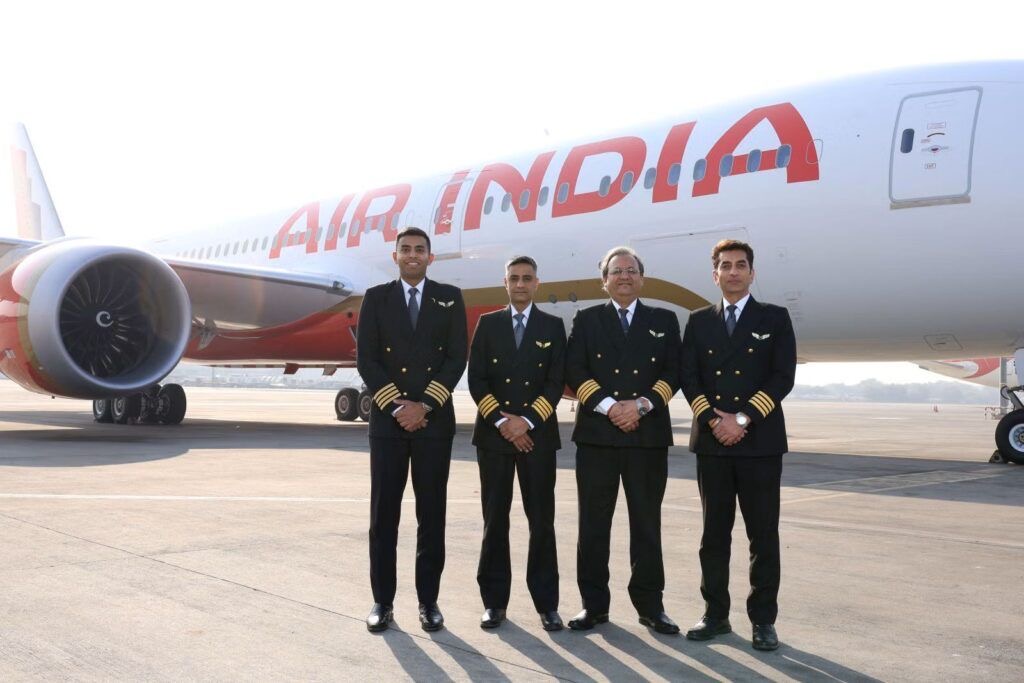
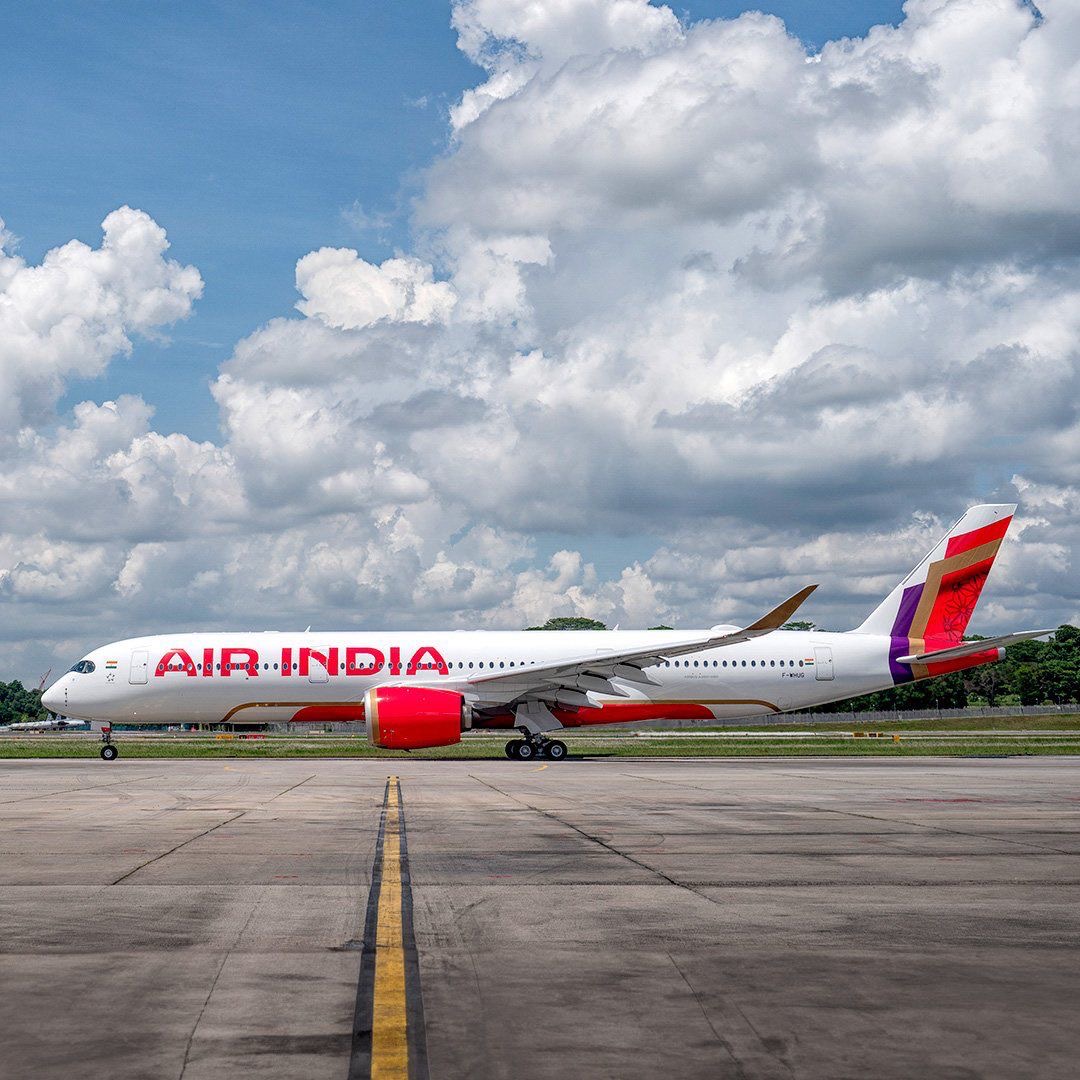
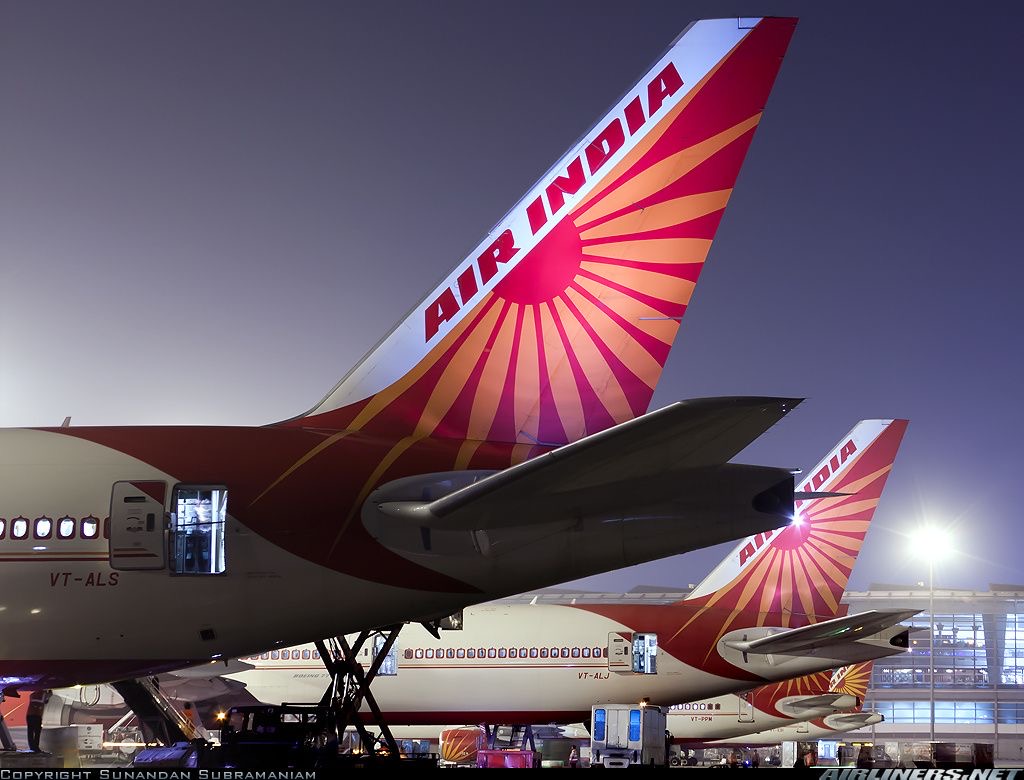
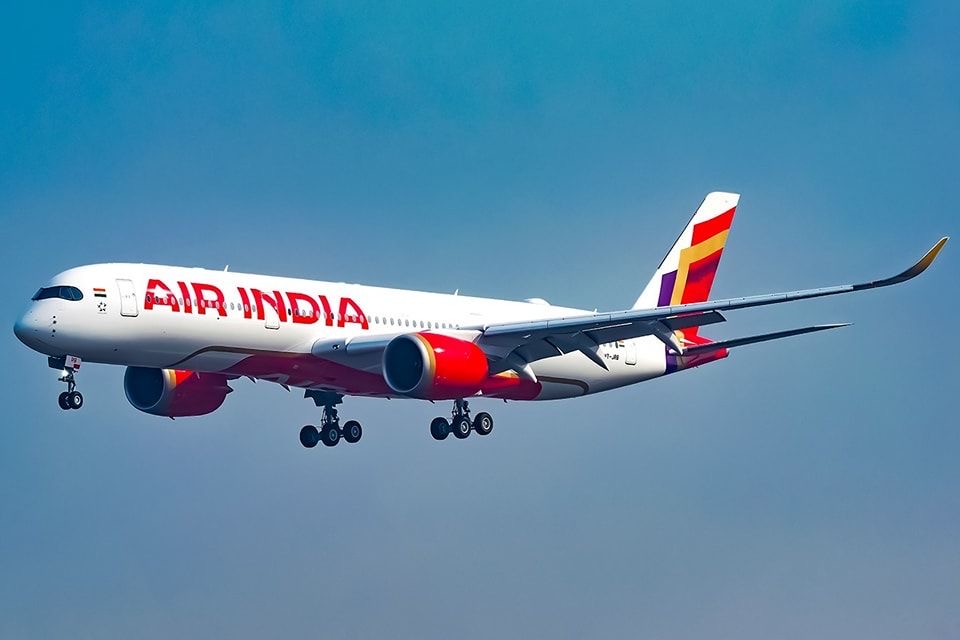
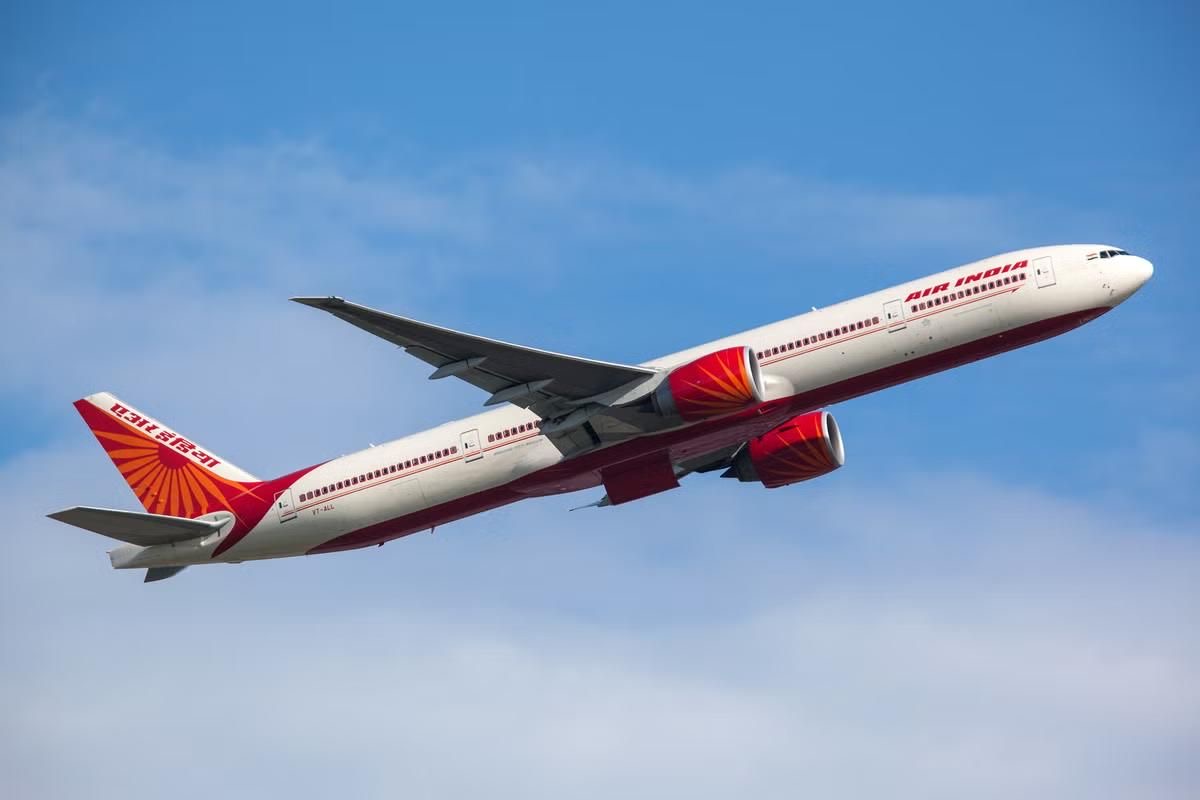
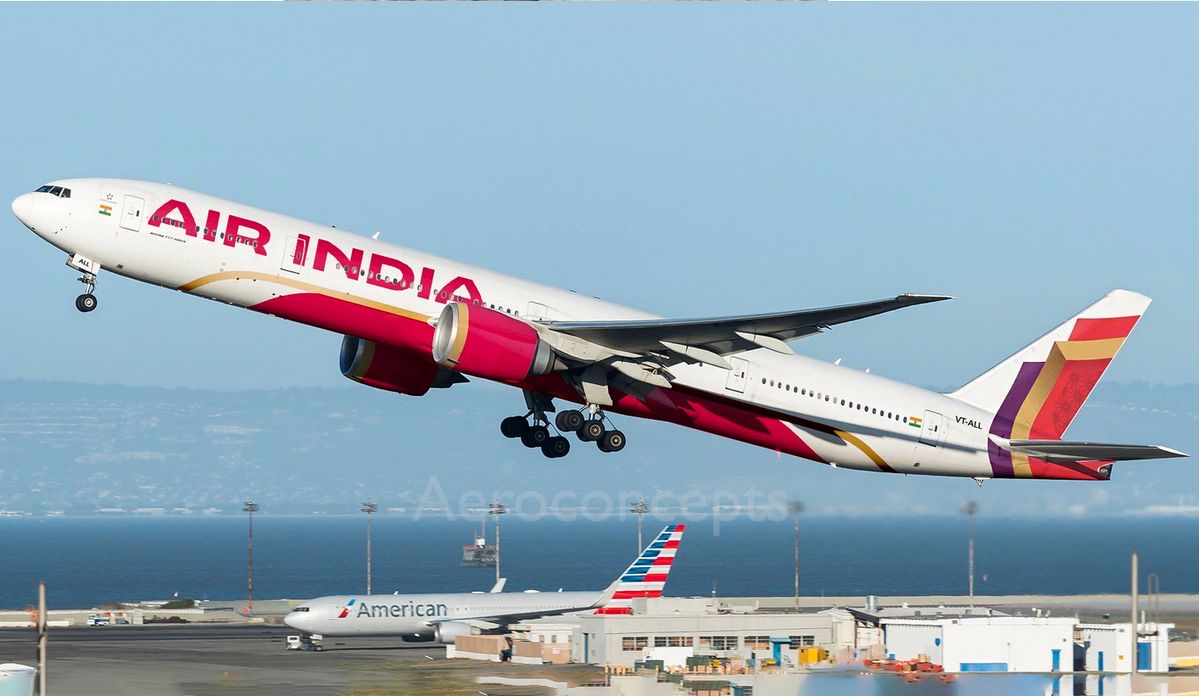
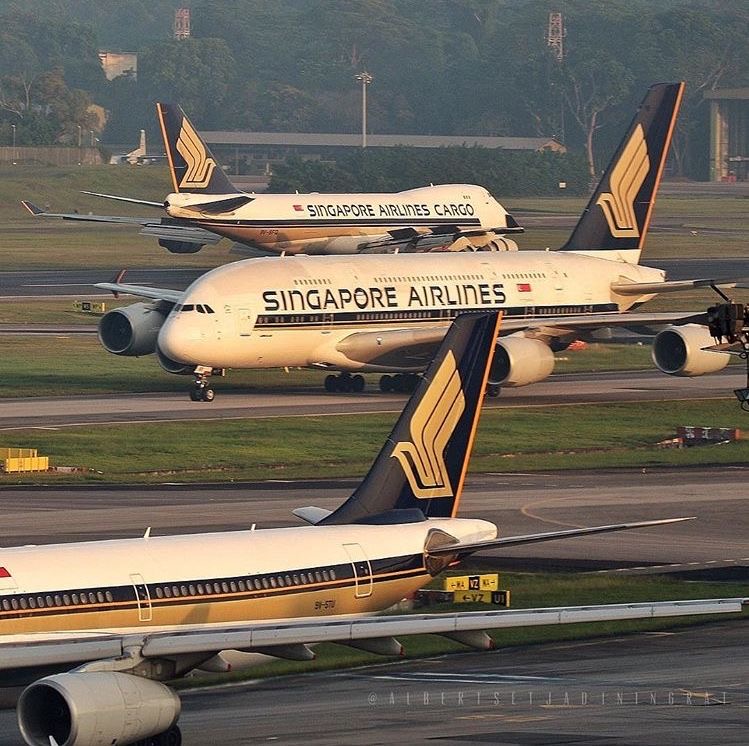
The Indian aviation story is further shaped by bilateral and strategic expansions. Air India and Singapore Airlines have expanded their commercial partnership to deepen air links between the two countries, offering passengers more options and smoother connections. turn0news4 As India’s carriers continue to extend their international footprint, these collaborations reflect the global nature of aviation and the importance of strong connectivity for business and tourism.
Taken together, these developments underscore a sector in transition: one that is balancing growth aspirations with operational rigour and regulatory oversight, all while responding to evolving passenger demand and global economic pressures. India’s aviation landscape remains dynamic, and as infrastructure grows and connectivity deepens, the industry will continue to draw attention from travellers, investors and policymakers alike.