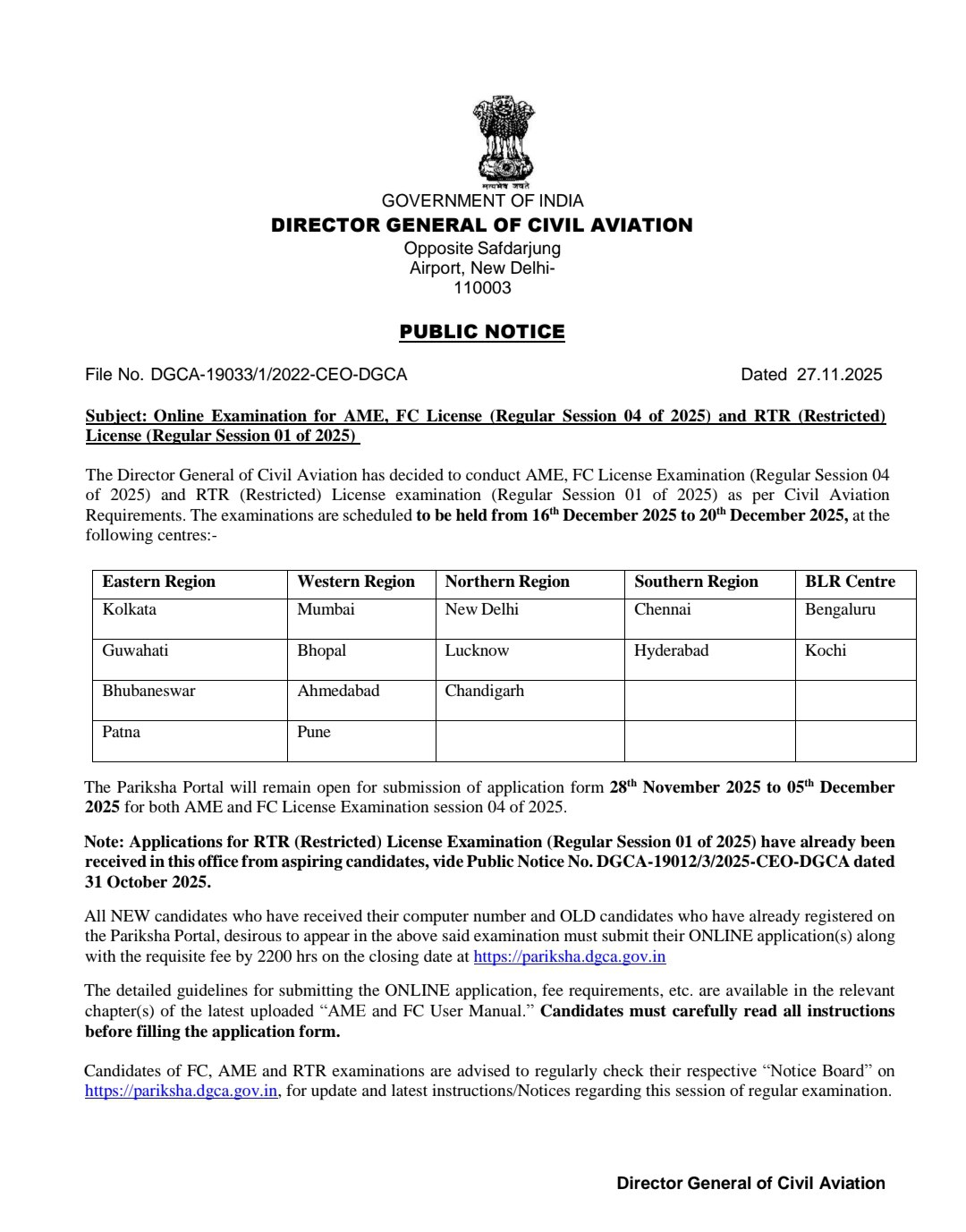
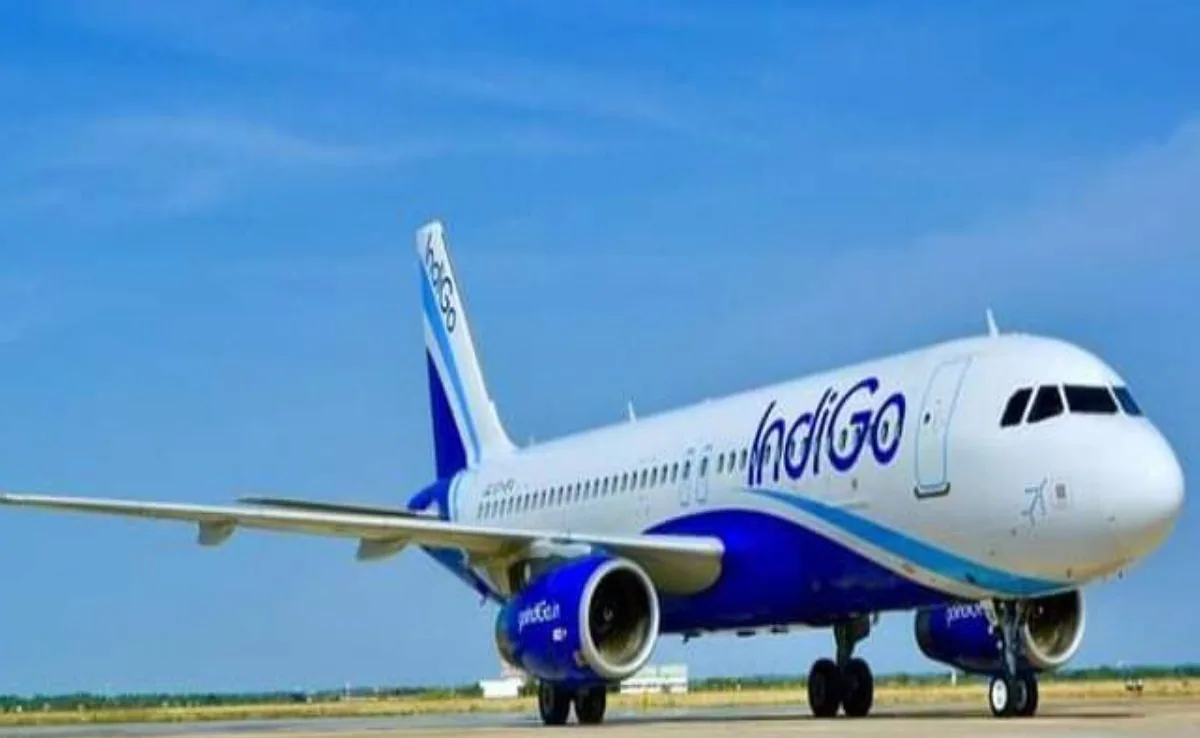
India’s aviation regulator has introduced a new safety rule that prohibits passengers from using power banks onboard aircraft during flights. The decision comes amid growing concern over the fire risks associated with lithium-ion batteries, which are commonly used in portable power packs for charging phones, tablets, and other electronic devices. The Directorate General of Civil Aviation (DGCA) says the move is aimed at enhancing passenger safety and preventing incidents linked to overheating or ignition of these batteries in the cabin.
Under the updated rule, while passengers can still carry power banks in their carry-on baggage, they will not be permitted to use them during the flight. This means that devices must remain switched off and disconnected for the duration of the journey. The DGCA’s advisory specifies that the restriction applies from the moment the aircraft doors close until they reopen upon landing, covering all phases of flight when cabin crew need to focus on operational tasks.
The call for this change was influenced by increasing reports of lithium-battery fires globally, some of which have involved consumer power banks. Although most such devices are safe when used correctly, regulators believe that the risk profile changes when they are operating in confined spaces like aircraft cabins, where fire suppression and evacuation options are limited. The DGCA has emphasised that mitigating even rare risks is crucial in an environment where passenger safety must be the top priority.
Airlines operating within India will now update their pre-flight safety briefings and inflight literature to reflect the new rule. Cabin crew will be trained to remind passengers of the ban and to ensure compliance throughout the flight. Airlines have also been instructed to monitor compliance discreetly, as passenger comfort and experience remain a key consideration during travel.
Passengers affected by the rule change have reacted with a mix of understanding and frustration. Frequent flyers, in particular, expressed concern that they often rely on power banks to keep devices charged during long flights, especially when airline power outlets are unavailable or not functioning. At the same time, many travellers acknowledged that safety considerations should take precedence over convenience, particularly on crowded flights where the consequences of a battery fire could be severe.
Technology experts weighed in on the matter, noting that lithium-ion batteries, while ubiquitous, do carry inherent risks if damaged, improperly manufactured, or charged incorrectly. These batteries can undergo thermal runaway, a condition where internal reactions cause rapid heating and possible ignition. Regulators in several other countries have implemented similar restrictions, particularly for certain types of high-capacity power packs.
The DGCA’s new guidance also includes recommendations for proper transport of power banks, such as ensuring that they are carried in hand luggage with protective covers and that exposed terminals are properly insulated. The advisory reminds passengers that checked baggage is not an appropriate location for power banks due to the inability of flight crews to monitor or respond quickly in the event of a fire.
Experts in air travel safety say that the intent of the rule is not to inconvenience passengers but to reduce potential hazards. They highlight that similar restrictions exist for other high-energy devices and that passengers will benefit from clearer guidelines as airlines standardise their safety practices. Airlines are expected to roll out these updates in the coming weeks, allowing sufficient time for passengers to adjust to the new requirements.
In the long term, the DGCA has indicated that it will continue to review technological developments and industry best practices related to portable electronic devices. As battery technology evolves, so too might regulations balancing safety with passenger needs. For now, the emphasis remains on preventing avoidable risks in the unique environment of an aircraft in flight.