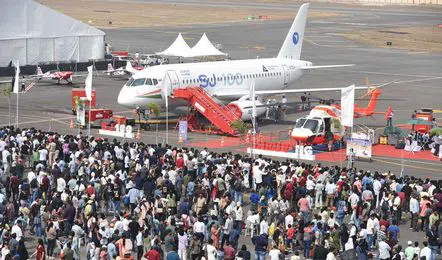
Wings India 2026 concluded after several days of intense activity, drawing over 70,000 visitors from India and abroad, and delivering a series of major announcements that showcased the rapid evolution of India’s aviation sector. The event, held in Hyderabad, brought together airline executives, aerospace manufacturers, aviation service providers, policymakers and global delegations to highlight India’s rising influence in the global aviation ecosystem.
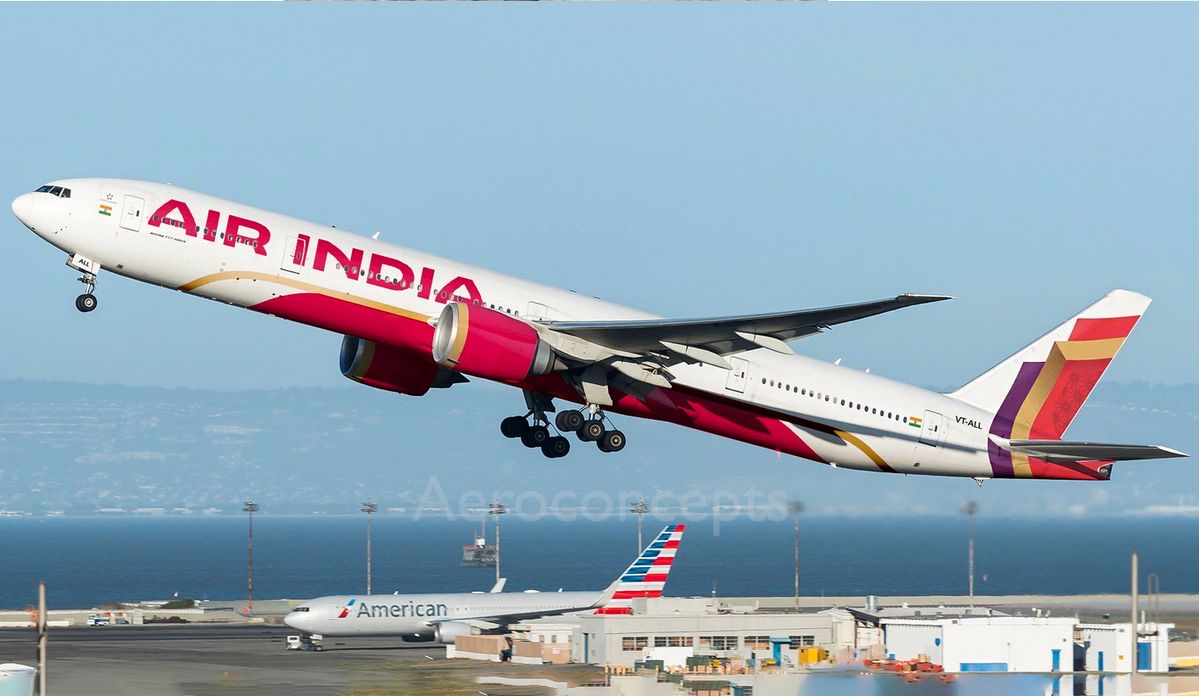
A wide range of new commitments and strategic partnerships were unveiled during the conclave, underscoring the confidence that both domestic and international players have in India’s civil aviation growth story. Key highlights included significant aircraft orders by Indian carriers, proposed collaborations in aircraft manufacturing and partnerships in training and maintenance services. These announcements reflect broader trends of fleet expansion, network extension and the localisation of aviation value chains within India.
The expo also showcased emerging technologies and innovations in the sector, with exhibitors highlighting advancements in sustainable aviation fuels, next-generation aircraft systems, air traffic management tools and digital solutions that enhance operational efficiency. Delegates emphasised the role of innovation in shaping future aviation capabilities, especially as India positions itself to meet growing passenger demand and increase its global connectivity.
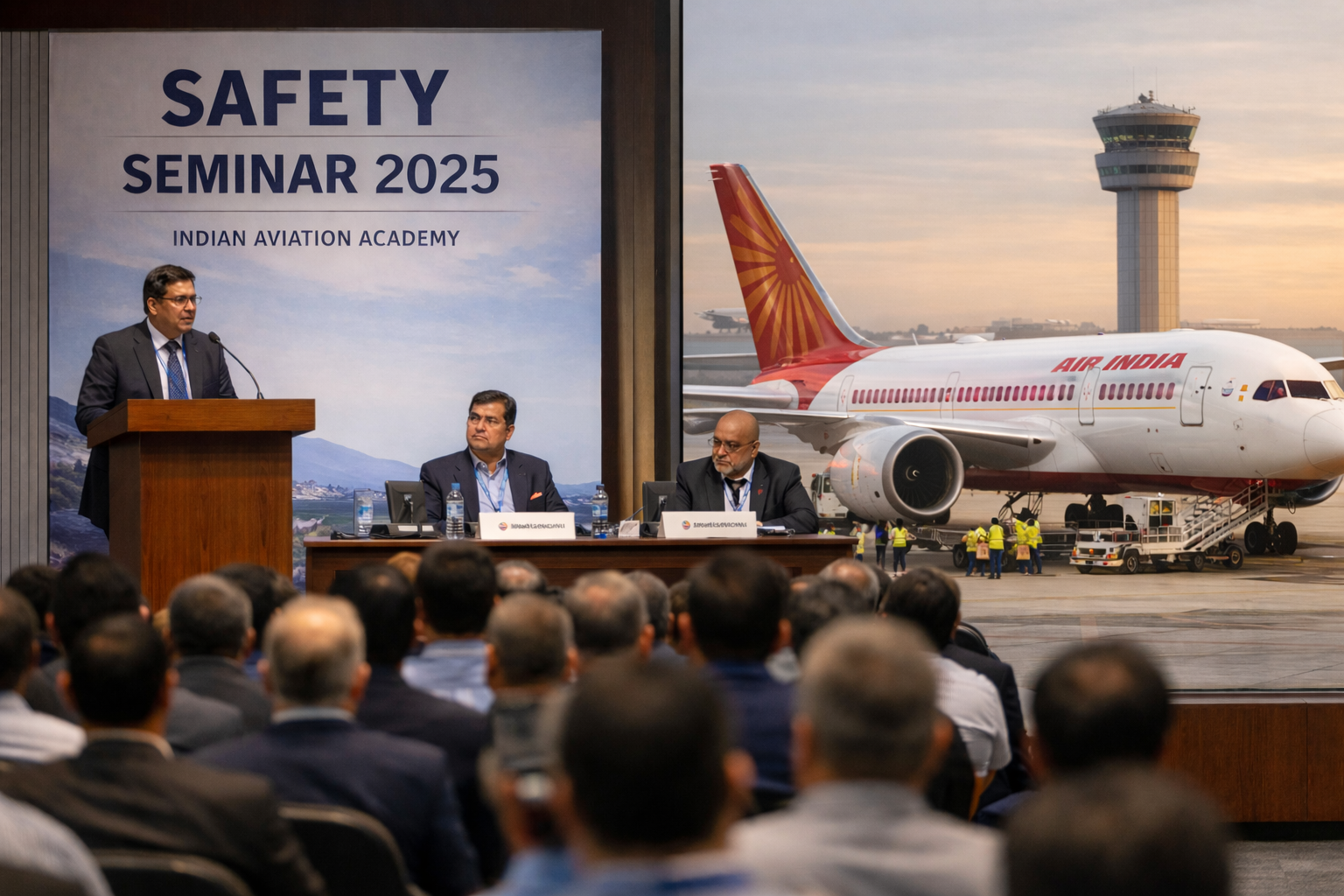
In addition to commercial announcements, Wings India 2026 hosted forums and roundtables focusing on regulatory reforms, investment opportunities, workforce development and aviation safety. Leaders from government and industry alike stressed the importance of coordinated policy support to sustain the momentum in infrastructure development, airport modernisation and airline competitiveness.
One of the focal points of discussion was India’s push to foster a more robust aerospace manufacturing ecosystem, including potential joint ventures for final assembly lines and components production. Delegates noted that such initiatives could reduce dependence on imports, create high-skill jobs and integrate India more deeply into global supply chains.
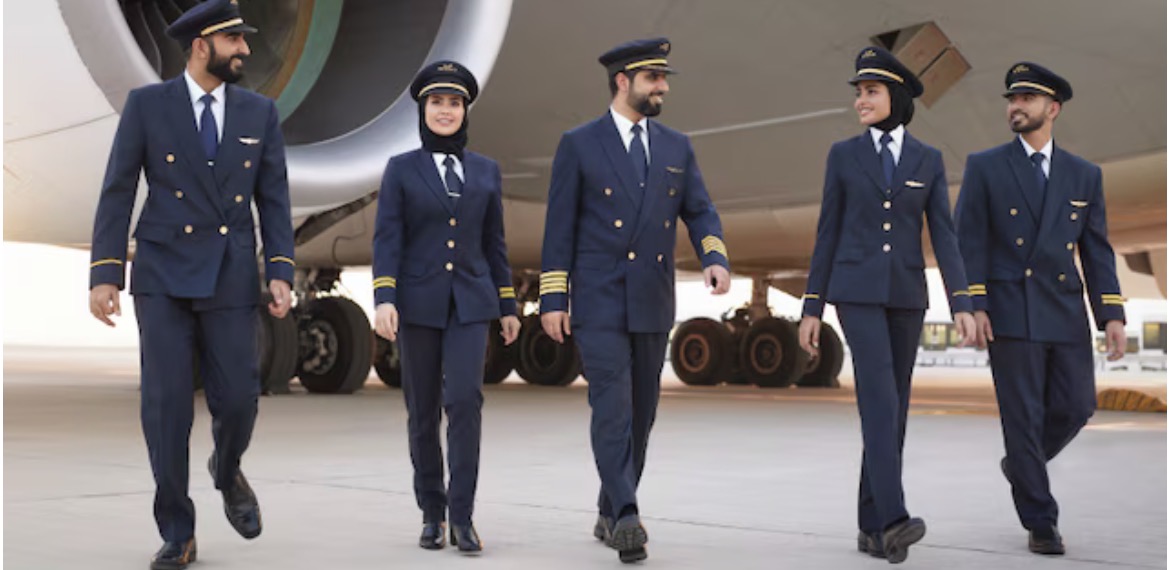
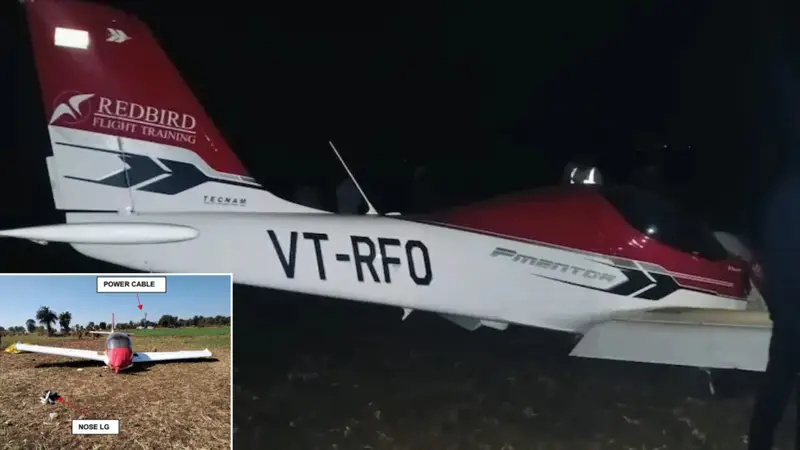
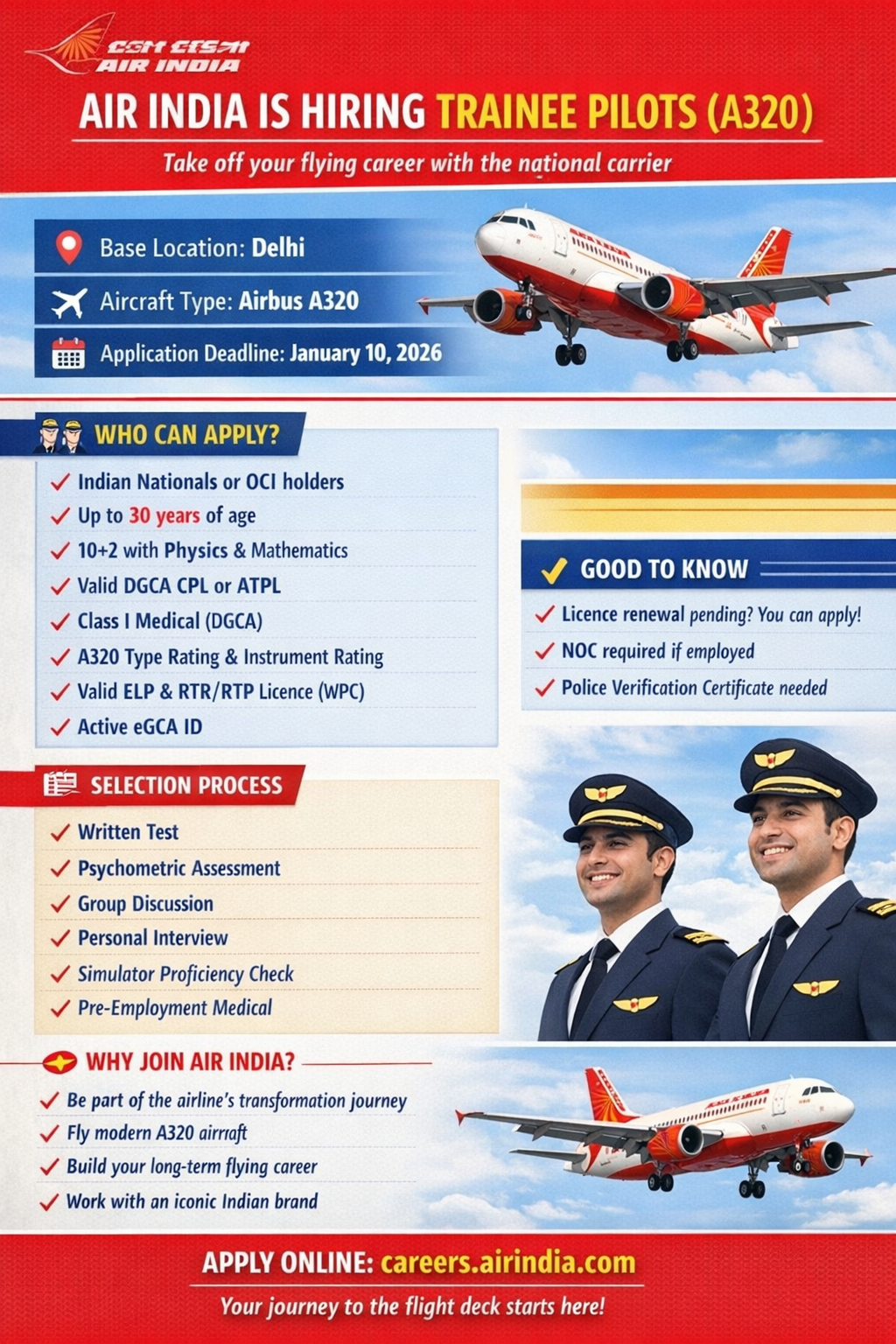
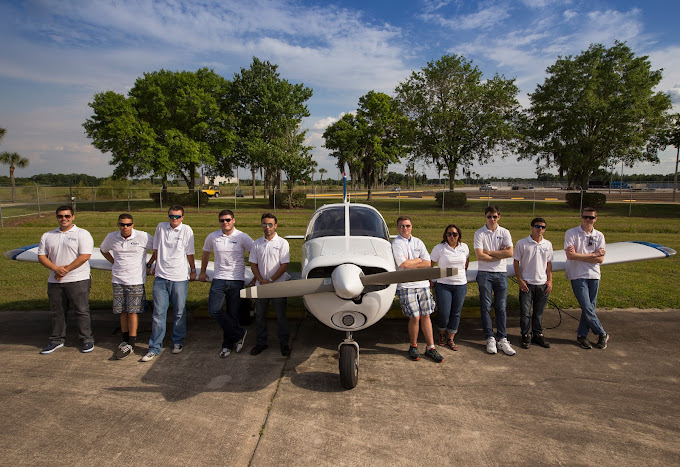
Training and human capital development was another prominent theme, with aviation organisations announcing new programs to scale pilot training, aircraft maintenance engineer education and specialised skill development to support the sector’s rapid expansion. These efforts are seen as critical to maintaining safety, operational excellence and long-term growth as airlines scale fleets and introduce new aircraft types.
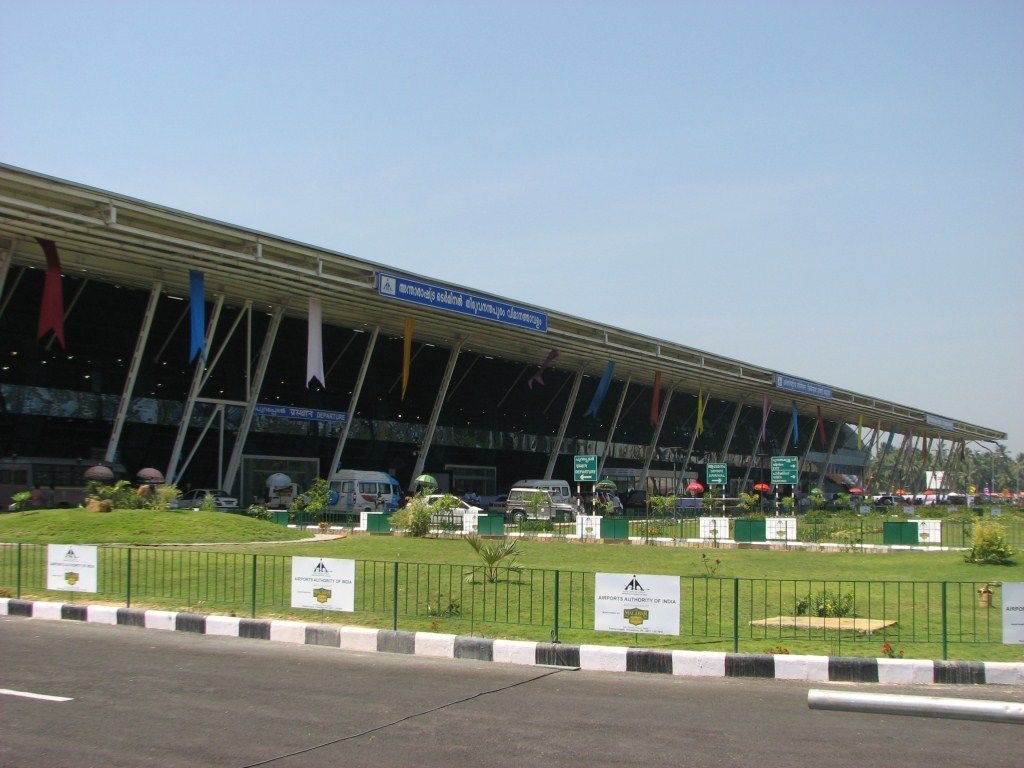
Airport operators engaged investors and service providers in talks about improving passenger experience, enhancing cargo capabilities and deploying smart infrastructure solutions to handle increasing traffic. With India’s aviation market projected to become one of the world’s largest in coming years, the focus on efficient airport operations and passenger services resonated across all Wings India 2026 activities.
Regional connectivity initiatives also featured prominently, with stakeholders reviewing progress on underserved routes and discussing how to extend flight services to smaller cities and remote regions. Increased connectivity under national programs has stimulated travel demand and contributed to economic uplift in previously isolated areas, reinforcing the importance of balanced network growth.
By the closing day, Wings India 2026 had succeeded not only in showcasing India’s aviation achievements but also in fostering tangible commitments and strategic dialogue that are expected to shape the industry’s trajectory. With strong participation, fresh capital interest and a slate of announcements addressing fleet, infrastructure and skills, the event reflected a mature and forward-looking aviation sector that is ready to take on both domestic and global challenges.
The momentum from Wings India 2026 is likely to carry forward into 2027 and beyond as airlines, manufacturers, regulators and service providers work together to translate the announcements into reality, reinforcing India’s status as a key node in international aviation growth. Stakeholders left the event optimistic, united in the belief that collaborative action will fuel continued expansion and innovation across the industry.