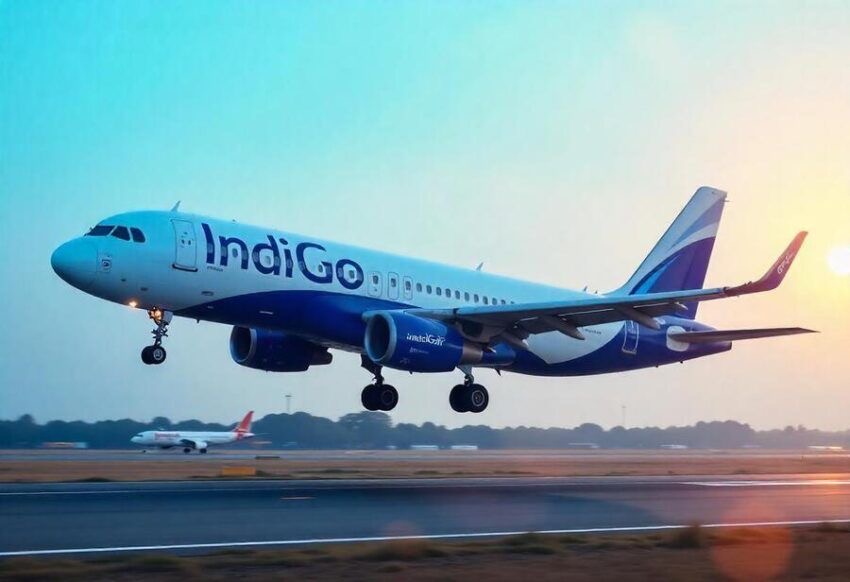
The ongoing concerns surrounding IndiGo Airlines’ recent flight disruptions have reached the country’s highest judicial forum, with the Supreme Court taking up a public interest litigation (PIL) that highlighted widespread passenger inconvenience caused by delays and cancellations. However, the apex court chose not to entertain the plea directly, instead directing the petitioner to approach the Delhi High Court for further proceedings.
During the hearing, the Supreme Court observed that the issues raised in the petition—relating to airline operations, passenger grievances, and regulatory oversight—fall squarely within the jurisdiction of the Delhi High Court. The bench noted that the high court would be the appropriate forum to examine the matter in detail, assess the allegations, and, if necessary, issue directions to the concerned authorities. The petitioner was accordingly granted liberty to move the high court for relief.
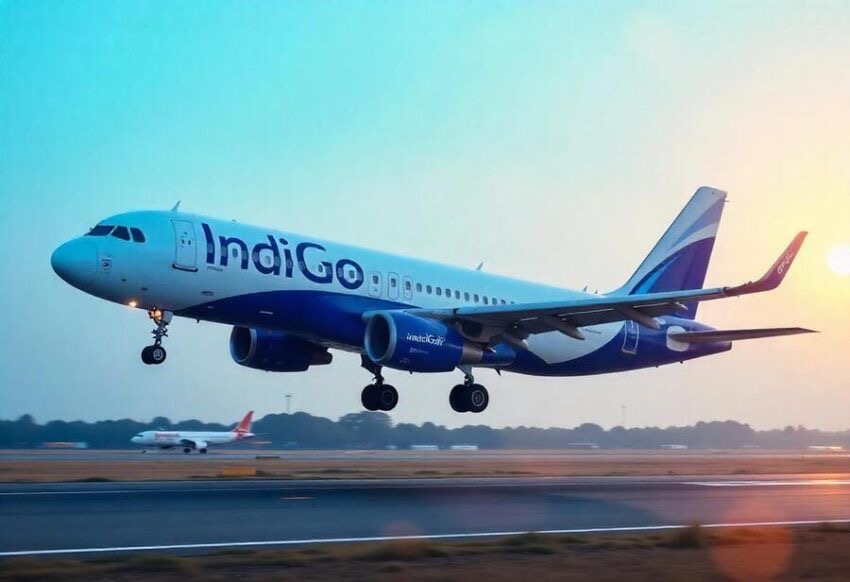
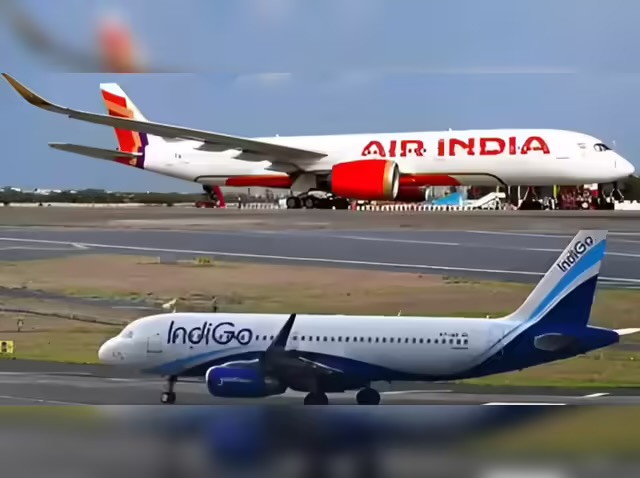
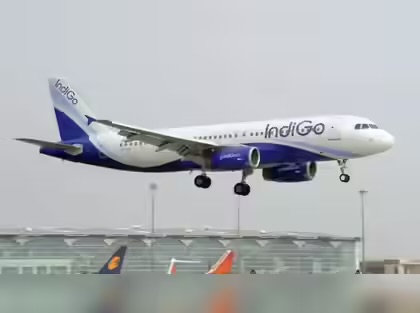
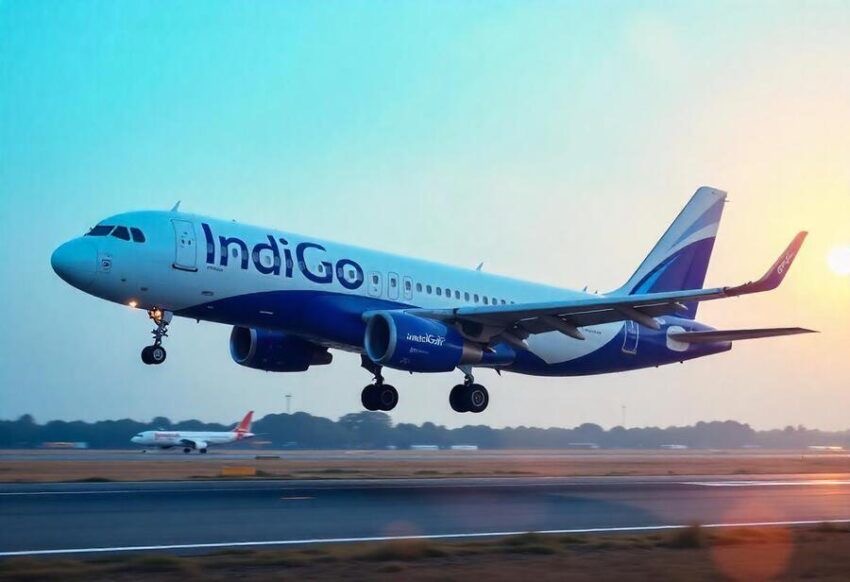
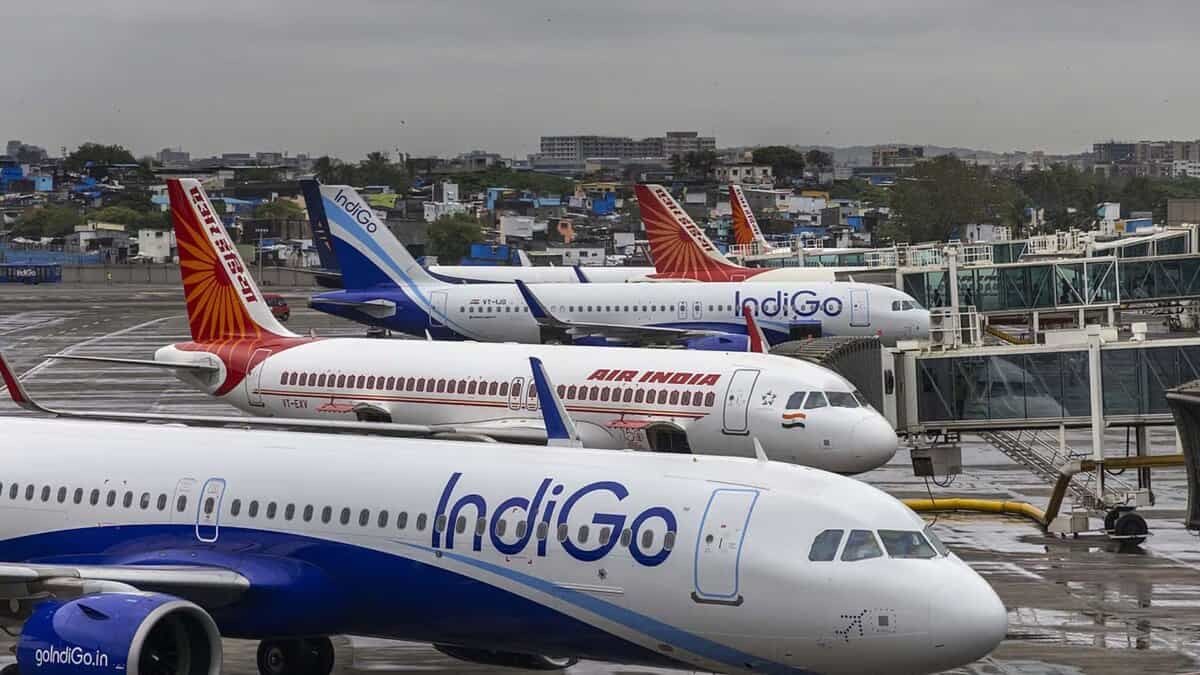
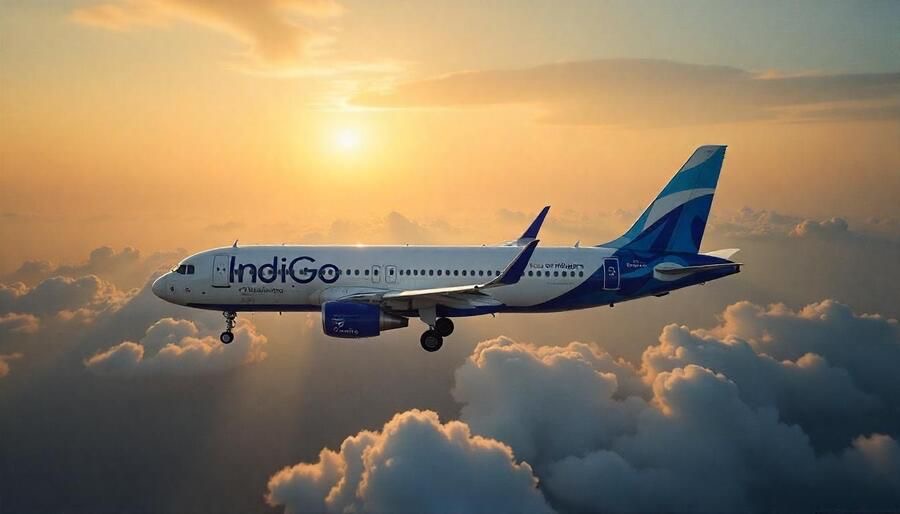
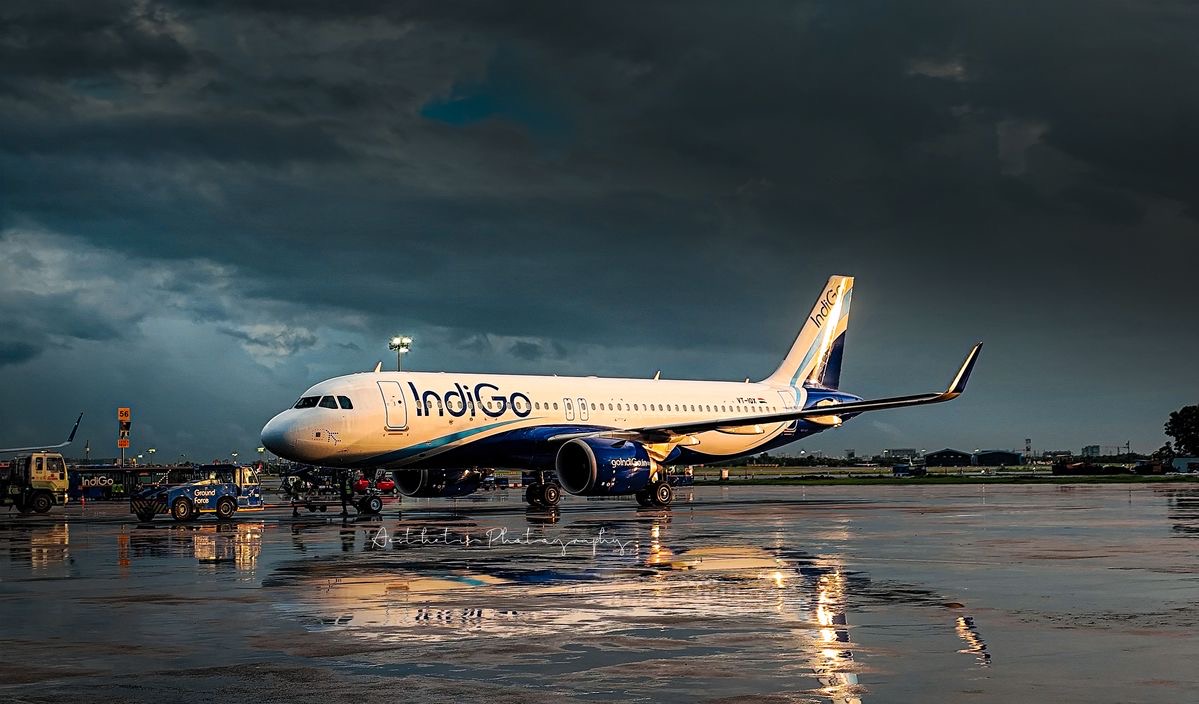
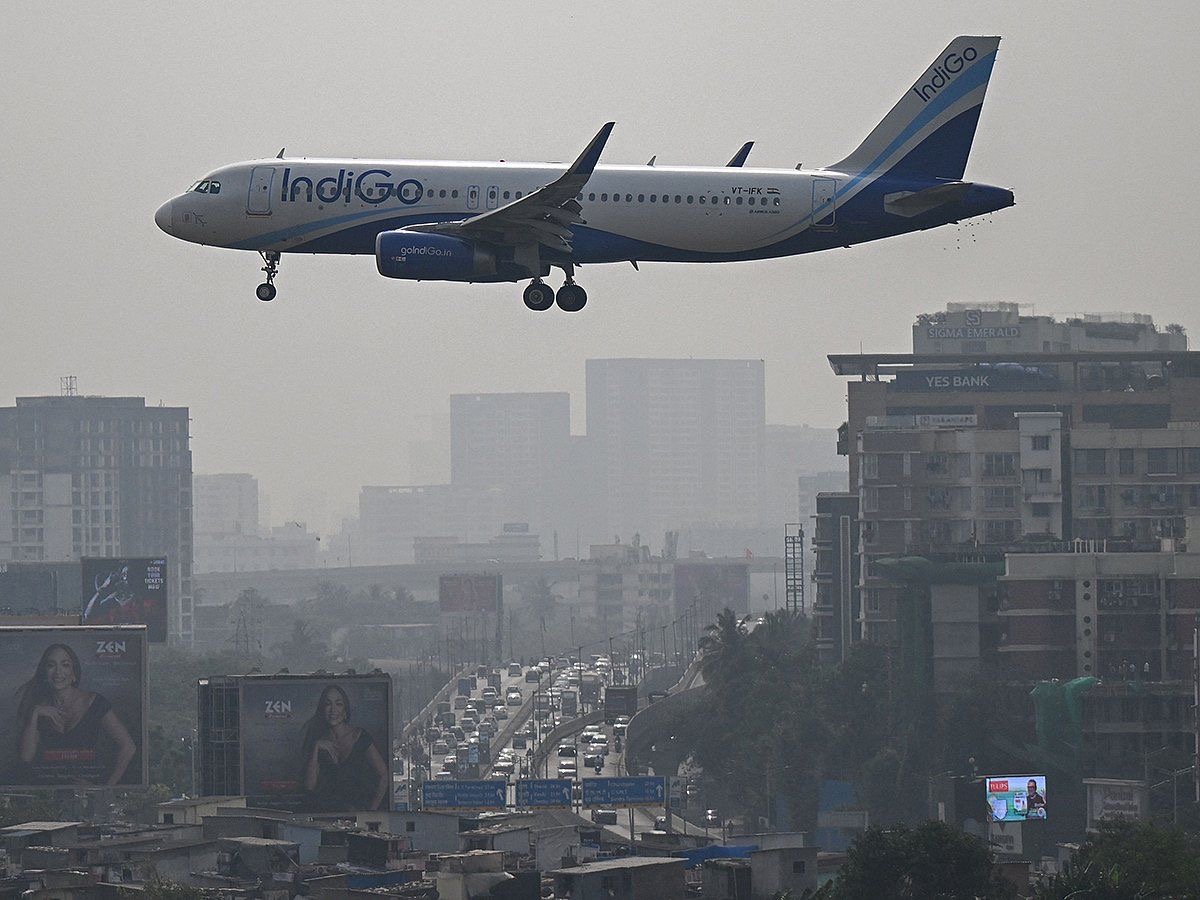
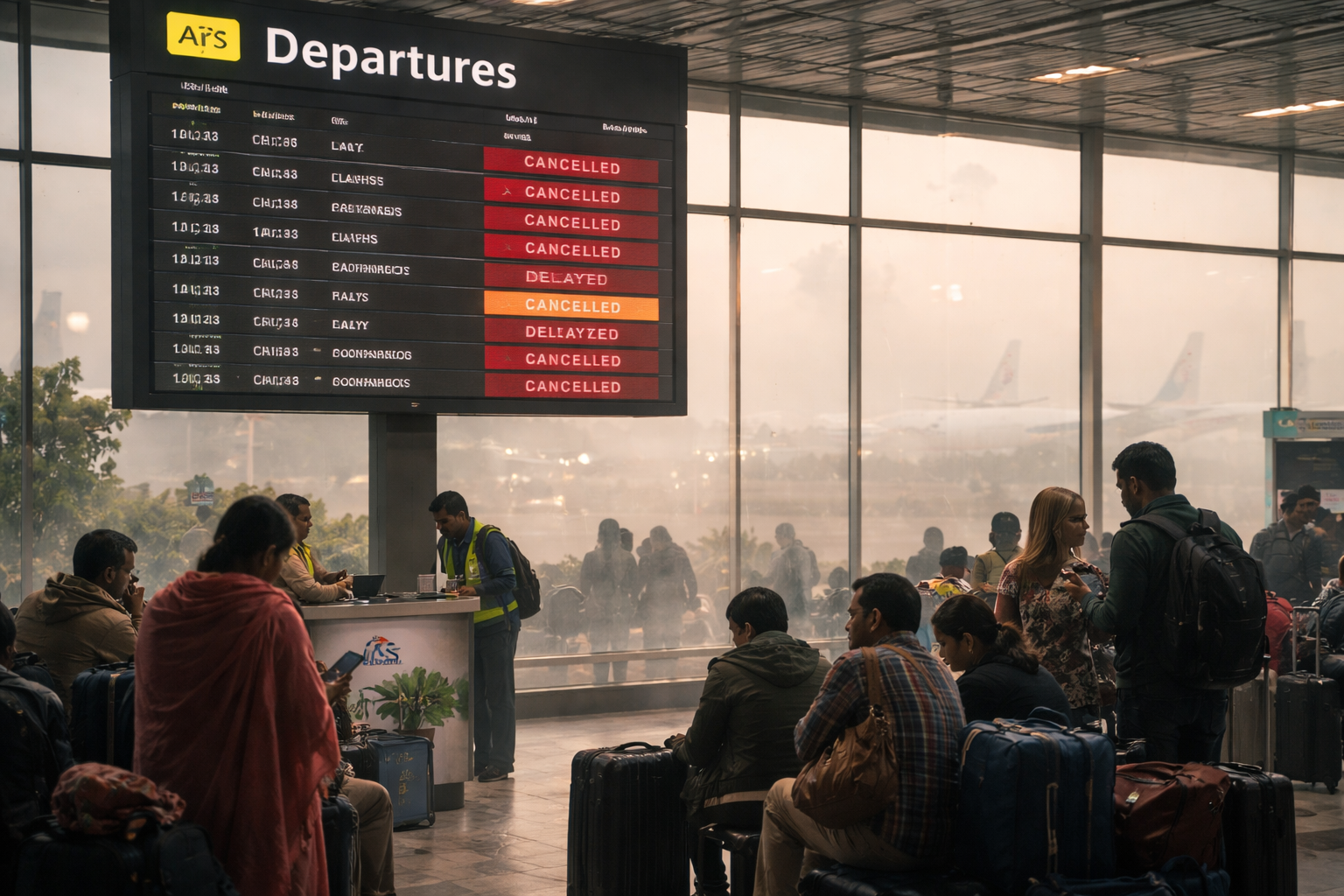
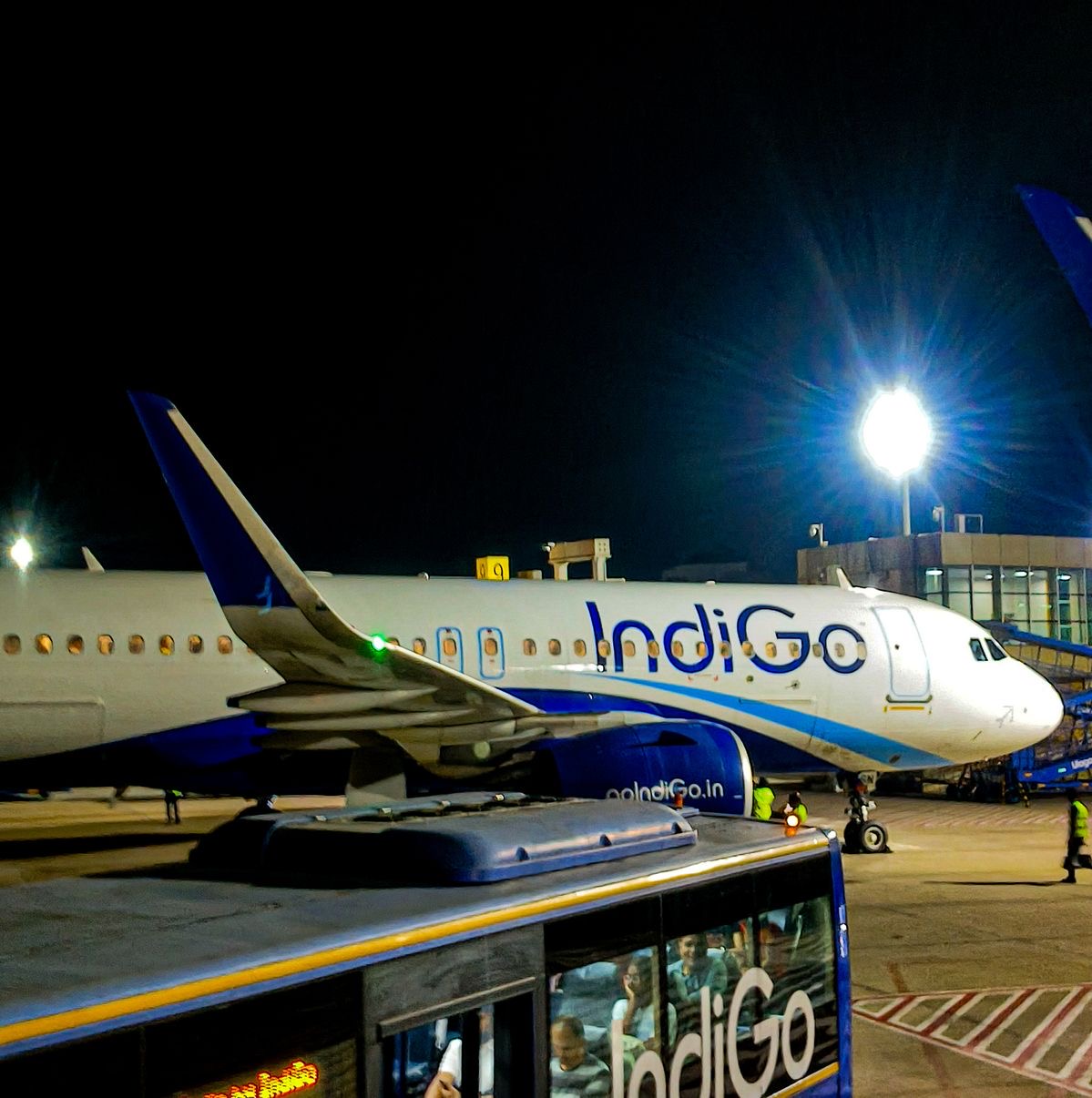
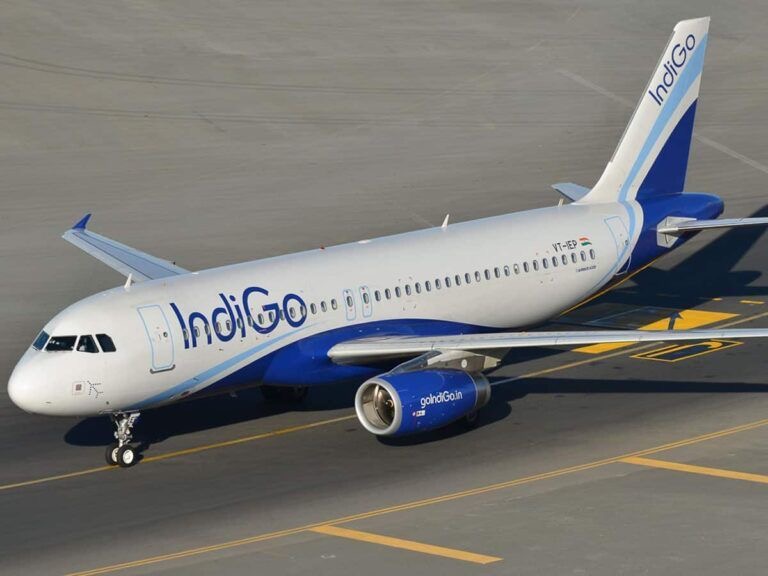
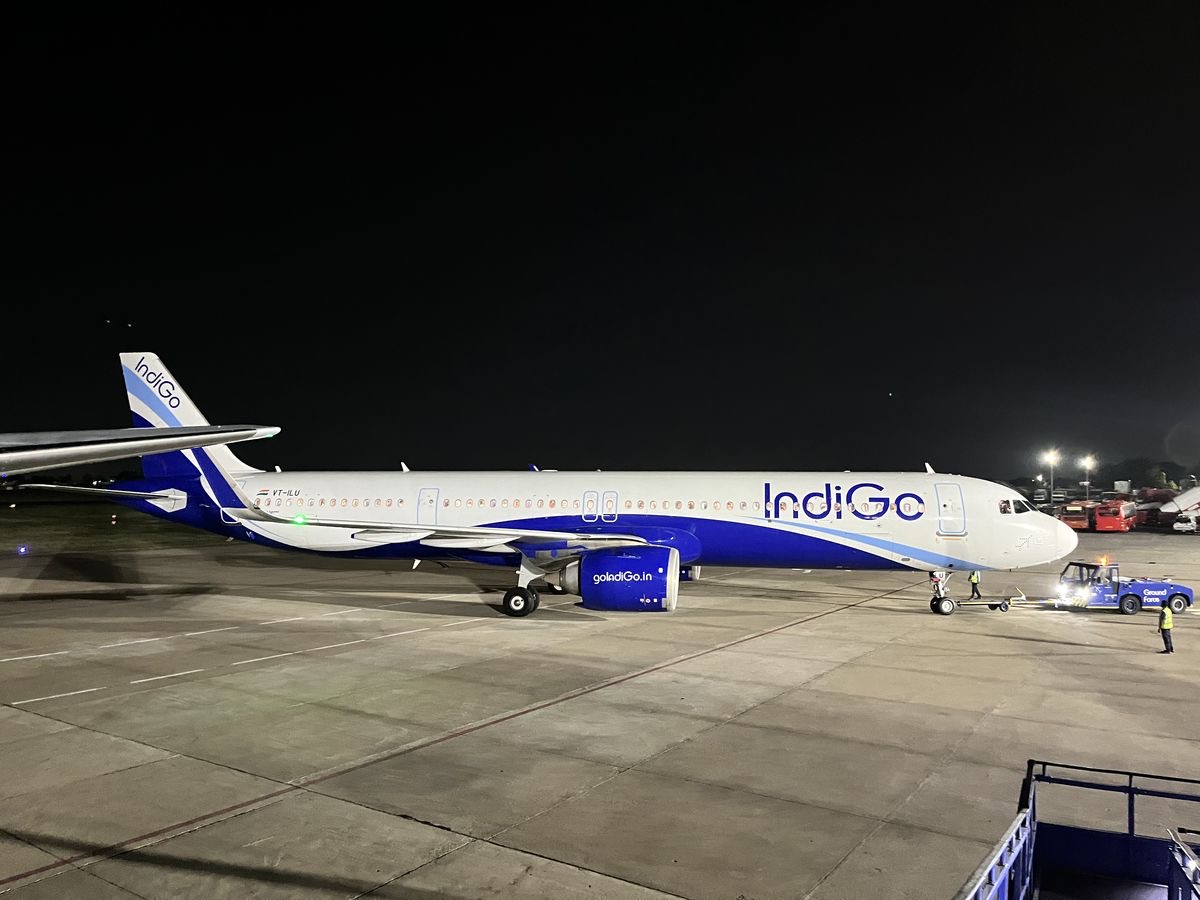
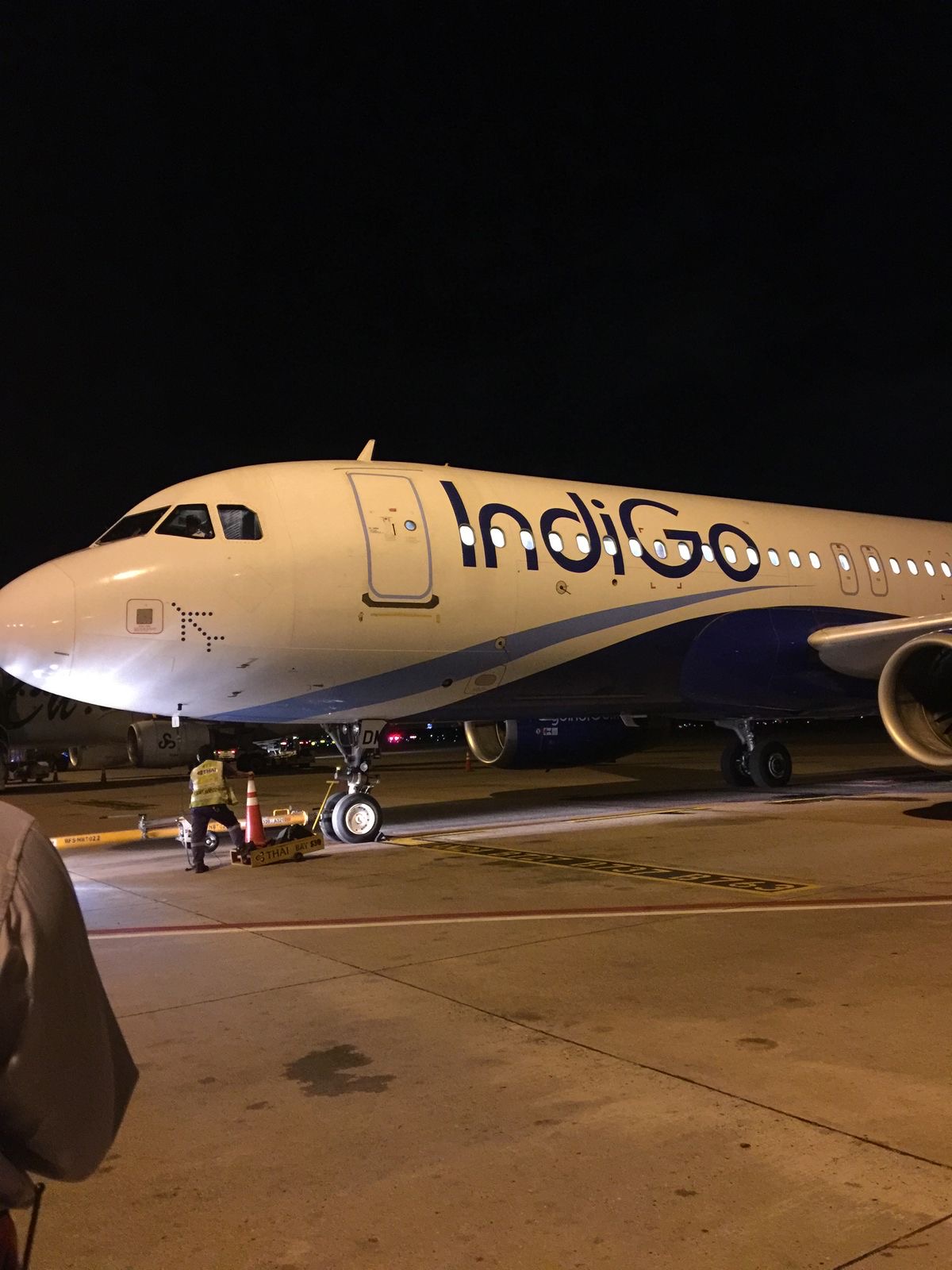
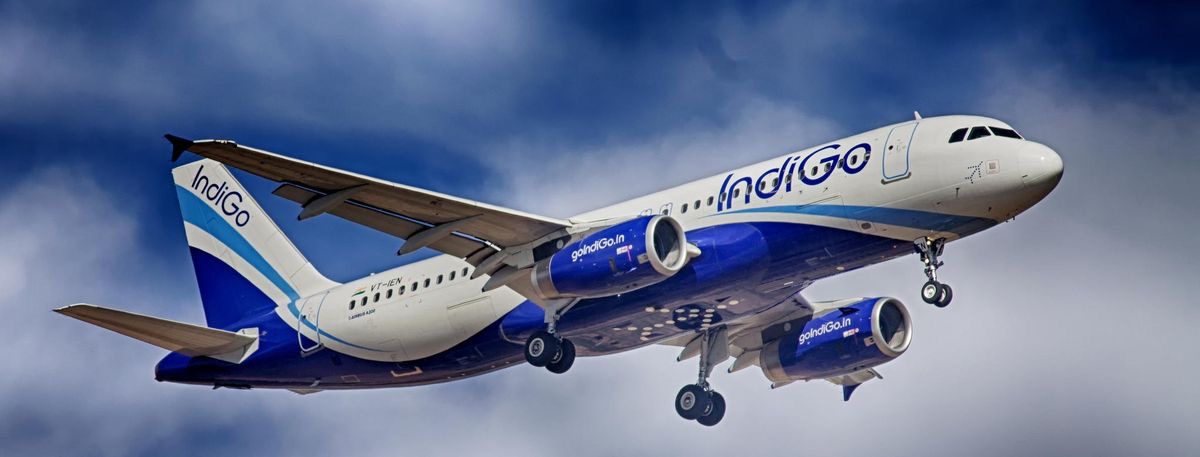
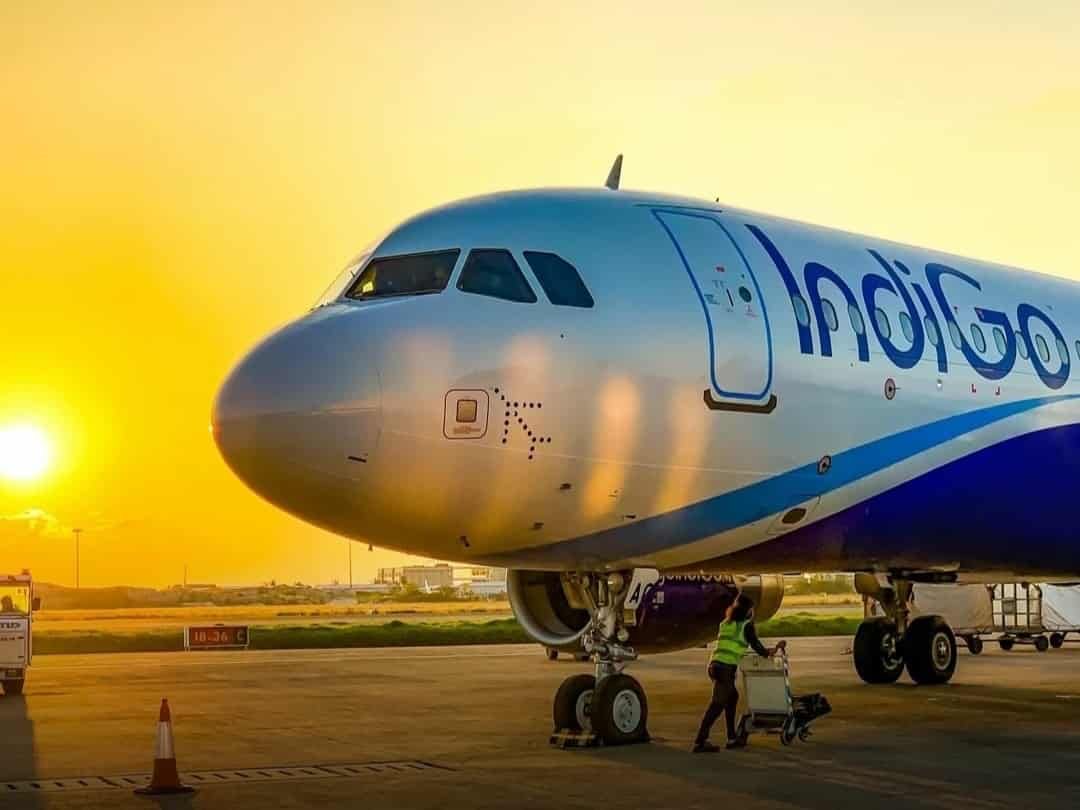
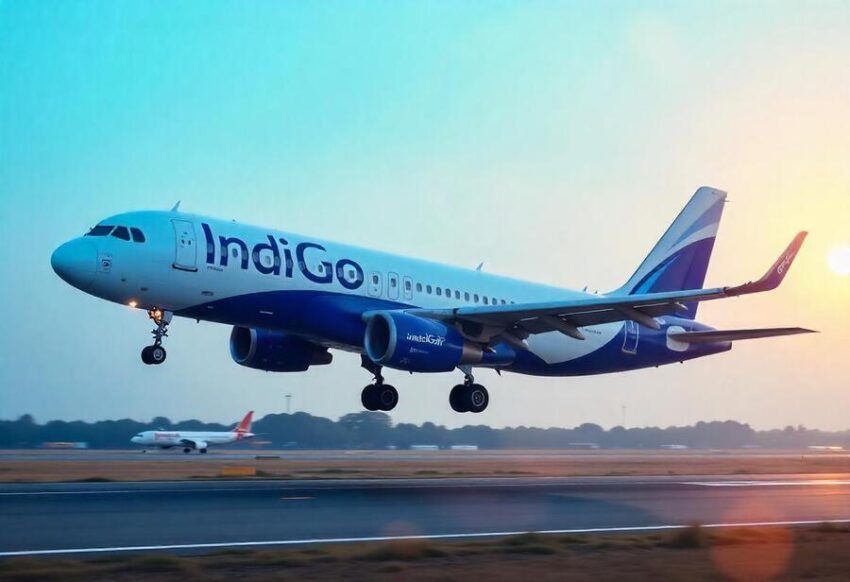
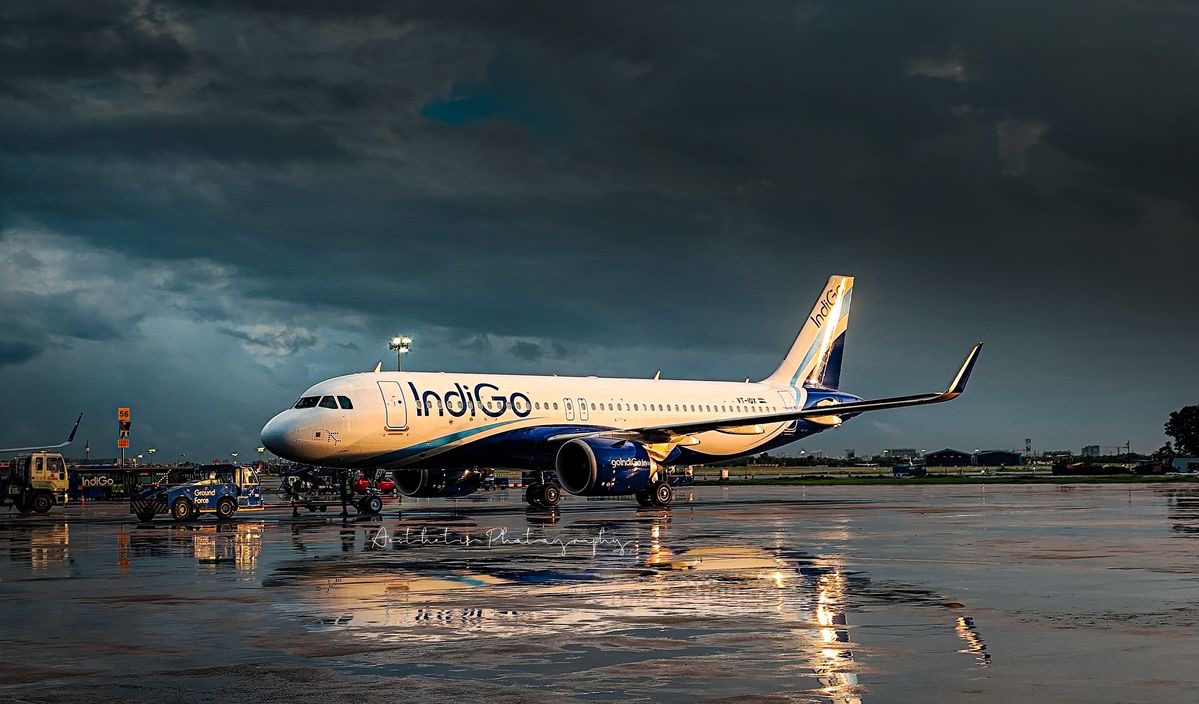
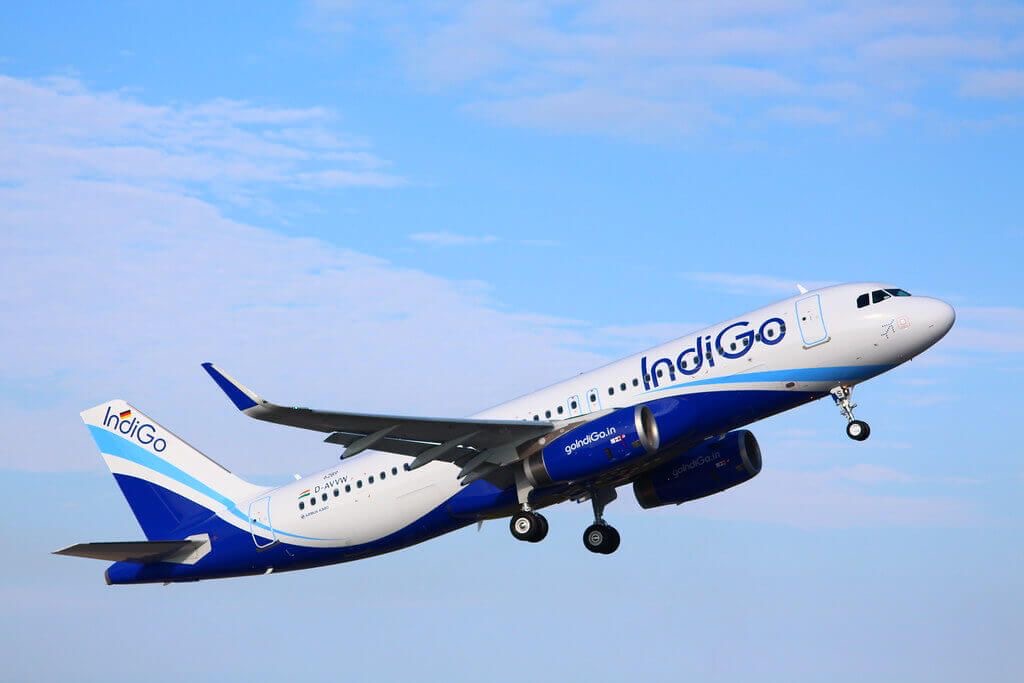
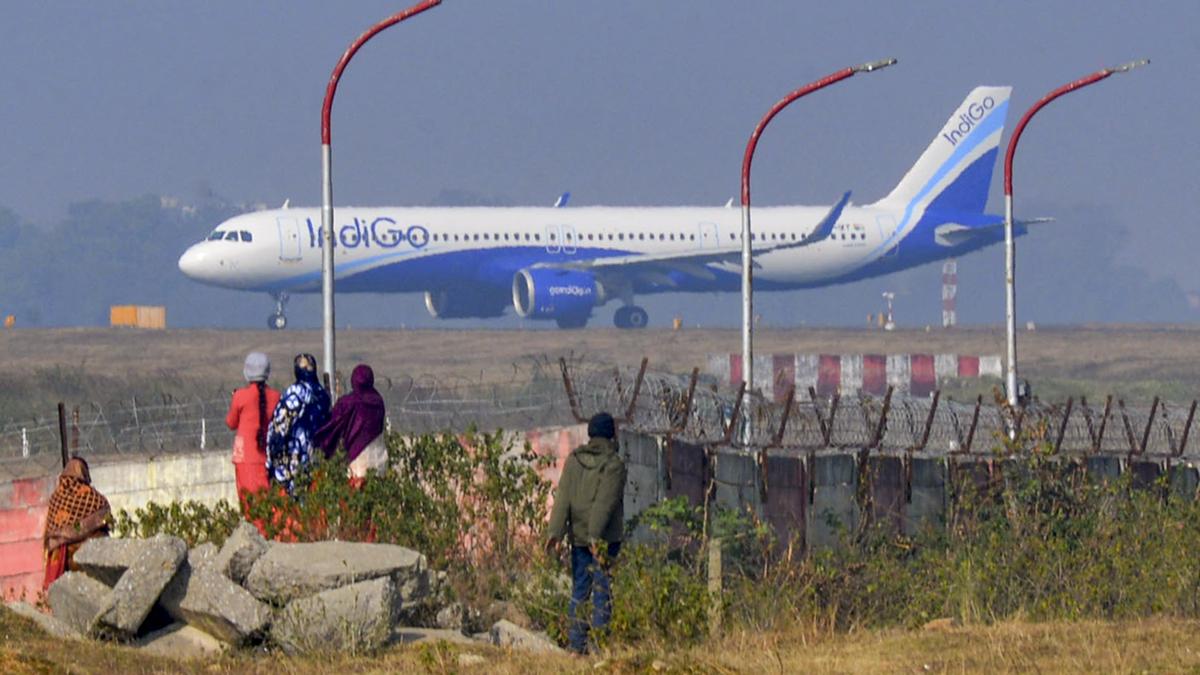
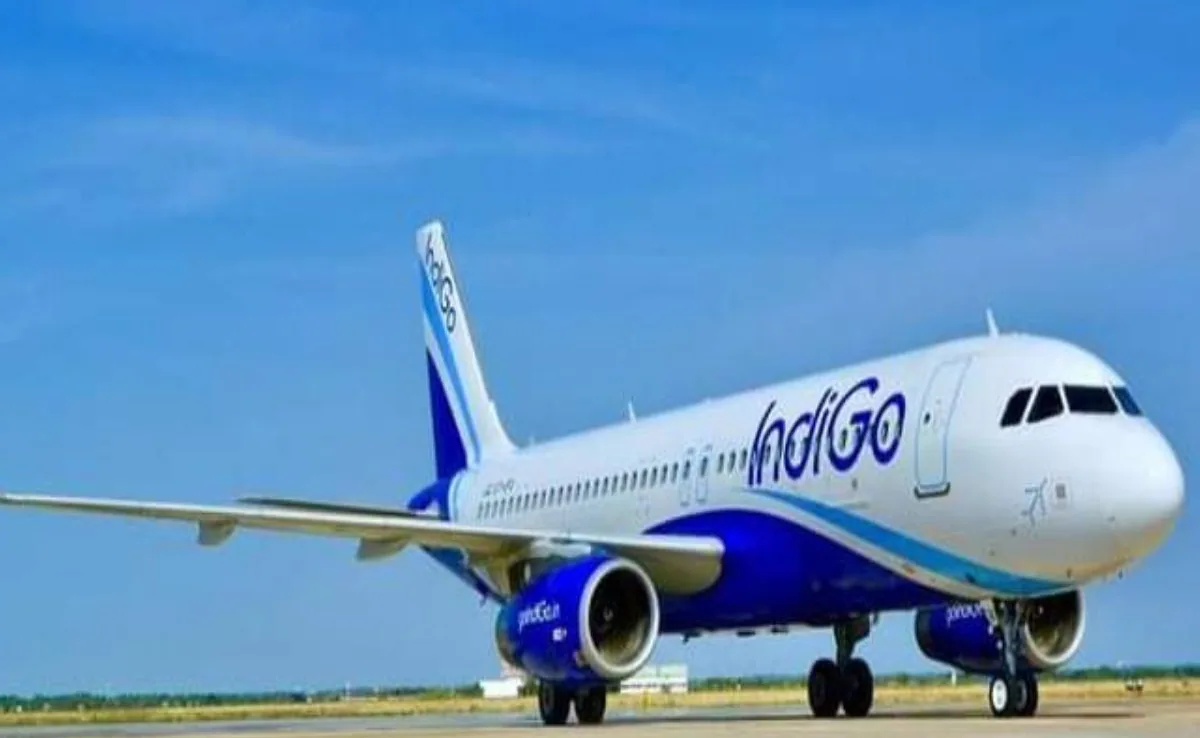
The PIL had drawn attention to the growing frustration among passengers amid repeated flight delays, cancellations, and operational challenges faced by IndiGo, India’s largest airline by market share. It sought judicial intervention to ensure that passengers are not left stranded or inadequately informed during such disruptions, and called for stricter monitoring of airline operations to prevent recurrence of similar situations.
While refraining from making any observations on the merits of the case, the Supreme Court’s decision effectively shifts the legal spotlight to the Delhi High Court, where the matter is now expected to be examined more closely. The plea also raises broader questions about consumer protection in the aviation sector, particularly during periods of operational stress when thousands of travellers may be affected simultaneously.
The development comes at a time when IndiGo has been facing heightened scrutiny from passengers, regulators, and the public due to recent operational challenges. It also reflects the increasing use of public interest litigation as a means to seek accountability and stronger safeguards for air travellers.
As the matter moves to the Delhi High Court, the case is likely to test how regulatory frameworks, airline responsibilities, and passenger rights intersect during large-scale flight disruptions—an issue that has gained growing relevance in India’s rapidly expanding aviation market.