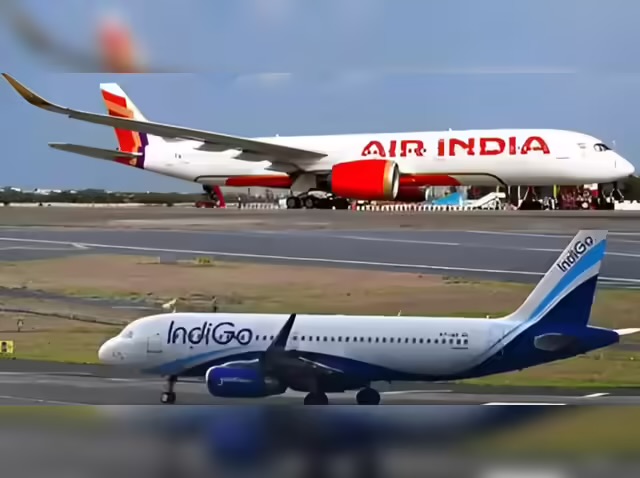
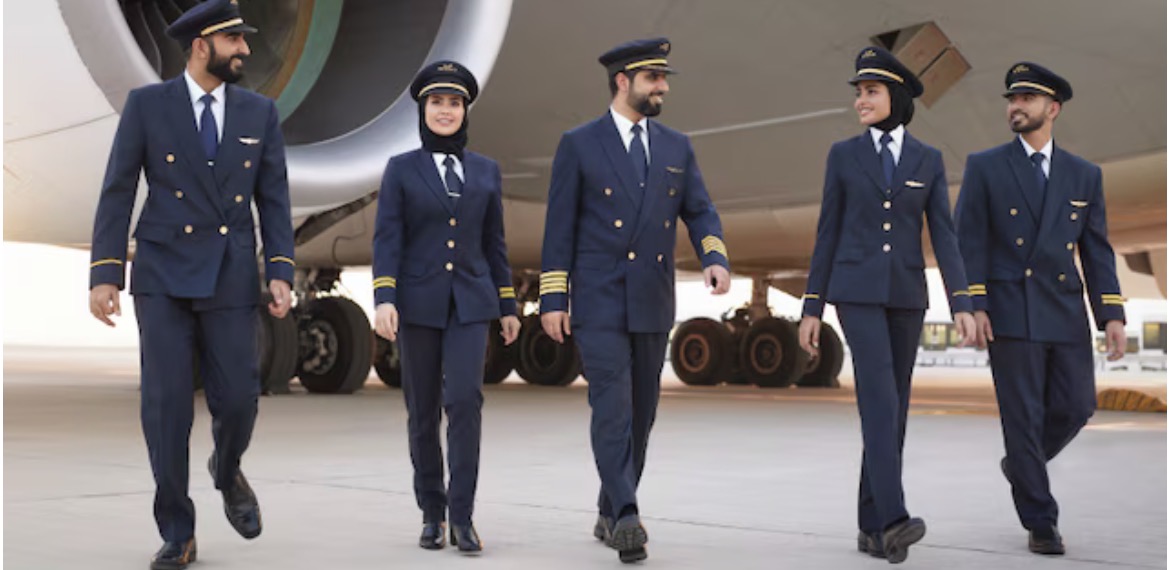
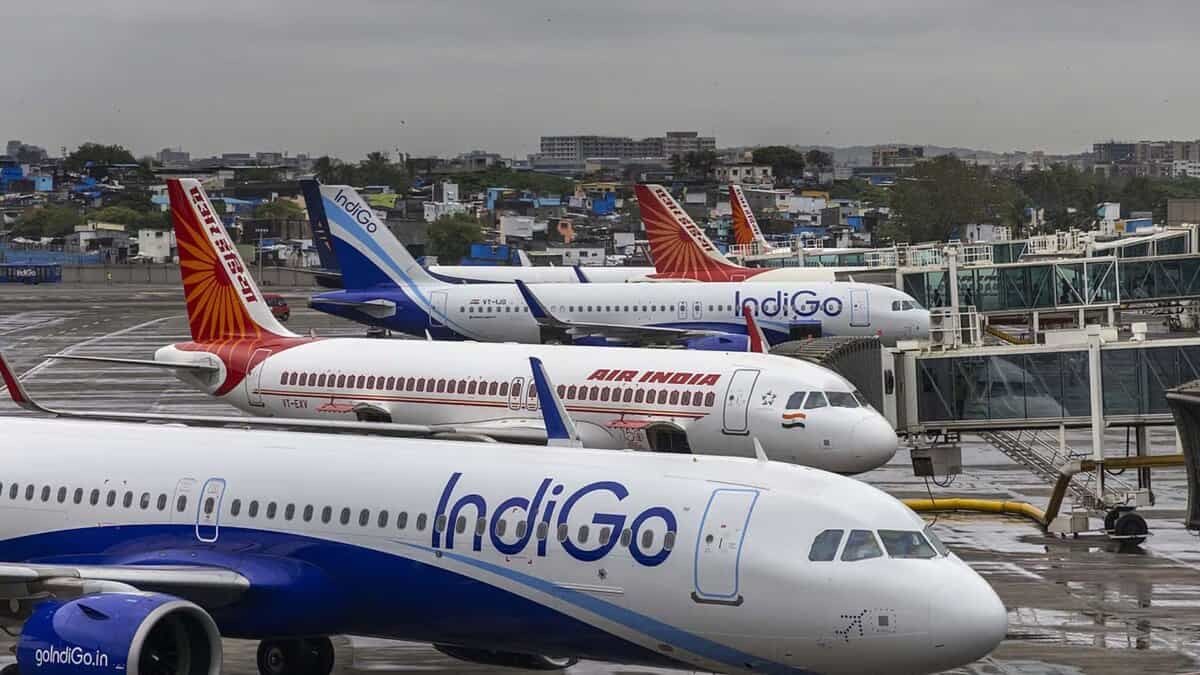
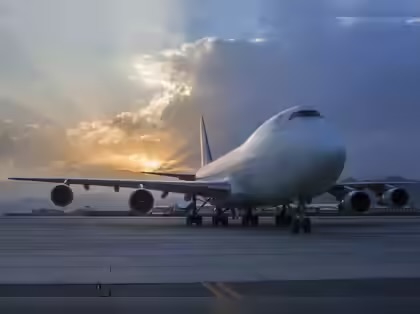
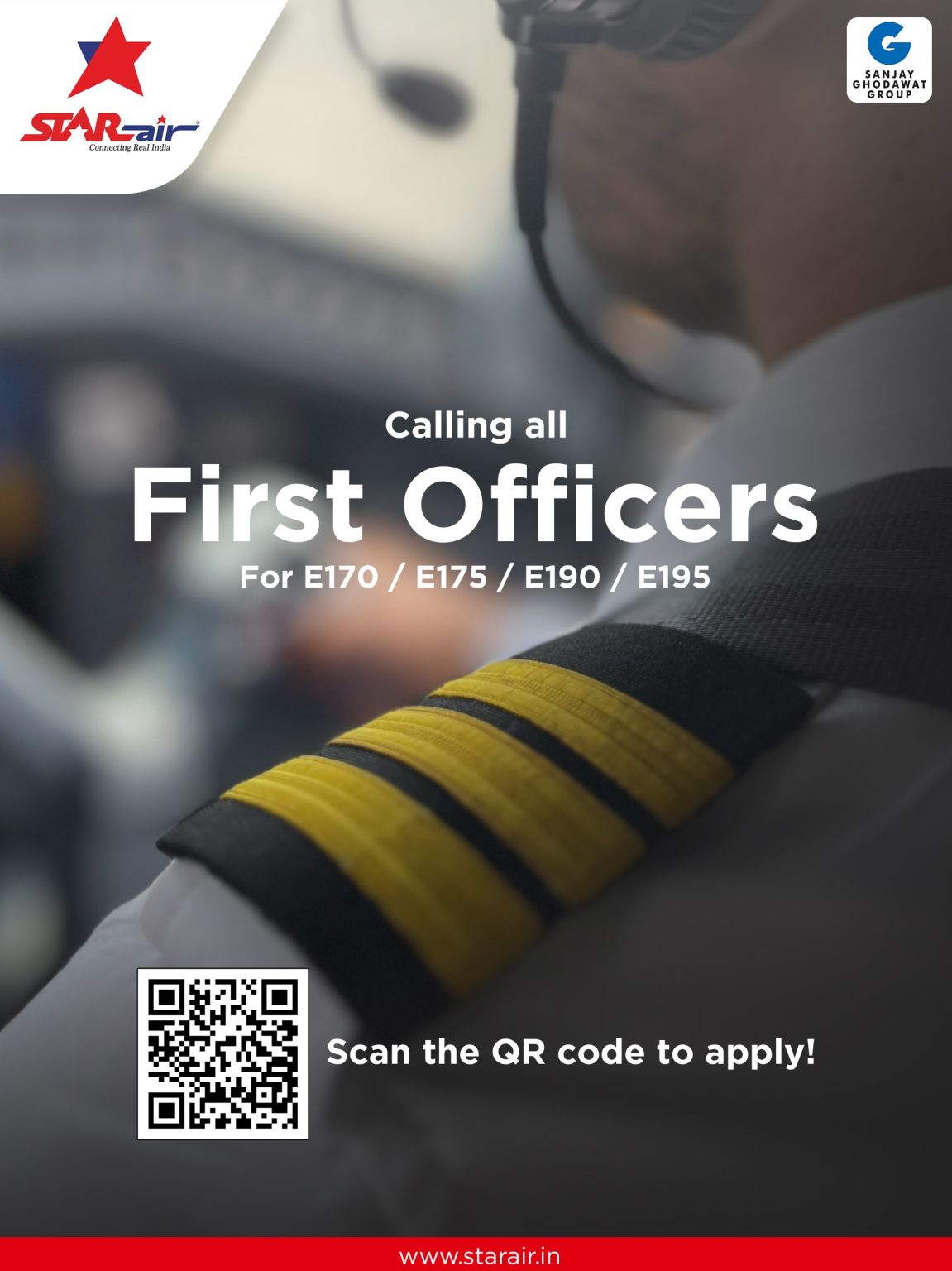
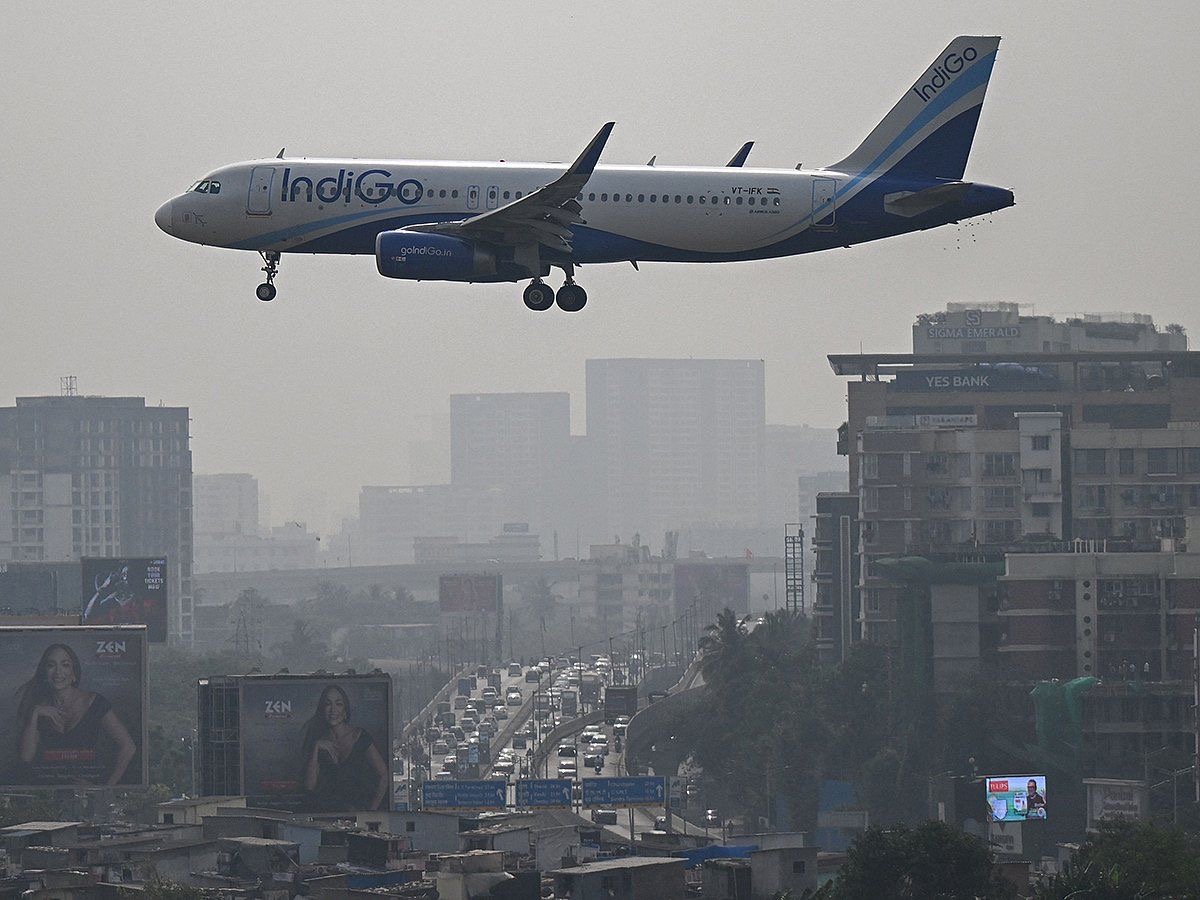
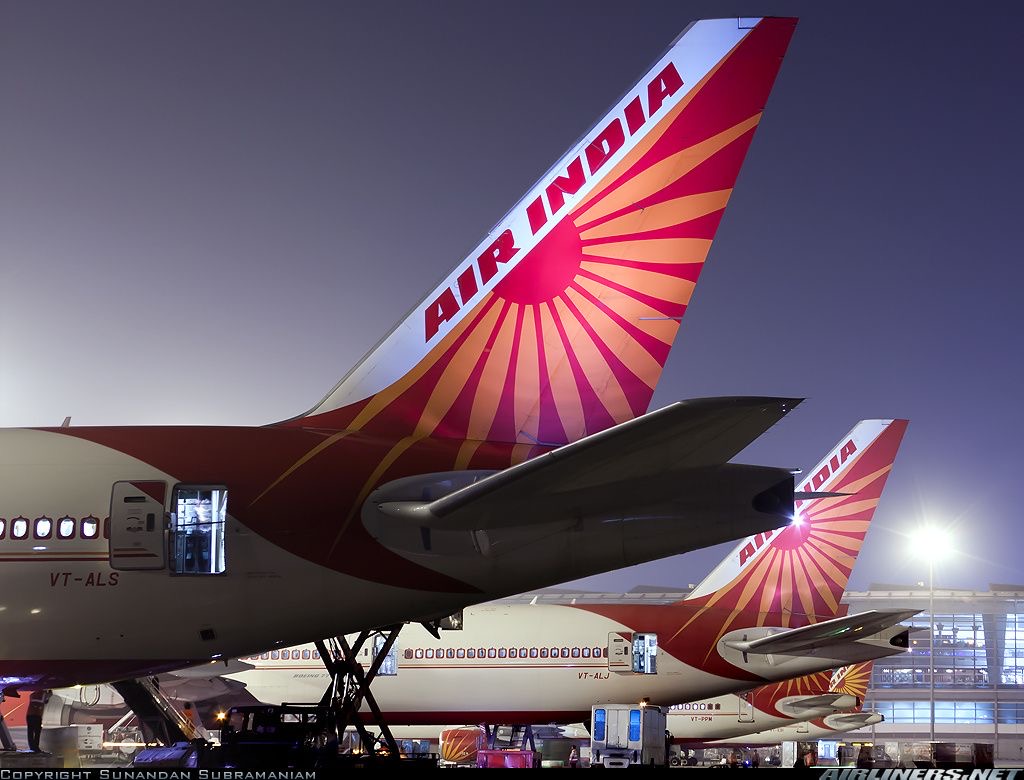
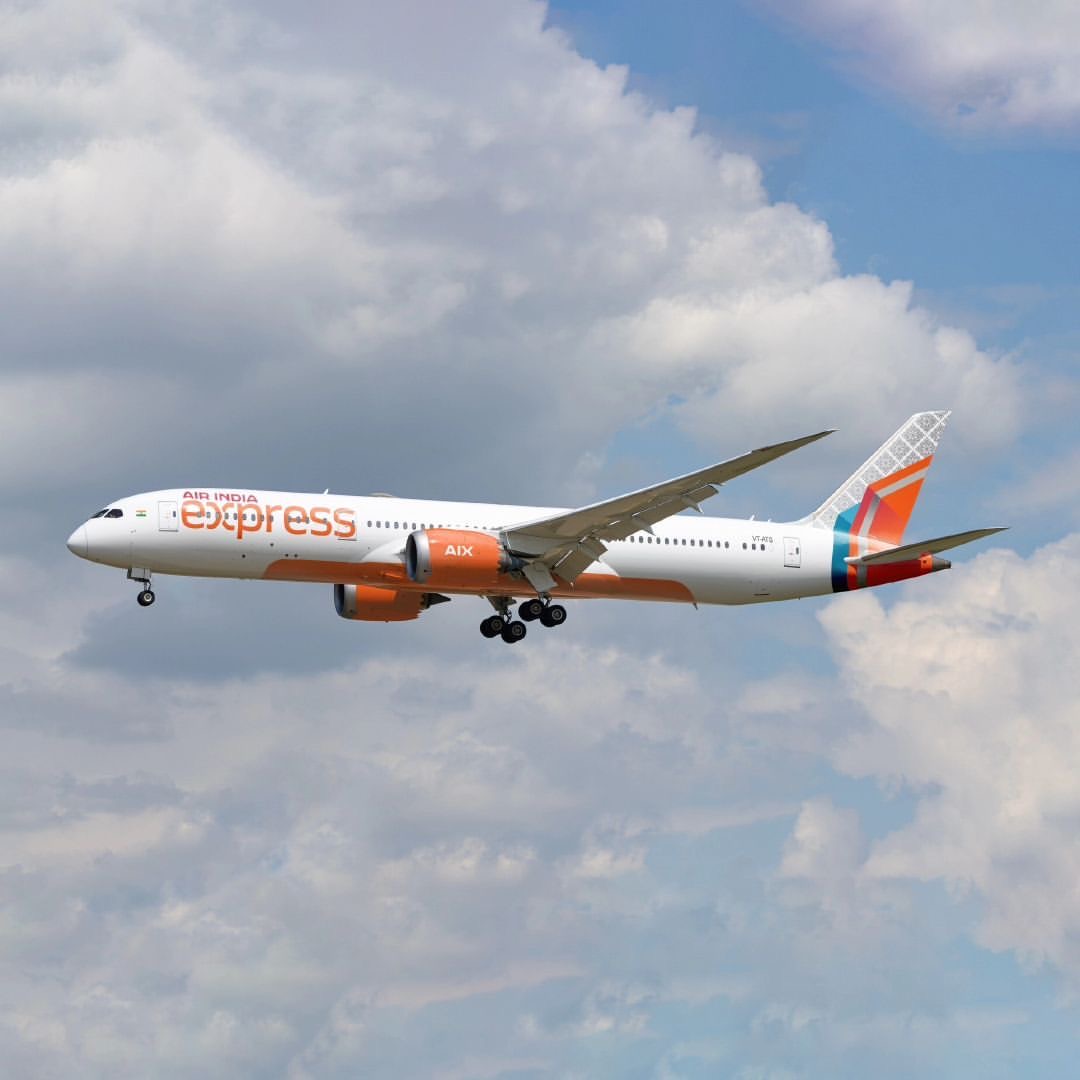
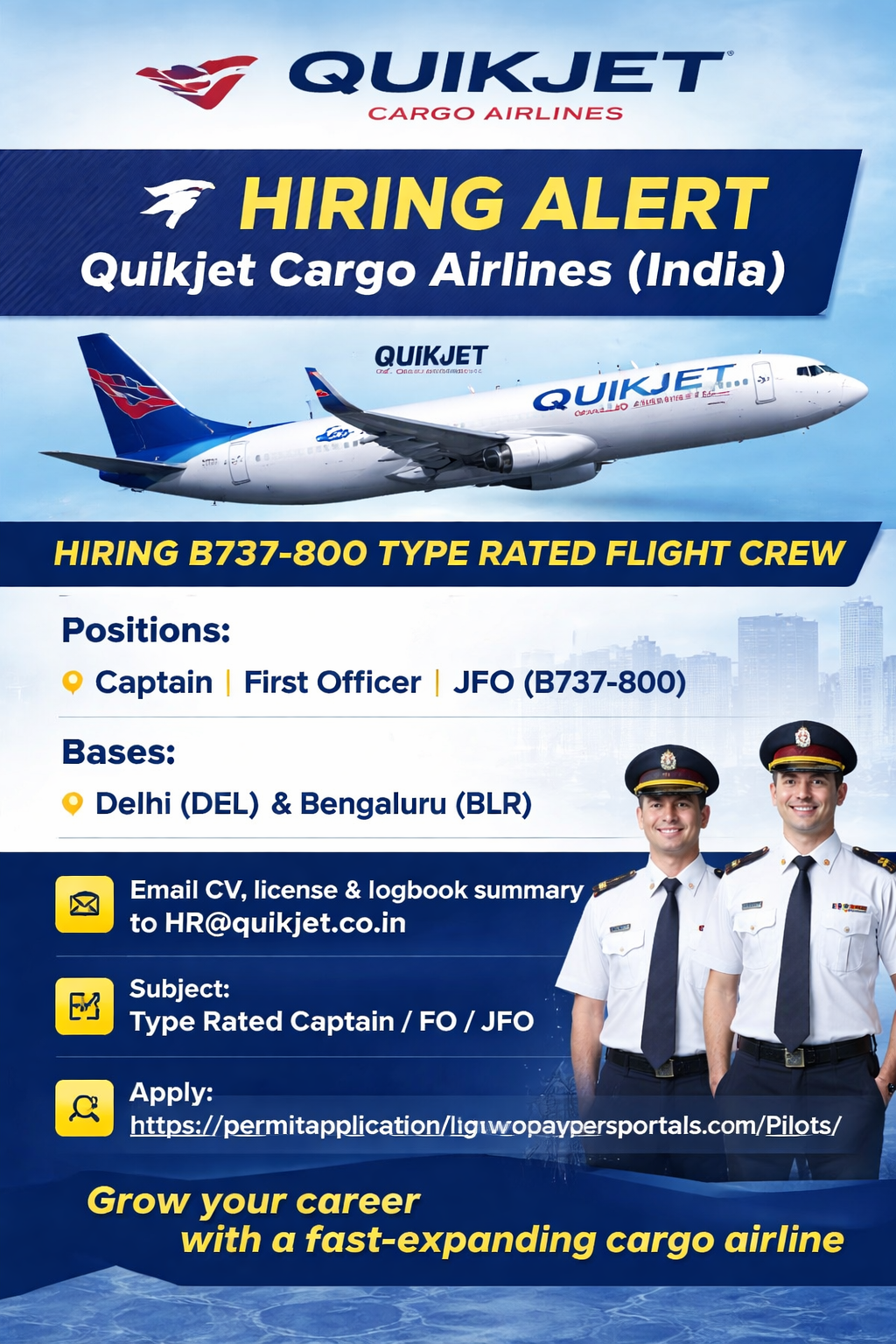
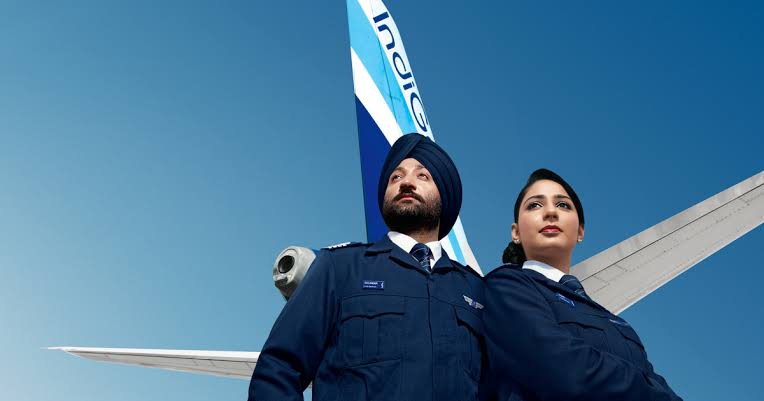
India’s aviation industry is currently facing a significant pilot shortage that has prompted major carriers to up the ante in their efforts to attract and retain qualified flight crew. As airlines compete for a limited pool of experienced pilots, both IndiGo and Air India have announced attractive signing bonuses as part of broader recruitment drives. The growing competition underscores how critical skilled aviators are to keeping flights on schedule amid rising travel demand.
The shortage comes at a time when the domestic and international flight schedules are expanding rapidly, reflecting the increasing appetite for air travel among Indian and global passengers. With more aircraft entering service and airlines restoring routes that were previously trimmed, the demand for trained pilots has surged. At the same time, constraints in training capacity and long lead times for cultivating new pilots mean that existing carriers must compete fiercely for seasoned aviators.
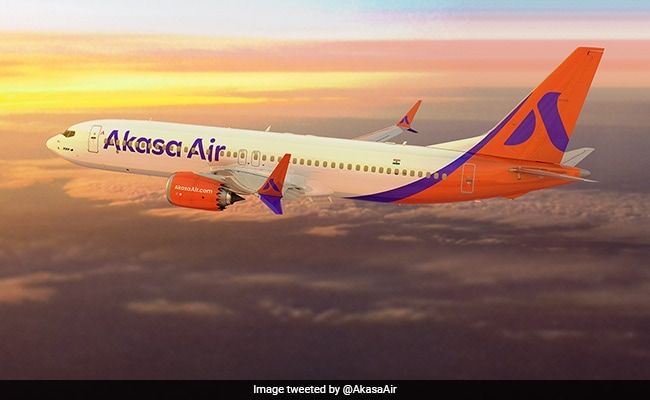
In an effort to secure top talent, several airlines have introduced financial incentives that were once uncommon in the Indian market. Signing bonuses of up to fifty lakh rupees are being dangled to attract experienced captains and first officers who meet minimum flight hour requirements. These bonuses are intended to make career moves more appealing and offset the cost and disruption of switching employers in a tight labor market.
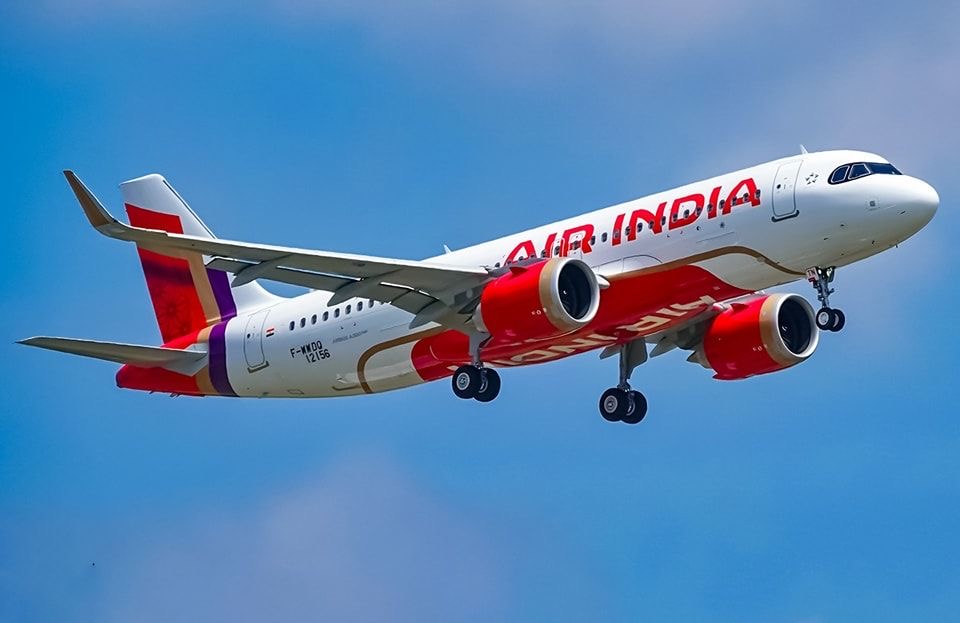
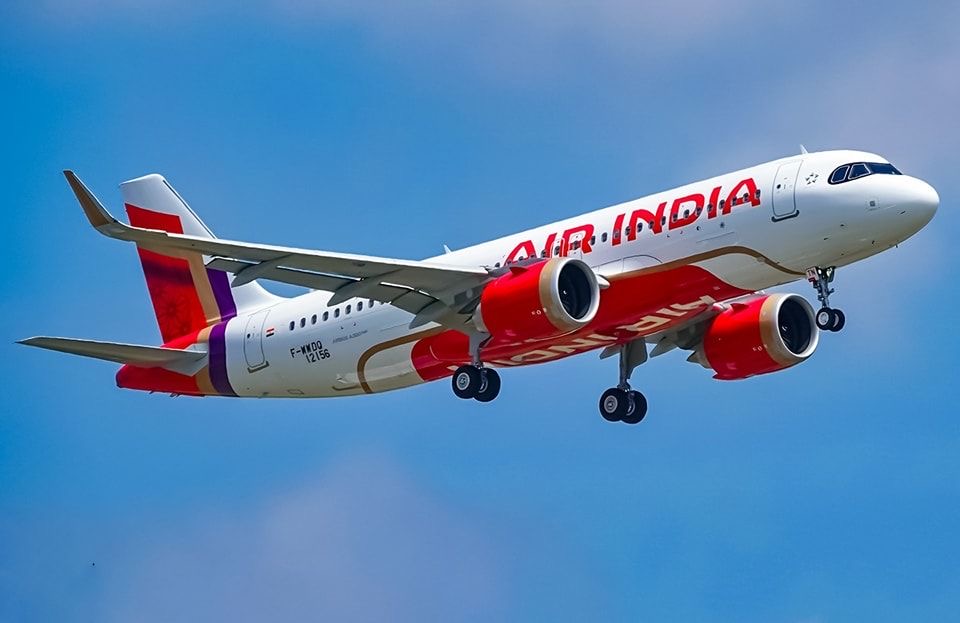
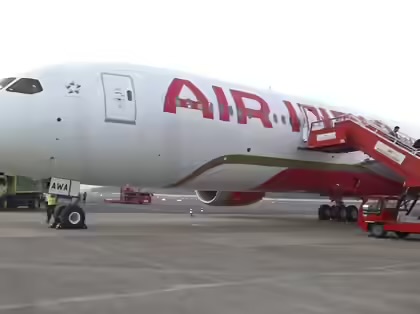
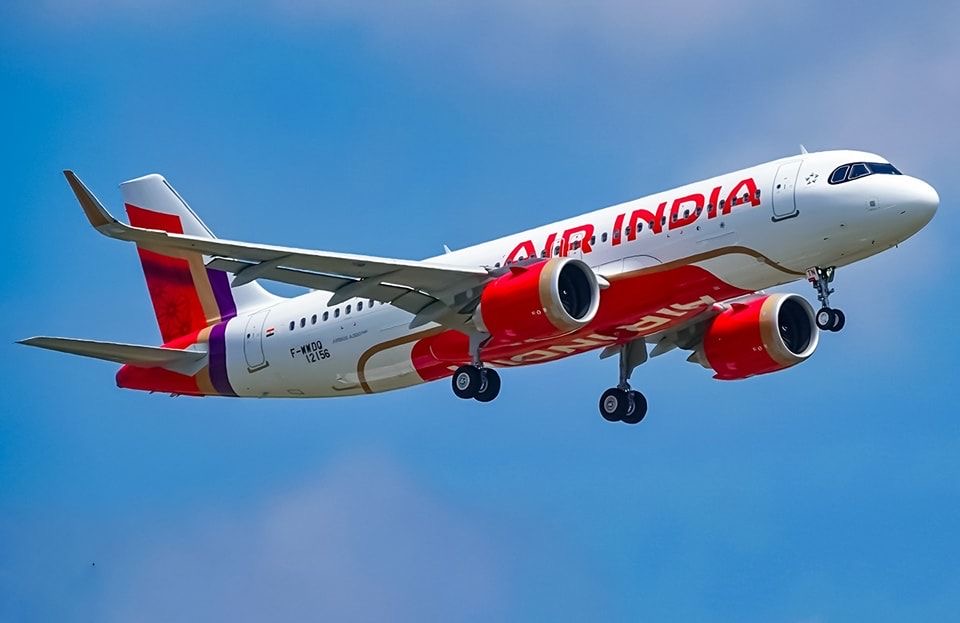
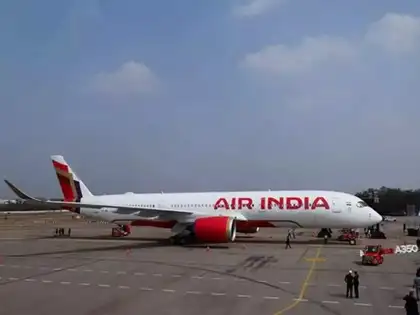
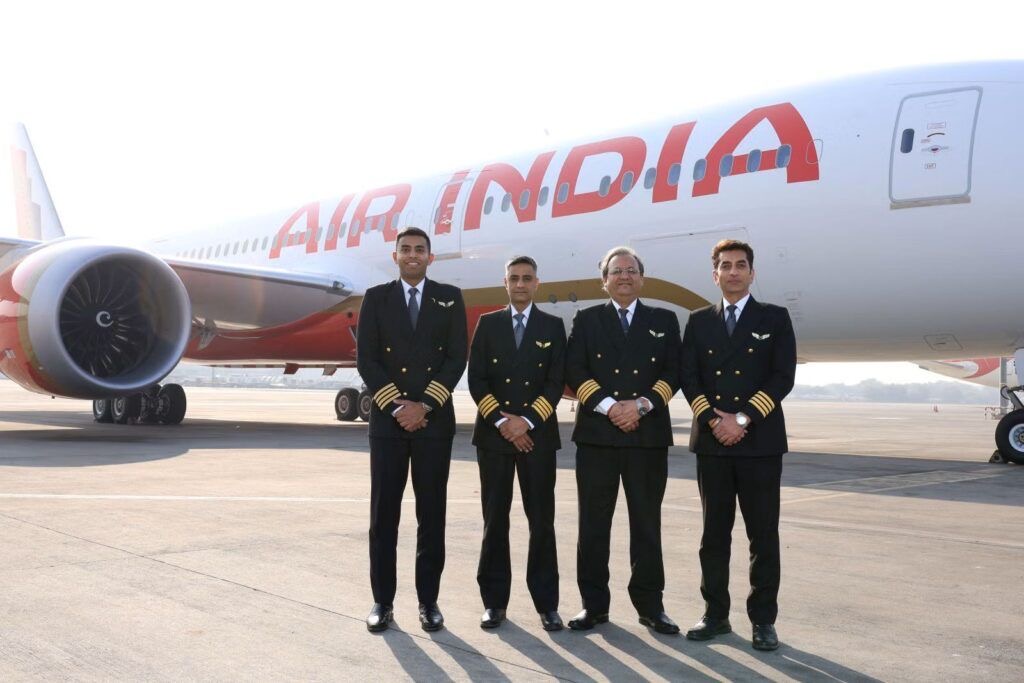
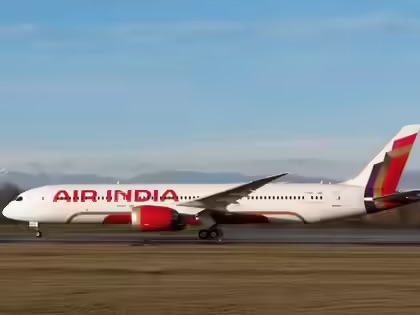
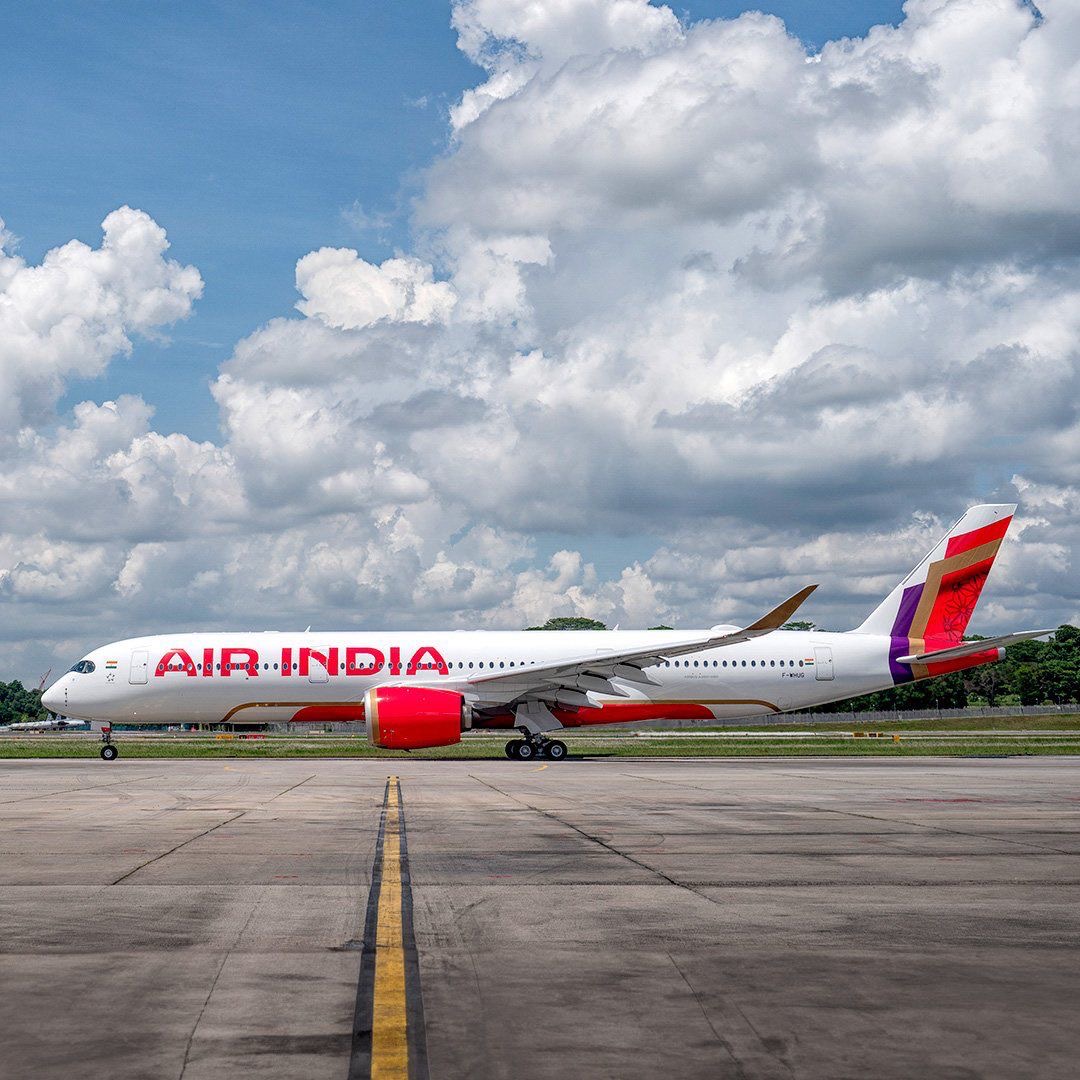
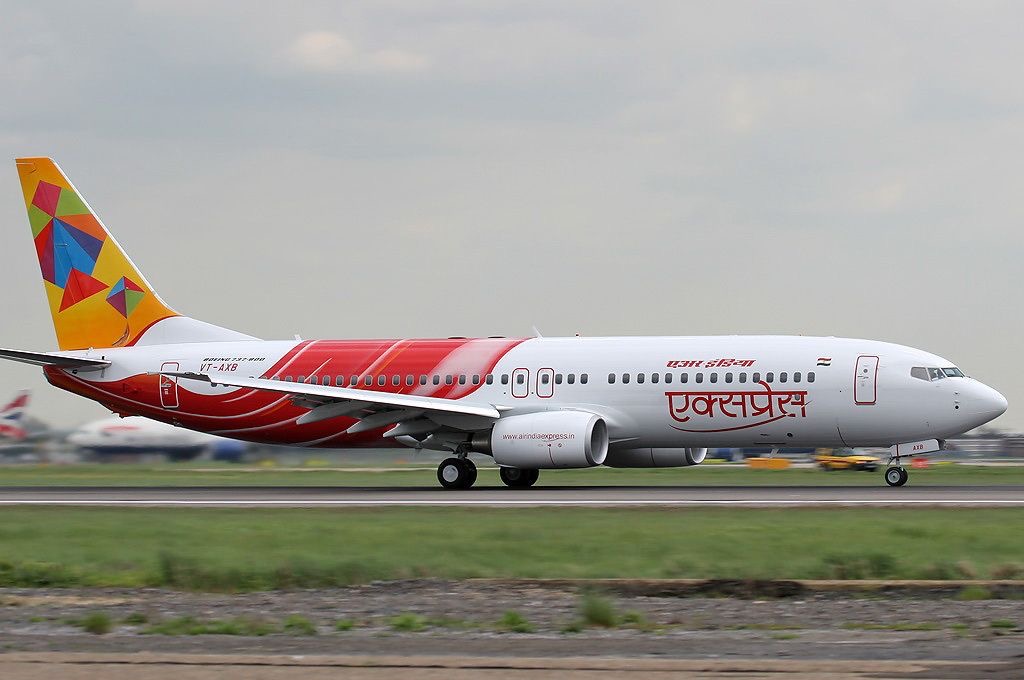
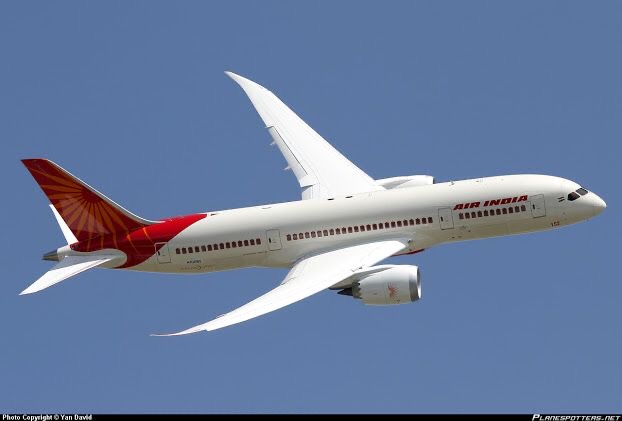
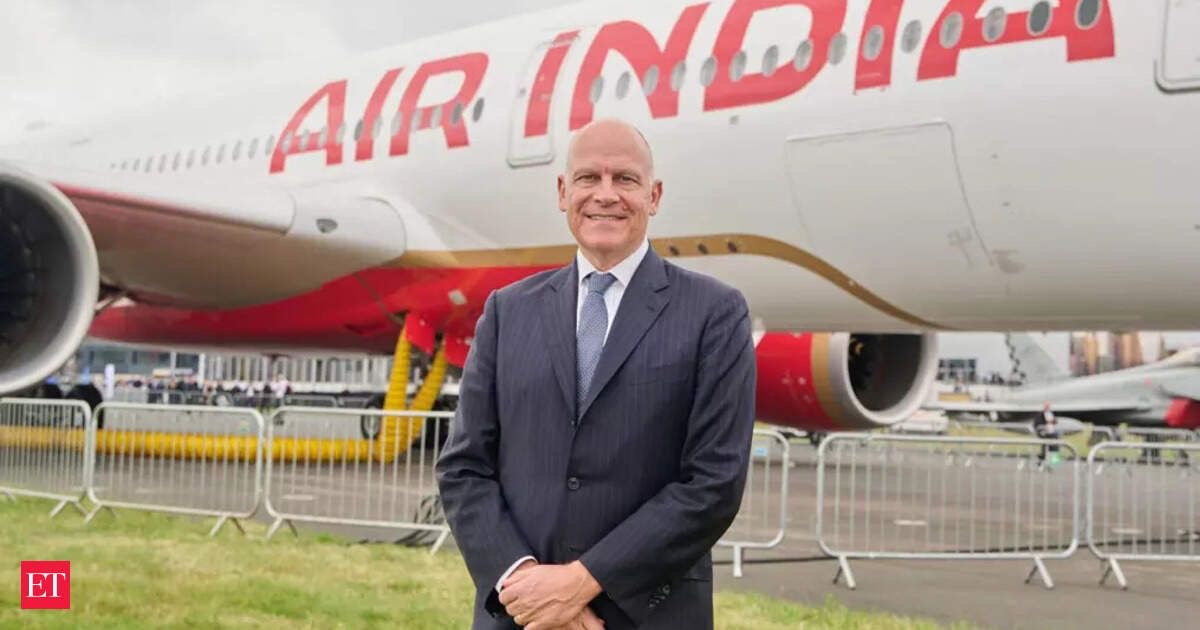
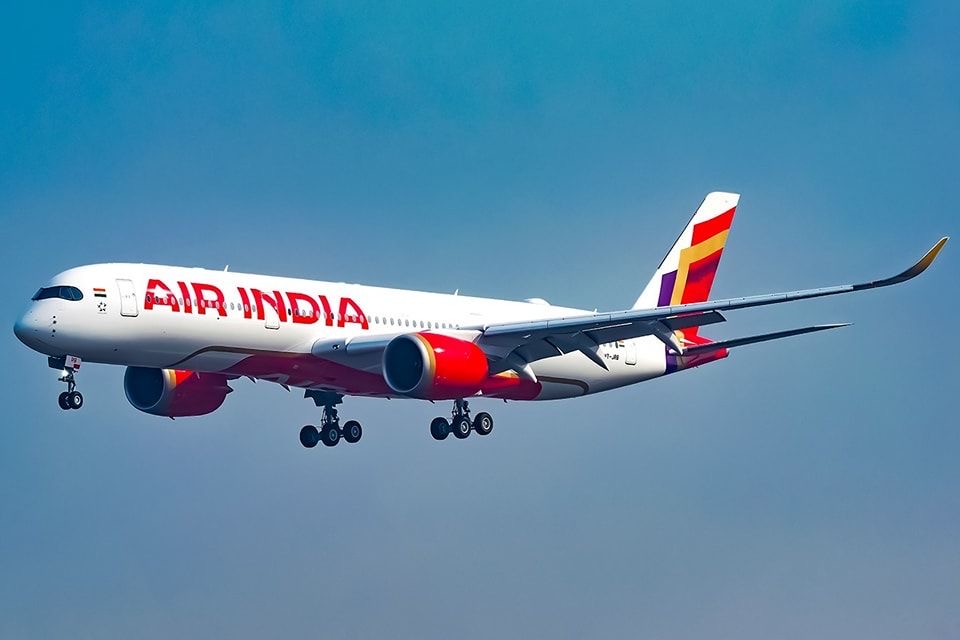
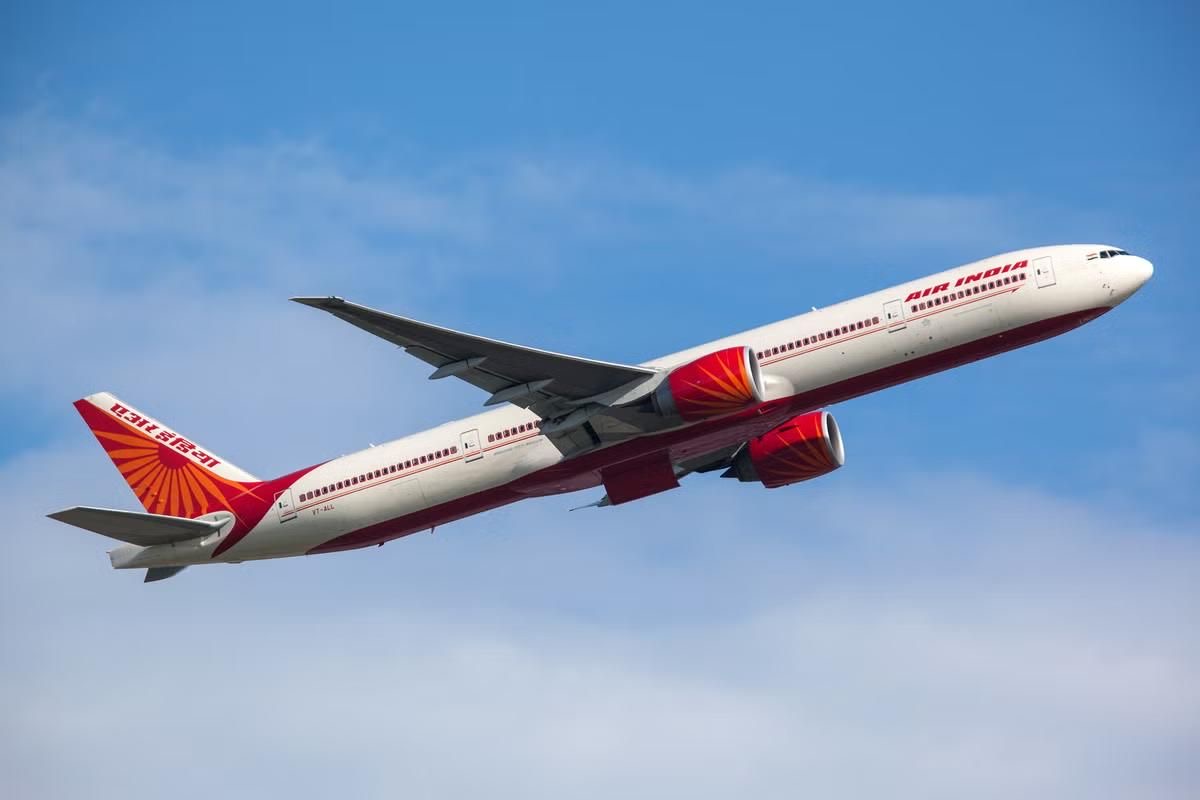
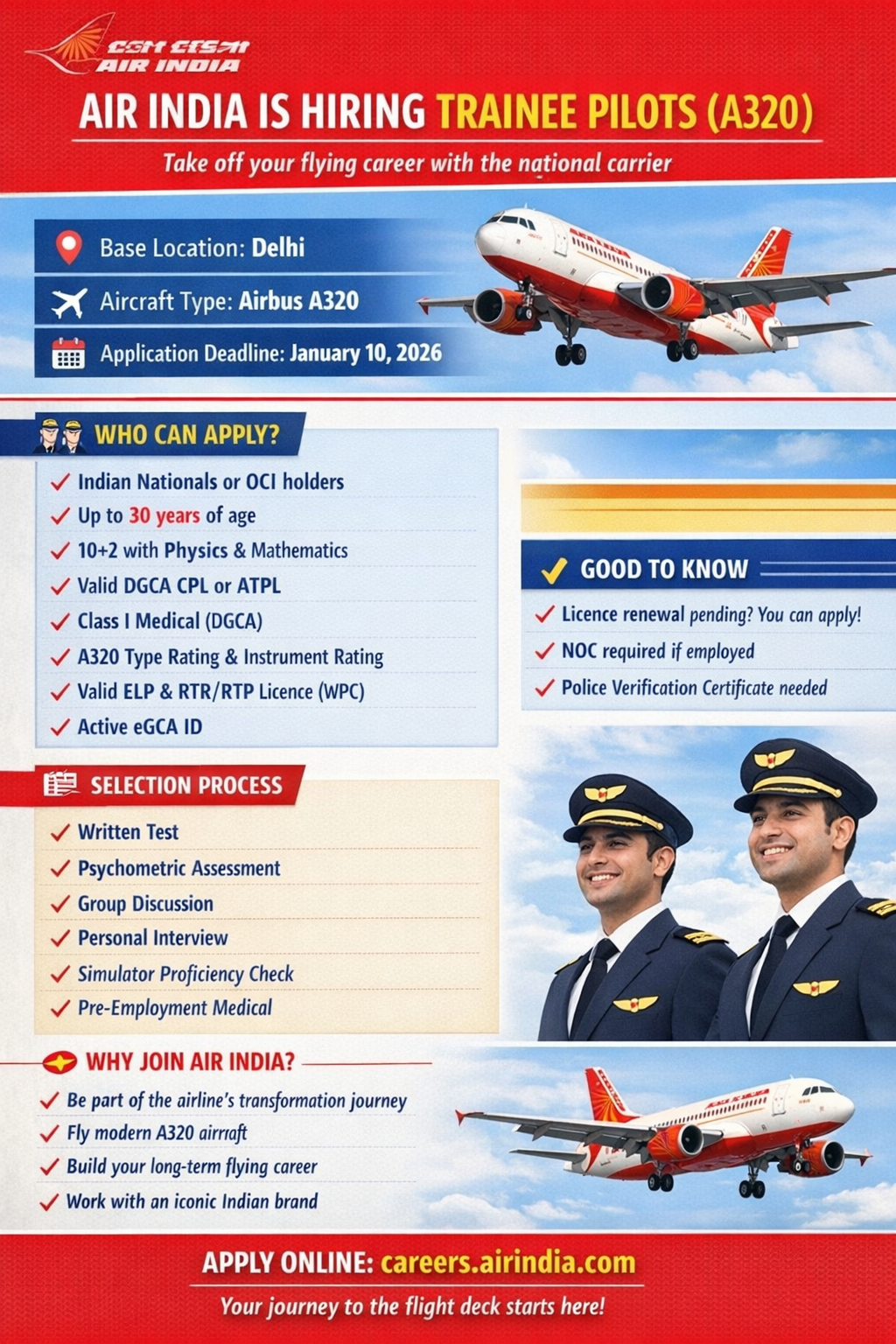
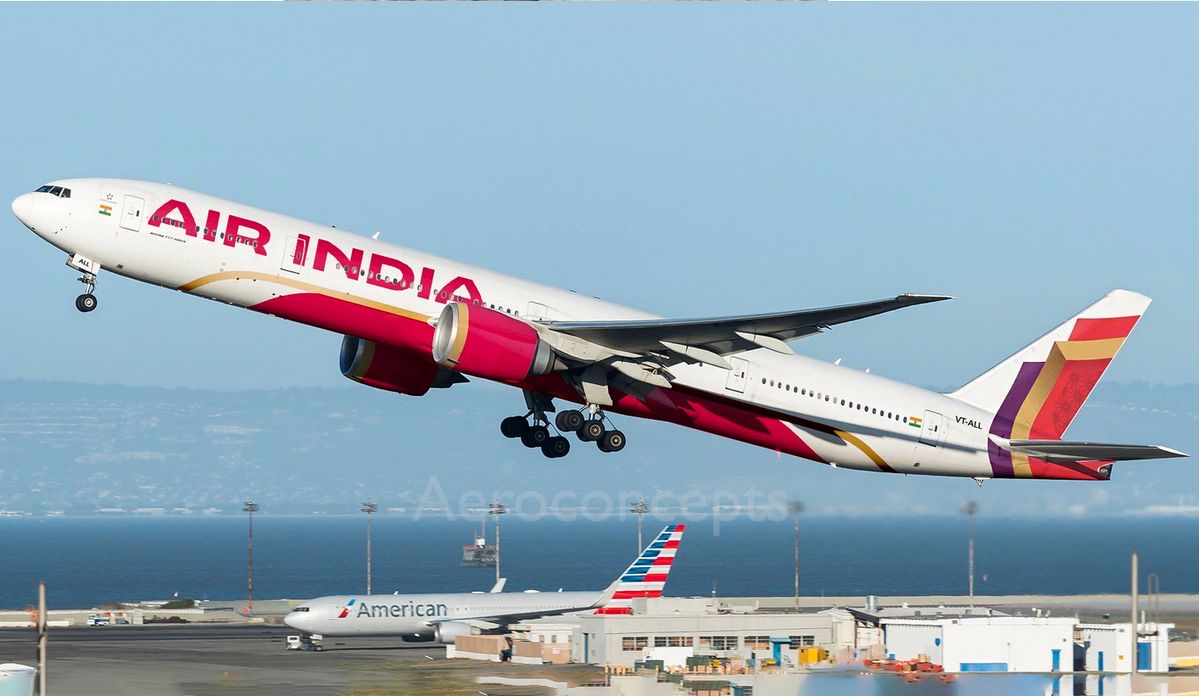
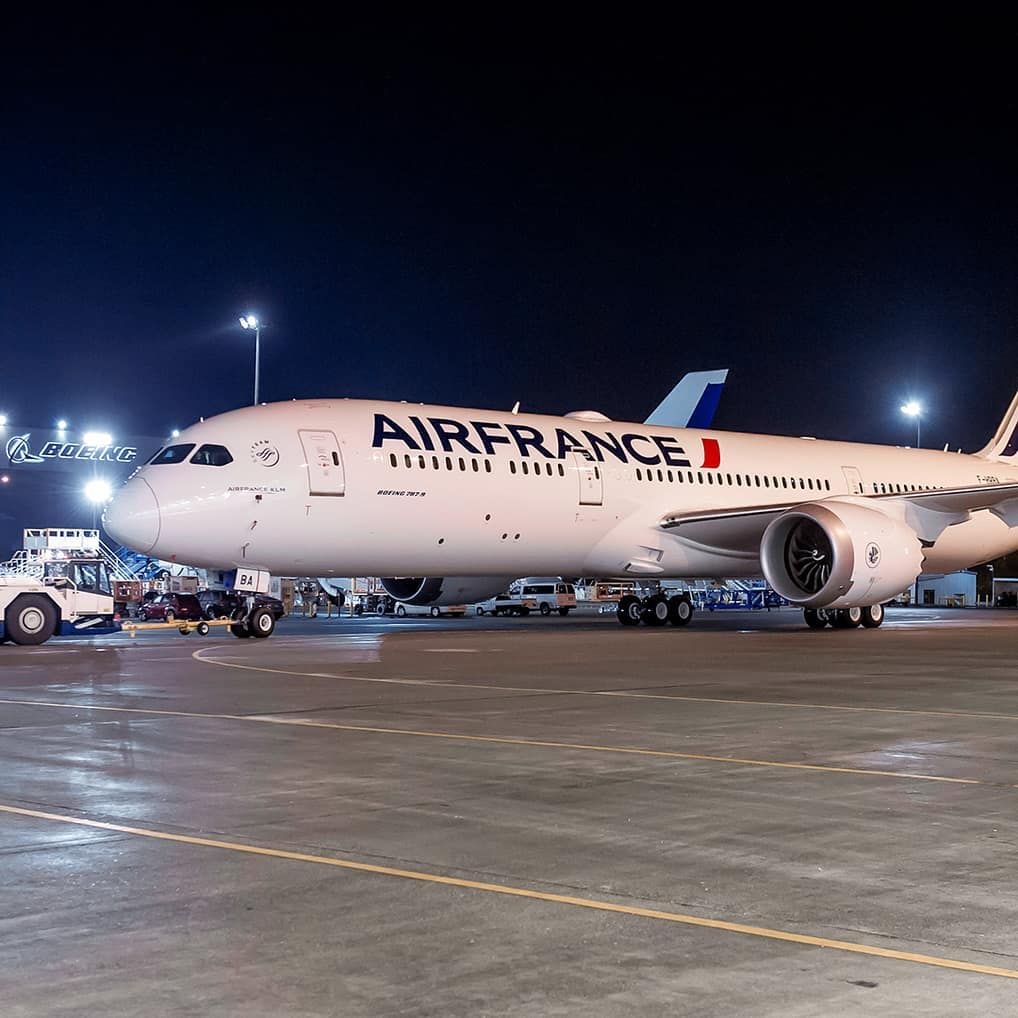
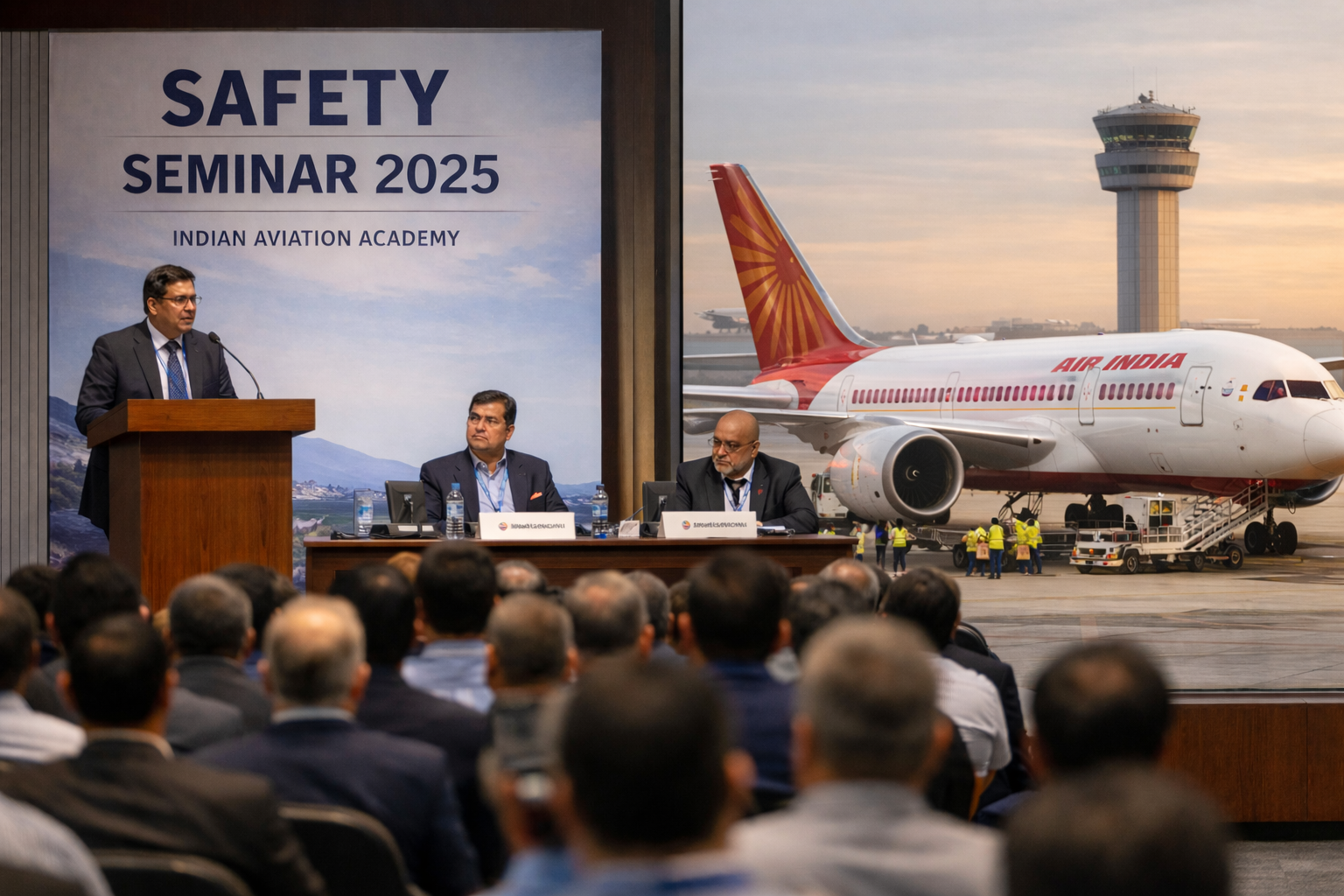
Air India has been among the airlines leading this drive, positioning itself as an attractive destination for pilots seeking international flying opportunities, superior work packages, and enhanced benefits. The flag carrier’s recruitment efforts have emphasised not only competitive pay but also career progression and quality of life considerations, such as predictable schedules and long-haul rotation patterns that appeal to pilots with families.
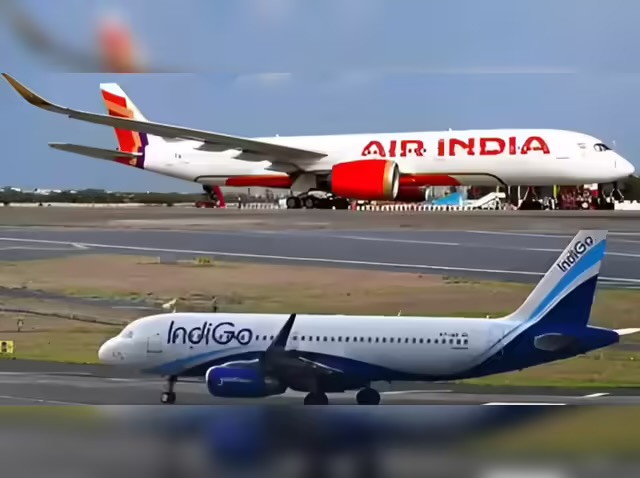
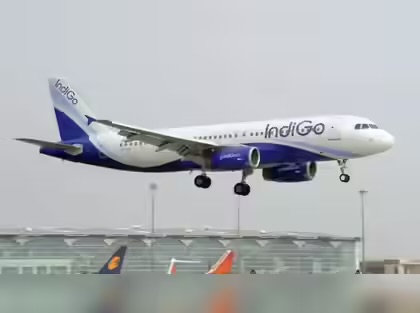
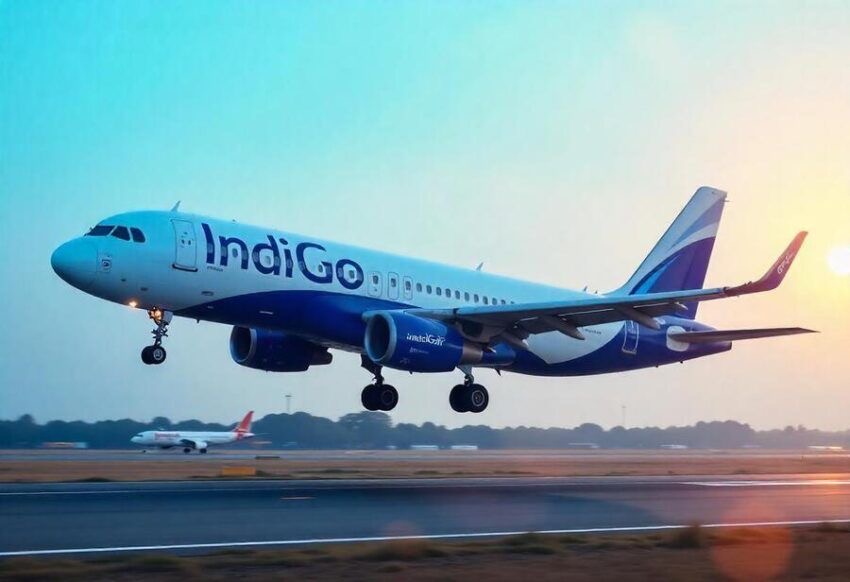
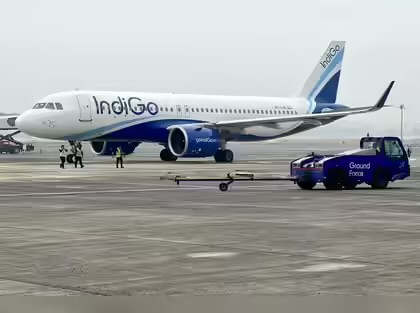
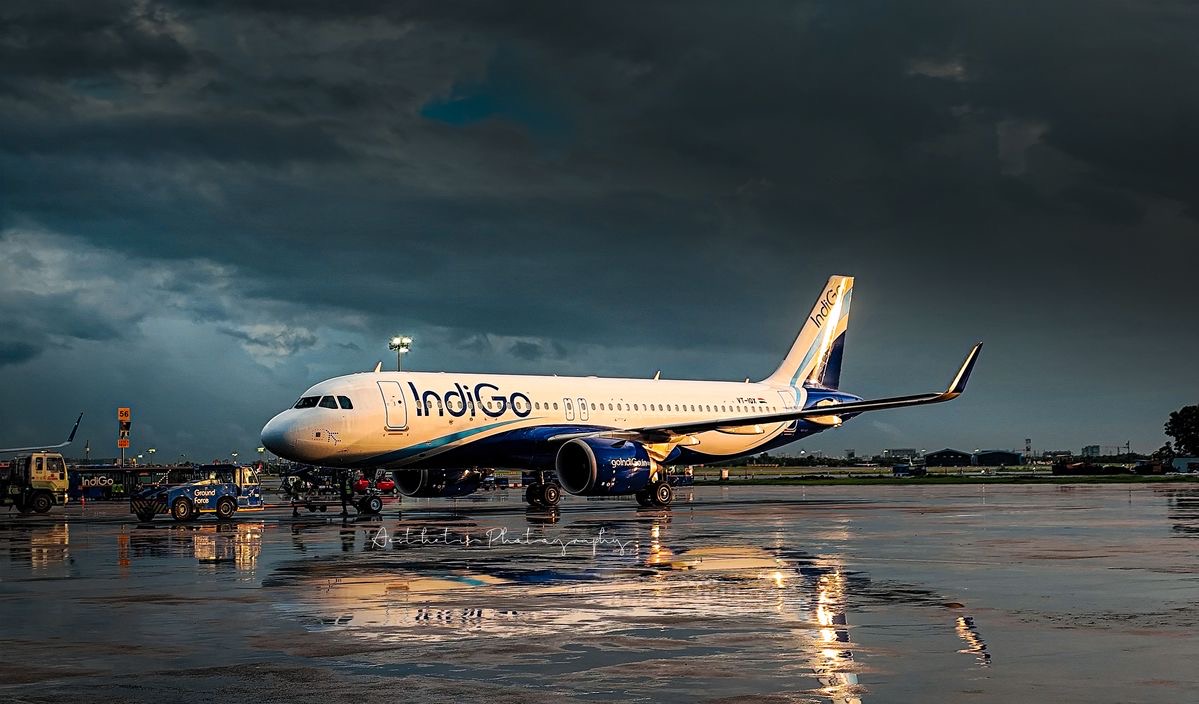
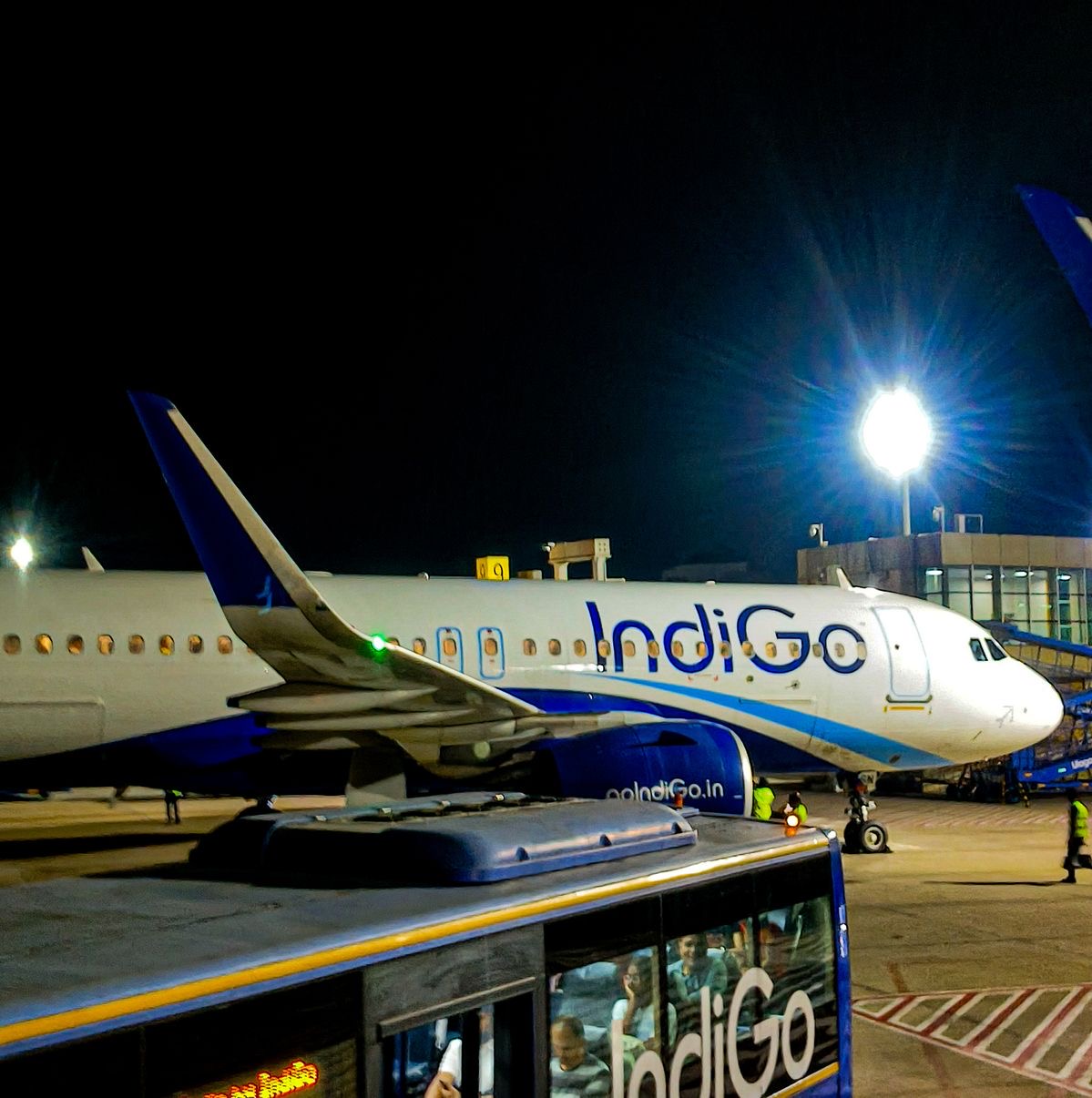
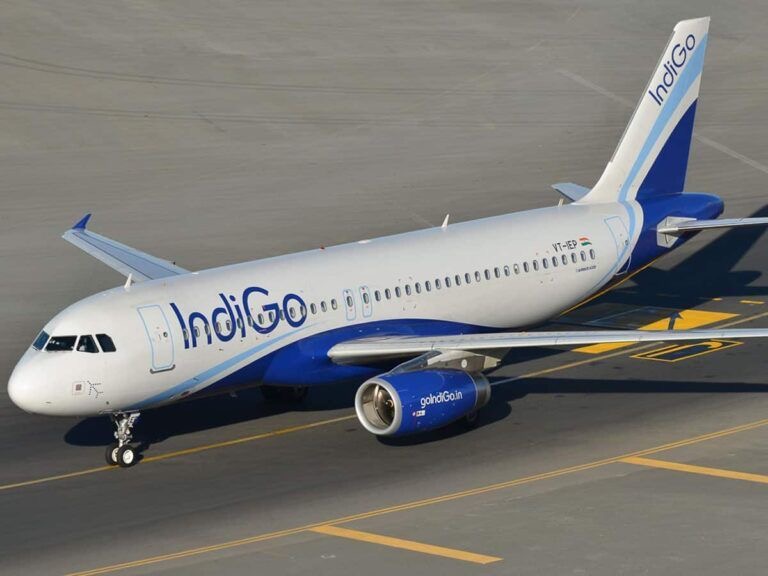
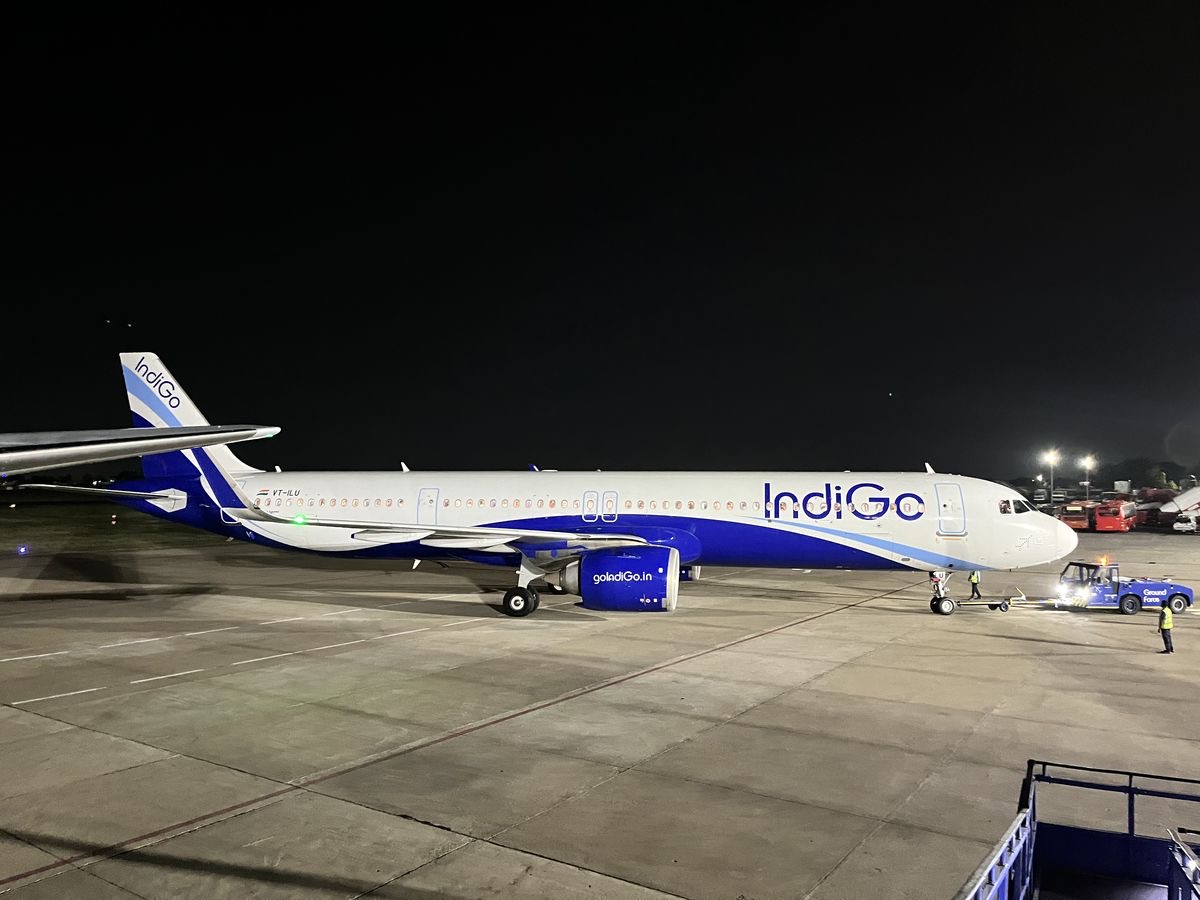
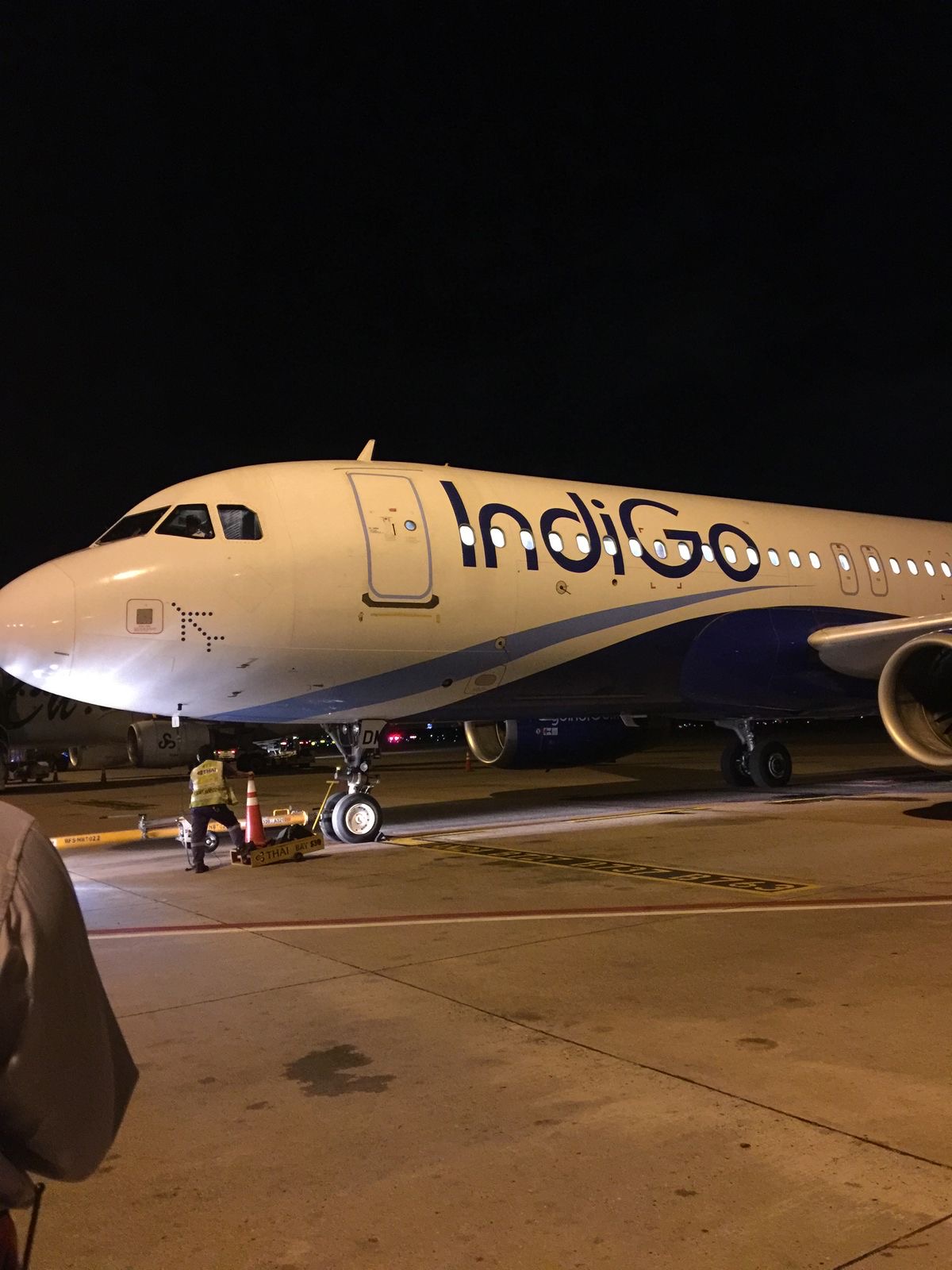
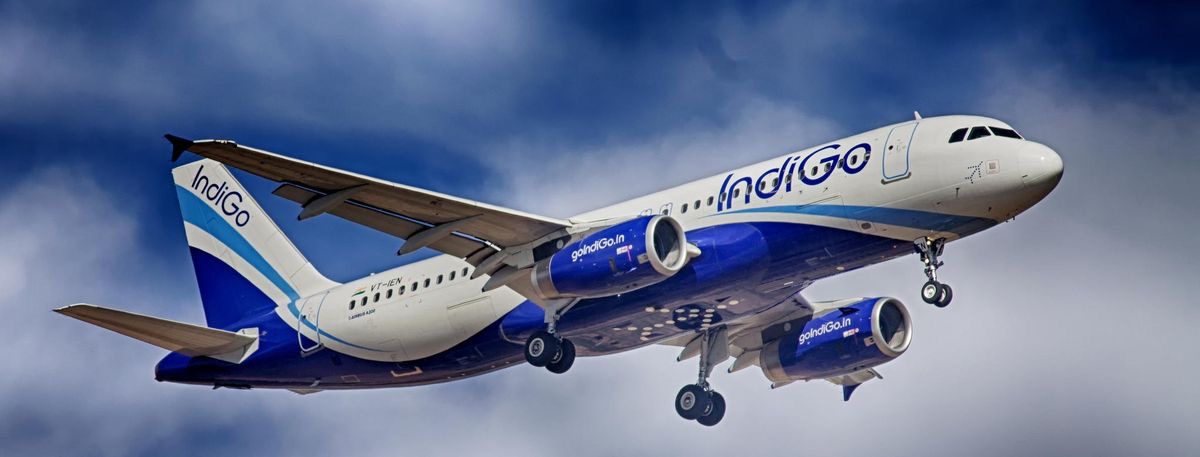
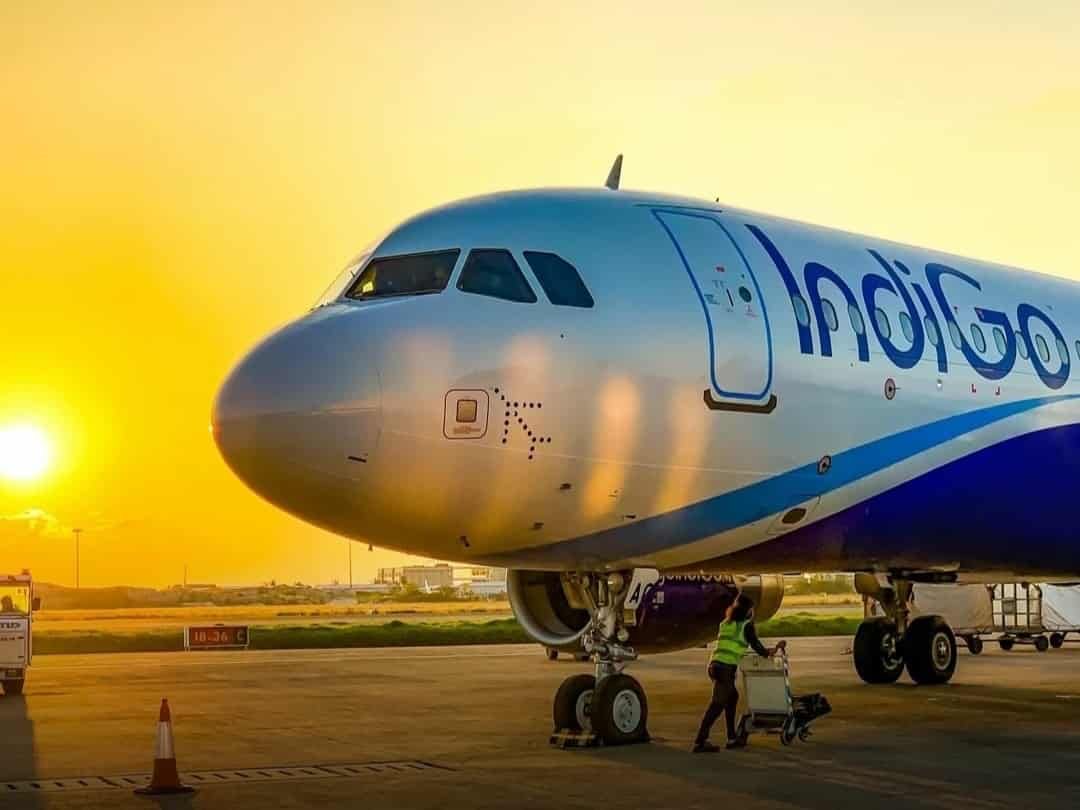
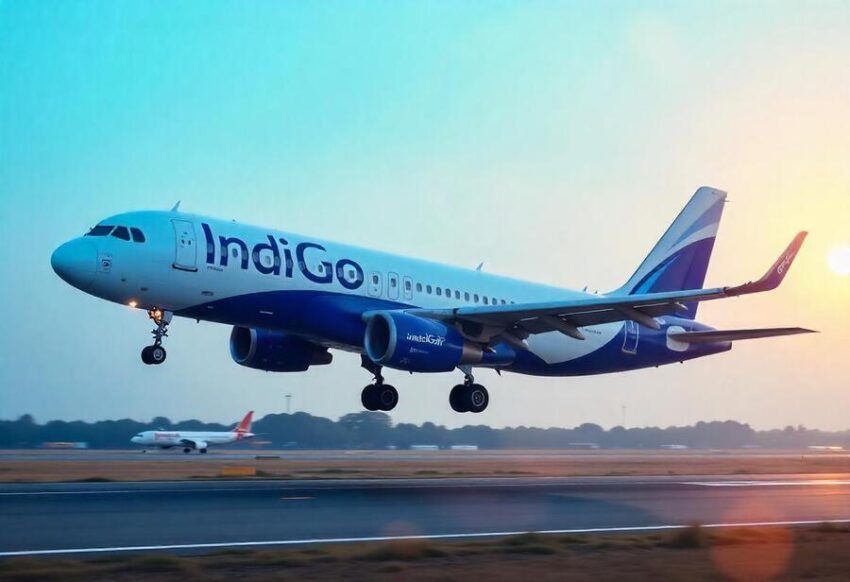
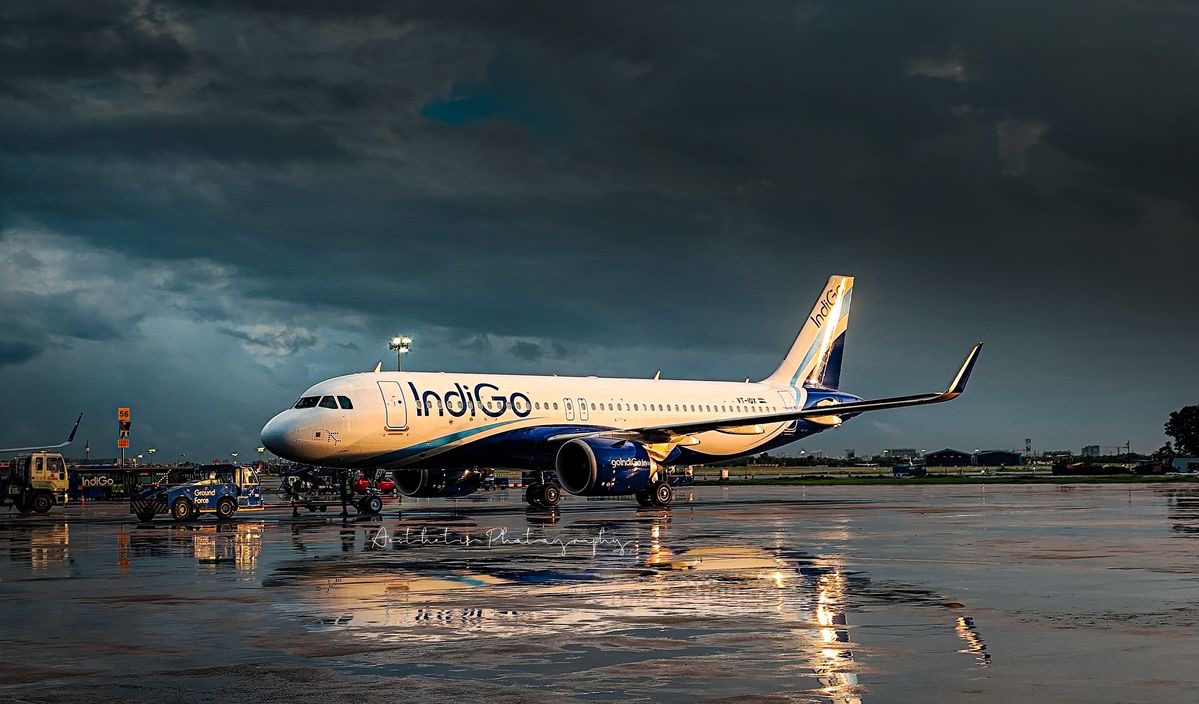
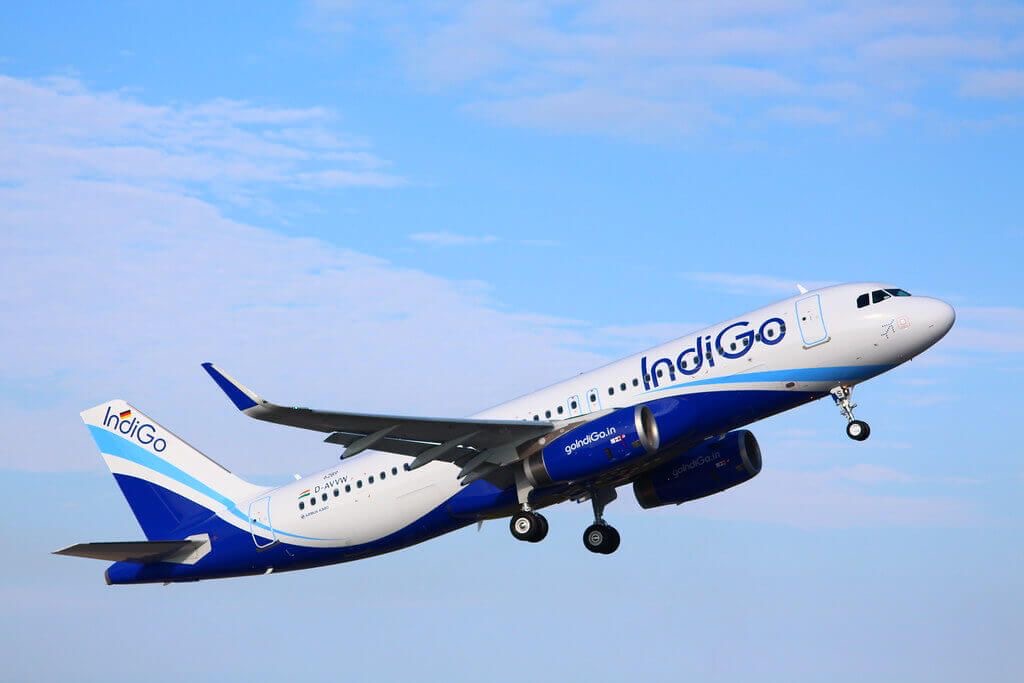
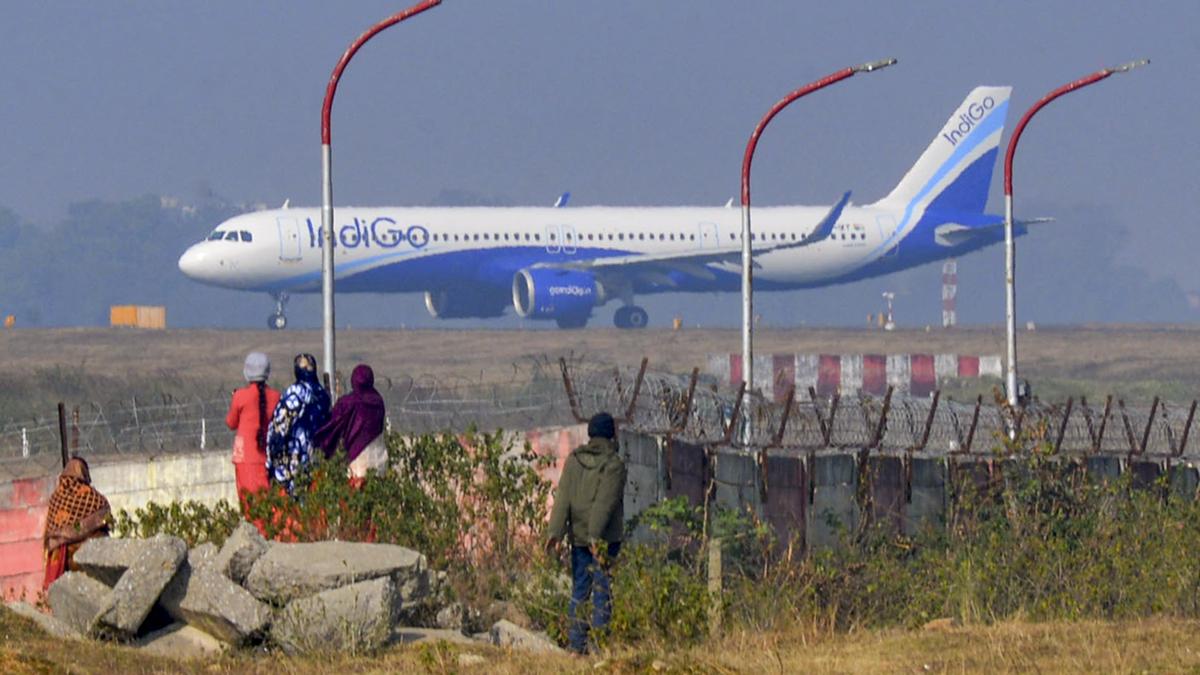
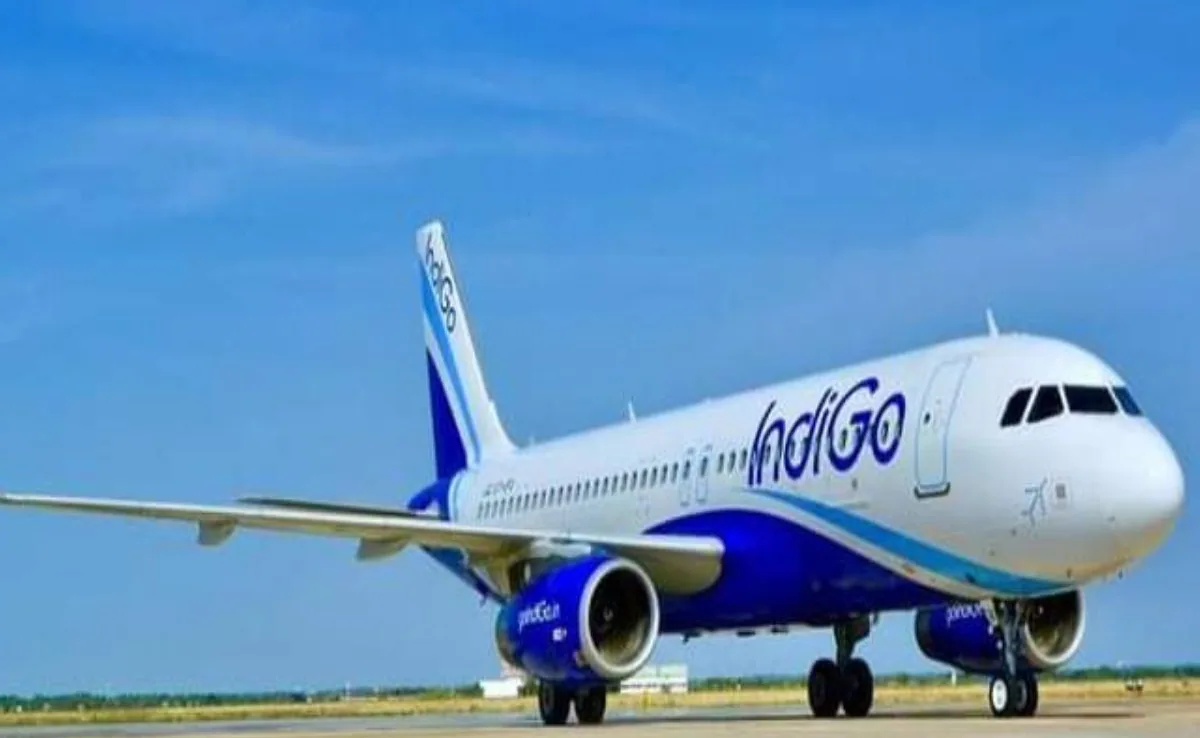
IndiGo, which operates the largest fleet among Indian carriers, has also stepped up its recruitment initiatives. The airline’s strategy includes not only hefty signing rewards but also streamlined hiring processes that aim to bring pilots onboard quickly. By reducing bureaucratic hurdles and offering relocation support for transferees, the carrier hopes to widen its appeal among domestic and expatriate pilots.
Industry insiders describe the current situation as something akin to a hiring war, with airlines continually revising their offers in hopes of luring top candidates. In some cases, pilots with in-demand qualifications and substantial flight hours receive multiple offers, giving them leverage to negotiate better terms. This competitive atmosphere represents a shift from previous years, when pilot recruitment in India tended to be more stable and less aggressive.
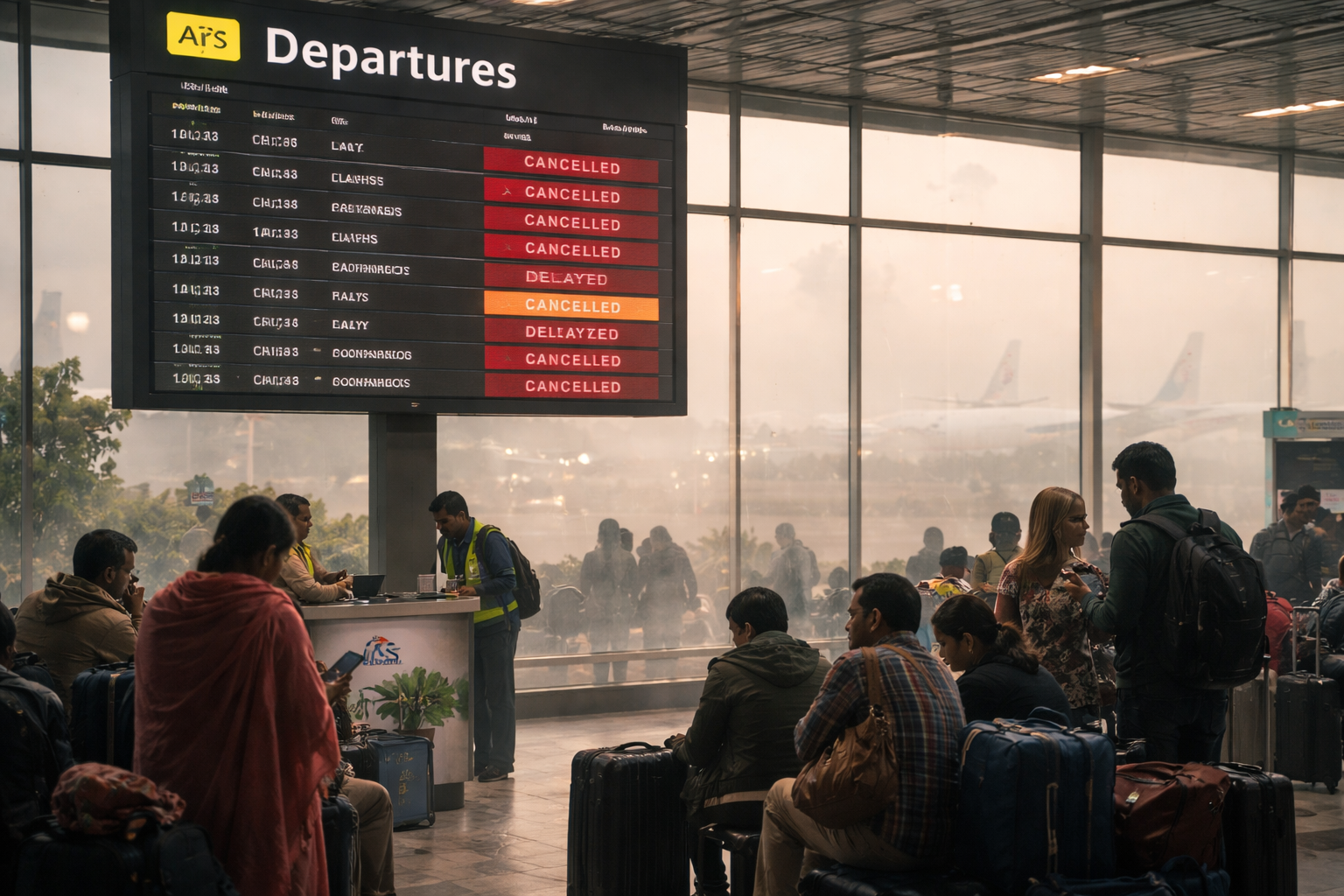
The pilot shortage has not only impacted airlines’ hiring strategies but also their operational planning. Some carriers have had to adjust flight schedules, delay expansions, or deploy less experienced pilots to meet flying requirements, all while balancing safety protocols and regulatory demands. Airlines maintain that ensuring a full complement of trained pilots is essential for reliability, safety, and maintaining passenger trust.
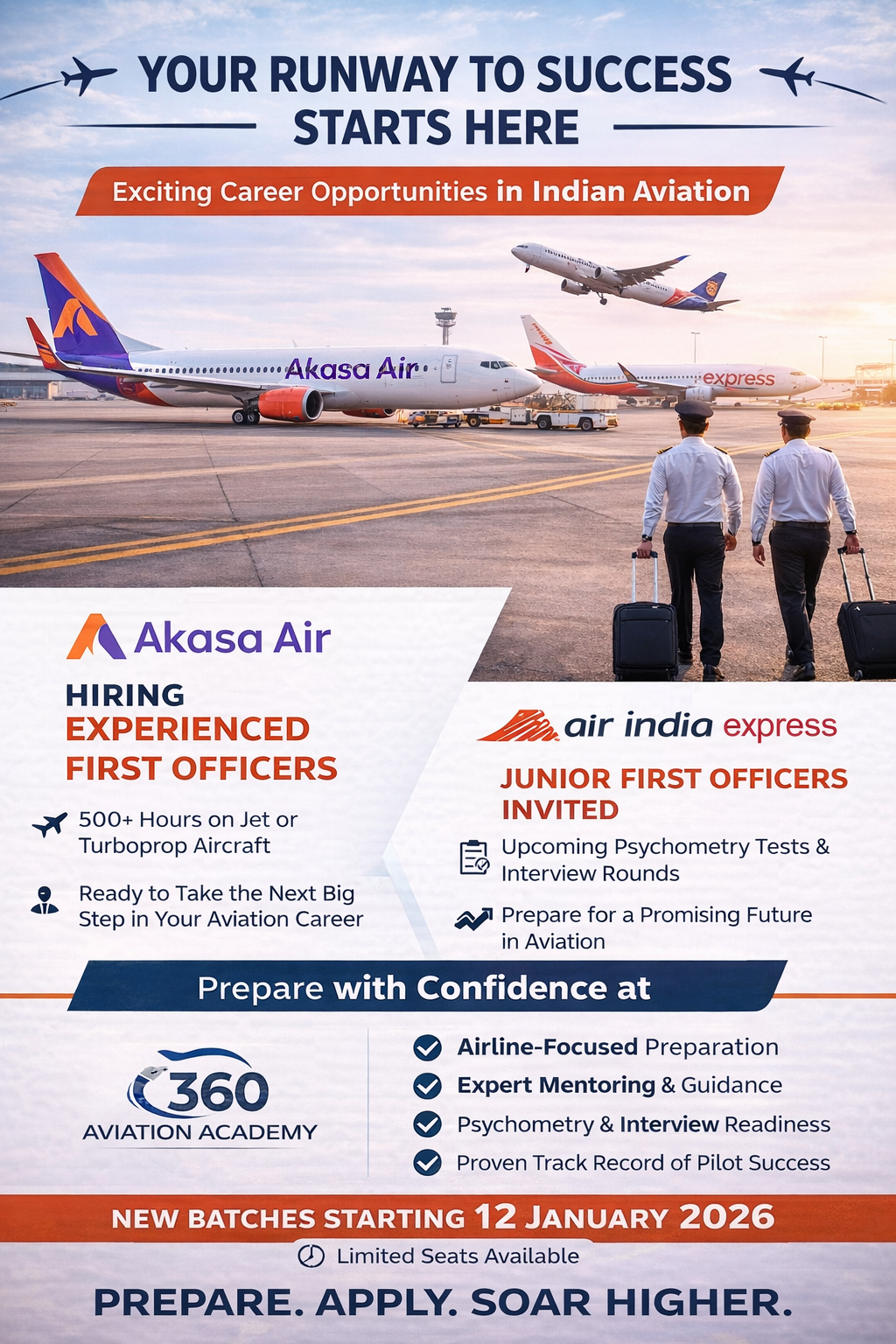
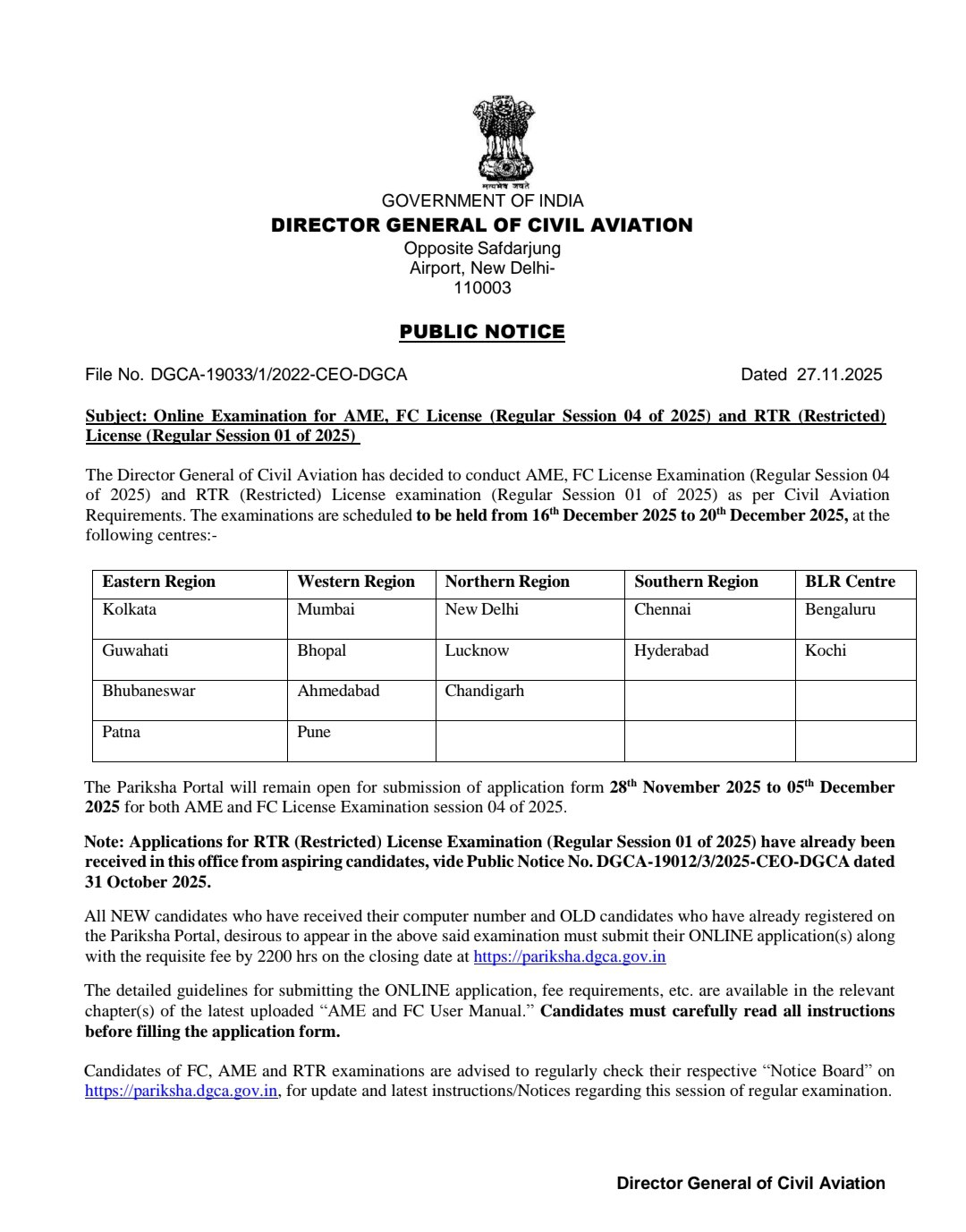
Prospective pilots and trainee aviators are watching these developments with keen interest. Flight training academies are reporting increased enrolments as aspiring pilots prepare for careers in the skies, hoping to benefit from the industry’s appetite for new talent. However, the path from initial training to airline cockpit involves extensive hours of flight instruction, simulator practice, and regulatory checks, meaning that the effects of today’s recruitment incentives will unfold over time.
As Indian aviation continues to grow and evolve, the pilot shortage and subsequent hiring competition reveal deeper structural dynamics in the sector. Airlines must balance the immediate need for crew with long-term workforce planning, training infrastructure, and aviation safety priorities. For now, the incentive boom reflects the current reality that pilots are among the most valuable assets in commercial flying, and carriers are willing to go to great lengths to attract and keep them.