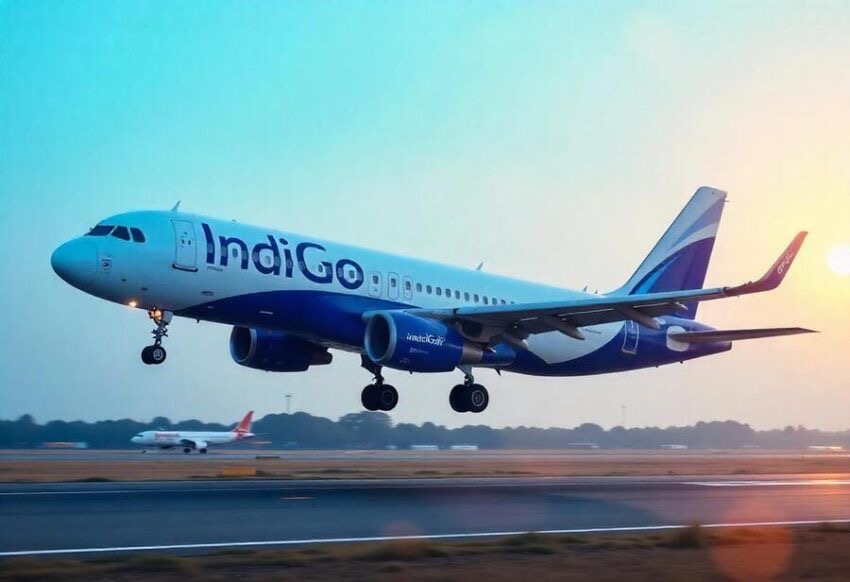
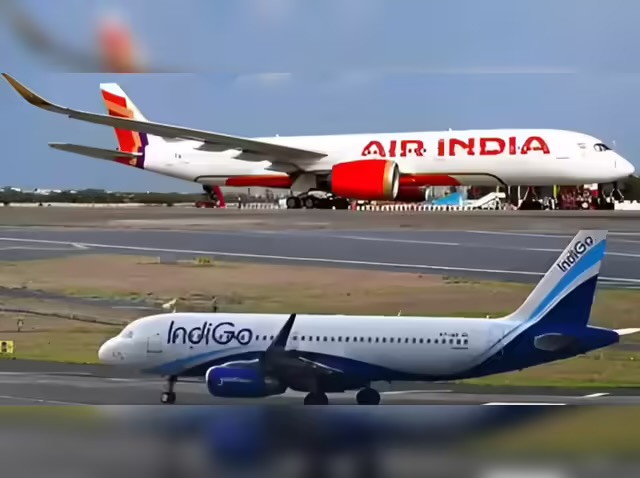
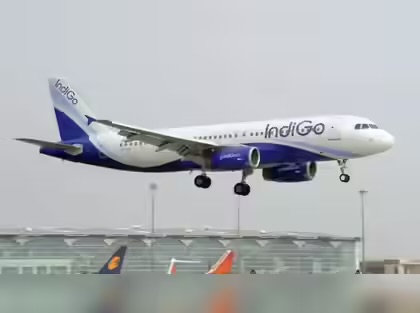
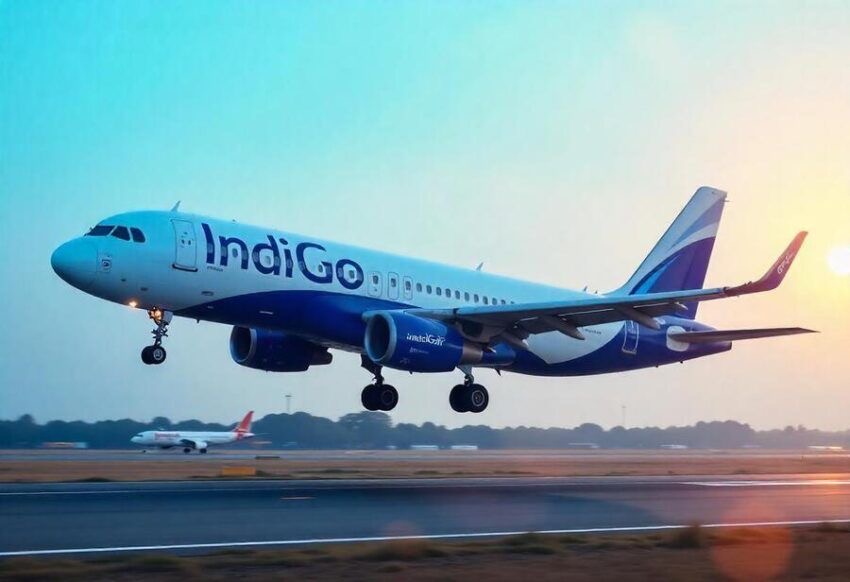
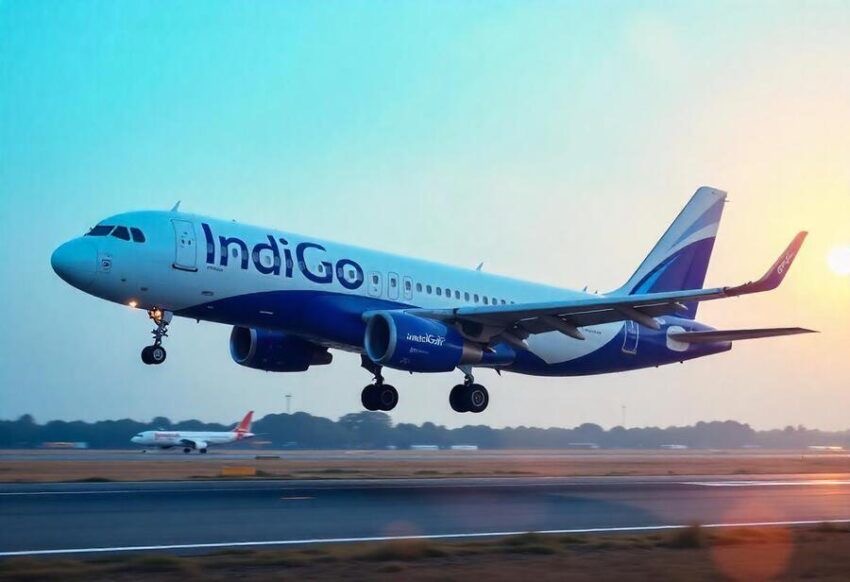
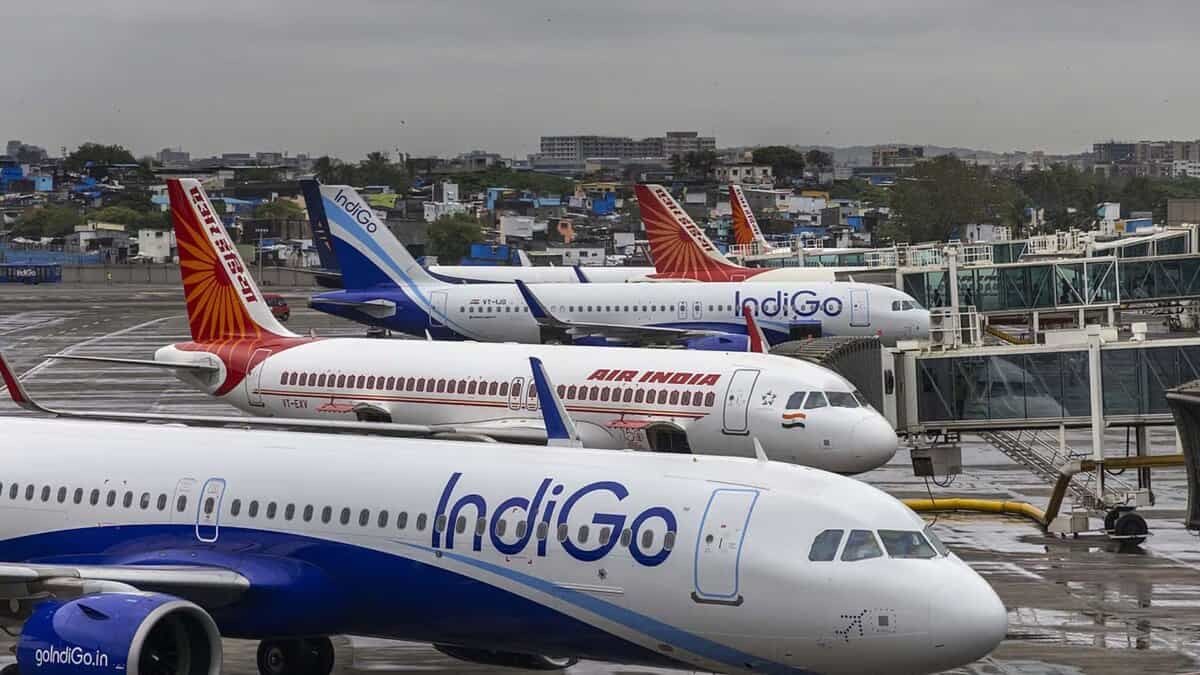
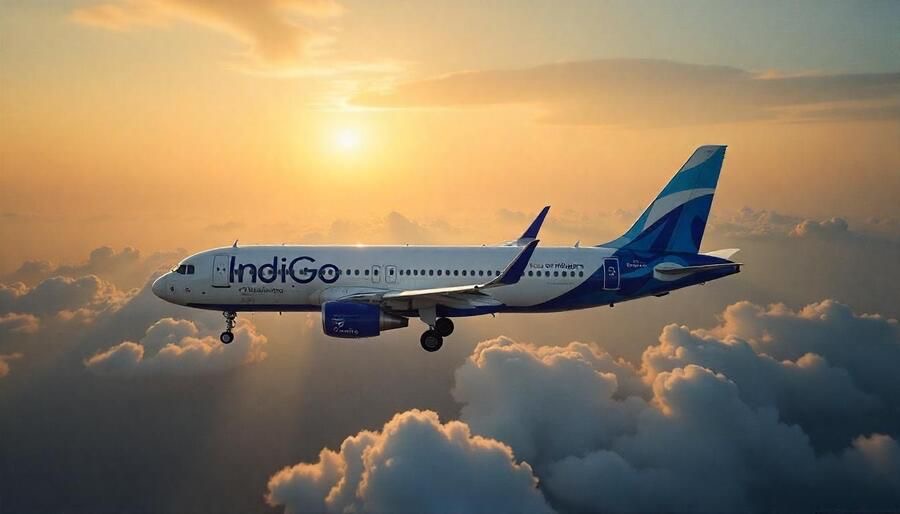
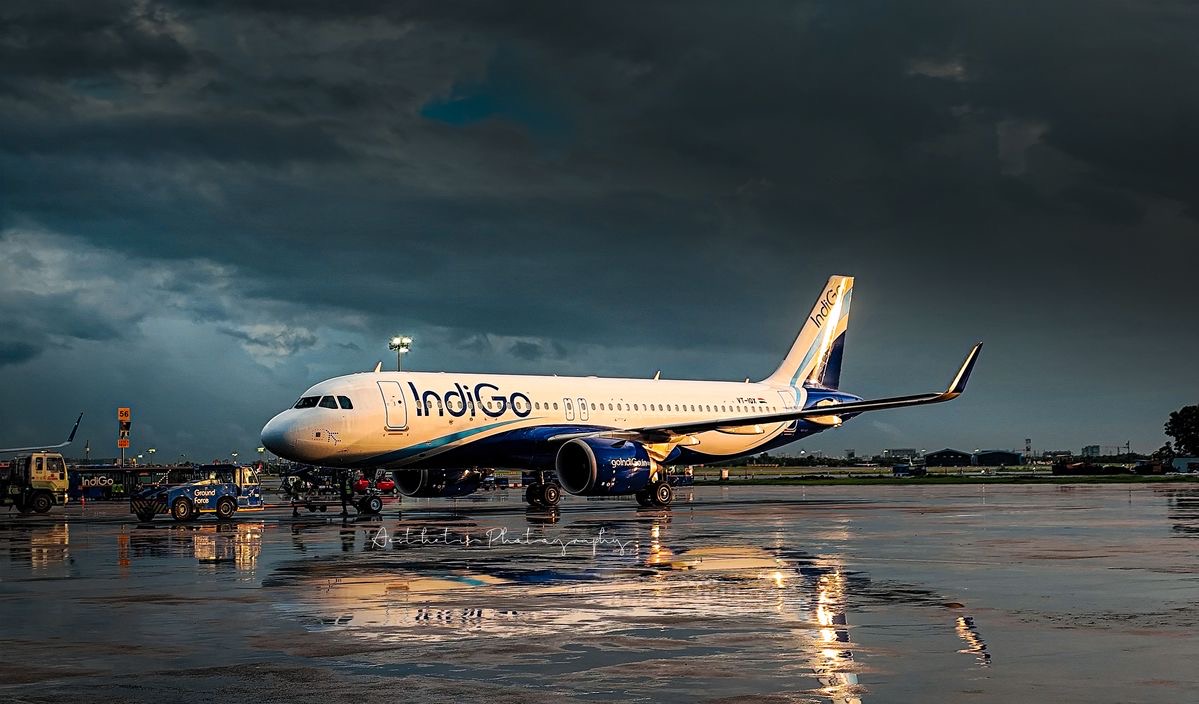
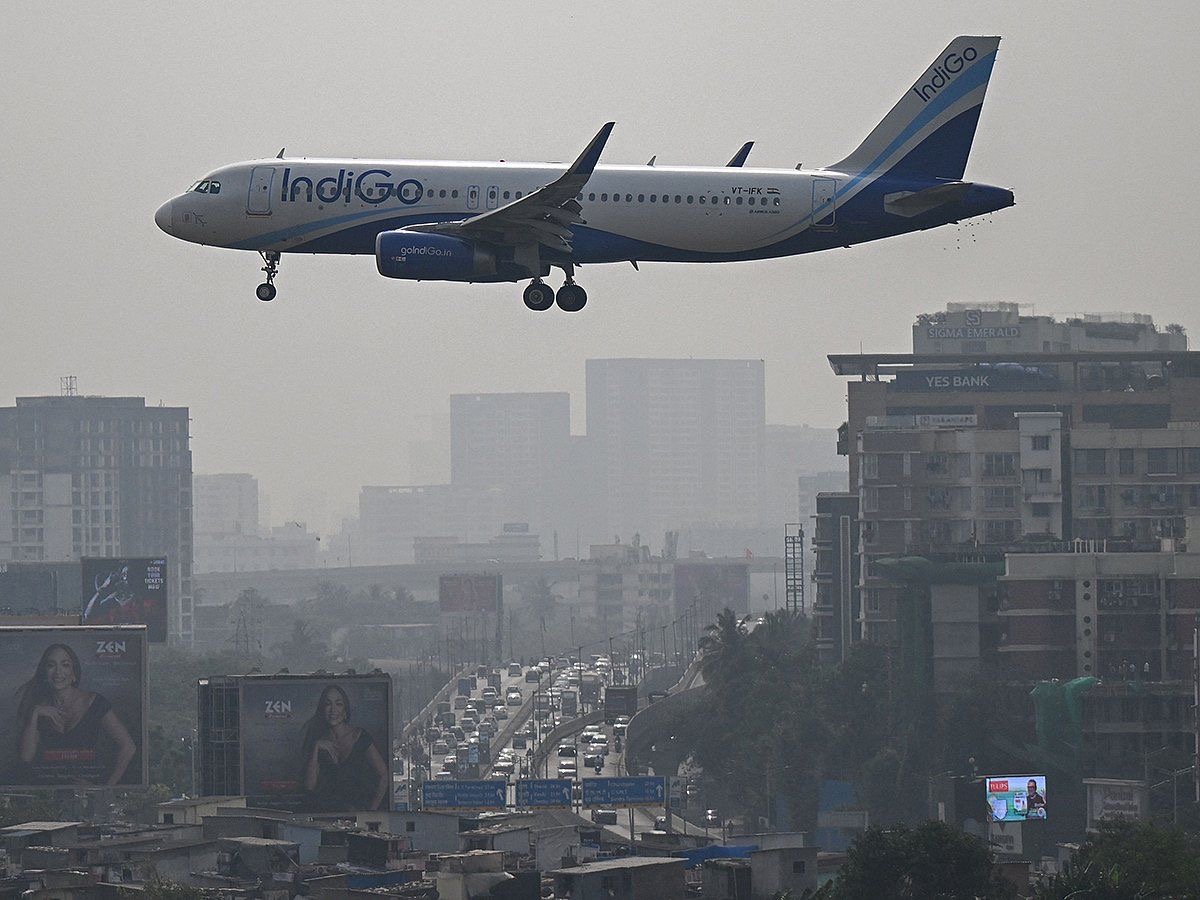
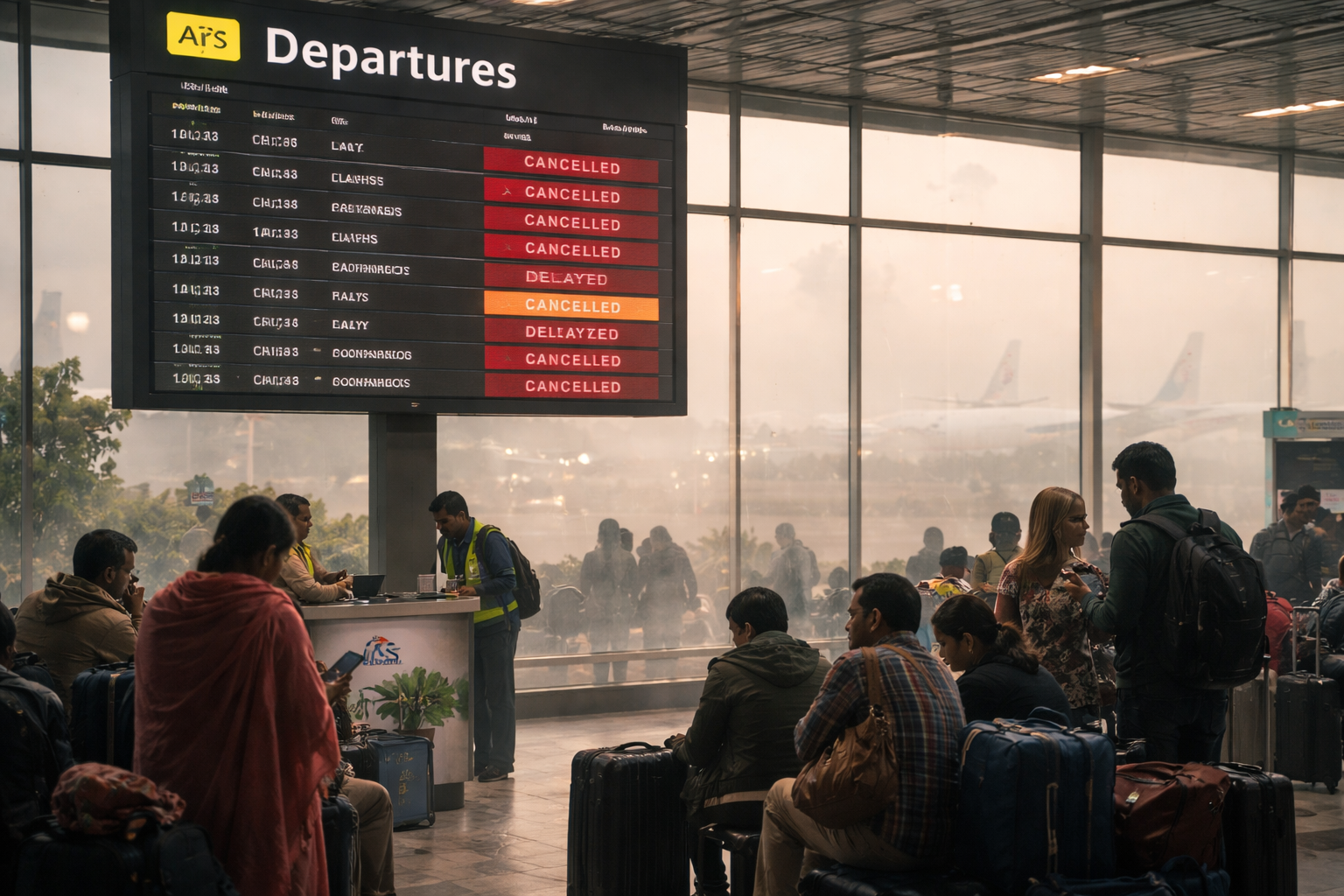
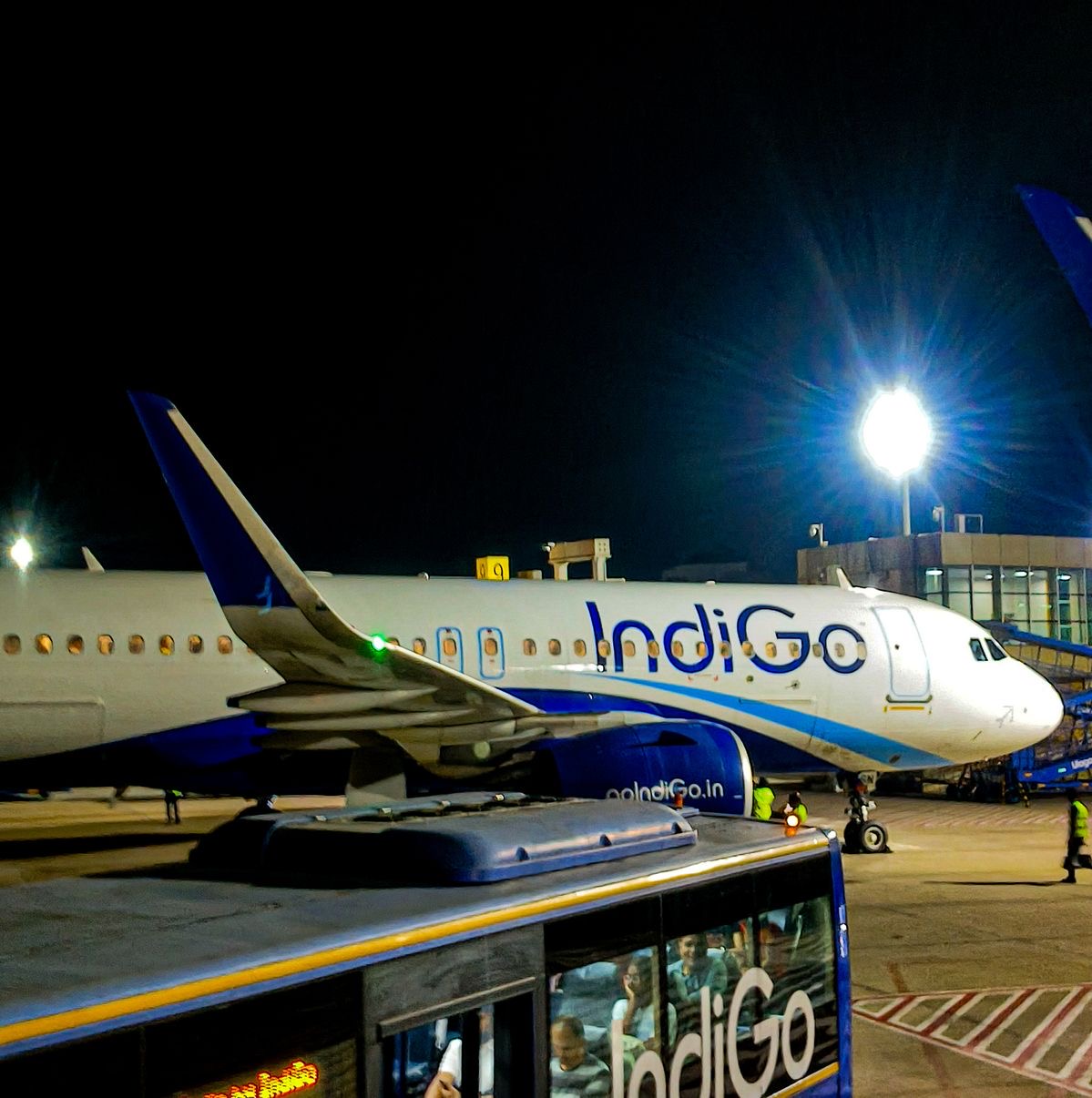
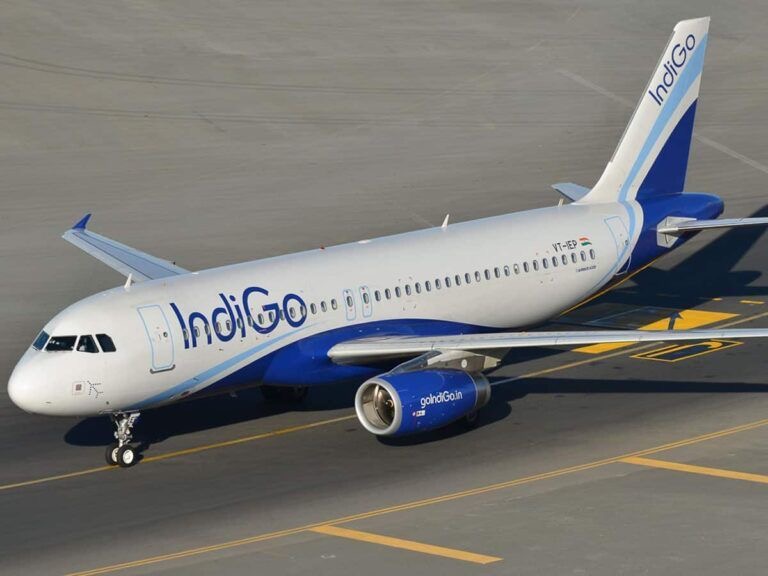
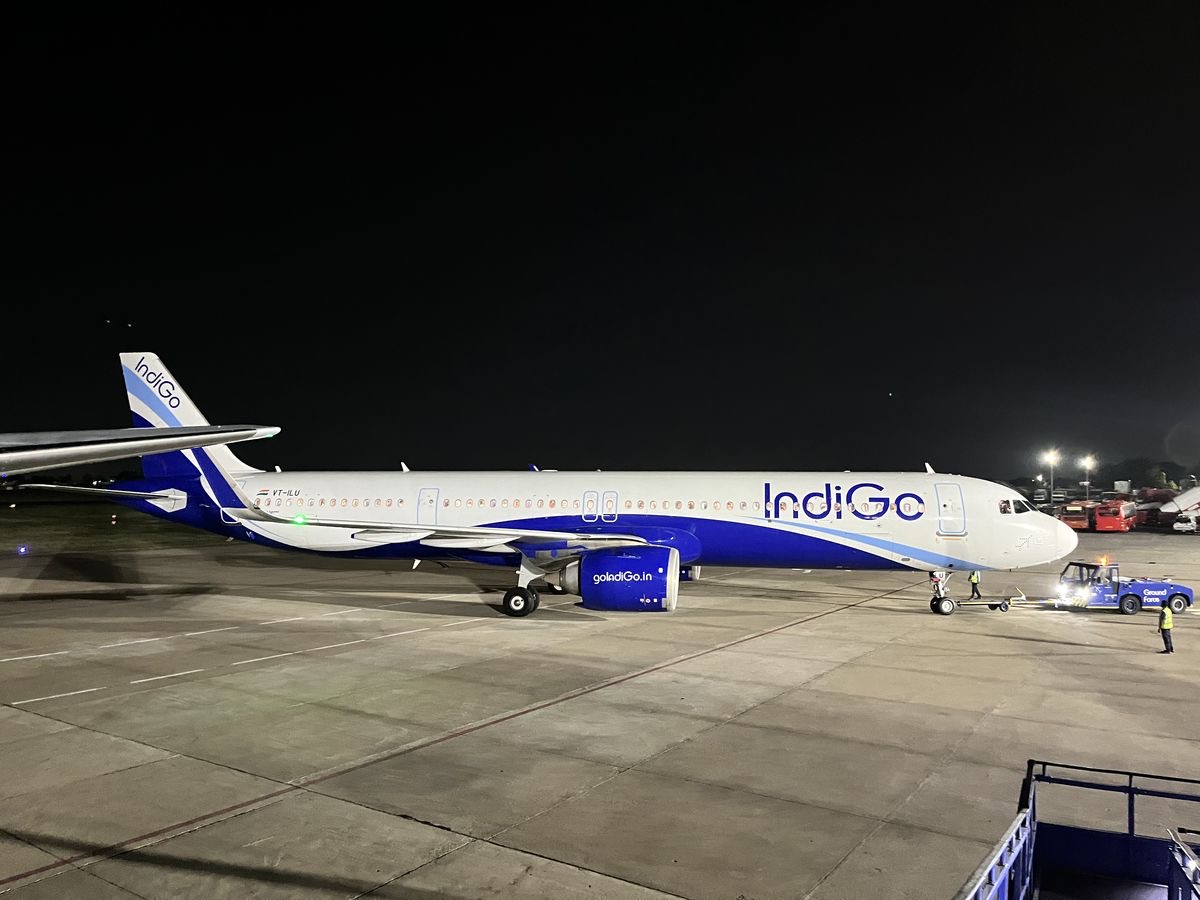
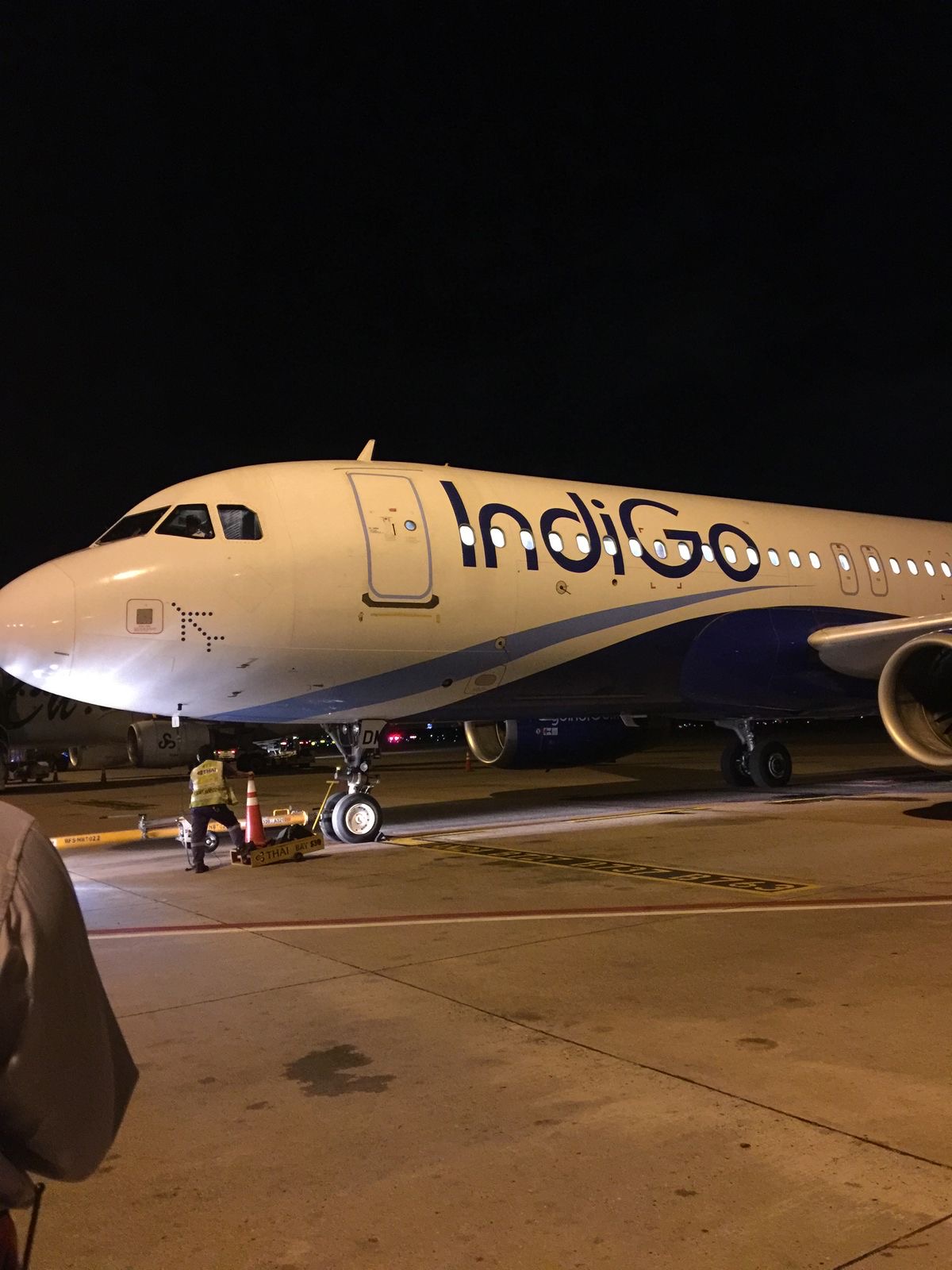
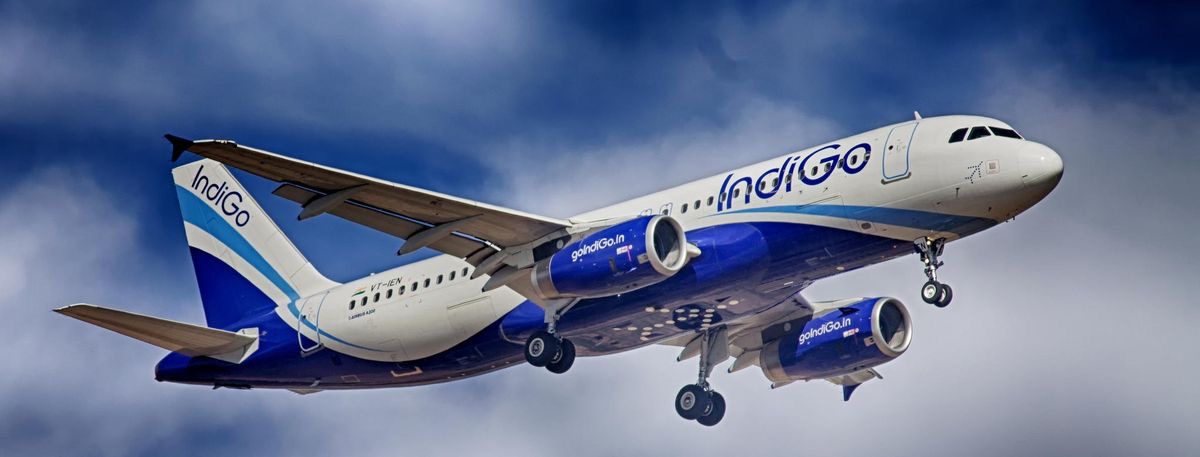
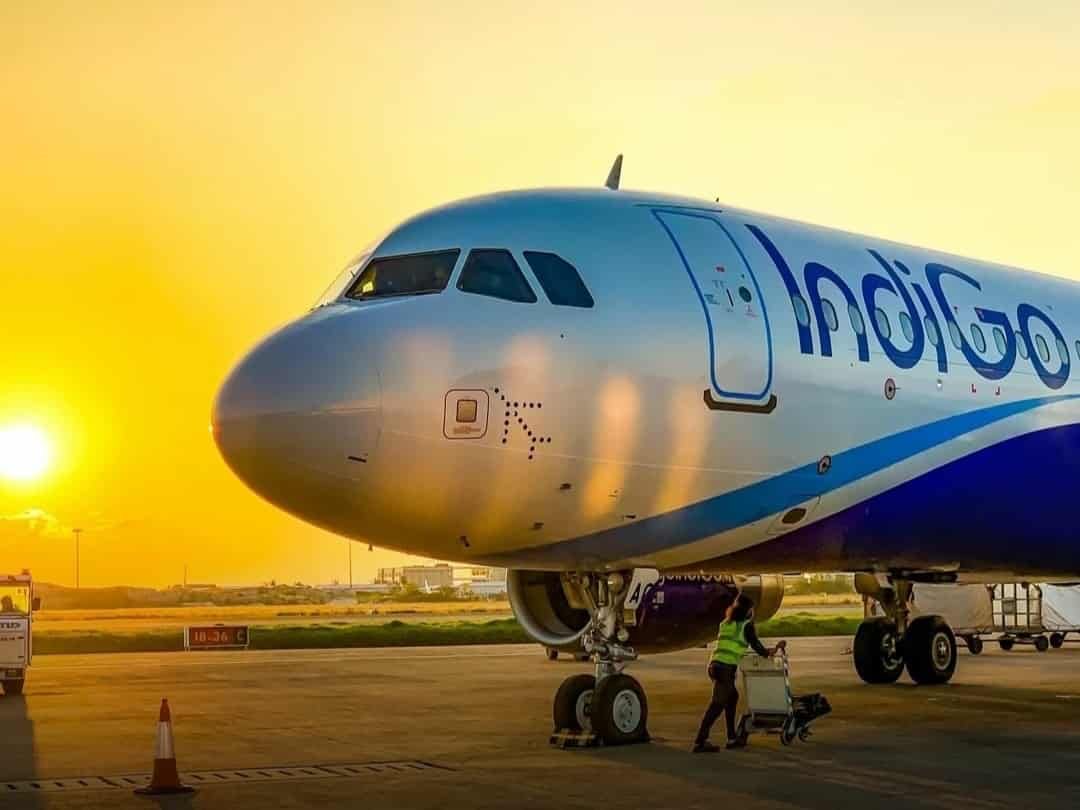
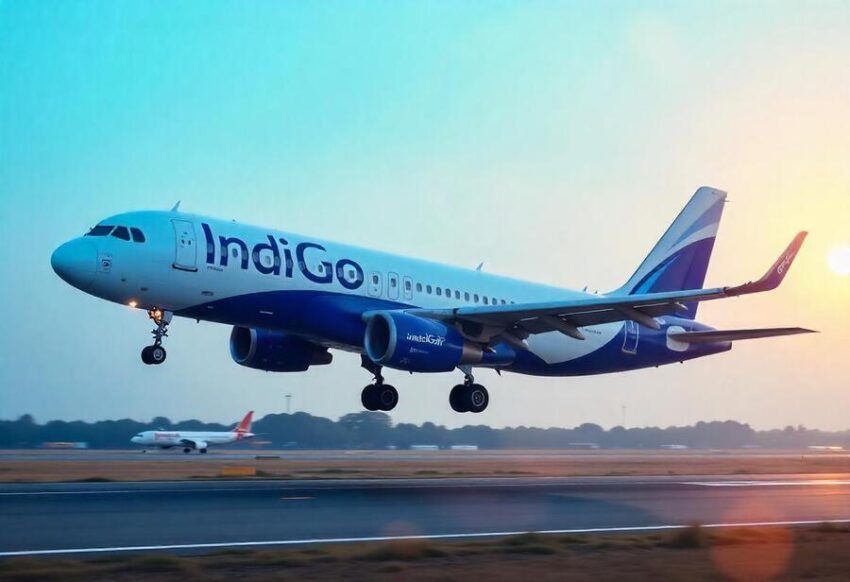
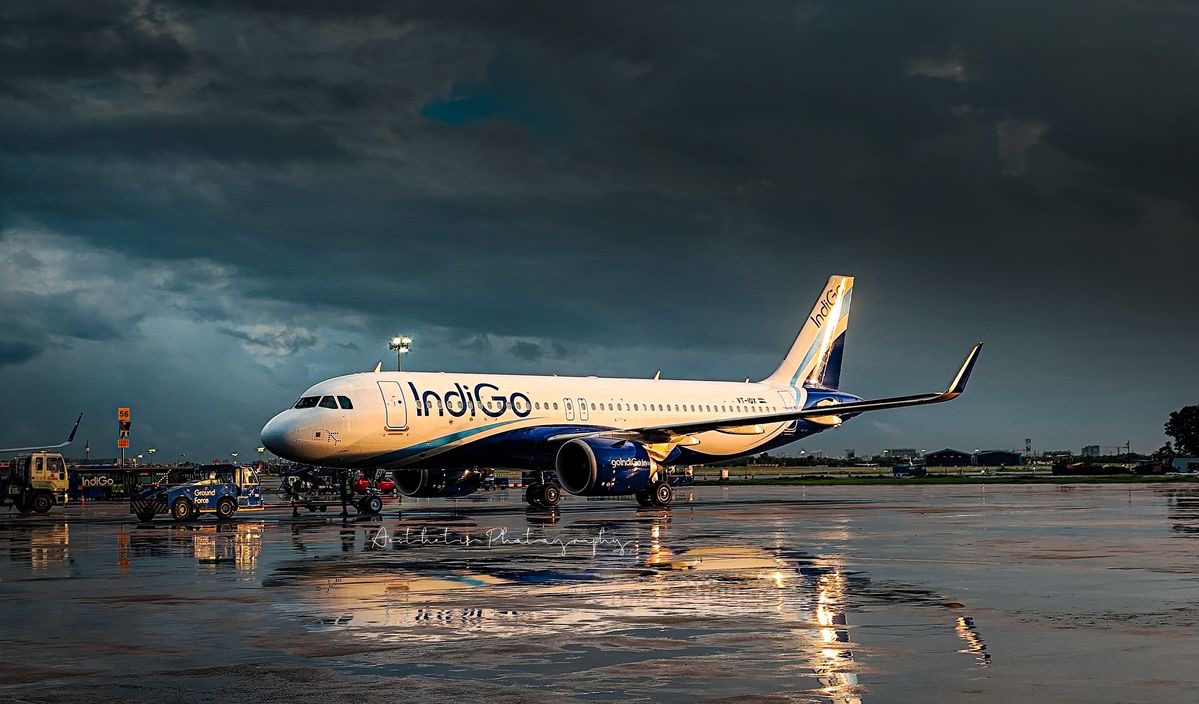
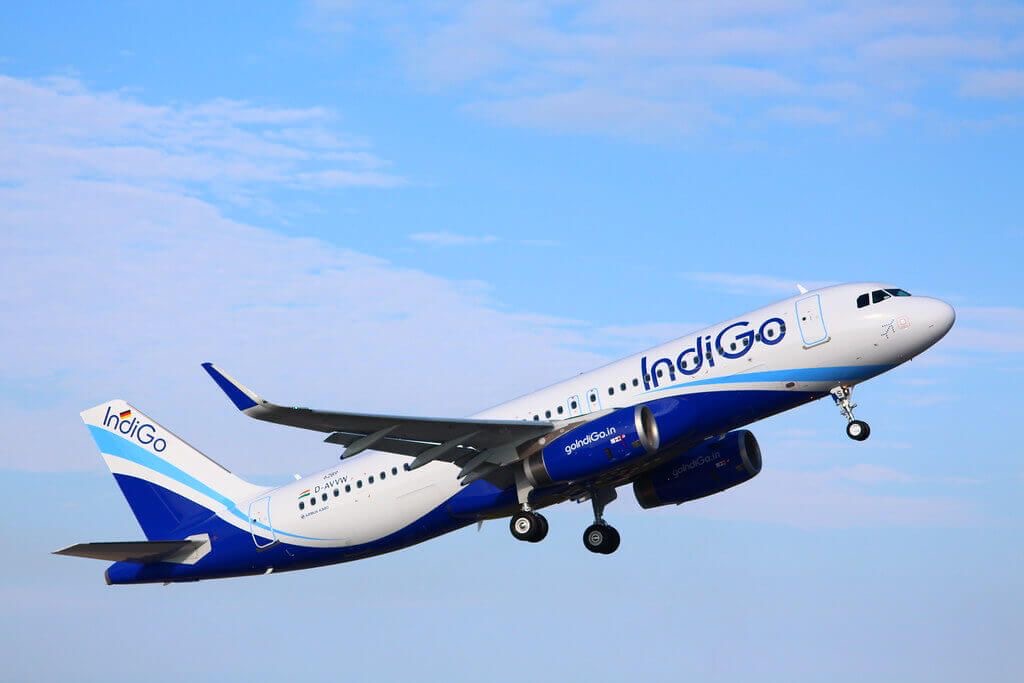
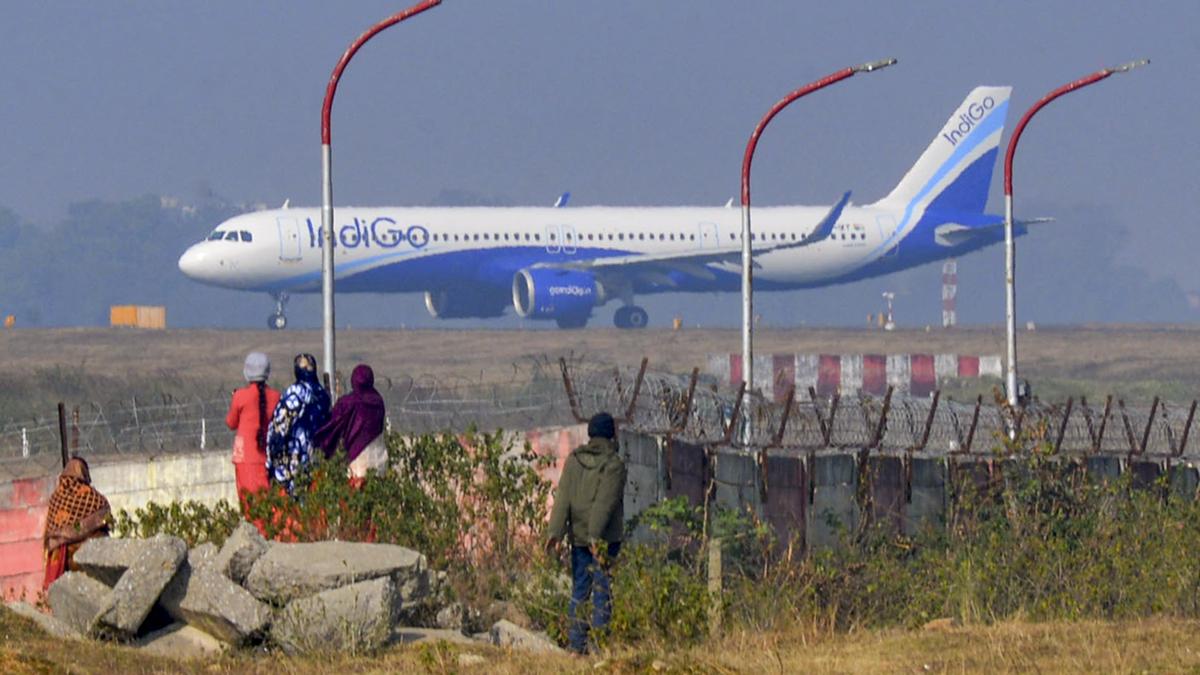
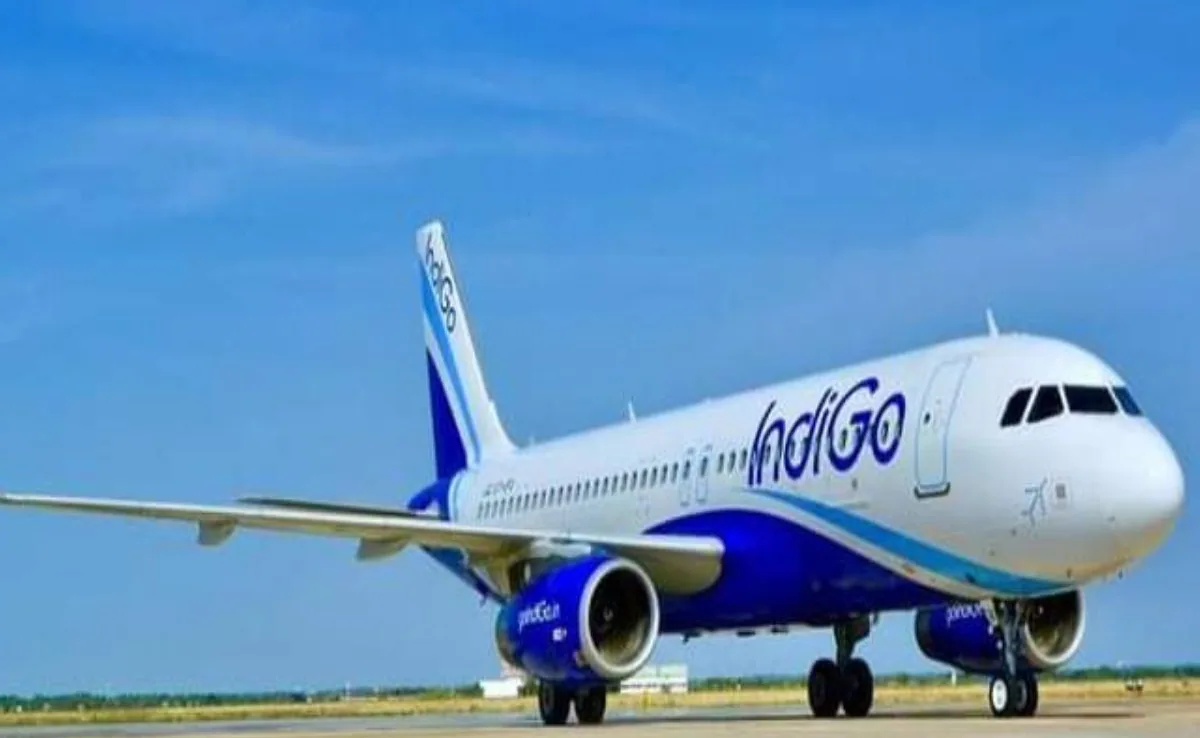
Following a period of intense operational strain that tested both its systems and its people, IndiGo has announced that it has brought its flight schedule back to near normal levels, with around 2,200 flights operating each day. The milestone signals a crucial phase of recovery for India’s largest airline, which had faced widespread cancellations and delays that disrupted travel plans for passengers across the country and beyond.
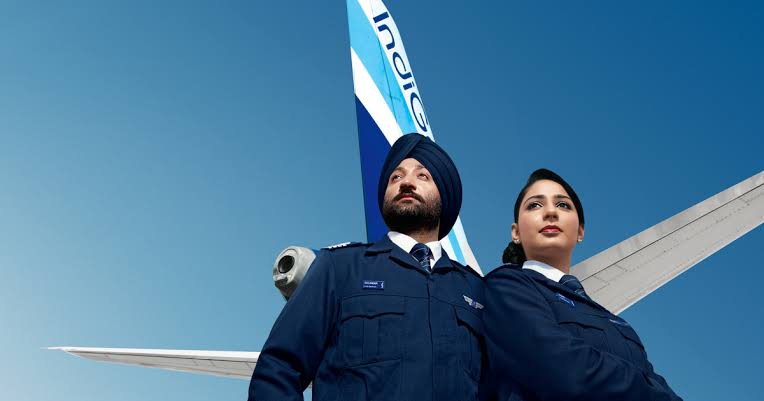
Addressing employees in a candid message, Chief Executive Officer Pieter Elbers described the past few weeks as some of the most challenging in the airline’s history. He acknowledged the frustration experienced by customers and the extraordinary pressure placed on frontline staff, including pilots, cabin crew, ground handlers, engineers, and customer service teams. According to Elbers, the restoration of daily operations was made possible only through sustained teamwork, long hours, and a shared determination to stabilise the network.
While the return to 2,200 daily flights marks a major operational achievement, the CEO emphasised that the airline is not treating this as the end of the crisis. Instead, IndiGo is now entering a critical phase of reflection and rebuilding. Elbers outlined three clear priorities that will guide the airline’s next steps. The first is strengthening resilience, ensuring that systems, staffing, and processes are better equipped to absorb shocks in the future. The second is conducting a detailed root cause analysis to fully understand the chain of events that led to the disruption. The third is rebuilding, not just in technical terms, but also in restoring confidence among passengers, regulators, and employees.
To ensure transparency and credibility, IndiGo’s board has appointed an external aviation expert to lead the investigation into the recent operational breakdown. This independent review is expected to examine everything from crew scheduling and fleet availability to decision making processes and communication gaps. The findings will be used to implement long term corrective measures aimed at preventing similar disruptions as the airline continues to expand.
Elbers also placed the recent crisis in the broader context of IndiGo’s growth story. From a modest beginning with a single aircraft, the airline has grown into a dominant force in Indian aviation, operating one of the world’s largest fleets and carrying millions of passengers each year. He stressed that while the disruption was a serious setback, it does not erase the progress made over two decades or the dedication of the people who built the airline.
The recovery comes at a time of increased scrutiny, with a parliamentary panel recently questioning both IndiGo and aviation regulators over their handling of the situation. The episode has highlighted the growing complexity of airline operations in India’s rapidly expanding aviation market and the need for stronger coordination, oversight, and preparedness across the ecosystem.
Looking ahead, IndiGo’s leadership team plans to engage directly with employees across bases and departments, listening to their experiences and incorporating their feedback into the rebuilding process. The airline’s stated goal is not only to maintain schedule stability but also to emerge stronger, more resilient, and better prepared for future challenges.
As IndiGo steadies its operations and looks beyond the immediate recovery, the airline is positioning this moment as a turning point, one that will shape how it operates, grows, and responds to crises in the years to come.