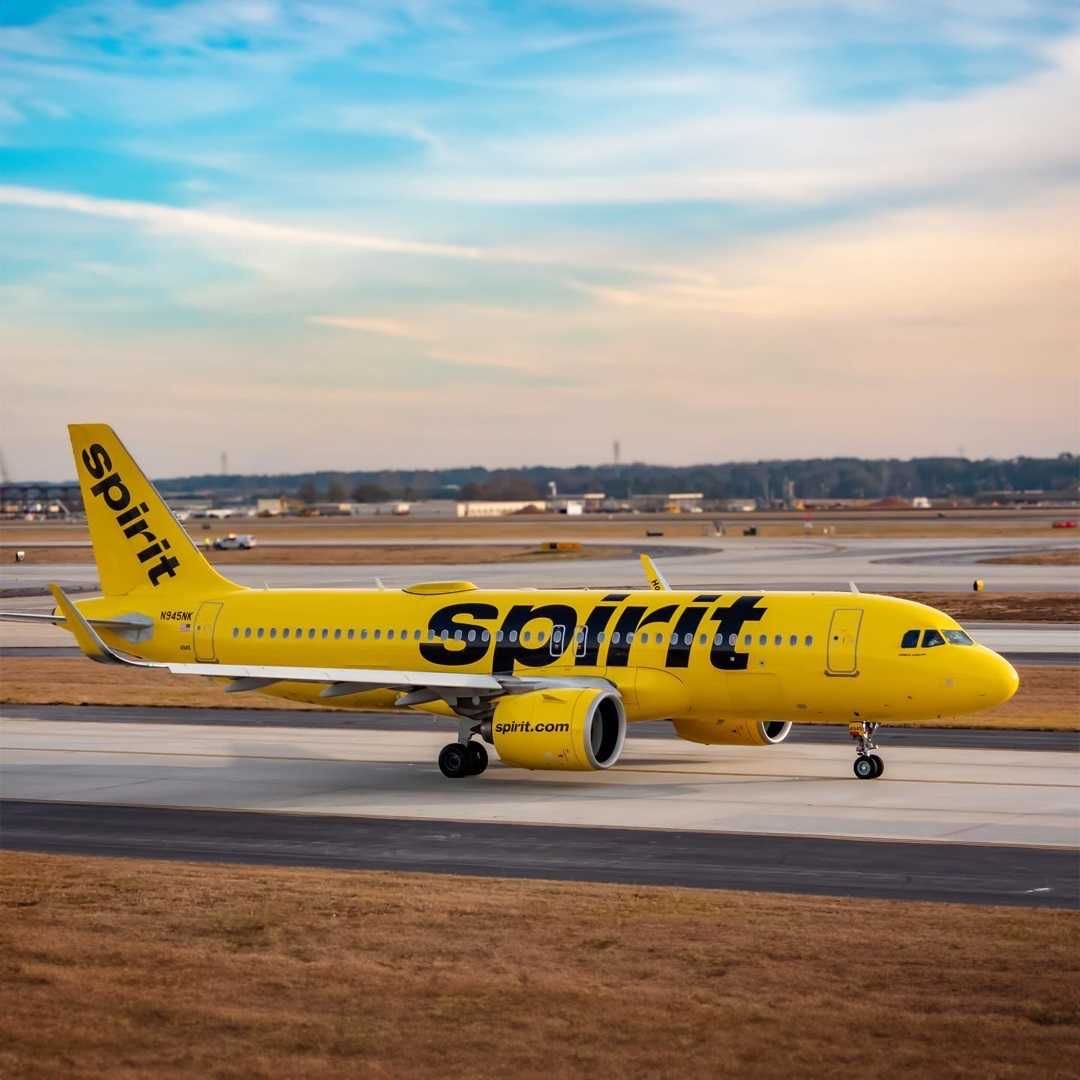
Spirit Airlines has taken a crucial step in its effort to emerge from bankruptcy as pilots and flight attendants agreed to temporary pay reductions aimed at supporting the struggling carrier’s financial recovery. The decision follows weeks of negotiations between airline management and labor unions, reflecting the seriousness of the challenges facing one of America’s largest ultra-low-cost airlines.
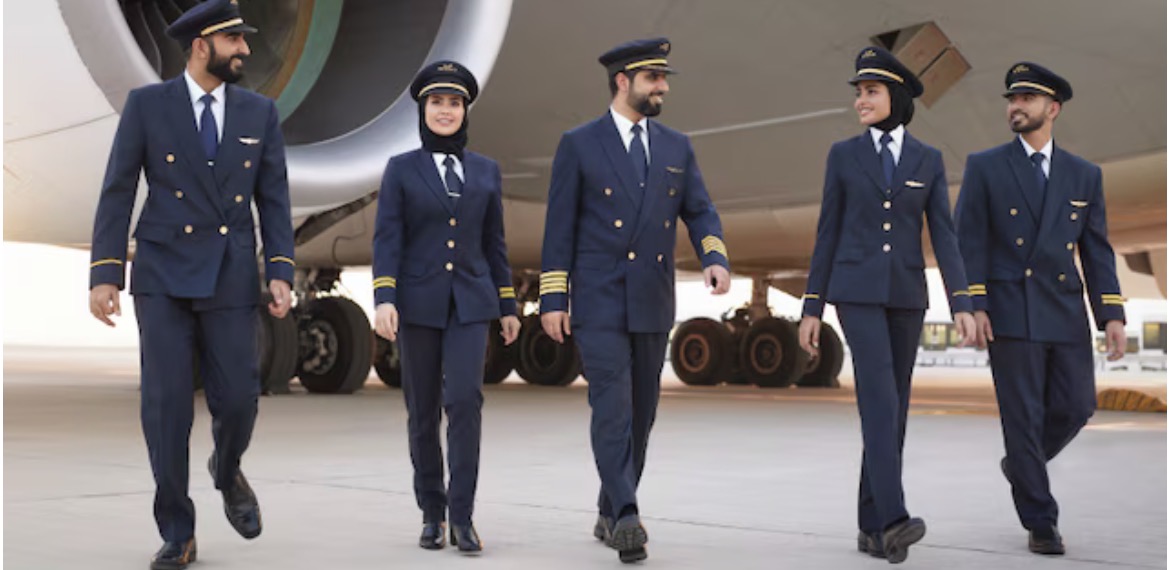
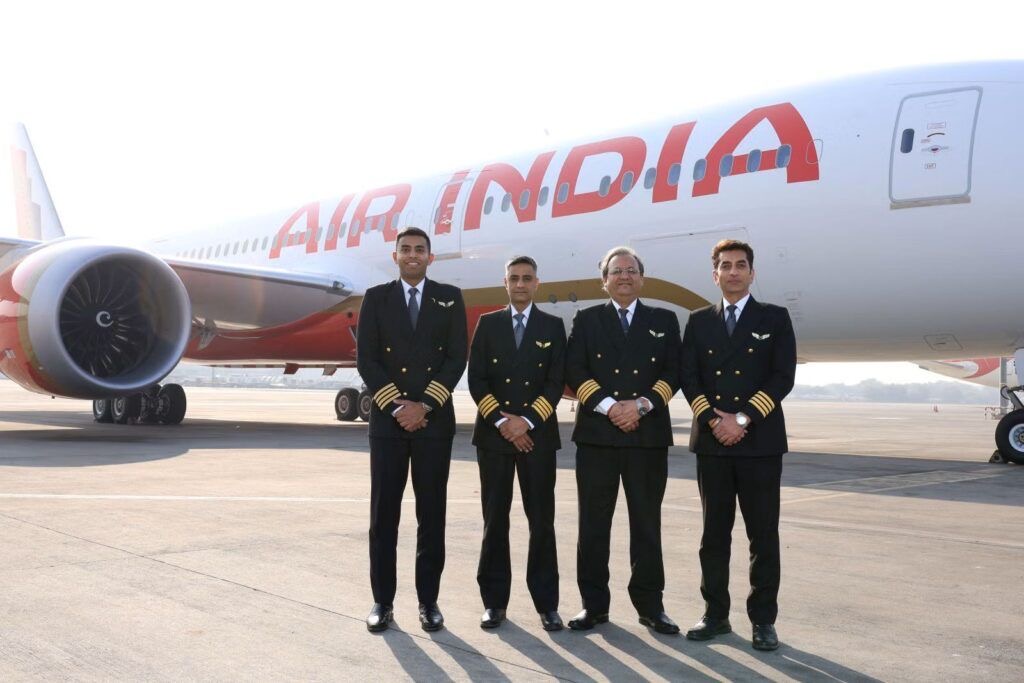
The agreements were reached with the unions representing Spirit’s cockpit and cabin crews, whose members voted to approve concessions that include reduced wages and adjustments to certain benefits. While the measures will directly impact thousands of frontline employees, union leaders acknowledged that the move was necessary to keep the airline operational and prevent deeper job losses in the future.
Spirit has been operating under Chapter 11 bankruptcy protection as it works to restructure its finances, cut costs, and secure new funding. Rising operating expenses, increased competition, and weakened demand in key markets have placed immense pressure on the airline, making labor cost reductions a central part of its survival strategy. Company executives emphasized that without these agreements, Spirit’s ability to continue flying would have been seriously jeopardized.
Under the approved terms, pilots will experience reductions in hourly pay rates along with temporary changes to retirement contributions. Flight attendants have also accepted lower compensation in specific pay categories, including premium and incentive payments. Despite the sacrifices, both groups ensured that core benefits such as healthcare coverage remain intact, offering some reassurance during an uncertain period.
Union representatives described the decision as difficult but unavoidable. Many crew members expressed frustration and disappointment, particularly after enduring years of industry disruption and staffing shortages. However, union leadership stressed that the agreements include safeguards designed to restore pay and benefits once the airline’s financial position improves and it successfully exits bankruptcy.
Spirit’s management has acknowledged the burden being placed on employees and stated that senior executives will also take pay cuts to share the responsibility of the recovery effort. The airline believes that demonstrating internal solidarity is essential to rebuilding trust with workers, creditors, and investors as it moves through the restructuring process.
Beyond labor concessions, Spirit has been reshaping its business by trimming its route network, grounding aircraft, and reassessing its long-term growth plans. These changes reflect a broader effort to stabilize operations and adapt to a tougher aviation environment where cost control has become critical for survival.
While the pay cuts mark a challenging chapter for Spirit’s workforce, the airline says the agreements provide a clearer path toward financial stability. For pilots and flight attendants, the hope is that these sacrifices will ultimately preserve jobs, restore the airline’s footing, and allow Spirit to emerge stronger from one of the most difficult periods in its history.