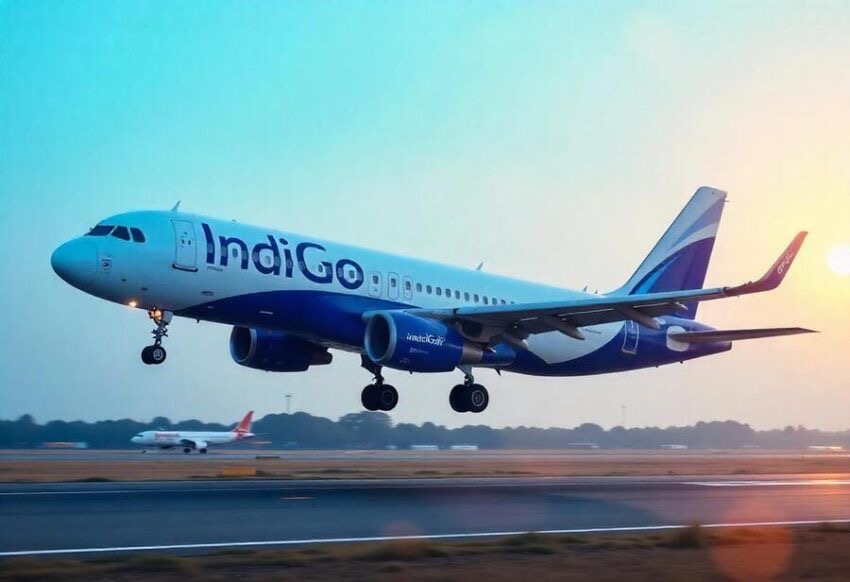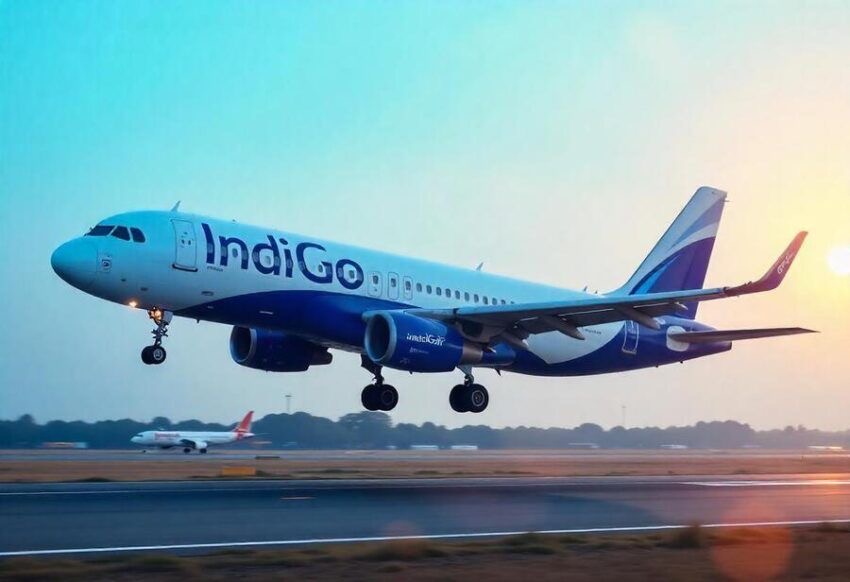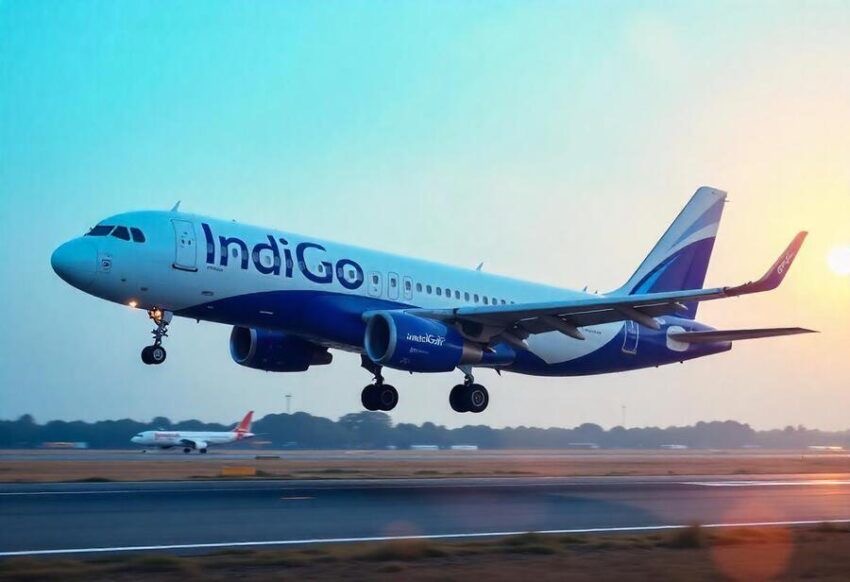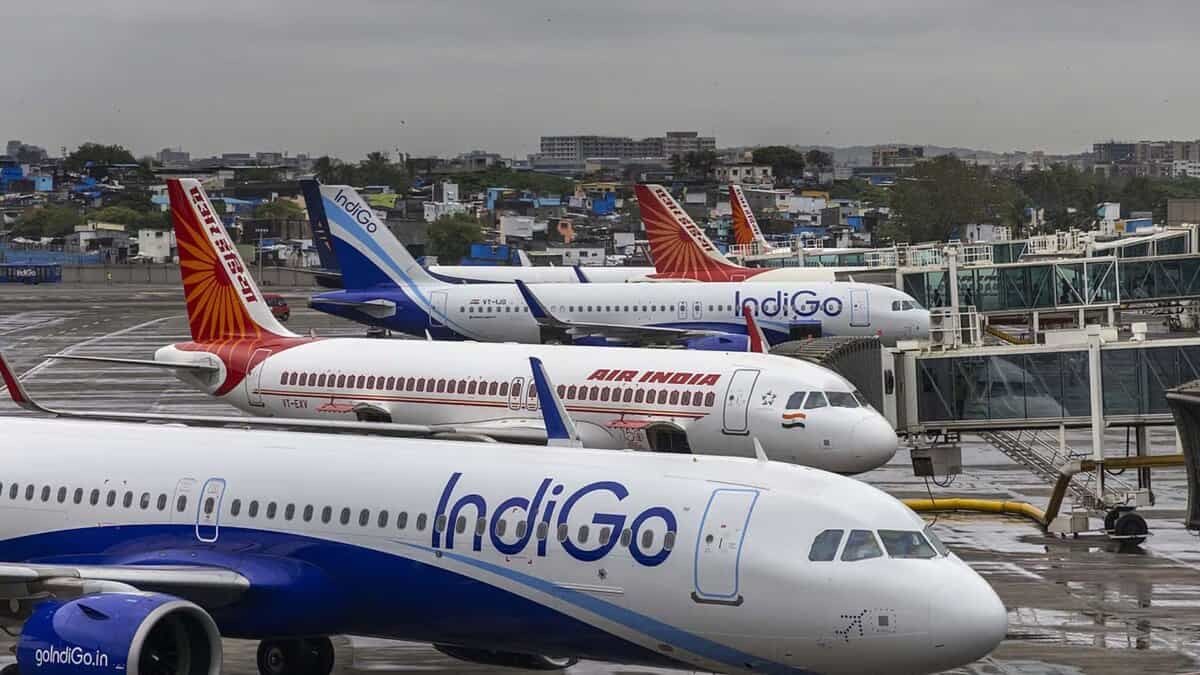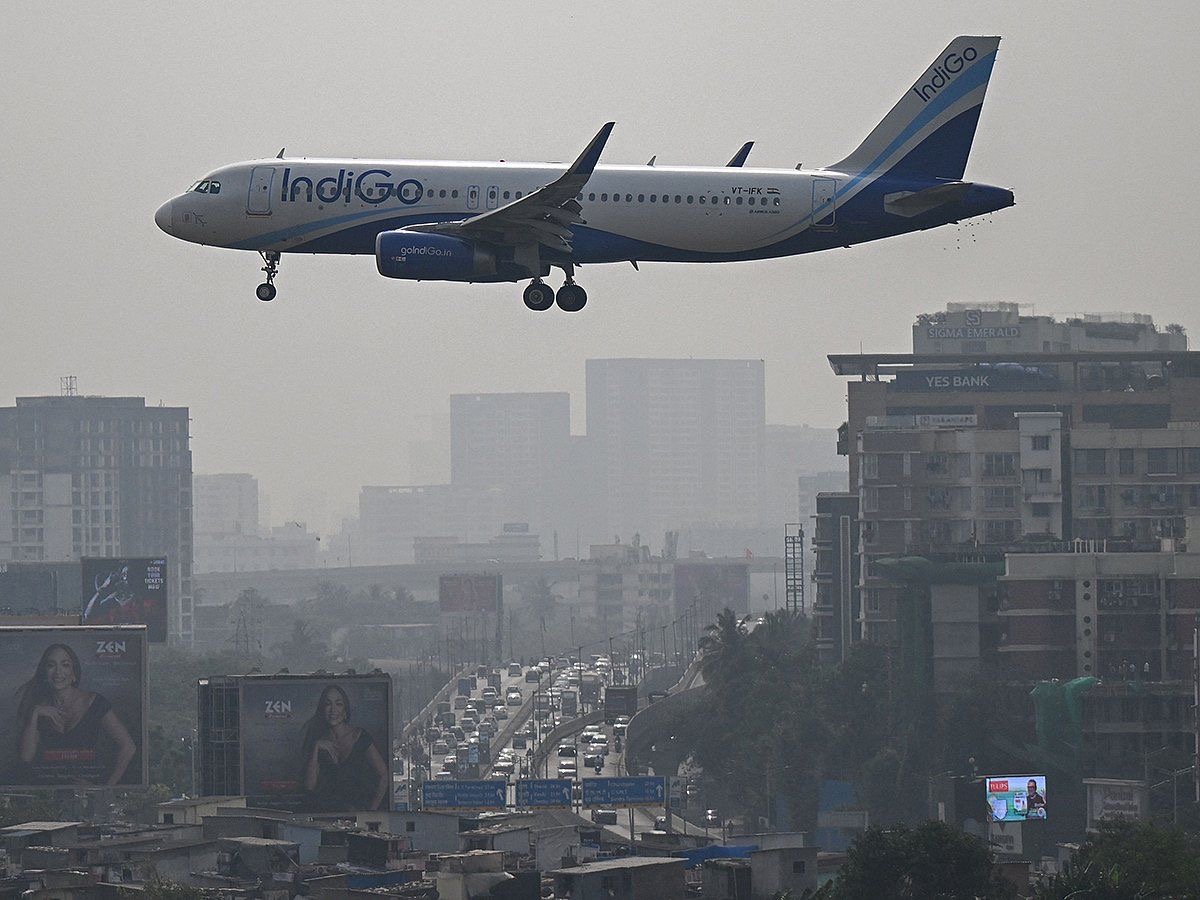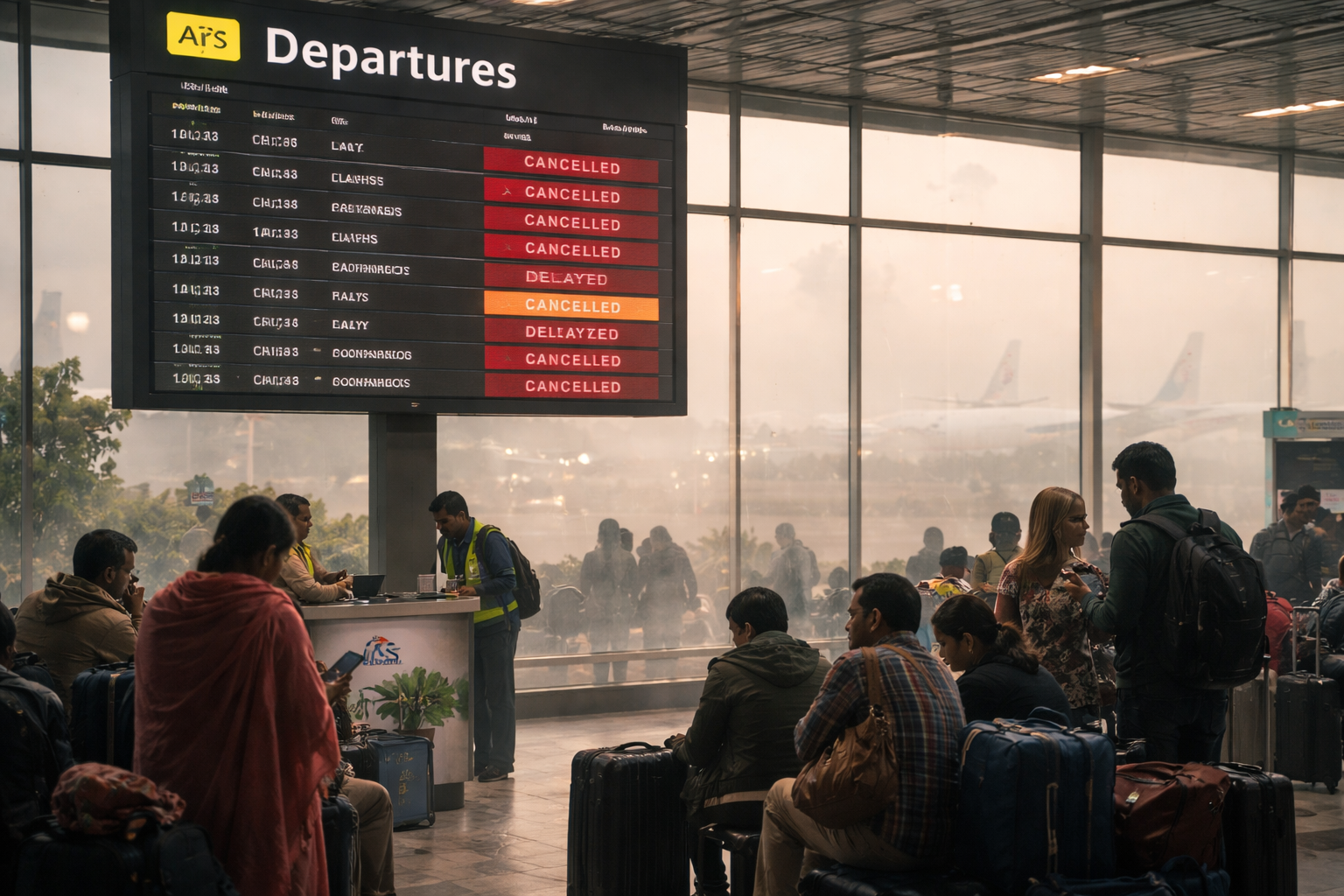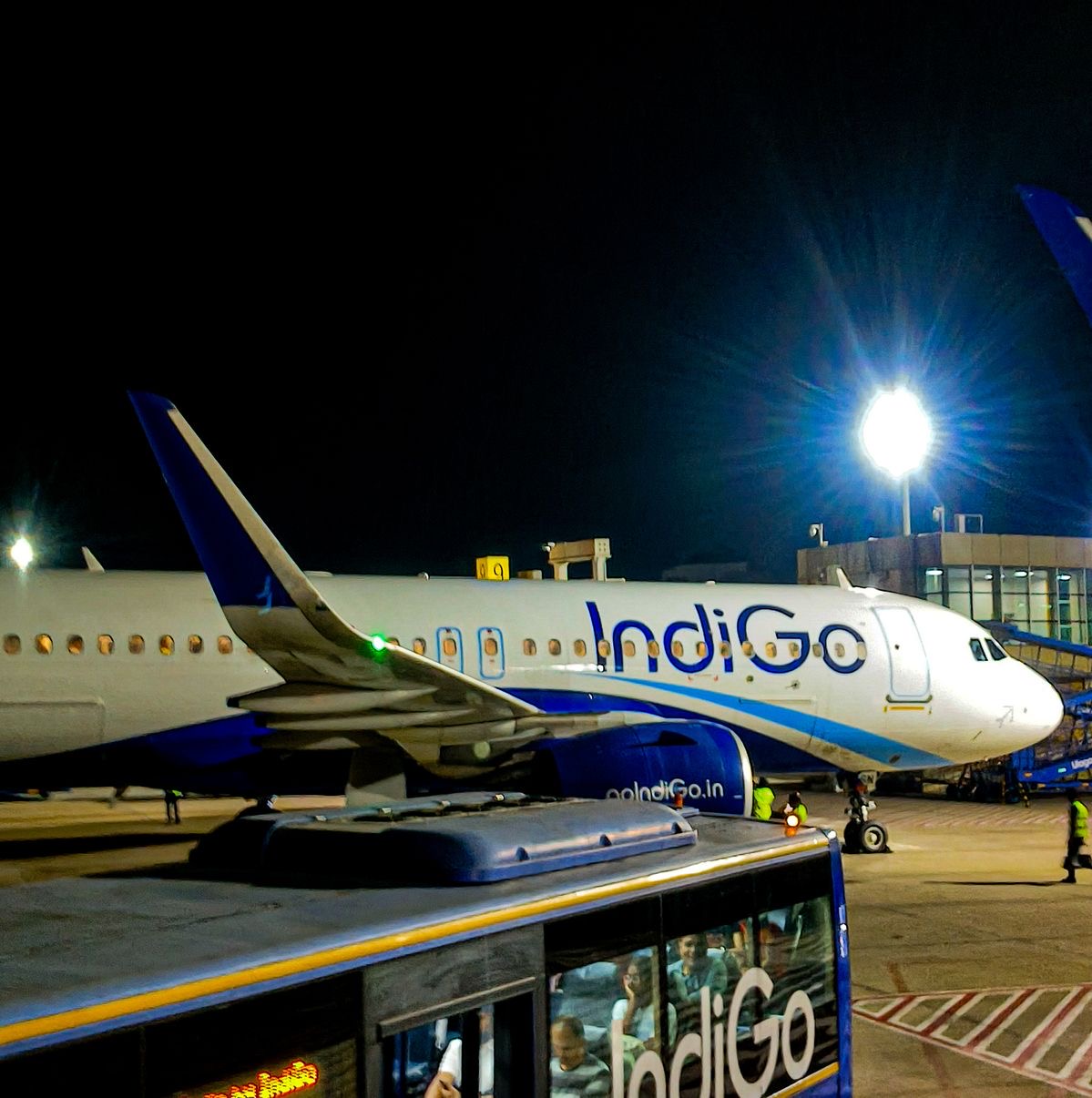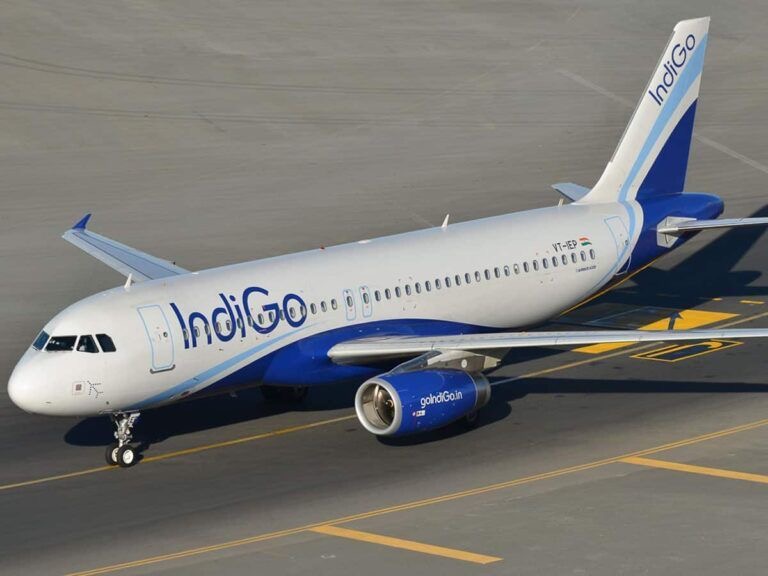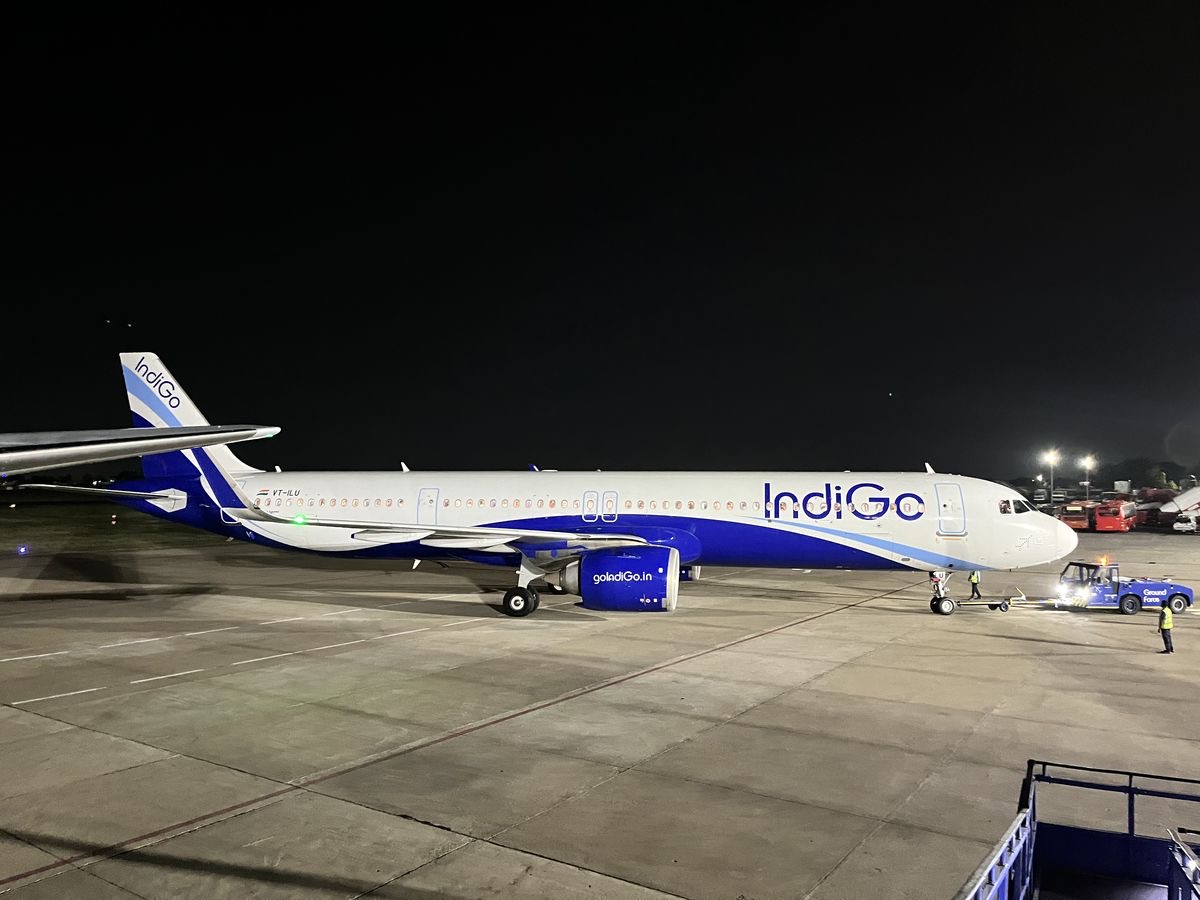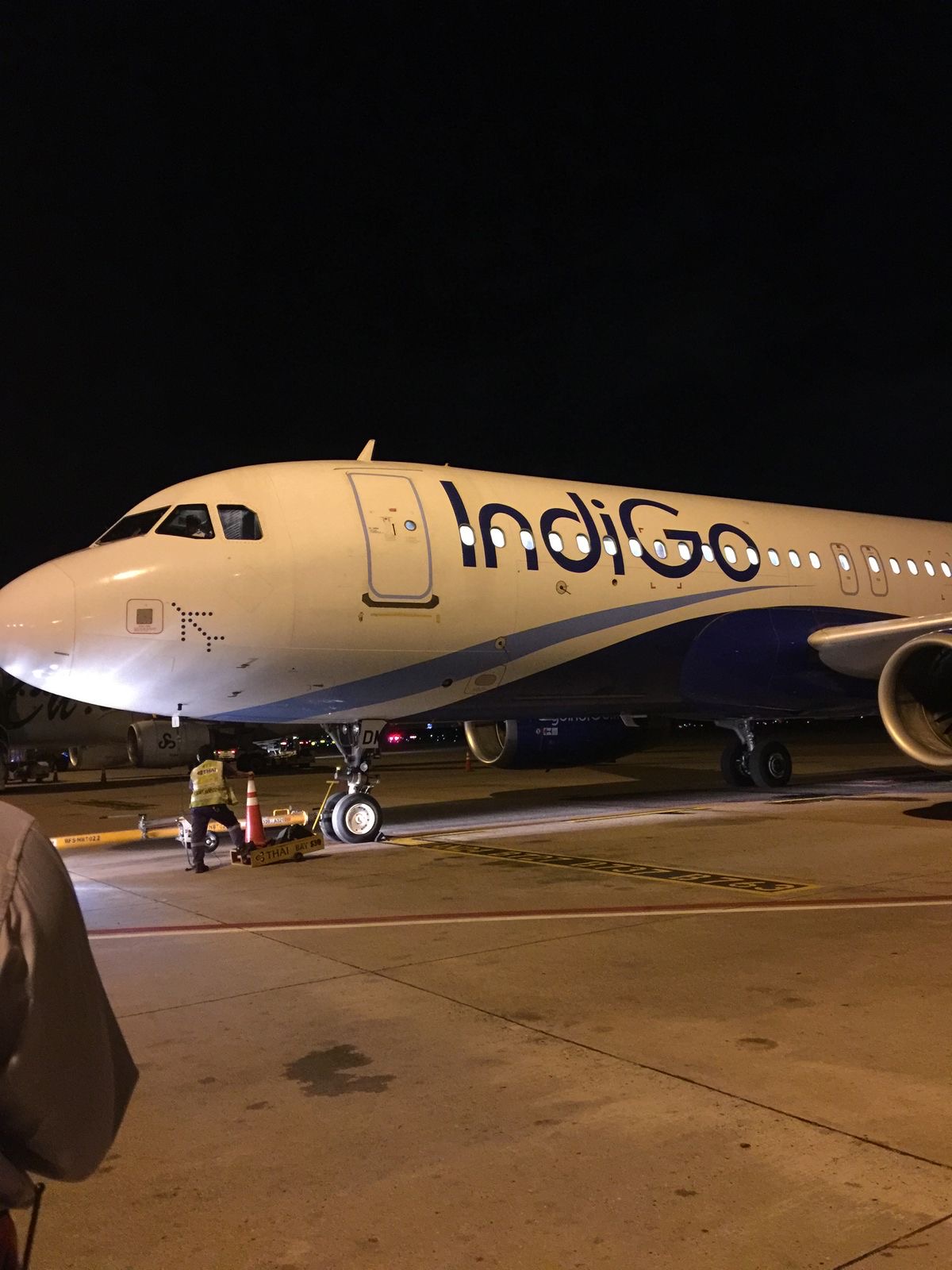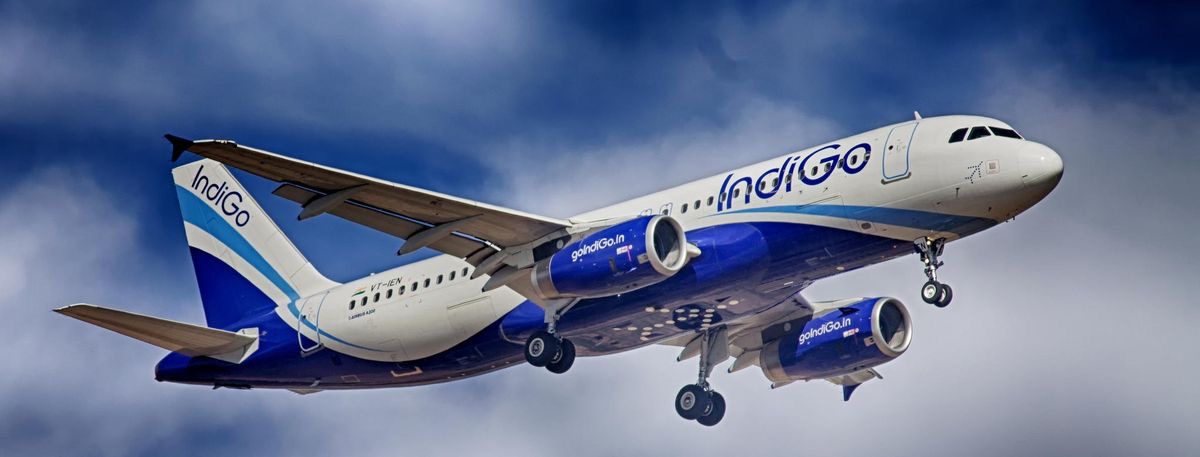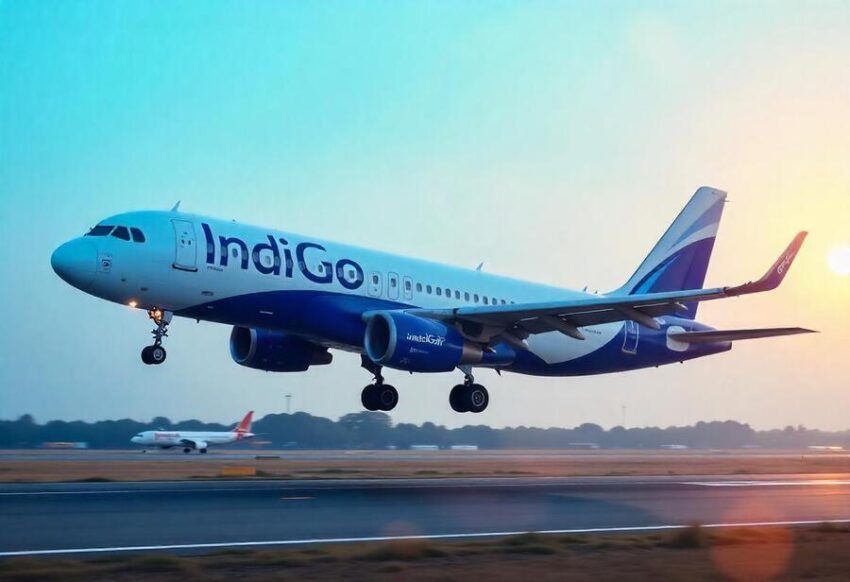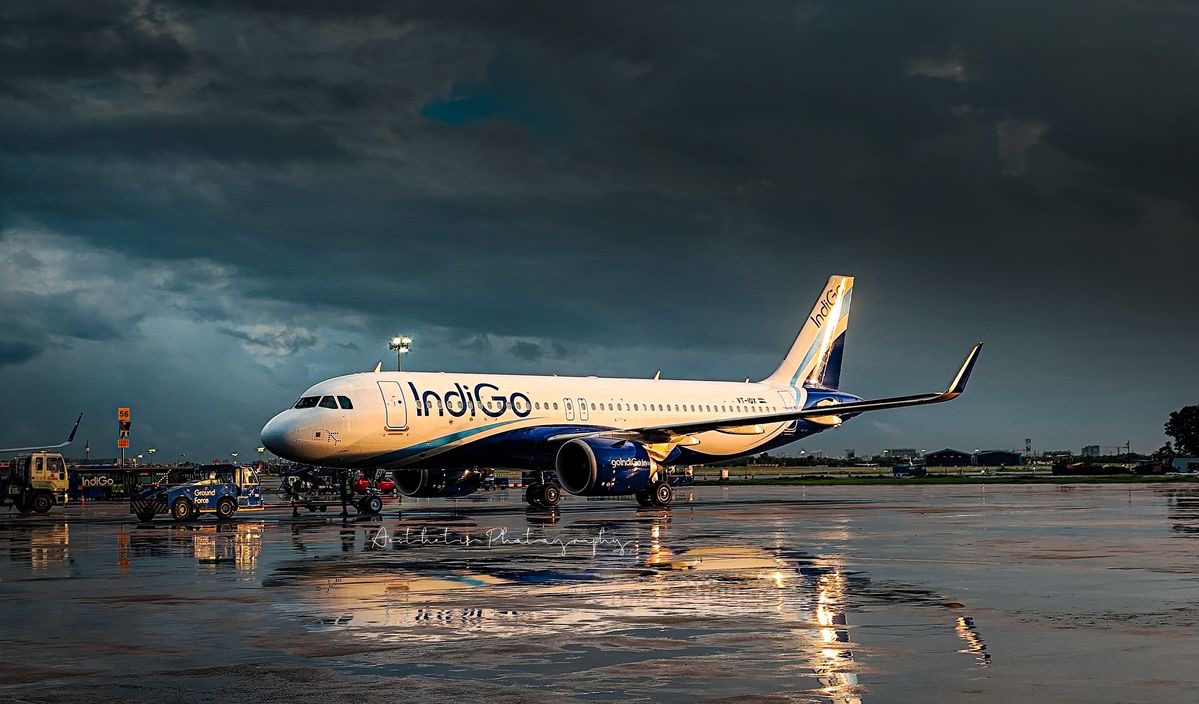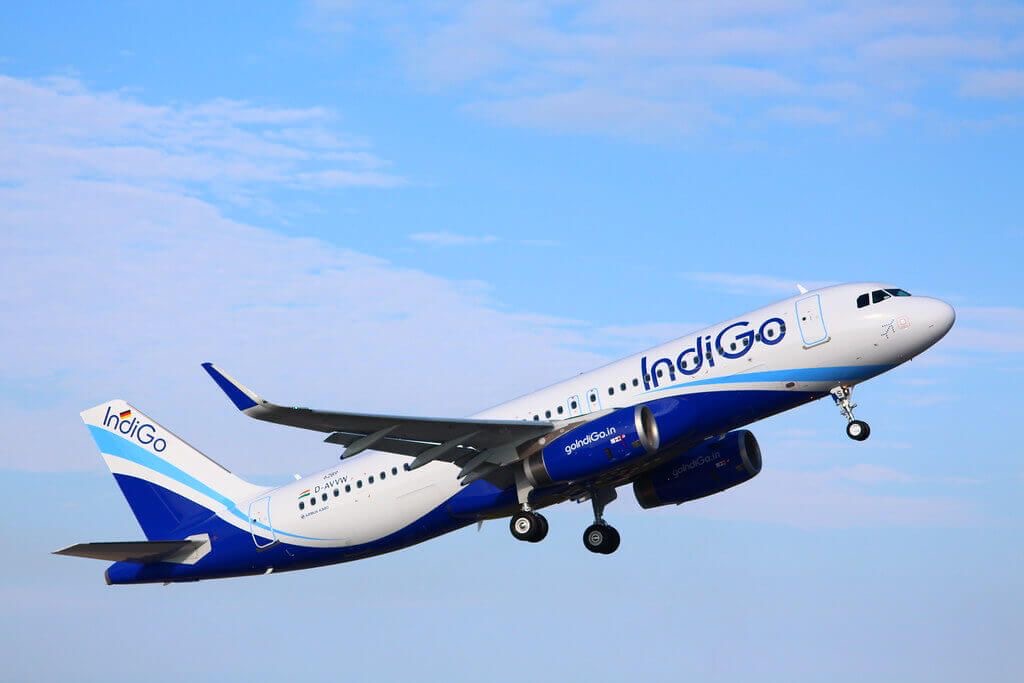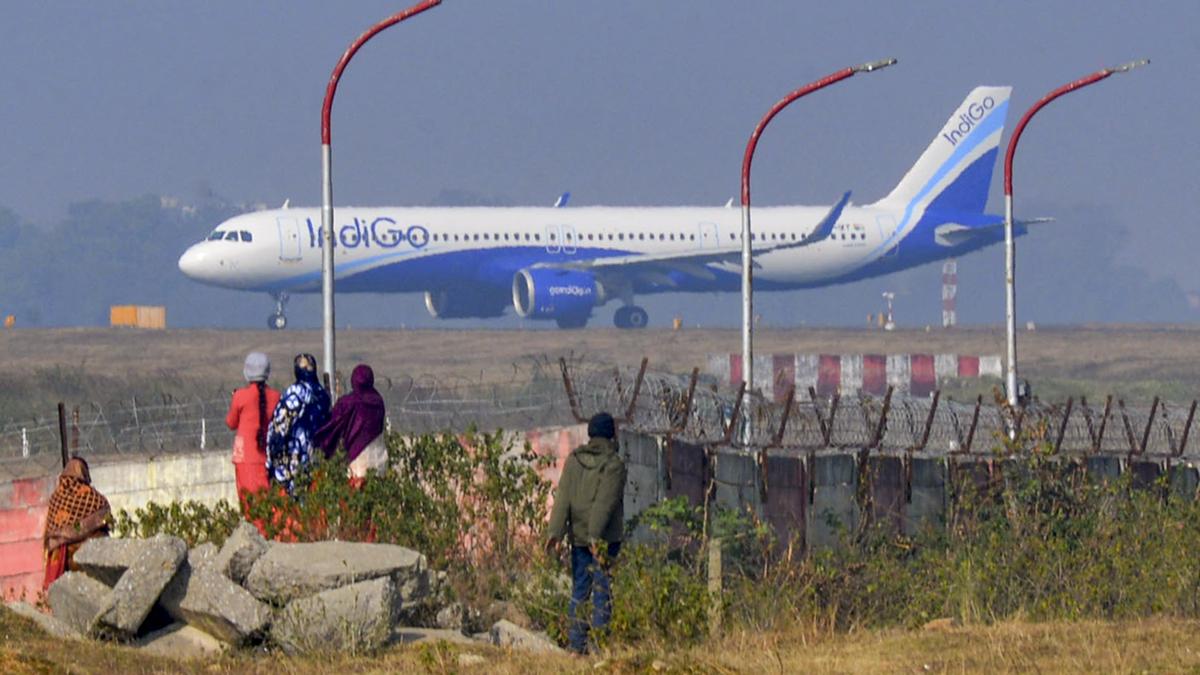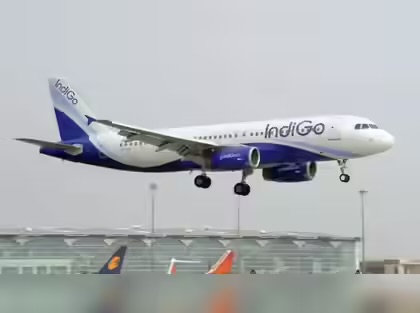
IndiGo has cancelled more than 500 flights to and from Middle East destinations over the past four days as the ongoing crisis in the region continues to disrupt normal aviation operations. The widespread cancellations reflect how airlines adjust schedules rapidly in response to evolving geopolitical tensions, airspace restrictions and safety advisories that affect routes passing over conflict-affected areas.
IndiGo, one of India’s largest carriers, operates numerous services to key Middle Eastern hubs such as Dubai, Abu Dhabi, Doha, Riyadh and Muscat, carrying a mix of leisure, business and expatriate traffic. With tensions rising and airspace conditions shifting, the airline has had to make operational decisions that prioritise passenger and crew safety, leading to cancellations, revised routings and schedule adjustments across affected sectors.
The cancellations have impacted thousands of passengers who had booked travel for business, personal visits, family reunions and transit connections. Travellers affected by the disruptions have had to contend with uncertainty over their itineraries, rebooking needs, missed connections and adjustments to onward plans. Many have been advised to contact the airline’s customer service teams for assistance with alternate flights, refunds, travel credits or revised travel options.
Airlines typically cancel flights on routes where airspace access becomes unsafe or uncertain, or where regulatory bodies issue advisories that recommend avoidance of specific corridors. Such decisions are based on risk assessments that combine intelligence inputs, Notices to Airmen (NOTAMs), sovereign airspace closures and guidance from civil aviation authorities. When a significant number of flights are affected, it can strain airline resources and customer support operations as staff manage large volumes of change requests.
Passengers with scheduled travel during the period of cancellations have received notifications via SMS, email and airline apps, but many reported frustration over delayed updates or difficulty in securing alternatives given the volume of disruptions. Some travellers have overshot hotel bookings, had to extend stays, or rearranged important appointments due to the abrupt changes.
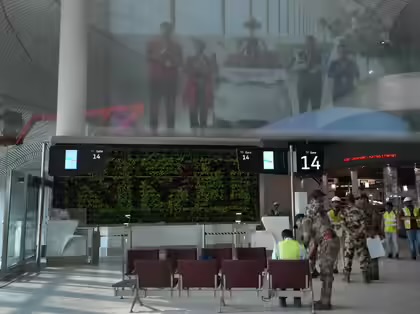
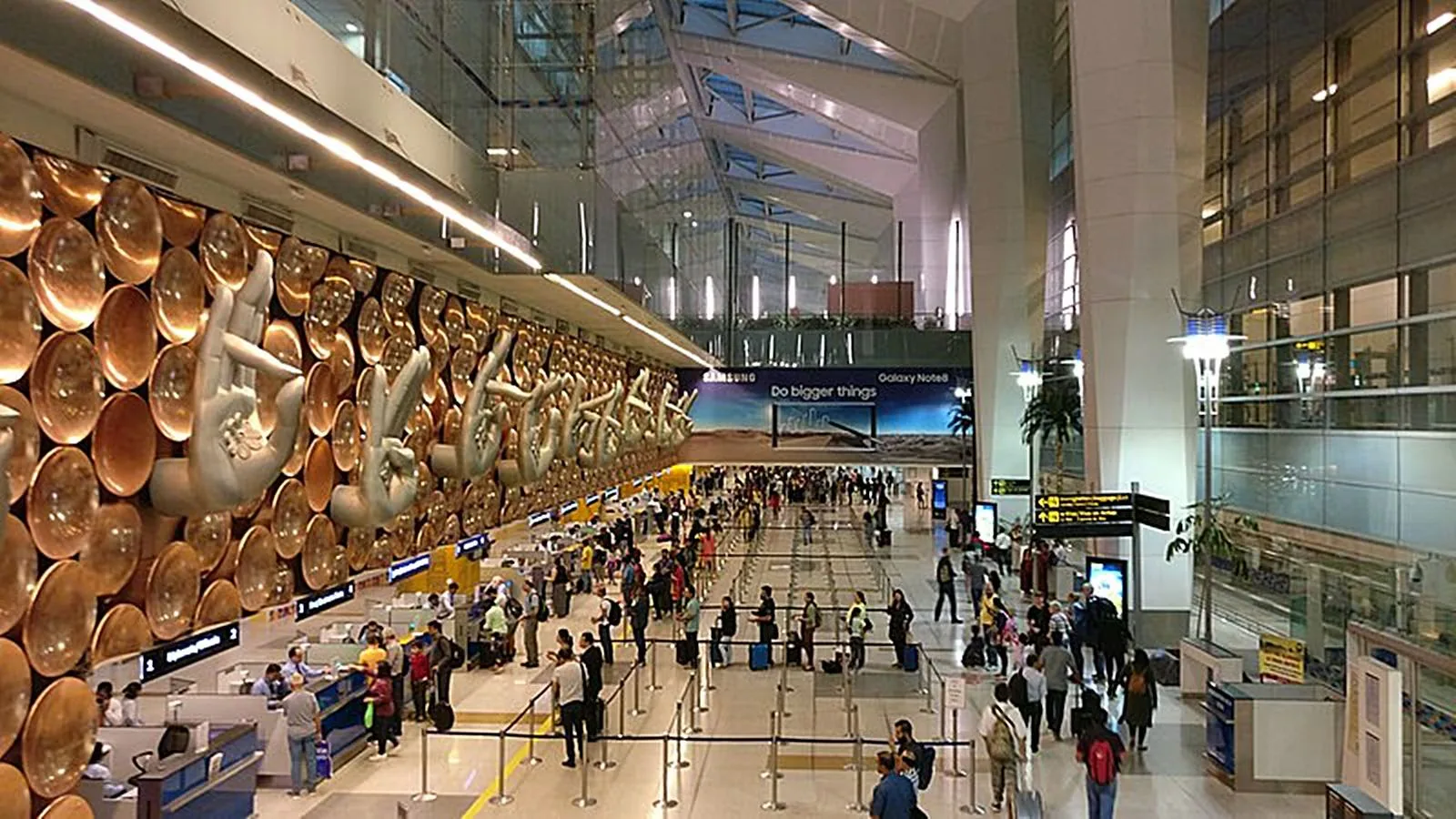
Ground teams at airports have been inundated with enquiries and ticketing requests as affected flyers seek clarity on flight status, refund eligibility and rebooking procedures. When mass cancellations occur, airlines often offer passengers options such as booking on later flights, receiving refunds, or obtaining travel credits for future bookings, depending on fare rules and regulatory norms.
The operational impact also extends to crew scheduling, aircraft positioning, slot management and resource allocation, as airlines have to recalibrate their entire network in response to geopolitical developments. In some cases, crews may need to be reassigned, aircraft rotated to alternate sectors, or maintenance schedules adjusted to support revised flight paths and service patterns.
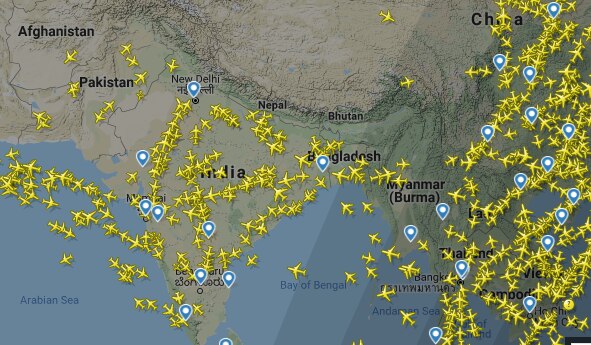
Civil aviation regulators monitor such situations closely, issuing advisories and coordinating with airlines to ensure safety is not compromised. In the current crisis, regulators around the world, including in India, have been advising caution and recommending avoidance of high-risk airspace segments, even when official sovereign closures are not in effect. The lack of formal closure does not always equate to safety, and airlines often choose conservative routing strategies to minimise exposure to potential hazards.
The Middle East crisis has also influenced broader airline planning beyond direct flights to the region. Carriers have been forced to look at alternative routings for flights connecting Europe, Africa and North America that would normally overfly the Gulf, often resulting in longer sectors, higher fuel burn and adjustments to crew and aircraft duty cycles.
Industry analysts say that extended disruptions of this nature can have lasting impacts on booking patterns, travel confidence and airline economics. Frequent travellers to the Gulf region, including expatriate workers and business travellers, may explore alternate gateways or plan flexibility into itineraries until stability returns. Airlines, in turn, may adjust capacity planning, fare pricing and schedule resilience strategies as part of long-term risk management.
Passengers impacted by IndiGo’s cancellations are being encouraged to monitor official airline channels for real-time updates, rebooking options and assistance. Many flyers are also advised to check travel insurance coverage for trip interruptions, accommodation costs, and other contingencies that may arise from large-scale schedule disruptions.
Efforts to resume services or increase frequencies, where feasible, will depend on improvements in airspace conditions, updated regulatory guidance and the easing of geopolitical tensions that have affected flight safety assessments. Until then, cancellations and network adjustments are expected to be a recurring feature of aviation operations linked to the evolving situation in the Middle East.