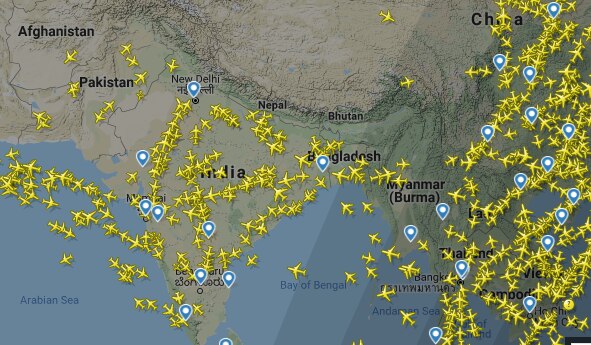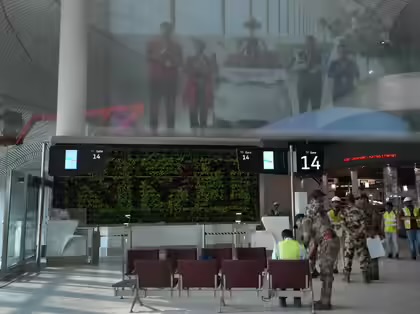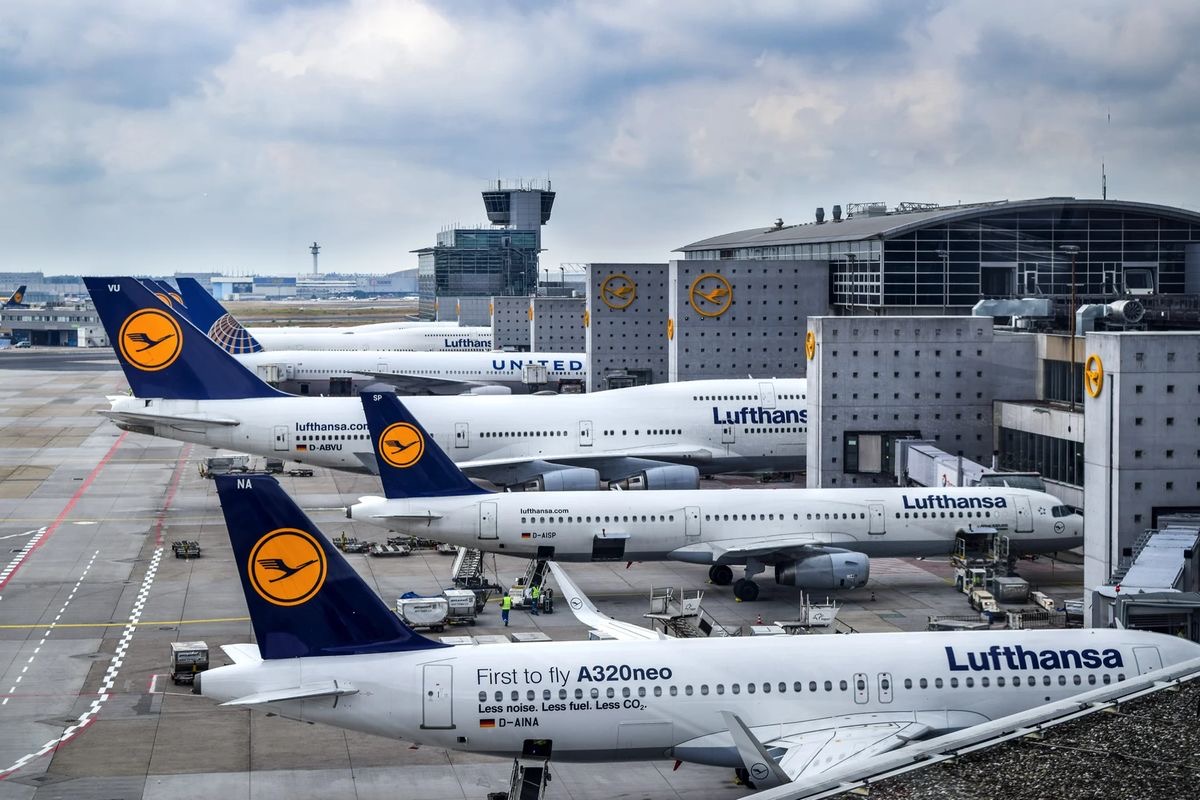
Several major international airlines have cancelled or temporarily suspended flights to and from key destinations across the Middle East, including Israel, Dubai and Riyadh, as escalating geopolitical tensions trigger heightened safety and operational reviews. Airlines such as Air France, KLM, Lufthansa and British Airways have adjusted schedules, withdrawn services and rerouted aircraft as uncertainty grows across the region, highlighting the sensitivity of global aviation networks to political and security developments.
European carriers have moved particularly quickly to reduce exposure to airspace now considered higher risk. KLM has announced a broad decision to avoid flying over large sections of the Middle East, suspending flights to destinations including Dubai, Riyadh, Dammam and Tel Aviv. The airline is also bypassing airspace over Iran, Iraq, Israel and surrounding regions, a move that significantly alters flight planning and increases operational complexity. Such rerouting often results in longer flight times, higher fuel burn and greater crew and fleet scheduling challenges.
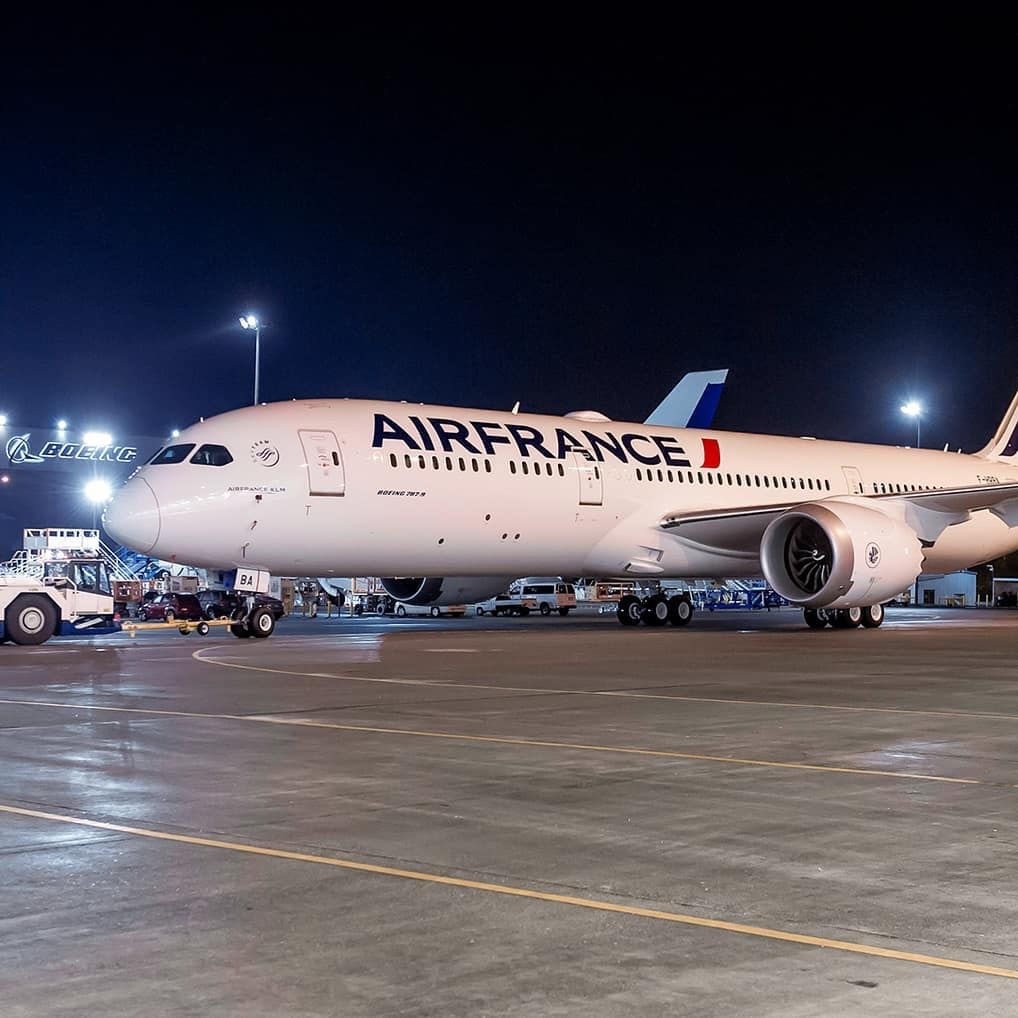
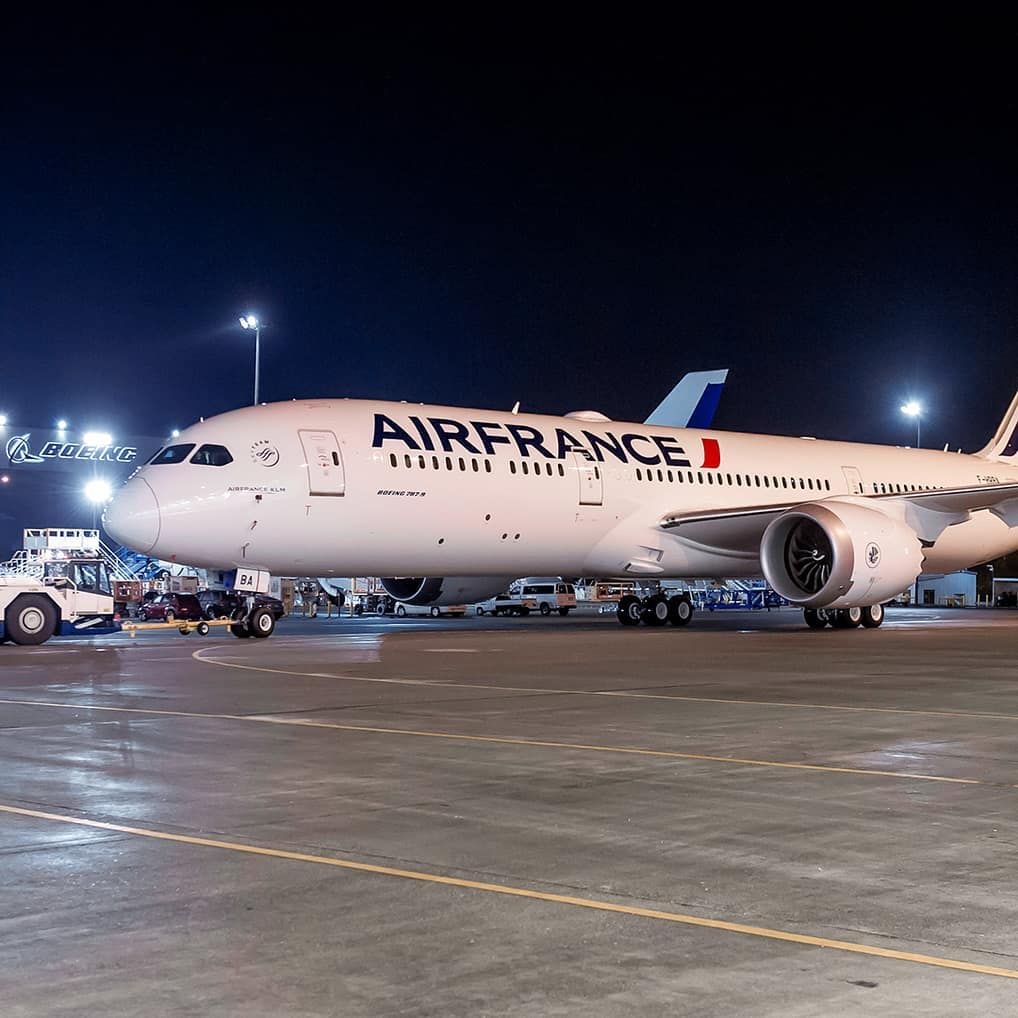
Air France has separately confirmed the temporary suspension of services between Paris and Dubai while it continues to monitor the evolving security environment. The airline has indicated that decisions are being reviewed on an ongoing basis, with the timing of service resumption dependent on risk assessments rather than commercial considerations. Similar approaches are being adopted by other European carriers that operate extensive networks linking Europe with the Gulf, the Levant and South Asia.
Lufthansa Group and British Airways have also scaled back operations, with multiple routes affected as airlines reassess risk exposure tied to intensified geopolitical strain. In many cases, airlines are opting to avoid sensitive or contested airspace even where no formal airspace closures have been issued by national authorities. This reflects a broader industry practice in which carriers adopt conservative safety thresholds during periods of instability to safeguard passengers, crew and aircraft.
The current wave of cancellations and reroutings comes amid rising regional tensions involving military activity, diplomatic friction and shifting power dynamics among global and regional actors. As conditions remain fluid, airlines are being forced to make rapid operational decisions with limited visibility into how long disruptions may last. Routes connecting Europe to the Gulf and beyond rely heavily on Middle Eastern airspace, making the region a critical transit corridor for long haul travel between Europe, Asia and Africa.
As airlines adjust their networks, knock on effects are being felt across both passenger and cargo operations. Extended flight paths can reduce aircraft utilisation, disrupt tightly planned schedules and increase operating costs at a time when carriers are already grappling with fuel price volatility, supply chain pressures and capacity constraints. Cargo movements, particularly time sensitive shipments, may also face delays or higher costs as routes are restructured.
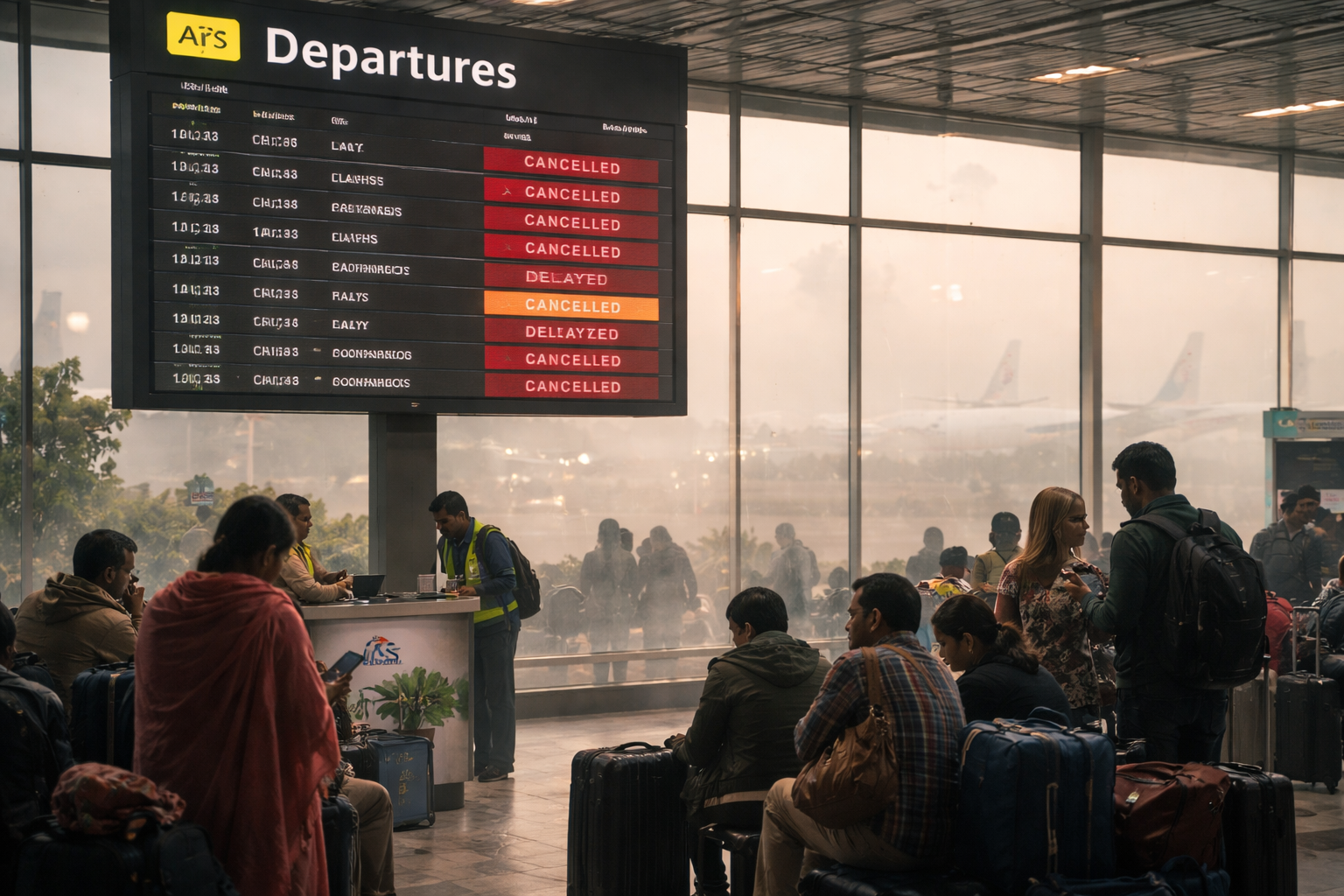
Passengers travelling to or through affected destinations are experiencing schedule changes, cancellations and reduced connectivity. Airlines have advised travellers to monitor flight status closely and remain flexible with travel plans, especially for itineraries involving transits through Middle Eastern hubs. Rebooking options, alternative routings and refunds are being offered in line with individual airline policies, though availability may be limited due to network constraints.
Aviation industry observers warn that if tensions persist or escalate further, the scale of disruptions could widen, potentially affecting additional destinations and airlines. Prolonged instability may also influence seasonal capacity planning and future route launches, particularly for carriers that rely on the Middle East as a strategic bridge between continents.
Airlines have reiterated that safety remains the overriding priority guiding all operational decisions. Services will only be restored once risk assessments indicate that stable and secure operations can be maintained. The situation underscores how rapidly geopolitical developments can disrupt civil aviation, even in the absence of formal airspace bans, and how airlines must constantly balance safety, operational resilience and customer expectations in an increasingly unpredictable global environment.