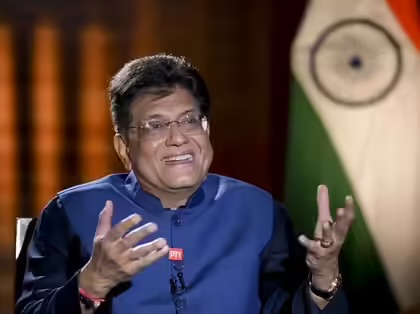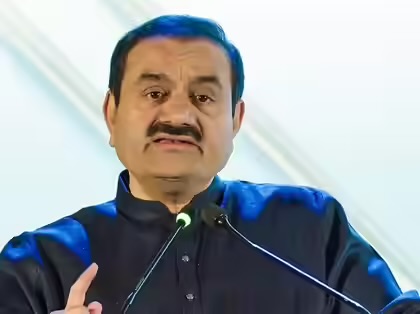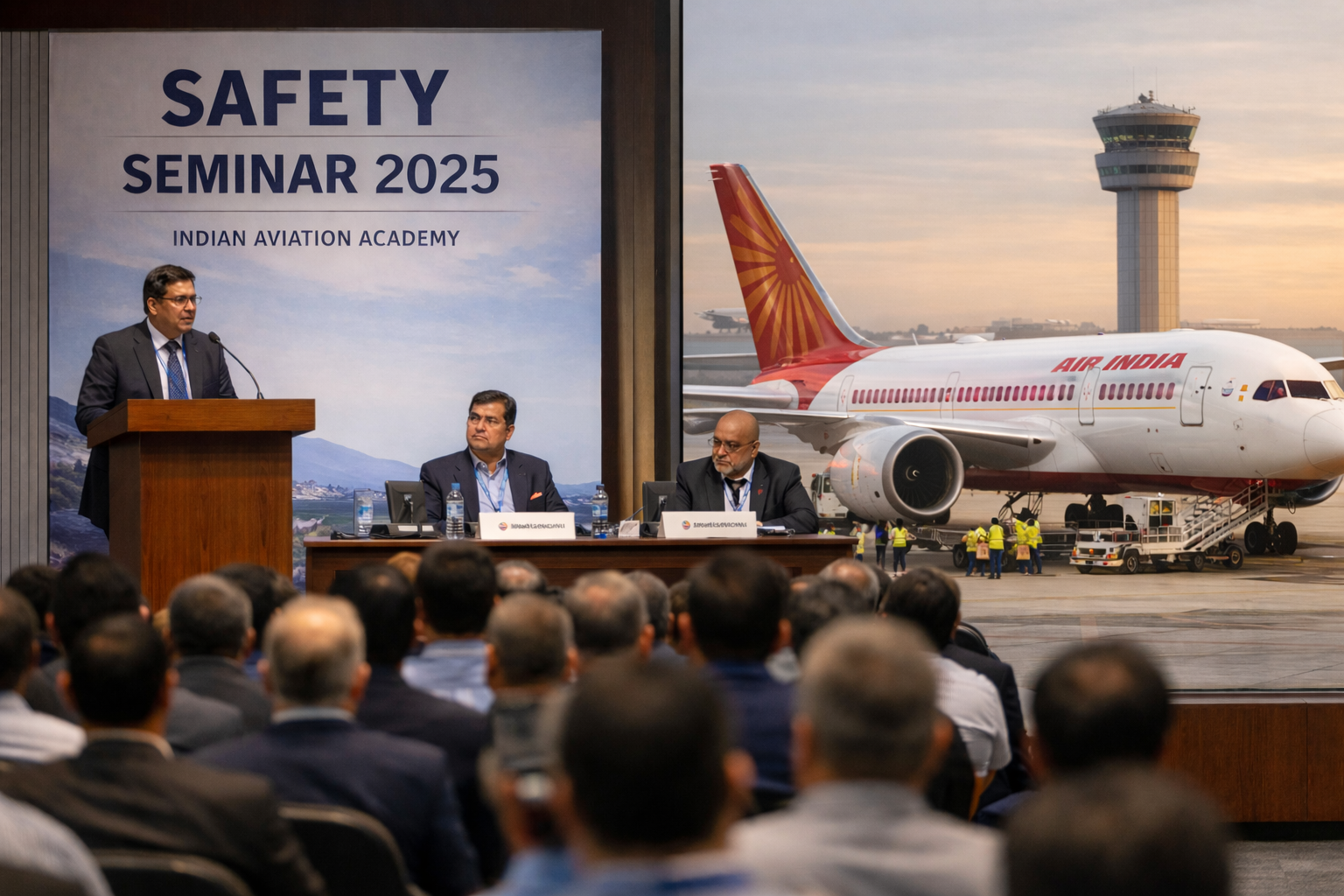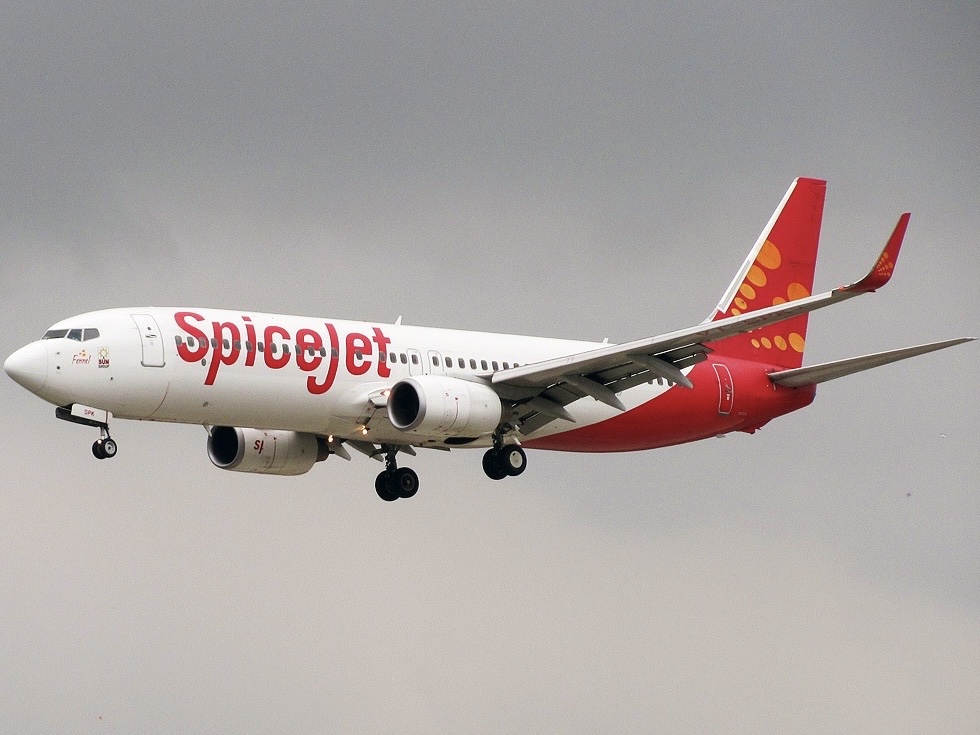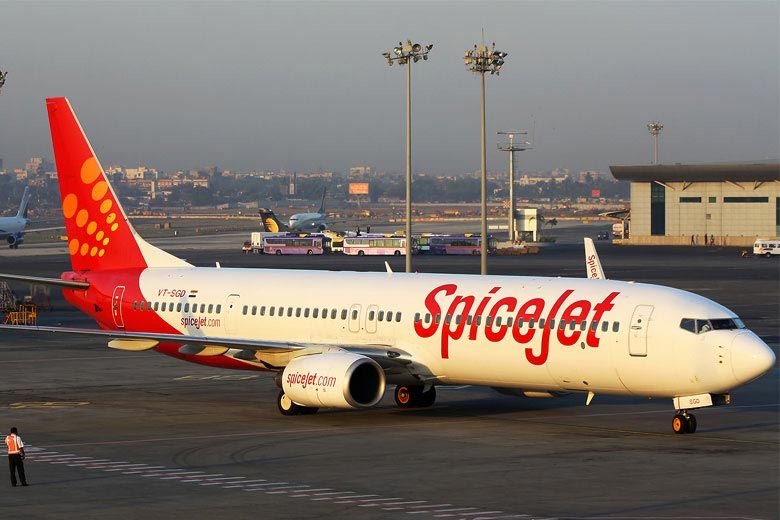
SpiceJet founder and aviation veteran Ajay Singh has described the recently negotiated India-United States trade deal as a “watershed moment” for the aviation sector, saying it has the potential to significantly expand aircraft maintenance, repair and overhaul activity in India, create jobs, and strengthen bilateral connectivity. Singh made his remarks at a major industry event, emphasising how improved trade ties between the world’s two largest democracies could produce long-term benefits for airlines, aerospace companies and related service providers.
Singh noted that the aviation industry has been watching developments in India-US economic engagement for years, and that this kind of comprehensive trade agreement can open doors to deeper cooperation in areas that extend well beyond passenger flights and aircraft sales. Among these are joint infrastructure projects, coordination on safety and regulatory standards, and the growth of aviation supply chains that span both countries.
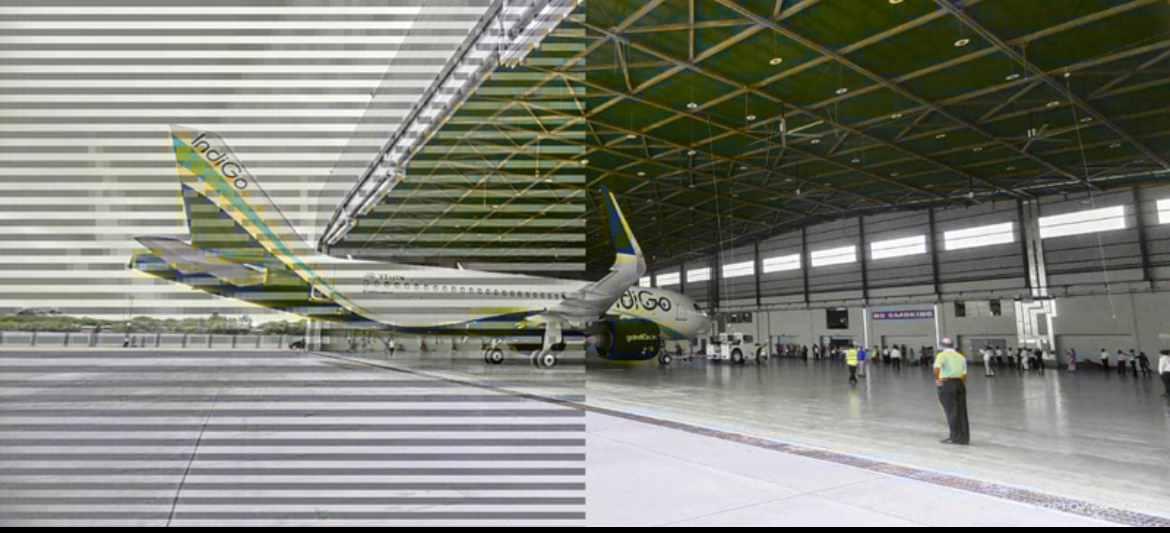
At the heart of Singh’s comments was the belief that the aviation sector stands to gain not just from greater market access, but also from shared expertise and investment. With Indian carriers rapidly expanding capacity and fleet sizes, the argument goes, there is a timely opportunity for India to attract maintenance, repair and overhaul activity that might otherwise take place abroad. Such operations can employ large numbers of skilled technicians, engineers and support personnel, boosting domestic capabilities while reducing dependence on foreign facilities.
Singh also highlighted how expanded trade ties could encourage more favourable conditions for aircraft part manufacture, refurbishment services and joint ventures between Indian and US aerospace firms. He said that aligning standards, reducing bureaucratic frictions and enhancing market access would help Indian aviation companies compete globally and integrate more fully into international supply chains.
Improving India-US aviation cooperation could also support broader connectivity goals. Singh pointed out that enhanced trade relations might assist airlines in negotiating more open air service agreements, potentially enabling more direct flights, codeshare partnerships and improved schedules that benefit travellers on both sides. This would be particularly meaningful for routes linking major business centres and diaspora hubs.
Industry leaders often cite the United States as a major source of aviation technology, training, engineering expertise and financing, and Singh’s comments reflect a belief that formalised trade frameworks can amplify these existing ties. By committing to closer cooperation, both countries could facilitate smoother operations for carriers, attract investment in airport projects and help airlines modernise fleets more effectively.
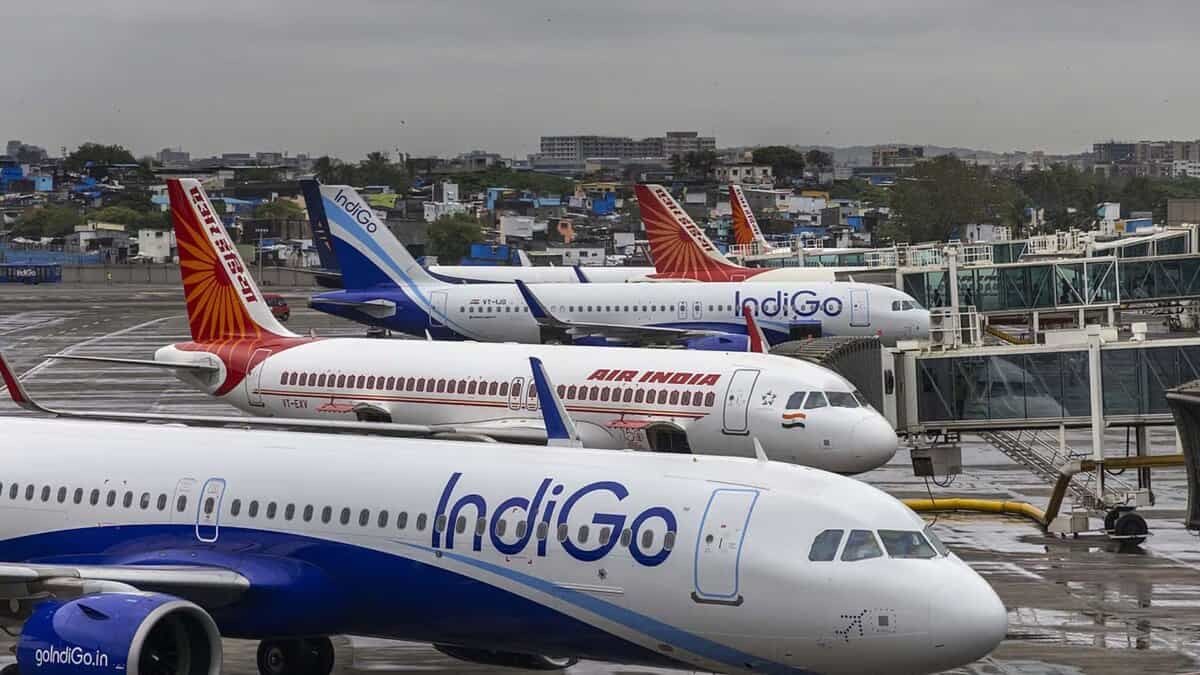
India’s aviation sector has grown rapidly in recent years, with rising passenger numbers, expanding networks and significant aircraft orders from major carriers. Singh’s remarks come at a time when Indian companies are looking to strengthen their global footprint and gain competitive advantage in maintenance and services markets that have traditionally been dominated by developed economies.
While the specifics of how the trade deal will be implemented are still being worked out, Singh’s outlook reflects optimism that clearer regulatory alignment and easier access to markets can translate into commercial opportunities. His comments also suggest that Indian aviation stakeholders are thinking beyond traditional route expansion to consider broader industrial and economic outcomes.
The idea of a “watershed moment” encapsulates the sense that India-US economic cooperation could be transformative, especially if it leads to concrete agreements on dual-use technologies, certification processes and collaborative programmes that benefit carriers and aerospace businesses alike. Singh suggested that if these elements come together, India’s aviation industry could enter a new phase of growth characterised by stronger global partnerships and enhanced operational scale.
For passengers, improved bilateral relations could eventually mean more flight choices, better connectivity between Indo-US routes and competitive fare options, particularly if airlines are able to leverage new agreements to introduce additional services or join forces in marketing and operations. For the industry, the emphasis on creating jobs and building local capacity signals a broader ambition to make India not just a key aviation market, but a contributor to global aviation manufacturing and services.
As discussions around the trade deal continue, stakeholders across the aviation value chain will be watching closely to see how policy, regulatory commitments and commercial frameworks evolve. Singh’s remarks underscore the high expectations that many in the industry have for deeper India-US cooperation and its potential impact on aviation growth for years to come.