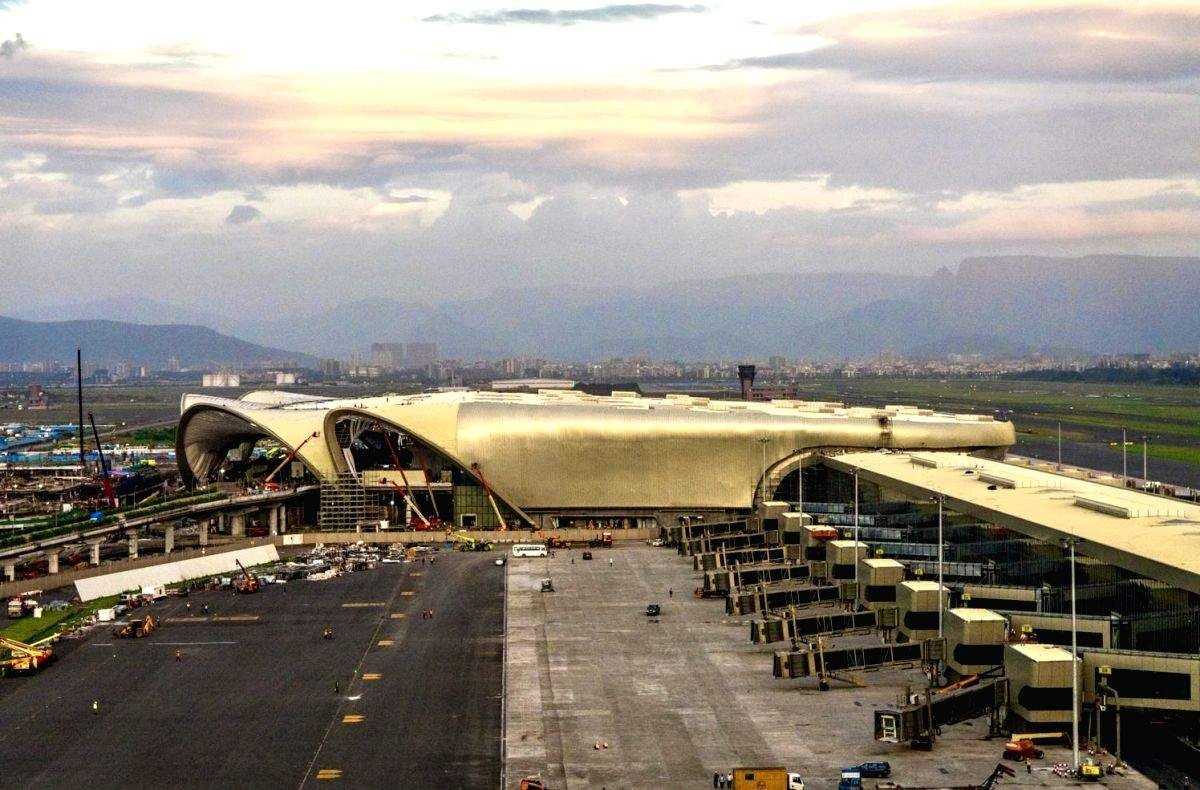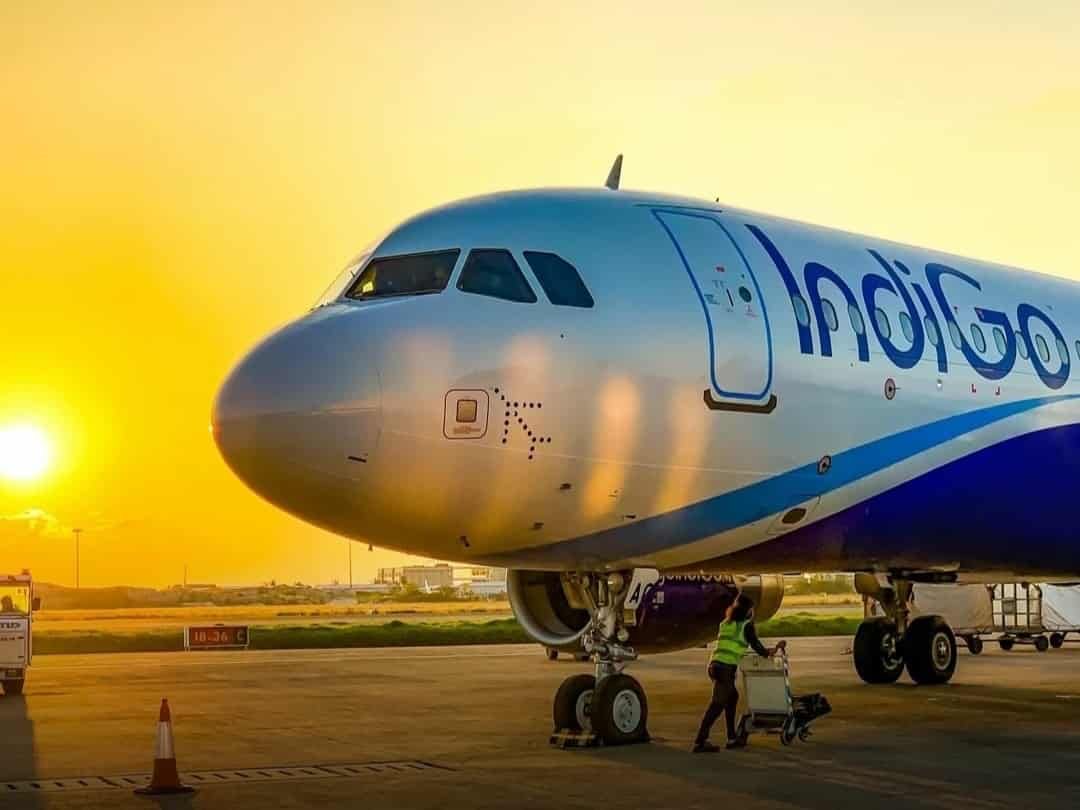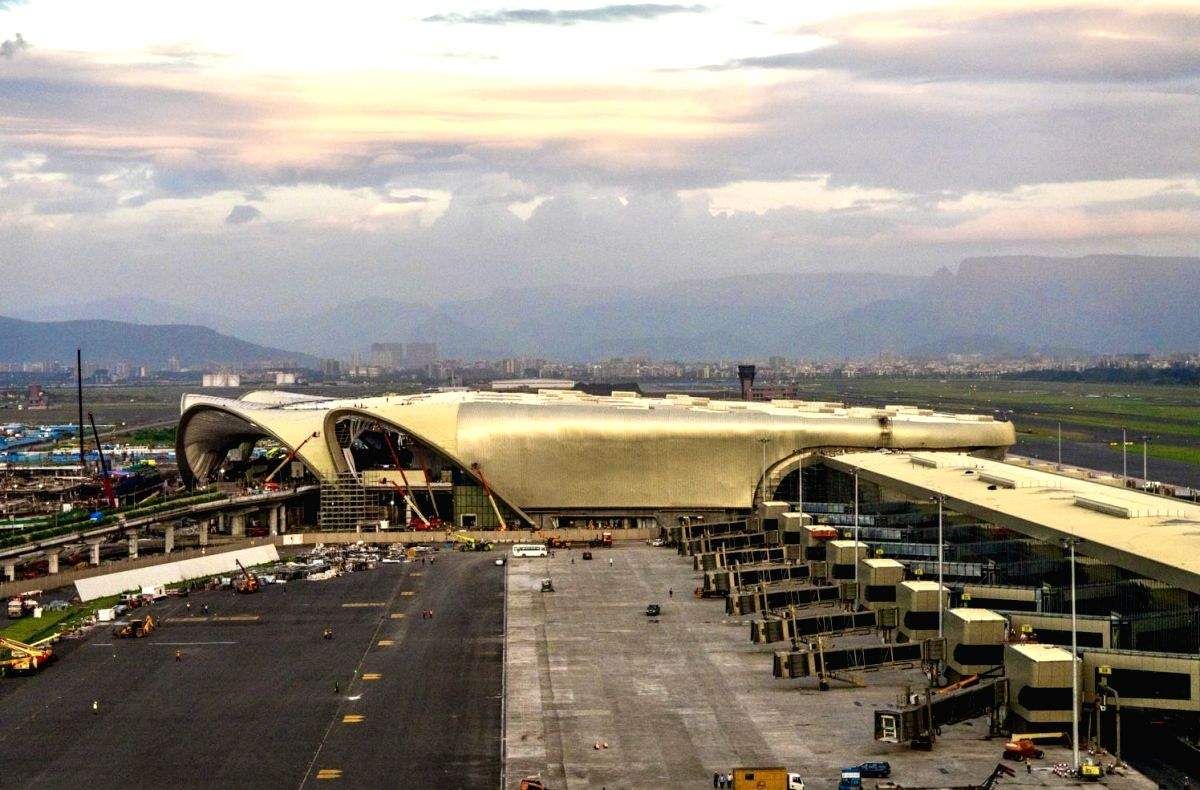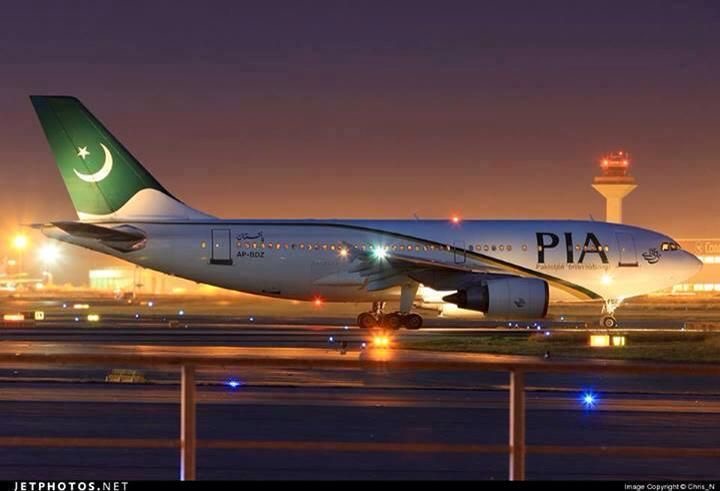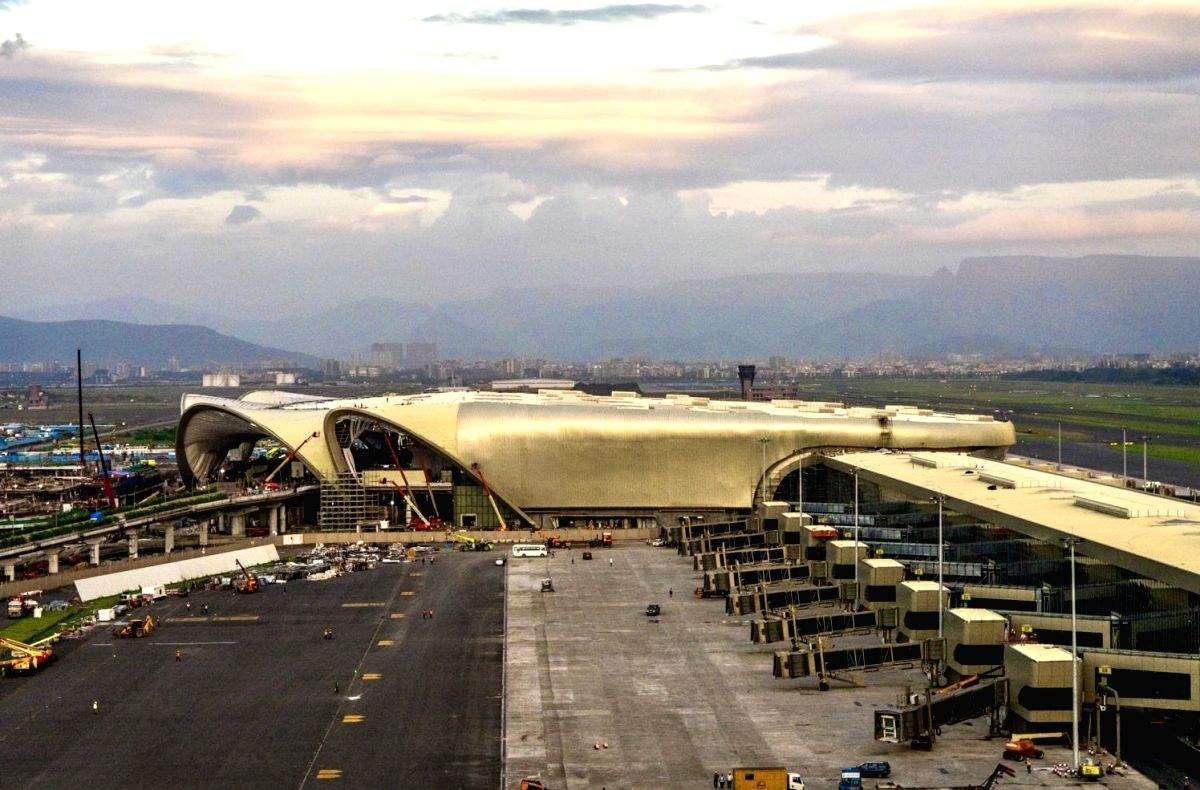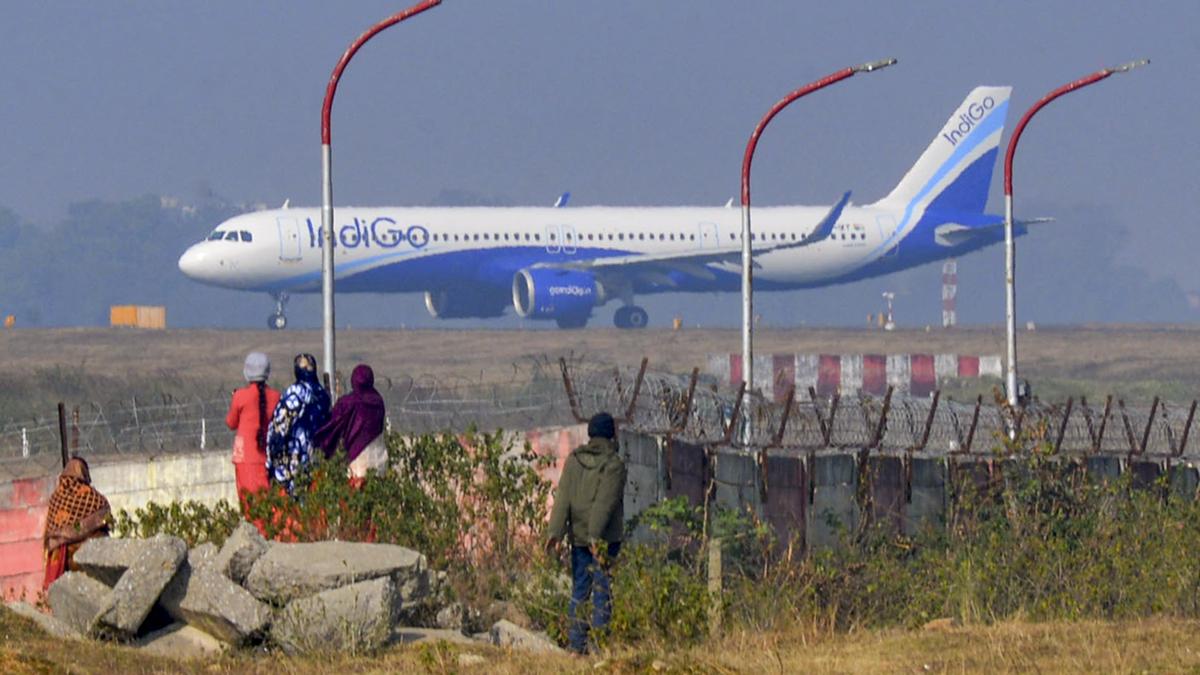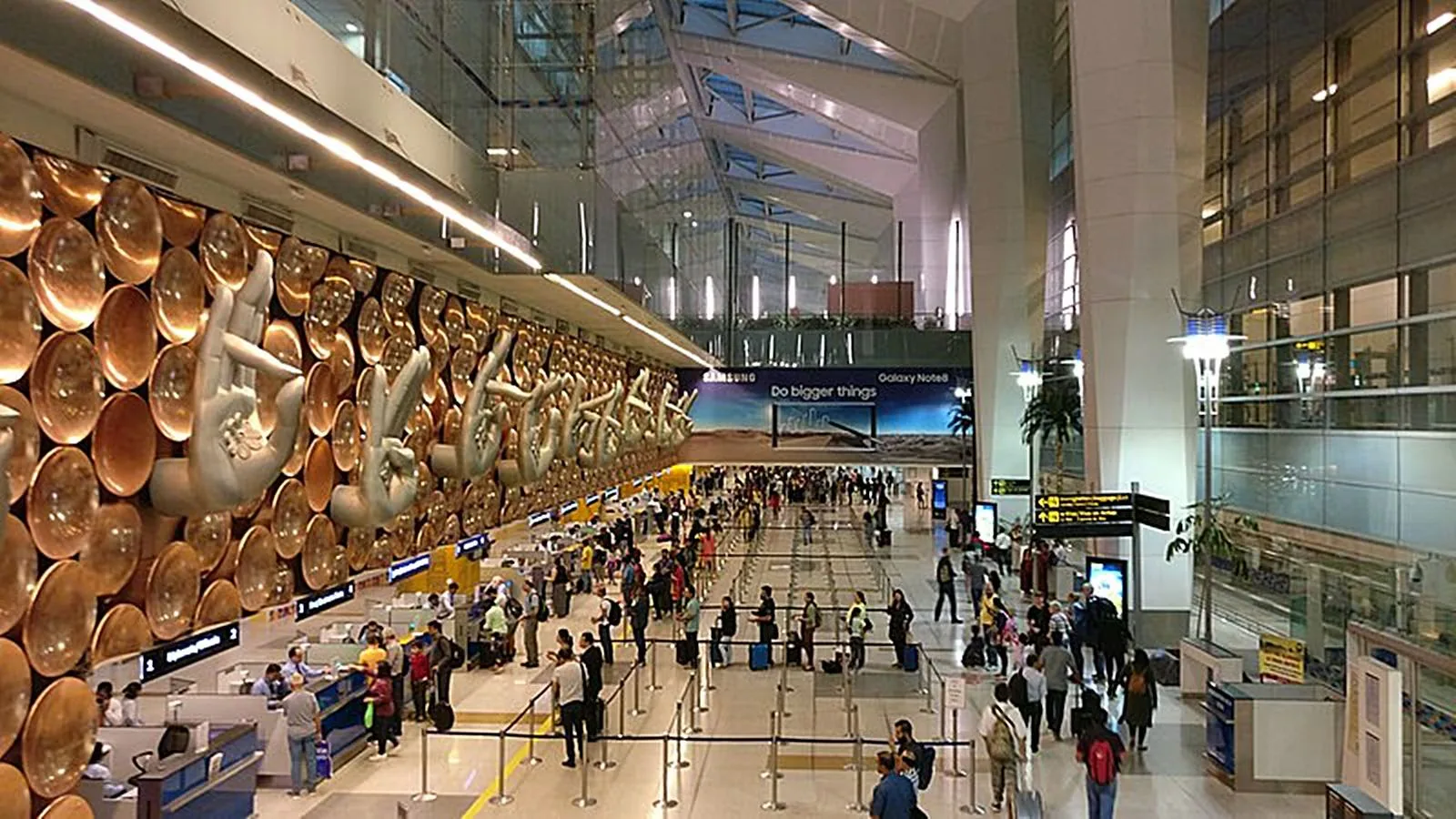
Adani Airports has called for a reassessment of seat restrictions on foreign airlines operating in India, arguing that relaxing these limits would improve air connectivity, stimulate competition and better align India’s aviation landscape with global market dynamics. The proposal is part of broader discussions within the industry about how to sustain growth while meeting rising passenger demand across domestic and international services.
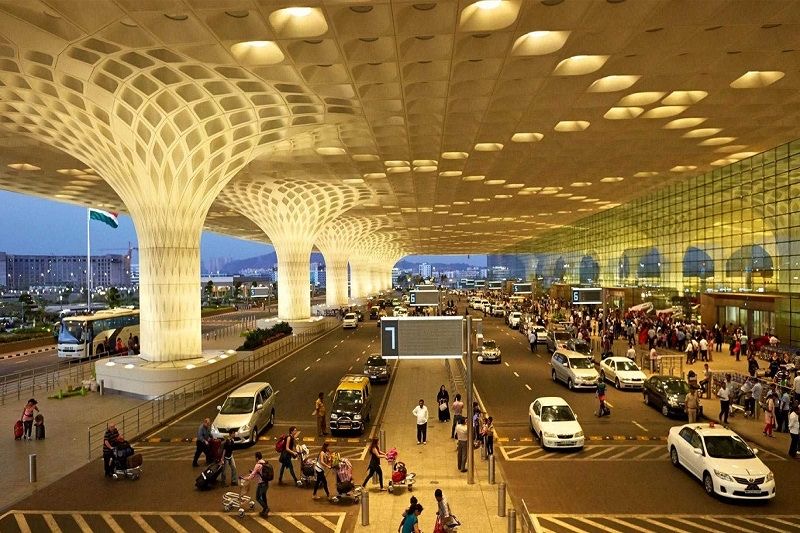
Under current regulations, foreign carriers face seat caps that restrict the number of seats they can sell on routes between India and certain international markets. These limits were introduced to balance competition and protect the growth of domestic carriers in an emerging market. Adani Airports, which manages a number of India’s busiest gateways, says the time has come to revisit these restrictions in light of changing travel patterns and the expanding role of international travel in India’s aviation sector.
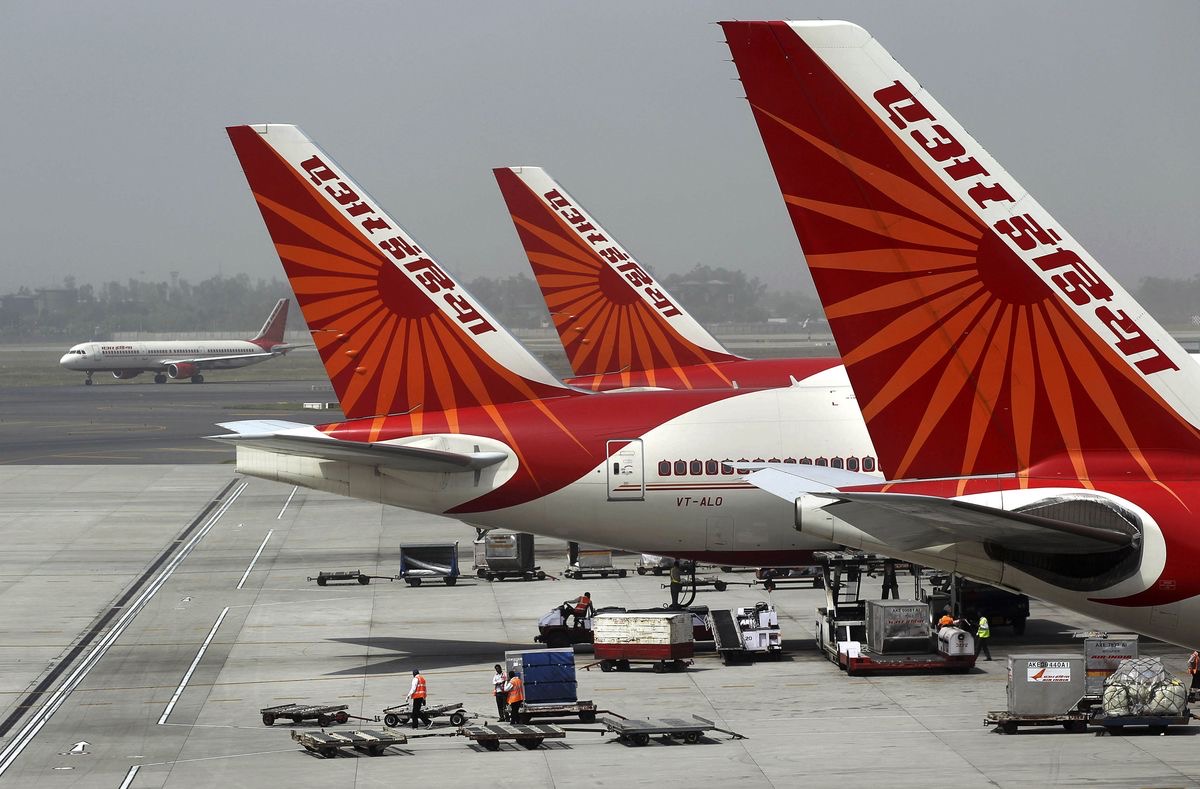
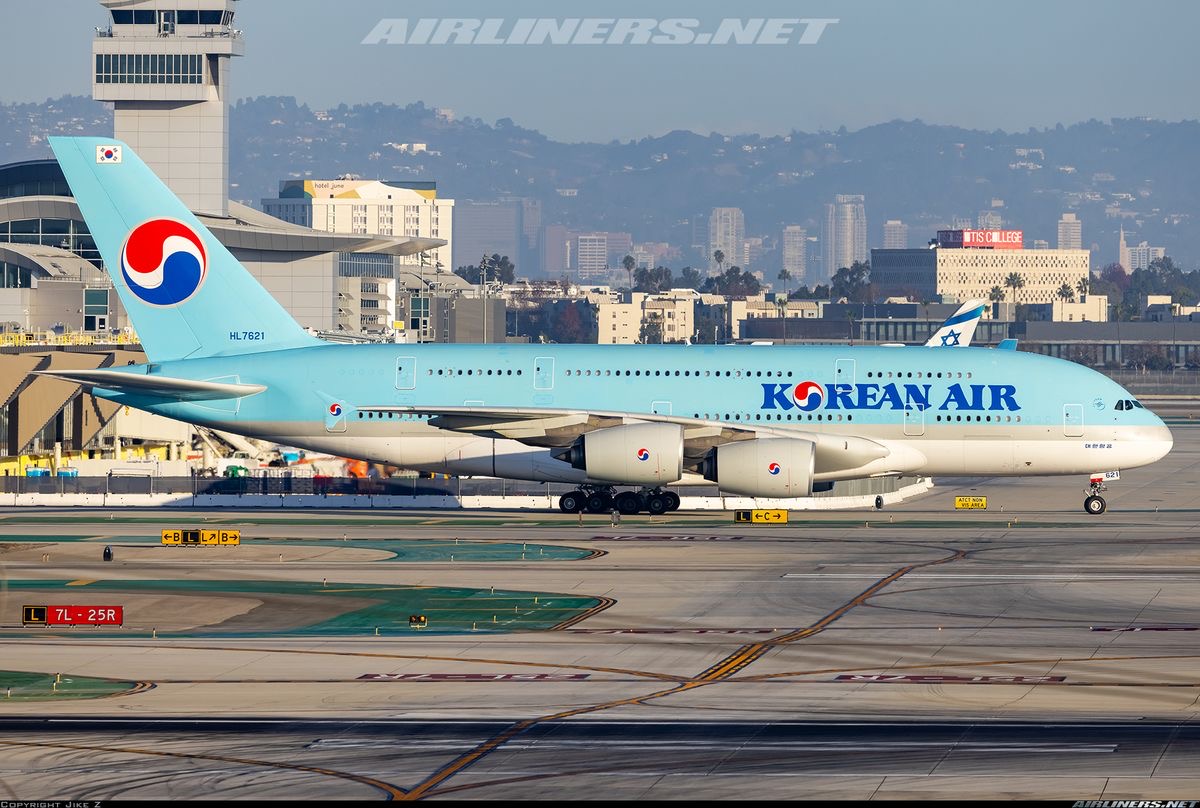
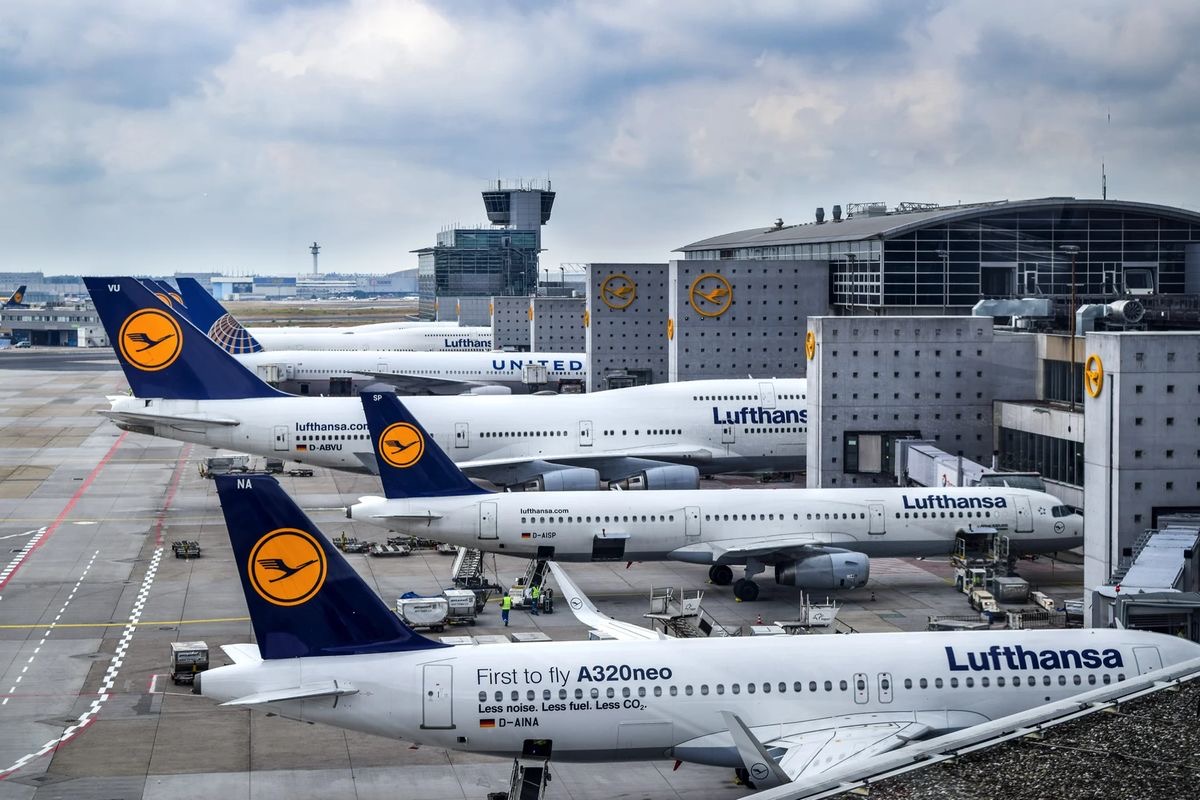
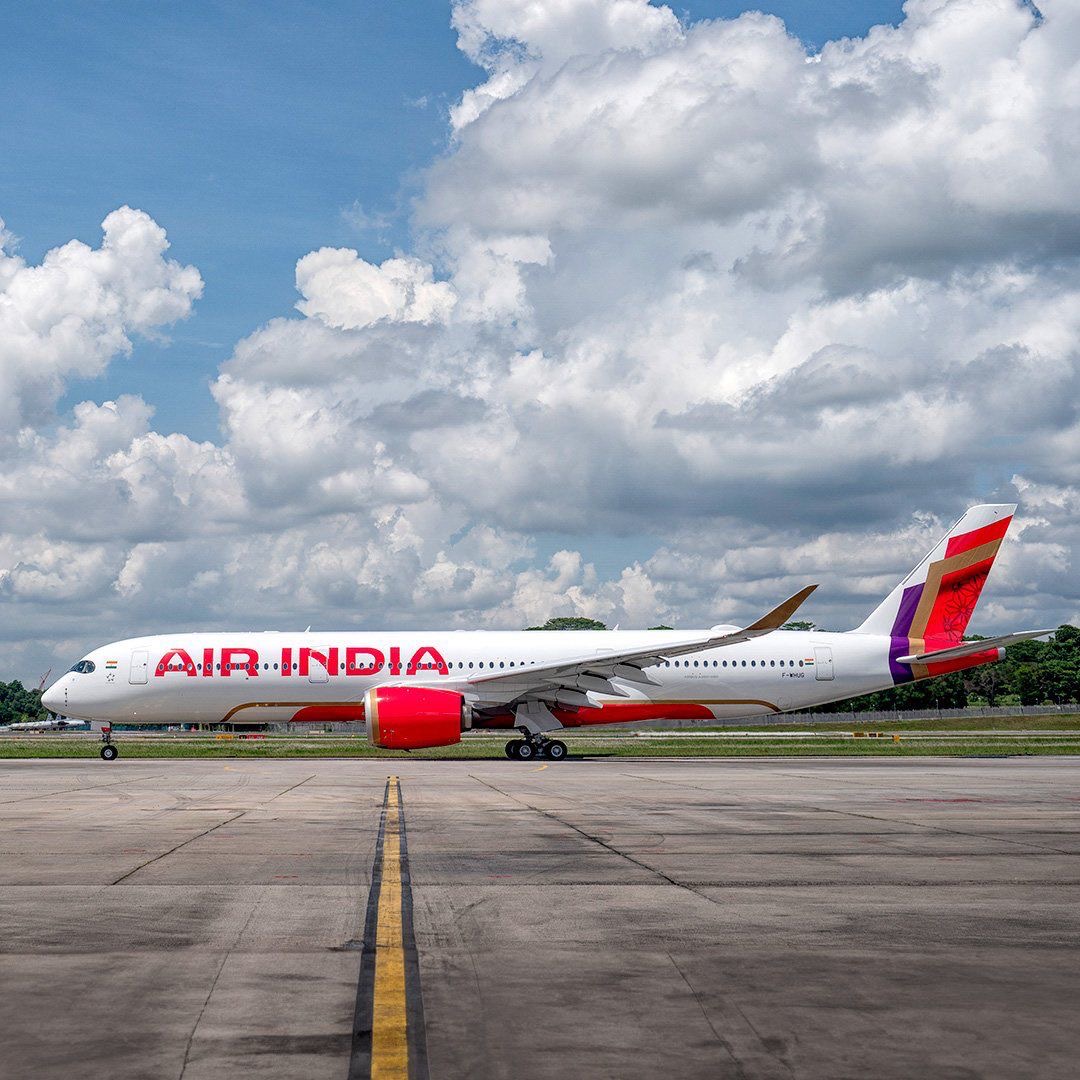
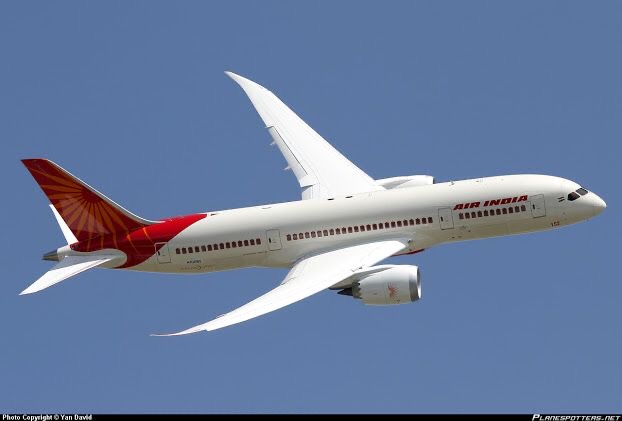
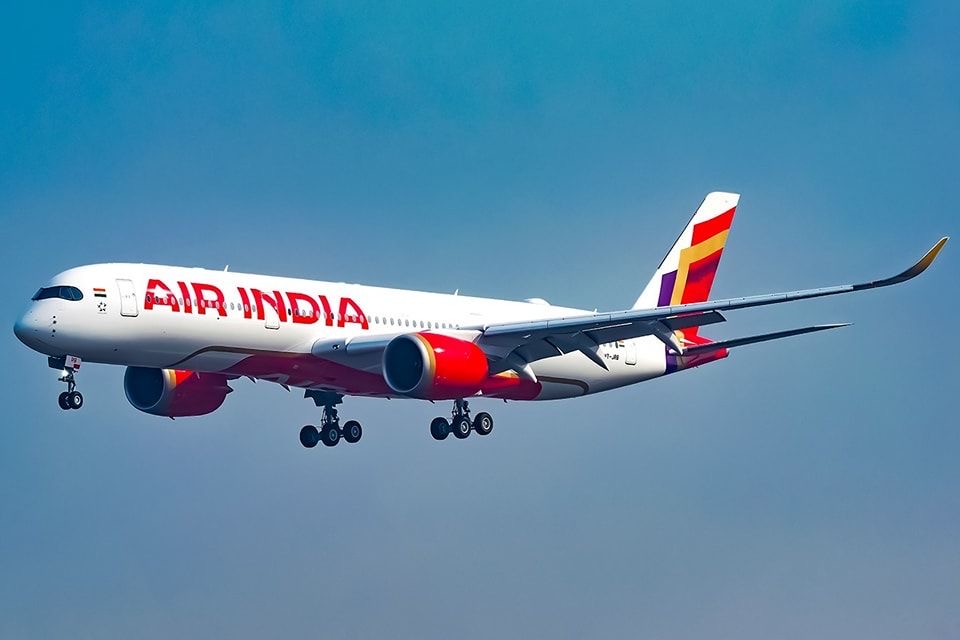
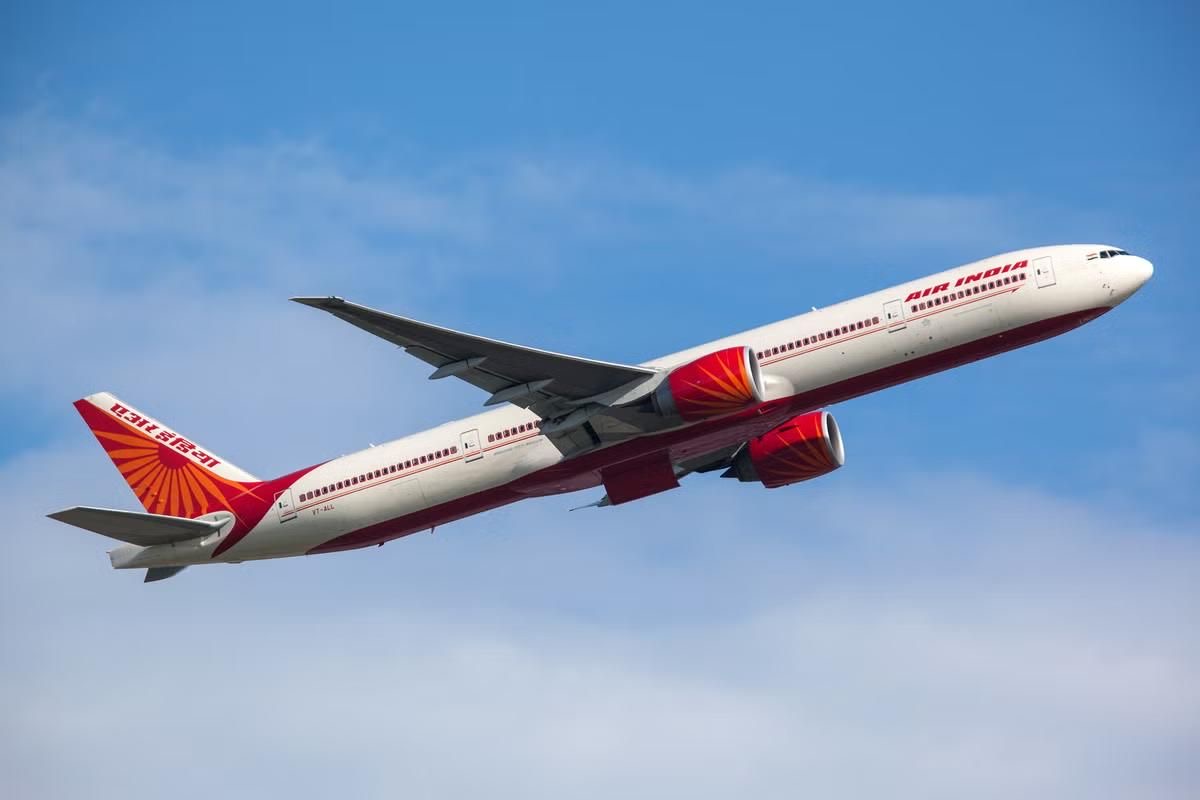
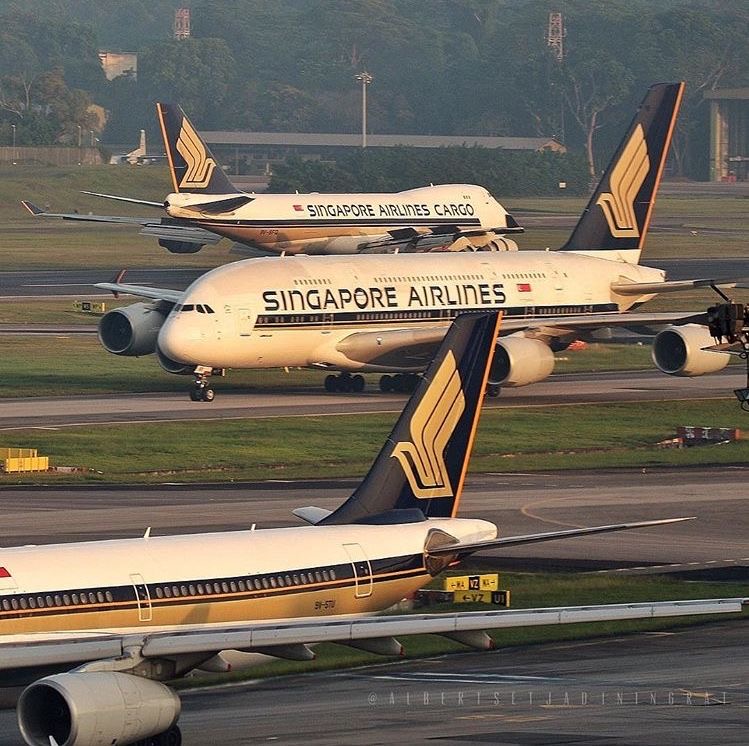
The airport operator emphasised that easing seat caps could attract more flights from global carriers, especially on long-haul routes that connect India with key economic centres in Europe, North America and East Asia. Enhanced connectivity, in turn, would not only benefit business travellers and tourists but also support cargo movements and deepen cultural and economic ties between India and the rest of the world.
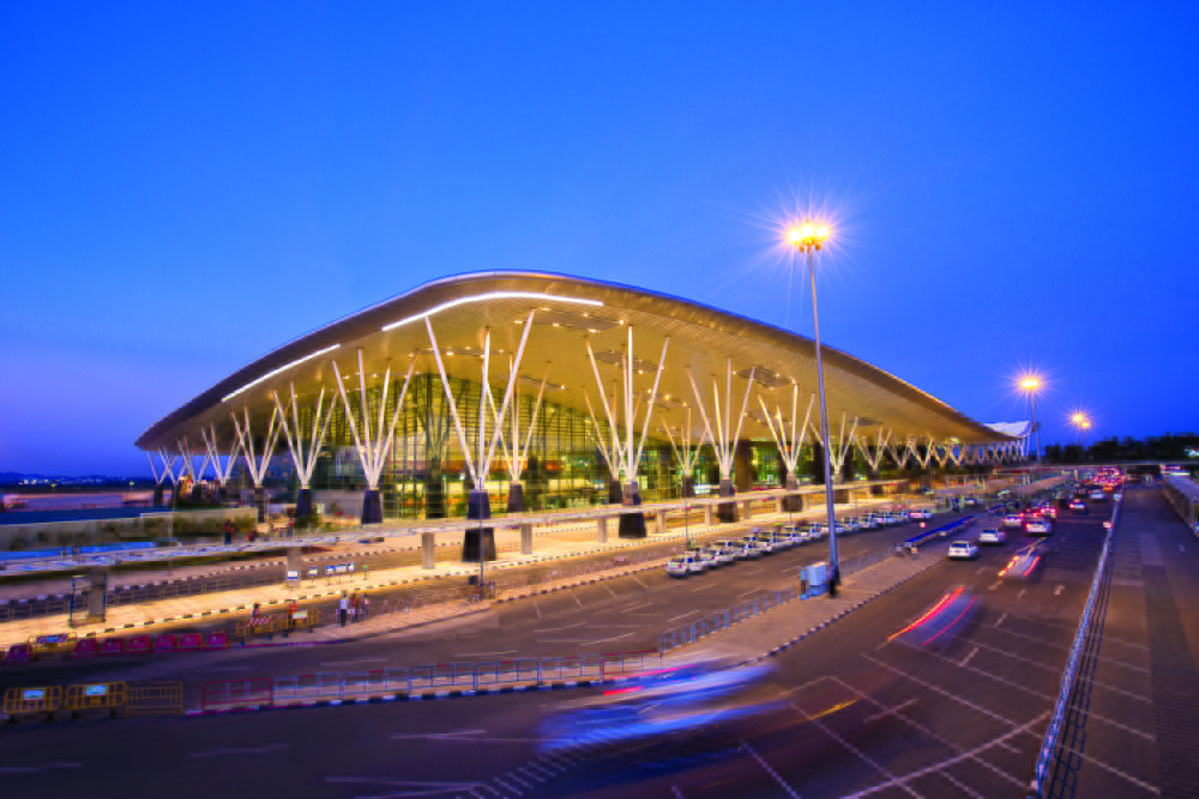
Adani Airports noted that Indian aviation has evolved significantly over the past decade, with rapid growth in passenger numbers, aircraft orders and airport infrastructure. The country’s expanding airport network and improvements in passenger experience make India a more attractive destination for international flights. However, seat caps are seen by some industry participants as a constraint on the ability of foreign carriers to scale operations commensurate with market demand.
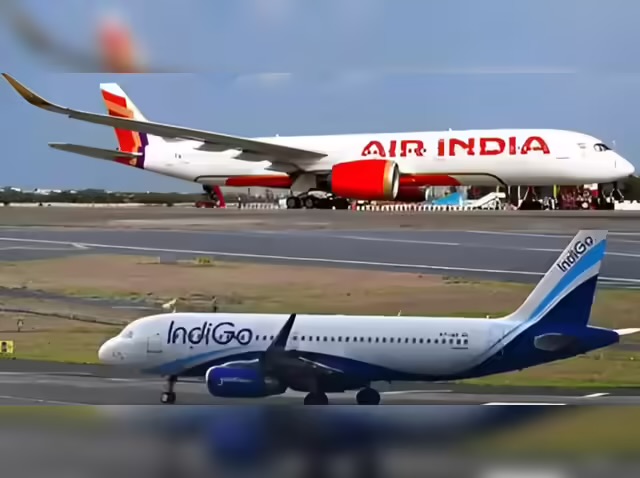
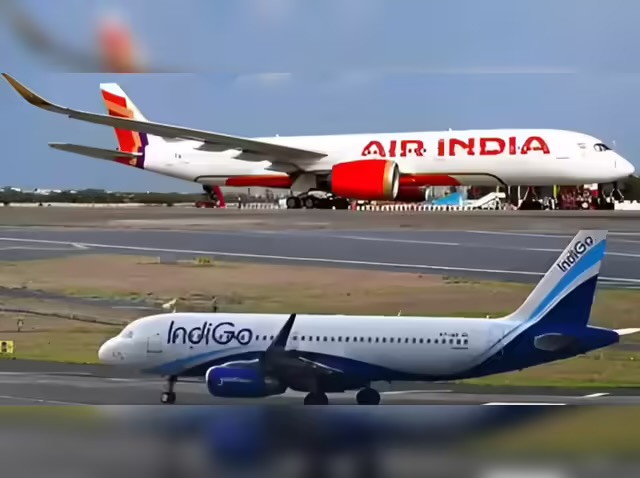
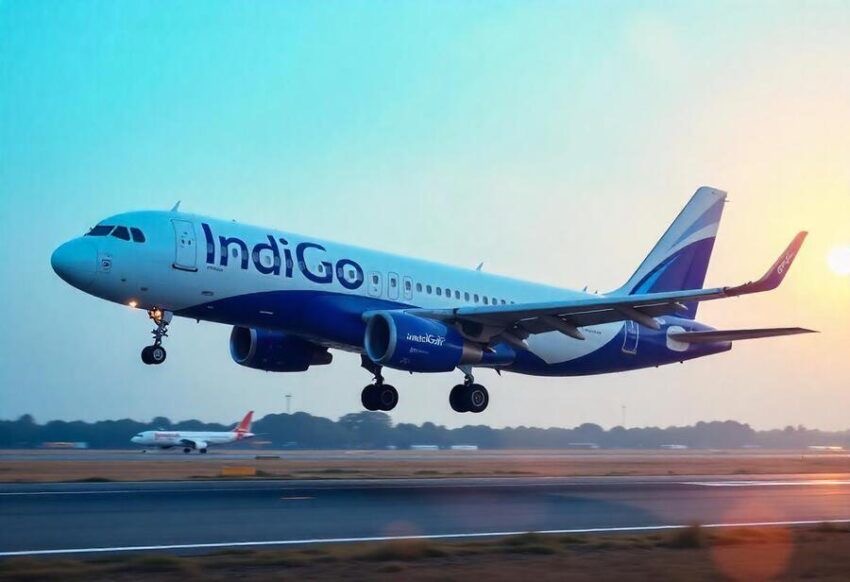
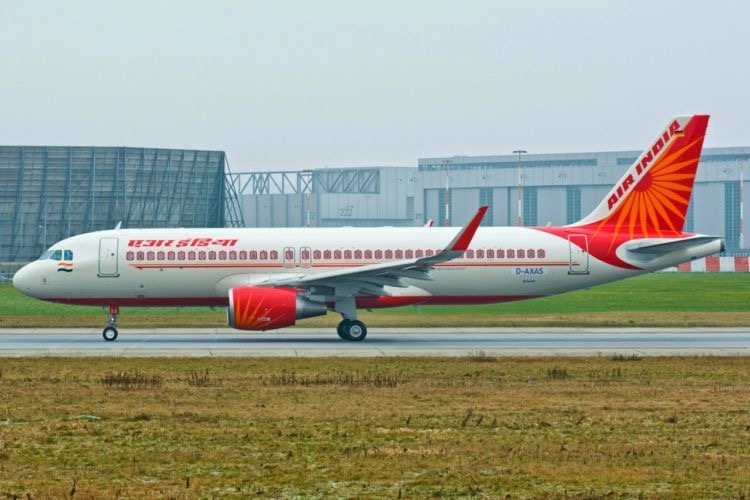
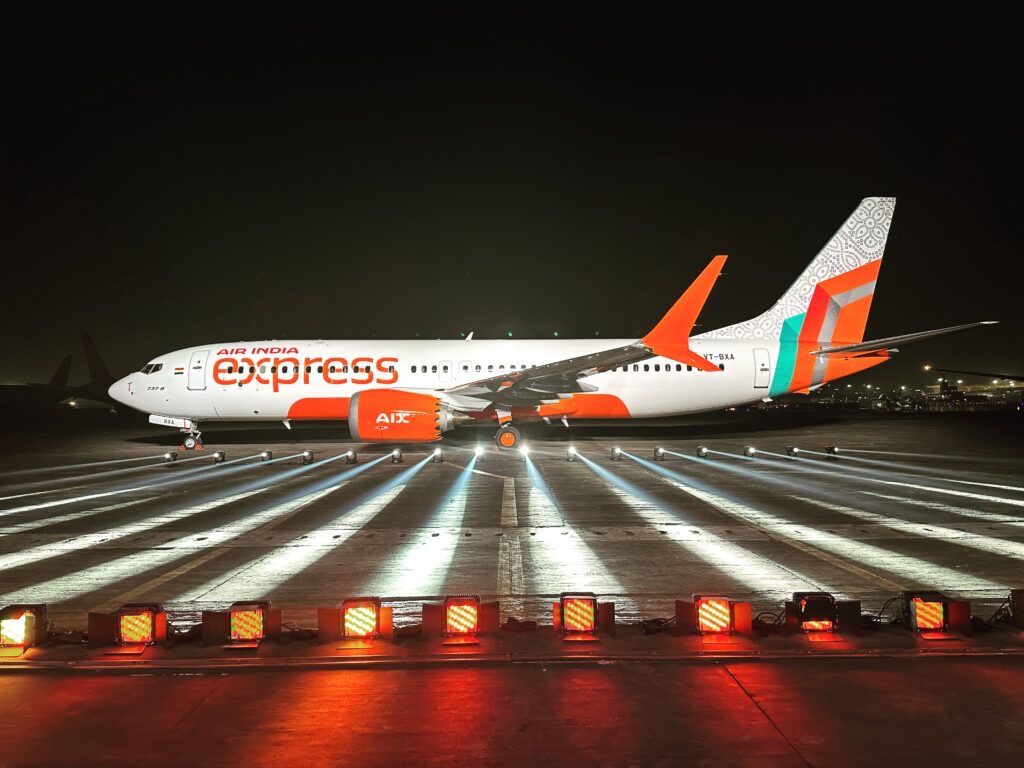
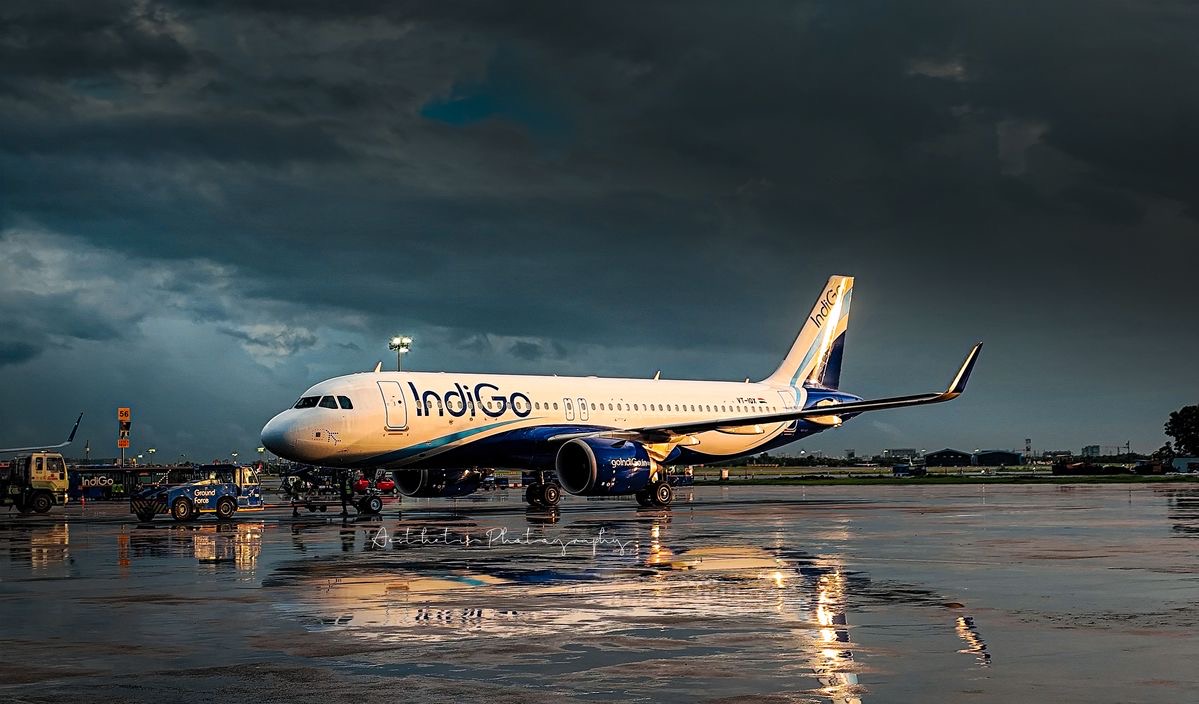
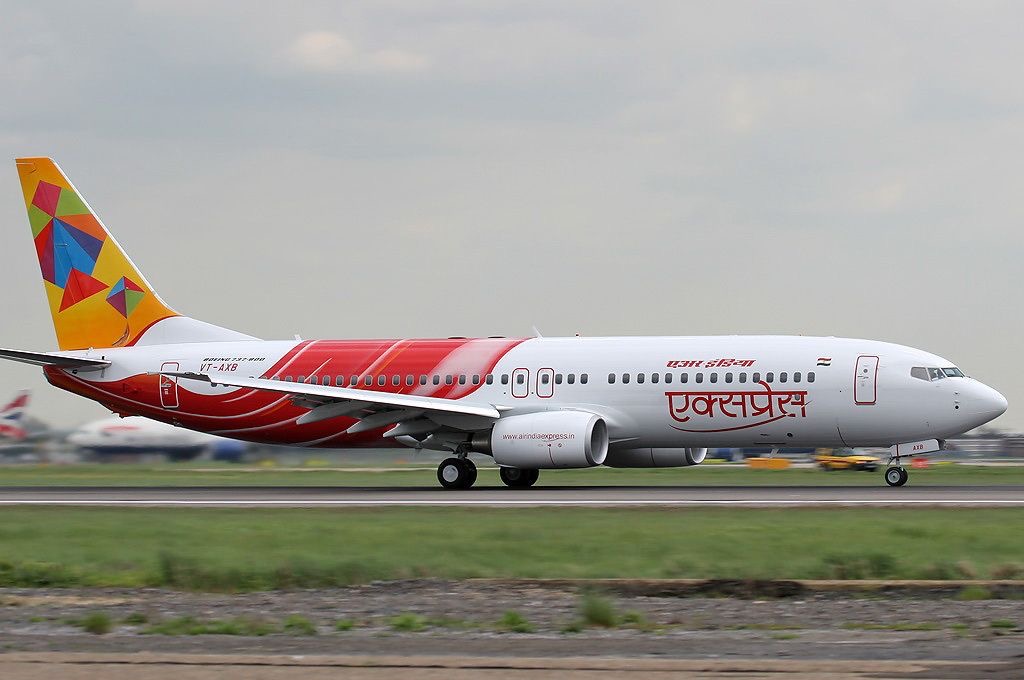
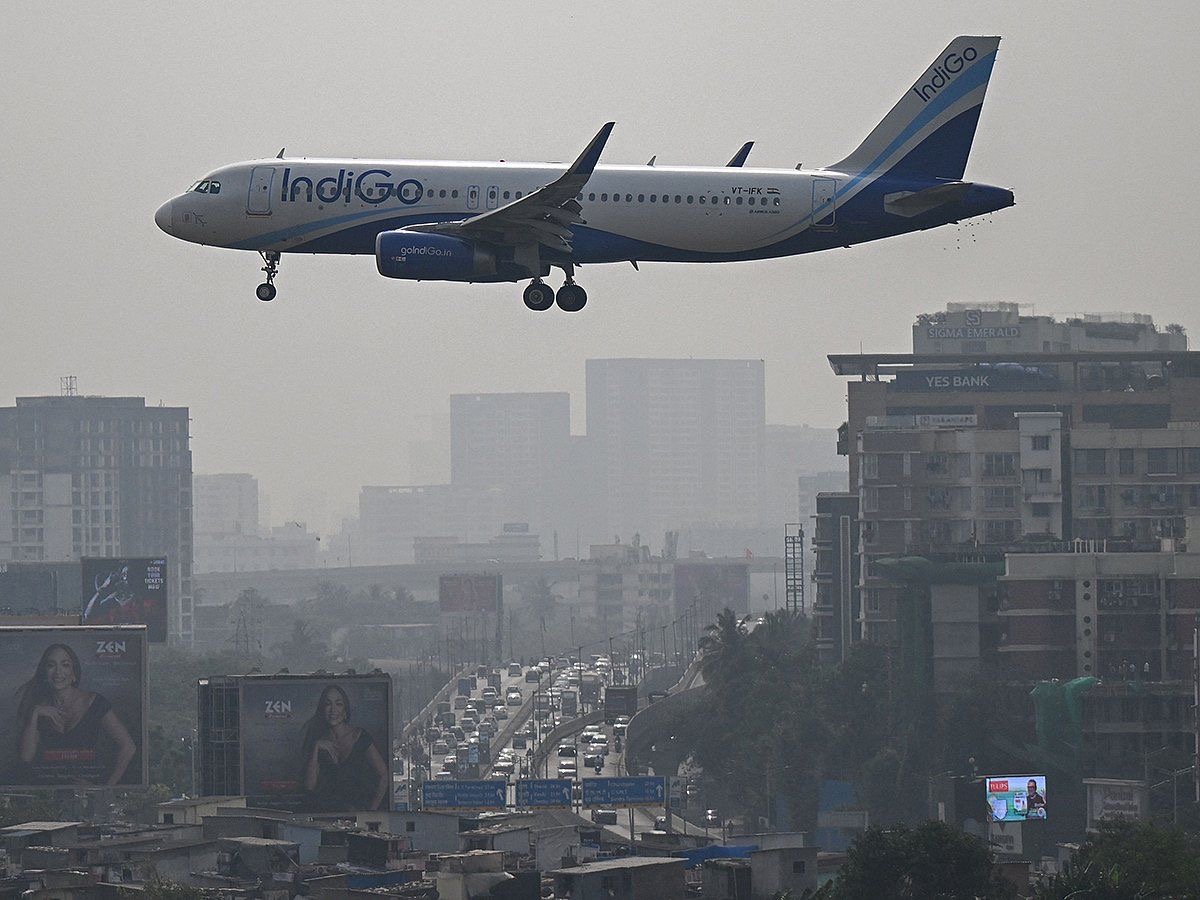
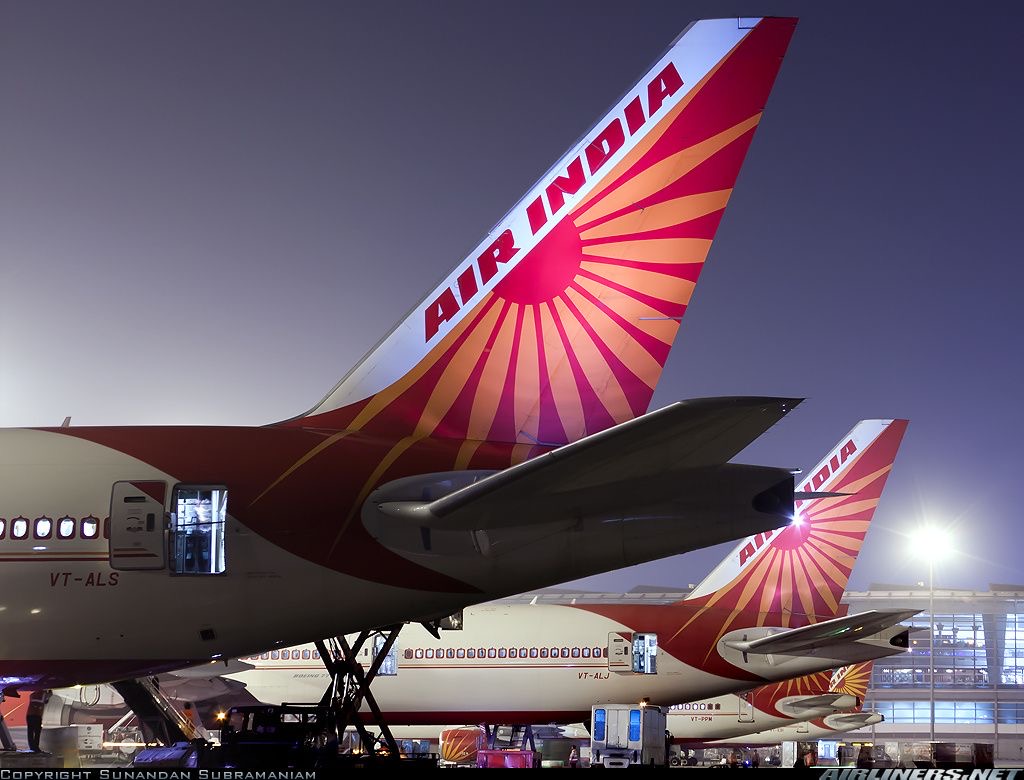
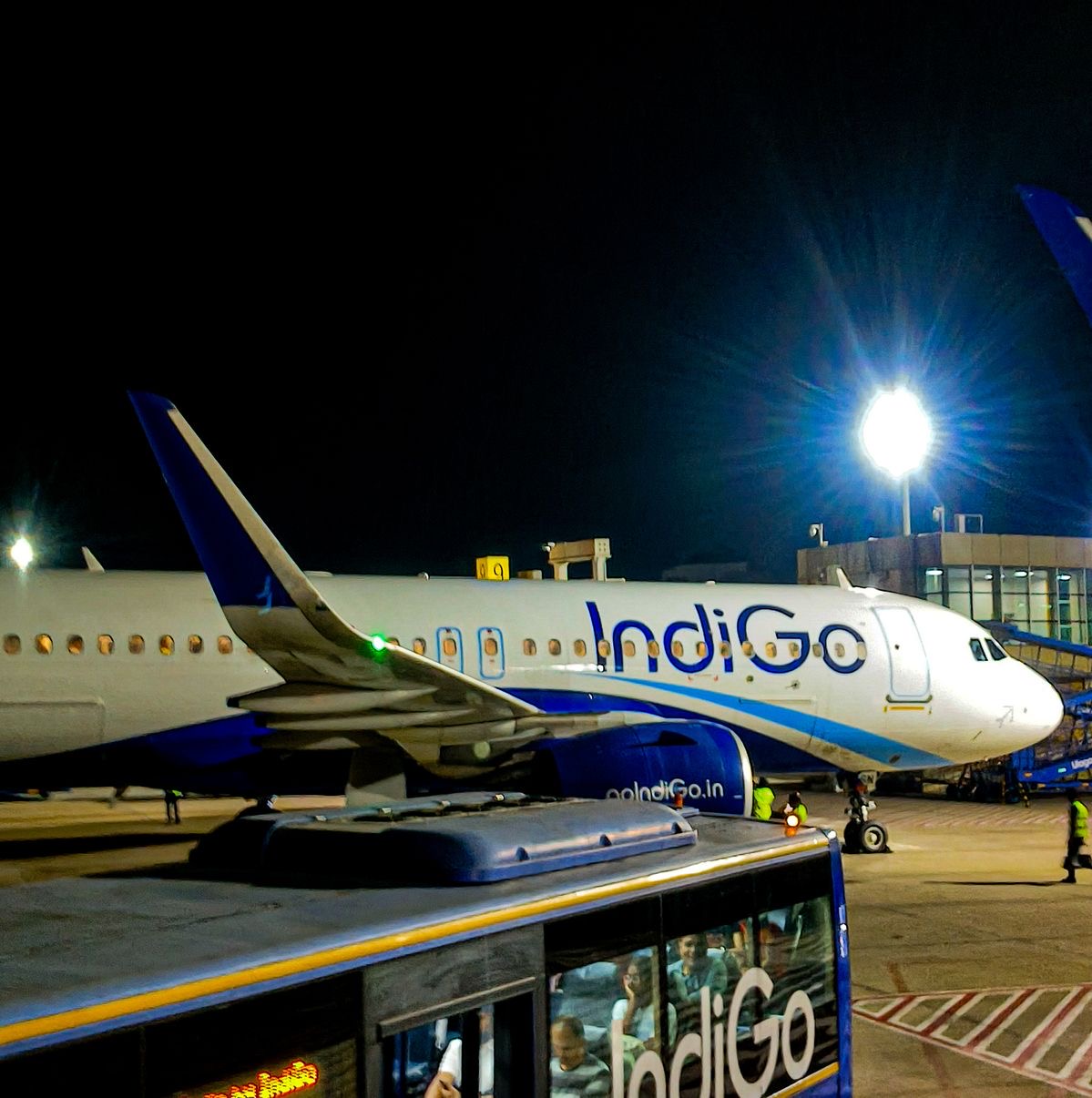
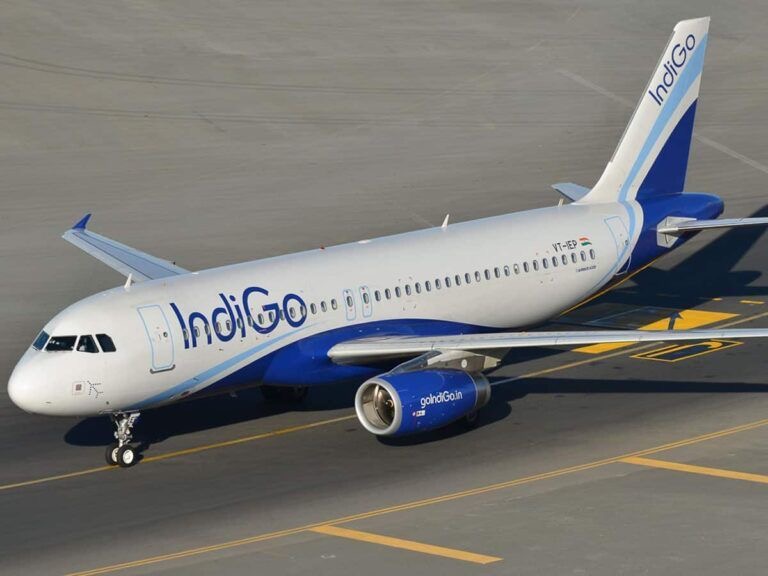
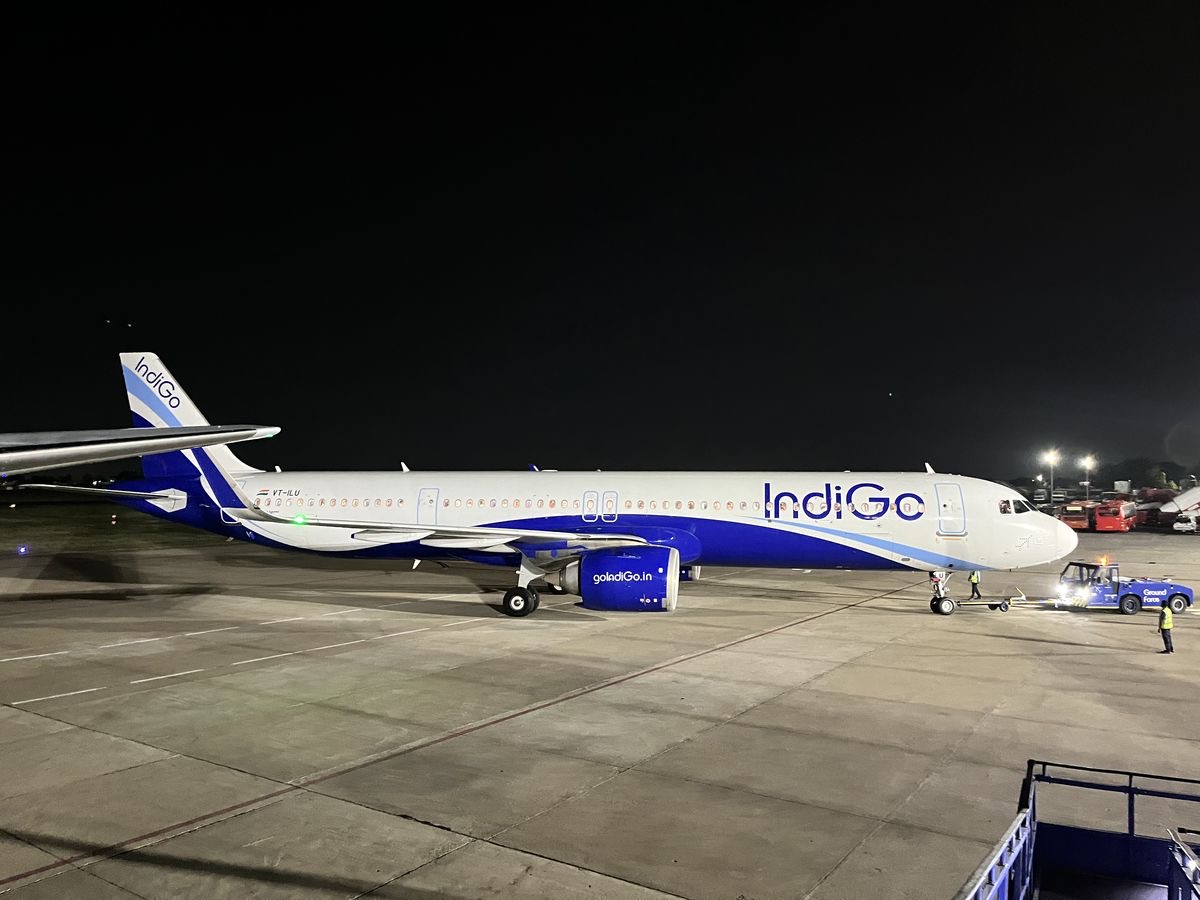
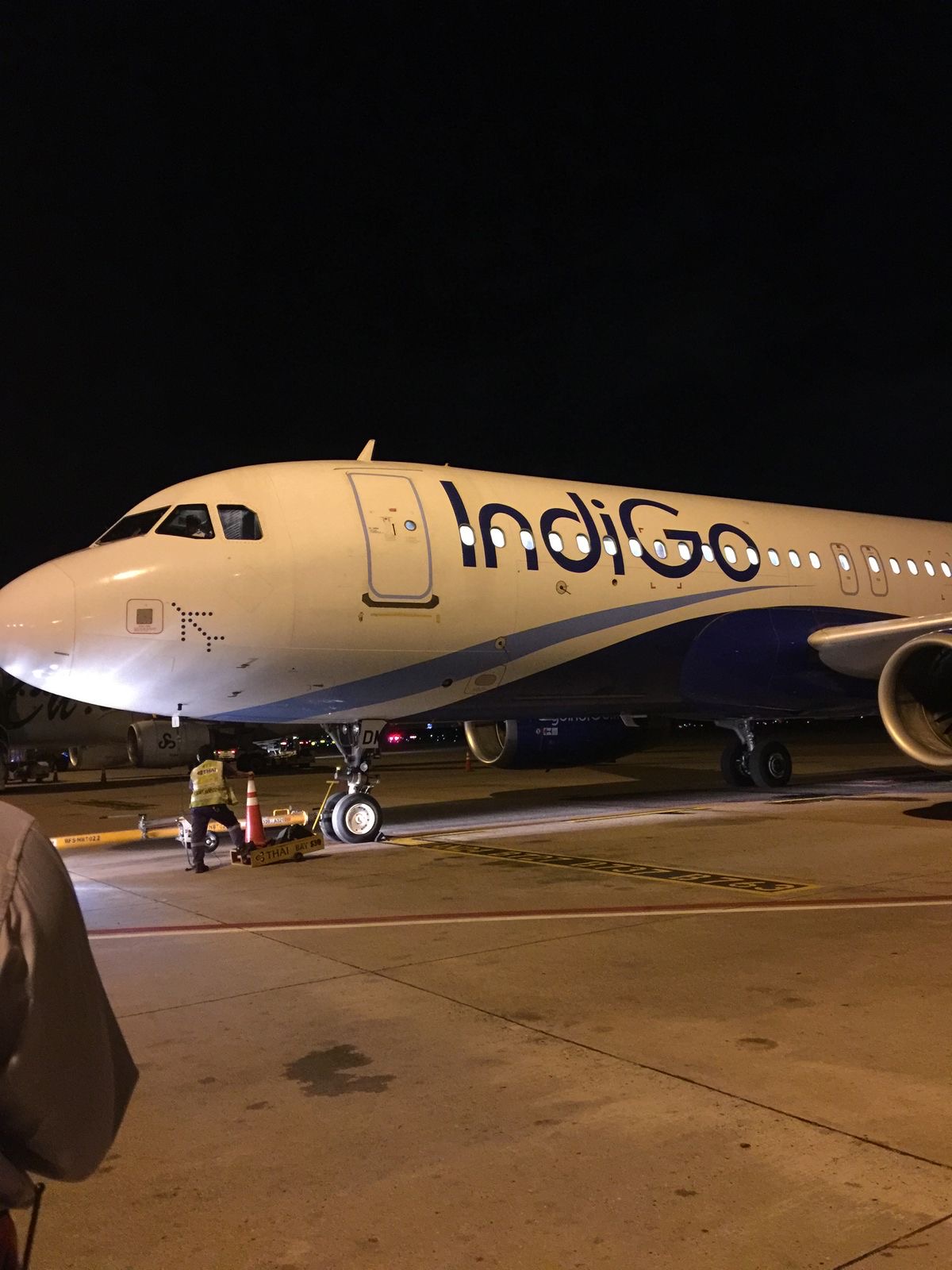
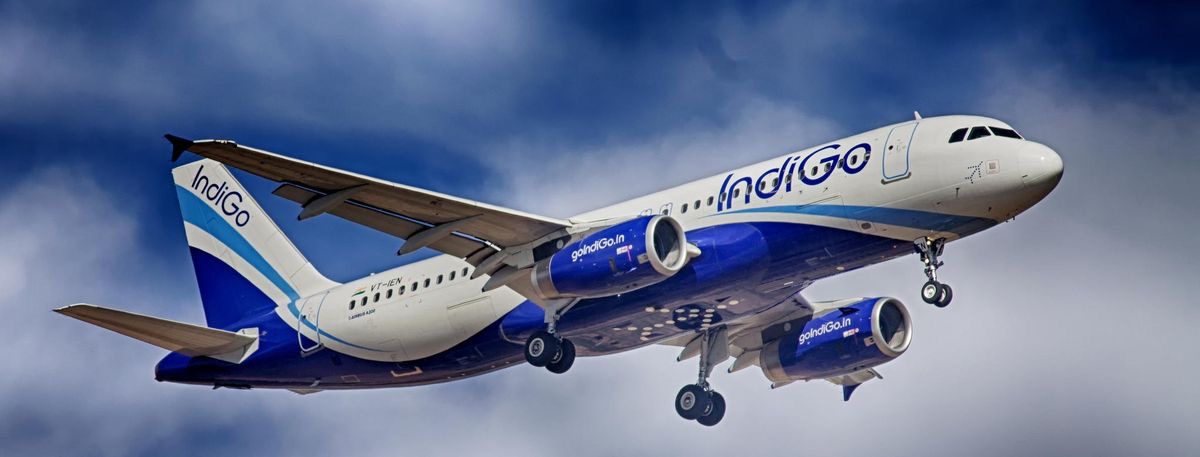
The proposal comes amid robust competition among Indian carriers as they build out their own international networks. Domestic airlines have expanded services to major global hubs, adding capacity and new routes as travel demand rebounds from the pandemic era. At the same time, foreign carriers have faced challenges in scaling services to India due to regulatory limits and broader market dynamics, including fleet availability and shifting demand patterns.
Adani Airports’ call also reflects the strategic importance of air connectivity for economic growth. Airports serve as gateways for investment, tourism and trade, and broader access to international carrier capacity could enhance India’s position in global air networks. Easing seat caps could also facilitate more options for travellers, resulting in better price competition, more frequent services and greater route choice.
Industry observers say the conversation over seat caps ties into larger debates about aviation policy, market access and bilateral air service agreements. India’s bilateral treaties with other countries determine the number of flights and seats that can be operated by carriers on each side, and changes to these agreements often require lengthy diplomatic and regulatory negotiations.
Adani Airports has suggested that regulators, airlines and policymakers work collaboratively to evaluate the potential impacts of relaxed seat limits. While acknowledging the importance of protecting domestic carriers, the airport operator argues that a calibrated approach could help expand air services without undermining the competitive vitality of Indian airlines.
If seat caps are eased, analysts say foreign carriers may be more inclined to add frequencies, deploy larger aircraft and enter new markets that are currently underserved. Such developments could complement India’s broader aviation ambitions, including plans to increase the number of airports, grow international connectivity and support initiatives that make air travel more accessible across regions.
As discussions unfold within industry circles and regulatory agencies, stakeholders will be watching closely for any policy shifts that could reshape India’s aviation landscape. Easing seat caps on foreign airlines could be a significant step toward deeper global integration, empowering both travellers and the aviation ecosystem as India’s market continues to expand.