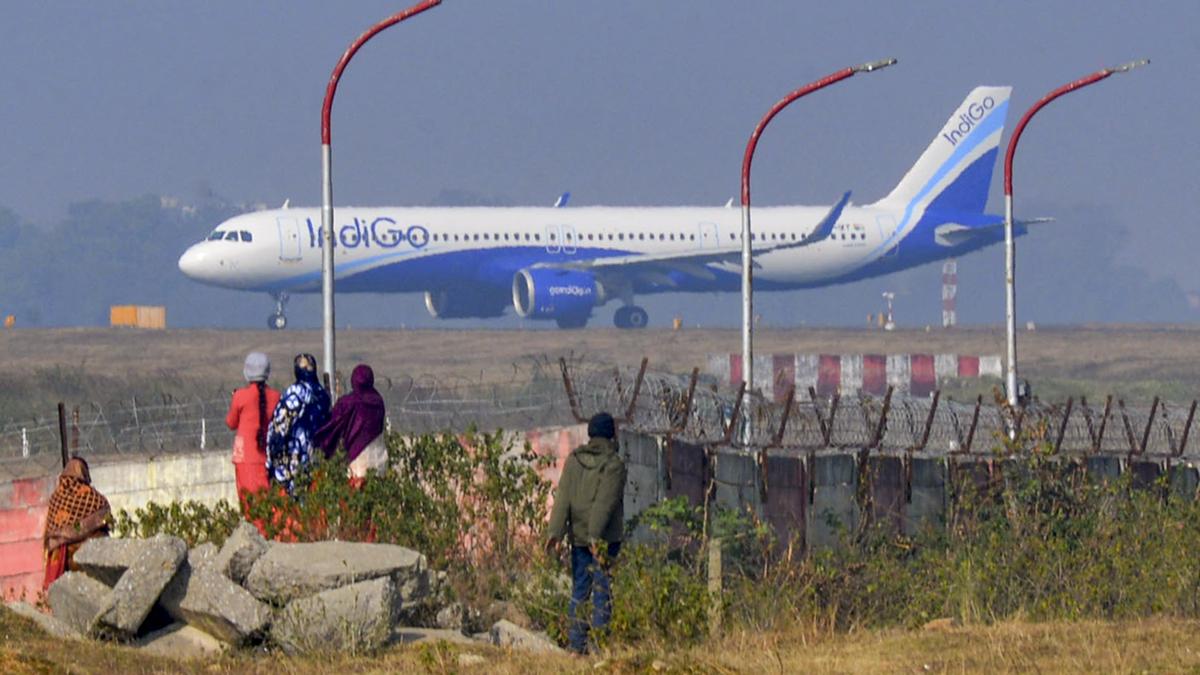
A powerful winter storm sweeping across large parts of the United States has caused severe disruption to air travel during the peak holiday season. Airlines were forced to cancel more than 2,100 flights nationwide as heavy snowfall, freezing rain, and strong winds made flying conditions unsafe. The timing of the storm, coinciding with post-Christmas travel, left thousands of passengers stranded at airports and scrambling to adjust their plans.
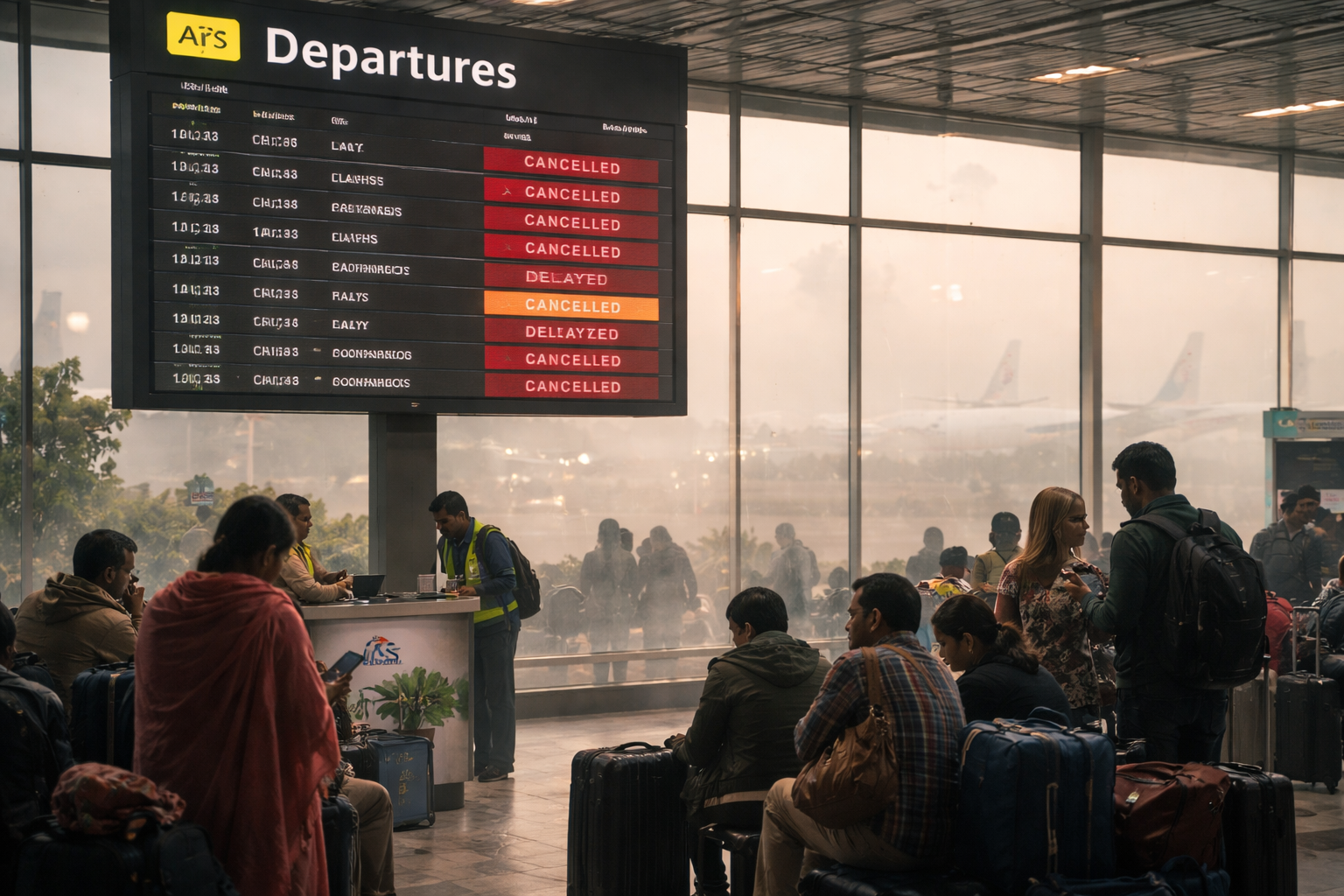
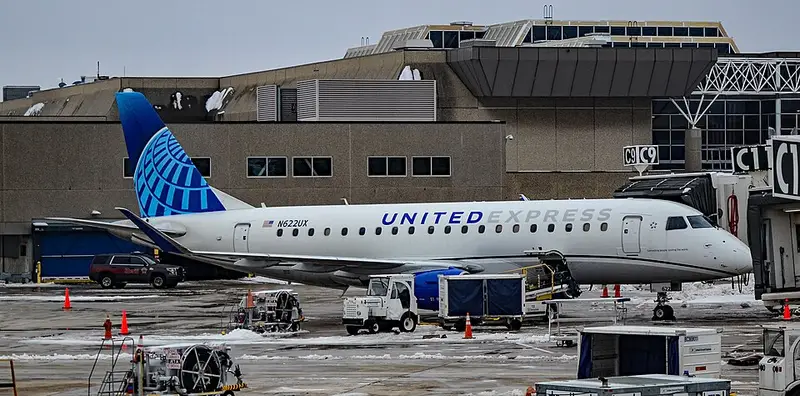
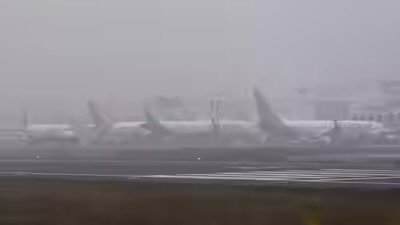
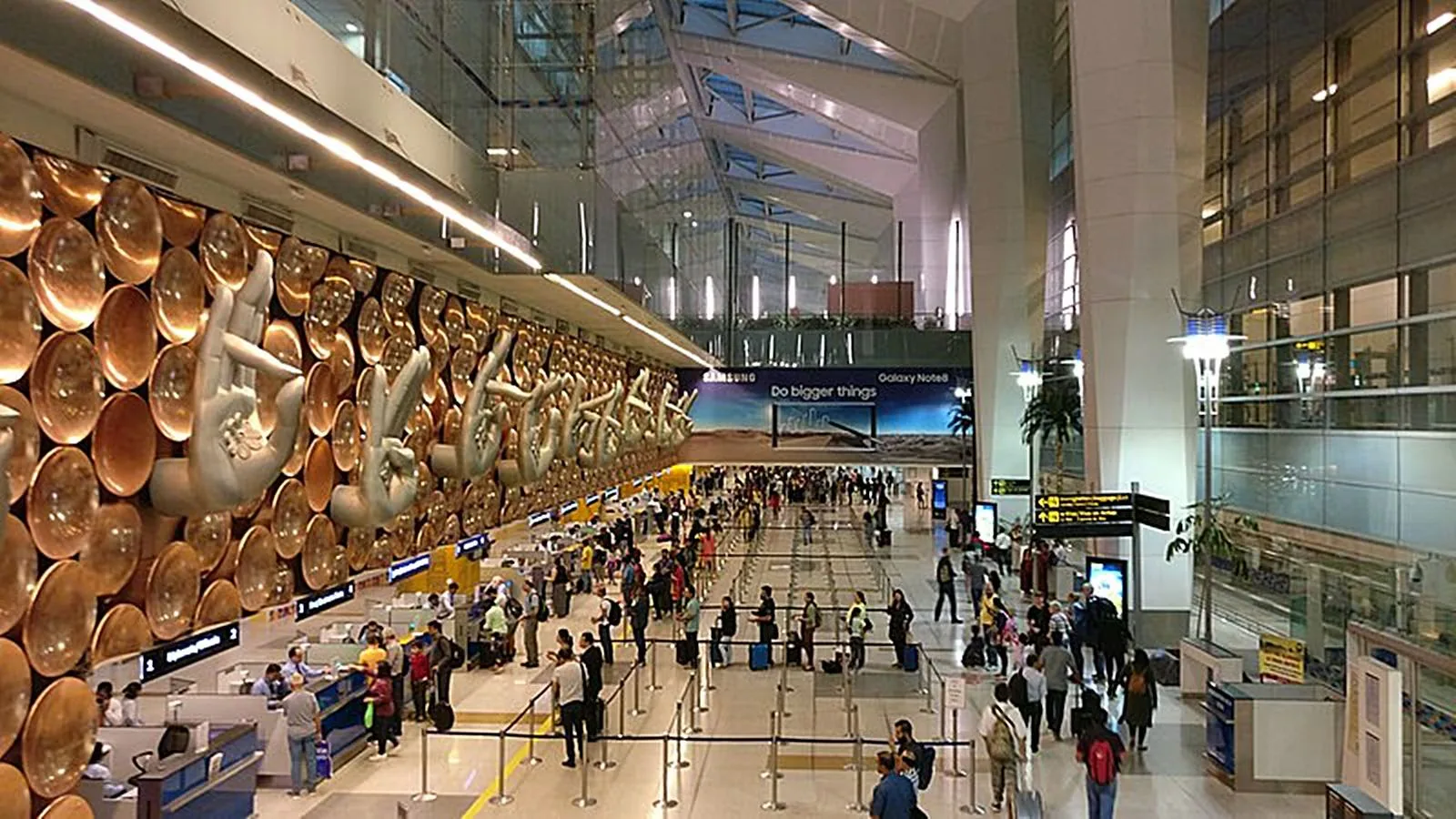
Major airports across the Midwest, Northeast, and parts of the East Coast were among the worst affected. Snow-covered runways, reduced visibility, and icy taxiways slowed aircraft movements and forced airlines to ground flights pre-emptively. Airports in cities such as New York, Chicago, Boston, and Detroit experienced particularly heavy congestion, with departure boards filled with cancellations and delays.
The storm intensified just as millions of Americans were returning home after holiday celebrations, creating a perfect storm of weather challenges and peak travel demand. Families travelling with children, elderly passengers, and those with connecting flights were especially impacted as delays stretched into hours and overnight cancellations became more common.
Airlines responded by offering travel flexibility, including fee-free rebooking and waivers for affected routes. Despite these measures, airport terminals quickly became overcrowded as passengers waited for assistance, searched for alternate flights, or sought accommodation. Airline staff worked under pressure to manage the surge of stranded travellers while keeping safety as the top priority.
Weather authorities had warned of hazardous conditions well in advance, predicting significant snowfall and dangerous road travel. In several regions, authorities urged people to avoid non-essential journeys altogether. Snowploughs and de-icing crews worked continuously to keep runways operational, but persistent snowfall made recovery efforts slow and challenging.
Beyond aviation, the storm disrupted other forms of transport as well, compounding travel difficulties. Icy highways, delayed trains, and power outages in some areas left travellers with few alternatives. For many, airports became temporary shelters as they waited for clearer skies and updated travel options.
Passengers took to social media to share images of crowded terminals, long queues, and exhausted travellers curled up near charging stations and baggage carousels. The scenes highlighted the vulnerability of travel networks during extreme weather events and the emotional toll such disruptions take during festive periods meant for family reunions.
As the storm gradually moves eastward and weather conditions begin to improve, airlines and airports are working to restore normal operations. Crews and aircraft are being repositioned, and recovery schedules are being rolled out to clear the backlog. However, with winter weather continuing to threaten parts of the country, travellers are being advised to check flight statuses regularly and allow extra time for airport procedures.