Search and rescue operations in Indonesia’s Sulawesi region have concluded after authorities located the wreckage of an ATR 42 aircraft and recovered the remains of all 10 people on board. The regional turboprop, which disappeared from radar during a domestic flight, was found deep in mountainous terrain, bringing closure to a harrowing aviation incident that had mobilised emergency teams across challenging terrain and weather conditions.
The aircraft was operating a routine domestic service when contact was lost and it failed to reach its scheduled destination. Local air traffic services initiated an immediate alert when the flight ceased transmission, triggering a multi-agency response involving military, civil aviation, and search and rescue units. Planners faced steep slopes, dense forest and limited access roads, factors that repeatedly hampered early search efforts.
Over several days, rescue teams combed the remote highlands, combining aerial reconnaissance with ground parties that navigated narrow ridgelines and unstable weather. Helicopters from regional bases conducted repeated sweeps, scanning valleys and ridges for signs of wreckage. On foot, SAR teams fought thick underbrush and slippery slopes to reach areas identified through satellite imagery and locator beacons from emergency equipment believed to be carried by the aircraft.
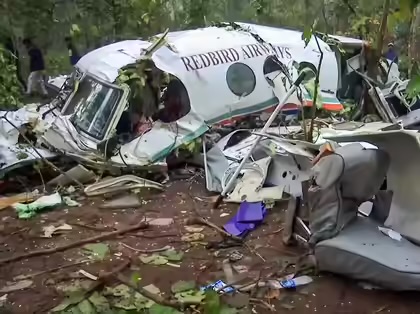
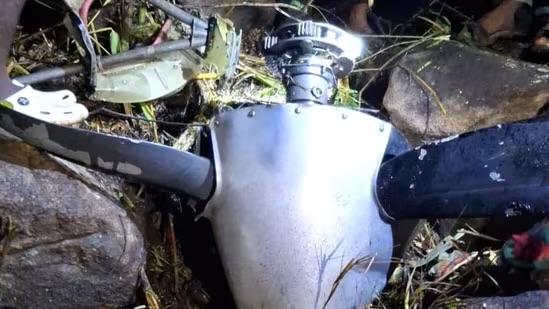
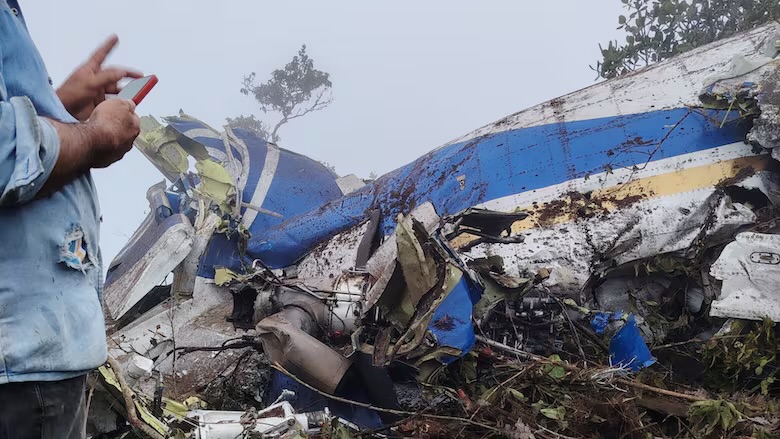
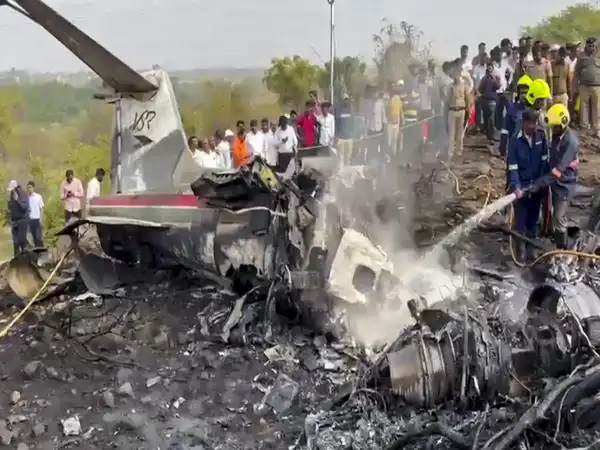
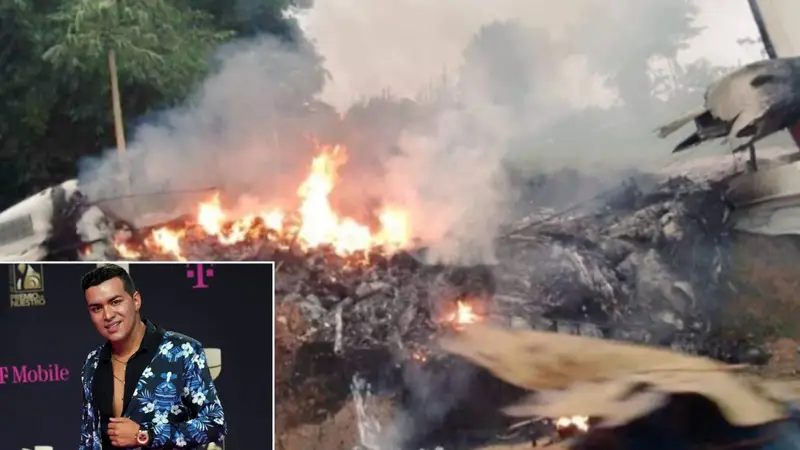
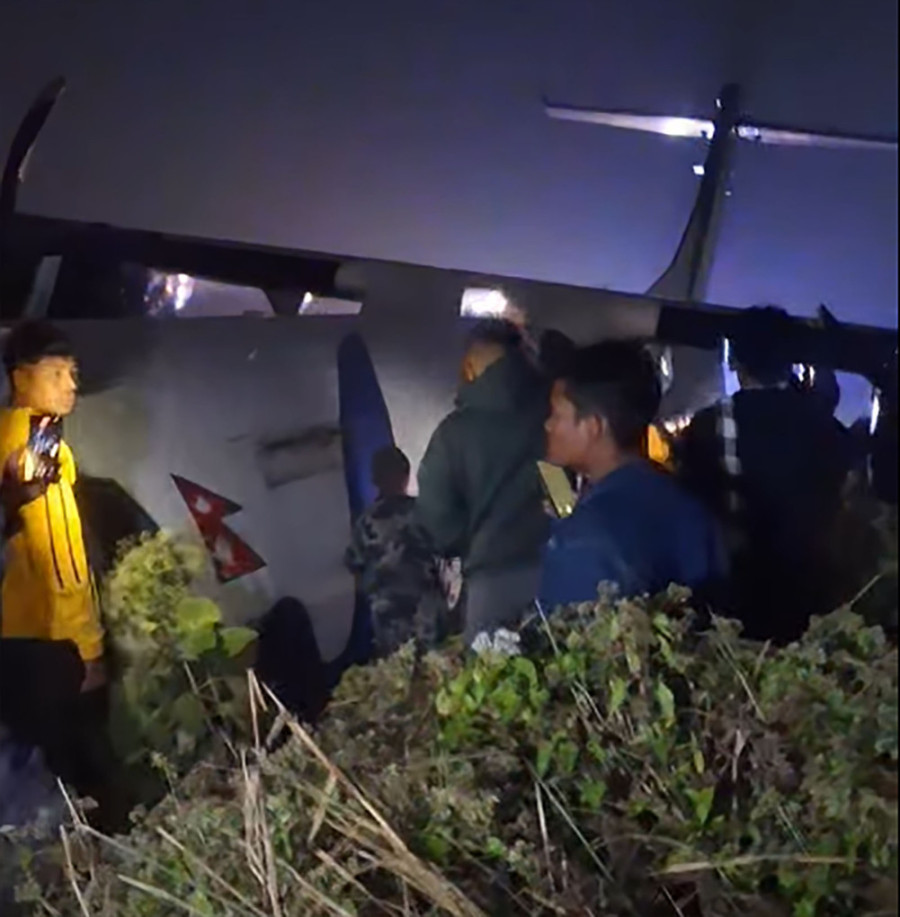
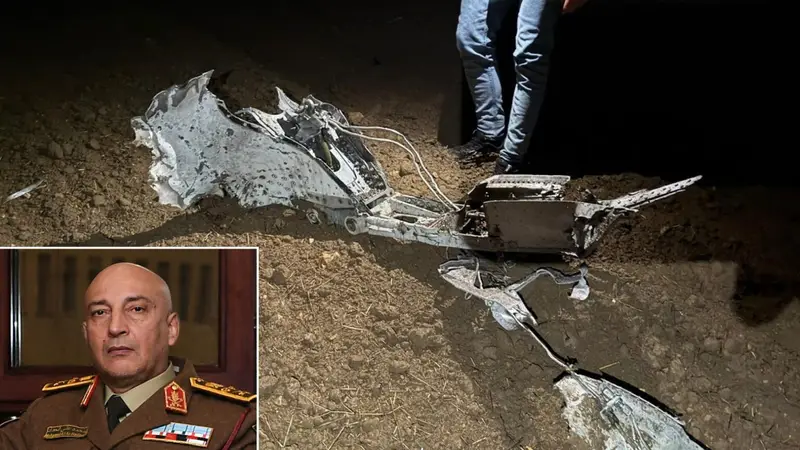
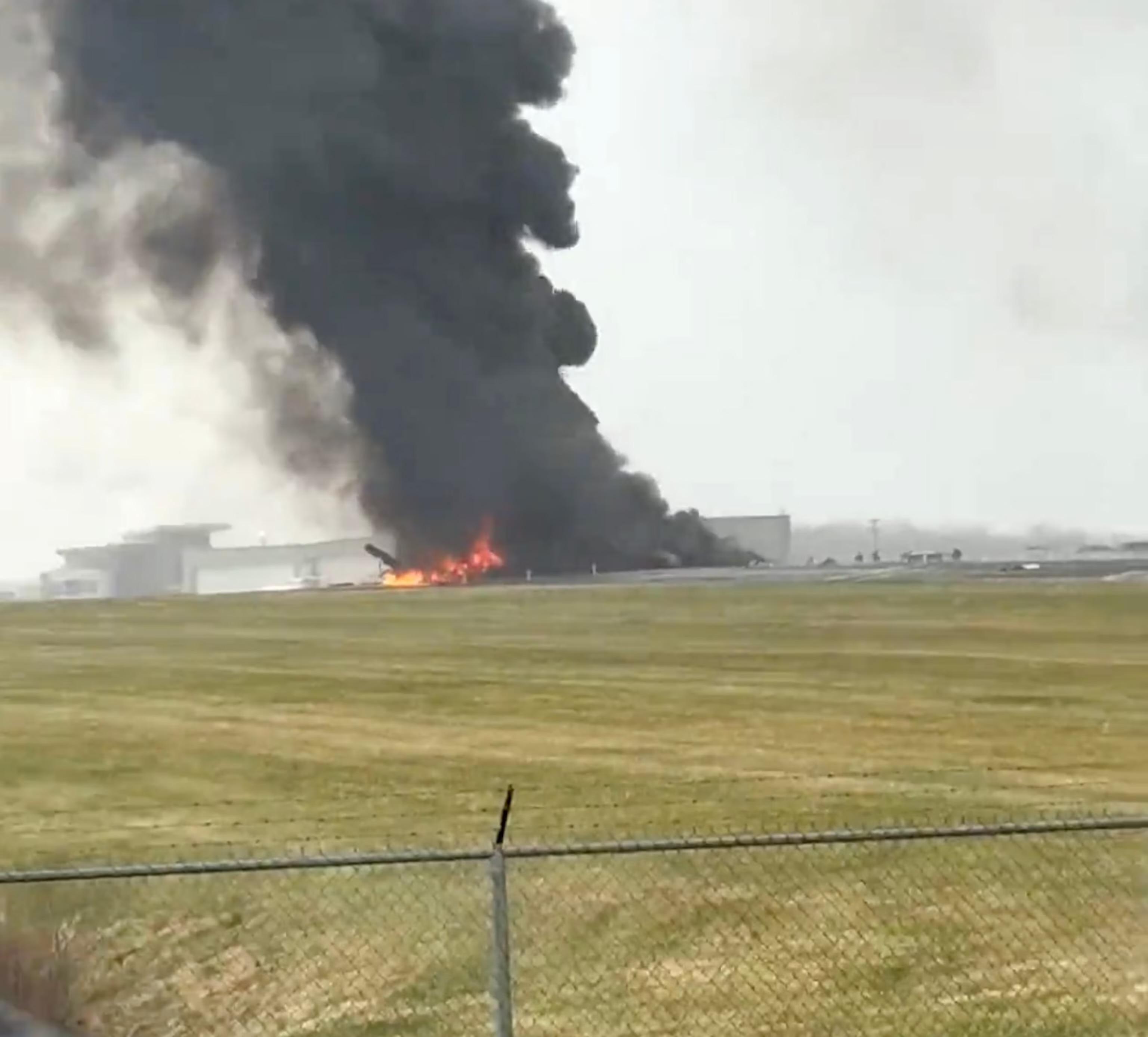
Eventually, the wreck site was confirmed, and teams were able to reach the location. The aircraft fuselage was found in a remote section of the mountainous landscape, badly damaged by impact but identifiable. Recovery personnel worked methodically to locate remains and gather evidence, ensuring respectful handling of victims and coordination with forensic teams for identification. By the end of the operation, all 10 victims had been recovered from the site.
Officials indicated that preliminary assessments pointed to the aircraft descending into terrain before impact, though the specifics of flight path, weather at the time and potential technical factors remain under investigation. Authorities stressed that full analysis of flight data recorders, cockpit voice recordings and maintenance records will be needed to understand what led to the aircraft’s final moments. Aviation investigators were expected to secure recovered components and begin detailed examinations to determine causal factors.
Family members of those on board were notified by airline and government representatives as the recovery progressed, with support services provided at designated assistance centres. Counselors and liaison officers worked with relatives to offer updates and help with logistics, a process that provided some measure of support amidst the shock and grief. The conclusion of the search brought relief to families who had held out hope for answers during the longest days of uncertainty.
The Indonesian Ministry of Transportation and civil aviation regulators thanked the hundreds of personnel who took part in the operation, citing cooperation between national, regional and local units as critical to the successful conclusion. They noted that the difficult terrain and unpredictable weather amplified the complexity of the mission, yet responders remained committed to leaving no area unsearched.
Experts in aviation safety note that mountainous regions pose particular risks when aircraft encounter navigational challenges, weather shifts or communication difficulties. High terrain can obscure radar coverage and complicate both flight routing and emergency responses. Investigators typically look at a wide range of variables — from aircraft performance to human factors and atmospheric conditions — when piecing together what happened in such crashes.
The airline involved has expressed condolences to the families and pledged full cooperation with investigative authorities. It also indicated that it is reviewing its own operational protocols as part of internal procedures that accompany any accident. Wider industry stakeholders will watch the official investigation closely, as findings may have implications for flight procedures and safety practices in regions with similar geography.
For now, the conclusion of the search marks an end to the immediate rescue phase and the beginning of a technical inquiry that aims to understand how and why the flight culminated in a fatal impact. Authorities reiterated their commitment to transparency and thoroughness, promising that a final report will be issued once all data has been analysed and verified by accident investigators.