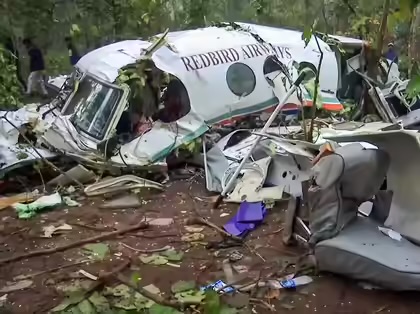
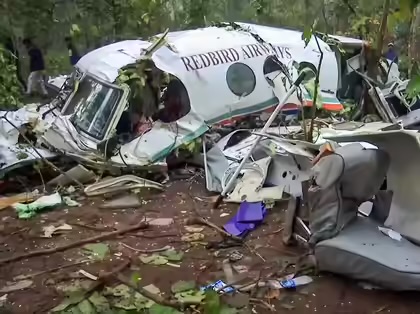
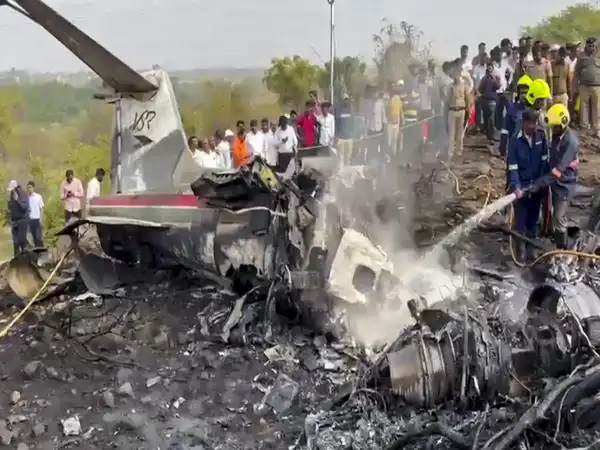
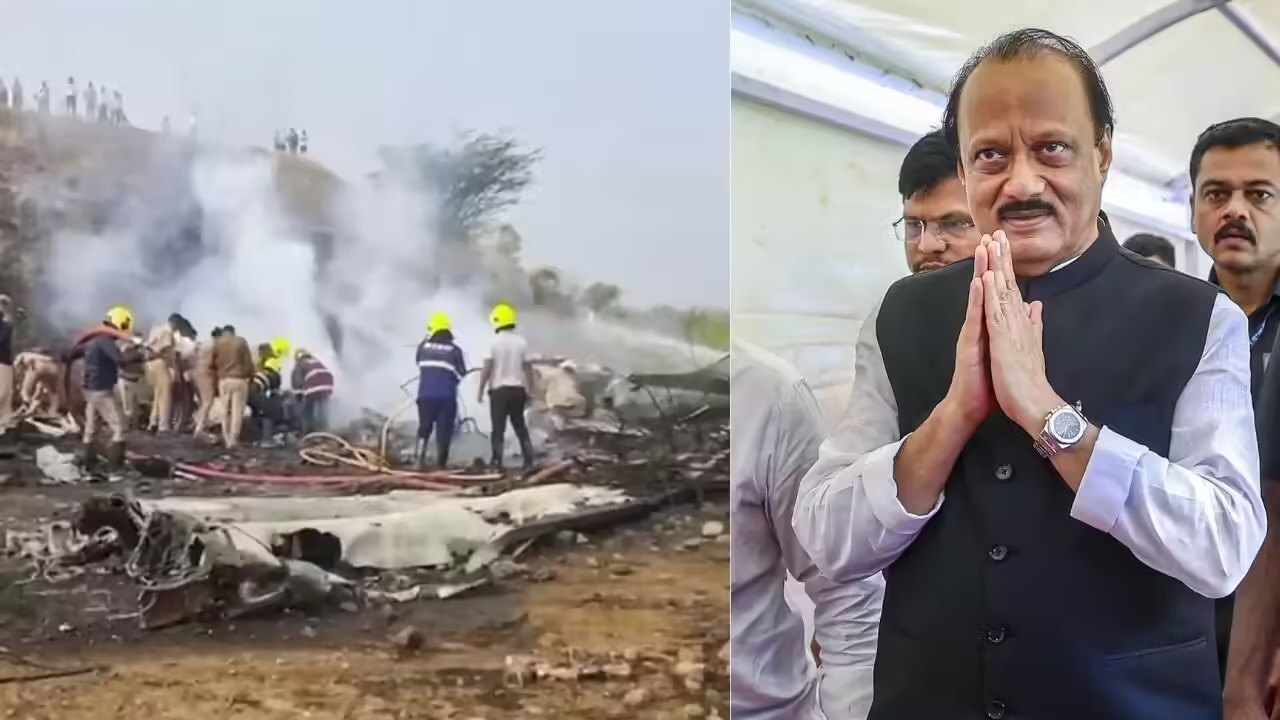
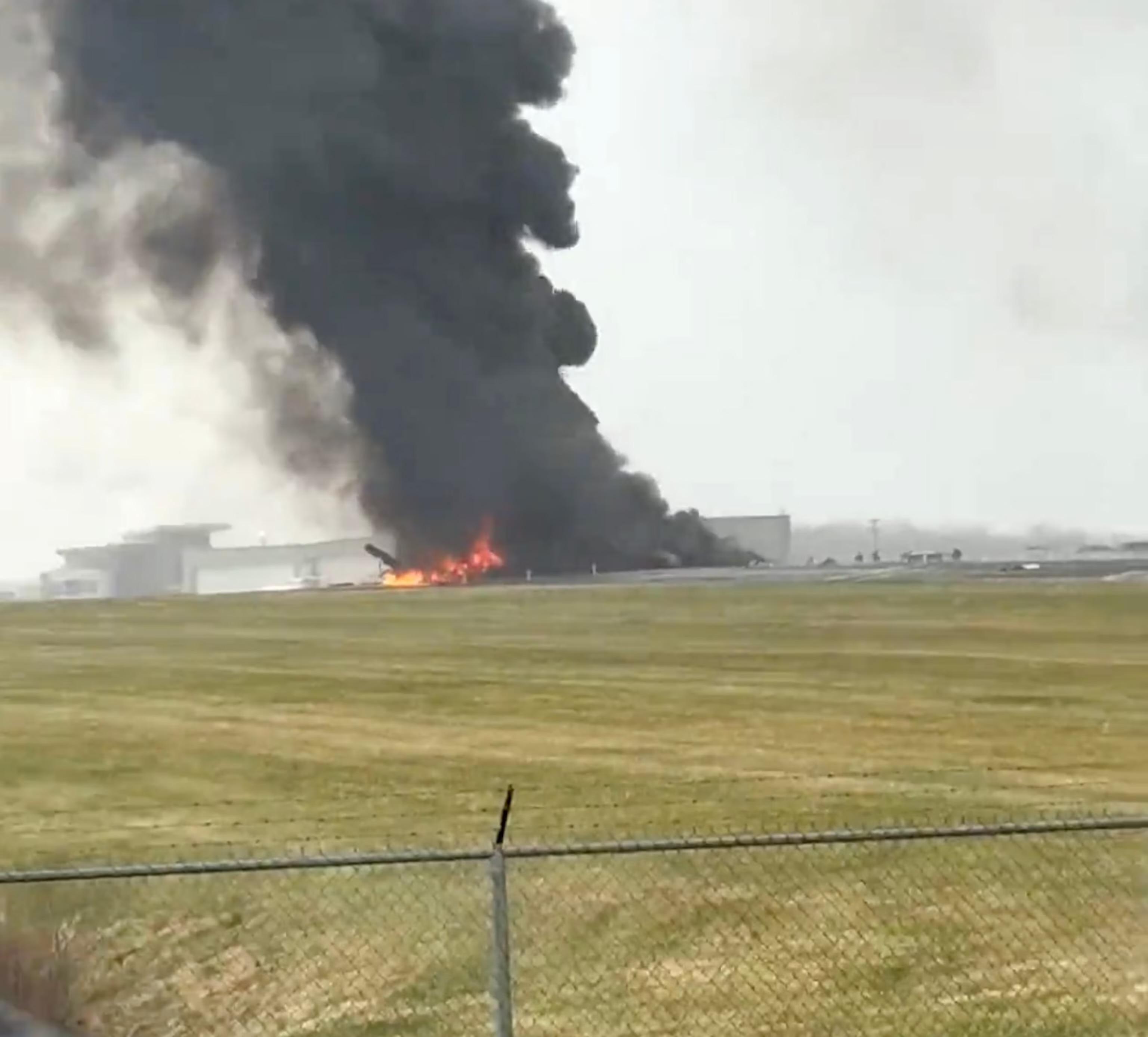
A charter aircraft departing from Ranchi Airport vanished from radar shortly after takeoff, prompting an urgent search and rescue response from aviation authorities, emergency services and local officials. The flight, operating on a non-scheduled charter mission, lifted off as planned and was climbing through its initial phase when radar contact was suddenly lost, raising immediate concerns about a possible emergency in flight.
The aircraft had taken off with passengers and crew on board, and initial communications between the flight crew and air traffic control appeared normal before the unexplained disappearance from radar screens. As soon as the aircraft failed to reach its expected reporting point and radar contact was interrupted, controllers notified emergency services and activated search protocols to determine the aircraft’s location.
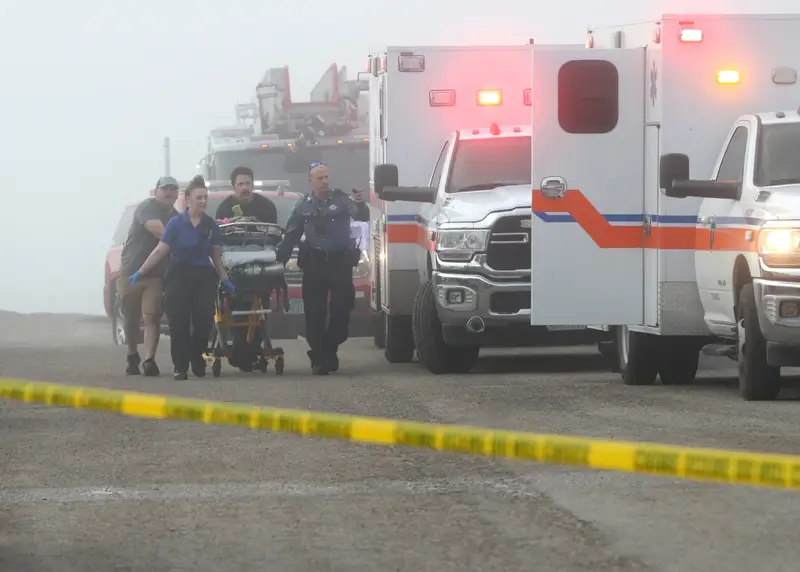
Teams from the airport, civil aviation authorities, the Directorate General of Civil Aviation and local law enforcement were mobilised to support the unfolding situation. Search efforts have included aerial scans, deployment of ground units along likely flight corridors, coordination with regional radar facilities and outreach to nearby airports to check for any unscheduled arrivals or emergency landings.
The precise number of people on board, the aircraft type and its intended destination have not yet been confirmed publicly, but aviation officials say they are gathering passenger manifests, crew information and flight plan details as part of their response. Investigators are also analysing conditions at departure, including weather patterns, aircraft technical history, fuel planning documents and flight crew experience.
Loss of radar contact can occur for a range of reasons and does not automatically indicate a crash. Possibilities under review include navigational anomalies, temporary communication or transponder failures, deviations from planned routing, emergency turns to alternate airfields, or entry into regions not covered by radar surveillance. However, authorities are treating the situation with urgency until the aircraft’s fate is determined.
Search and rescue responders are coordinating with civil aviation units to widen the search area based on last known position data and anticipated flight performance at the time of radar loss. Local communities, forest departments and agencies near potential search zones have been alerted to assist where possible, especially in areas under dense terrain or remote landscapes that could complicate recovery efforts.
Officials have cautioned that it is too early to draw definitive conclusions and that multiple scenarios remain under active investigation. As teams continue to gather information and widen their search efforts, aviation safety specialists are also being consulted to help interpret radar data, aircraft performance parameters and possible flight path deviations.
Families of passengers and crew have been notified and are being supported by airport liaison teams and counsellors as authorities work to provide updates. Hotlines and information centres have been set up to ensure communication between investigators, families and media remains clear, accurate and timely.
The missing charter plane’s disappearance comes at a time when civil aviation authorities stress the importance of robust flight tracking, communication protocols and emergency preparedness. Modern flight operations typically include multiple layers of surveillance and contingency coverage; investigators will evaluate whether any procedural or technical gaps may have contributed to this incident.
Meanwhile, aviation experts emphasise that rapid response and coordinated search efforts are critical in the early stages of any aircraft incident. Prompt deployment of resources can improve the chances of locating the aircraft quickly, whether it is found intact on the ground or in a remote area requiring specialised recovery operations.
As the search continues, officials said they will provide verified updates as more information becomes available, reinforcing that the safety and wellbeing of those on board are the foremost concerns guiding all response activity.