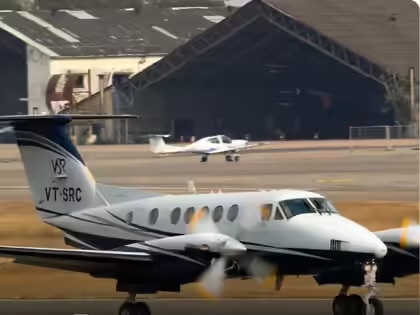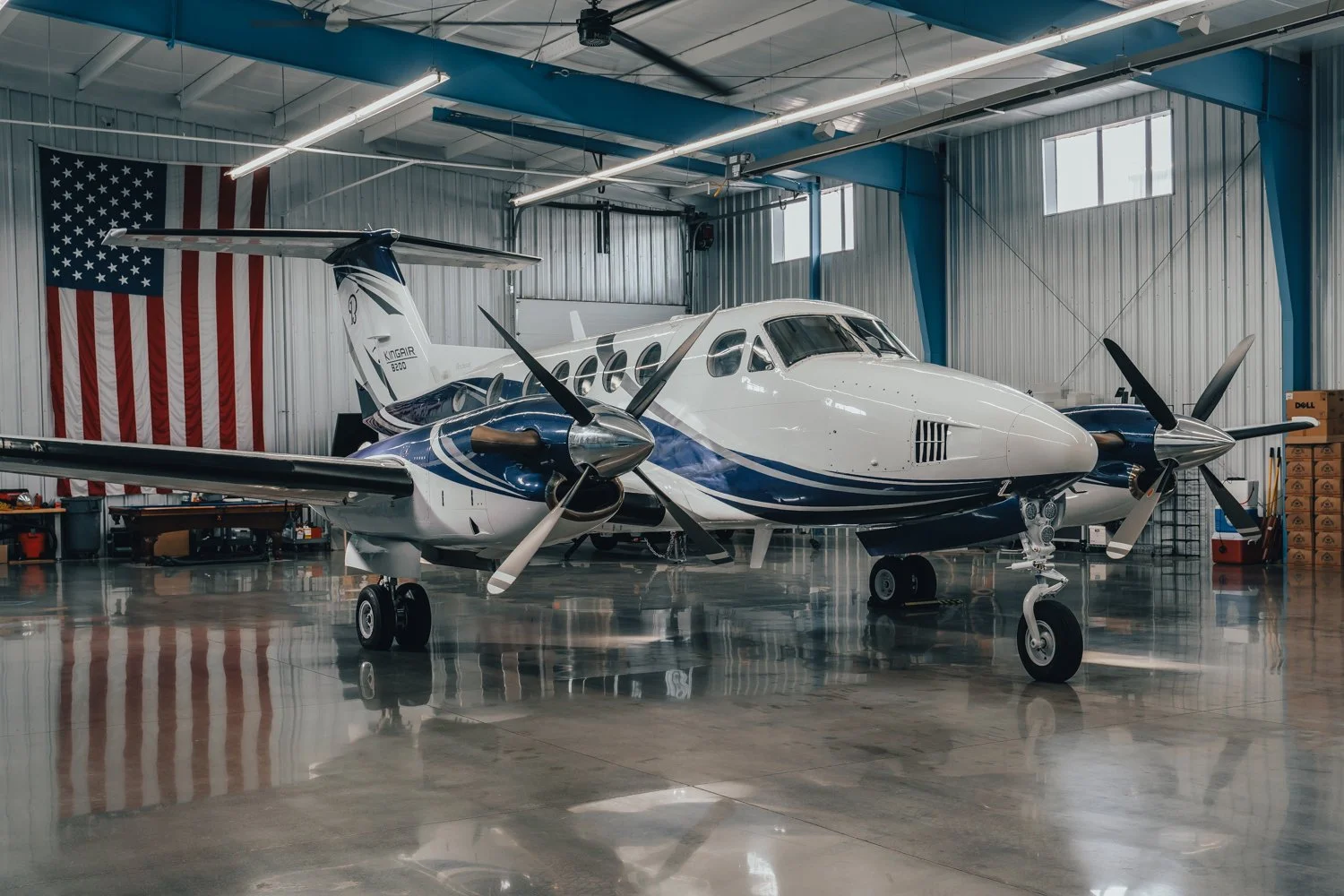
In a groundbreaking aviation event, a Beechcraft Super King Air 200 aircraft made a fully autonomous emergency landing in Colorado after an in-flight emergency triggered a safety system to take control. This marked the first confirmed real-world use of Garmin’s Emergency Autoland technology from activation to touchdown, an achievement seen as a major milestone in aviation safety and automation.
The incident occurred on December 20, 2025, during a repositioning flight from Aspen to the Denver area. While climbing through around 23,000 feet, the aircraft experienced a rapid and uncommanded loss of cabin pressurization, creating a potentially dangerous situation for those on board. With rising cabin altitude and safety concerns mounting, the automatic emergency systems detected the unsafe condition and engaged the Autoland function as designed.
Once activated, the Garmin Emergency Autoland system assumed full responsibility for flying the aircraft. It evaluated flight conditions, selected a suitable airport, communicated with air traffic control, and navigated the King Air toward Rocky Mountain Metropolitan Airport in Broomfield, near Denver. Without any manual pilot input, the system guided the aircraft through descent, approach, and landing, ultimately bringing it safely to a stop on the runway.
The two pilots on board were conscious throughout the event and donned oxygen masks when the pressurization issue occurred. Faced with complex weather and mountainous terrain, they chose to allow the Autoland system to complete the landing, monitoring its performance and remaining ready to intervene if necessary. Their decision to trust the technology under such conditions reflects a growing confidence in automated safety systems in aviation.
Garmin has confirmed that this use of Emergency Autoland was the first time the system has been deployed in an actual emergency outside of testing or demonstration flights. The technology, which was developed to take over when pilots are incapacitated or unable to fly, has been installed on a growing number of aircraft, and this incident demonstrates its real-world readiness and effectiveness.
Federal aviation authorities, including the Federal Aviation Administration, have opened an investigation into the event as part of standard procedures following an unusual landing. Early reports indicate that there were no injuries and no damage to the aircraft, adding to the significance of the successful autonomous operation.
Observers in the aviation community have described the event as a watershed moment for safety technologies, potentially reshaping how emergencies are managed in general aviation and beyond. With modern avionics increasingly incorporating automated systems, the real-life effectiveness of Emergency Autoland could encourage wider adoption and further innovation in cockpit safety tools.
As the industry digests the implications of this first real-world activation, pilots, manufacturers, and regulators alike are expected to examine the details closely to ensure that automated safety systems continue to enhance safety without reducing the essential role of trained flight crews. The successful landing of the King Air under Autoland control marks a new chapter in how technology and human expertise collaborate in the skies.