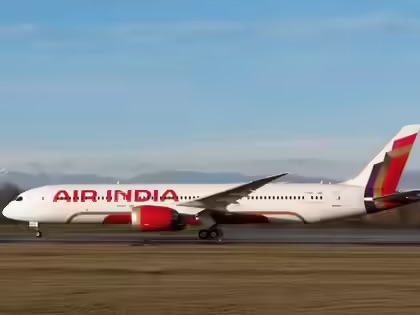
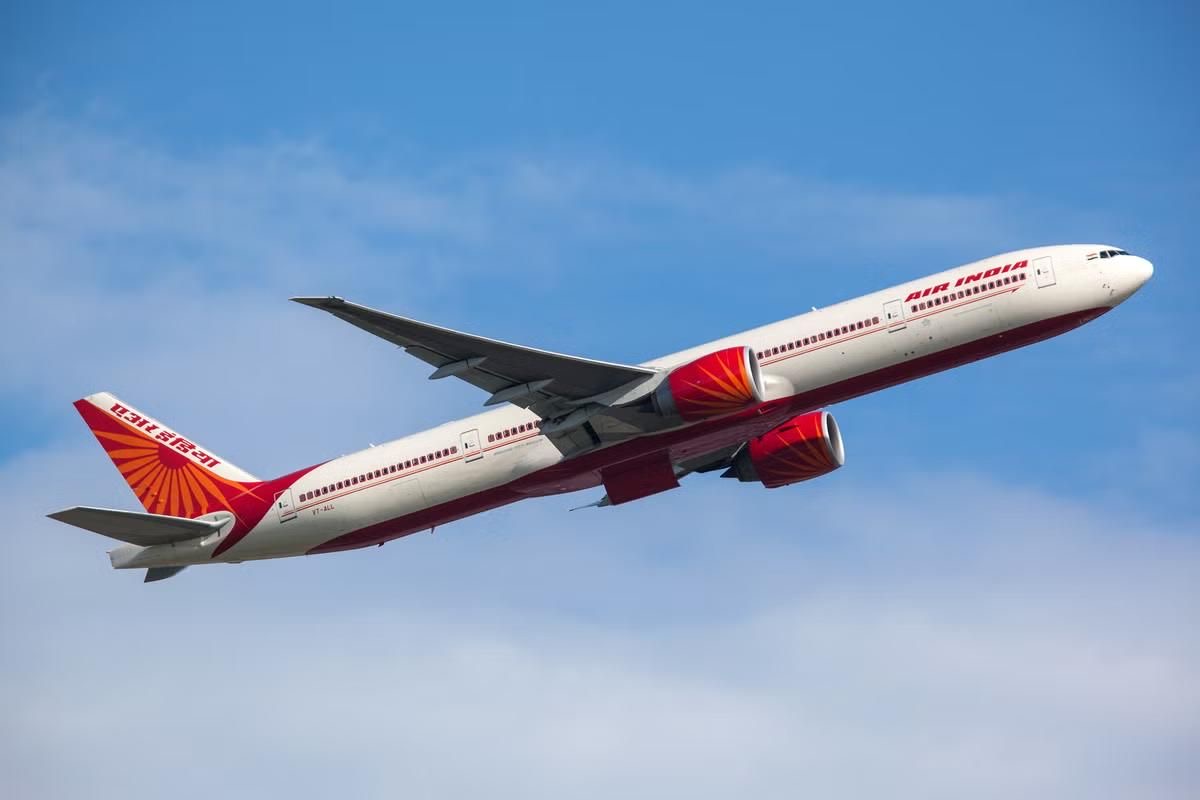
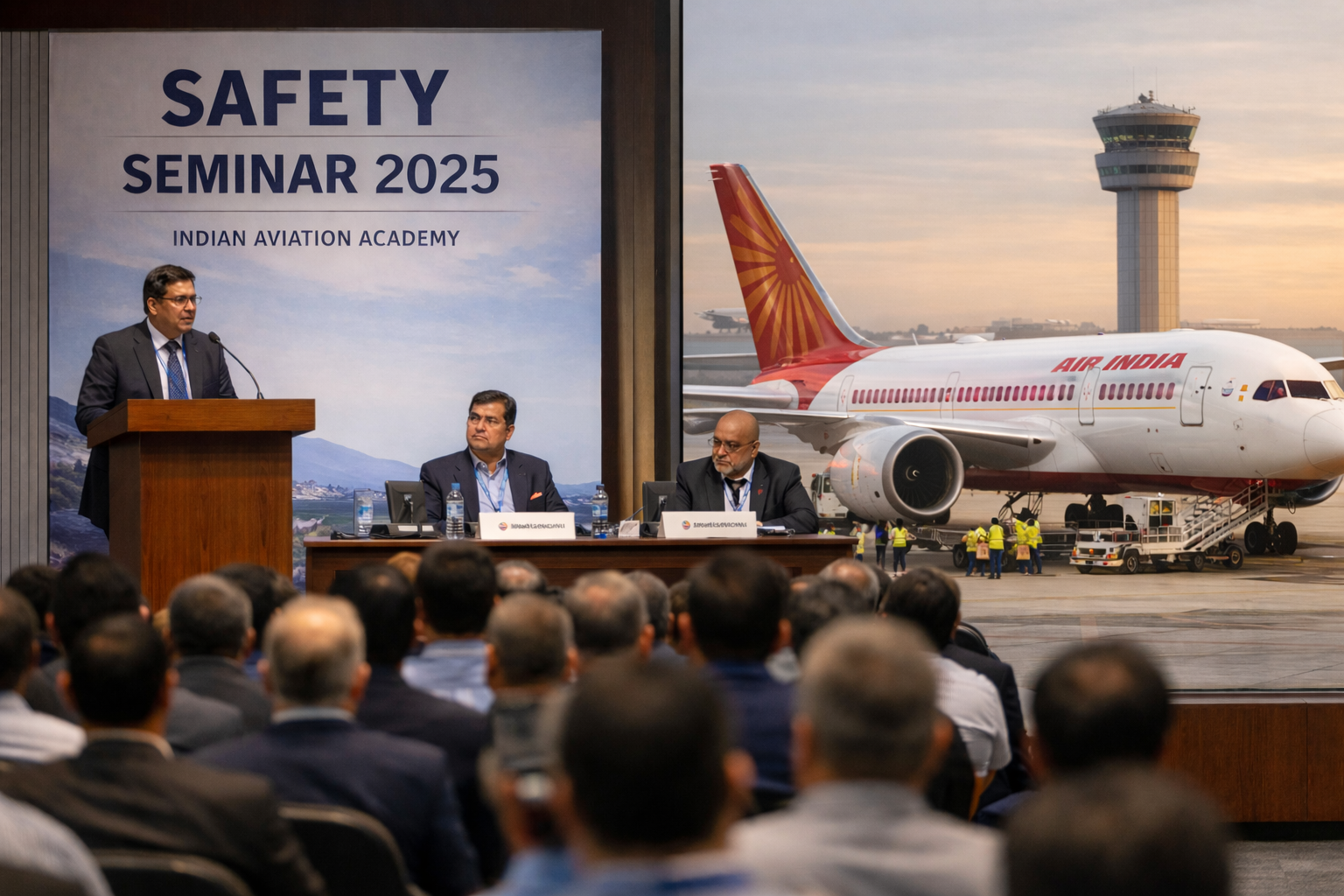
Air India’s Chief Commercial Officer Nipun Aggarwal has said the airline is poised to benefit from strong structural tailwinds in the financial year 2027, a trend underpinned by international expansion plans, growing passenger demand and strategic initiatives aimed at strengthening the carrier’s global footprint. Speaking about the airline’s outlook, Aggarwal highlighted how sustained demand, improved capacity management and network diversification are expected to support growth and operational resilience in the coming year.
Air India has stepped up its efforts to expand international connectivity, adding new destinations and increasing frequencies on key global routes. As travel demand continues to recover and evolve following pandemic disruptions, the airline is focusing on both traditional long-haul markets and emerging sectors with rising traffic potential. Aggarwal said that a balanced international network will help Air India capture cross-border travel demand from leisure, business and diaspora segments while supporting revenue growth.
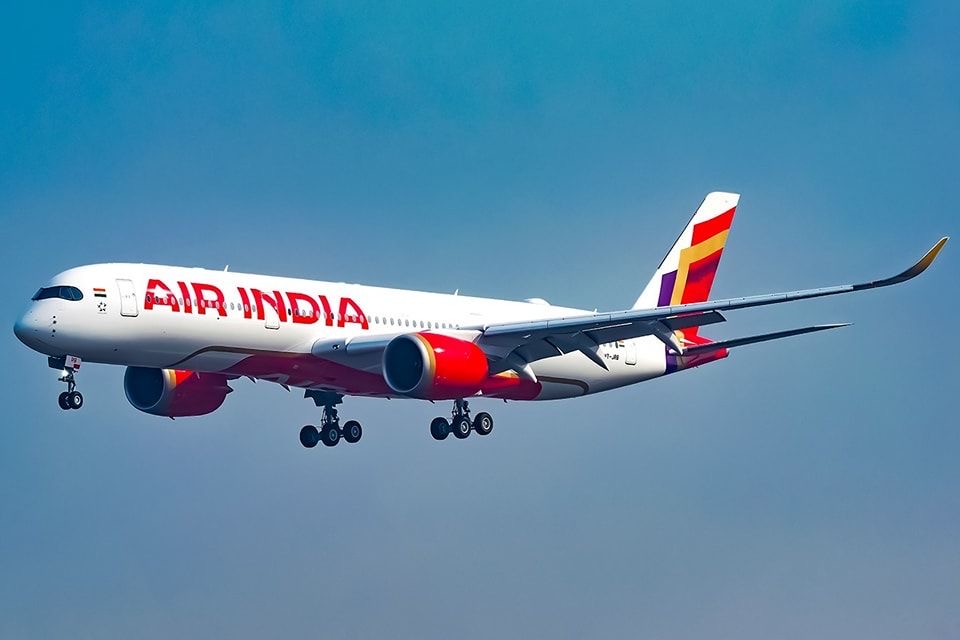
One of the tailwinds driving the airline’s outlook is the improvement in global air travel demand, with more passengers choosing international travel and airlines restoring services that were reduced or suspended in earlier years. With fleet expansion underway, including fuel-efficient jets that are suitable for long-haul flying, Air India is positioning itself to match capacity with demand while offering enhanced connectivity options for travellers.
Aggarwal noted that strategic deployment of aircraft and capacity optimisation will be key elements of the airline’s commercial strategy. This includes adjusting flight schedules, deploying the right aircraft types on appropriate routes and aligning frequencies with customer preferences and seasonal demand patterns. Such precision in planning helps maximise load factors and improve overall route economics.
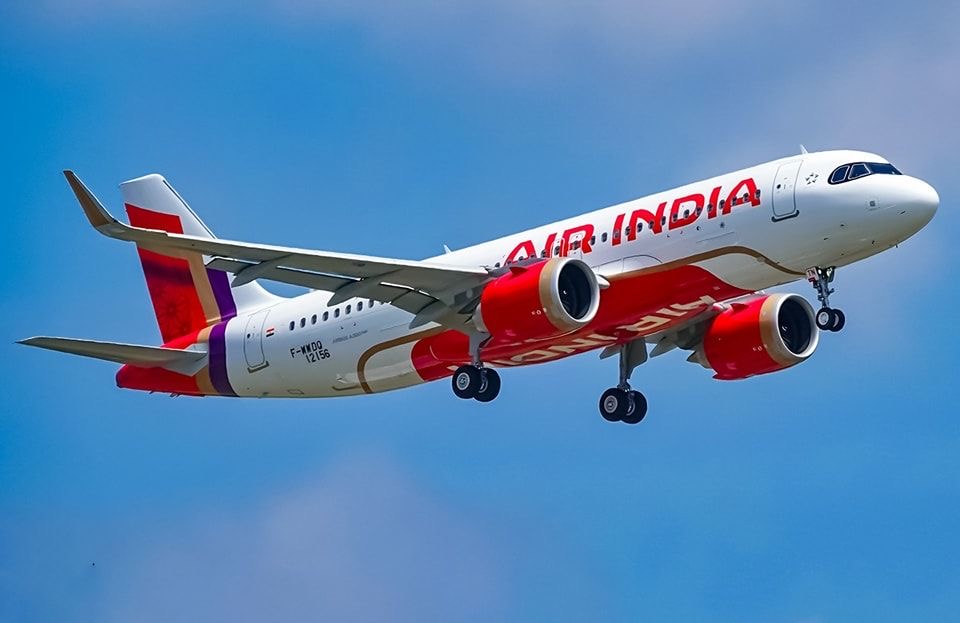
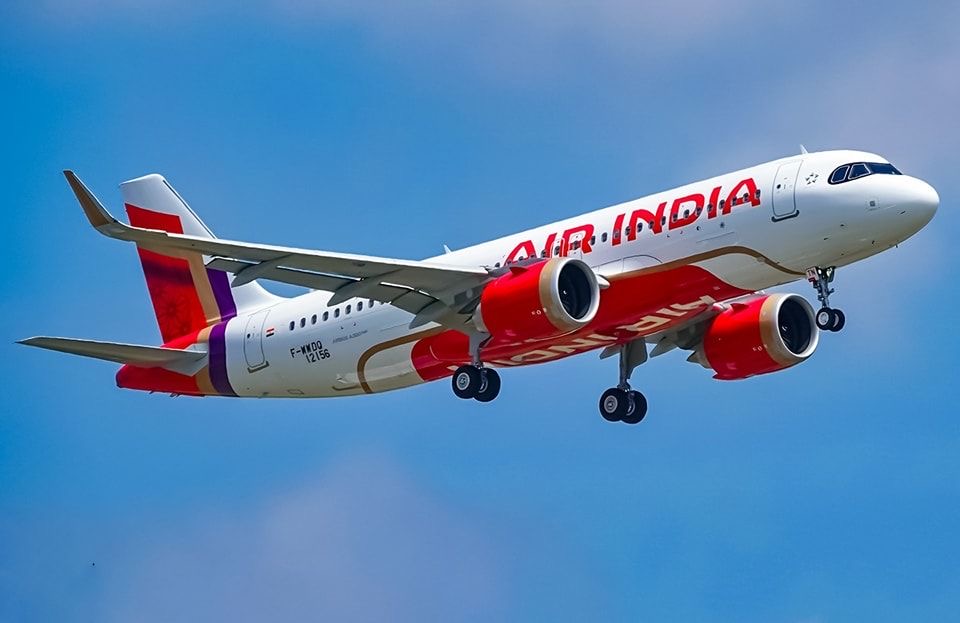
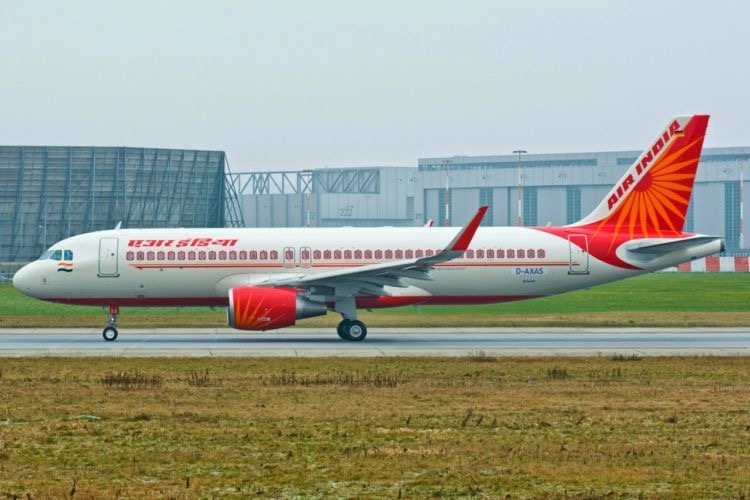
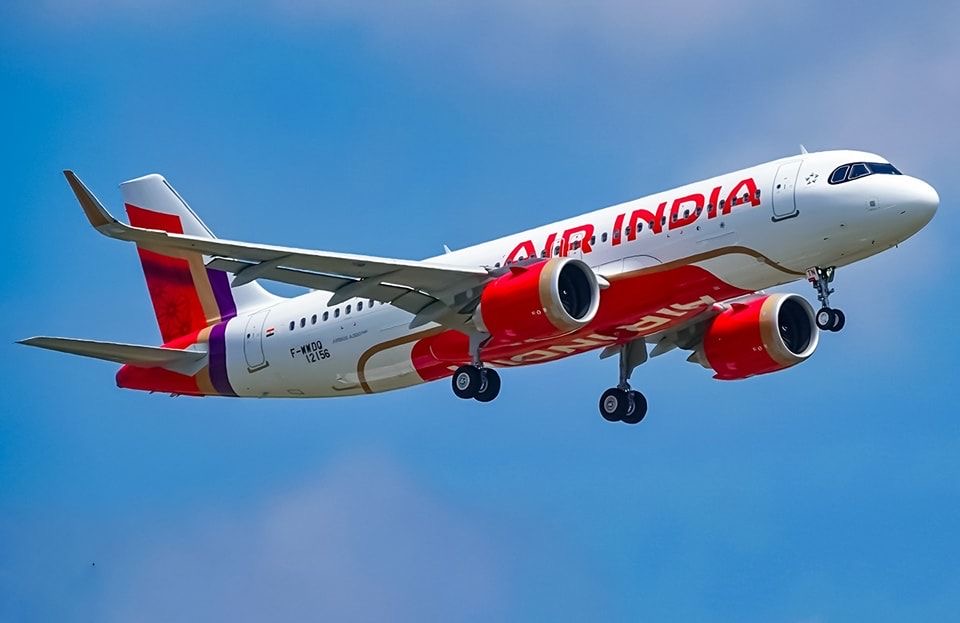
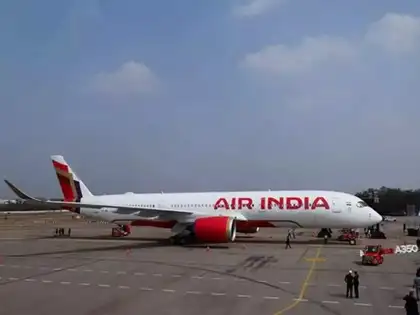
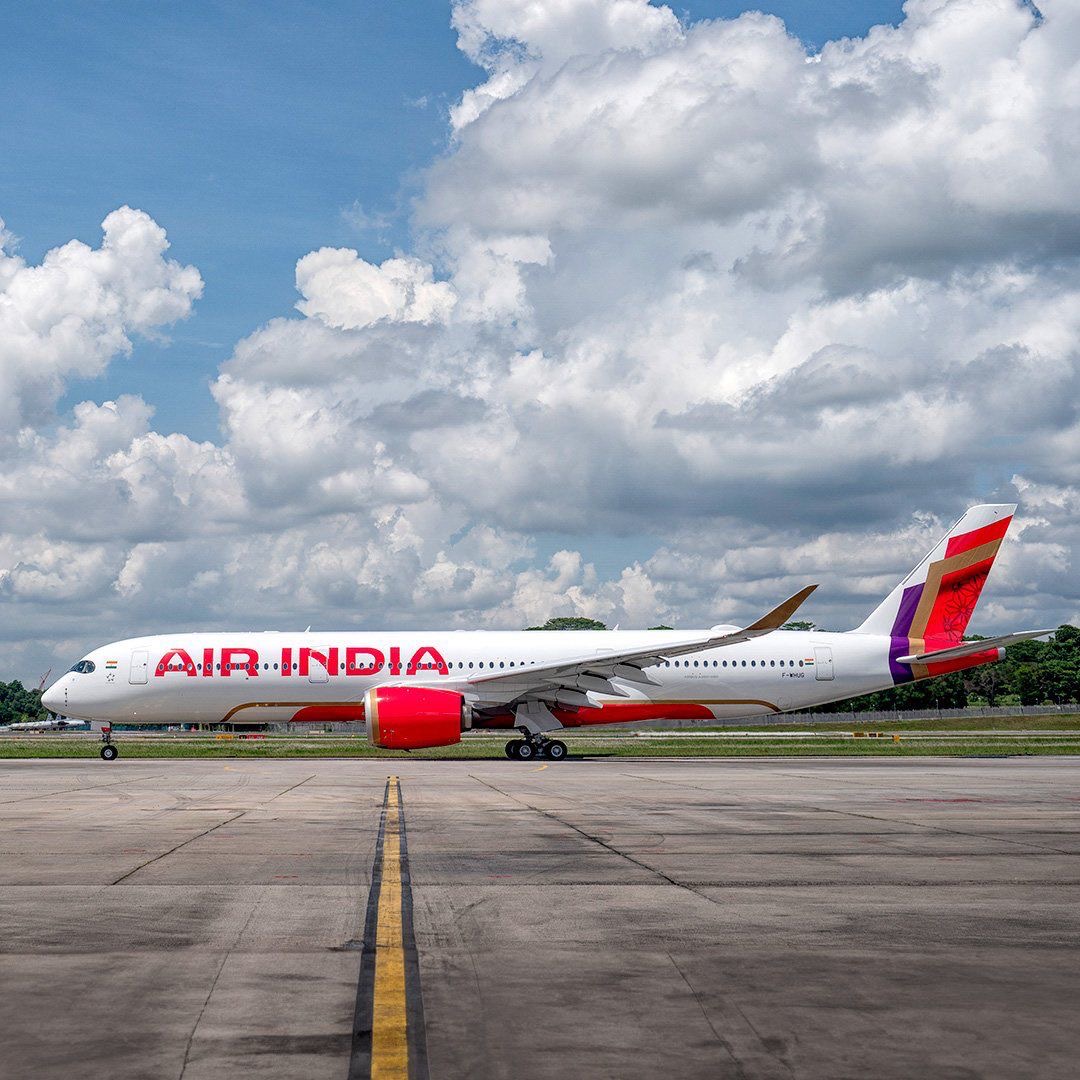
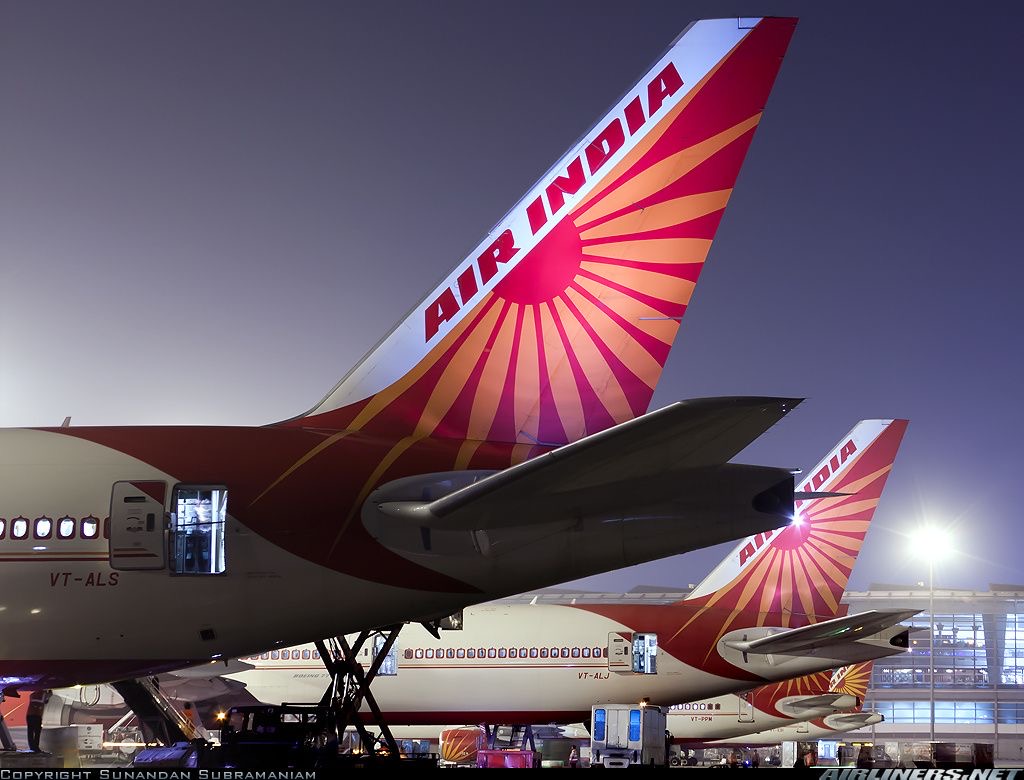
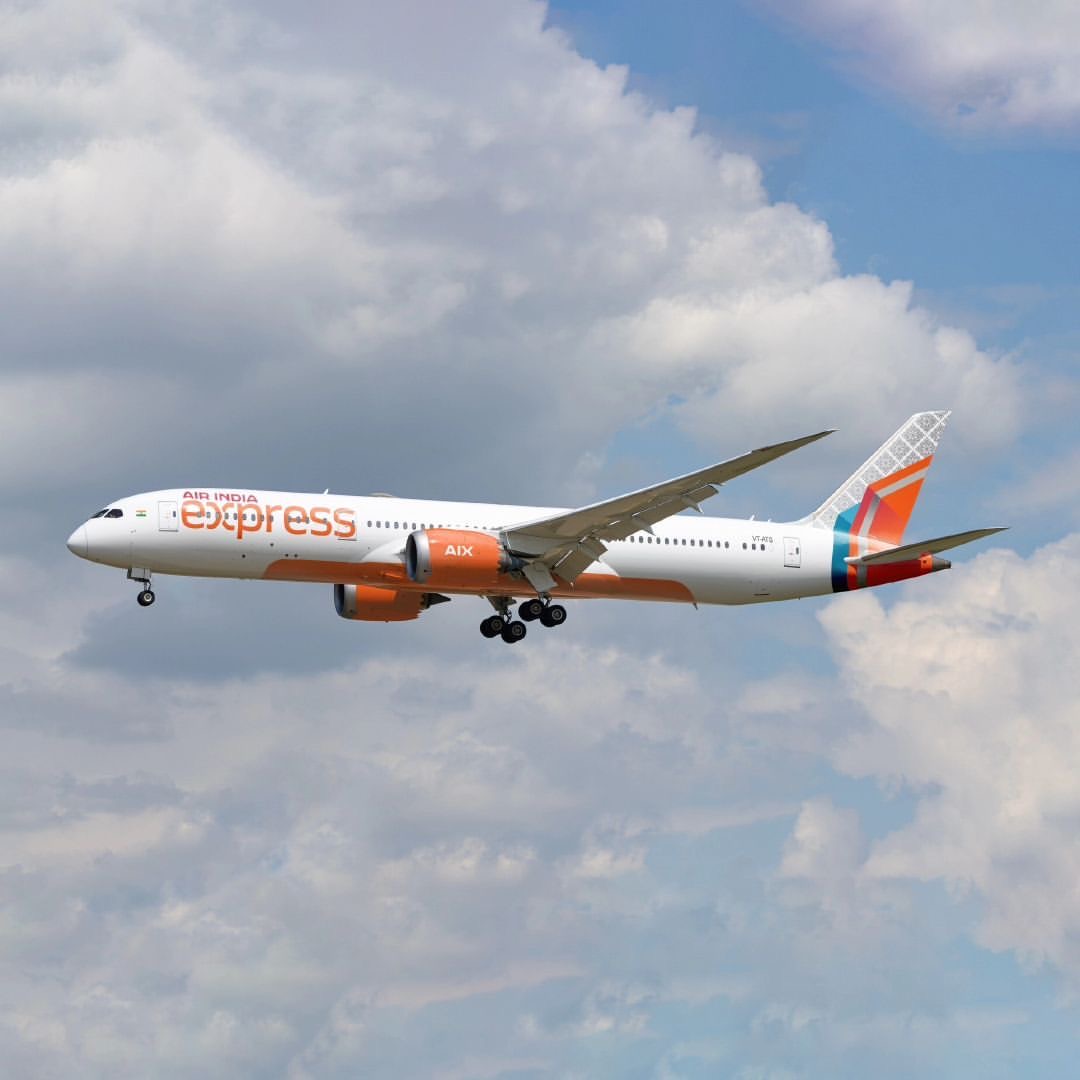
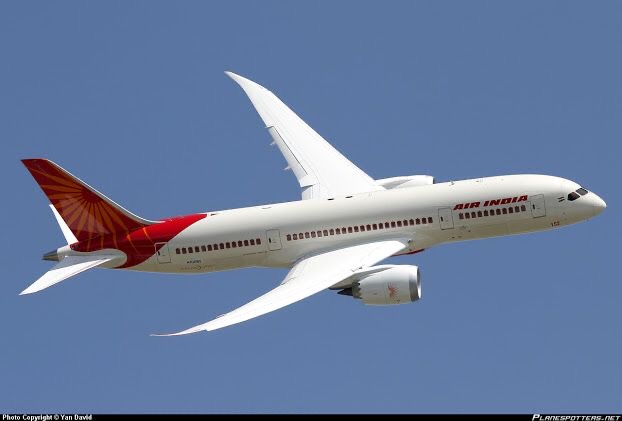
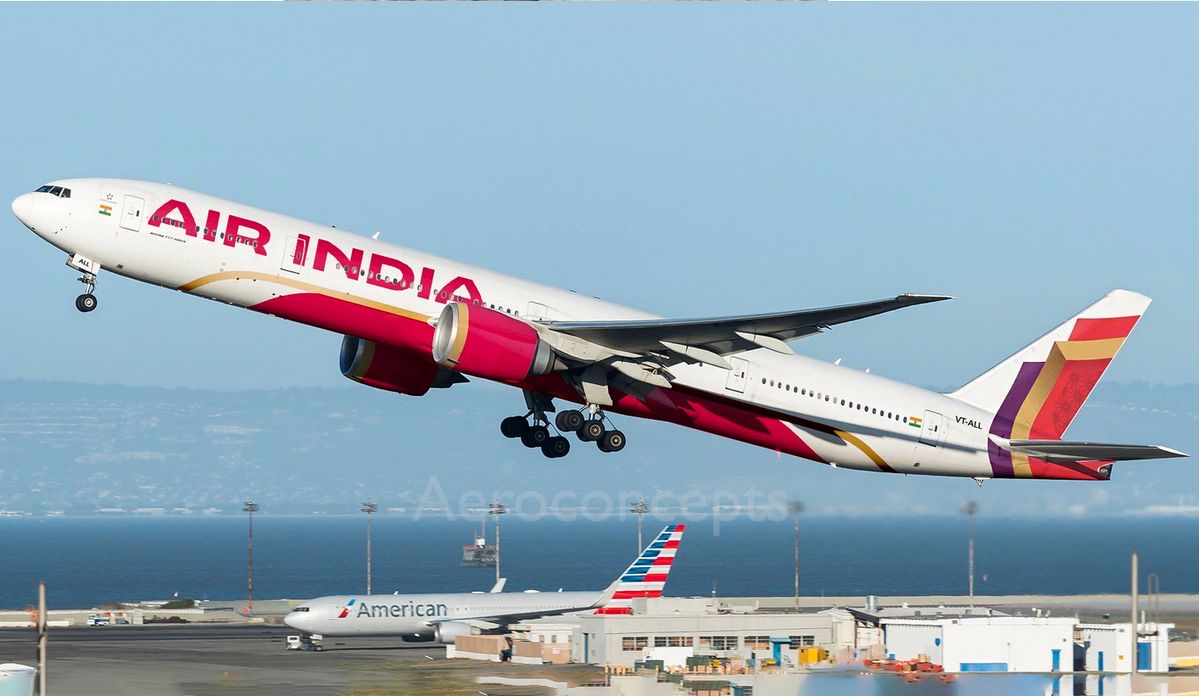
Fleet modernisation, driven by Airbus and Boeing deliveries, forms a core part of Air India’s expansion framework. Modern aircraft with extended range and improved fuel efficiency enable the airline to operate a wider range of routes while controlling operating costs, particularly on long-haul international sectors. These jets also contribute to improved reliability, passenger comfort and competitive positioning relative to other global carriers.
Aggarwal also highlighted that Air India is leveraging its loyalty programme, partnerships and codeshare arrangements to enhance customer choices and create integrated travel experiences. Strengthened alliances with other airlines and memberships in global airline networks are helping expand connectivity beyond Air India’s own flight network, giving passengers better access to seamless itineraries and reciprocal benefits.
India’s status as one of the fastest growing aviation markets in the world gives Air India a structural advantage, especially as outbound travel from India continues to grow rapidly. With a large and youthful population increasingly flying overseas for work, study and leisure, airlines that can offer strong international networks stand to gain from this secular trend. Aggarwal expressed confidence that Air India’s planned expansions would capitalise on this rising base of international travellers.
The airline’s commercial plans also recognise the importance of passenger experience enhancements, including upgraded onboard products, improved digital interfaces and service standards that align with global expectations. Enhancing the customer journey from booking to arrival remains a focus area as the airline seeks to win market share on competitive international corridors.
Air India’s growth strategy for FY27 includes the development of additional global hubs, improved connectivity through codeshare partners and continued work on strengthening its brand presence in key regions such as Europe, North America, Asia Pacific and the Middle East. Aggarwal said the airline will also monitor global economic conditions, currency movements and operating cost trends as it implements expansion initiatives.
Industry analysts note that structural tailwinds such as rising travel demand, fleet renewal, network expansion and improving operational metrics can create favourable conditions for growth. For Air India, combining these factors with disciplined execution and strategic partnerships enhances its prospects of strengthening global competitiveness and financial performance.
Looking ahead, the airline expects to align commercial planning with market opportunities, balancing capacity additions with yield management and customer value propositions that support both top-line growth and sustainable operations. The emphasis on international expansion reflects broader trends in aviation where carriers seek to diversify revenue sources and tap into global travel flows that have regained momentum.
Aggarwal’s remarks signal confidence in Air India’s ability to harness demand and deliver expanded connectivity while building operational strength. With structural tailwinds on its side, Air India aims to leverage network enhancements and service improvements to carve a stronger place for itself in the international aviation landscape in FY27 and beyond.