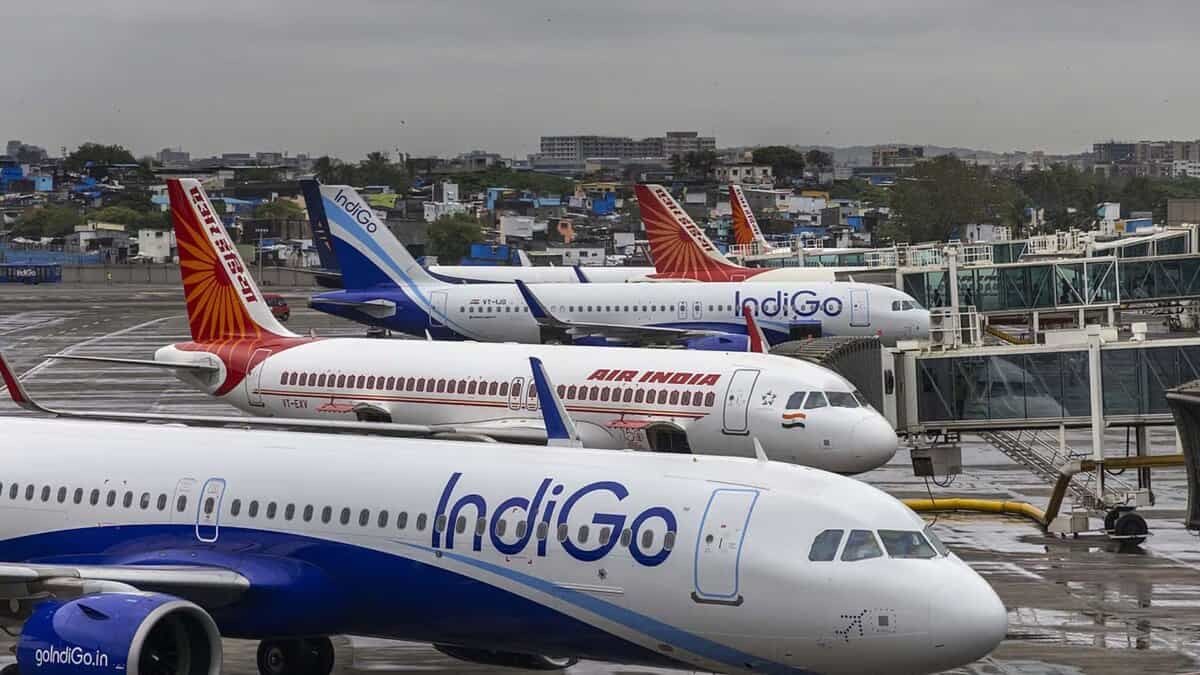
India’s civil aviation regulator has proposed a set of stricter norms to curb unruly behaviour on commercial flights, including empowering airlines to ban passengers from flying for up to 30 days for serious disruptions. The move comes amid growing concerns over incidents involving unruly and disruptive travellers that affect crew, other passengers and overall flight safety.
Under the proposals being considered by the Directorate General of Civil Aviation (DGCA), airlines may be able to implement temporary flying bans on individuals whose behaviour is deemed threatening, offensive, aggressive or otherwise disruptive to normal aircraft operations. The period of restriction could extend to as long as 30 days, giving carriers a stronger tool to deter misconduct both on the ground and in the air.
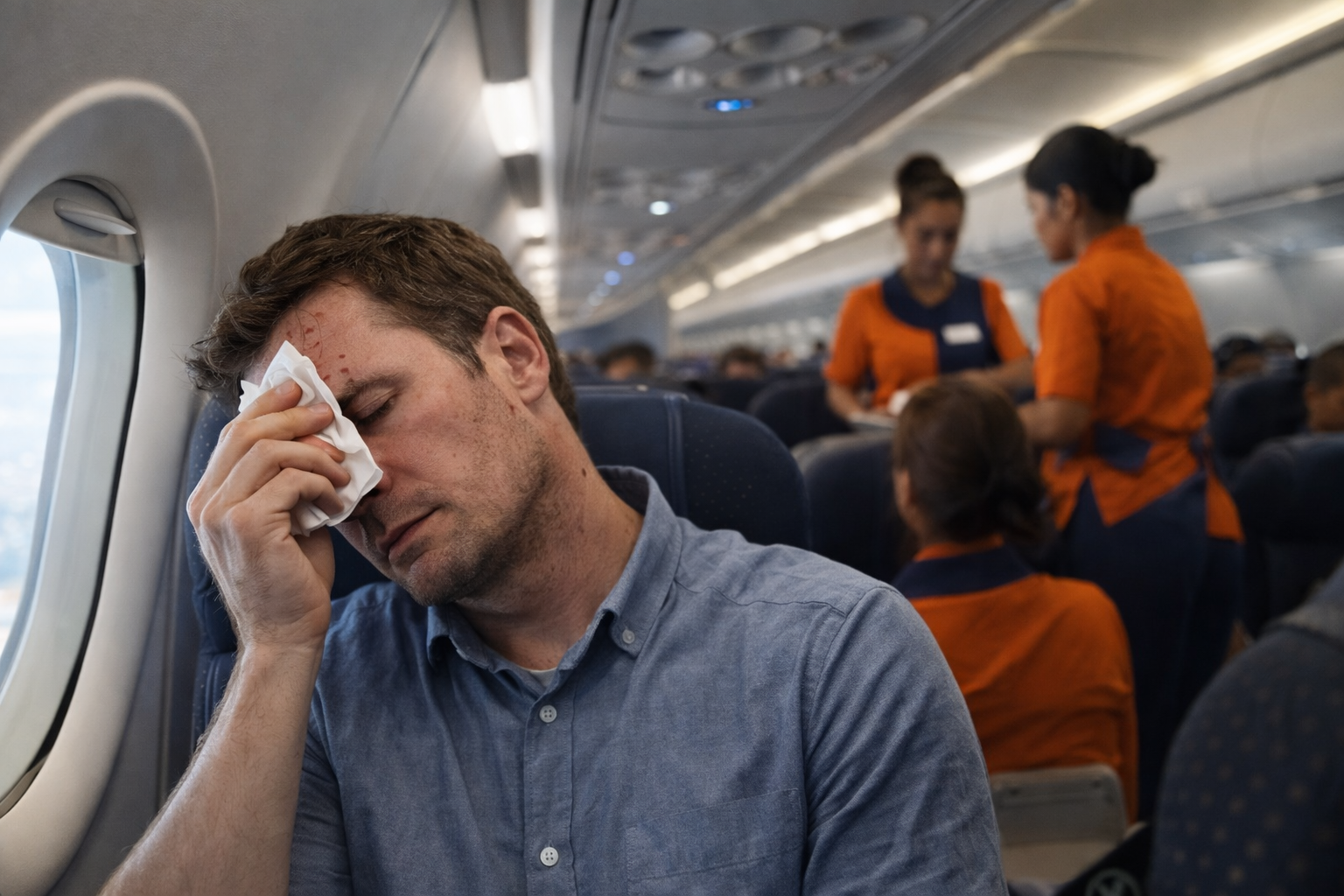
The DGCA’s draft framework aims to tighten accountability for passengers by clarifying classification of offences, defining permissible sanctions and outlining processes for instating flight bans. Behaviour that might trigger such sanctions includes physical or verbal abuse of crew members, refusal to follow safety instructions, interference with flight operations, harassment of fellow passengers, damage to aircraft equipment and refusal to comply with crew directives.
Currently, airlines and regulators handle unruly passenger cases under broad provisions that allow for fines, reporting to authorities and refusal of carriage. However, recent high profile incidents around the world and in India have demonstrated the need for clearer, more enforceable measures that can be applied consistently across carriers and flight sectors.
The DGCA’s proposal also suggests that repeat offenders could face longer flying bans and civil penalties, and that airlines should maintain internal databases of passengers who have been banned under the new regime. This could help prevent individuals with a history of serious misconduct from boarding flights with the same carrier or even across different operators.
Airlines have welcomed the regulator’s initiative, saying that disruptive behaviour poses not only a safety risk but also a serious operational challenge. Flight crews are trained to handle emergency procedures, but managing aggressive or non-compliant passengers diverts attention from key responsibilities and can escalate situations that would otherwise remain manageable. More robust rules, carriers say, will support their efforts to maintain discipline and protect passengers and crew.
Passenger advocacy groups have noted that while most travellers behave responsibly, there are occasional extreme cases where intervention is necessary. They have urged that any regulatory framework strike a balance between deterrence and fairness, making sure that sanctions are proportionate and that passengers have clear avenues for appeal or review.
The proposed guidelines also include provisions for airlines to report serious unruly behaviour to enforcement authorities and, where appropriate, to law enforcement for further action. This could include criminal charges for egregious conduct or coordination with airport security agencies to ensure that banned passengers are not permitted to board.
The DGCA is expected to open the draft norms for public consultation before moving toward finalisation, inviting feedback from airlines, industry bodies, consumer groups and other stakeholders. If adopted, the new regulations would align India’s rules more closely with international best practices, where similar temporary bans and sanctions are already in force in some jurisdictions to curb disruptive behaviour.
For airlines operating in and out of India, clearer rules on passenger conduct and enforceable consequences may help reduce the incidence of disruptive events, support crew authority, and reassure fellow travellers who expect safe, orderly journeys. As the aviation sector continues to grow rapidly, regulators and carriers alike are seeking approaches that balance passenger rights with operational safety and service quality.