Amid heightened tensions arising from the Iran Israel conflict and the resulting speculation over potential disruptions to global energy supplies, the Airports Authority of India has issued a strong clarification stating that it did not seek aviation fuel stock data from international airports across the country.
The clarification follows media reports that suggested the authority had asked operators of major international airports to share details about aviation turbine fuel availability, daily consumption levels and projected requirements. According to those reports, the alleged request was described as a precautionary move in light of geopolitical instability in West Asia and concerns over possible supply chain disruptions. However, AAI has categorically denied these claims and termed them factually incorrect.
In its statement, the Airports Authority of India made it clear that it neither formally nor informally approached airport operators to collect data related to aviation fuel inventories. The authority emphasized that monitoring fuel stocks or directing airports to report on fuel reserves does not fall within its operational mandate. AAI reiterated that its primary responsibilities include airport infrastructure management, air navigation services and ensuring safe and efficient aircraft movement across Indian airspace.
The clarification comes at a time when the aviation industry has been closely monitoring developments in the Middle East. The region plays a critical role in global crude oil supply, and any instability often triggers concerns about fuel availability and pricing. Aviation turbine fuel, being a refined petroleum product, is directly influenced by global crude markets. Even speculation regarding supply chain disruption can lead to heightened market sensitivity, operational recalibrations and precautionary planning by airlines and airport stakeholders.
Despite this broader context, AAI stressed that no such fuel related data collection exercise was initiated by the authority. It clarified that fuel procurement, storage and distribution at airports are managed by oil marketing companies and fuel suppliers operating under separate regulatory frameworks. Airport operators facilitate infrastructure for fuel storage and supply systems, but oversight of inventory levels and stock management lies outside the Airports Authority’s scope of duties.
The authority further urged stakeholders and media outlets to verify information before circulation, noting that unverified reports can create unnecessary concern within the aviation ecosystem. In times of geopolitical tension, speculation about fuel shortages can contribute to passenger anxiety and operational uncertainty. By issuing a formal clarification, AAI aimed to restore confidence and ensure that misinformation does not disrupt normal airport functioning.
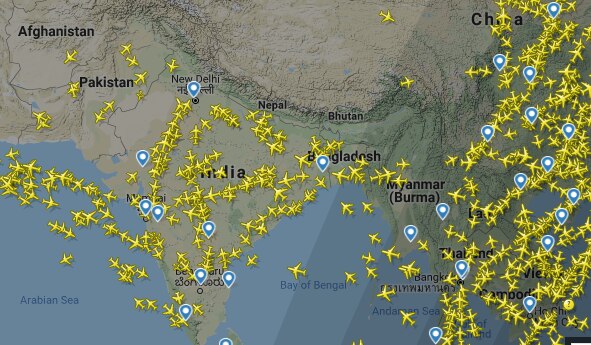
India’s aviation sector has already been navigating operational adjustments due to airspace advisories, route changes and flight cancellations linked to the evolving West Asia situation. Airlines have been reviewing flight paths, modifying schedules and introducing contingency plans to maintain passenger connectivity. However, fuel availability at Indian airports has not been officially flagged as a concern by relevant authorities.
Industry experts note that while global crises can influence fuel prices, the supply chain for aviation turbine fuel in India is typically structured with buffer mechanisms, diversified sourcing and domestic refining capacity. Any coordinated assessment of fuel availability would usually involve oil companies and government energy agencies rather than airport infrastructure authorities.
The Airports Authority of India’s statement reinforces the importance of clear communication during sensitive geopolitical developments. By firmly denying the reports, the authority sought to separate speculation from operational reality and maintain stability within the aviation ecosystem.
At present, AAI continues to focus on its core responsibilities of managing airport operations, supporting airline movements and ensuring that air traffic services function smoothly across the country. The authority has not announced any extraordinary measures related to fuel management, and regular airport operations continue under established regulatory protocols.
As global developments unfold, aviation stakeholders remain vigilant, but the Airports Authority of India has made it clear that no directive regarding aviation fuel stock data was issued, and airport operations remain aligned with standard procedures and regulatory responsibilities.