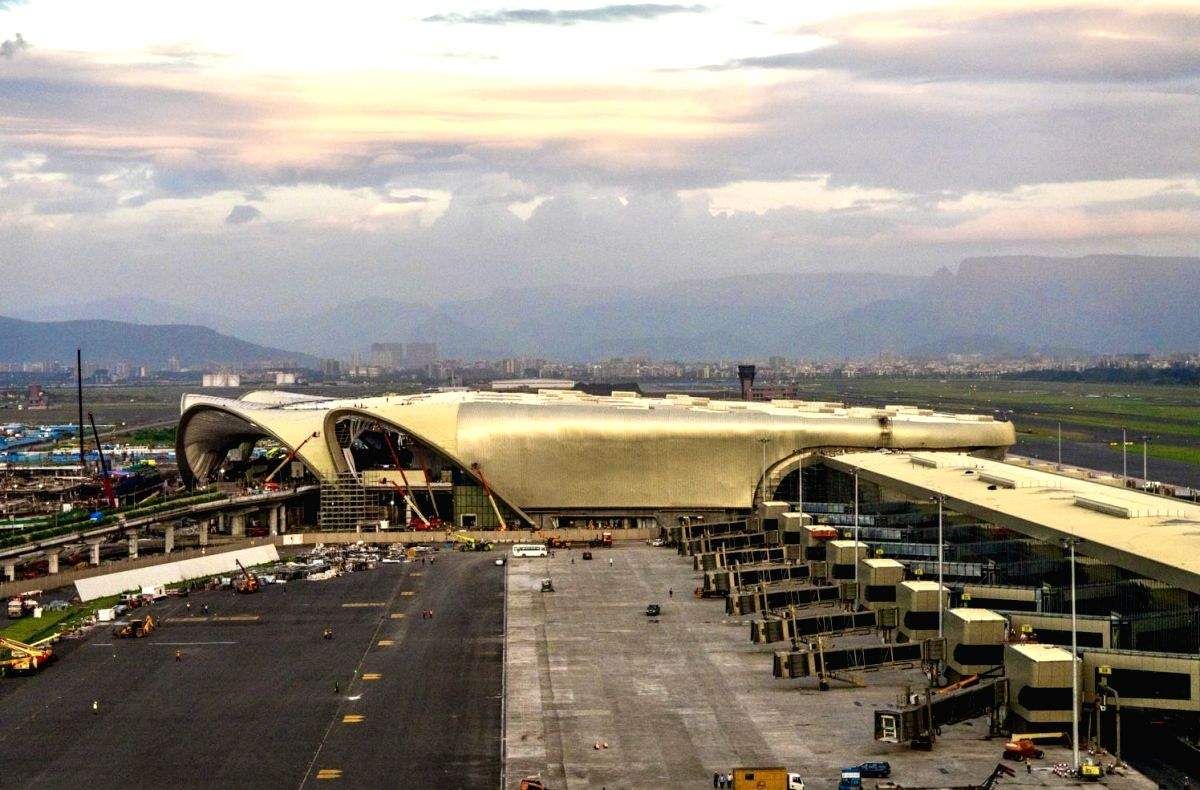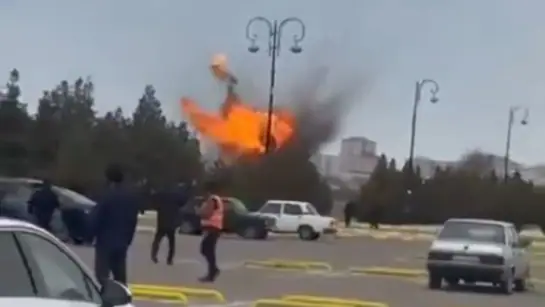
Missiles and drones reportedly coming from the direction of Iran struck areas near Nakhchivan International Airport in Azerbaijan’s Nakhchivan Autonomous Republic, raising concerns that the ongoing regional conflict could spill beyond the Middle East into the South Caucasus. The airport lies close to the Iranian border, making it particularly vulnerable to cross-border incidents during periods of heightened military activity.
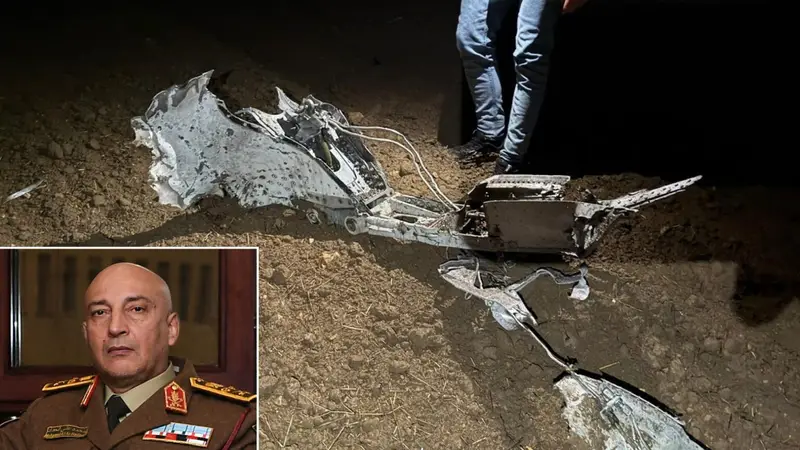
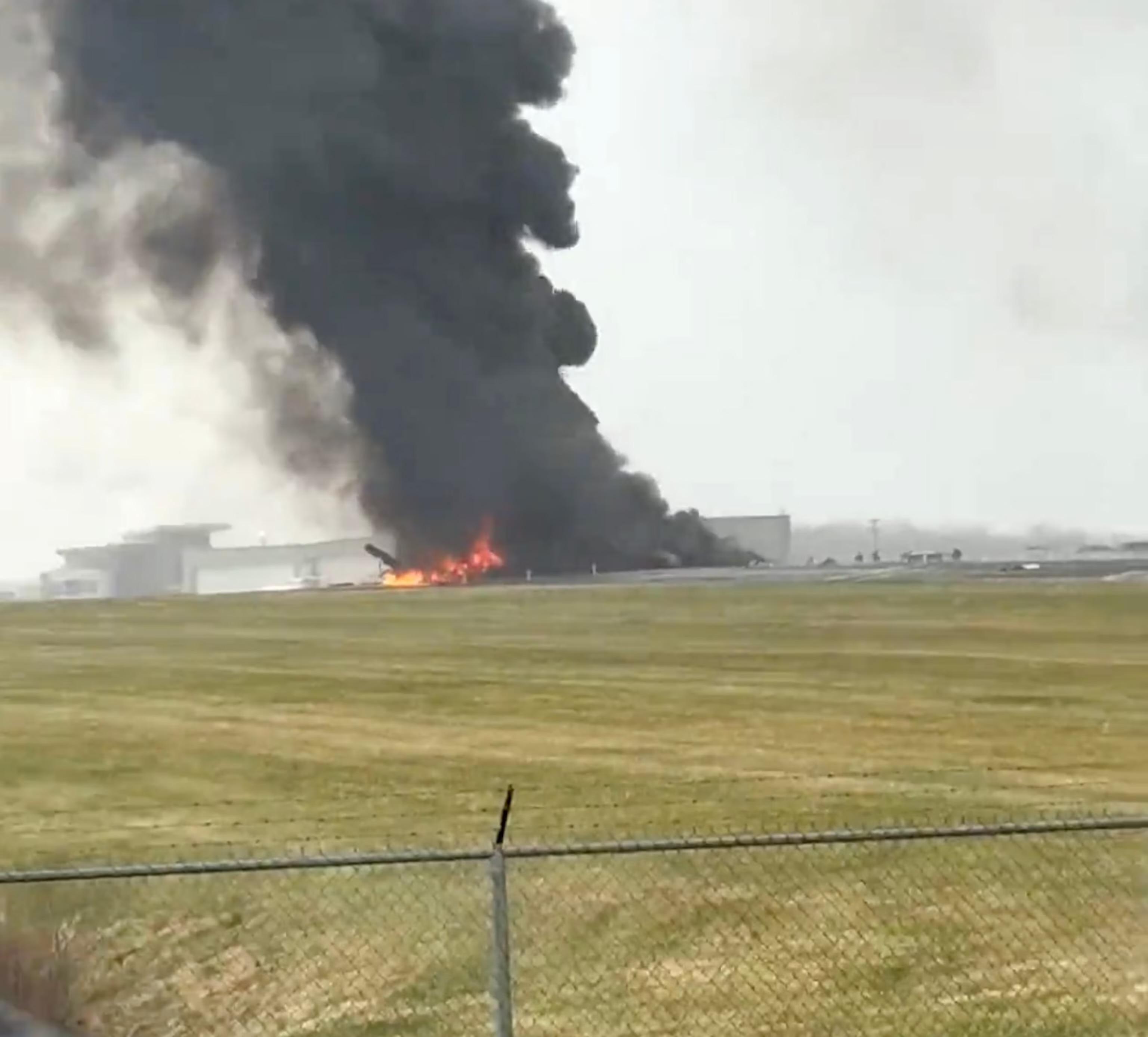
According to sources familiar with the situation, the projectiles landed in the vicinity of the airport complex, causing visible damage and sending thick plumes of smoke rising above the area. Footage circulating from the scene showed smoke near parts of the airport infrastructure, indicating that the attack may have impacted facilities around the terminal area.
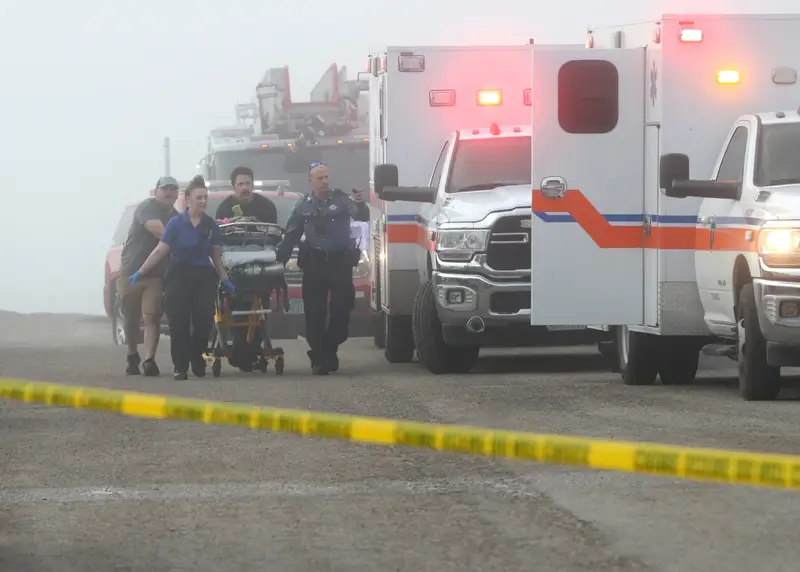
Authorities later stated that at least two drones entered Azerbaijani airspace from the Iranian side of the border. One of the drones reportedly struck part of the airport infrastructure, while another came down near the nearby village of Shekerabad. The incident caused injuries to civilians and triggered an emergency response from local authorities. Rescue teams and security personnel quickly reached the site to assess the situation, provide medical assistance and evaluate the extent of the damage.
Nakhchivan is a strategically significant region that borders Iran, Armenia and Turkey. Because of its geographic position, any military activity in the surrounding areas can have immediate implications for the region’s security and aviation operations. Airports located close to conflict zones are especially vulnerable to spillover incidents involving missiles, drones or other aerial threats.
Following the incident, Azerbaijan’s government strongly condemned the attack and described it as a violation of the country’s sovereignty and territorial integrity. Officials emphasized that civilian infrastructure, including airports and nearby community facilities, should never be targeted under any circumstances. The government also expressed serious concern about the potential risks to residents living close to the impact areas.
In response to the incident, Azerbaijan’s foreign ministry summoned Iran’s ambassador to seek clarification and formally protest the alleged violation of its airspace. Officials demanded an explanation for how the drones and missiles entered Azerbaijani territory and called on Iran to ensure that such incidents do not occur again in the future.
The Azerbaijani defence authorities also indicated that the country is reviewing security measures to protect its airspace and critical infrastructure. Airports, transport facilities and other important installations are likely to see increased surveillance and security monitoring in the coming days as authorities assess potential risks.
The attack has heightened fears that the wider conflict involving Iran could spread into neighboring regions. As military tensions continue to escalate across parts of the Middle East, several countries in surrounding areas are becoming increasingly concerned about the possibility of stray missiles, drones or other weapons crossing borders unintentionally or as part of expanding hostilities.
Aviation experts say incidents like this highlight the vulnerability of airports and airspace located near conflict zones. Even if the intended targets lie elsewhere, projectiles or drones can deviate from their paths and land in nearby regions, posing serious risks to civilian populations and aviation infrastructure.
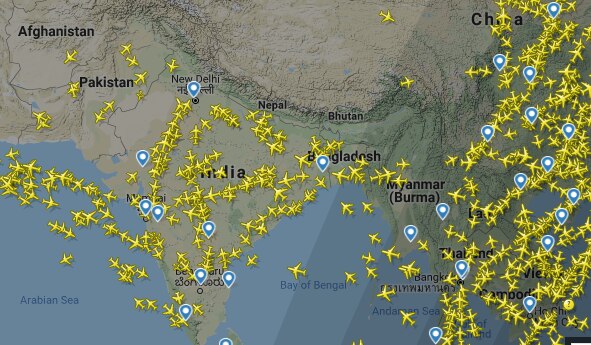
The situation also underscores the broader impact geopolitical conflicts can have on international aviation. Airlines and aviation regulators are already closely monitoring airspace safety across multiple regions as military activity continues. Any escalation or expansion of the conflict could force airlines to reroute flights, suspend services or avoid certain airspace corridors altogether.
Authorities in Azerbaijan are continuing to investigate the incident and assess the full extent of the damage caused near the airport and surrounding areas. Meanwhile, regional leaders and international observers are closely watching developments, as the event has intensified concerns about the conflict expanding beyond its current boundaries.