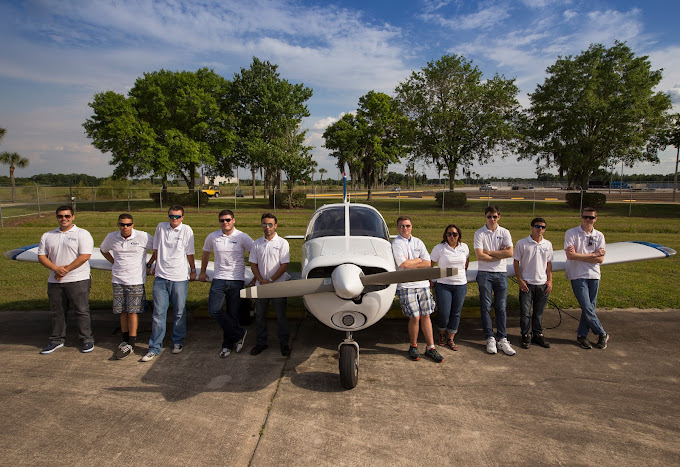
Chimes Aviation Academy, part of the Indian Flight Training Group, has taken a significant step in expanding its pilot training capabilities with the induction of three new Piper Archer aircraft at its Neemuch training base. The move comes as India’s aviation industry continues to grow rapidly, increasing demand for professionally trained pilots and modern flight training infrastructure.
The addition of these three Piper Archers marks part of the academy’s phased approach to scaling up capacity and enhancing the quality of training it can offer cadets. Piper Archer models are well regarded in training environments for their reliability and performance, making them a common choice for ab initio flight schools worldwide. With their introduction, Chimes Aviation Academy will be able to reduce waiting times for training slots and provide a more structured learning progression for its students.
Located at the Neemuch Civil Airstrip in Madhya Pradesh, the academy has steadily expanded its footprint in recent years in response to rising interest in aviation careers among Indian youth and the necessity for more flight crew to support airline expansion plans. The airport’s facilities now support a broader set of training activities, including pattern work, navigation exercises and early solo flight experience, all of which will benefit from the additional aircraft.
Officials at Chimes Aviation Academy highlighted that the new aircraft will help the school maintain a more efficient student to aircraft ratio, enabling better scheduling and more consistent flying days for trainees. Given the cyclical nature of weather and airport availability, having a larger fleet allows the academy to keep students progressing steadily through their curriculum without extended downtime.
The Piper Archer induction also reflects broader industry trends. With airlines in India placing large aircraft orders and increasing flight frequencies, flight training organisations are under pressure to produce qualified pilots quickly while ensuring that quality and safety standards remain high. Training capacity has been one of the bottlenecks in meeting this demand, and expansions like this are seen as part of the necessary ecosystem growth.
Chimes Aviation Academy trainers and mentors have worked to create a curriculum that integrates both theoretical knowledge and practical flight hours, a balance that is essential for producing capable commercial pilots. The addition of these aircraft allows for more simultaneous student flights, enriching the real-world flying experience that precedes advanced simulator and airline transition training.
The academy’s management said that the expansion was not merely about increasing numbers, but also about enhancing training quality. With modern and properly maintained aircraft, students can focus on mastering core flight techniques and developing confidence in handling real aircraft from the earliest stages of instruction.
India’s rapid aviation growth underscores the importance of such developments. As domestic and international carriers grow fleets and new airlines enter the market, the demand for qualified pilots continues to outpace supply. Training organisations like Chimes are critical in bridging that gap, and investments in aircraft and infrastructure signal confidence in future aviation career prospects.
The expanded fleet positions the academy to attract more aspiring pilots from across the country and supports regional aviation ambitions. As the academy continues to refine its training offerings, pilots in training at Neemuch will benefit from increased flying hours, greater aircraft availability and the structured progression that a larger fleet enables.